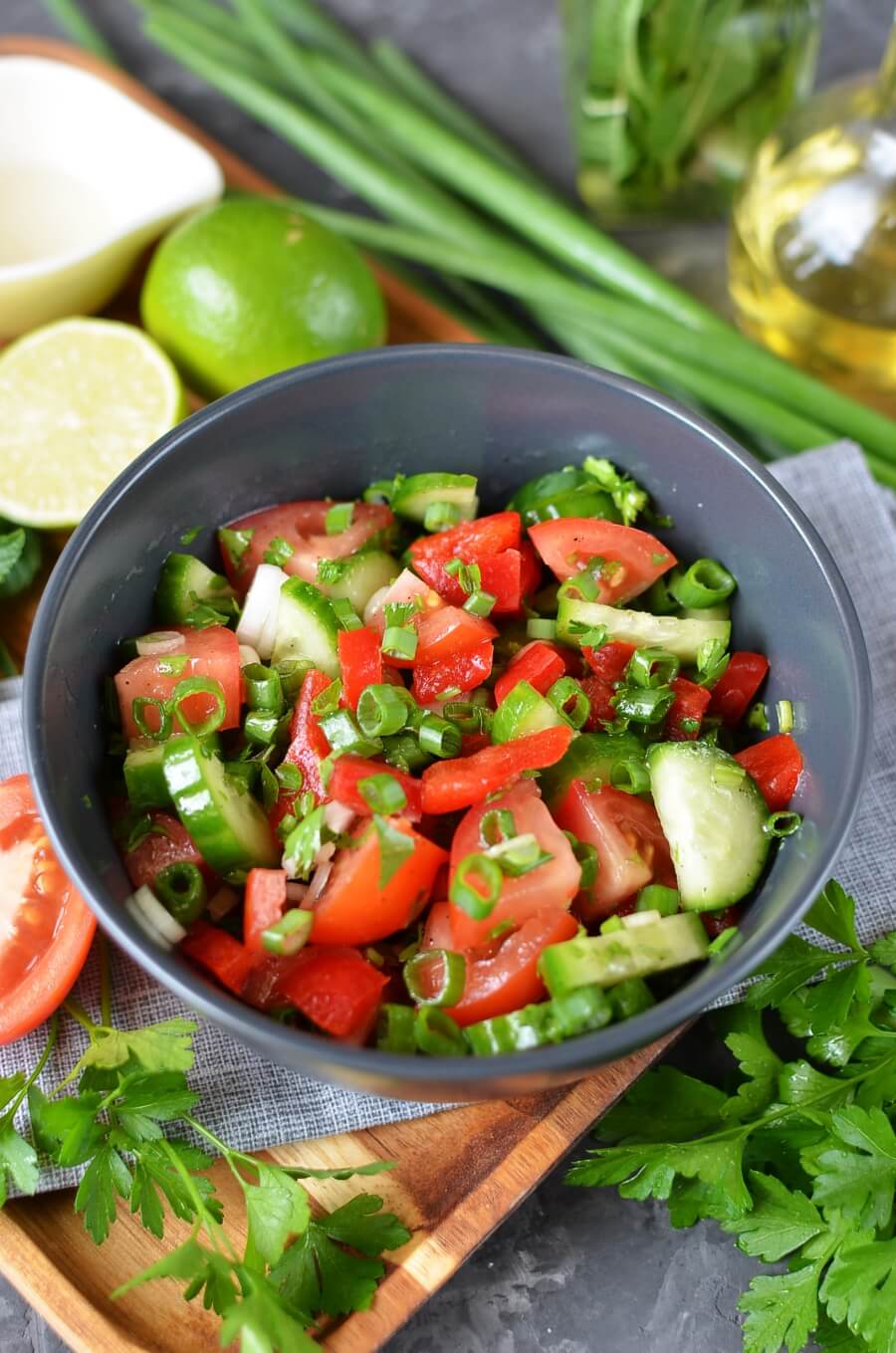
Fast (≤ 30 min)
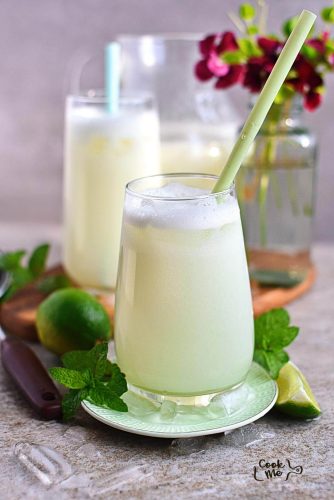

Long before Portuguese ships reached Brazil’s shores in 1500, indigenous tribes had already mastered the art of living off the land. They cultivated the “three sisters” of Brazilian cuisine—cassava, corn, and beans—that still anchor every Brazilian meal today. These early cooks knew secrets we’re only rediscovering: how to detoxify cassava into safe, nutritious cassava flour, how to ferment it into that mysterious yellow sauce called tucupi, and how to turn tropical fruits into energy-packed superfood bowls centuries before açaí became trendy.
When Portuguese colonizers arrived, they didn’t just bring ingredients—they brought an entirely different approach to cooking. Sugar cane transformed desserts, while European techniques like slow-braising created the foundation for Brazil’s beloved feijoada. But here’s what makes Brazilian cuisine truly special: it never lost its indigenous soul. Instead, Portuguese cooks learned to embrace manioc flour as enthusiastically as wheat, and discovered that tropical fruits made even better preserves than European varieties.
The African influence came through heartbreak but created culinary magic. Enslaved Africans brought dendê palm oil, okra, and techniques for deep-frying that transformed simple ingredients into complex flavors. In Bahia especially, this fusion reached extraordinary heights—dishes like vatapá and acarajé showcase how African knowledge combined with local ingredients to create something entirely new. Today, these Afro-Brazilian dishes aren’t just food; they’re cultural heritage recognized worldwide.
Modern Brazilian cuisine continues evolving as waves of immigrants—Italian, Japanese, German, Lebanese—add their own chapters to this culinary story. The result? A food culture so diverse that you can travel from the Amazon to Rio Grande do Sul and feel like you’re discovering different countries entirely.
Forget everything you think you know about Brazilian food when you hit the Amazon. This is where you'll encounter jambu—a leafy green that literally makes your mouth tingle and go numb (in the best way possible). Locals serve it in tacacá, a soup so unique that first-timers often can't stop talking about the experience. Then there's tucupi, a bright yellow sauce made from fermented cassava that takes days to prepare safely because the raw juice is actually toxic. The patience required for tucupi tells you everything about Amazonian cooking: it's not fast food, it's forest food.
Step into Salvador and you're stepping into Brazil's most soulful kitchen. This is where dendê palm oil gives everything a gorgeous orange glow and coconut milk makes even simple fish stews taste like celebrations. Moqueca isn't just a dish here—it's a ritual, served bubbling in clay pots with enough heat and flavor to wake up your entire palate. The street vendors selling acarajé aren't just making snacks; they're continuing traditions that connect directly to West African cooking techniques brought over centuries ago.
Meet pequi, the fruit that could literally hurt you if you're not careful—it's covered in tiny spikes that can get stuck in your throat. But prepare it right (and locals definitely know how), and pequi delivers a flavor that's part cheese, part tropical fruit, and completely addictive. This is cattle country where arroz com pequi pairs perfectly with grilled meats, and farofa gets elevated with plantains and regional seasonings you won't find anywhere else.
São Paulo and Rio aren't just cities—they're food laboratories where traditional meets experimental. Sure, you'll find perfect feijoada here, but you'll also discover fusion restaurants blending Japanese precision with Brazilian boldness, or Italian techniques applied to tropical ingredients. This is where pão de queijo perfected its irresistible chewiness and where Brazil's coffee culture reaches its caffeinated peak.
Welcome to churrasco central, where gaucho traditions meet Brazilian passion for gathering around food. This isn't just barbecue—it's a social institution where the quality of meat and the skill of the grillmaster determine whether you're having dinner or attending a celebration. The German and Italian immigrants here didn't just bring recipes; they created entirely new traditions like barreado, where meat slow-cooks for up to 18 hours in sealed clay pots.
Once you've mastered the basics, hunt down malagueta peppers (small but fierce), hearts of palm (palmito), and if you're feeling adventurous, frozen açaí packets from Brazilian markets. For the ultimate authenticity, track down pequi (usually frozen) or jambu (sometimes available fresh in specialty stores).
Brazilian markets are your best bet, but many items are showing up in regular supermarkets now. Online suppliers offer everything from tucupi to frozen açaí pulp. Don't stress if you can't find everything—Brazilian cooking is all about adapting with what you have.
Almost every Brazilian dish starts with a refogado—onions, garlic, and often tomatoes slowly cooked until they're golden and fragrant. This isn't just sautéing; it's building a flavor foundation that makes everything taste more Brazilian. Take your time with this step, and your food will thank you.
Farofa looks simple—toasted cassava flour mixed with butter and seasonings—but it's actually quite technical. The flour should be golden, not brown, and every grain should be coated but not clumpy. Master this, and you've mastered the side dish that makes every Brazilian meal complete.
Brazilian stews like feijoada and moqueca aren't fast food. They develop their complex flavors through patient cooking at low temperatures. Don't rush—let the ingredients get acquainted slowly, and you'll understand why these dishes have fed families for generations.
In Brazil, food is never just about nutrition—it's about connection. The traditional Brazilian lunch (almoço) can stretch for hours, especially on weekends when extended families gather for feijoada. There's an art to Brazilian hospitality that visitors notice immediately: plates are always full, everyone's invited, and the conversation matters as much as the food.
Brazilian cuisine is having a serious moment globally. Chefs are rediscovering indigenous ingredients like jambu and baru nuts, while açaí has conquered international superfood markets. The farm-to-table movement in Brazil focuses on native ingredients and traditional techniques, creating dishes that feel both ancient and cutting-edge.
Instagram-worthy açaí bowls might seem like a recent trend, but Brazilians have been blending this superfruit for smoothies and energy bowls for decades. The difference? Traditional preparation emphasizes the fruit's natural earthy flavors rather than drowning it in sweet toppings.
Every Brazilian celebration has its food traditions. Festa Junina brings corn-based treats and quentão (mulled cachaça). New Year's Eve means lentils for luck and prosperity. And no Brazilian birthday is complete without brigadeiros—those addictive chocolate truffles that disappeared from dessert tables faster than you can say "parabéns."
While Spanish-speaking Latin America was shaped primarily by Spanish colonization, Brazil's Portuguese heritage created distinct differences. Brazilian cuisine relies heavily on cassava instead of corn, uses more coconut milk and dendê oil, and features stronger African influences, especially in fermented and deep-fried dishes. Plus, Brazil is the only major South American country where beans and rice are eaten together daily as a basic combination.
Absolutely! Brazilian home cooks are masters of adaptation. Substitute regular flour for cassava flour in pinches, use olive oil instead of dendê (though the flavor will be different), and focus on techniques like slow-braising and building flavor bases with onions and garlic. The spirit of Brazilian cooking is more important than perfect authenticity.
Start with pão de queijo (Brazilian cheese bread) or a simple moqueca. Both showcase essential Brazilian flavors without requiring hard-to-find ingredients. Pão de queijo teaches you about tapioca flour's unique texture, while moqueca introduces you to the coconut milk and cilantro combinations that define Brazilian coastal cooking.
Not typically! While Brazilian cuisine uses plenty of peppers, they're usually served as condiments rather than cooked into dishes. Malagueta pepper sauce appears on most tables, but it's added according to personal preference. The exception is some Bahian dishes, which can pack more heat due to African influences.
A heavy-bottomed pot for beans and stews, a good skillet for refogados, and ideally a clay pot (panela de barro) for the most authentic moquecas and stews. A mortar and pestle helps with garlic and herb preparation, but you can start with basic cookware and upgrade as you get more serious about Brazilian cuisine.