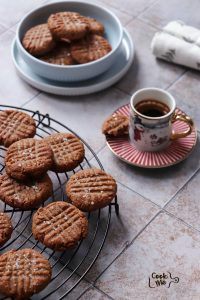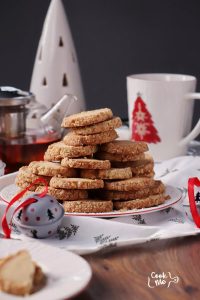
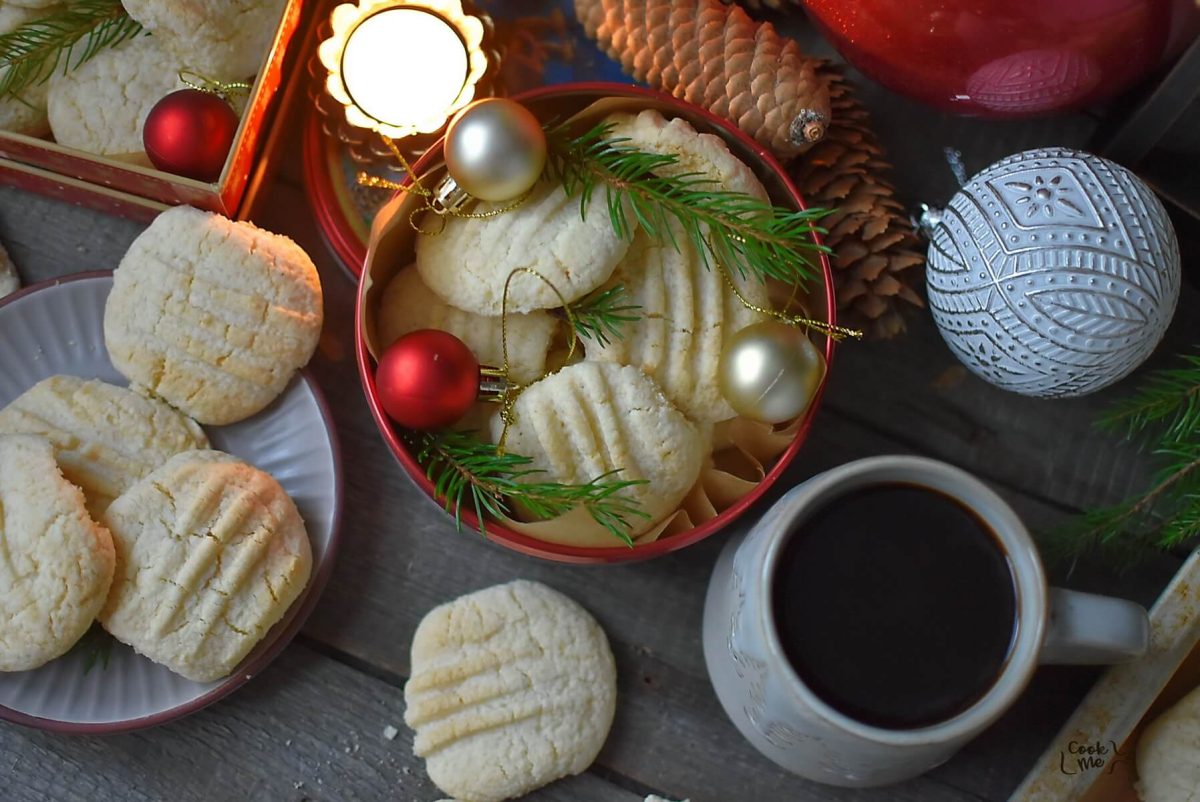
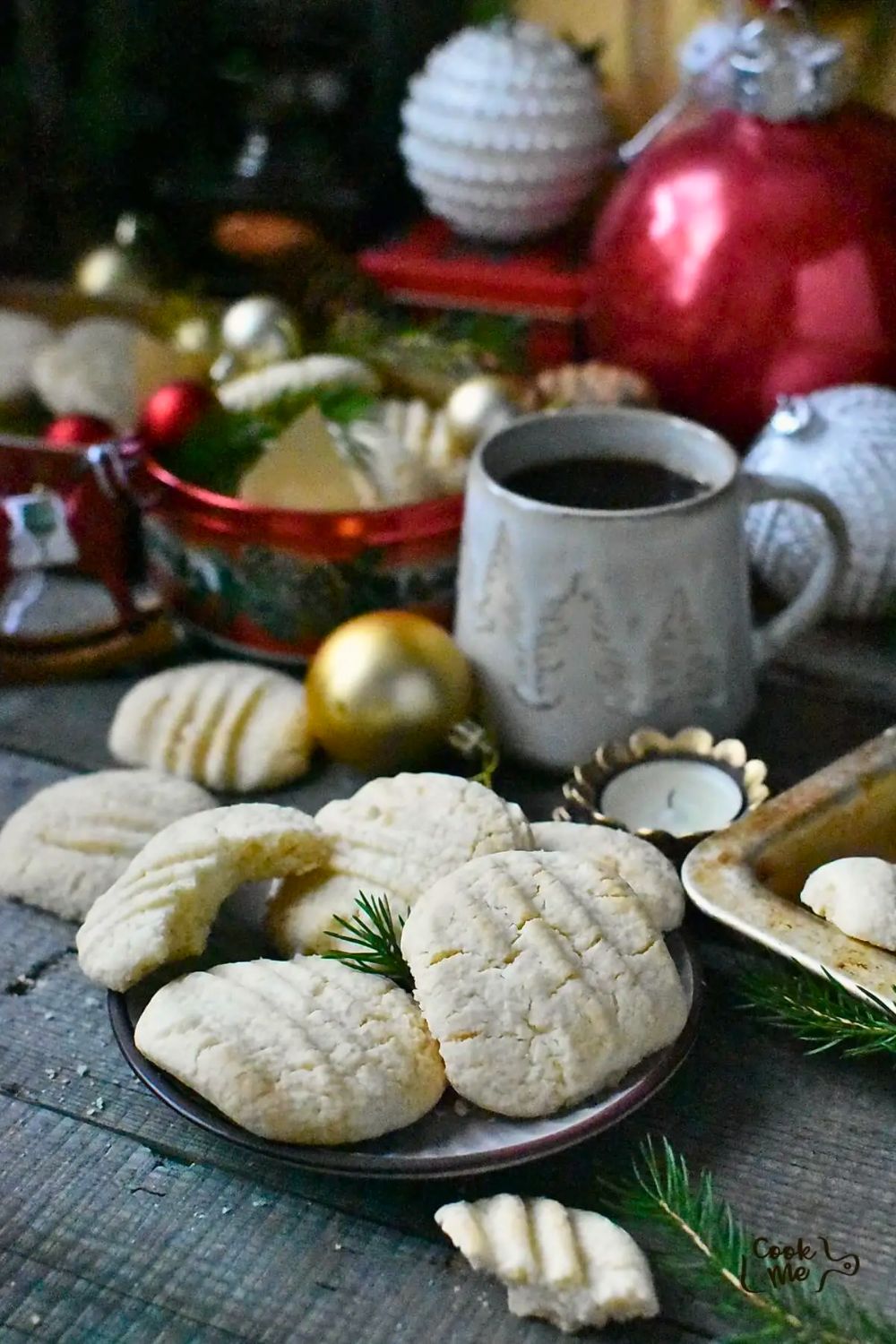
These cookies have become my holiday go-to. They are buttery and light, with just enough vanilla to feel like a small celebration. The potato starch is the quiet star here. It gives the dough a tender, almost melt-away texture that I look for in simple festive baking.
I want to tell you why this particular recipe matters to me. A friend in Dublin shared her grandmother’s version with me, and it reminded me of cookies I tried in Scandinavia. I adjusted a few things to fit the pantry I keep in Riga, but the heart of it stayed the same: Plain ingredients, a caring rhythm, and the kind of outcome that invites seconds.
These Scandinavian Christmas cookies, as some might call related recipes, are forgiving. Kids can help. If you overbake a handful, they still taste fine with tea. For me, the best part is the ritual: Creaming butter, rolling tiny balls, pressing them with a fork into imperfect patterns. It is a small, grounding loop in a busy week.
One last thought before we move on. If you are wondering, don’t order Christmas cookies from stores; just try baking these at home. The scent of vanilla and warm butter will do more for your table than any boxed selection ever could.
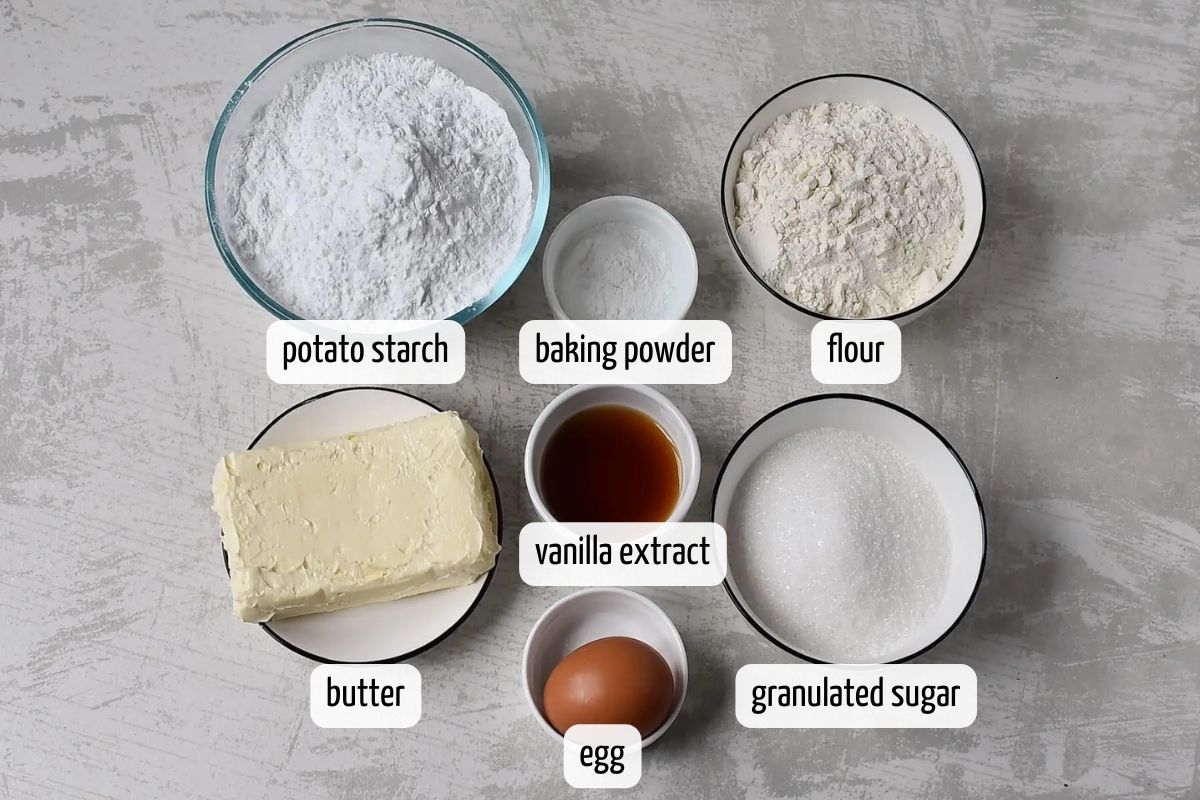
To make the Norwegian Christmas Cookies, you will need the following ingredients:
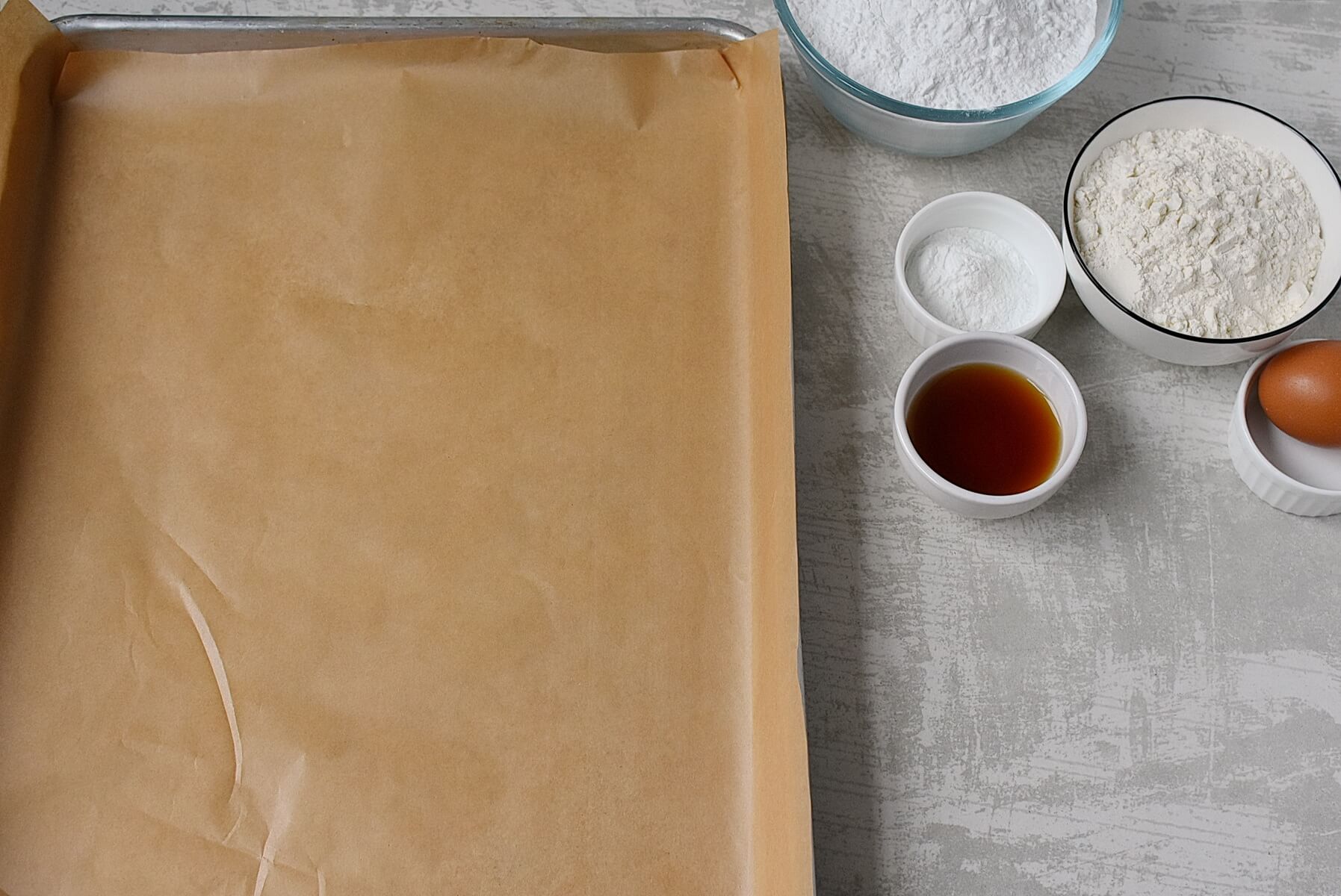
Preheat the oven to 350°F/180°C. Line 2 baking sheets with parchment paper.
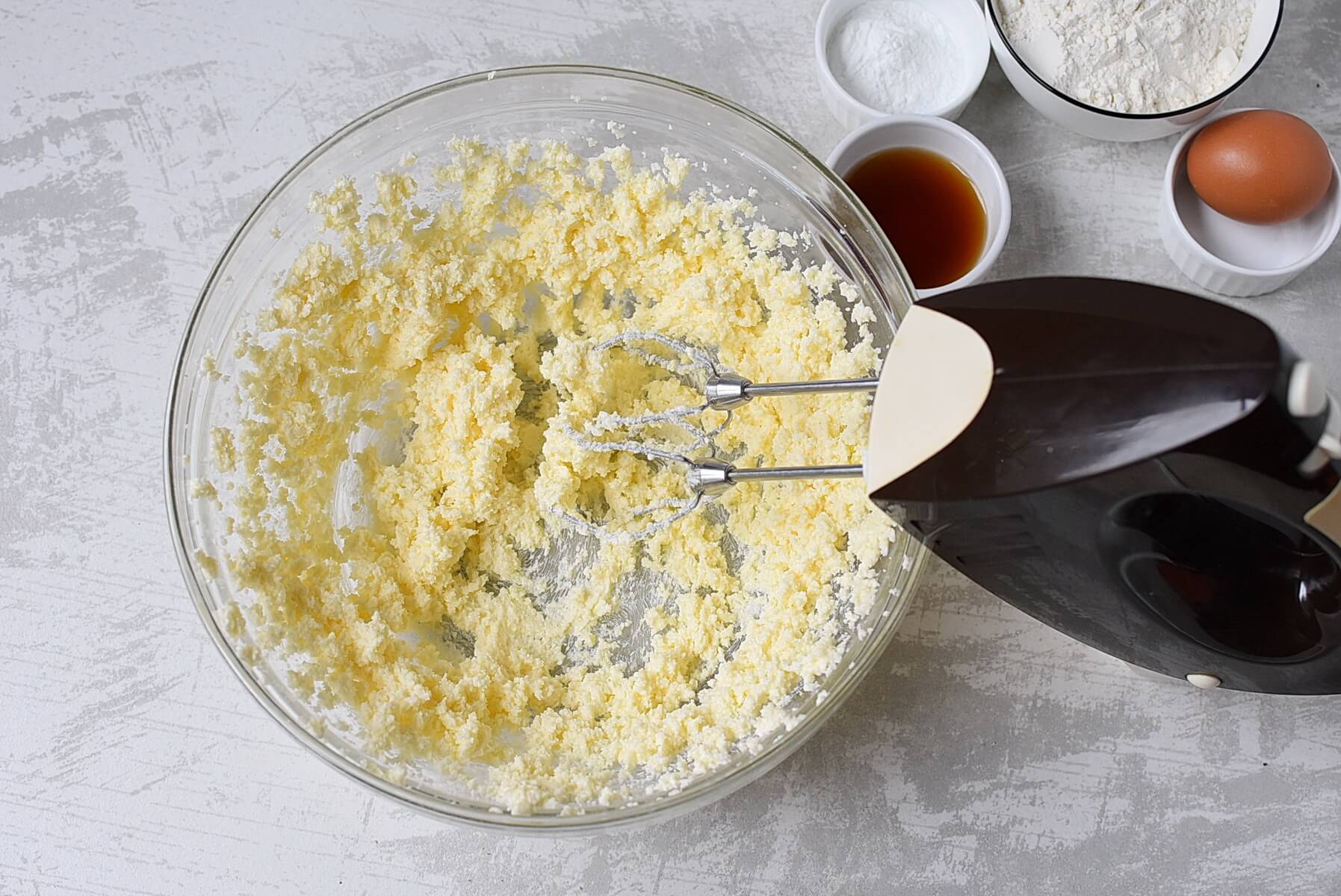
In a large bowl, beat together 1 cup plus 2 tablespoons butter and 1 ¼ cups sugar until light and fluffy.
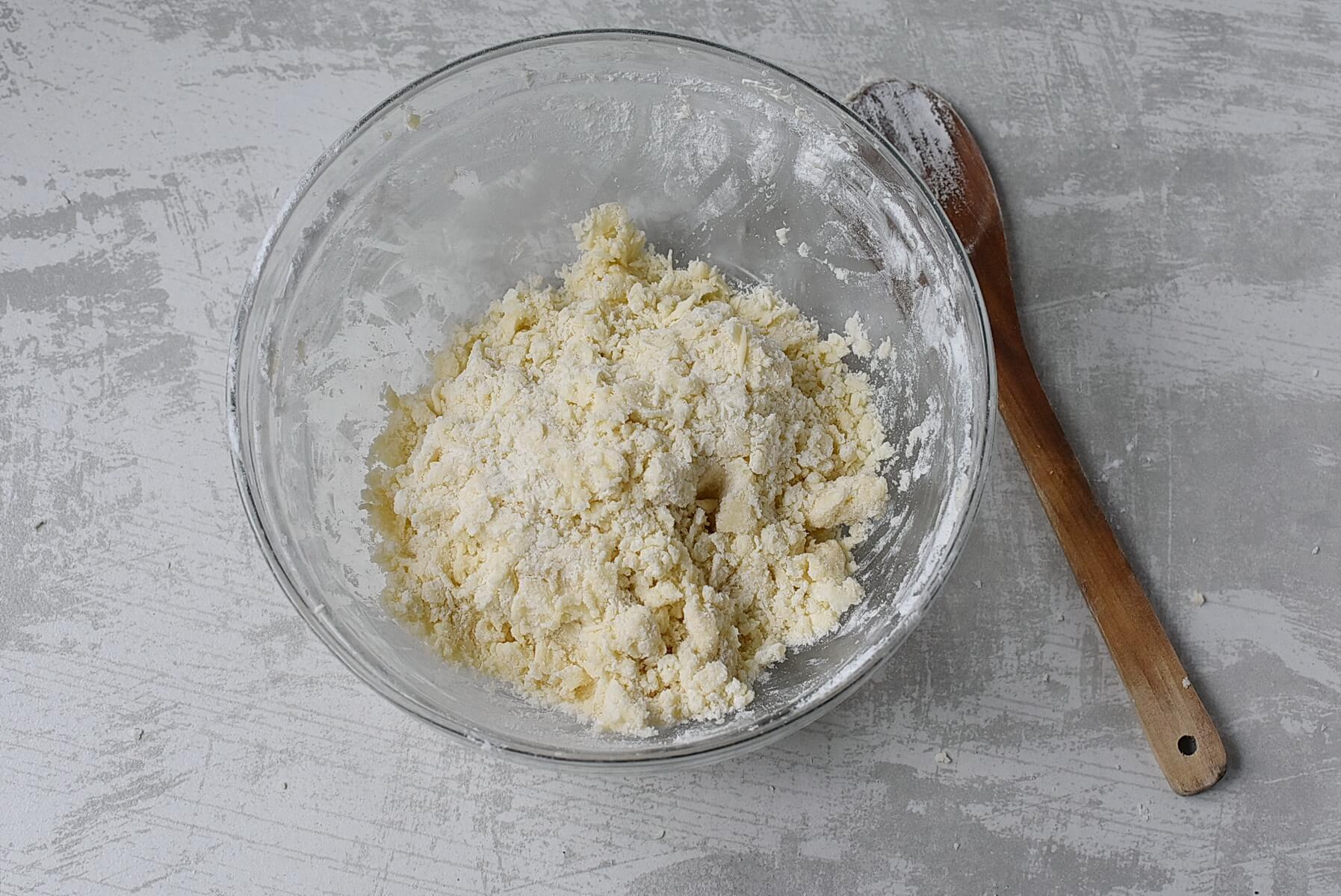
Add in 1 large egg, 4 cups plus 2 tablespoons potato starch, 1 cup plus 2 teaspoons all-purpose flour, 5 teaspoons vanilla sugar (or 3 teaspoons vanilla extract), and 1 teaspoon baking powder and form a smooth dough.
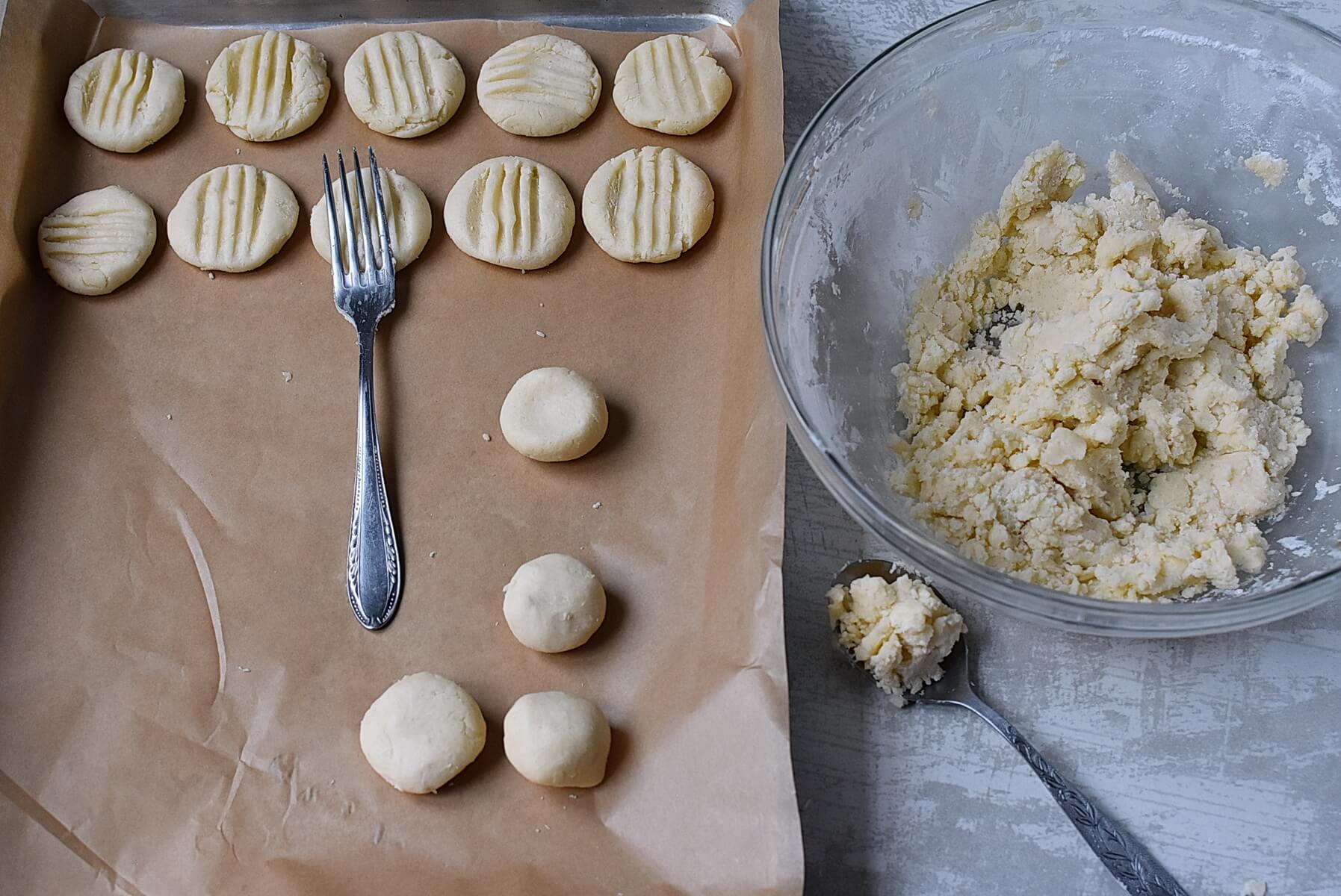
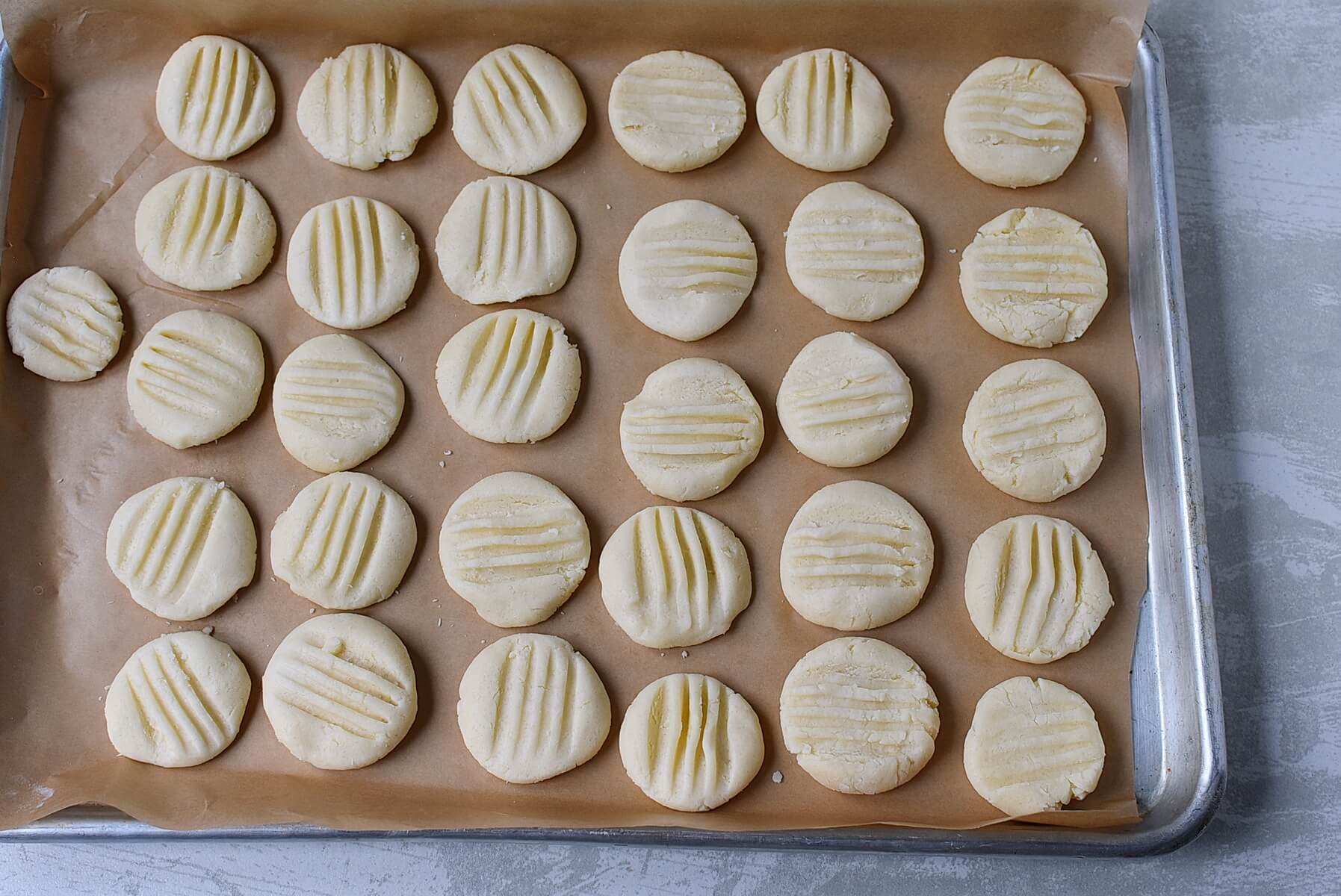
Taking a spoonful of dough at a time, roll each portion into a small ball with your hands. Use a fork to gently press down on each ball to flatten slightly and create a pattern. Transfer the cookies to the prepared baking sheets.
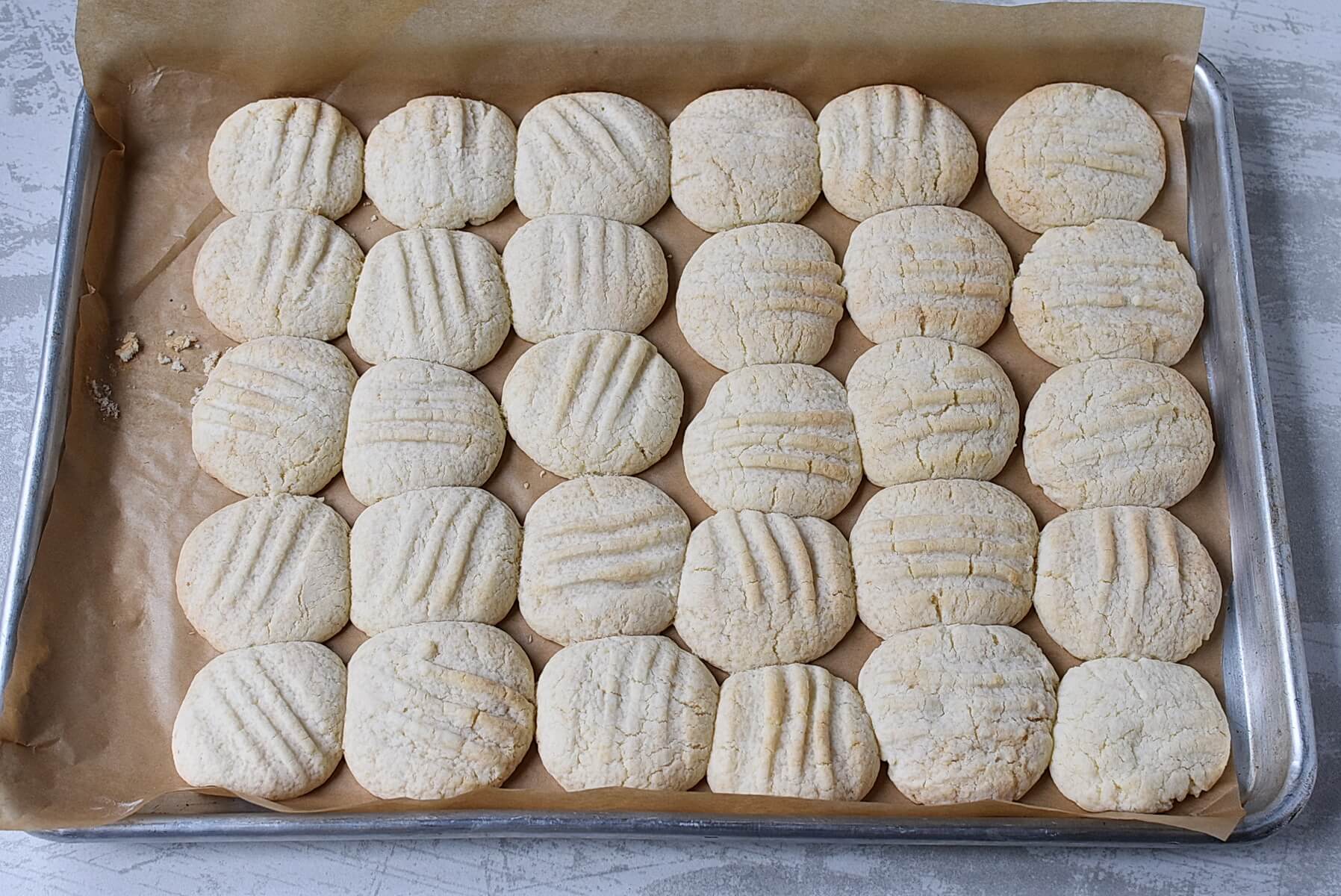
Bake one sheet at a time in the center of the oven for 10 minutes. The cookies should be light in color.
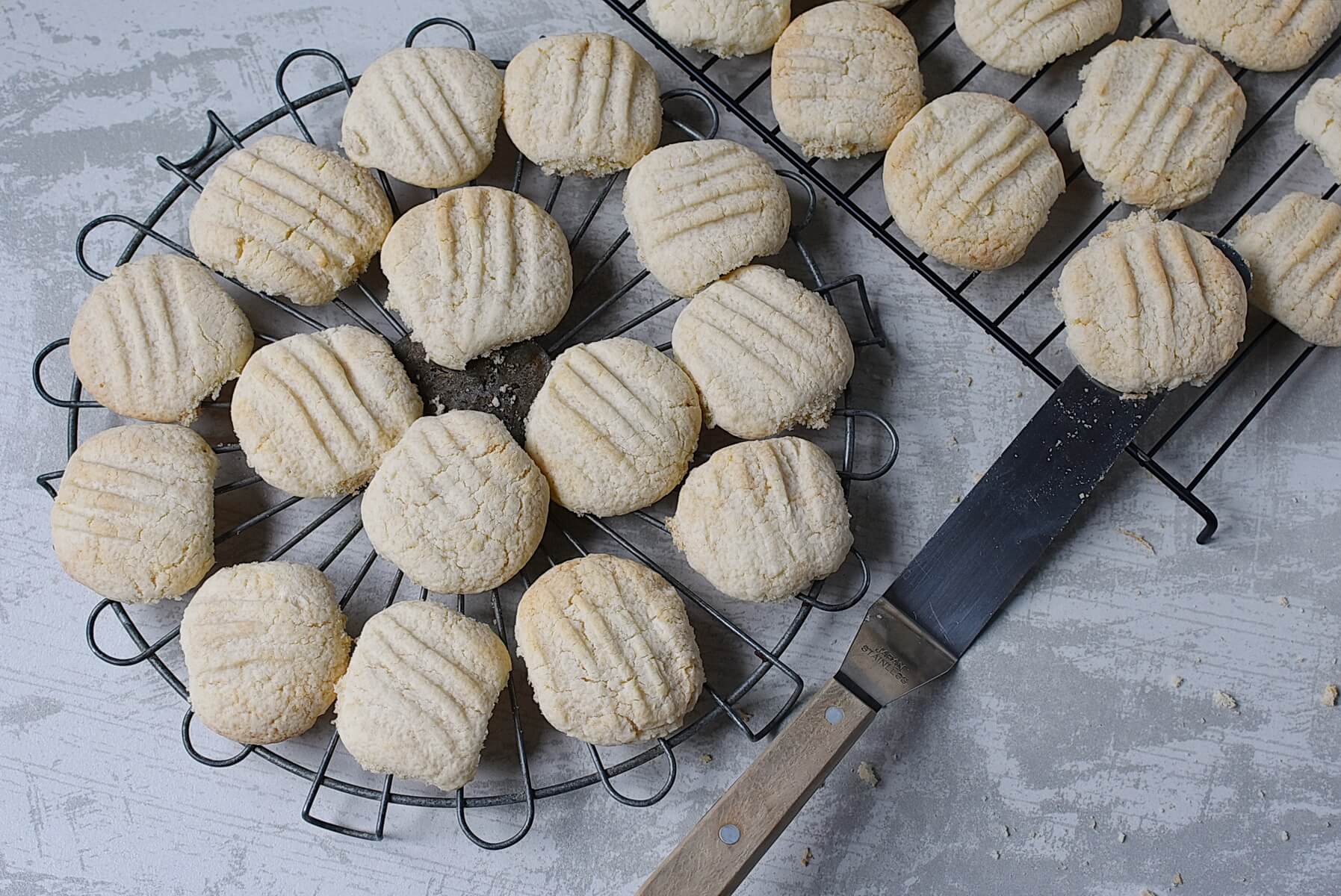
Remove from the oven and transfer to a wire cooling rack to cool.
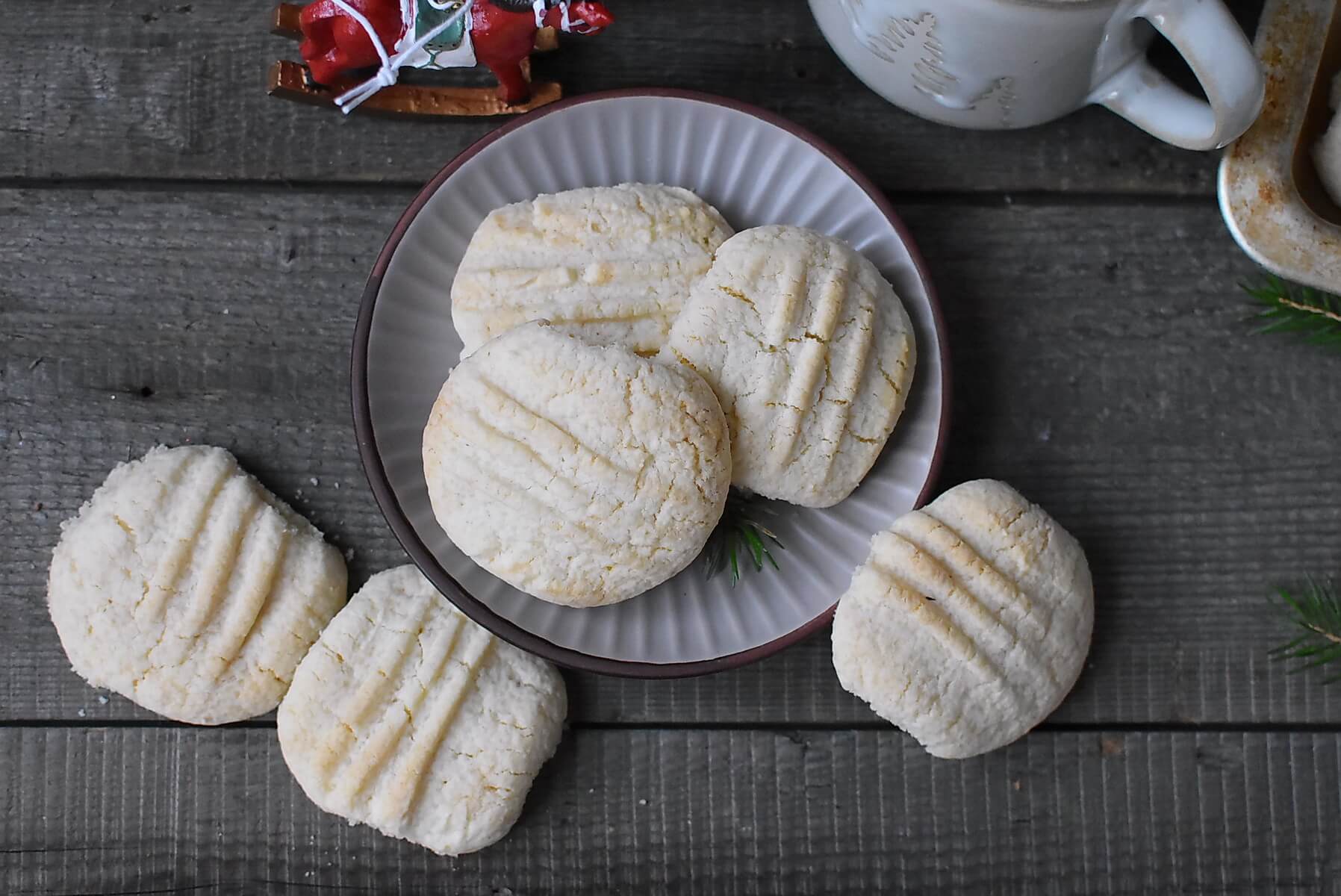
Serve and enjoy! Store in a cookie tin.
You do not need anything fancy. A large mixing bowl, an electric mixer or a sturdy wooden spoon, two baking sheets lined with parchment paper, and a wire cooling rack are enough. A fork for the classic fork press and a spoon for portioning help keep the cookies even. Preheat your oven to 350 degrees Fahrenheit or 180 degrees Celsius and, if your oven is moody, use an oven thermometer to check the temperature.
If you are new to baking, bring a timer and a spatula. I like measuring with dry cups and spoons for this recipe because the potato starch-to-flour ratio matters. Crack the egg into a small bowl first to avoid shell bits. These small habits keep the process calm and the results steady.
Room temperature butter matters. Let it sit until it is soft enough that it melts under your finger. Creaming it with the sugar for three to four minutes traps air and gives the cookies a light texture. Too cold and the dough will be lumpy and dense. I learned this the hard way in a rush one winter in Riga: A quick warm-up fixed the batch, but the lesson stuck.
Measure the potato starch carefully. It is what gives these their delicate crumb. I often sift the starch first to avoid pockets of dry clumps. If you do not have potato starch, cornstarch works as a substitute in the same amount, though the cookies may be a touch denser. Try a small test batch if you are unsure.
Pressing with a fork is not just for looks. The shallow ridges help the cookies bake evenly and keep the centers from staying too thick. Press gently so the rounds stay a little plump. Bake one sheet at a time in the center of the oven for consistent color. Cool the cookies completely on a wire rack before storing. It keeps them crisp.
One small flourish I love is a pinch of ground cardamom in the dough. It adds a warm, exotic note that nods to my Baltic childhood without drowning the vanilla. If you are nervous, start with just a quarter teaspoon and adjust next time.
Almond and spice. Swap a quarter cup of the flour for ground almonds and add a dash of cinnamon for a nutty, cozy version that pairs well with mulled wine. Keep the almonds finely ground so the texture stays even.
Chocolate dip. Dip half of each cooled cookie in melted dark chocolate for an elegant contrast. Melt about four ounces of chocolate with a little butter for shine, dip, and let set on parchment. Milk chocolate is sweeter and kid-friendly. Dark chocolate is cleaner and grown-up.
Lemon zest. Add the finely grated zest of one lemon to refresh the dough. Lemon cuts through the richness and makes the cookies feel lighter, which is nice if you are serving them after a heavy meal.
For a traditional twist, try these ideas alongside Norwegian sandbakkels. The starch base works well across similar Scandinavian cookie families, and a tart or citrus note can make each version stand out.
These cookies are simple and versatile. Serve them with a cup of black tea like my father favored, or with coffee if you prefer something bolder. They look charming on a wooden board dusted with powdered sugar.
Pack them in tins as gifts. Pair them with mulled wine or place them on a brunch board next to soft cheeses and fresh fruit. For a quick dessert, sandwich two cookies around a scoop of vanilla ice cream. For kids, a small glass of milk makes everything cozy.
If you avoid sweets, crumble a cookie over plain yogurt or use crumbs to add texture to oatmeal. Small choices like this stretch a recipe beyond the cookie tin.
Cornstarch works in the same amount. The cookies will be slightly firmer but still tender. I used cornstarch once in Dublin when I ran out, and the batch was still lovely with tea.
Cool completely and layer with parchment in an airtight tin. They keep well at room temperature for up to two weeks. Freeze in a tight wrap and thaw at room temperature if you need to store them longer. Avoid the fridge, which adds humidity and softens them.
Yes, use 3 teaspoons of vanilla extract in place of 5 teaspoons vanilla sugar. If you have a vanilla pod, scrape the seeds in for extra depth. I use extract while traveling because it is easier to pack.
Add a teaspoon of milk or water at a time until the dough holds together. In Riga’s dry winter air, I sometimes need a splash. Be patient and stop when it feels pliable, not sticky.
Yes, swap the all-purpose flour for a one-to-one gluten-free blend. The starches in those mixes usually play well with the potato starch here. I made them for a friend with sensitivities, and they were a hit. Bake a touch less to avoid drying out.
Let them roll and press with the fork. Expect wonky shapes. My daughter Mila makes odd fork marks, and we laugh when we find them later in the tin. It is part of the tradition.
These Norwegian Christmas Cookies, aka sandnøtter, with their rich flavors and unique textures, offer a wonderful way to share festive cheer with friends and family. Simple yet satisfying, these cookies reflect cherished traditions that will warm your heart and leave everyone eager for a taste of the holidays.

These cookies are simple but delicious sugar cookies. Thanks for sharing the recipe.