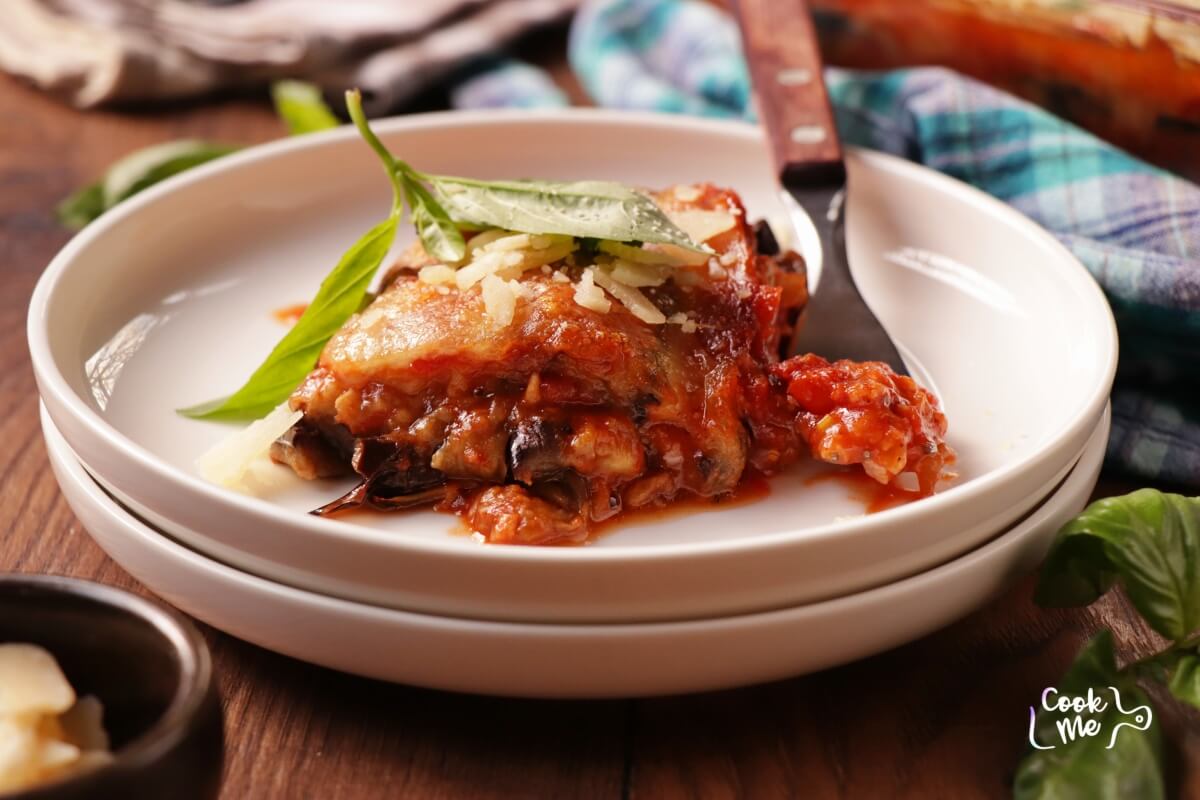
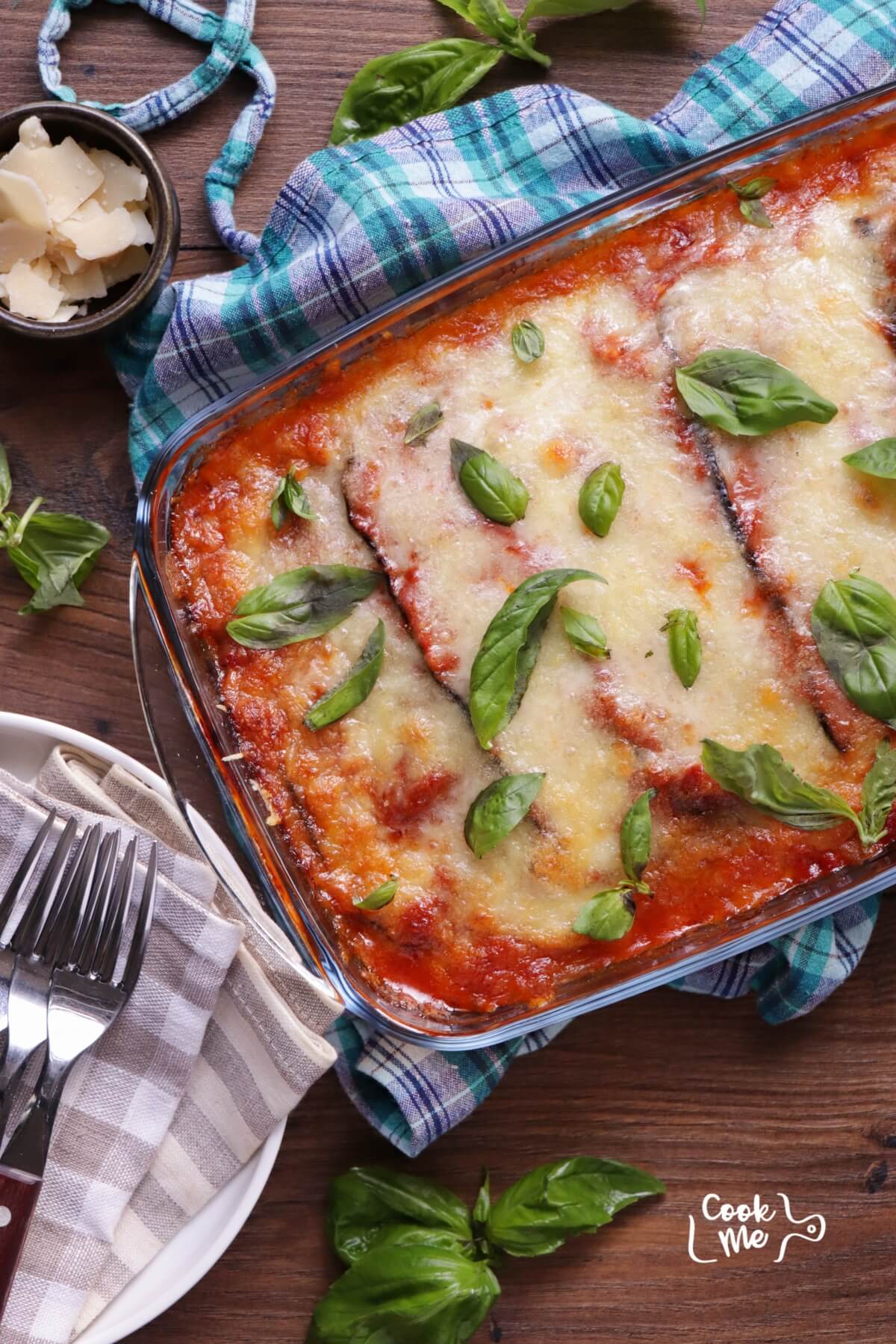
I have always loved eggplant Parmesan for its hearty layers and that honest comfort it brings to the table. For me, this dish is the kind of meal that calms a busy day and invites people to slow down. It is simple but generous. A proper home meal.
This version draws from my Baltic roots and my habit of designing calm spaces. Baking the eggplant instead of frying keeps things lighter and with less mess, and the result is still deeply tomato-forward and cheesy in all the right ways. Mila, my little girl, is my official basil picker. She carefully plucks the leaves and calls them green flags for the dinner boat. Half the time, they end up on the floor, but that is part of the memory now.
I make this when friends show up unannounced, when I need something forgiving on a weeknight, or when I want the kitchen to smell like home. You can prep parts ahead, which is a true gift on hectic days. Actually, scratch that. Extra cheese never hurts. It only makes the table happier.
That said, this recipe is forgiving. Tweak a bit of garlic or scale the cheese to your mood. It still sings. One bite and you know why it has become a staple here in Riga and for the times I cooked it back in Dublin and Vilnius. Slow food. Honest food. Comfort food.
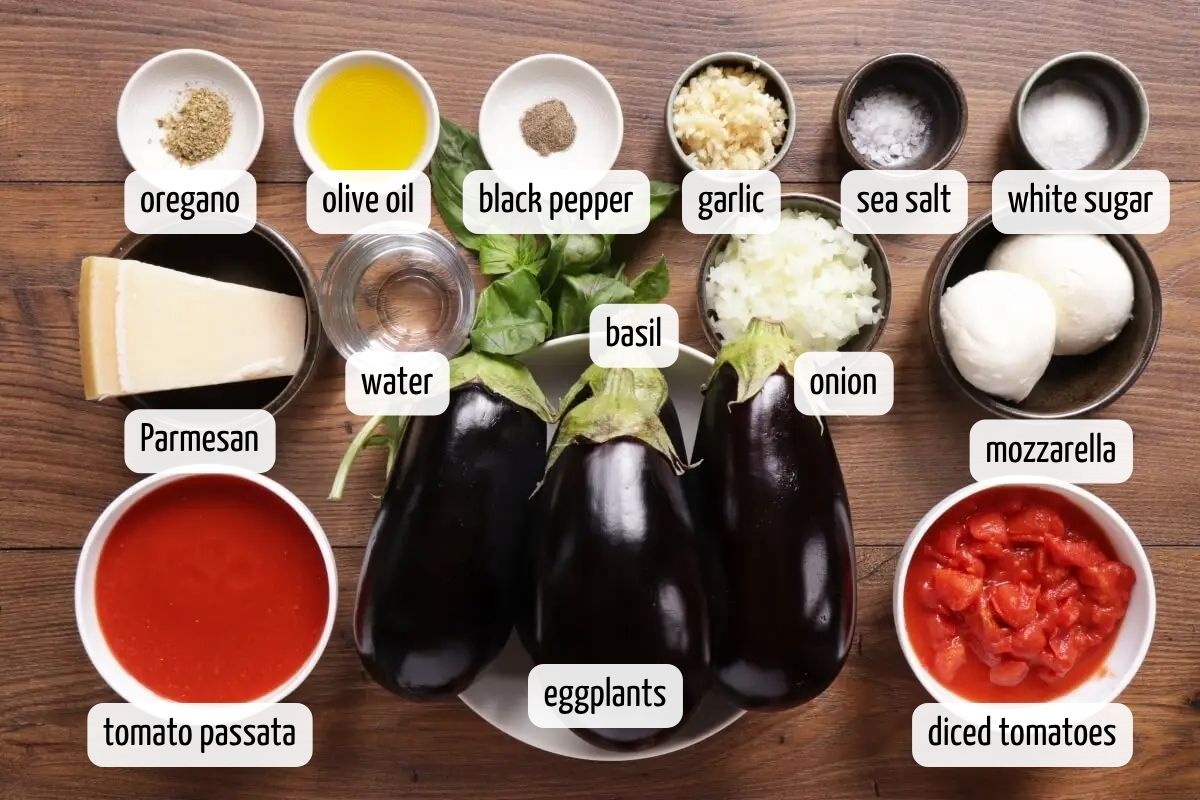
To make the Eggplant Parmesan, you will need the following ingredients:
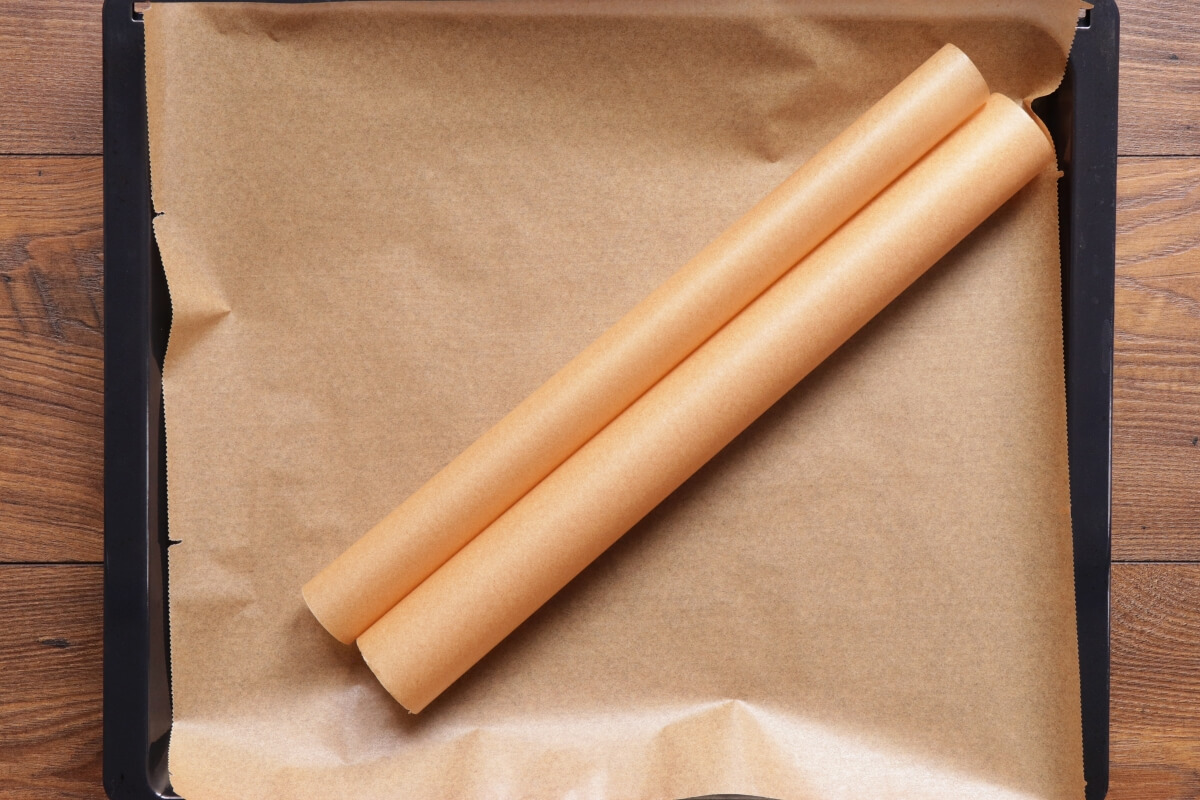
Preheat the oven to 430 °F/220 °C. Line three large baking sheets with parchment paper.
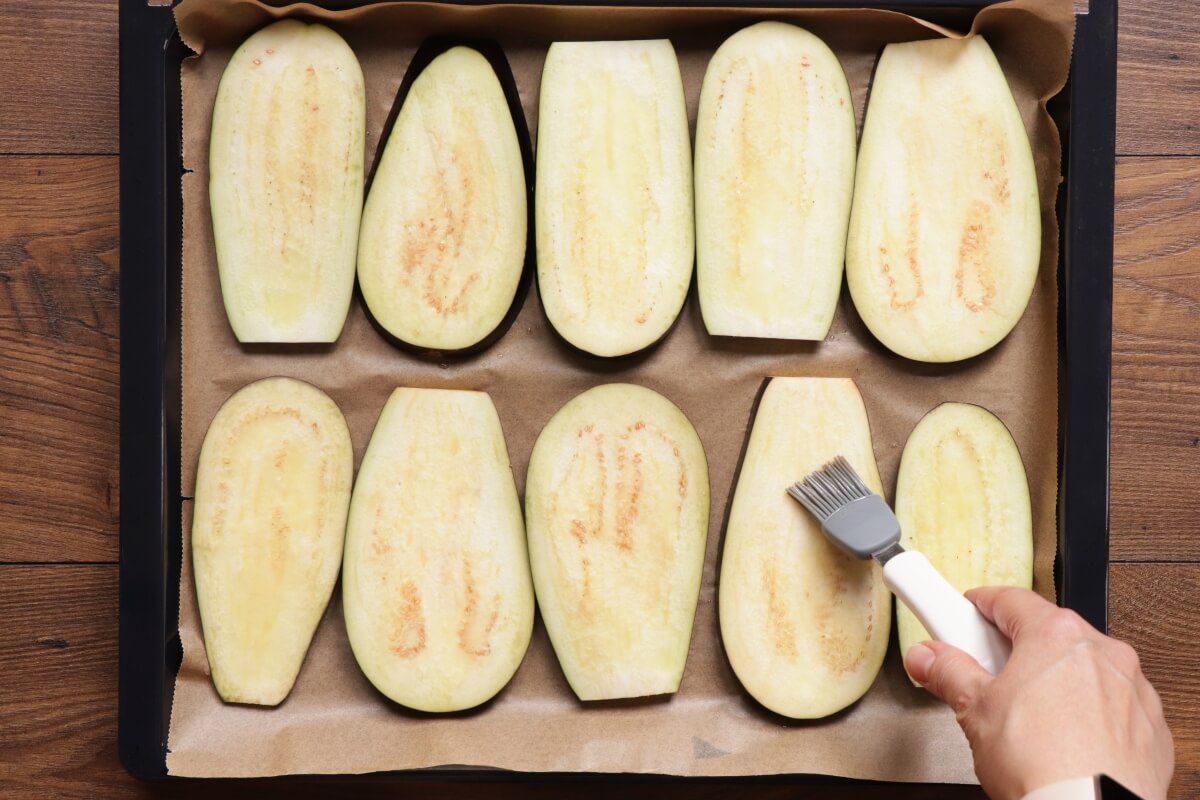
Arrange the eggplant slices in a single layer on the prepared baking sheets and brush both sides with olive oil.
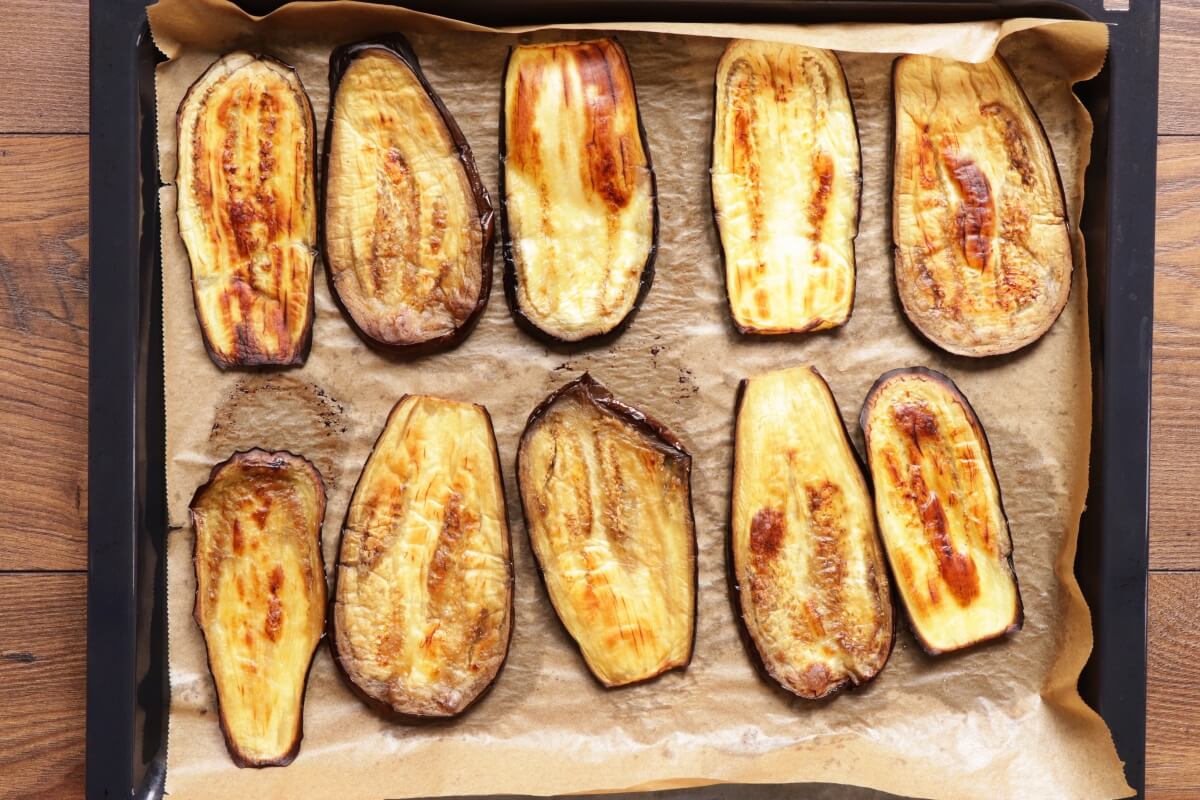
Bake for 35 to 45 minutes, or until golden brown and tender, flipping the eggplant slices once halfway through. Remove from the oven and let them cool on the baking sheets.
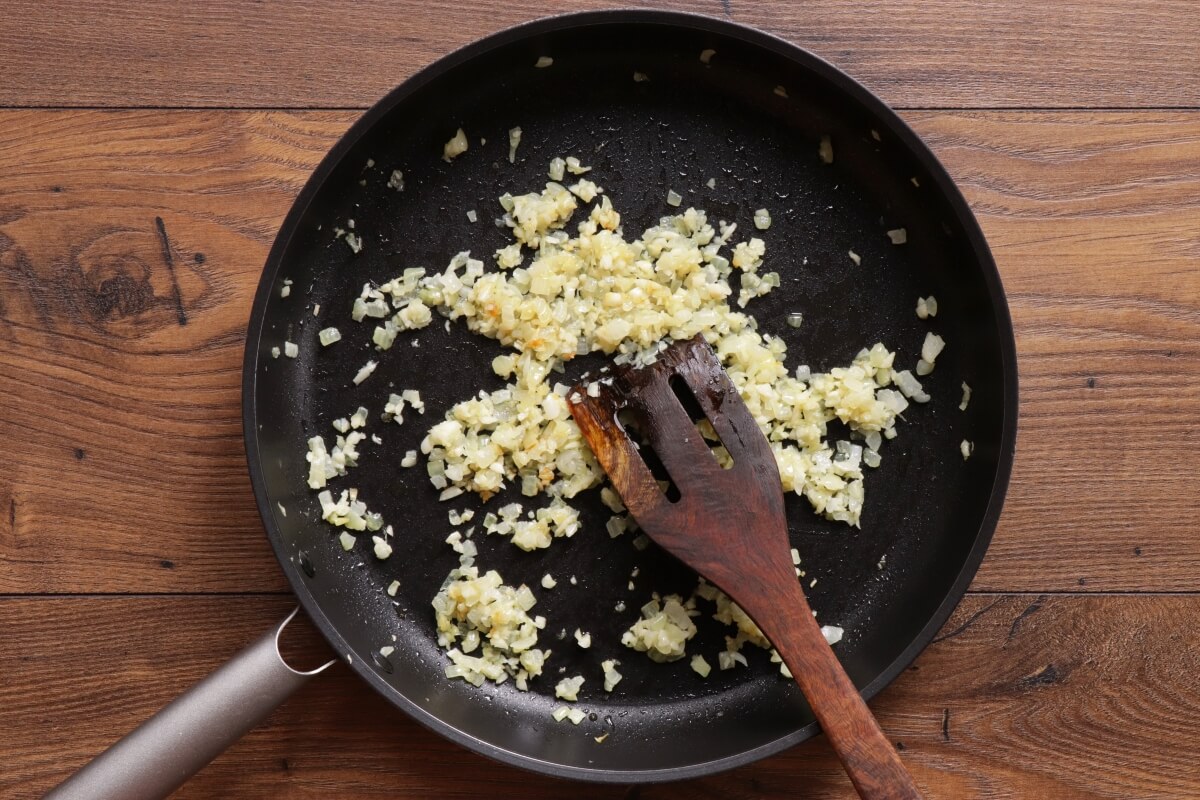
In a large skillet over medium-high heat, heat 2 tablespoons extra-virgin olive oil. Add 1 finely diced onion and 5 minced garlic cloves and sauté until softened and just starting to color on the edges, about 3 minutes.
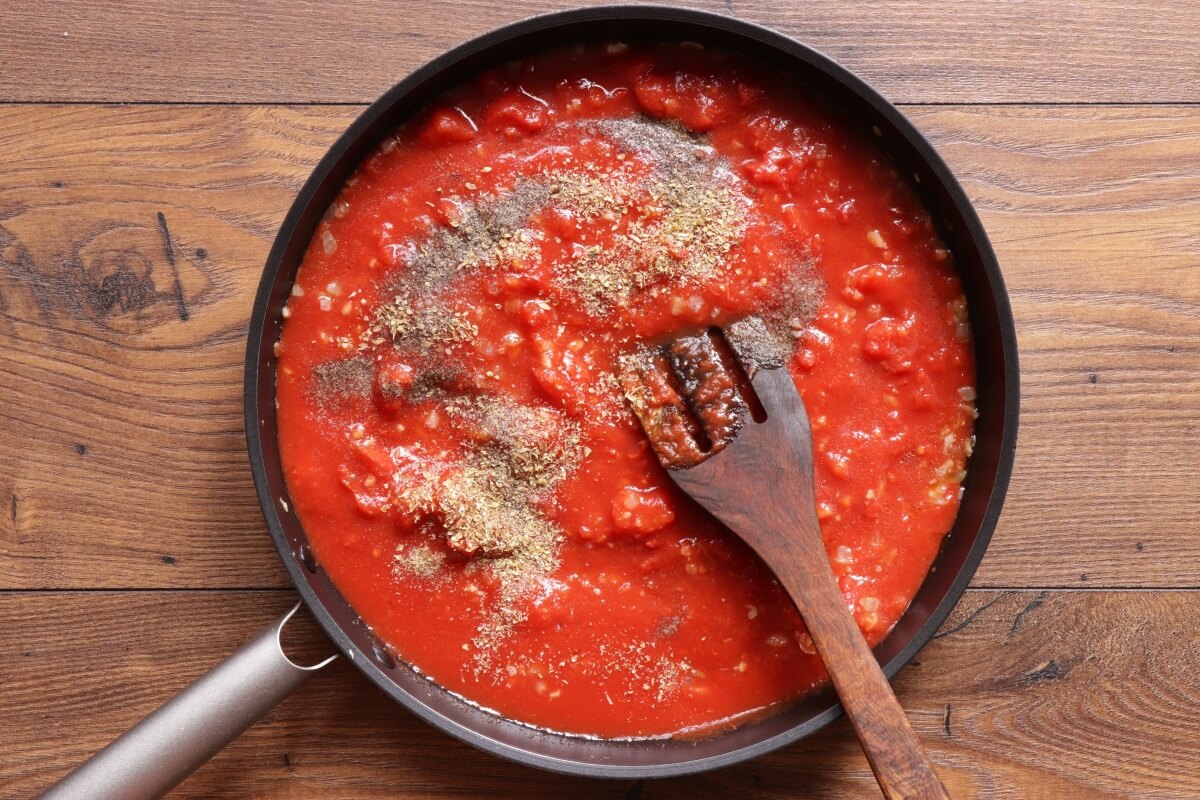
Pour in 20 ounces tomato passata, 1 (14-ounce) can diced tomatoes, 1 cup water, ½ teaspoon dried oregano, 1 ½ teaspoons sugar, ¾ teaspoon sea salt, and ¼ teaspoon ground black pepper. Stir and bring to a simmer. Simmer, uncovered, for about 30 – 40 minutes, stirring occasionally, until thickened. Add the basil stalks halfway through cooking time. Add extra water a little at a time, if necessary, during the cooking if the mixture becomes too thick.
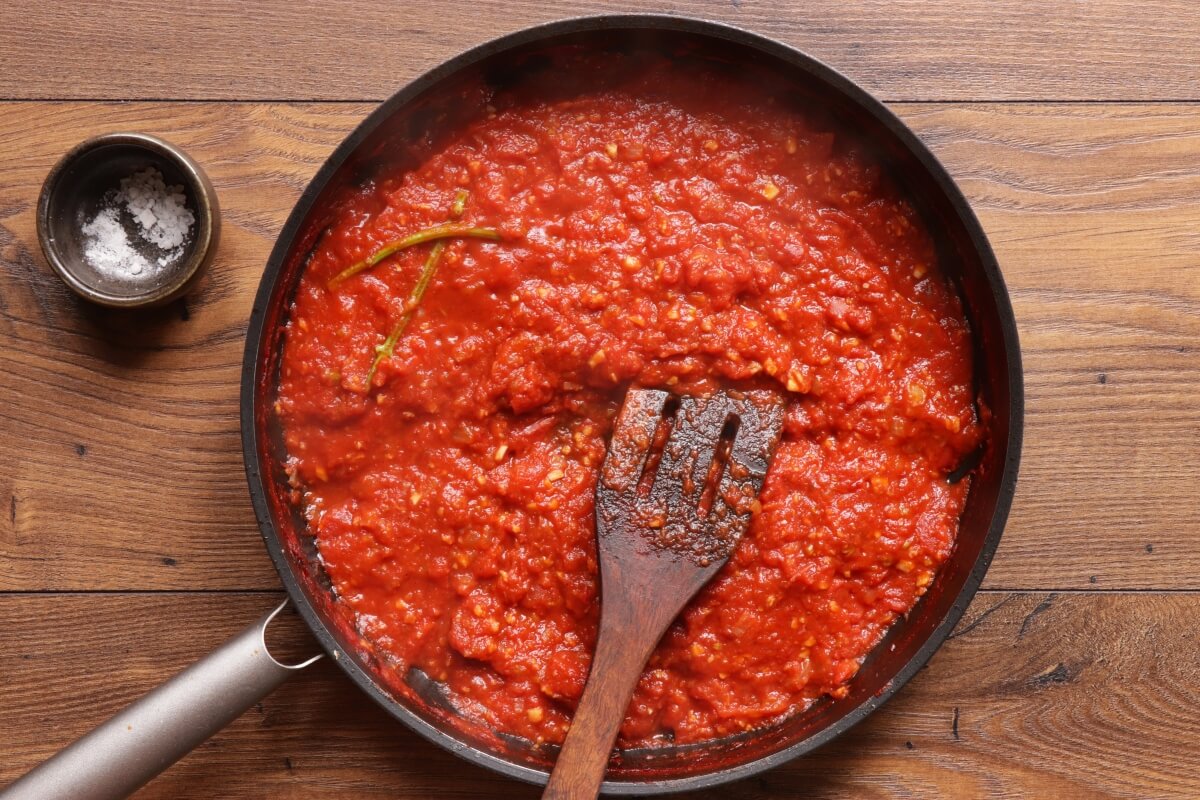
Once the sauce thickens to a spreadable consistency (slightly thicker than a pasta sauce), remove it from the heat and discard the basil stems. Taste and adjust for salt, sugar and black pepper if needed.
Reduce the oven temperature to 350°F/180°C.
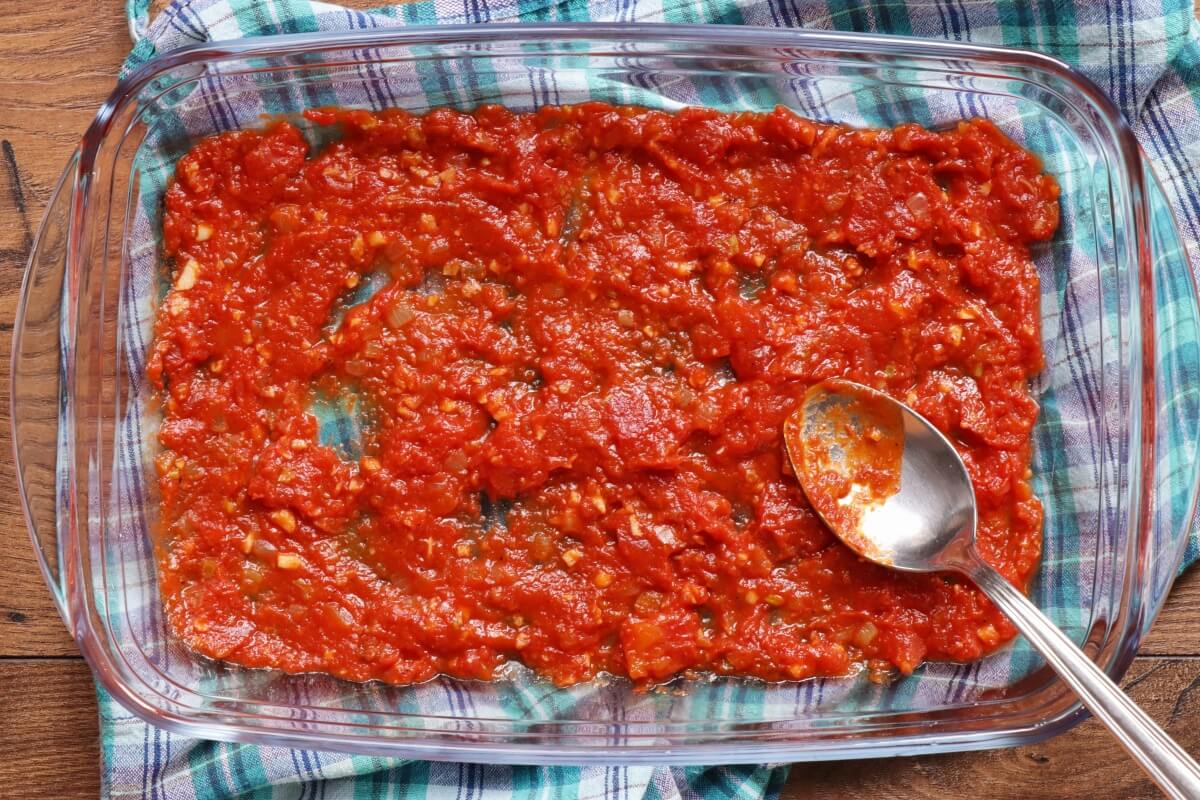
Spread a thin layer of tomato sauce over the bottom of a 9x13-inch baking dish.
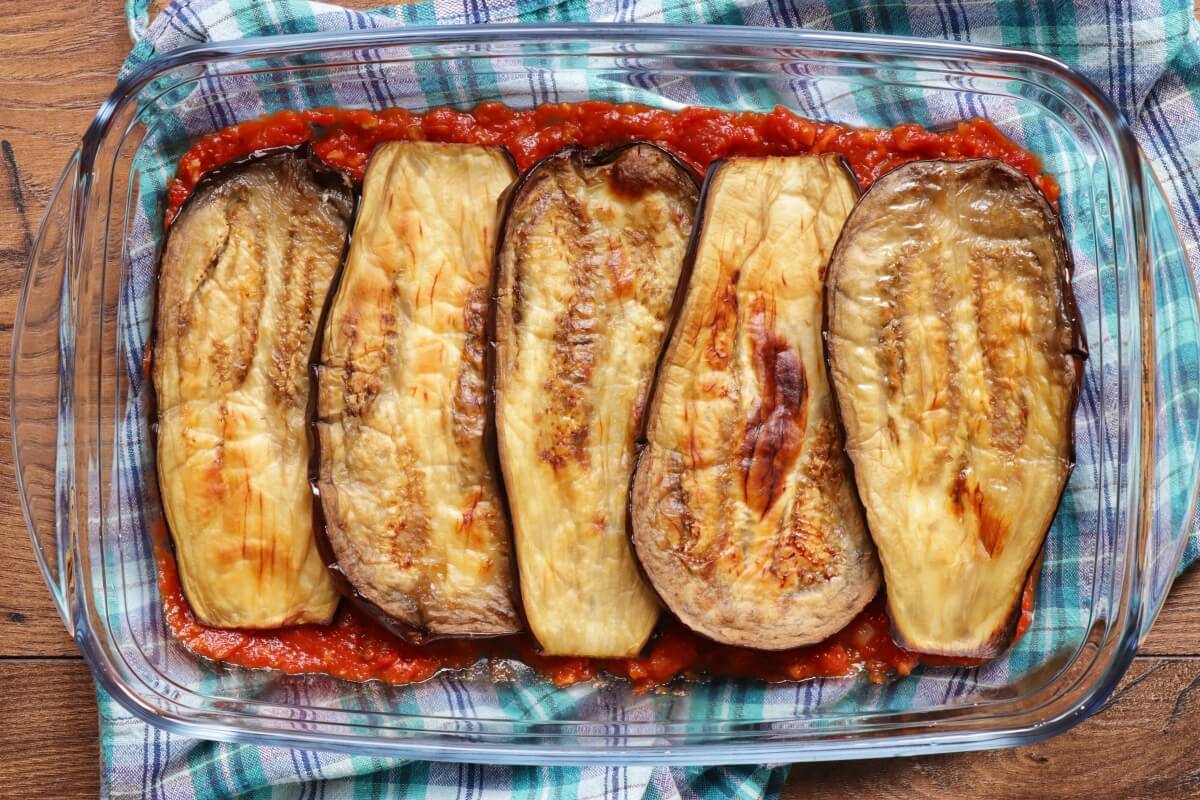
Lay ⅓ of the eggplant slices so they cover the bottom of the baking dish (some overlap is fine).
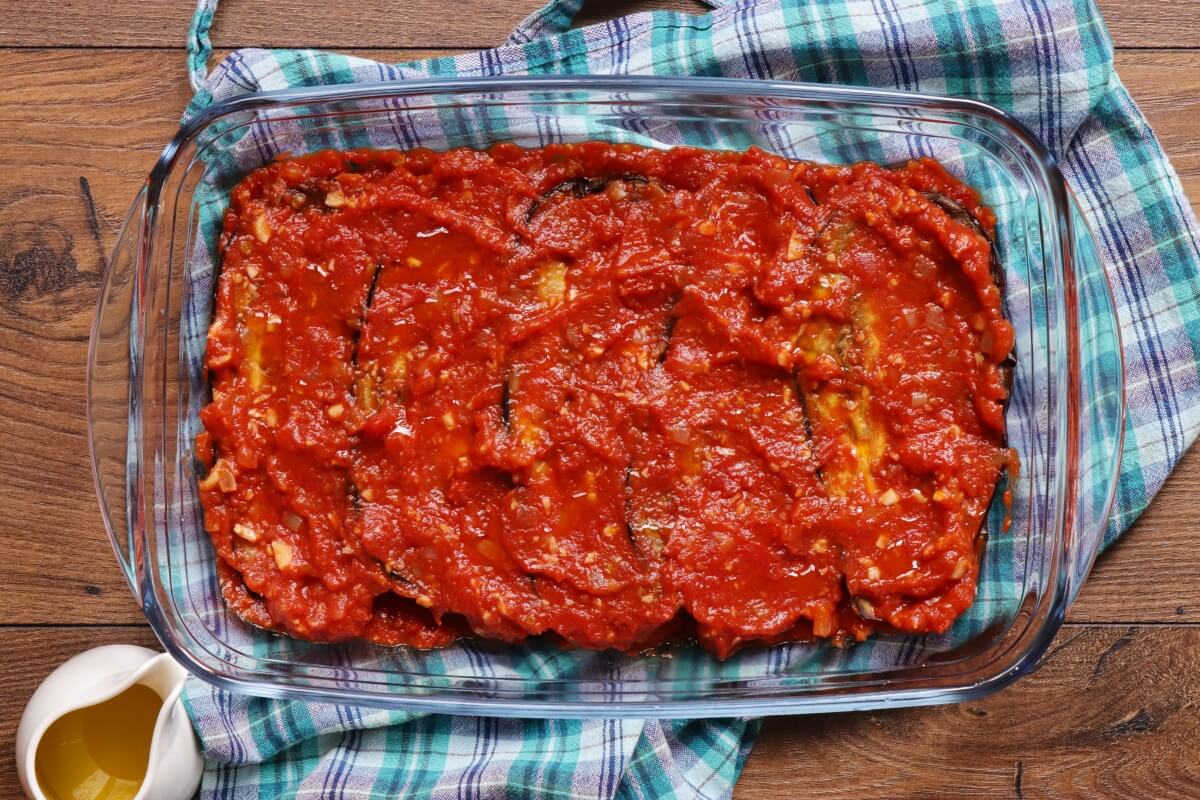
Spread ⅓ of the remaining tomato sauce over the eggplants. Drizzle with a few drops of extra-virgin olive oil.
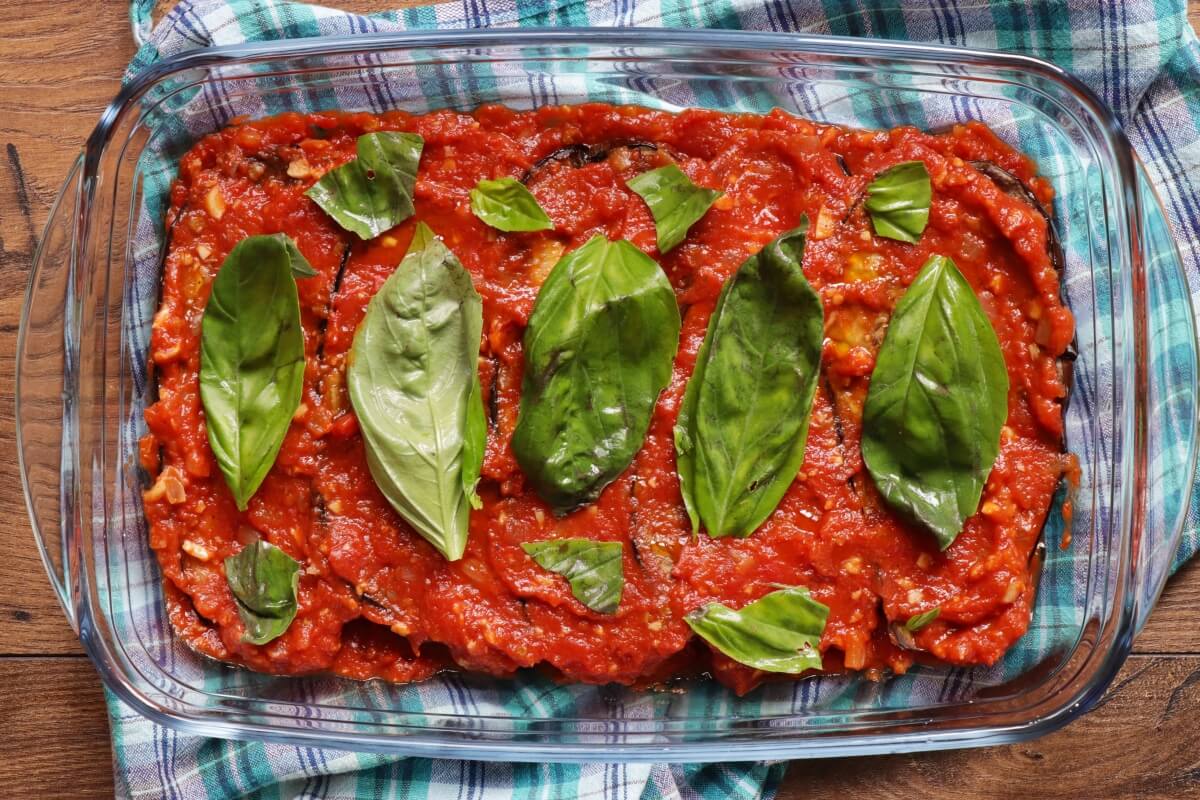
Top with ⅓ of basil leaves.
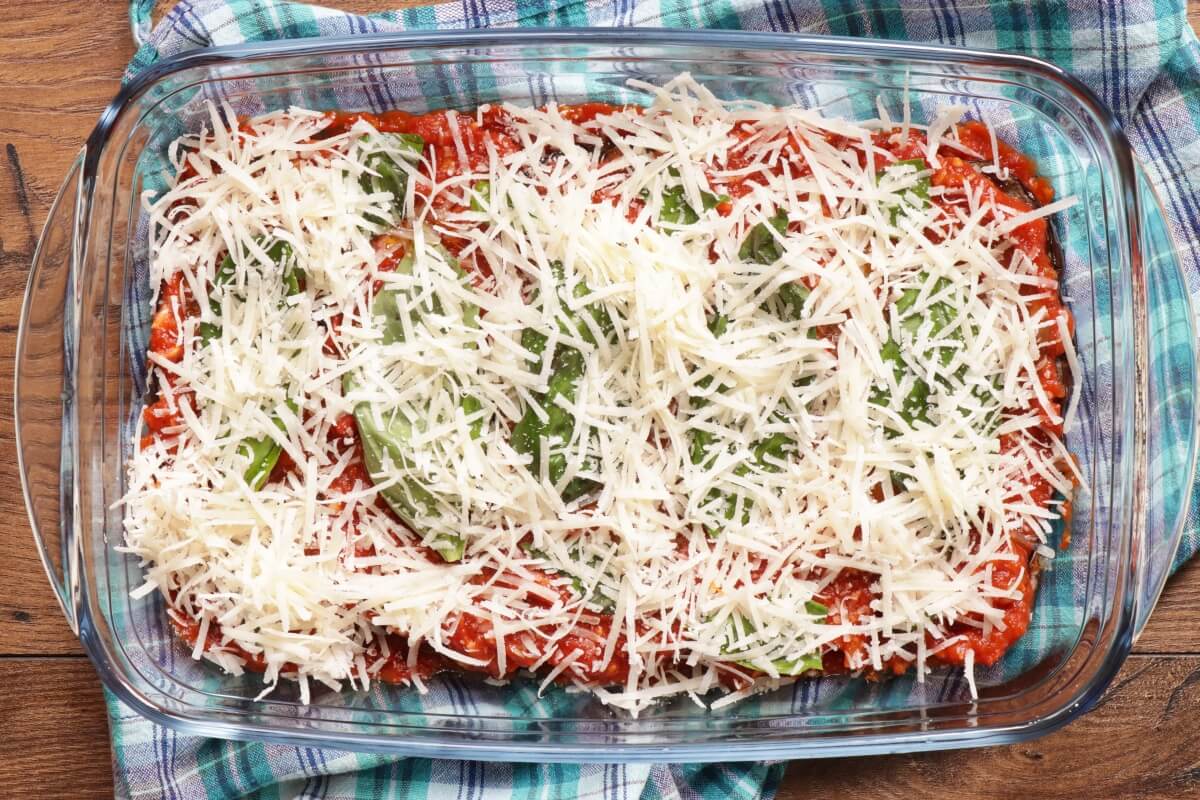
Sprinkle with ⅓ of the shredded Parmesan cheese.
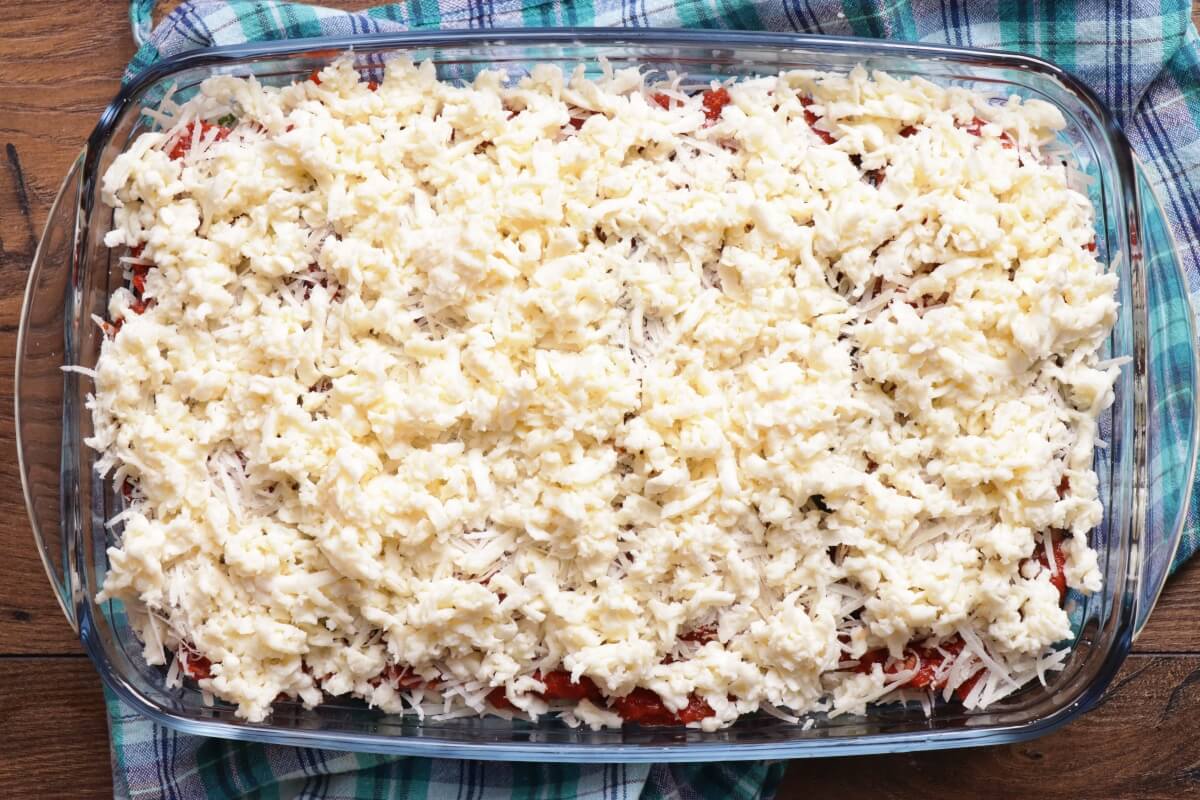
Repeat the process for 2 more layers until you’ve used up all the eggplant slices. Top the eggplants with the remaining tomato sauce and grated Parmesan cheese, saving the remaining ⅓ of the basil leaves for garnish after baking. Sprinkle 1 ½ cups grated mozzarella cheese evenly over the top.
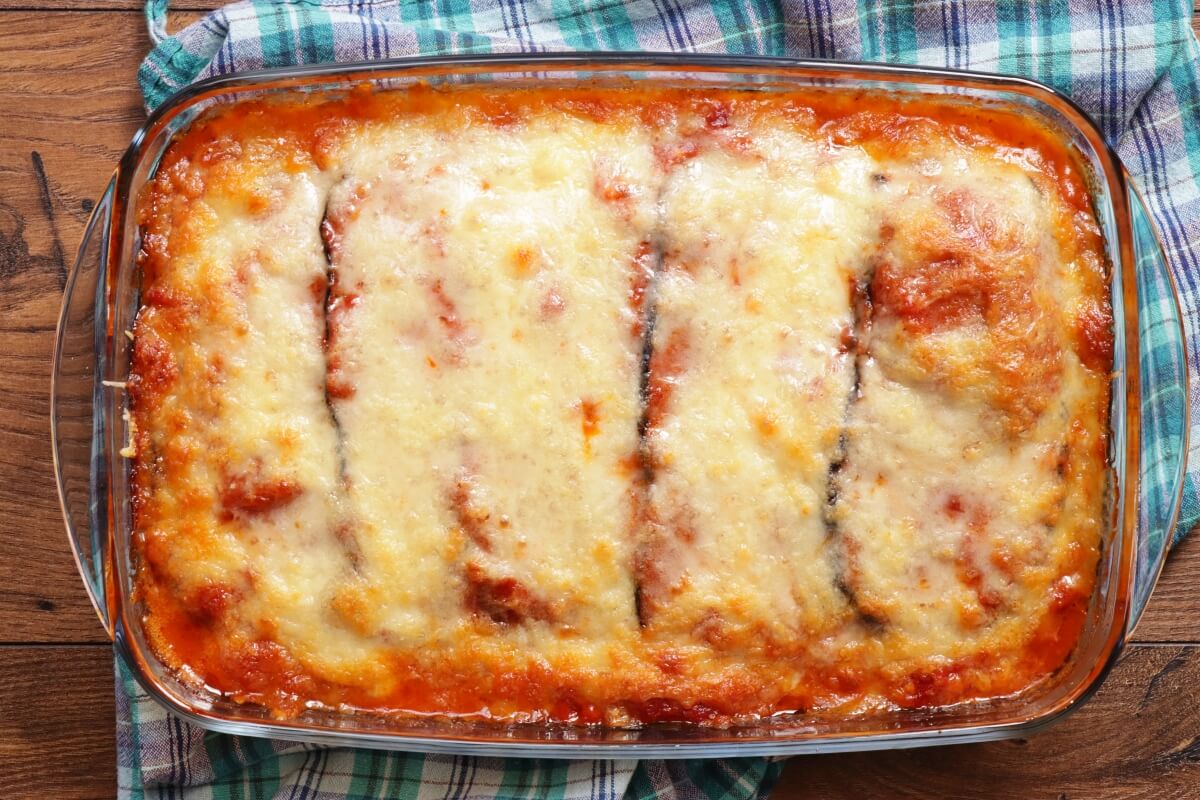
Bake for 25 minutes or until bubbling and golden on top.
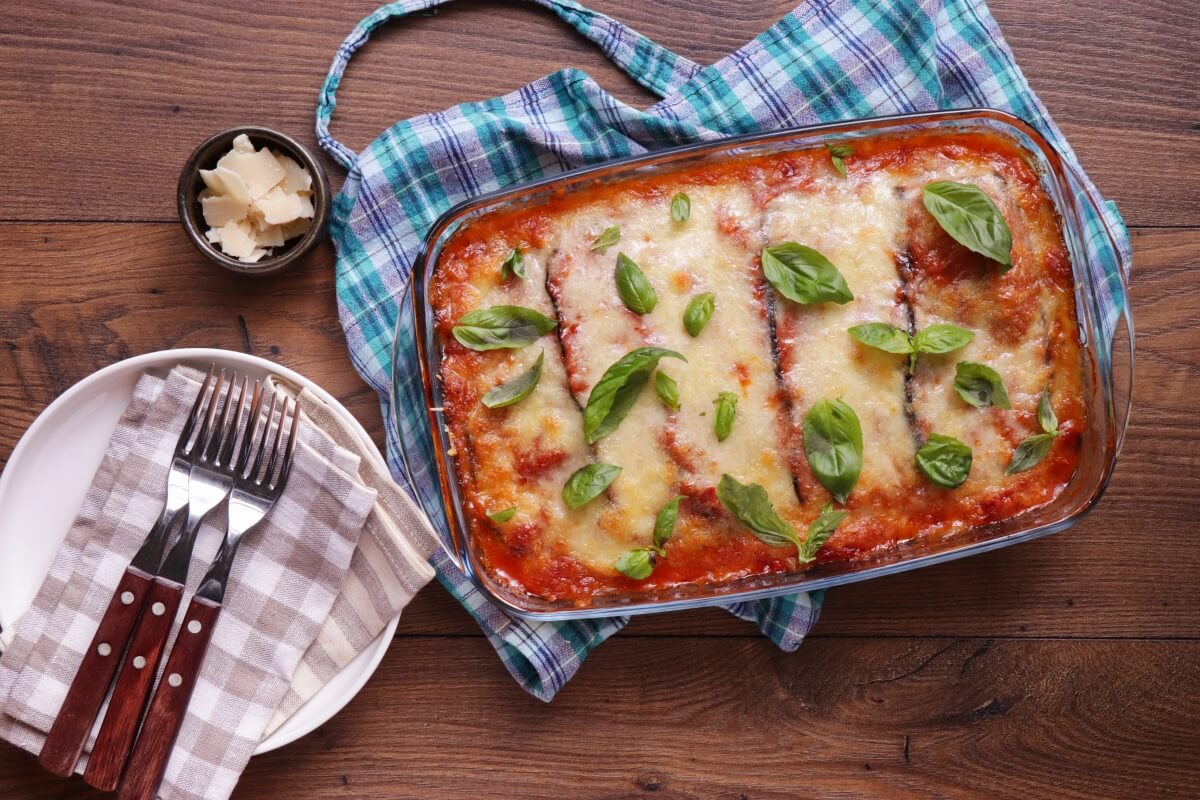
Remove the dish from the oven and let it rest for 5 to 10 minutes before serving. Scatter the remaining fresh basil leaves over the top. Cut and serve!
Start with a reliable oven that reaches about 430 degrees Fahrenheit. Preheat it well so the eggplant can brown without burning. Three large baking sheets lined with parchment make life easier for the eggplant to roast evenly and for the cleanup to be quick. A silicone brush or a small pastry brush helps you coat slices with olive oil without fuss.
A large skillet that holds the sauce is important. I use my beat-up cast-iron pan from Dublin. It feels familiar and holds heat in a comforting way. You will also want a sharp knife, a sturdy cutting board, a wooden spoon, and a nine-by-thirteen-inch baking dish in glass or ceramic for assembling. A box grater for Parmesan or a grater disk in the food processor speeds things up, though I still grate by hand when I have time. Tongs are useful for flipping slices on the trays, and a timer keeps me honest.
OK, here are the bits that matter. Choose large eggplants, about four pounds total. They should feel heavy and firm. Slice them lengthwise about one-third of an inch thick so they bake evenly. Brush both sides with a quarter cup of olive oil and roast until golden, flipping once. I usually check around thirty-five minutes, but ovens vary, so keep an eye on them.
For the sauce, I keep it straightforward: two tablespoons extra-virgin olive oil, one finely diced onion, five garlic cloves, 600 ml tomato passata, a 14-ounce can of crushed tomatoes, a cup of water, oregano, a bit of sugar, and salt and pepper. Let it simmer until thick enough to spread. Add basil stalks while it cooks, then remove them before assembling. These small choices make the sauce cling to the eggplant and not slide off.
These tweaks make your baked eggplant Parmesan recipe shine with personal flair. If the sauce seems watery, next time use a splash less water or simmer longer. Also salt the eggplant slices and let them sit for thirty minutes, then pat dry if you want to reduce extra moisture. That keeps the final bake from getting soggy.
A few changes can nudge this into different moods. Fold in a cup of ricotta between layers for a creamier finish. Or add thinly sliced zucchini and bell pepper roasted alongside the eggplant for a vegetable-forward version. For a bolder profile, stir in half a teaspoon of red pepper flakes to the sauce and a pinch of smoked paprika if you like smoke and heat.
I did the ricotta upgrade for a friend’s dinner in Vilnius, and everyone loved it. I also sometimes add thyme with the basil for a slightly woodsy note. Keep the layers even though. Overstuffing makes baking uneven.
This dish is happiest with a simple green salad dressed with olive oil and lemon to cut through the richness. Crusty bread soaks up the sauce beautifully. We often eat leftover slices with rye bread from our local baker, a small nod to where I come from. Garnish with plenty of fresh basil and a final sprinkle of Parmesan.
A medium-bodied red wine like Chianti works well. If you prefer non alcoholic, pair with sparkling water and a twist of lemon. Leftovers keep for three to four days in the fridge and freeze fine if wrapped well. Reheated in the oven, it regains a bit of crisp on top and tastes deeper the next day. Just breathe. It is forgiving.
Sogginess comes from excess water. Salt the slices and let them sit for thirty minutes, then pat dry to draw out moisture. Roast the slices until they are golden and not soft through. Layer sparingly with sauce so nothing drowns. A little restraint keeps texture intact. In short, a common question is how to make eggplant Parmigiana without it getting soggy, and this is the easiest fix.
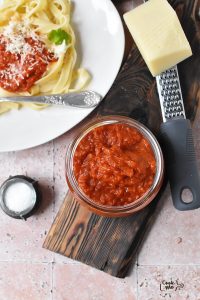
Choosing the right sauce for eggplant parm makes all the difference. I prefer a homemade mix of passata plus crushed tomatoes with garlic and a little sugar to balance acidity. Store-bought jars are fine when time is tight, but simmering your own gives a brightness that lifts the whole dish.
Yes. Assemble, bake, and portion into containers. It keeps in the fridge for three days and freezes well if wrapped tightly. Reheat in the oven at 350 degrees Fahrenheit to bring back some texture. Baking instead of frying helps the structure hold up for reheating.
Most of the recipe is naturally gluten-free. Check your cheeses for any additives and serve with gluten-free bread if you want to keep everything safe for guests with sensitivities.
Store in an airtight container in the fridge for three to four days. For oven reheating, wrap in foil and heat at 350 degrees Fahrenheit until warmed through. For freezing, cut into portions first, wrap tightly and thaw before reheating.
If you're looking for a cozy dish that combines veggie goodness with layers of cheesy flavor, Eggplant Parmesan is your answer. This lighter take on the classic Italian dish uses roasted eggplant slices and skips the breading, making it a fantastic gluten-free option. Perfect for get-togethers or a comforting family dinner, this dish requires time and patience, but it's more than worth it. Enjoy every scrumptious bite!

It’s a wonderfully hearty dish. Thanks for sharing the recipe!