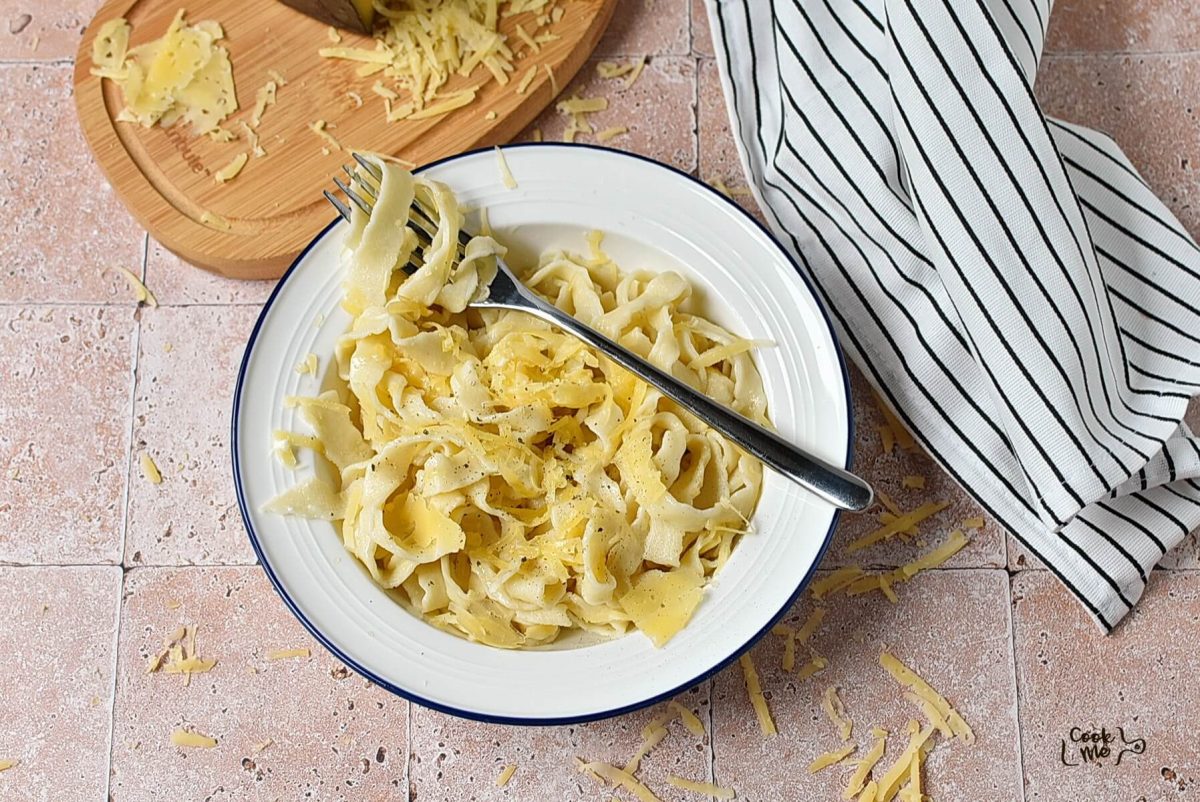
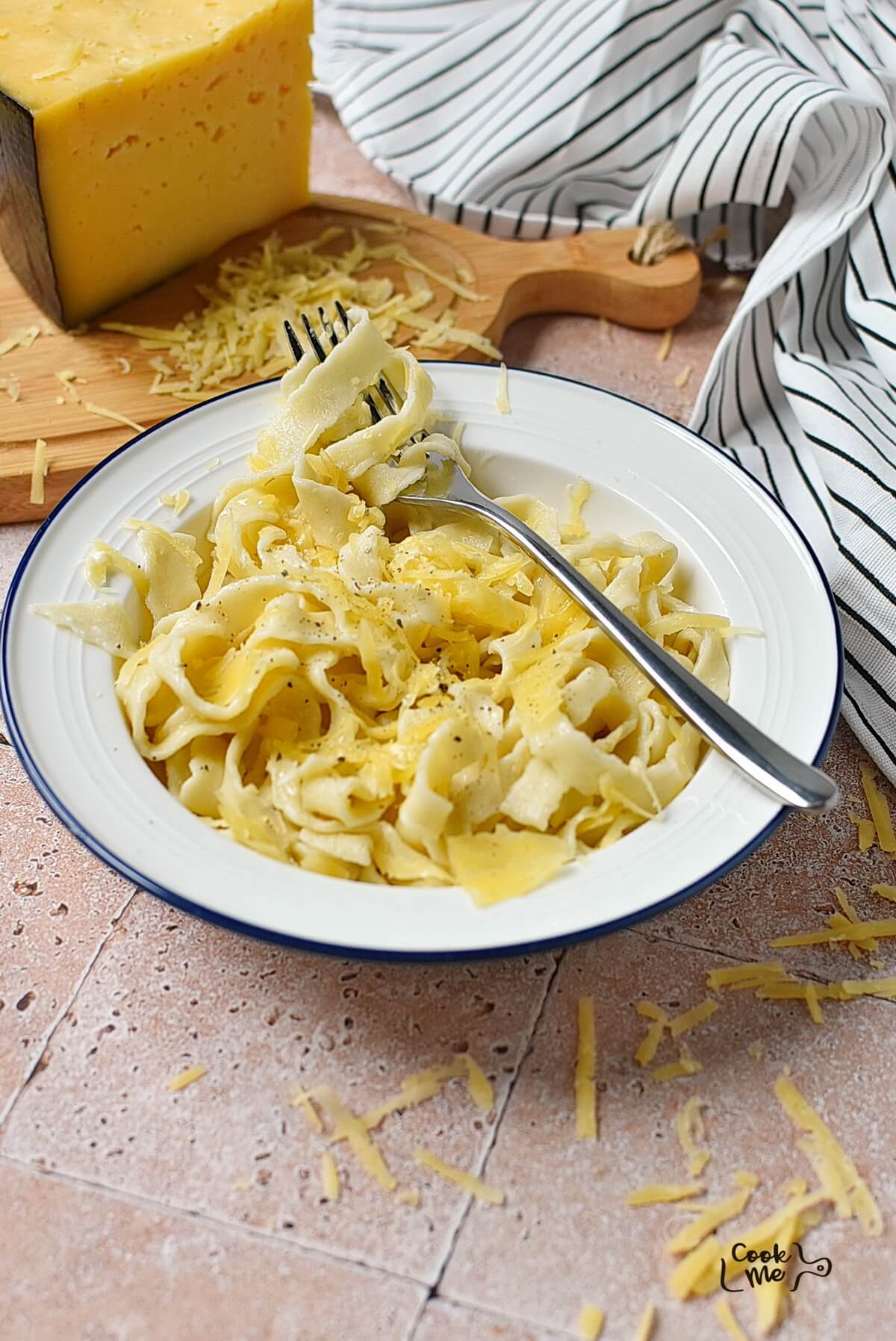
Oh, these homemade egg noodles. They take me right back to Vilnius Sundays with my mother, Irina, when the kitchen smelled of warm dough and rye bread from the bakery below. What makes this egg noodle recipe special is how a few pantry staples become something that feels like a warm, familiar hug.
You mix eggs, milk, and salt with flour, and you get noodles that are tender but still have a little chew. They are forgiving too. If the dough is a bit sticky at first, a little kneading brings it together, and the final result is far better than anything in a box.
There is a quiet satisfaction in making them yourself. Roll the dough very thin, cut it into strips, boil them briefly, and dinner comes together fast. As a mother balancing design work and my daughter Mila’s schedule, I need recipes that fit real life. This one does. Use it for a simple toss with butter or let it be the star in a nourishing soup.
Short and true.
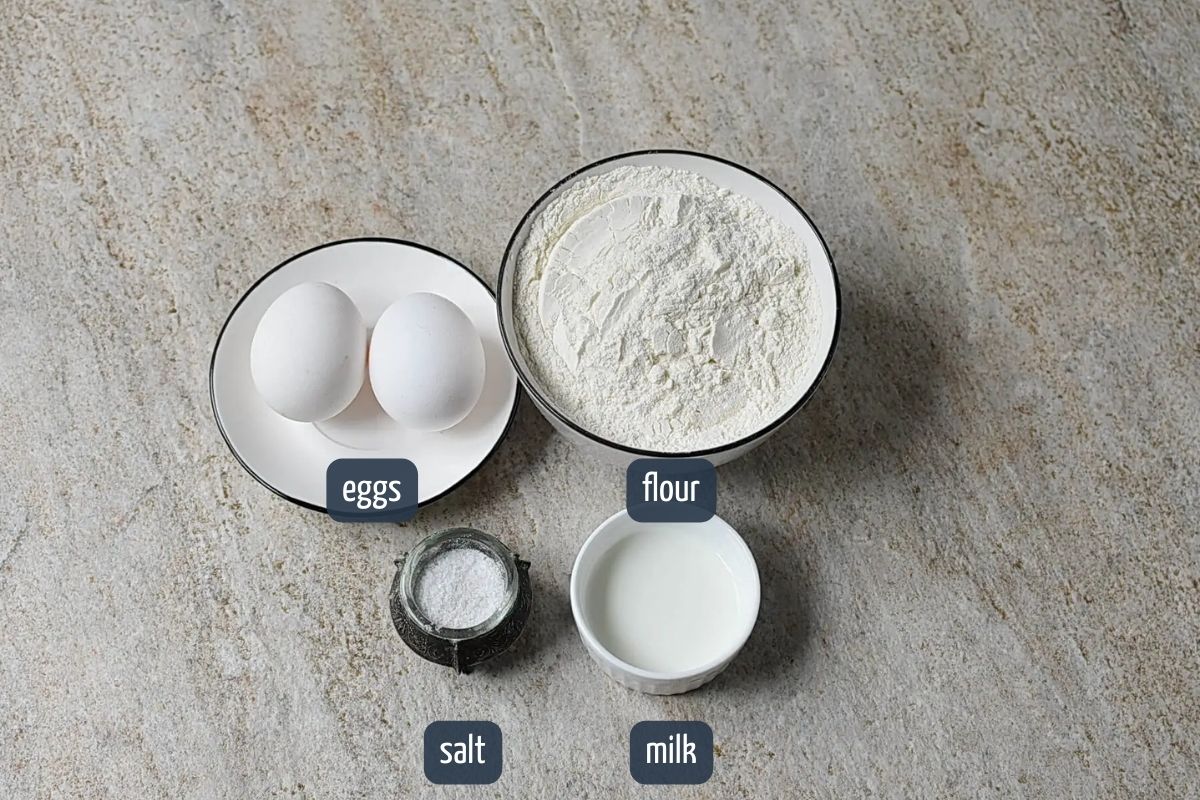
To make the Homemade Egg Noodles, you will need the following ingredients:
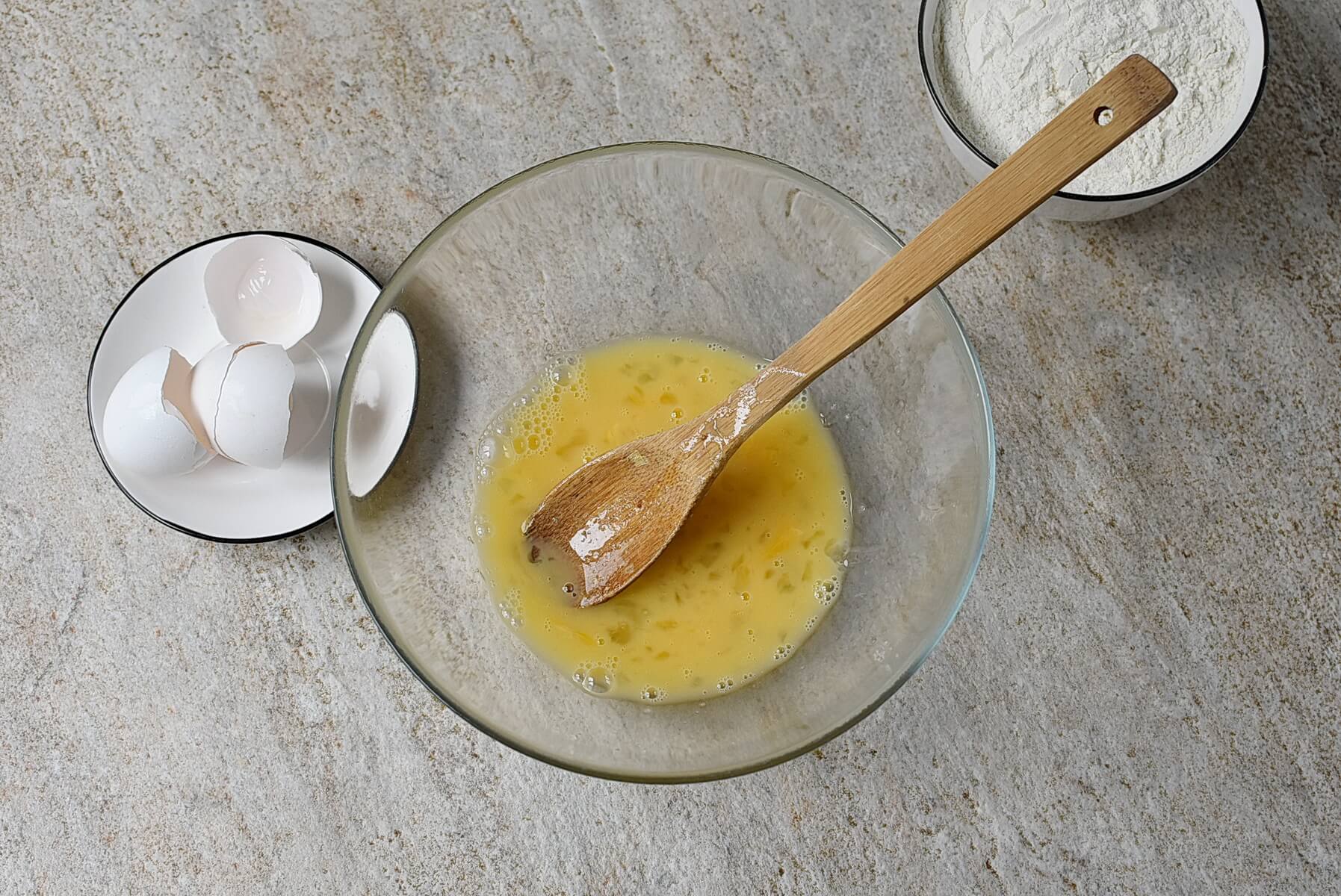
In a large bowl, mix together 2 large eggs, 2 tablespoons milk, and 3/4 teaspoon salt until smooth.
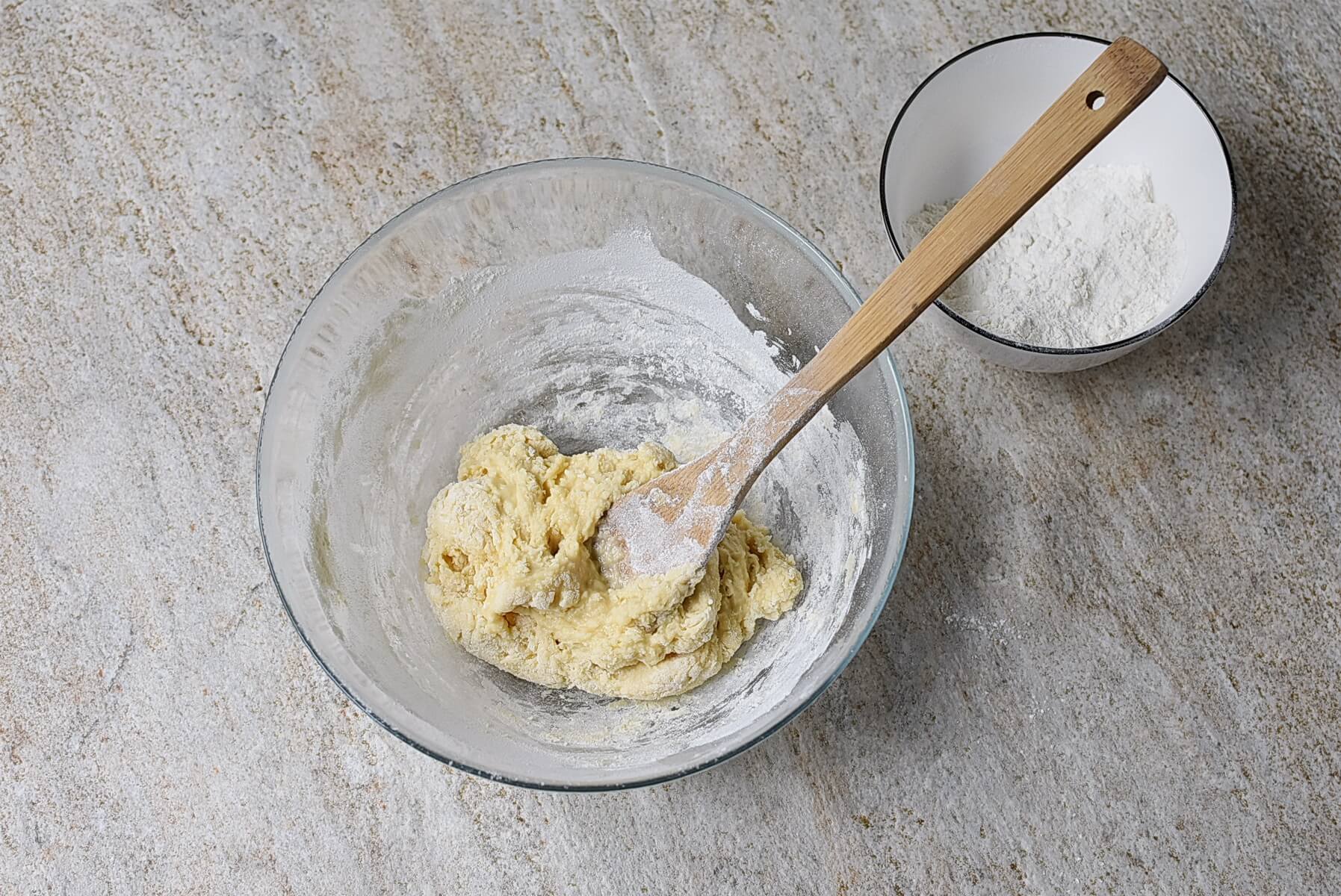
Stir in 1 cup flour until smooth. Add more flour, if needed, a teaspoon at a time, until the dough comes together in a ball, but is still slightly sticky.
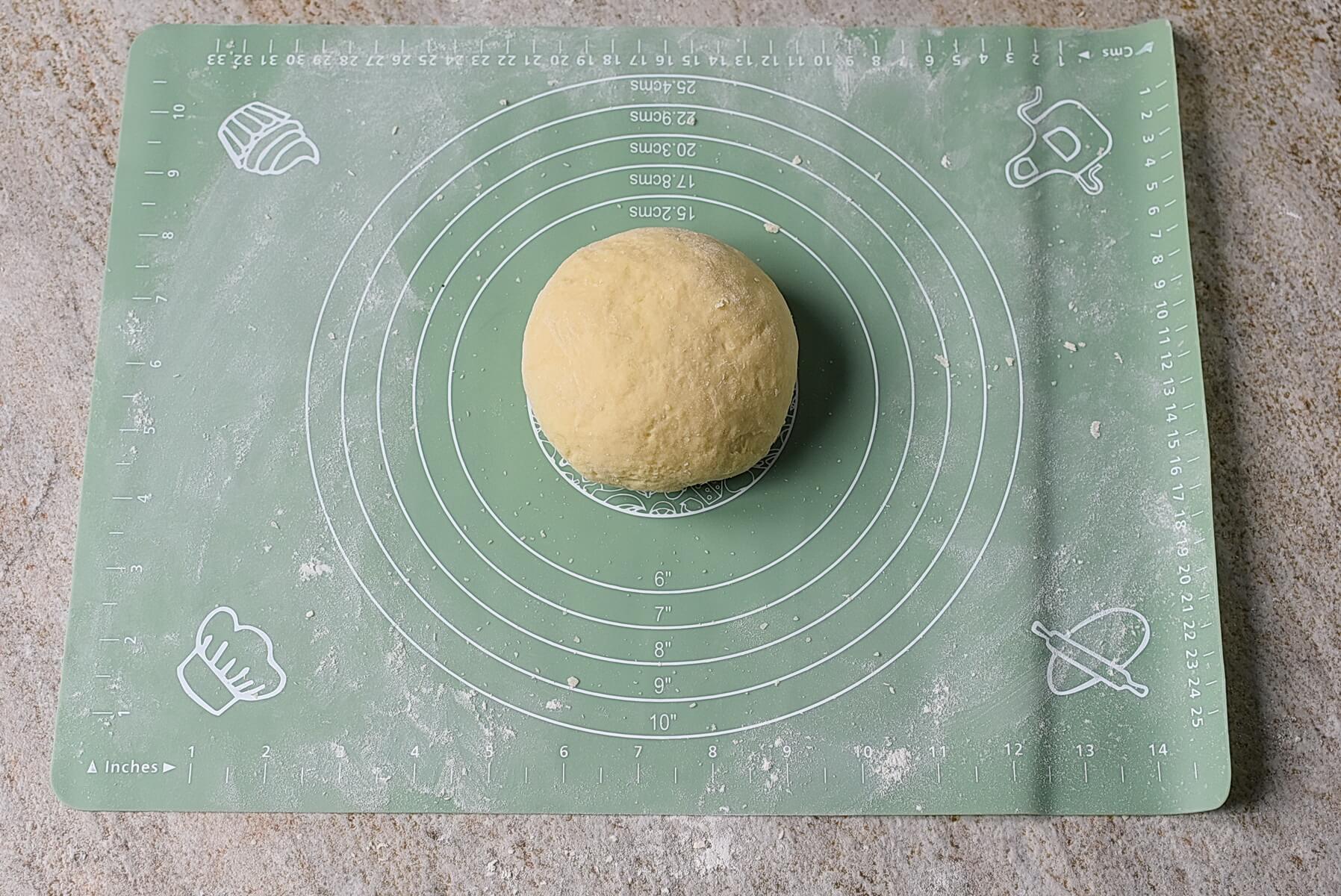
Pour the dough out onto a floured surface. Using well-floured hands, knead the dough until it's no longer sticky, about 3-5 minutes. Loosely cover the dough with a clean kitchen towel and let it rest for 10 minutes.
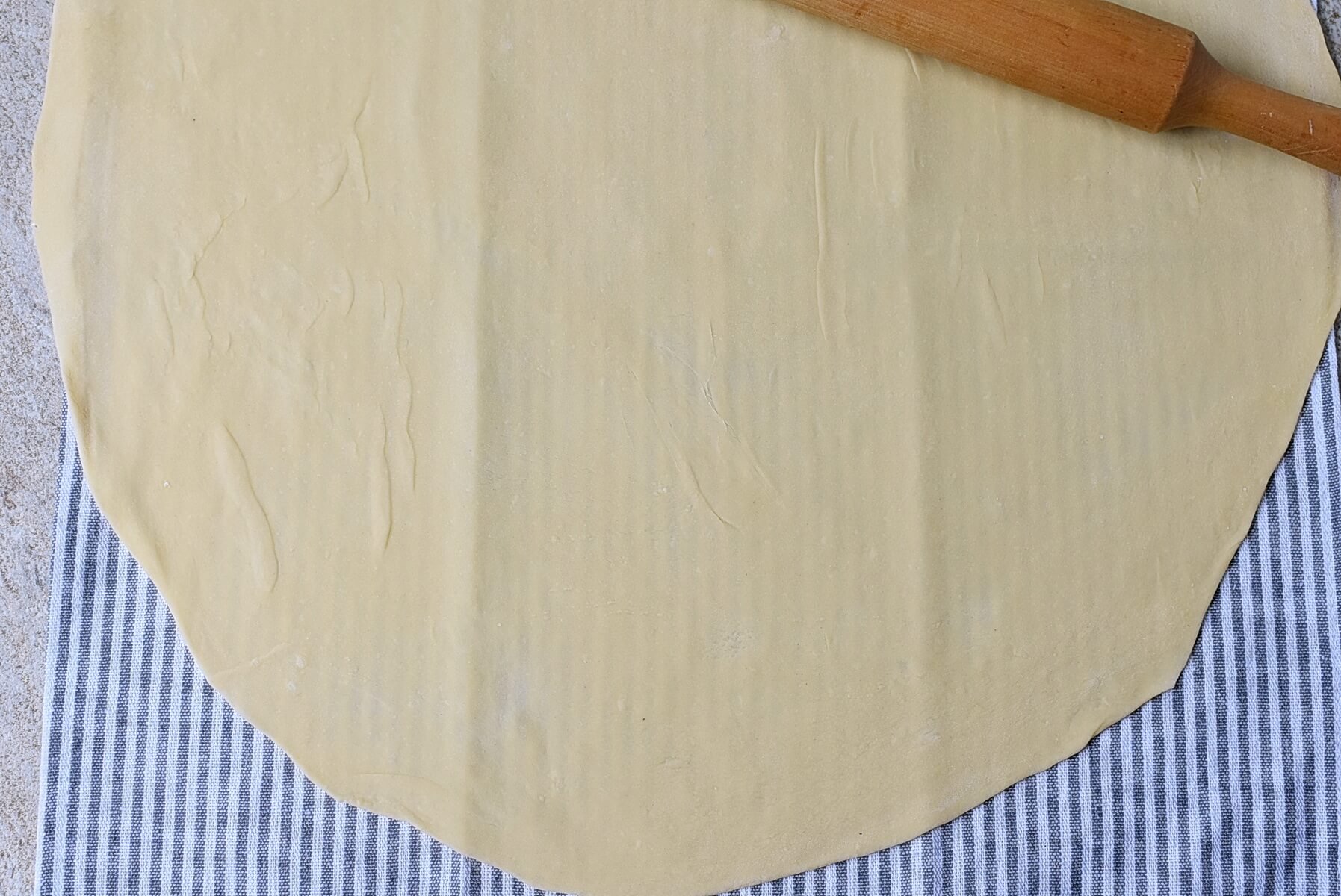
Roll the dough out onto a lightly floured surface until it's very thin — less than ¼-inch thick or paper-thin.
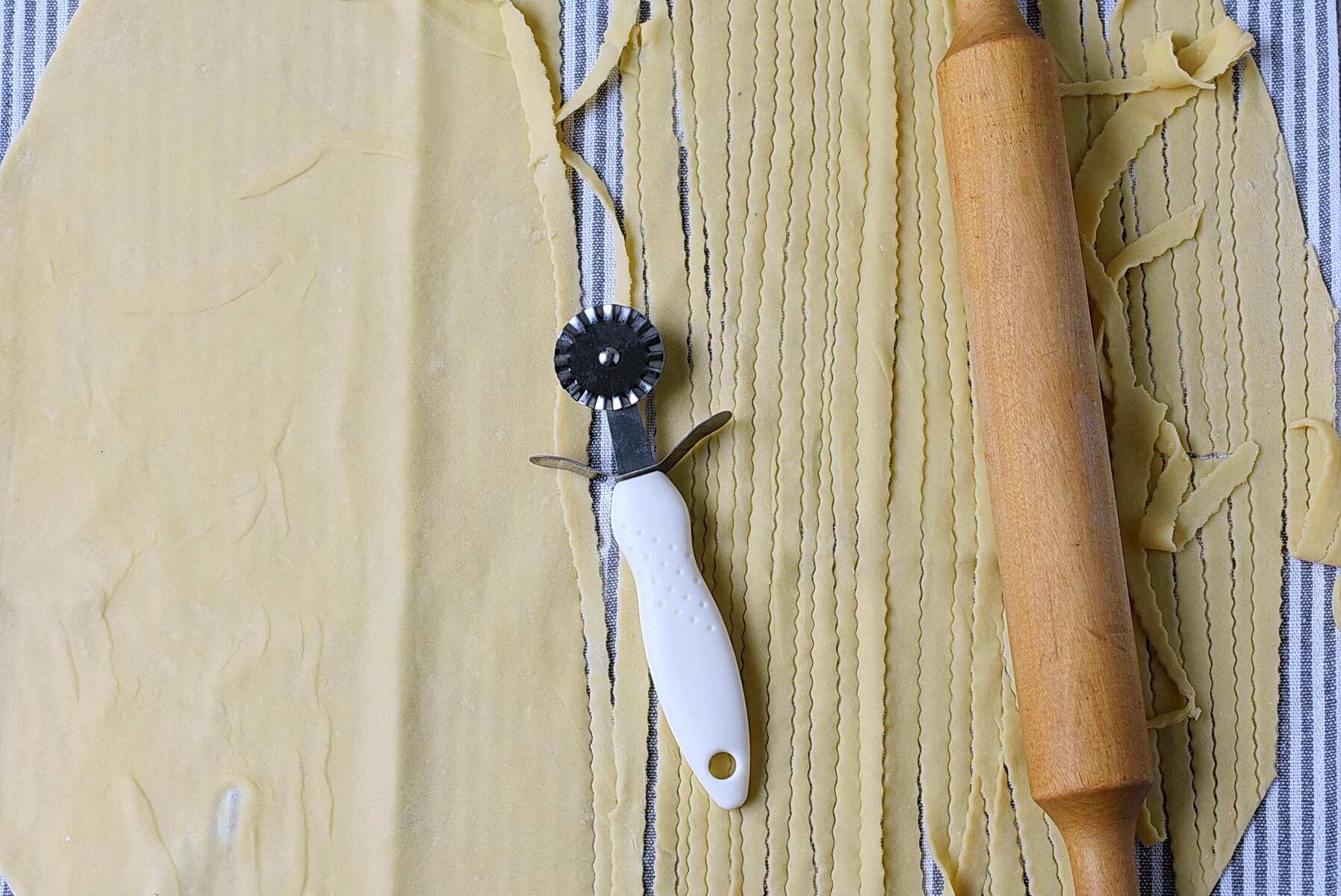
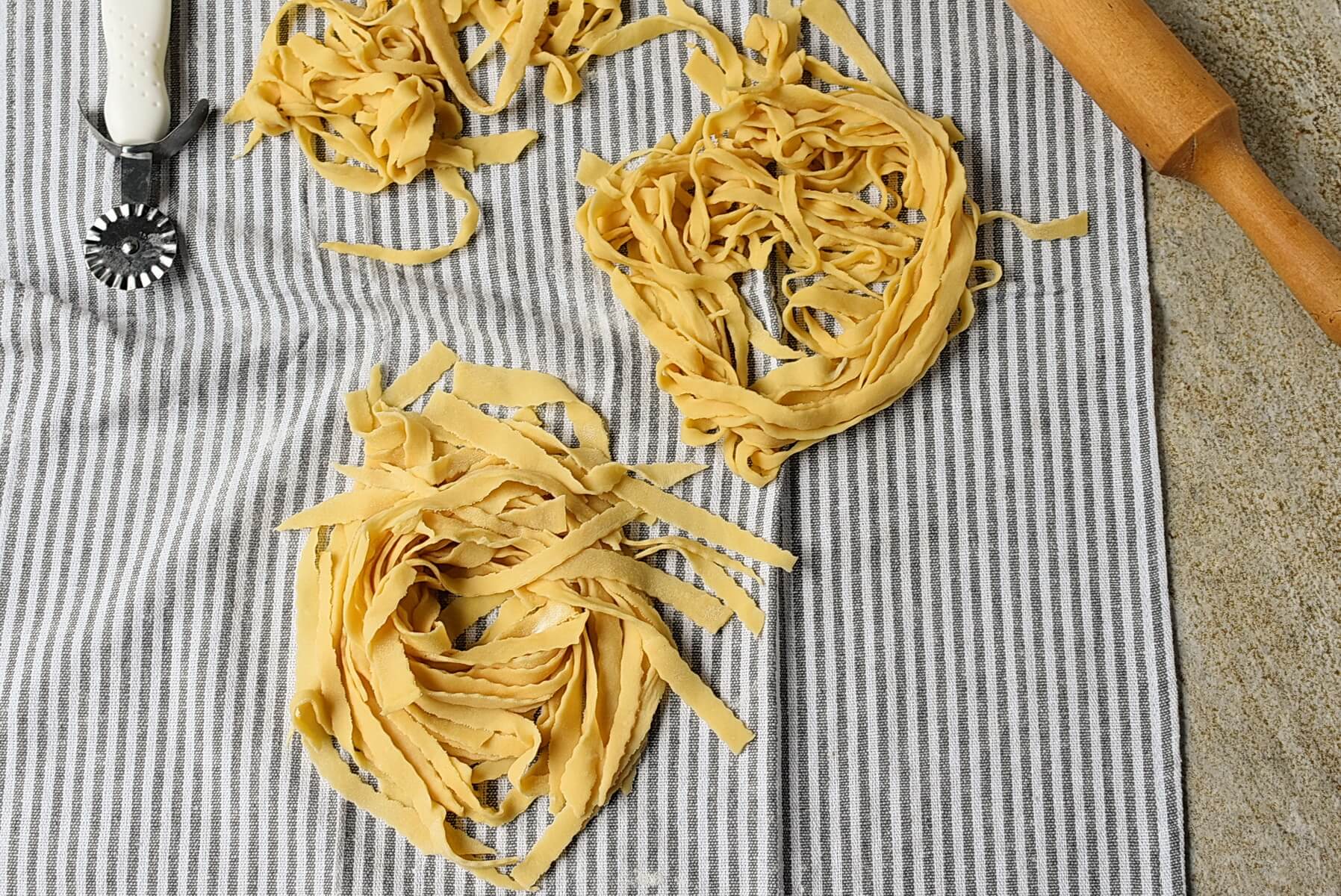
Using a sharp knife or pizza cutter, cut the noodles into long strips to your desired width. Gather them with your fingers into a pile to make them more shapely or twist some with your fingers to make them rustic.
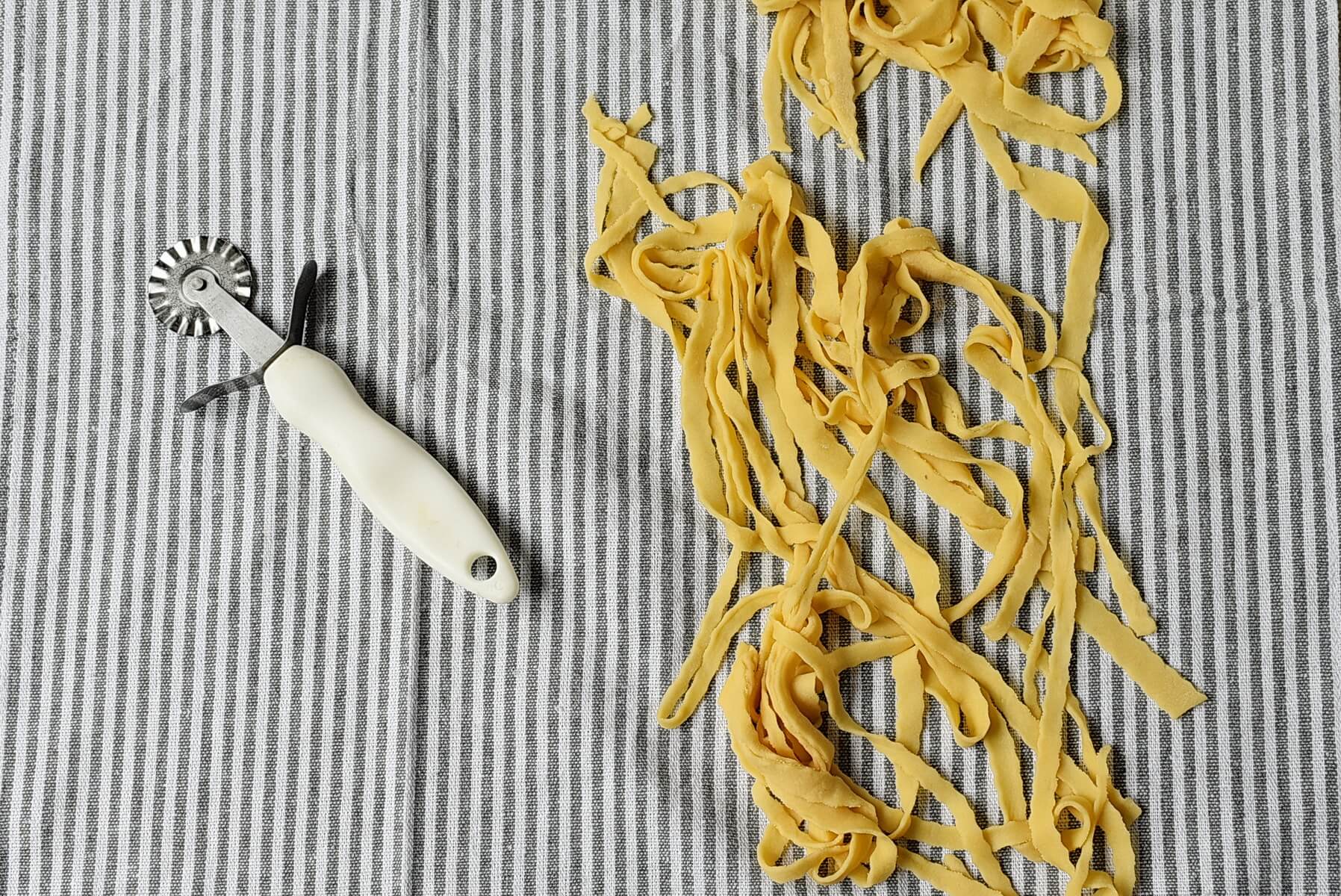
Lay the noodles on a pastry drying rack, cooling rack, dry towel, or a piece of parchment paper and allow them to dry out until they don't stick together. Then transfer the noodles to a zip-top bag or airtight container and refrigerate for a few days or freeze for up to a few months.
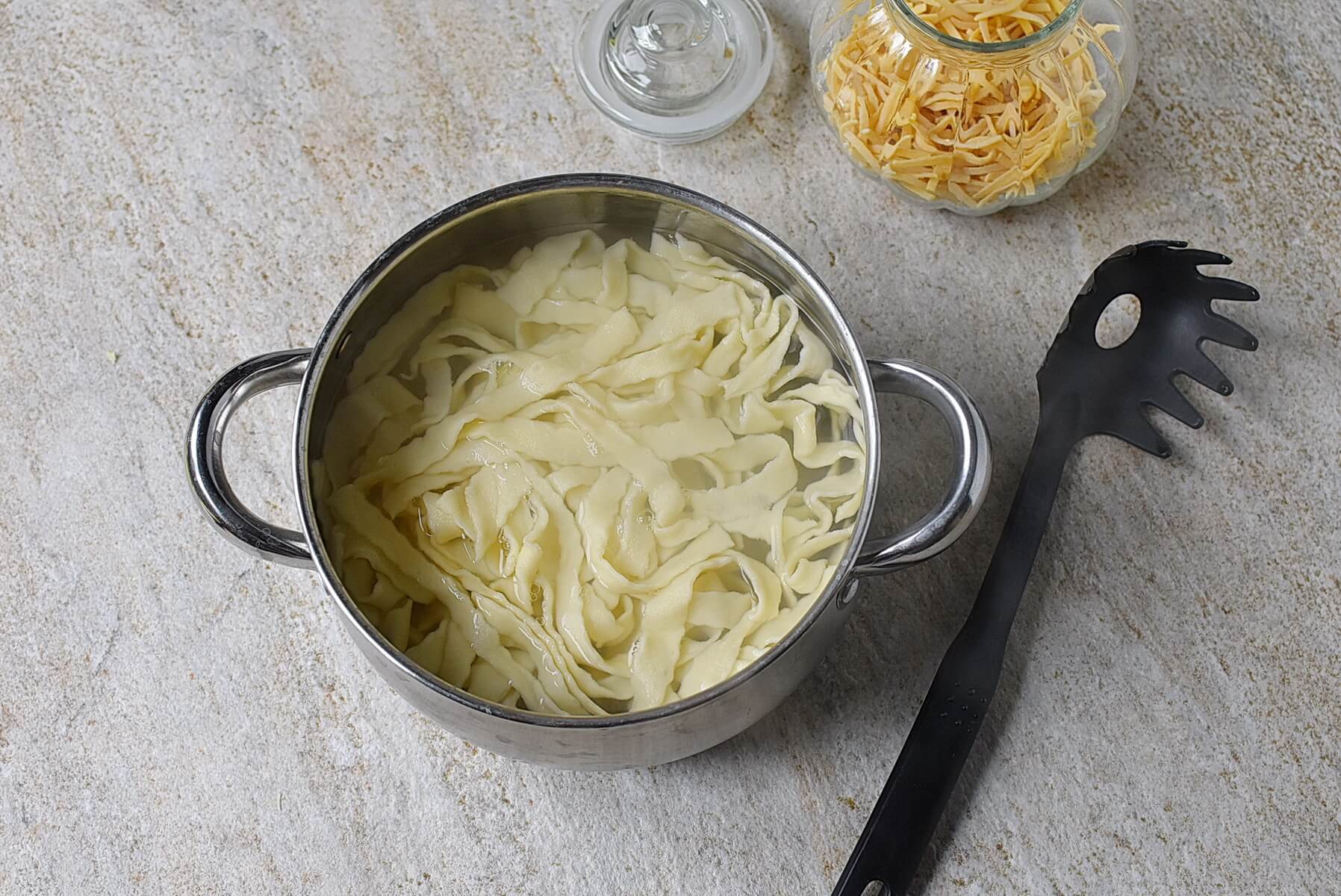
Add the noodles to a pot of boiling salted water and cook until tender to the bite, about 2-3 minutes.
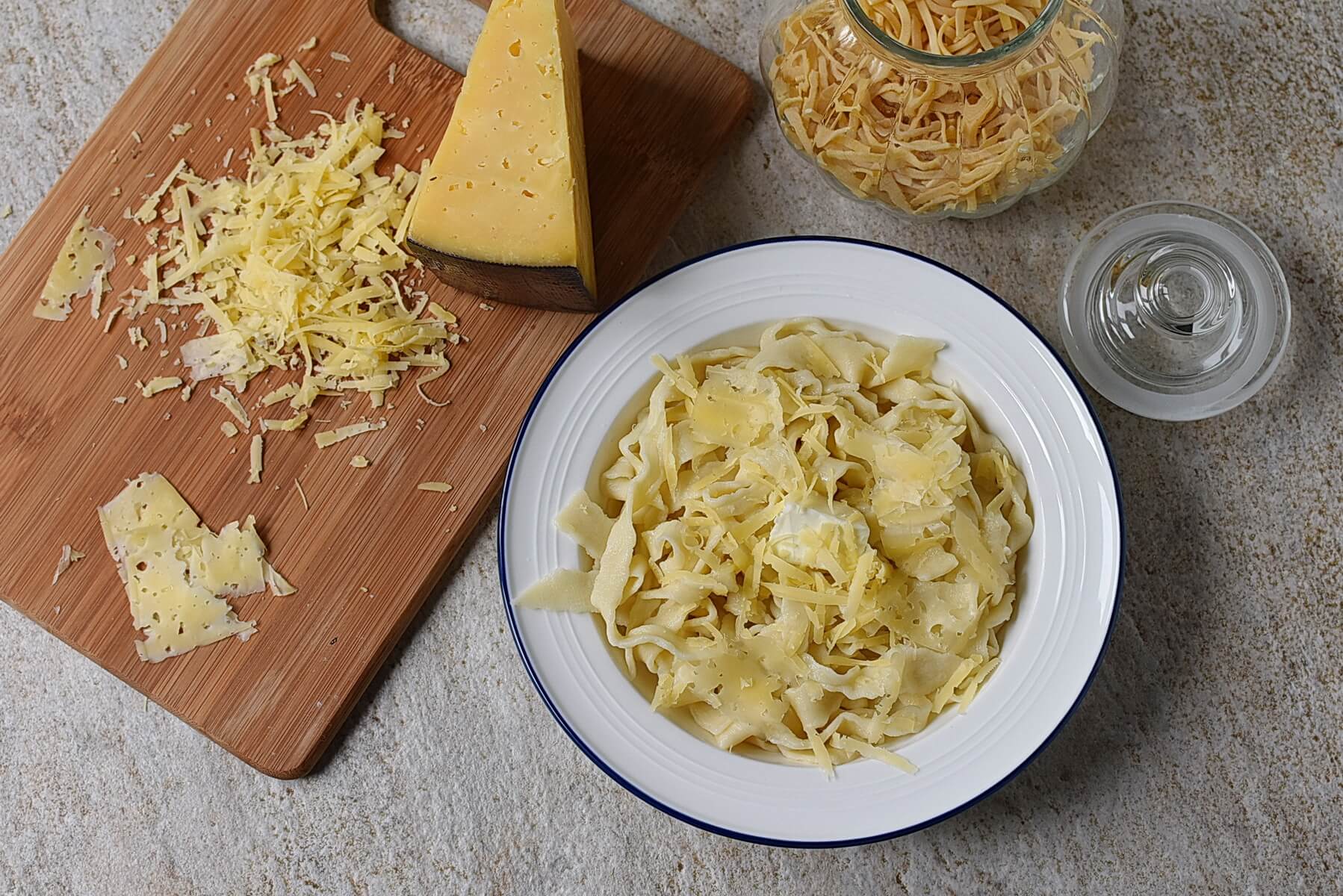
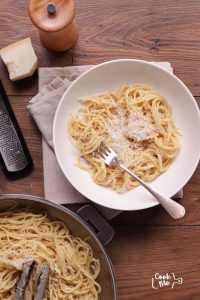
Drain and enjoy with a pat of butter and a sprinkle of Parmesan cheese or your favorite recipe.
You do not need a fancy kitchen to make these. A large bowl for mixing, a floured surface for kneading, a rolling pin, and a sharp knife or pizza cutter are enough. A clean towel to cover the dough while it rests is helpful. If you want to dry the noodles, a cooling rack or parchment on a baking sheet will do. For cooking, use a large pot of well salted water and a colander to drain.
If you are missing a rolling pin, a wine bottle works in a pinch. Once in Dublin I used a butter knife for cutting and the noodles came out endearingly uneven. The tools are there to help, not to scare you.
Mix the eggs, milk, and salt until the mixture is smooth. Whisking well makes the dough lighter and easier to work with. Add the flour gradually: start with one cup and stir, then add more a little at a time until the dough forms a ball but stays slightly sticky. This approach helps avoid a dry, tough dough.
Knead on a floured surface for about three to five minutes, until the dough no longer sticks. Cover it with a towel and let it rest for ten minutes, so rolling is easier. Roll the dough until it is less than a quarter inch thick, or as thin as you can. Cut into strips with a knife or pizza cutter to the width you like. Gather them into loose piles or twist a few for a rustic shape.
Dry them on a rack or parchment until they do not stick, then store in a resealable bag in the fridge for a few days or in the freezer for months. When cooking, add the noodles to boiling salted water and cook two to three minutes until tender to the bite. Drain and toss with butter or grated Parmesan.
Tips in brief:
1. Whisk the wet ingredients well.
2. Add flour slowly so you feel the dough forming.
3. Rest the dough before rolling.
4. Dry well before storing to avoid ice crystals in the freezer.
Herb noodles. Finely chop parsley, dill, or chives and knead about a quarter cup into the dough at the end of kneading. The herbs give a fresh note that works well with light sauces.
Turmeric noodles. Stir half a teaspoon of ground turmeric into the egg mixture before adding flour for a sunny color and a gentle warmth that pairs well with curry or stir fry.
Whole grain version. Swap half the all-purpose flour for whole wheat or rye for a nutty, heartier noodle. You may need a splash more milk to keep the dough soft. These hold up well in stews and feel very wholesome on cold days.
For a quick meal, toss the drained noodles with butter and Parmesan. For comfort, add them to a homemade chicken soup with carrots, celery, and herbs. If you want something bright, dress them in a light pesto and sprinkle toasted pine nuts on top. For a simple salad, chill cooked noodles and toss with cucumber, feta, and a light vinaigrette.
Wine or tea work depending on the meal. I sometimes choose a crisp white, and other nights a pot of black tea feels right. Serve in wide bowls and garnish with fresh herbs and a little cracked pepper.
Lay the cut noodles out on a floured surface or on parchment, spacing them so air can circulate. Dust them lightly with flour. This dries the surface enough that the noodles separate in the pot. If they do start to stick, gently tease them apart before cooking and stir them in the pot to separate.
Double or triple the ingredients, but mix in manageable batches so the dough comes together evenly. Dry the noodles until they feel leathery, then put them in resealable bags and press the air out. Freeze flat if you can. Thaw a few minutes at room temperature or cook from frozen; the key is to dry well first so they do not form ice that ruins the texture.
Yes, you can try gluten-free flour blends that contain xanthan gum. Replace the all-purpose flour one for one, and add an extra egg for structure. You may need a bit more milk because gluten-free blends can be drier. Roll a bit thicker so the noodles hold together in the pot.
Yes. Stir in spices like garlic powder or paprika, about half a teaspoon, when you add the flour. You can grate in a hard cheese for a savory note. Start small so the additions do not dry the dough or make it hard to roll.
You might be asking yourself, "Do I really need a recipe for Homemade Egg Noodles?" Yes. These delightful noodles come together with just four simple ingredients, and once you take the plunge, you’ll discover just how satisfying and delicious homemade noodles can be.

Great! These egg noodles easy to make with just a few pantry staples.