


Alright, listen up. Tomato gravy is the kind of sauce that turns a regular Tuesday night meal into a victory. It is simple, honest, and it carries weight the way a cast-iron skillet does. If you grew up where I did, you might call it red gravy, and you know what that means: warm, tangy, and unapologetic.
I learned the basics in Buffalo, with winters that made you cook to survive. Later, a rough stint in a Chicago steakhouse taught me to respect heat and timing. This recipe is the result: a light brown roux for body, tomatoes for bite, a splash of cream for silk. It is not complicated. But it is pure comfort.
This version balances tang and cream so the sauce clings to biscuits, soaks into meatloaf, and perks up eggs without stealing the show. Get the heat right and you get a gravy that feels like dinner should feel. Trust me, you will wonder why you did not make it sooner. Actually, scratch that. You probably already suspected as much if your family cooks this way.
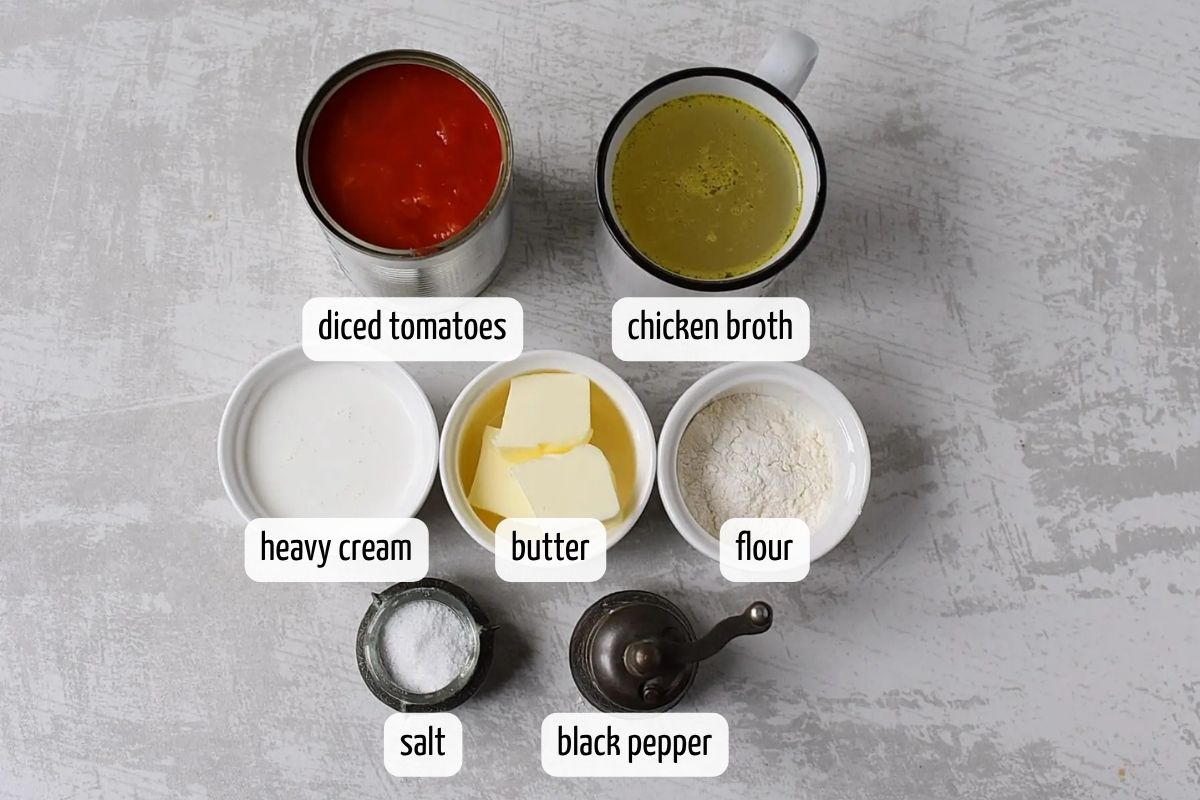
To make the Tomato Gravy, you will need the following ingredients:
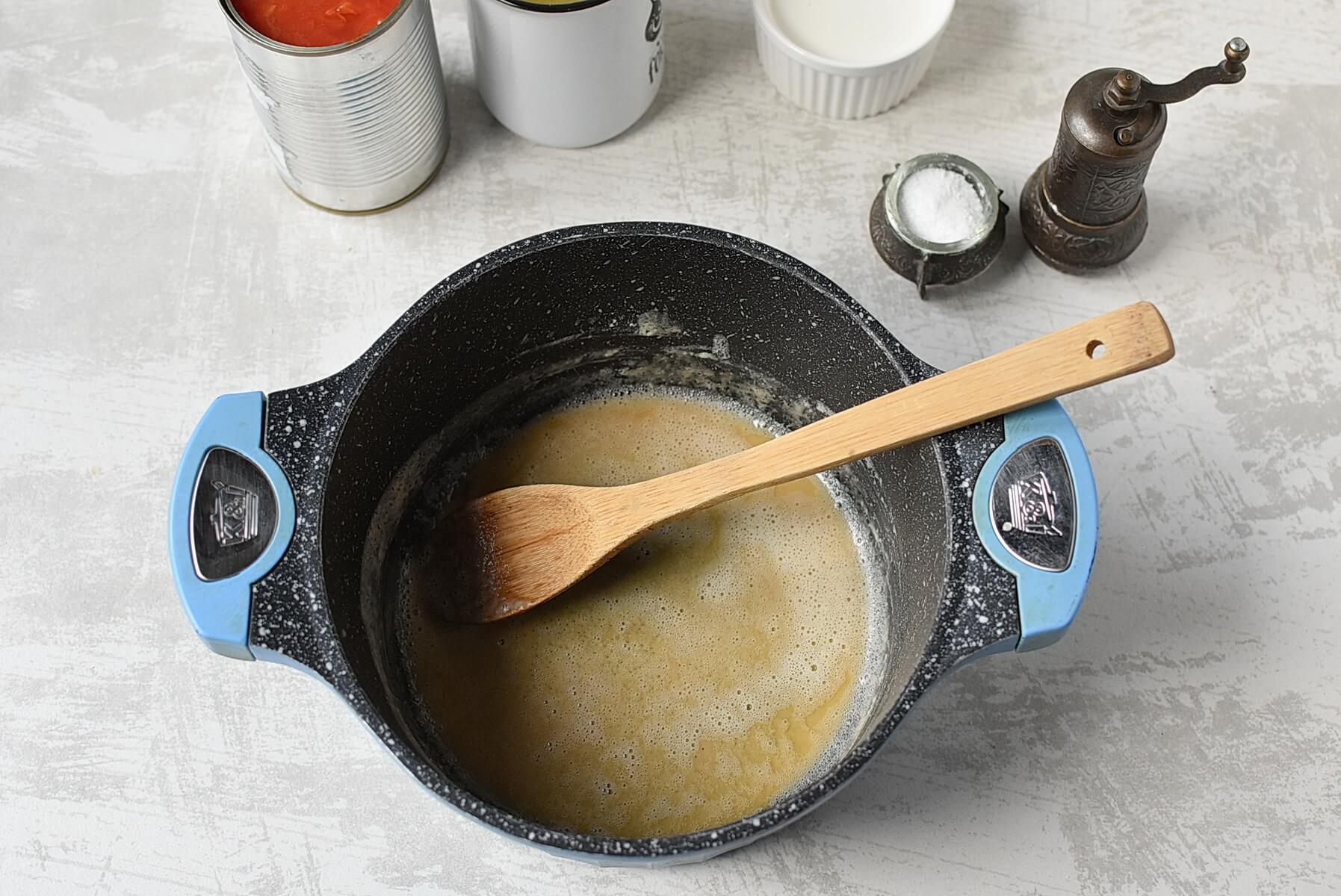
In a medium cast-iron skillet or saucepan over medium heat, melt 3 tablespoons unsalted butter. Stir in 3 tablespoons all-purpose flour and cook, stirring constantly, until the roux is light brown or the color of peanut butter, about 1 minute.
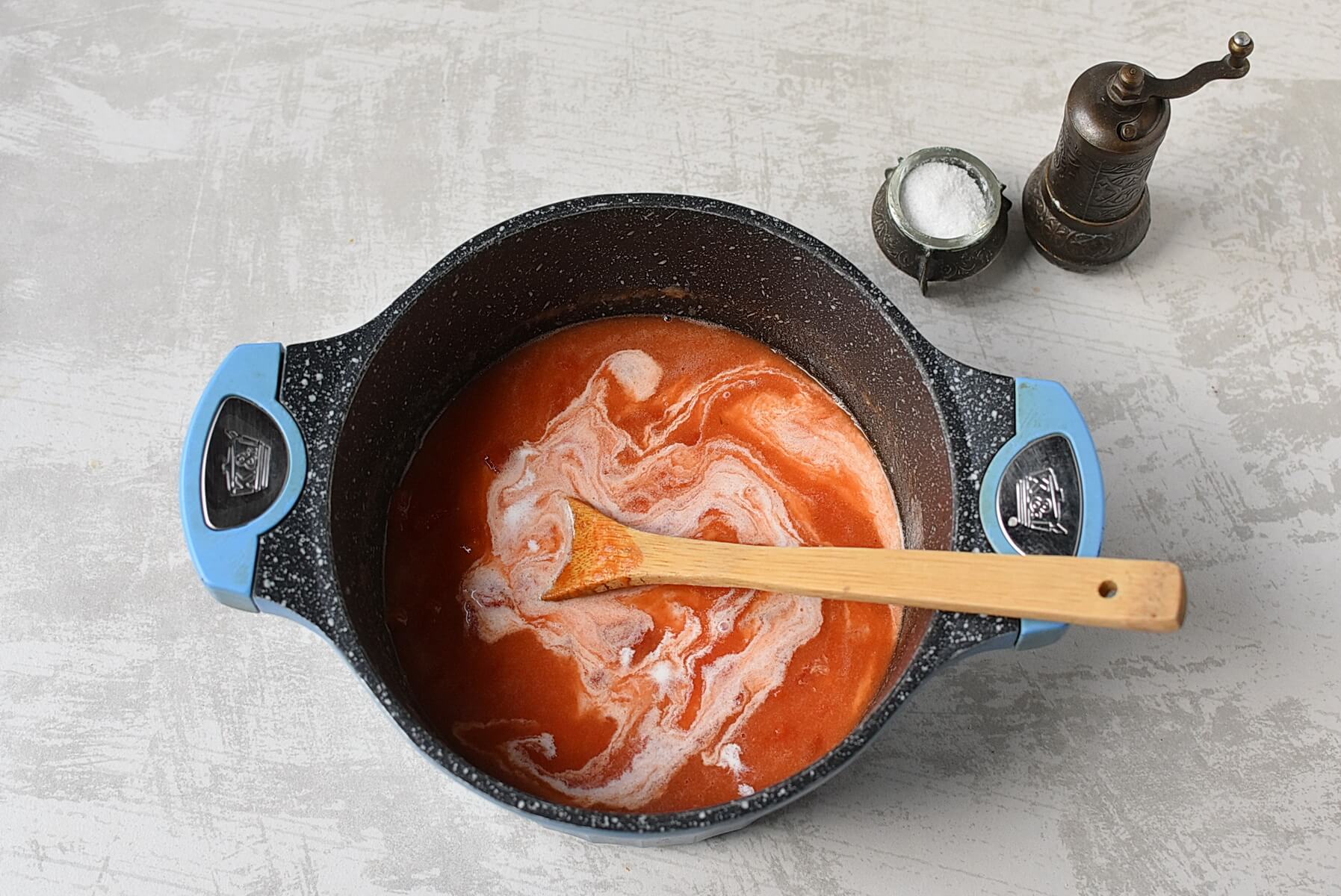
Add 1 (14.5-ounce) can diced or crushed tomatoes, 1 cup low-sodium chicken broth, and 1/4 cup half-and-half or heavy cream and stir to combine. Bring to a boil over medium-high heat.
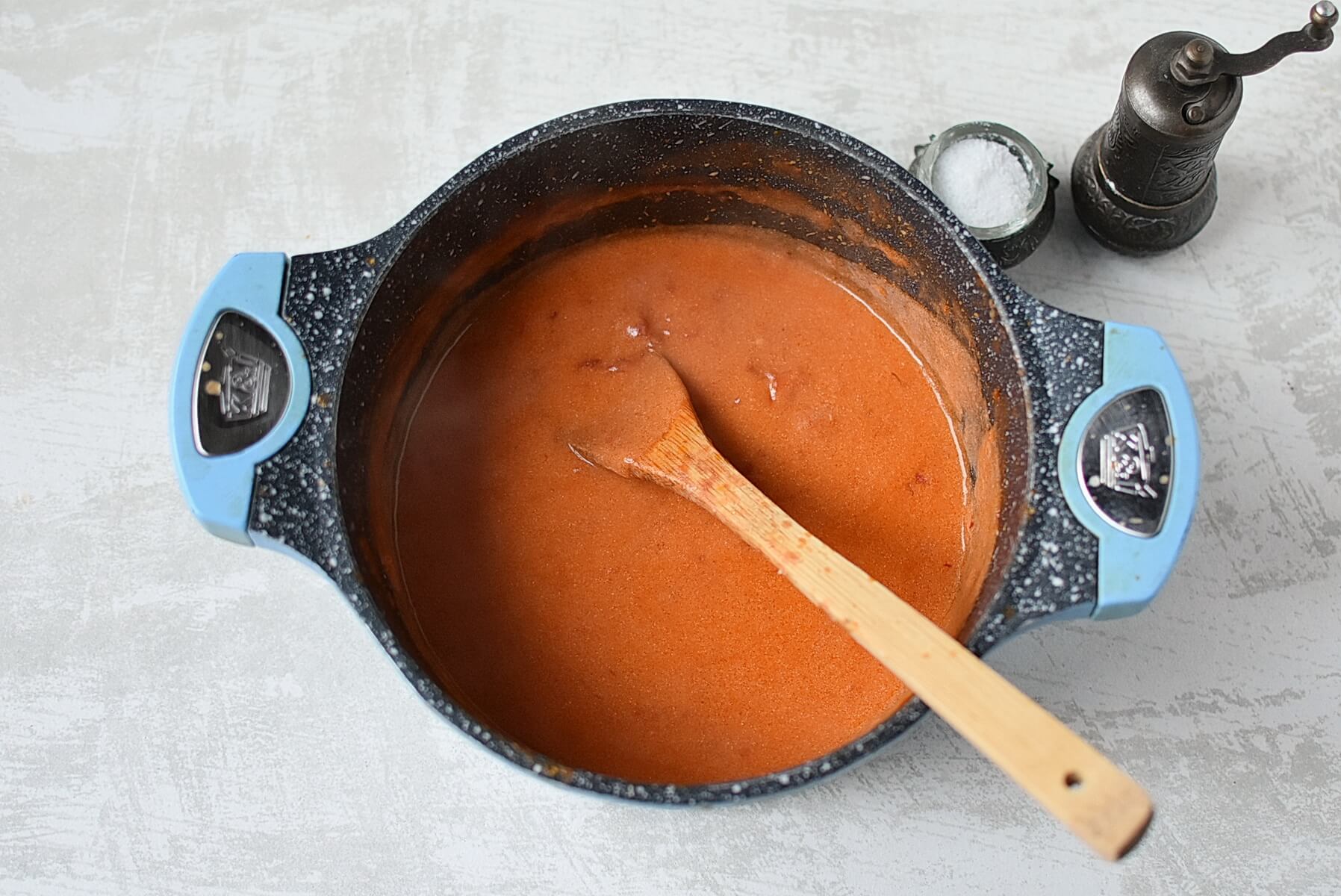
Once at a boil, reduce the heat to low and simmer uncovered, stirring occasionally, until thick enough to coat the back of a spoon, 8 to 12 minutes.
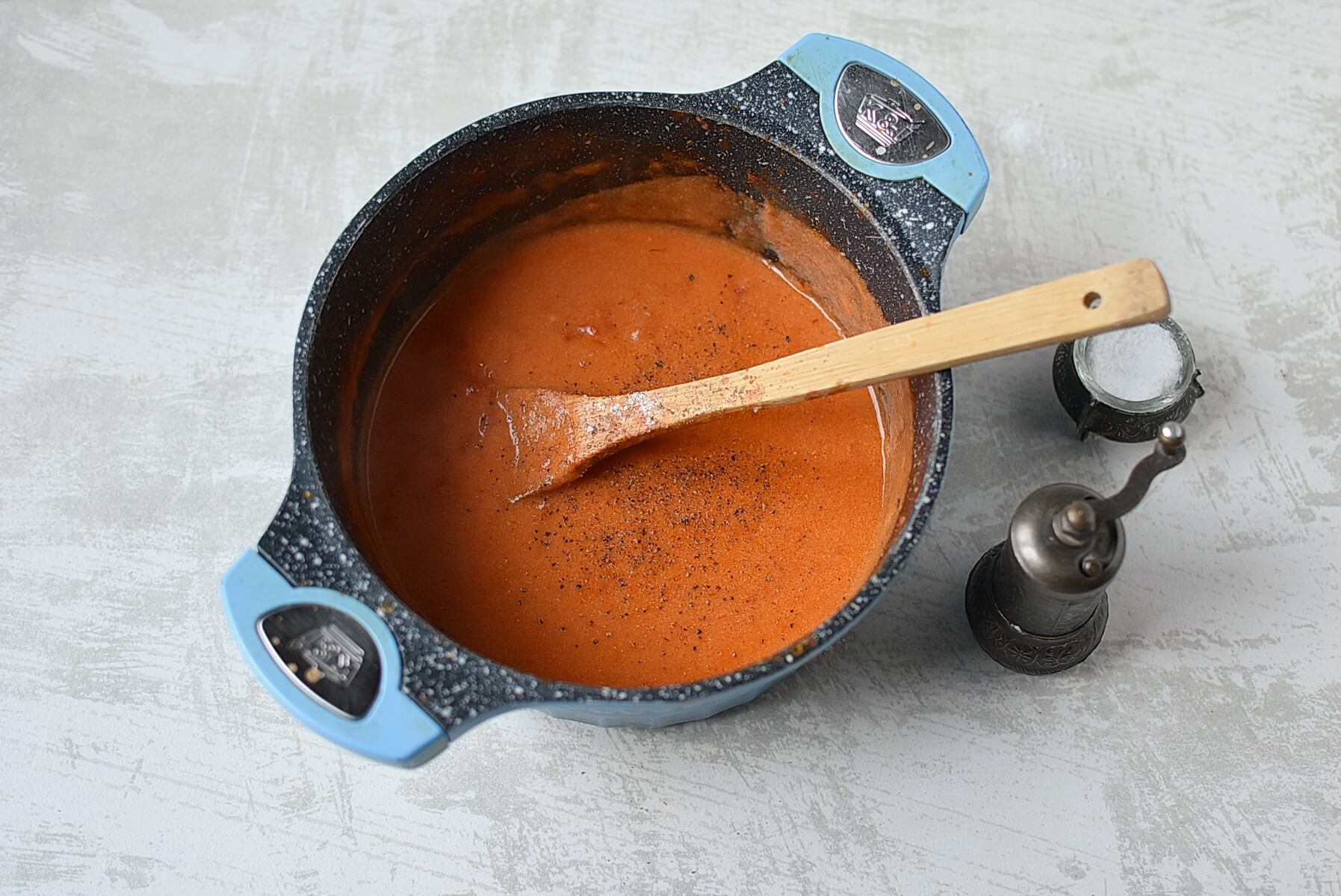
Add 1 teaspoon kosher salt and 1/2 teaspoon freshly ground black pepper and stir to combine. Taste and adjust for seasoning.

Enjoy with meatloaf, biscuits, mashed potatoes, pasta, rice, toast, fried eggs, and creamy grits. Refrigerate any leftovers in an airtight container for up to 5 days. Reheat in a saucepan over medium heat.
You do not need a garage full of gear. A medium skillet or saucepan that holds heat well will do. Cast-iron is my pick because it gives even warmth and forgives mistakes. Grab a wooden spoon or a whisk. The spoon is steady for constant stirring. The whisk rips through lumps fast. Basic cups and spoons for measuring are enough. A can opener helps if you go canned. A sharp knife is useful if you add extras, but this recipe keeps prep small.
Use a burner that can hold low heat for the simmer. I do this uncovered so the sauce reduces and thickens naturally. Have a ladle for serving and an airtight container for leftovers. Oh, and a timer helps when you are aiming for that peanut butter color in the roux. I learned that the hard way on a thin pan that scorched everything. Don’t do that.
Nail the roux. Melt the butter over medium heat and stir in the flour until it looks like fresh peanut butter. That color is your signal. Too pale, and you get a raw flour taste. Too dark, and it gets bitter. Keep stirring. Pay attention here. Your flour and butter measurements set the whole foundation. Don’t screw it up.
Use canned diced or crushed tomatoes for consistency. They break down without fuss and give you steady acidity. Fresh tomatoes work, but they need more time and can run watery if they are not ripe. Add the tomatoes after the roux so everything blends smoothly. Salt and pepper belong at the end. I usually start with a teaspoon of kosher salt and half a teaspoon of black pepper, taste, and adjust because tomatoes vary.
Let it simmer uncovered on low for eight to twelve minutes until it coats the back of a spoon. That reduction concentrates flavor and builds body without thickeners. If it thickens too much when you’re reheating, loosen it with a splash of broth. If you want extra silk, add a little more cream at the end. That carries fat and flavor right where you want it.
If you are wondering how to make tomato gravy even better, it is mostly about heat control and tasting as you go. Medium heat for the roux, then a gentler simmer. That is the physics of it. Not magic, just patience.
Smoky bacon version: Cook diced bacon first and build the roux in that fat. Remove some crispy bits and toss them back in during the simmer. It adds a meaty backbone that people love. I tried this at a family get-together, and it disappeared fast. It is richer, so if you are watching calories, maybe skip it. For me, flavor wins.
Herb fresh version: Stir in chopped basil or thyme near the end for brightness. Basil lifts the tomatoes while thyme adds an earthy balance that plays well with cream. Start small. Too many herbs will take over.
Spicy version: Add chopped jalapeño with the tomatoes or a pinch of cayenne with the seasoning. Let the heat mellow in the simmer so it blends instead of stabbing. I like a little edge when serving with hearty things like meatloaf.
The most obvious move? Pour it over meatloaf. It is a classic for a reason. It soaks into the meat and adds moisture and tang. Biscuits and gravy are another no-brainer. Split a biscuit and drown it. Eggs, grits, mashed potatoes, pasta, rice, they all take it well. For a last-minute garnish, parsley brightens, and a little grated cheese gives extra melt.
Pair with greens for balance. A light red wine will cut the acidity. Leftovers reheat nicely and work great over vegetables. Once, I poured some over smoked brisket and Brisket, the dog, stared until I moved the plate. True story.
How Long Does Tomato Gravy Last in the Fridge?
Alright, about leftovers. This stuff will keep if you store it right. In an airtight container, it holds for up to five days. I pushed it to six once, and it was still fine, but fresher is better. The acid in the tomatoes helps it last a few extra days, but cream makes it perishable. Reheat gently in a saucepan and stir. Add a splash of broth if it gets too thick.
Can I Make This Without Dairy?
Yes. Swap butter for oil and use coconut milk or another plant-based creamer in place of half and half. It changes the flavor a bit, especially with coconut milk, so taste as you go and balance with extra pepper or acid. I tried this for a friend with allergies, and it worked, though it was less classic.
How Do I Make Tomato Gravy for Meatloaf Thicker?
So your gravy is too thin. It happens. Simmer longer uncovered until it reduces. If that does not do the trick, whisk a little flour and water together and stir it in, then cook for a few minutes to remove the raw taste. Aim for a spoon-coating thickness so it clings to the meatloaf without drowning it.
What If I Use Fresh Tomatoes Instead of Canned?
Fresh tomatoes are fine. Dice about a pound of ripe ones and add a touch more broth if they are not juicy. Simmer longer so they break down. Fresh gives a brighter flavor, but it takes more time and attention. I did this one summer in Austin and liked the result.
How to Make Tomato Gravy Spicier?
Add chiles or red pepper flakes early so the heat mellows with the simmer. Taste midway and adjust. Small doses build better flavor than dumping in a lot at once.
Tomato Gravy is a comforting staple of Southern cooking that brings a rich, savory flavor to any meal. This easy-to-make sauce pairs beautifully with a variety of dishes, from fluffy biscuits to hearty meatloaf, making it a versatile addition to your cooking repertoire. With just a handful of ingredients and a few simple steps, you’ll find yourself reaching for this recipe time and again, whether it’s breakfast, lunch, or dinner.

Great! Sometimes I also like to add some red pepper flakes.