

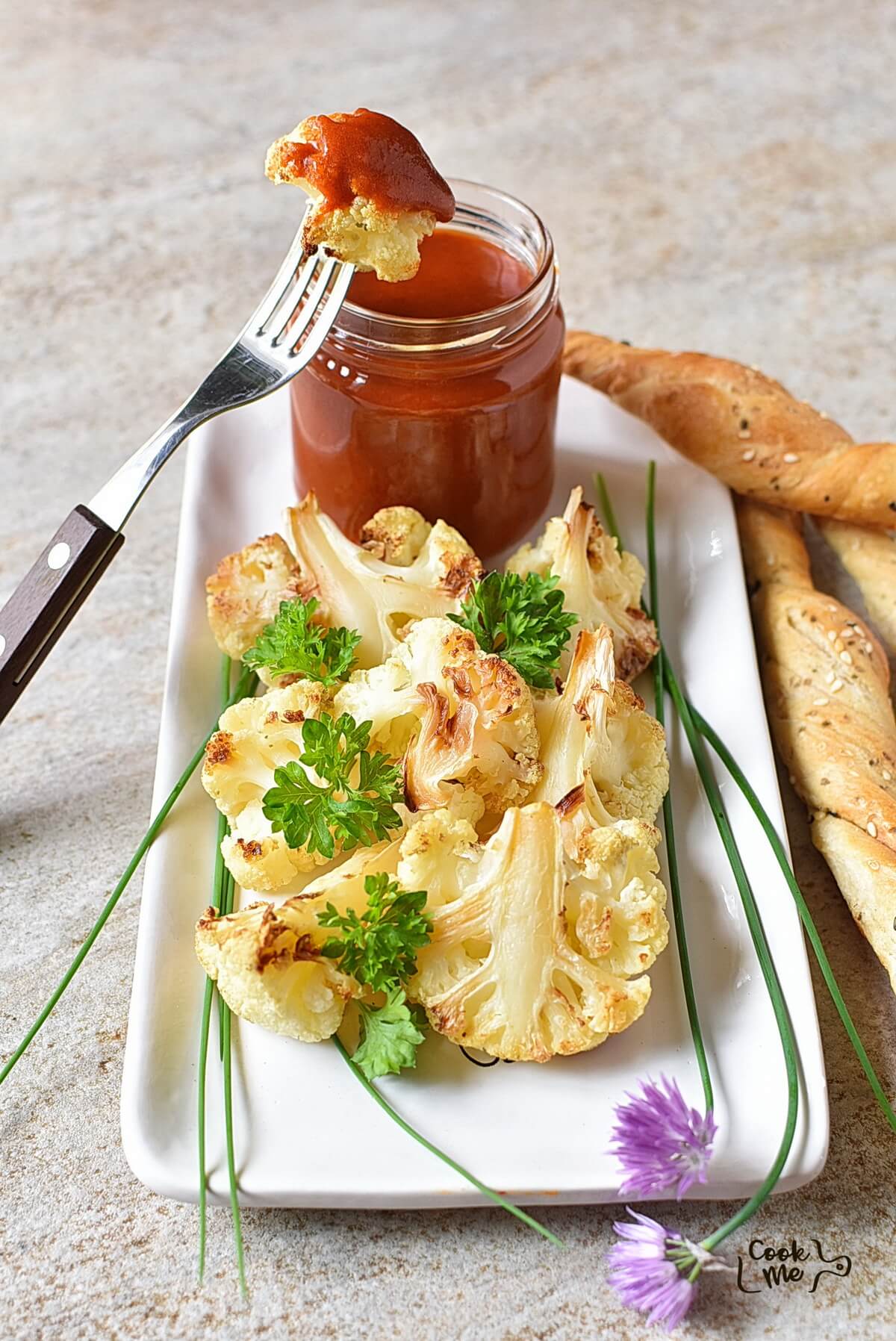
If you grow up in Buffalo, hot sauce isn’t just a condiment—it’s a rite of passage. The first time I tried to make Buffalo sauce on my own, I doubled the cayenne by accident and watched my big brother try to put out the fire in his mouth with a glass of milk. Now, when I slide a bowl of this stuff across the table to a guest, it feels like offering up a little piece of home, seasoned with family stories and a kitchen full of trial and error.
This isn’t just another bottled hot sauce pretending to be Buffalo sauce. This is the real article, built from the ground up: pure cayenne pepper hot sauce for heat, honest melted butter for weight and soul, and just enough honey to keep things civilized. Forget “balancing the flavors” — what matters here is the mouthfeel, the shine, the way it coats a wing or clings to the edge of your spoon, begging for one more bite. I always say, fat is the vehicle for flavor, and don’t let anyone tell you different. You can put this Buffalo sauce up against anything you’ll find in a bar on Allen Street or under the bright lights of a football tailgate.
But let me level with you: I’ve messed up more batches of this than I care to admit. I’ve scorched the butter, over-salted on autopilot, and once even tried to swap honey for maple syrup in a pinch—not my finest moment. Each time, though, I learned something new. You want silky texture? Melt the butter low and slow. You want a punchy, rounded flavor? Don’t skip the garlic powder or the paprika. I skipped those once to save time, and the result tasted flat, which my neighbor pointed out with brutal honesty. The sauce came alive the second I put those spices back where they belong. It’s those small, deliberate touches—the kind that leave your cutting board looking like an old workbench, each stain and spill proof of real effort—that transform the basics into a Buffalo sauce that matters.
To make the Buffalo Sauce, you will need the following ingredients:
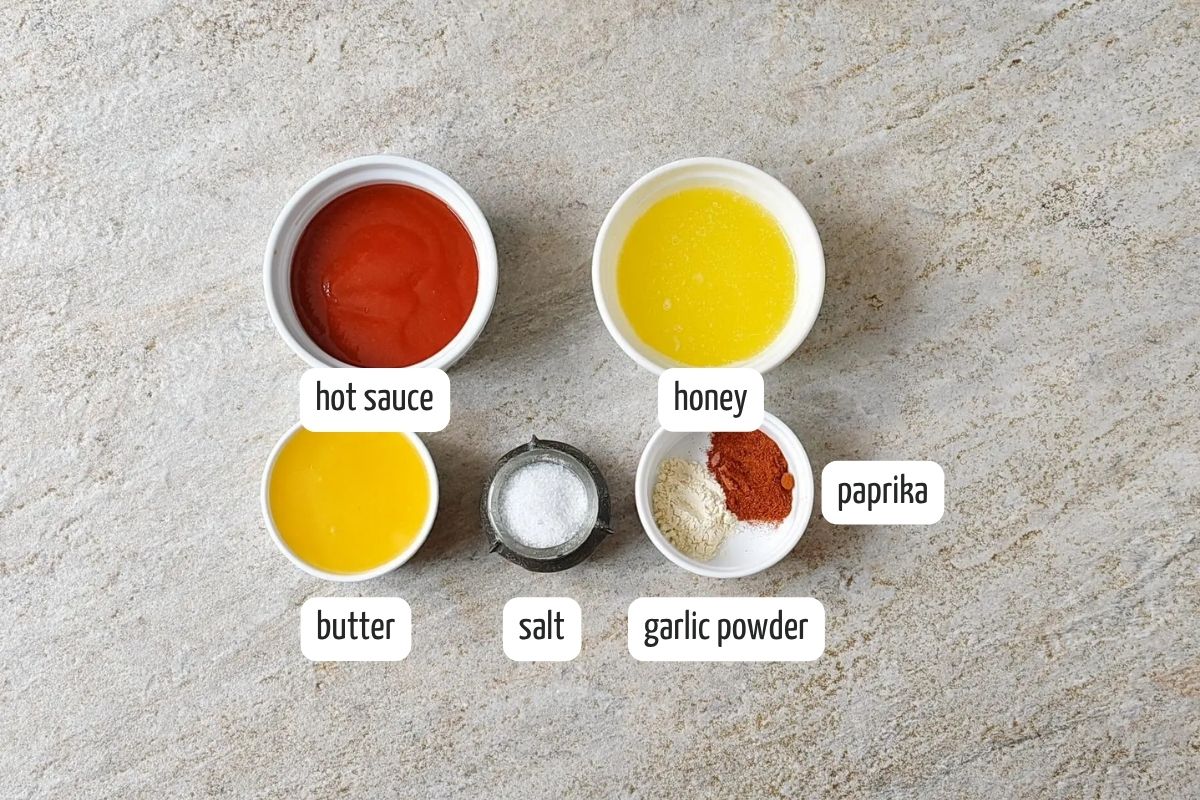
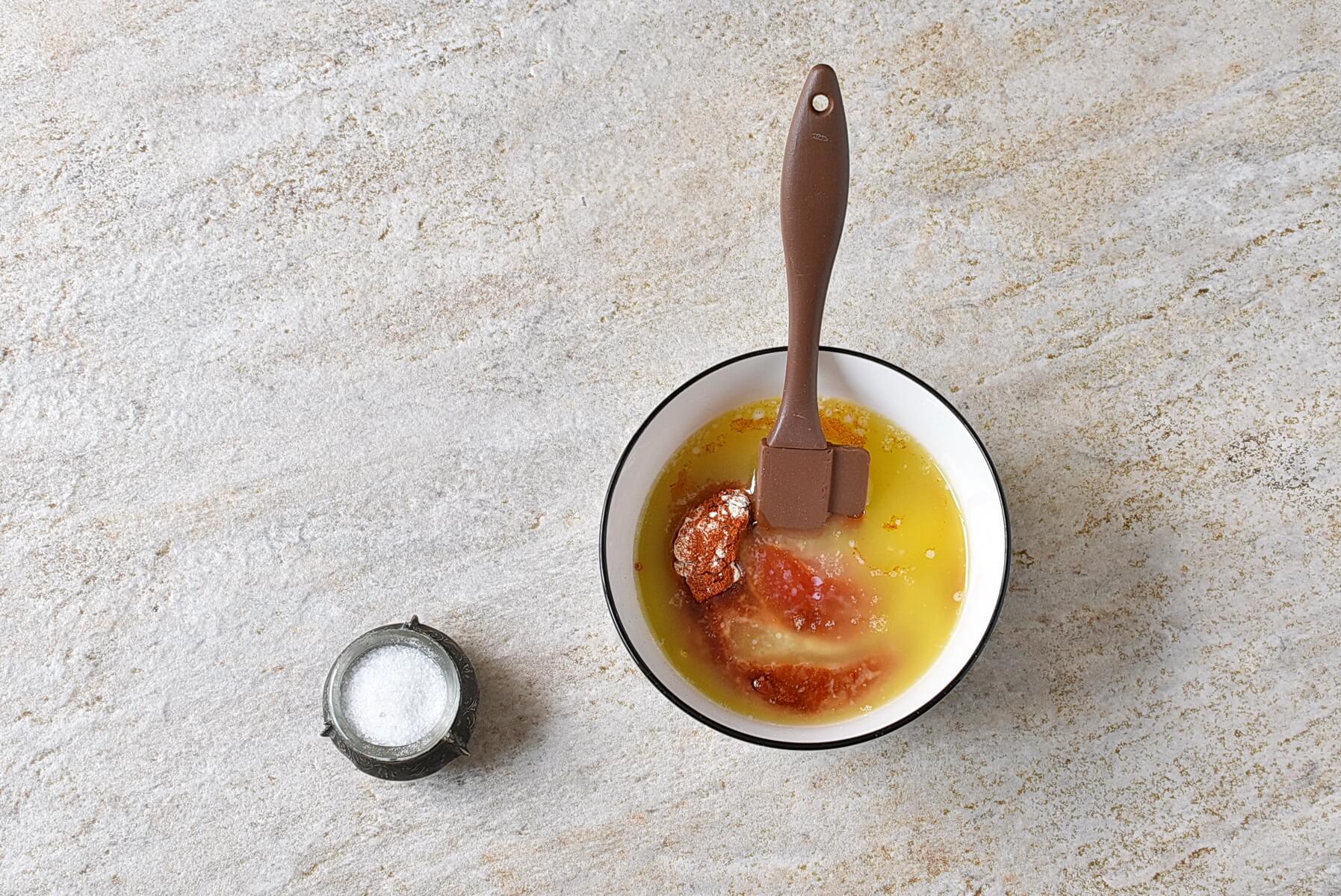
In a medium bowl, stir together ½ cup cayenne pepper hot sauce, 4 tablespoons melted unsalted butter, 2 ½ tablespoons honey, ½ teaspoon garlic powder, and ½ teaspoon paprika.
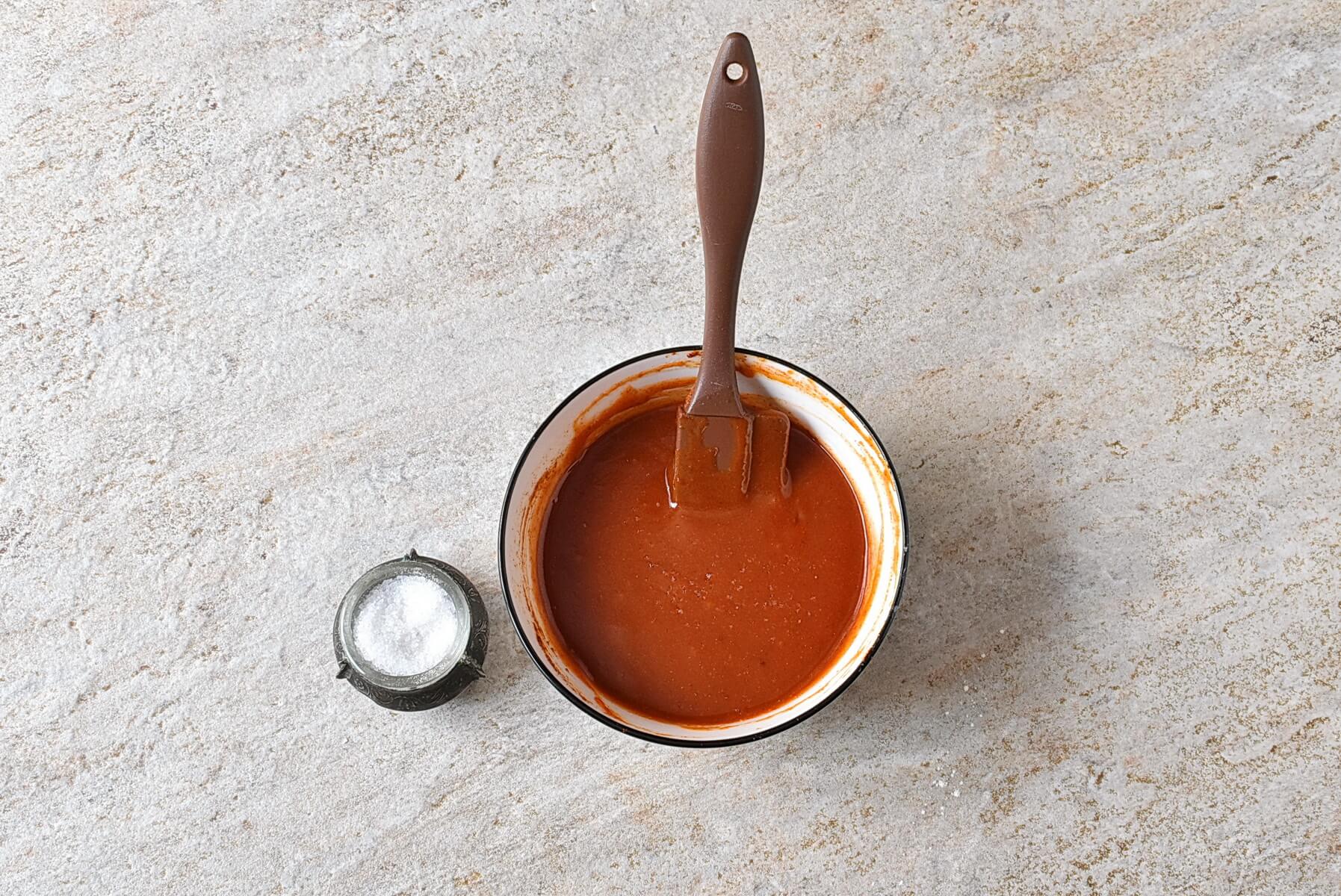
Season with salt to taste.
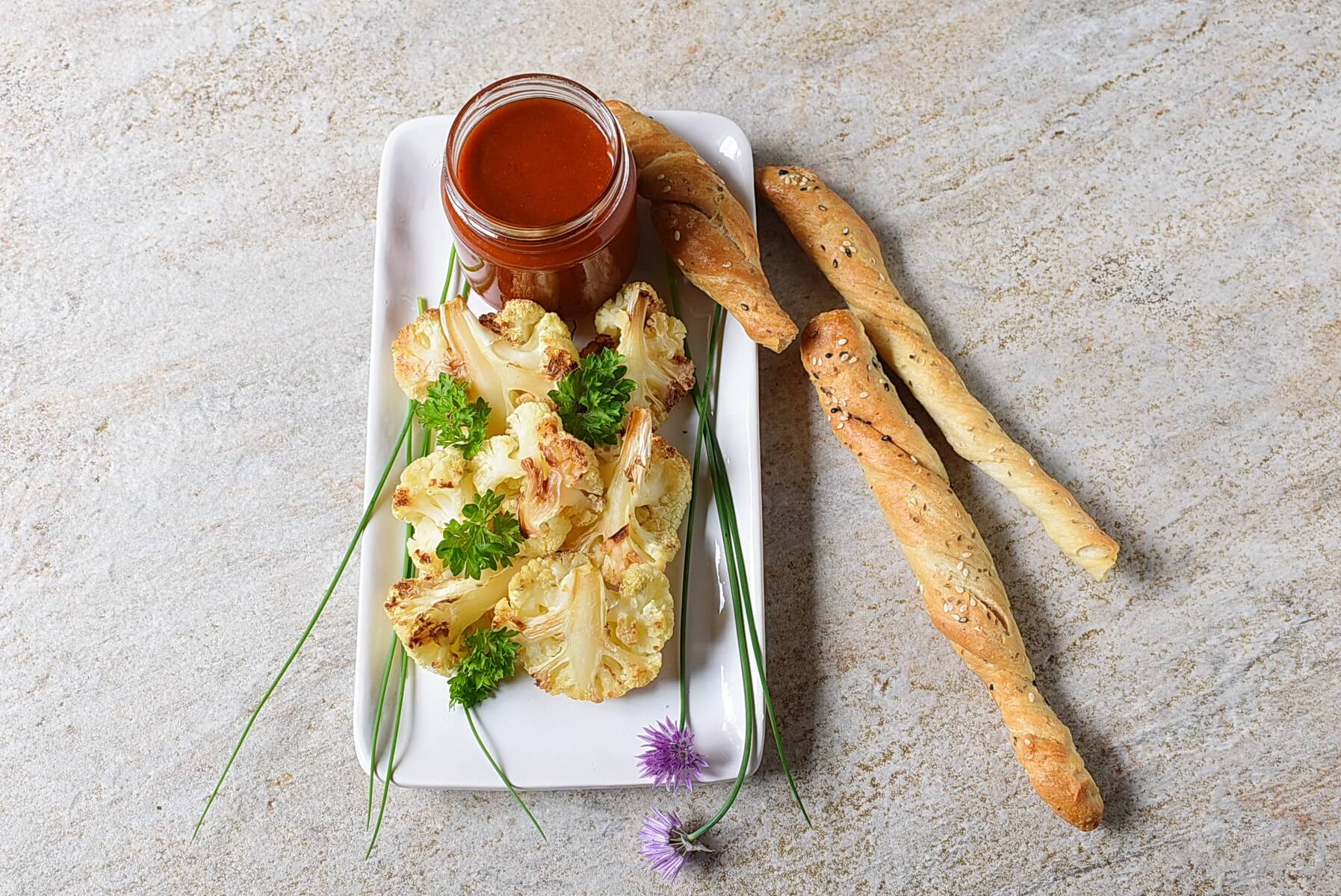
Use as a dipping sauce or a condiment. Store in an airtight container in the fridge for up to a week.
If you’re worried about needing fancy gear, don’t. I made this sauce just fine with the same beat-up saucepan I keep around for bacon fat and a scratched-up wooden spoon that’s older than my first apartment. A medium-sized bowl, a whisk (or fork if that’s all you’ve got), a small saucepan, and a measuring cup are all you really need. An airtight container is essential if you’re planning on stashing any leftovers in the fridge, though from experience, leftovers are rare.
The biggest mistake? Rushing the butter. I’ve burned more than my share, usually because I turned my back to prep wings or answer the door for a neighbor lured in by the smell. Let it melt gently on low heat. It should look golden, not brown. Your hot sauce matters, too. I reach for Frank’s because that’s what my grandma kept in the fridge, but honestly, use what speaks to you. The honey isn’t there just for sweetness. It gives the sauce a glossy finish that makes wings glisten like fresh shellac, and helps cut through the edge of the vinegar. Finally, treat those spices—the paprika, the garlic powder—as the foundation of the house, not mere garnish. They’re what separates backyard-level sauce from something you proudly serve at a family cookout.
Easy mistake: dumping in the salt all at once. Salt to taste and taste after each pinch, because fixing an oversalted sauce means starting from scratch. Learned that one washing dishes late at a greasy spoon, watching cooks toss ruined sauce straight into the trash—a sight I still can’t shake. Waste not, want not. Every drop counts.
Lately, I’ve been known to throw in extra cayenne or some hot chili flakes when I want the sauce to fight back. Sometimes I’ll hit it with a splash of vinegar, just to sharpen the edges. If you’re the type who craves heat, this one’s for you. But fair warning: don’t add everything at once. Build up the spice gradually, tasting as you go, unless you want your crew sweating around the table, begging for mercy.
If your crowd leans toward sweet and fiery, swap in a tablespoon of brown sugar or a splash of maple syrup in place of some honey—the dark, smoky kind if you have it. The result? A one-two punch that surprises people, turning the simple act of dipping into a small event. I did this for a neighbor’s backyard picnic once, and folks were eating the sauce with chips before the wings even hit the smoke.
Most folks only think of this stuff for crispy chicken wings—and listen, it’s the best for that. But don’t cut yourself short. Drizzle it over burgers for a Buffalo-by-way-of-Chicago mashup. Splash it onto scrambled eggs. Mix it into macaroni and cheese to wake up an old classic. One of my guilty pleasures: brushing sauce over pizza crust before building the pie. Try it. You might never go back. Classic pairings? Celery sticks and blue cheese dressing. That’s non-negotiable if you’re from Western New York.
Once in a while, I’ll toss grilled shrimp in Buffalo sauce for a curveball at a cookout, or even stir a spoonful into soup to give tired leftovers a reason to exist again. This sauce turns basics into something you want to brag about.
Sure. My vegan sister came by one Thanksgiving, so I swapped out the butter for coconut oil. It worked—slightly different flavor, sure, but still creamy and satisfying. You could also try any plant-based spread that melts well. Pick one you like and don’t overthink it.
Don’t panic. That happened to me when I cranked the heat too high once. Your fix: Put it back on low and let it simmer longer, letting some liquid cook off. Or stir in a cornstarch slurry (just cornstarch and water, mixed smooth, no lumps)—little by little until it thickens. Stir well or you’ll get gluey bits, and no one wants that. Trust the process, not the clock.
If it’s lit your mouth up too much, do what I did after a hot sauce dare went awry: stir in a bit more honey or butter, or even fold in some sour cream or plain yogurt. It takes the edge off in an instant. Remember, it’s easier to add spice than to take it away, so work your way up, not down.
Stored in an airtight container, this Buffalo sauce is good for about a week in the fridge. It might separate a little—just give it a solid stir and you’re back in business. If you ever see strange colors or smells, toss it. No one needs food poisoning as a side dish.
Yep. Pour it into a freezer-safe container, leave room for it to expand, and stash it for up to three months. Thaw in the fridge, stir, and if it looks broken, warm gently on the stove to bring it back together. I’ve done this before a big game day party, and no one was the wiser.
If you make it through this recipe and put a batch on the table, you’ll find out quick: nothing beats the real thing, made with patience, a little sweat, and a lot of Buffalo spirit. Food like this isn’t just a dish—it’s a statement. Go get messy. Enjoy every bite.
If you’re tired of the same old sauces, this homemade Buffalo Sauce is a game-changer. Packed with heat and a hint of sweetness, it’ll add a punch to any dish. Plus, it’s super simple to whip up from ingredients you probably already have in your pantry. Did you make this recipe? We’d love to see it! Snap a photo and tag us on social with @CookMeRecipes or use the hashtag #cookmerecipes.

Classic delicacy for chicken wings!