Fast (≤ 30 min)

Welcome to the delicious world of American cuisine, where centuries of culinary traditions create the ultimate melting pot of flavors. You’ll discover recipes that tell the story of America – from Native American heritage dishes that shaped our national palate to immigrant innovations that became household staples.
Whether you’re craving Southern comfort food, exploring Pacific Northwest seafood, or mastering that perfect Midwest casserole, this collection celebrates every region’s unique contribution. American cooking isn’t just about burgers and apple pie (though we’ve perfected those too!). It’s about bringing people together around the table with generous portions of love, creativity, and really good food.



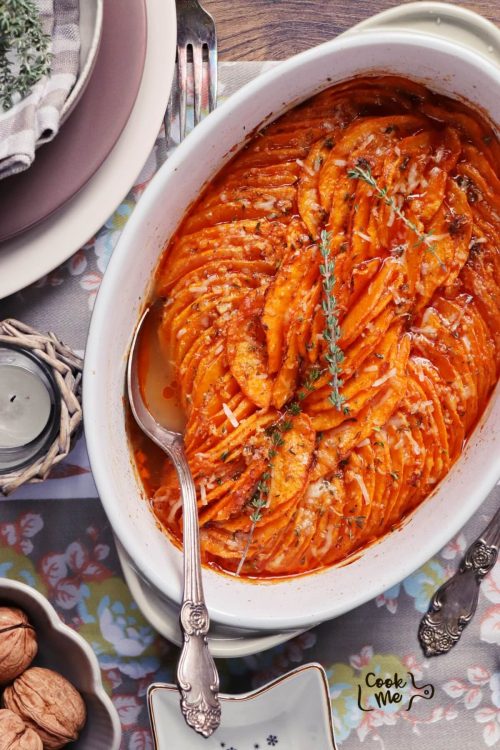

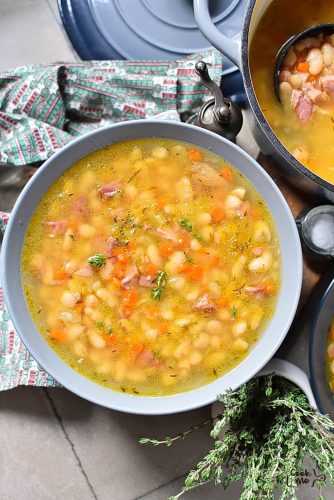
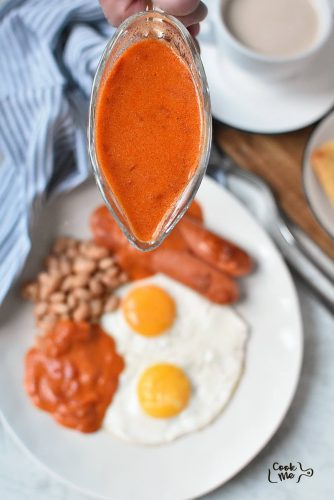
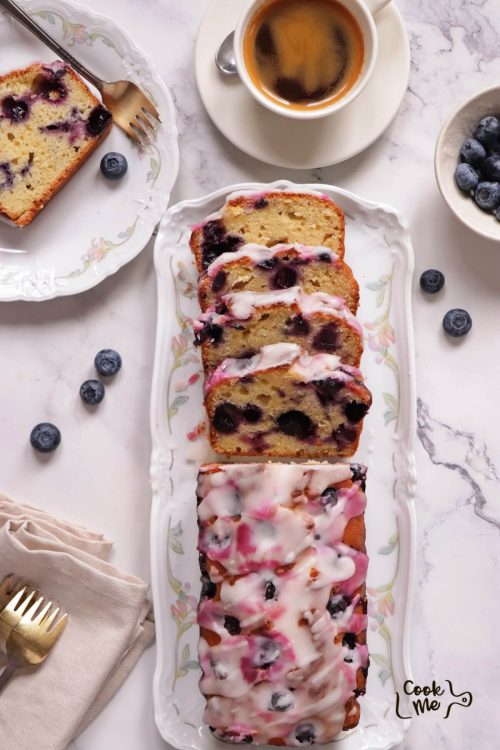




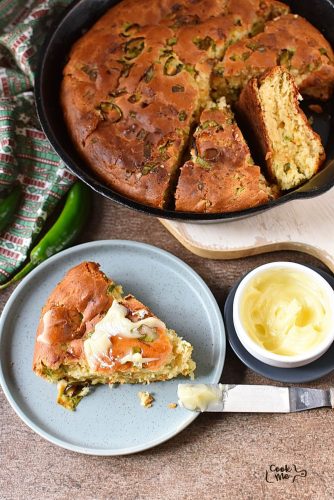
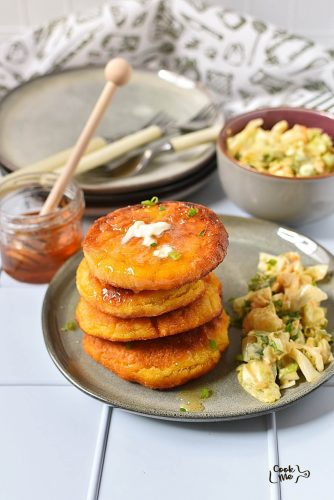
American cuisine tells a story that's still being written every single day in kitchens across the country. You might think you know American food – hamburgers, hot dogs, and apple pie, right? But here's what most people don't realize: Native Americans contributed about 60% of the foods we eat globally today, including the foundation of what became American cooking. The Three Sisters – corn, beans, and squash – weren't just crops; they were a sophisticated agricultural system that Native Americans perfected over centuries, creating companion planting techniques we still use today.
When European settlers arrived, they quickly learned that their traditional recipes wouldn't work with unfamiliar ingredients and different growing seasons. This forced creativity became American cuisine's defining characteristic. Take James Hemings, Thomas Jefferson's enslaved chef who trained in France and brought back techniques for making ice cream and what we now call French fries. Or consider how German immigrants didn't just bring sauerkraut – they revolutionized American baking with pretzels and established our brewing industry. Chinese immigrants in the 1800s created the takeout container and delivery system while inventing entirely new dishes like chop suey specifically for American tastes.
The real magic happened during challenging times. The Great Depression gave us casserole culture – those hearty one-dish meals that could stretch a small amount of meat to feed a large family. World War II rationing fundamentally changed American eating habits, with sugar shortages creating preferences for corn syrup that persist today. Even the U.S. National Park Service documents how wartime restrictions shaped our modern food preferences. Even the TV dinner, invented in 1953, reflects our uniquely American balance of innovation and convenience.
What makes American cuisine truly special isn't just the individual dishes – it's how we've turned adaptation into an art form. When Vietnamese immigrants brought pho to America, it didn't replace chicken soup; both found their place at our tables. This inclusive approach, where a Pennsylvania Dutch shoofly pie shares menu space with New Mexican green chile stew, defines who we are as cooks and eaters. Every family recipe, whether it arrived on the Mayflower or last Tuesday, becomes part of this ever-expanding American cookbook.
Every corner of America brings its own delicious personality to the table, and you'll find that regional cooking tells the story of the land and its people. Let's start with a secret most food sites won't tell you: Appalachian cuisine is one of America's most underappreciated culinary treasures. These mountain cooks perfected preservation techniques like leather britches (dried green beans) and stack cakes that actually improve after sitting for days. Their greasy beans, cooked slowly with fat until the liquid becomes rich and umami-packed, create what modern chefs describe as an American version of dashi.
Down South, you're looking at a cuisine built on resourcefulness and community. Southern cooking isn't just about fried chicken – it's about understanding why cast iron matters (it adds iron to your food!), why we cook green beans forever (thank Native American slow-cooking traditions), and how African American cooks transformed ingredients of hardship into soul-satisfying masterpieces. The Gullah Geechee communities of the South Carolina and Georgia coasts preserved West African cooking traditions better than anywhere else in America, giving us red rice that connects directly to Senegalese jollof.
The Southwest tells another story entirely. Here, Native American ingredients meet Spanish colonial techniques and Mexican traditions to create something you won't find anywhere else. New Mexican cuisine stands apart from Tex-Mex with its obsession over chile – not chili the dish, but chile the pepper, which is literally the official state vegetable (well, technically two vegetables: red and green).
Head to the Pacific Northwest and you'll discover how Asian immigrants revolutionized American seafood preparation, while Native techniques like cedar plank cooking became restaurant signatures. The Midwest brings Scandinavian and German influences that turned harsh winters into comfort food paradise – this is the birthplace of the hotdish, the bundt cake, and cheese curds. Even Hawaii's pre-statehood cuisine offers lessons in sustainability with its nose-to-tail approach to cooking and underground imu techniques that lock in incredible flavors. Each region's personality comes through in every bite, and that's what makes cooking American food such an adventure.
Building your American pantry starts with understanding that many ingredients we consider basic actually have fascinating stories behind them. Let's talk about ingredients that are genuinely, originally American – because this list might surprise you. Wild rice isn't actually rice at all; it's a sacred grain from the Great Lakes region that Native Americans have harvested for thousands of years. Pecans are the only major tree nut indigenous to America. Cranberries grew in New England bogs long before the Pilgrims arrived. And here's something wild: vanilla, which we think of as basic, actually took a journey from Mexico through Madagascar before becoming an American staple.
Your modern American pantry needs to accommodate incredible diversity. Start with the real basics: good all-purpose flour (Southern cooks swear by White Lily for biscuits), cornmeal (both yellow and white have their purposes), and several types of rice. But here's what separates a good American pantry from a great one: understanding substitutions and regional preferences. Southern cooks keep grits, molasses, and hot sauce within arm's reach. New England kitchens stock maple syrup (the real stuff, not pancake syrup), dried beans, and seafood seasonings like Old Bay. Southwestern pantries feature multiple chile types, masa harina, and cumin.
Don't overlook the condiment revolution that happened right here in America. Ranch dressing, invented in the 1950s by Steve Henson at his California dude ranch, started as a dry herb mix with buttermilk. Ketchup transformed from a fish-based sauce to the tomato standard we know today. Buffalo sauce only existed since 1964 when Teressa Bellissimo needed to use up chicken wings. Even Thousand Island dressing is ours, despite the fancy name.
For modern American cooking, you'll want some newer additions too: sriracha or gochujang for that Korean-fusion kick, good olive oil for California-inspired dishes, and yes, even those convenience items that make weeknight cooking possible. There's no shame in keeping boxed broth and canned tomatoes handy – American cooking has always been about making delicious food that fits real life. Stock your pantry with ingredients that let you travel from Vermont to Louisiana to California without leaving your kitchen.
American cooking techniques evolved from necessity, ingenuity, and a healthy dose of "let's see what happens." Take barbecue – what started as a Native American method called barbacoa became completely different in American hands. Texas pitmasters smoke brisket for up to 16 hours using indirect heat, while Carolina whole-hog masters use direct heat and vinegar mops. Memphis developed the dry rub technique that lets the meat shine, and Kansas City said "why choose?" and created burnt ends. Each method solves the same problem (tough cuts of meat) in radically different ways.
Cast iron cooking is practically an American religion, and for good reason. Your grandmother's skillet isn't just nostalgic – it's a workhorse that adds iron to your food, creates perfect crusts, and goes from stovetop to oven without breaking a sweat. The secret to perfect Southern cornbread? Preheat that cast iron with bacon fat until it's smoking hot, then pour in the batter for an instant, crispy crust you can't achieve any other way.
Here's a technique most people don't know about: hot stone boiling. Native Americans would heat stones in a fire, then drop them into baskets or hide-lined holes filled with water and food. This gentle, even cooking method created incredibly tender stews and is the ancestor of our modern slow-cooking obsession. Speaking of which, the slow cooker isn't just convenient – it recreates traditional pit cooking and allows tough, inexpensive cuts to become fork-tender.
Modern American techniques embrace efficiency without sacrificing flavor. Sheet pan dinners aren't lazy; they're brilliant – roasting proteins and vegetables together creates flavor exchange while cutting cleanup time. The Instant Pot recreates traditional pressure canning techniques your great-grandmother used, just with better safety features. Air frying gives you that crispy texture without the oil, perfect for lightening up classic comfort foods. Master these techniques and you're not just cooking American food – you're participating in centuries of culinary problem-solving that makes our cuisine endlessly adaptable.
American dining culture balances formality with a come-as-you-are spirit that's uniquely ours. You know that distinctly American way of cutting food with the fork in your left hand, then switching it to your right to eat? That actually distinguishes us from Europeans who keep the fork in the left hand. But here's what really matters: the potluck is America's greatest contribution to global dining culture. Born from the Great Depression's need to share resources, potlucks embody our democratic approach to eating – everyone contributes, everyone shares, and your grandmother's green bean casserole sits proudly next to your neighbor's Korean bulgogi.
The Sunday dinner tradition, especially in the South and Midwest, serves as weekly family reunion, therapy session, and cooking masterclass all rolled into one. These multi-generational gatherings preserve recipes and techniques that never make it into cookbooks. Watch a Southern grandmother make biscuits without measuring anything, or see a Midwest family assemble their signature hotdish, and you're witnessing living history.
Our holiday food traditions tell stories of adaptation and adoption. Thanksgiving's menu reads like American history – Native American cranberries and squash, Sarah Josepha Hale's Victorian influence on turkey standardization, and green bean casserole invented by Campbell's test kitchen in 1955. Christmas brings regional personalities: Hawaii's kalua pig, Alaska's crab legs, the Southwest's tamales, and everybody's cookies. The beauty is there's no "wrong" way to celebrate.
Diner culture gave America its most democratic dining spaces – where millionaires and construction workers eat at the same counter. These 24-hour havens, born from converted railway cars, created a uniquely American experience where coffee's always fresh and breakfast is served all day. Food trucks, descendents of chuck wagons, now incubate culinary innovation in every major city. From church basement suppers to tailgating traditions, American dining culture proves that how we eat together matters just as much as what we eat.
American cuisine in 2025 looks radically different than even a decade ago, and that's exactly how it should be. Social media hasn't just changed how we share recipes – it's democratized who gets to define American food. When a home cook's TikTok video of birria tacos goes viral and inspires food trucks nationwide, that's American cuisine evolving in real-time. Korean-Mexican fusion isn't appropriation; it's Los Angeles doing what American cities do best – creating something entirely new from beautiful collision.
The farm-to-table movement, which might seem trendy, actually returns us to pre-industrial American cooking when everyone knew their farmer. What's revolutionary is how technology enables this return to locality. You can order from local farms through apps, find pop-up dinners via Instagram, and join CSAs that would've amazed your grandparents. The locavore movement particularly thrives in unexpected places – Detroit's urban farms, Appalachian foraging communities, and Native American food sovereignty projects reclaiming indigenous ingredients.
Health consciousness reshapes rather than replaces traditional dishes. Nobody's abandoning mac and cheese, but cauliflower mac and cashew-based versions sit alongside the classic. Air fryers give us "fried" chicken with a fraction of the oil. Fermentation, once necessary for preservation, returns as gut-health trend – though your Korean neighbor's been making kimchi all along. Plant-based proteins moved from hippie health stores to drive-thru windows, and mushroom-based meat substitutes grown by American companies lead global innovation.
Climate change pushes American cooking toward sustainability in ways that would make our Depression-era ancestors proud. Root-to-stem cooking eliminates waste, home fermentation reduces packaging, and seasonal eating becomes environmental activism. The most exciting part? This isn't about sacrifice – it's American ingenuity solving problems deliciously. When restaurants turn invasive species into menu stars or bartenders make cocktails from food waste, that's American cuisine's next chapter being written. We're not just feeding ourselves; we're creating the future of food, one recipe at a time.
American cuisine stands apart through its incredible ability to absorb, adapt, and innovate. Unlike French or Italian cuisines with centuries-old codified rules, American food thrives on breaking rules and making new ones. You'll find our cuisine uniquely combines abundance with innovation – we took the world's ingredients and techniques, then asked "what if we deep-fried it?" or "what happens if we combine Korean and Mexican?" This fusion isn't confusion; it's our culinary superpower. American cuisine also scales like no other, from food truck to fine dining, maintaining identity while constantly evolving.
Beyond the obvious hamburger (which Germans would barely recognize) and apple pie (which isn't originally ours), America's iconic dishes tell stories. Buffalo wings only exist because Teressa Bellissimo needed a late-night snack in 1964. The chocolate chip cookie came from Ruth Wakefield's deliberate experimentation in 1938. Barbecue represents not one dish but an entire philosophy that changes dramatically every few hundred miles. Mac and cheese, brought by Jefferson but perfected in Black American kitchens, defines comfort food. The real icons aren't just dishes but categories: the sandwich innovation, the casserole tradition, the fusion experiment.
Healthy American cooking doesn't mean abandoning tradition – it means smart adaptation. Bake that fried chicken with a cornflake crust that still crunches. Use Greek yogurt instead of sour cream in your ranch dressing. Load your burger with vegetables and use grass-fed beef or turkey. The sheet pan technique naturally encourages more vegetables. Slow cookers and pressure cookers extract maximum flavor without added fats. Remember, portion control is cultural – American servings can easily feed two. Most importantly, embrace the vegetables that were always there: collard greens, succotash, and three-bean salad are traditional and nutritious.
Start with cast iron – one good skillet handles Southern cornbread, Midwest hotdish, and Southwest fajitas. You'll want a slow cooker for pulled pork and Sunday pot roast. A sheet pan revolutionizes weeknight dinners. Get a good knife and cutting board because American cooking involves lots of fresh ingredients. For regional authenticity: a grill or grill pan for barbecue, a stockpot for seafood boils, and yes, a casserole dish for potlucks. Modern additions like an Instant Pot or air fryer aren't essential but make American favorites more accessible for busy schedules.
Regional differences run deeper than recipes – they reflect history, climate, and culture. The South builds flavor through time (slow-cooked everything), while the West Coast emphasizes fresh ingredients barely touched. The Midwest feeds crowds economically with casseroles and hotdishes. New England preserves and pickles for harsh winters. The Southwest celebrates chiles in ways other regions celebrate salt. Cities create fusion while rural areas preserve traditions. These aren't just flavor preferences but entire cooking philosophies shaped by generations of adaptation.
American cuisine's adaptability makes it perfect for dietary needs. Gluten-free? Cornbread, grits, and rice dishes were always naturally gluten-free. Dairy-free? Many Southern and Southwest dishes traditionally use oil or lard instead of butter. Vegetarian? Native American cuisine offers countless plant-based options, and soul food vegetables are legendary. For any restriction, remember that American cooking has always been about substitution – immigrants adapted recipes with available ingredients, and you can too. The key is understanding which elements provide flavor versus structure, then finding suitable swaps.
American techniques prioritize efficiency, flavor, and feeding crowds. We perfected low-and-slow barbecue that transforms tough cuts into silk. Cast iron cooking creates crusts impossible with other methods. The casserole technique – combining protein, starch, vegetable, and "glue" (usually cream soup) – feeds families economically. Deep frying, while not invented here, reached artistic heights in American hands. Even our fusion techniques are unique: we don't just combine cuisines, we create entirely new categories. These techniques reflect American values: practicality, innovation, and the belief that good food brings people together.