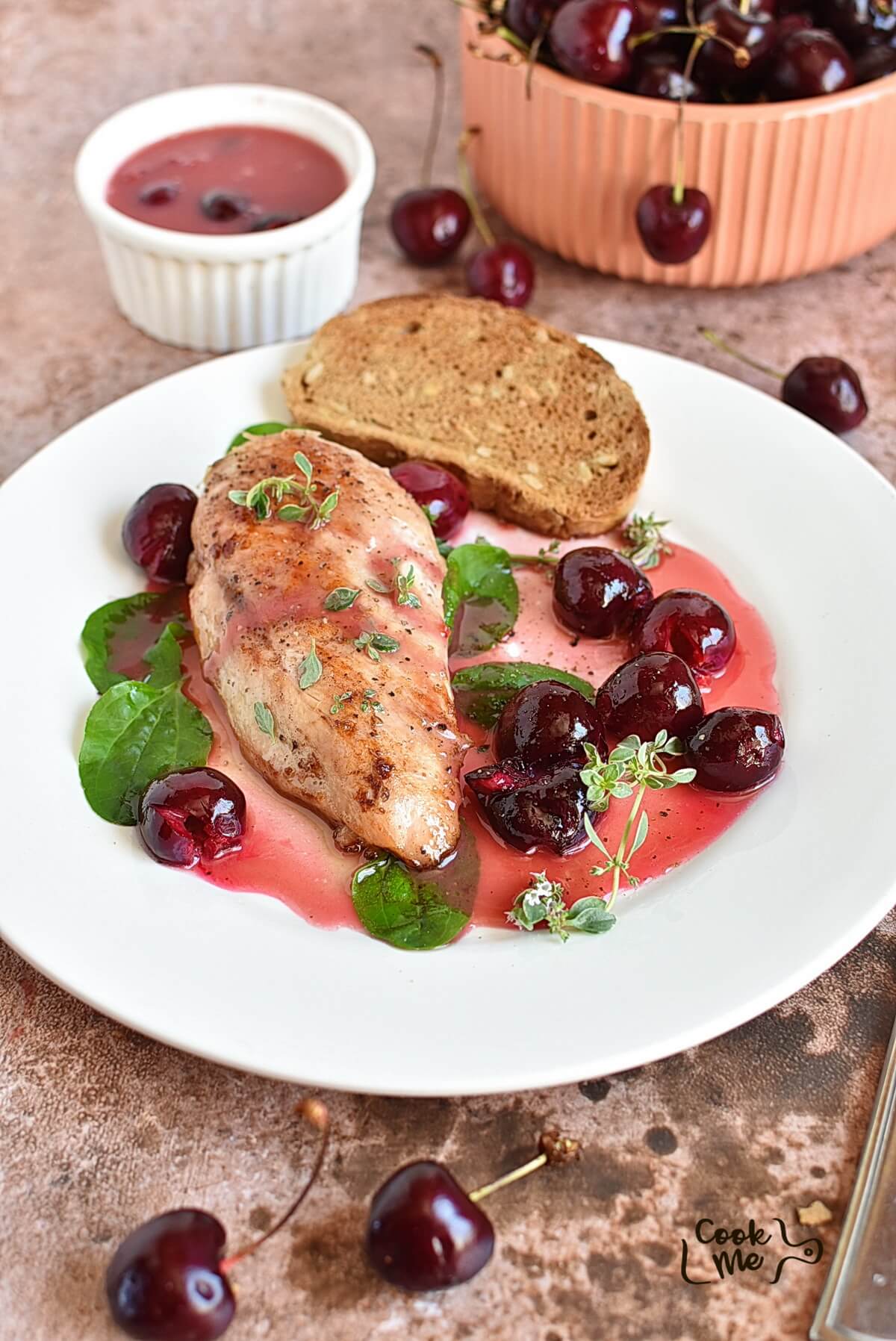
This dish finds a balance between sweet and tart that feels deliberate, the kind of balance I think of from lab notes where heat always seeks equilibrium.
What makes this an easy chicken and cherry recipe is how a few pantry items and a quick pan turn simple ingredients into something that looks and tastes a bit special.
I first got hooked on the idea at a Melbourne market where cherries were cheap and unapologetically perfect, and then later I kept tweaking it in tiny kitchens from Tokyo to Austin. Trust me. After wrestling with miso eggplant in Tokyo and playing with pickled cauliflower tacos in Austin, this version feels like coming home to Portland.
My mother Meilin would laugh if she saw me use wine the way I do here. She put a drop of sesame oil in almost everything just to wake the soul up. That memory sneaks into this sauce, quietly, through how I balance acid and fat.
Actually scratch that last sentence. Precision still matters, but it is the kind of precision that leaves room for pleasure.
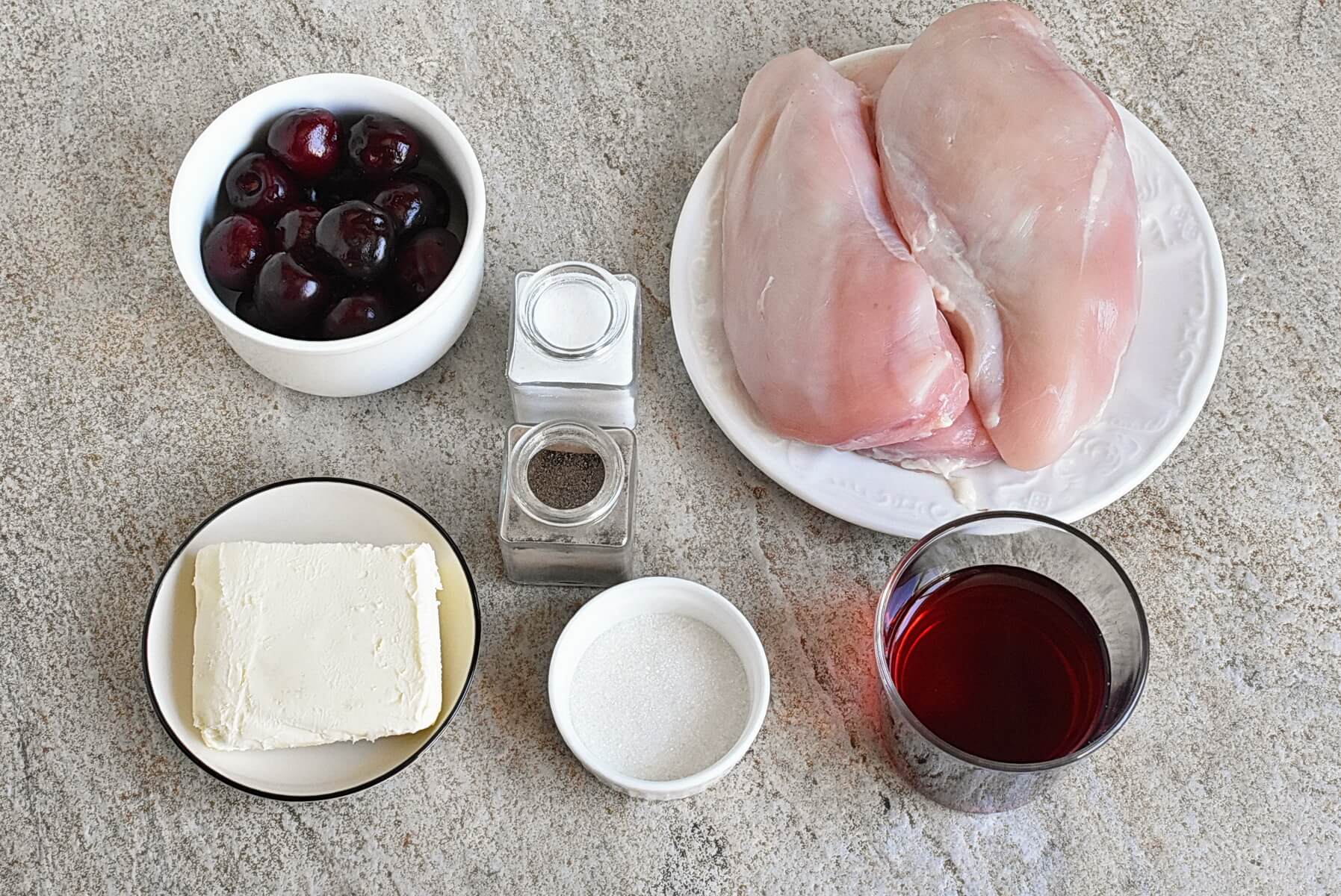
Preheat the oven to 350 °F.
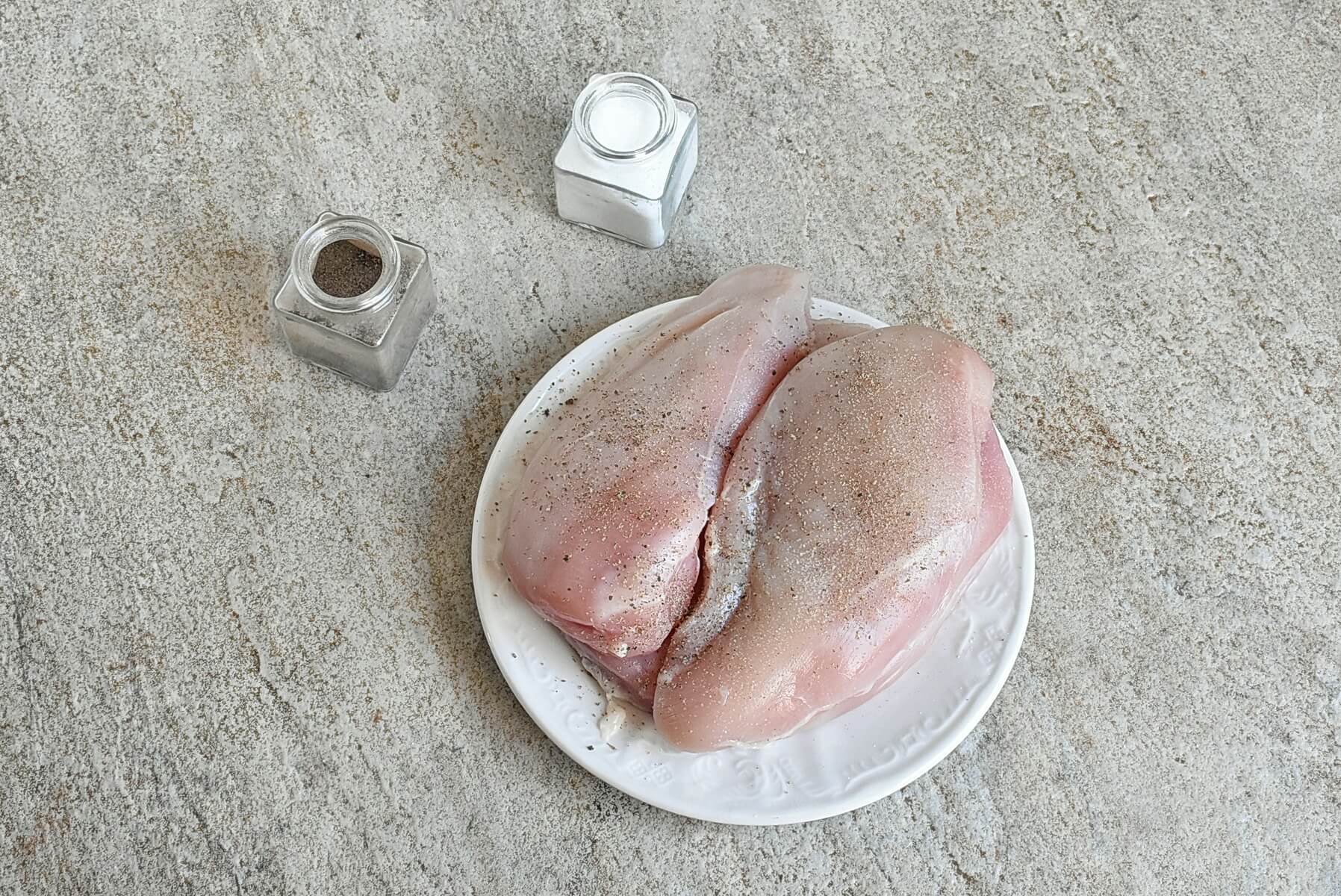
Sprinkle the chicken breasts with salt and black pepper.
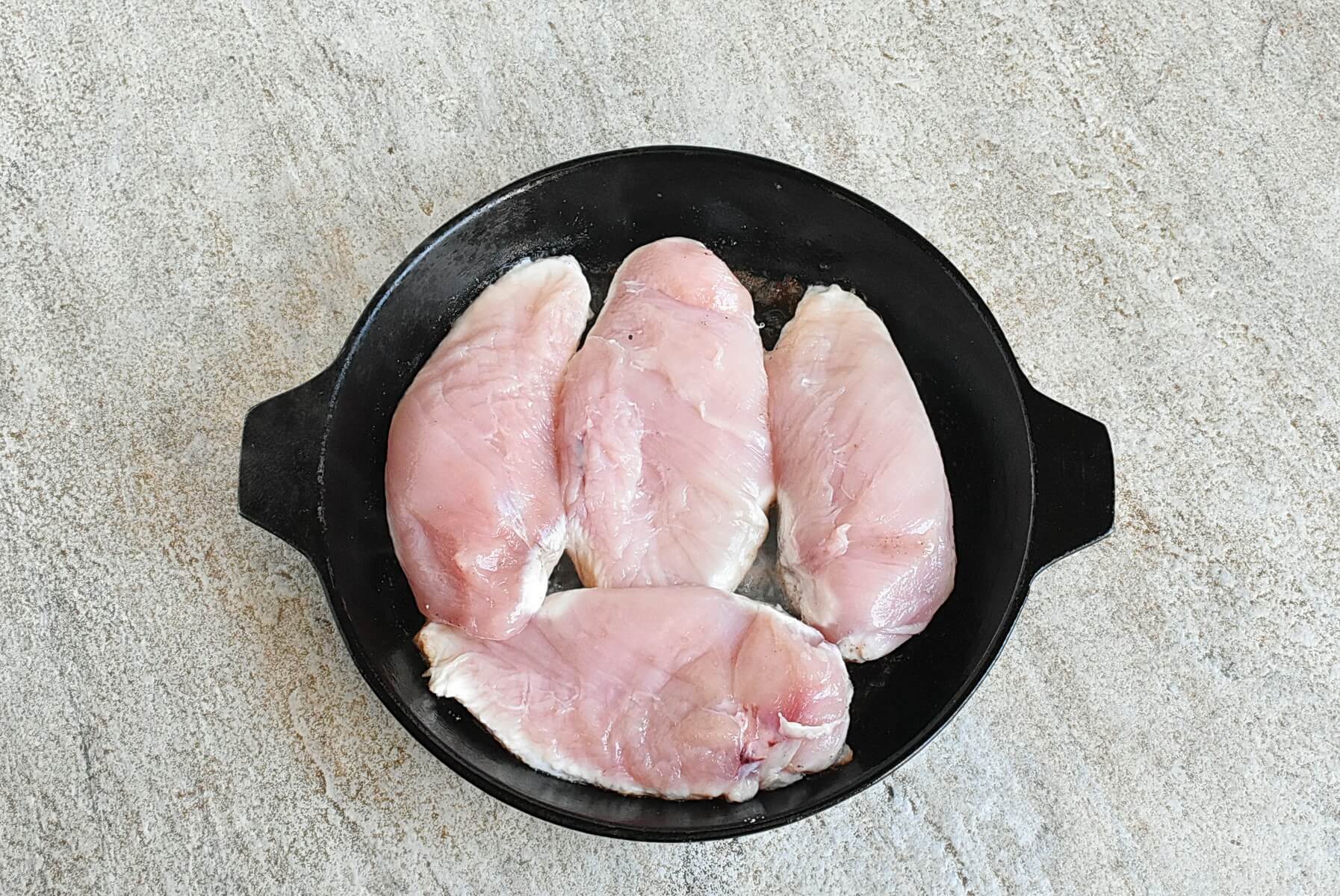
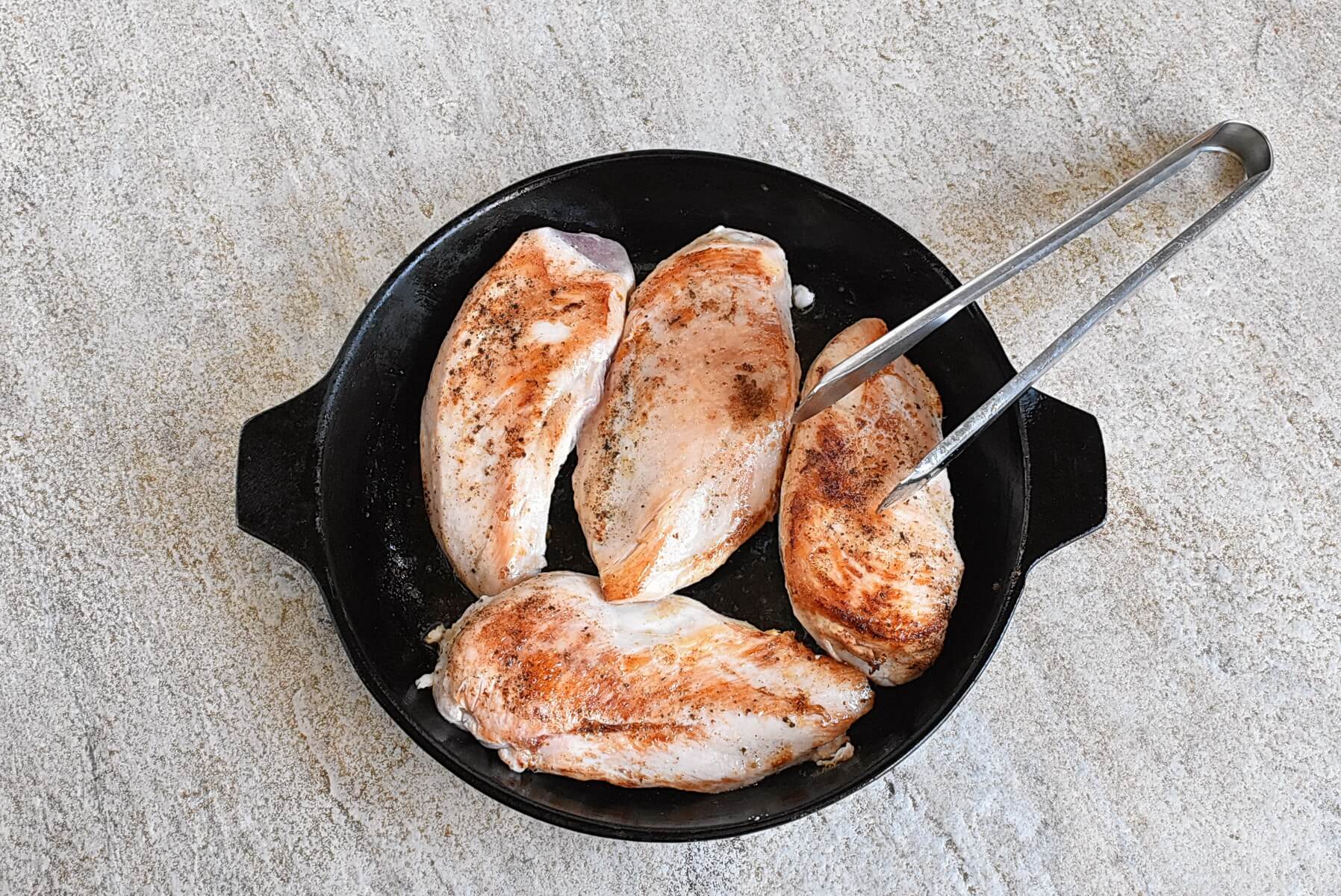
In a large cast-iron or other ovenproof skillet over medium-high heat, heat 2 tablespoons butter. Brown the chicken on both sides.
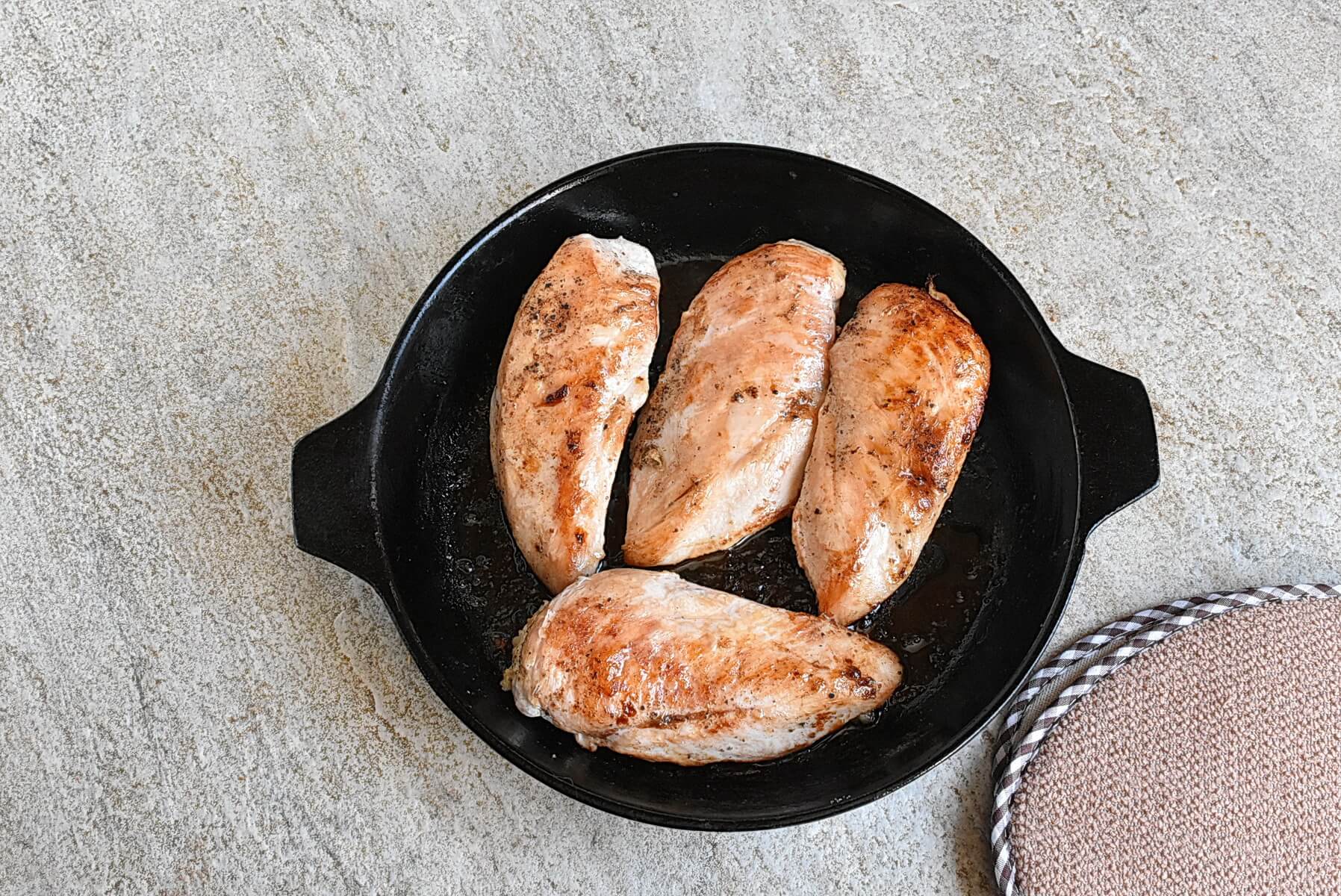
Transfer the chicken to the oven and roast until an instant-read thermometer reaches 165 °F, about 12-15 minutes.
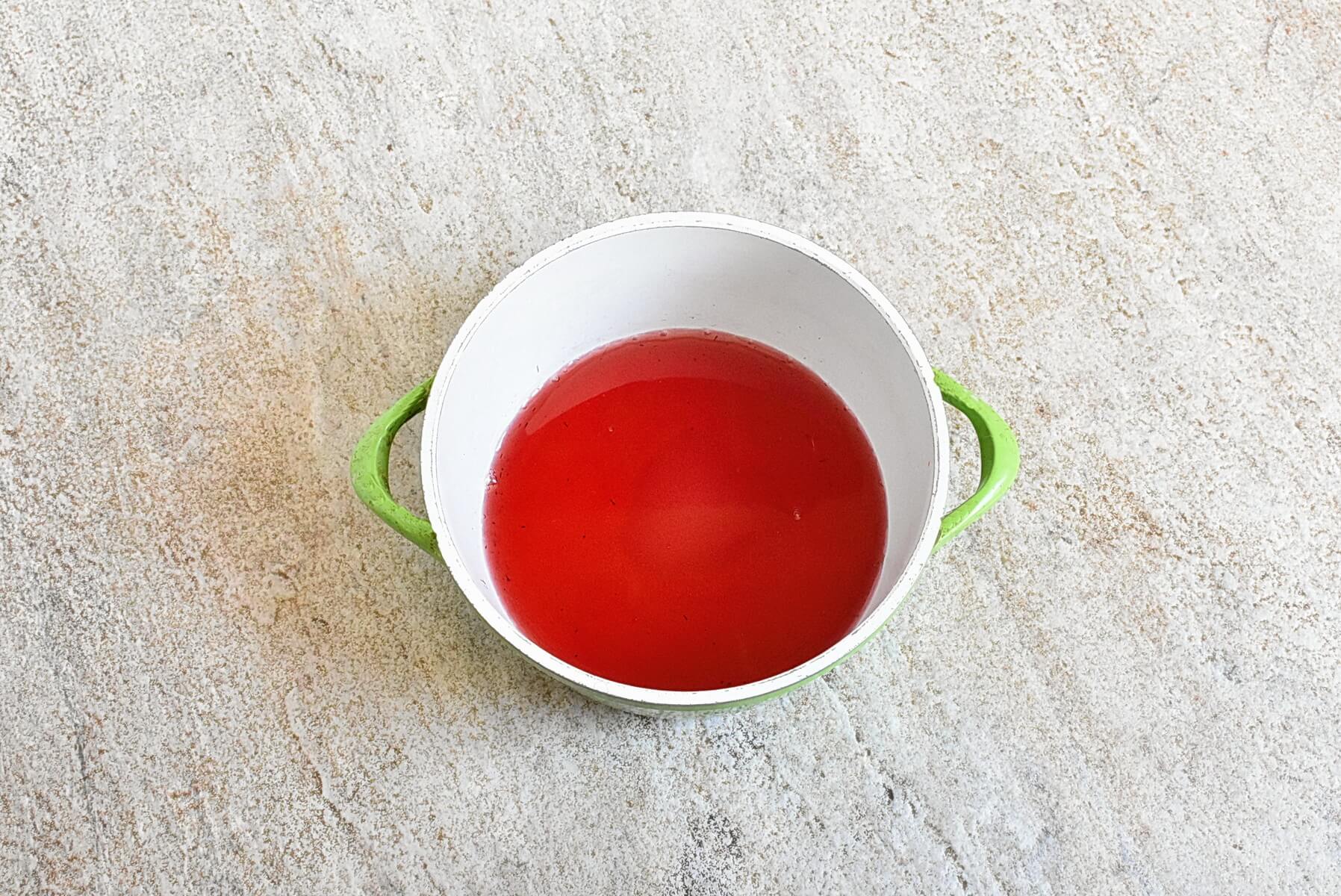
In the meantime, in a small saucepan, combine wine and sugar and bring to a boil. Once at a boil, cook, uncovered, until the liquid is reduced by half, about 4-5 minutes.
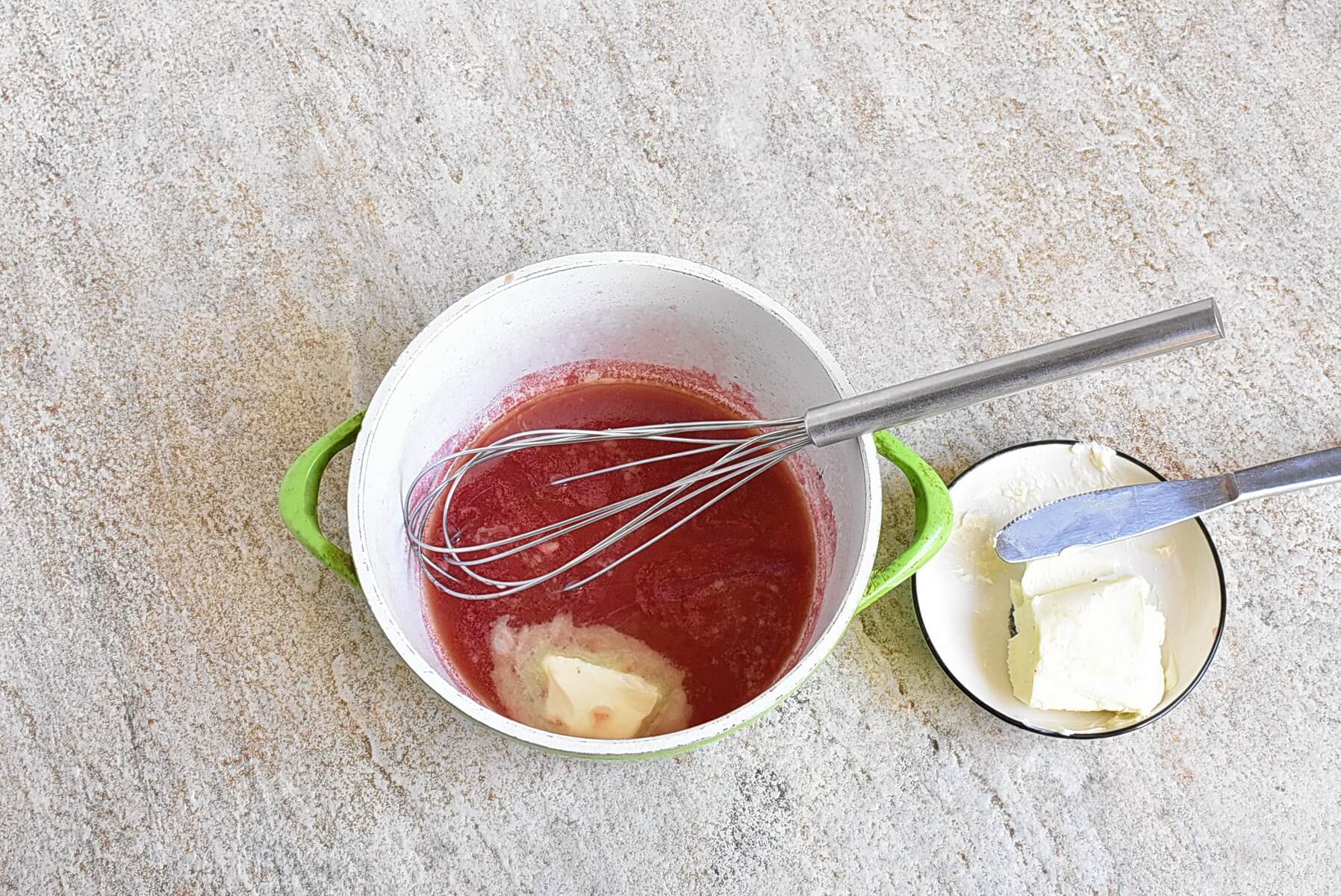
Reduce the heat to low and whisk in 5 tablespoons butter, a tablespoon at a time, until well blended.
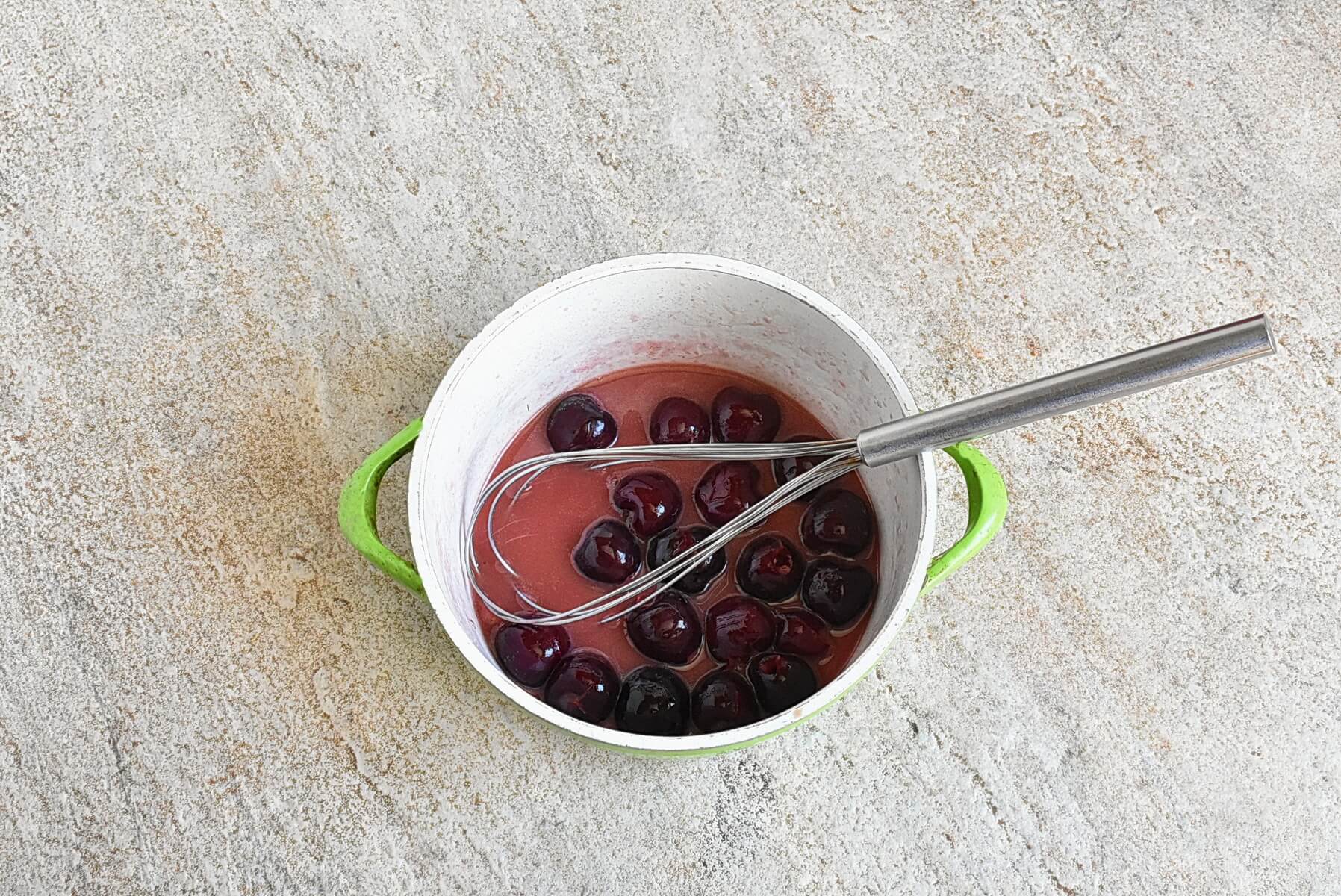
Stir in ½ cup pitted sweet cherries.
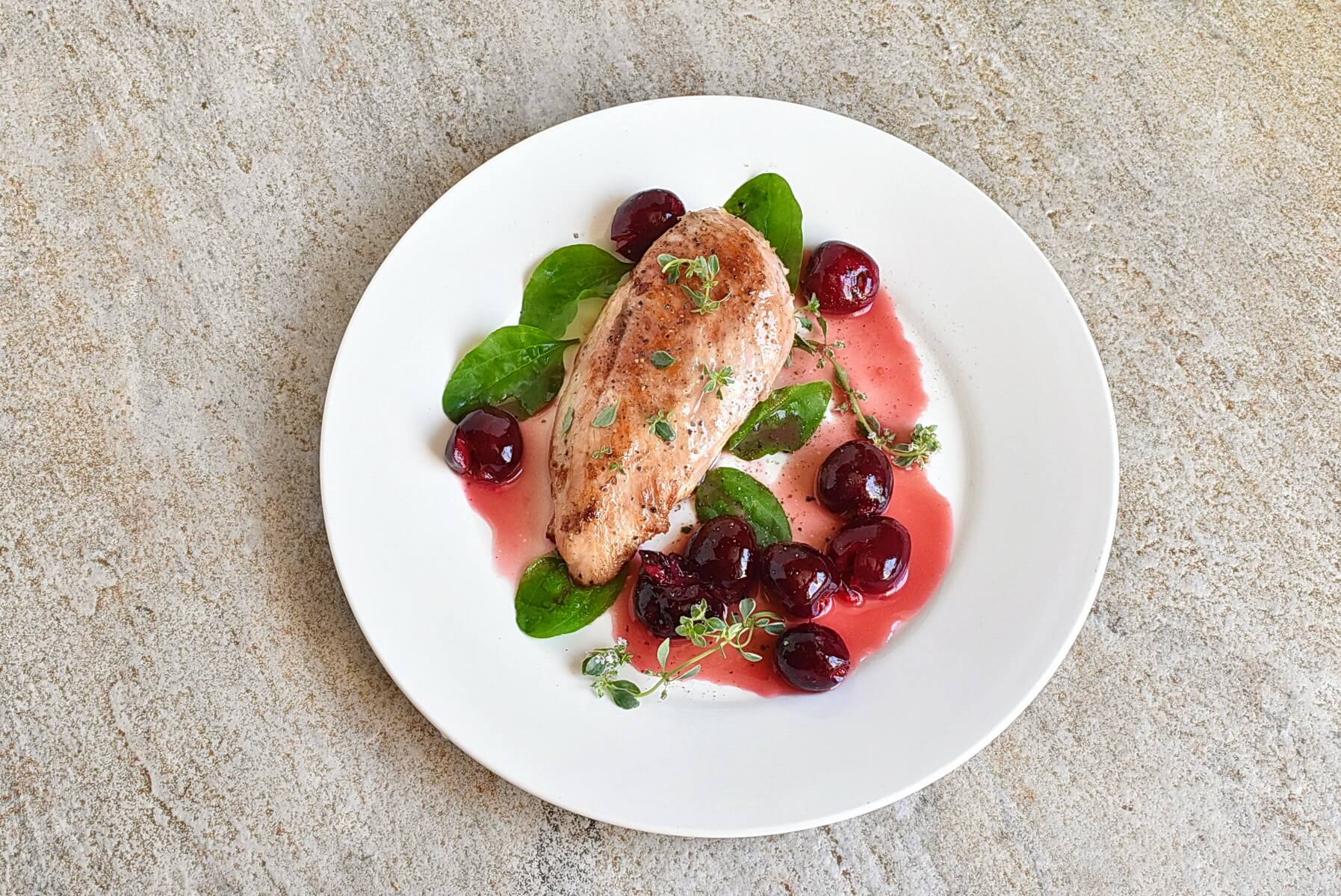
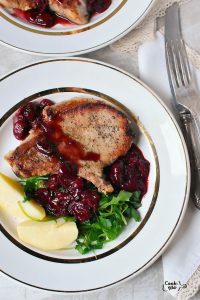
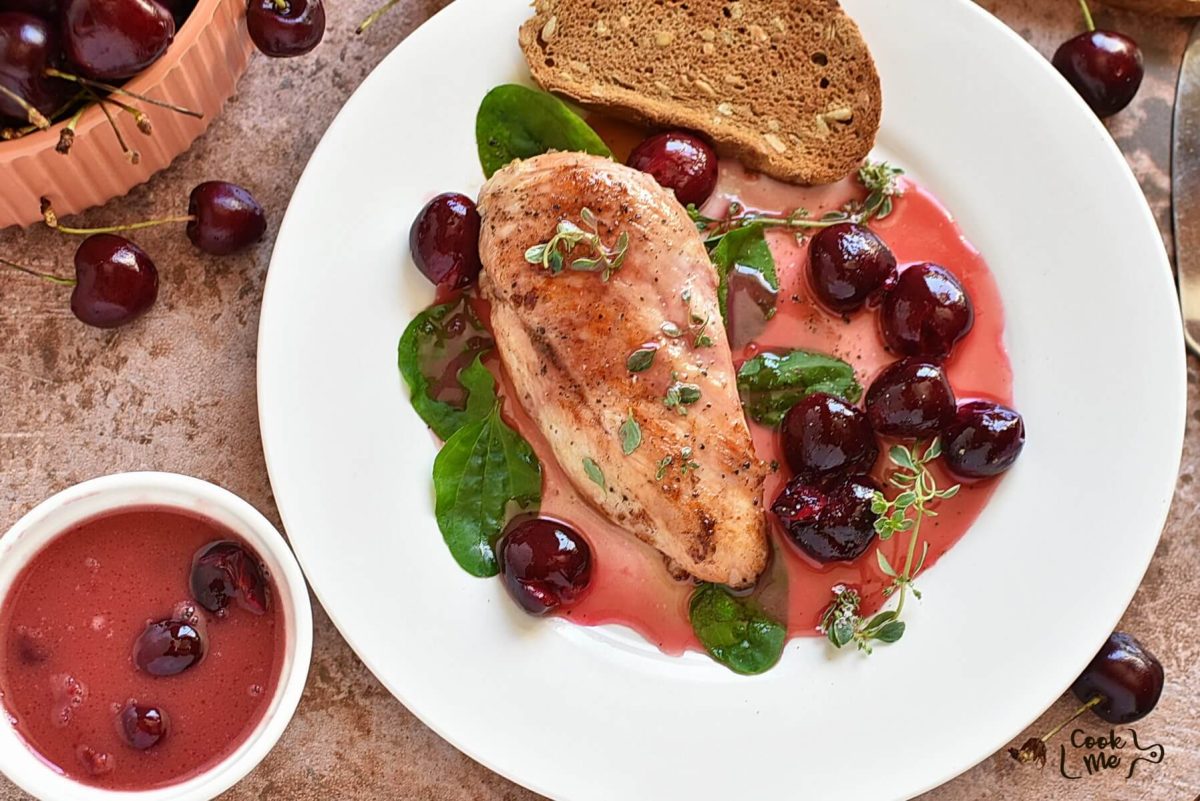
Serve the chicken with the cherry wine sauce spooned over it. Enjoy!
You will want a skillet that is oven proof, ideally cast iron, plus an instant read thermometer. A small saucepan with a heavy bottom helps prevent scorching when the wine reduces. Tongs, a sharp knife for pitting cherries, measuring spoons and cups, a whisk for finishing the sauce, and a timer make the work easier.
Set everything out first. It makes the whole process feel calmer and faster, like setting up a sketch before you draw.
Pat the chicken dry before seasoning. Wet meat will steam and not brown. Heat the skillet until it is very hot, add two tablespoons butter, and brown the chicken without moving it too soon. That crust is flavor. For even cooking, press or gently pound the breasts so they are uniform in thickness. If you want a great sauteed chicken breast start with that even thickness and a hot pan.
To make the sauce, bring the wine and sugar to a boil and let it reduce about half. Boil it down. The alcohol cooks off and the flavor concentrates. Whisk in the remaining butter over low heat one tablespoon at a time until the sauce is glossy. This is how I think about how to make a red wine reduction sauce without it breaking: low heat, slow butter, and a little patience.
Use fresh pitted cherries if you can, but thawed frozen ones work too if you drain them. Add the fruit at the end so they keep some texture and do not turn to mush. If your oven runs hot, start checking the chicken around 12 minutes. The goal is 165 degrees so the meat is safe and still juicy. Rest the chicken under foil for a few minutes before slicing so the juices settle.
Swap half the cherries for blackberries or raspberries for a tangier finish. You may want a touch more sugar if your berries are particularly tart. The method stays the same and the result is still an elegant plate.
Add fresh thyme or rosemary to the pan while browning to create a vibe inspired by French chicken dishes and to nudge this toward a french inspired chicken note. Remove the woody sprigs before serving.
Stir in a splash of cream after the butter for a richer finish. Keep the heat low so the sauce stays smooth. This version leans into comfort, useful for a night you want extra indulgence.
Serve this over mashed potatoes so the sauce soaks in, or alongside roasted asparagus or Brussels sprouts for contrast. A peppery arugula salad with lemon vinaigrette cuts through the richness nicely.
This is an elegant chicken dinner that reads fancy on the plate but is straightforward to make. It also works well as a romantic dinner for two when you scale portions and light a candle. My favorite low fuss pairing is crusty bread to mop up every last drop.
If you are wondering what to do with fresh cherries after this, save extras for a quick compote or a simple fruit salad. They are useful beyond the sauce.
Start with a dry red you like to drink and reduce it until it is about half the volume. Low heat after the initial boil and stirring now and then keeps it from scorching. If it tastes bitter, a splash more wine or a pinch more sugar helps. It is annoying when it goes wrong, but you will get it.
Yes. Thaw them and drain well so you do not water down the sauce. Add them near the end so they warm through but do not fall apart.
Yes. Scale to two breasts and plate with care. It feels intimate without being overwrought.
Pound for even thickness, season, and do not crowd the pan. Give the chicken time to form a crust before flipping. If you rush, you will steam the meat instead.
Sauté finely minced shallot before adding the wine and whisk in a teaspoon of Dijon at the end. Those small moves tip the sauce toward bistro style without losing the cherries.
I cook this often when I want something a bit special but not complicated. It is the kind of recipe that keeps well in memory and makes guests ask for the recipe, which is always a good sign.
This easy recipe for Chicken with Cherry Wine Sauce turns simple chicken breasts into wow-factor dinner. Made it? Don't forget to share your culinary creations with us on Instagram by tagging @cookmerecipes.

Perfect for date night at home, or entertaining!
 Gluten Free Recipes
 Low Carb Recipes