
There is something quietly magical about turning humble leftovers into a meal that feels like it was made from scratch. This pork adobo fried rice recipe grew out of that exact urge. I first chased those Filipino flavors in Bangkok, where street vendors kept surprising me with little twists on adobo. Wait, no, that sounds tidy. It was messier and louder: steam, smoke, chatter, and a bowl that made me forget I was jet lagged.
What I love is the way day old rice and simple pork become something else entirely. The sauce reduces to a glossy coat that clings to every grain, reminding me of mornings back in Port Townsend when fog wrapped around the pines. You get sharp vinegar, deep soy, garlic that sings, and crispy edges for contrast. It all happens in one pan, which is the whole point for weeknights when time is short and appetite is long.
Picture this: a bowl of rice that tastes like someone bothered to care. If you have cooked rice in the fridge and a bit of pork looking for purpose, this is your move. It sits somewhere between a classic adobo and a bowl of filipino garlic fried rice with pork, with the adobo sauce folding into the rice until everything tastes like it belonged together forever. I tuned this version in a tiny Vancouver kitchen, after a friend dropped off pork belly and I had to improvise with what I had on hand.
It is versatile too. I swap in vegetables on my green days and the dish still sings. The garlic hits first, the way my mother Meilin taught me to pay attention to smell before slicing. That little ritual guides timing and temperature and somehow keeps the whole thing honest.
Honestly, in a world of complicated recipes, this one feels like a quiet rescue. Simple ingredients, big flavor, and no drama. Try it once and you will see why I keep coming back to it.
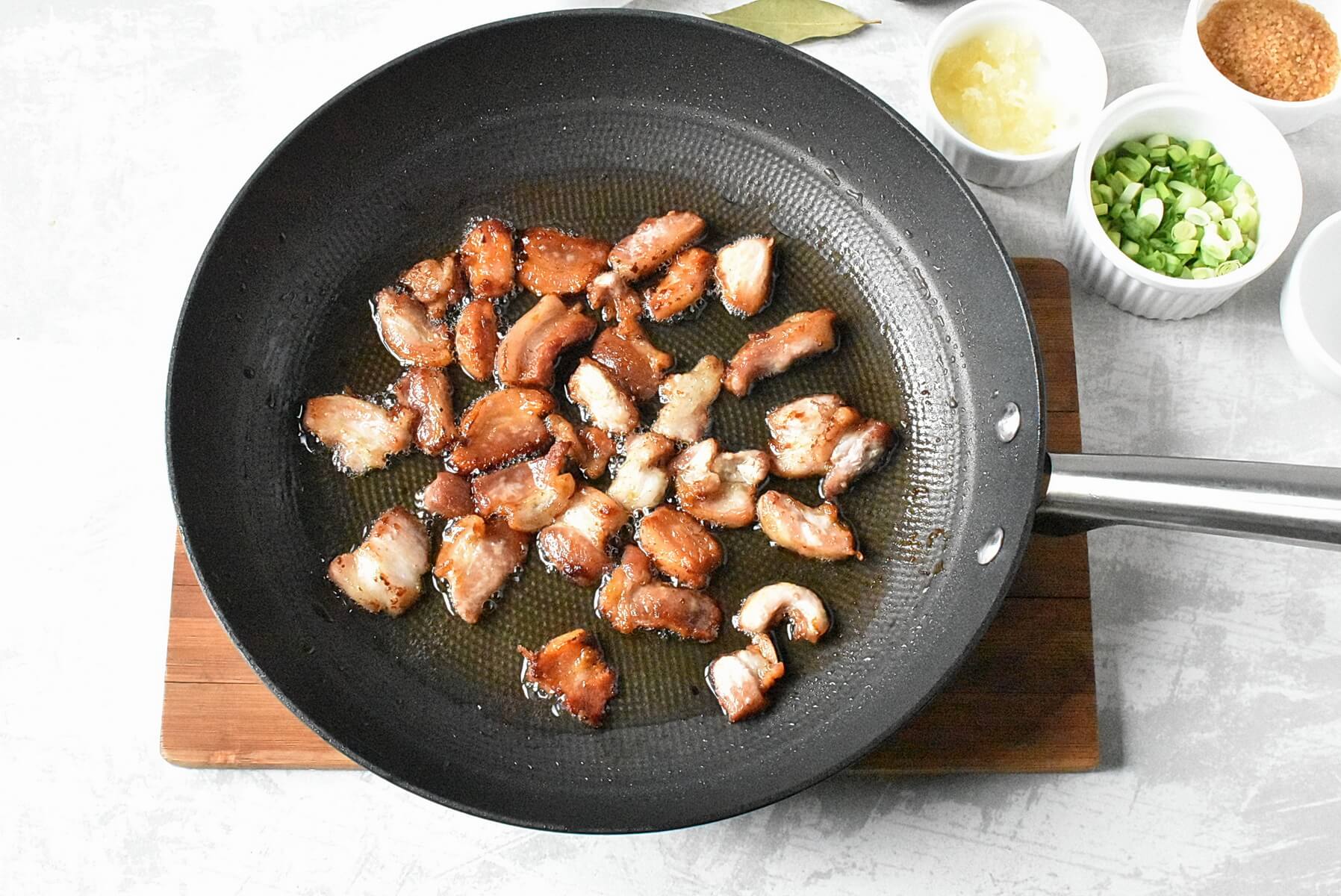
In a large pan over medium heat, cook the pork, stirring occasionally, until it's crisp and golden brown.
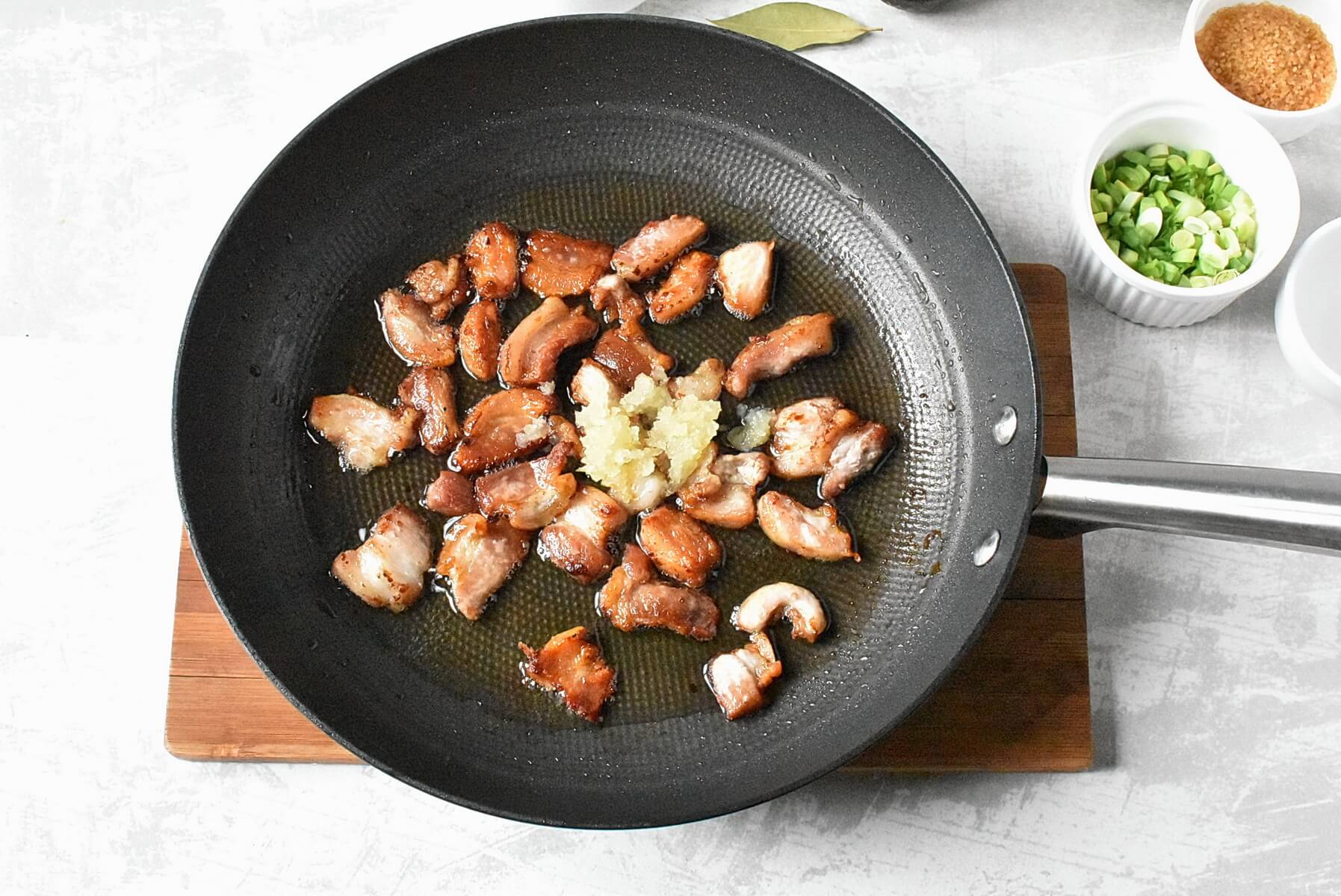
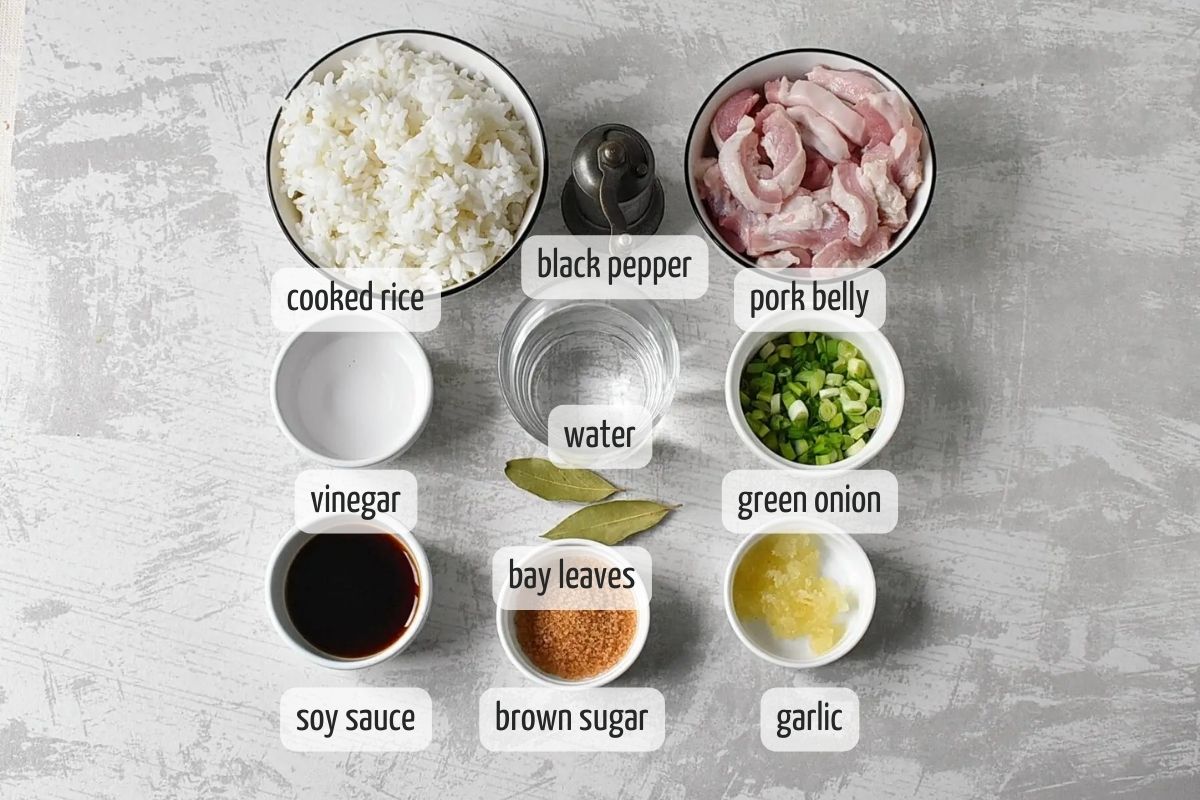
Add 3 minced garlic cloves and sauté, stirring, in the rendered fat until golden and aromatic, about 1 minute.
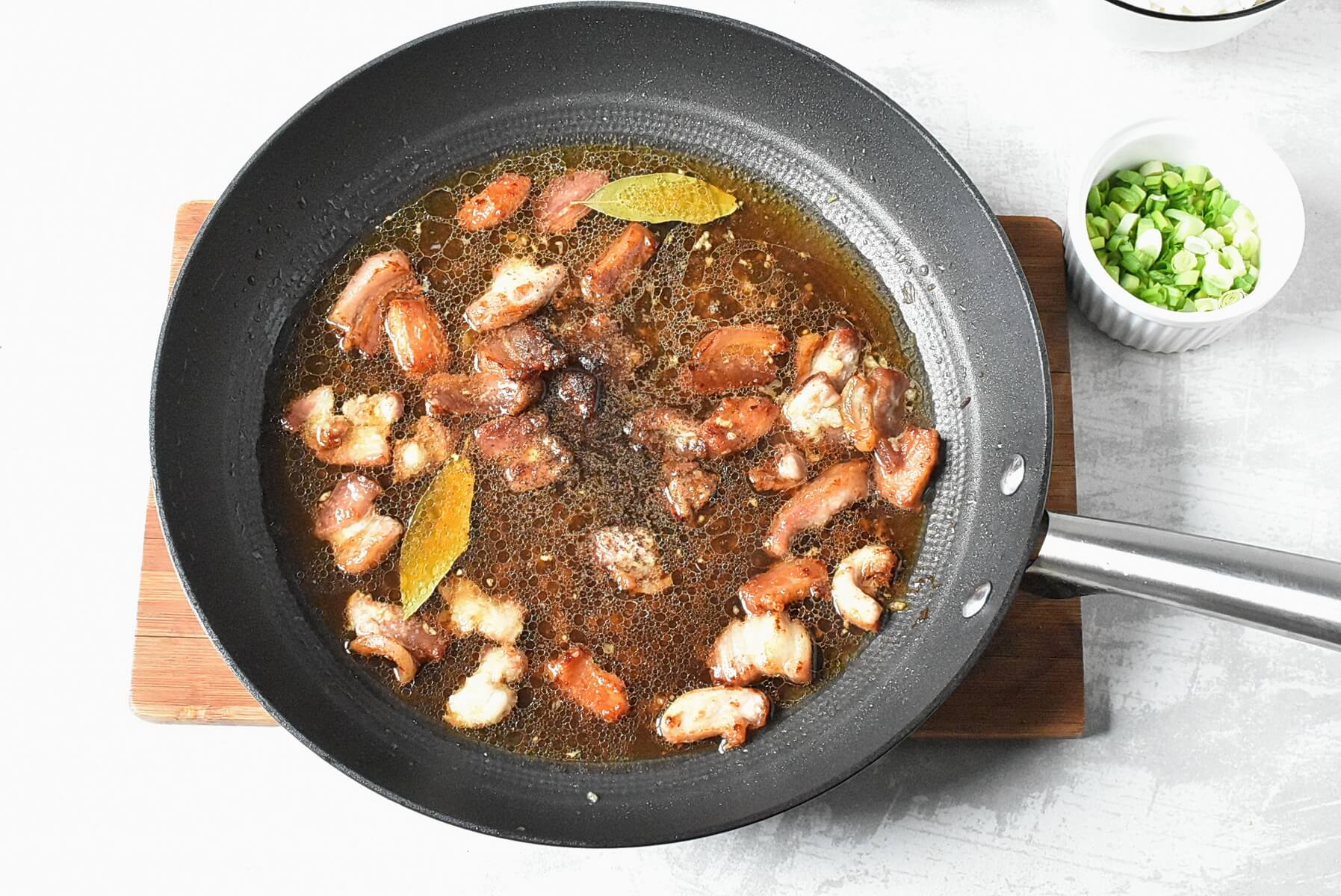
Add in 2 tablespoons soy sauce, 1 tablespoon brown sugar, 2 teaspoons vinegar, ¼ teaspoon ground black pepper, 2 bay leaves, and ½ cup water.
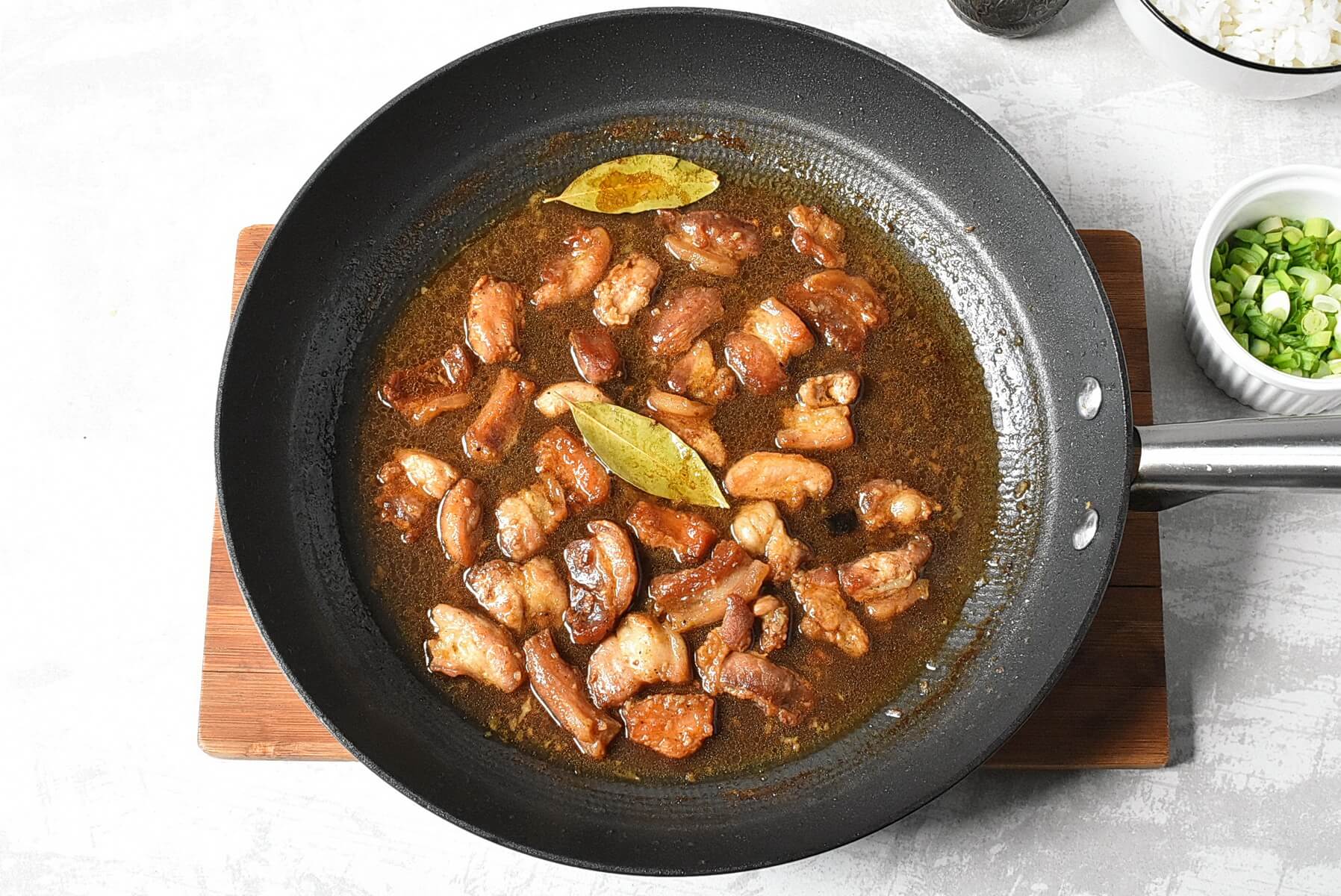
Bring to a boil, then simmer for 5-7 minutes until the sauce thickens.
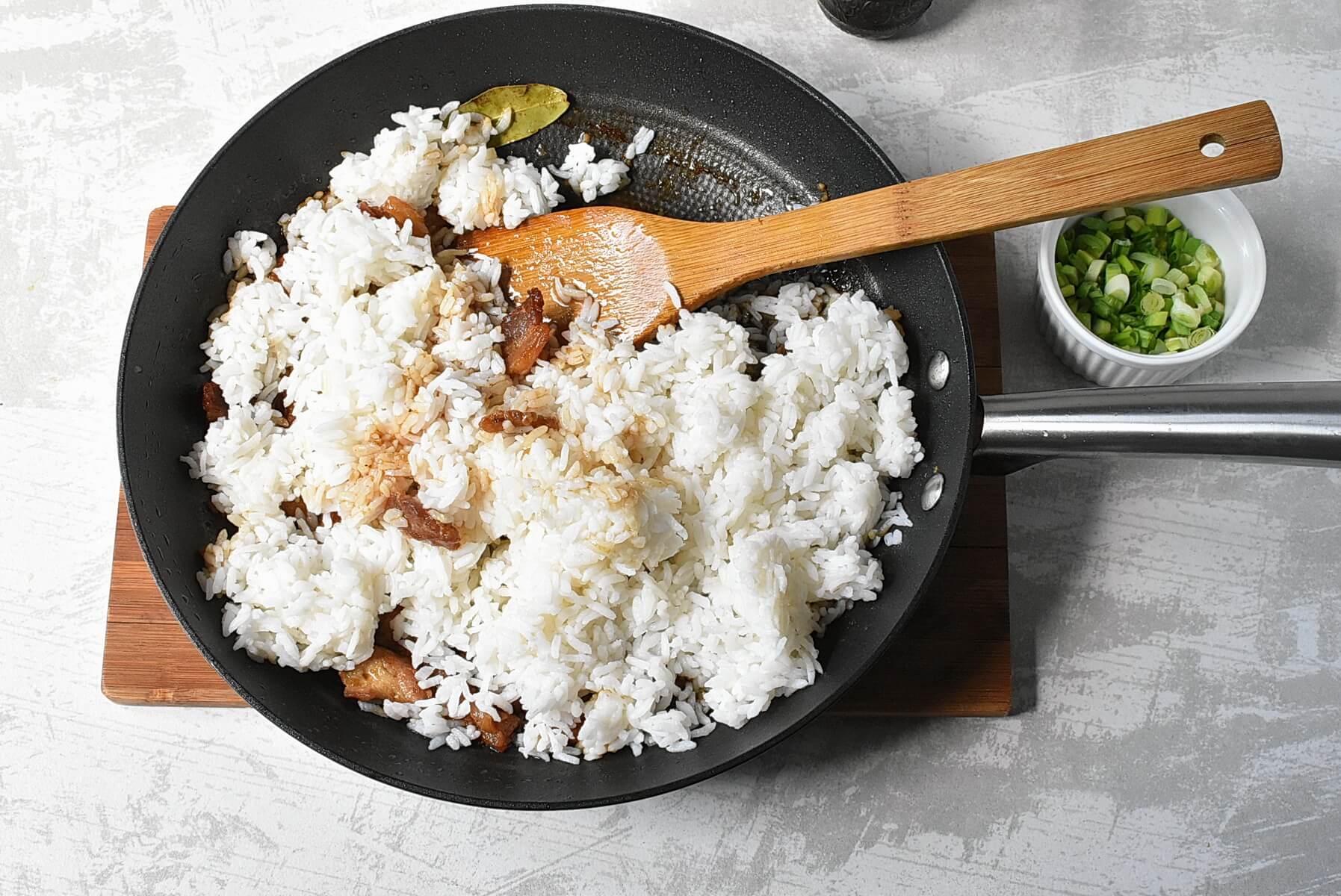
Add in 2 cups cooked rice and stir until all the grains are evenly coated with the adobo sauce.
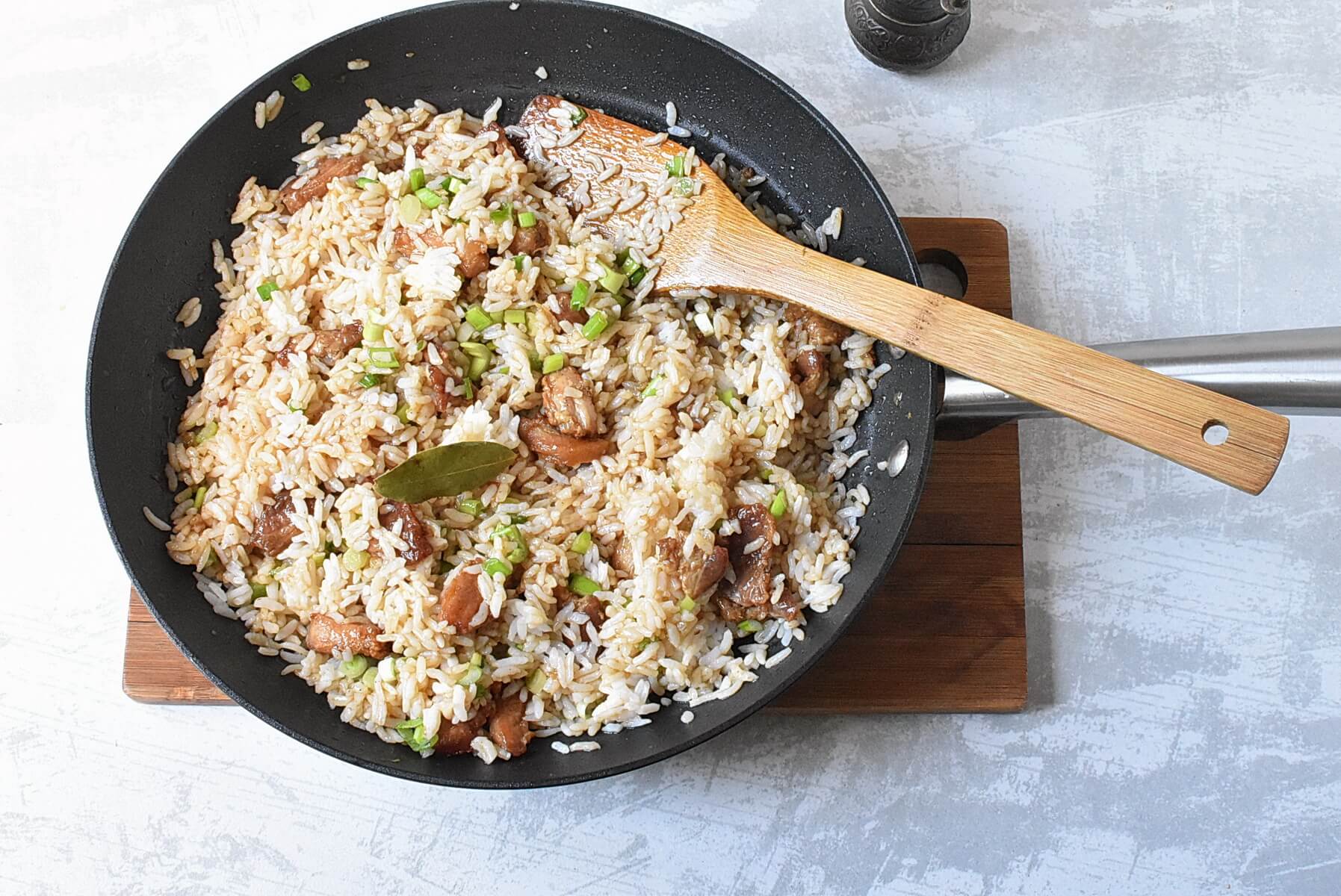
Stir in 1 sliced green onion and remove from the heat.
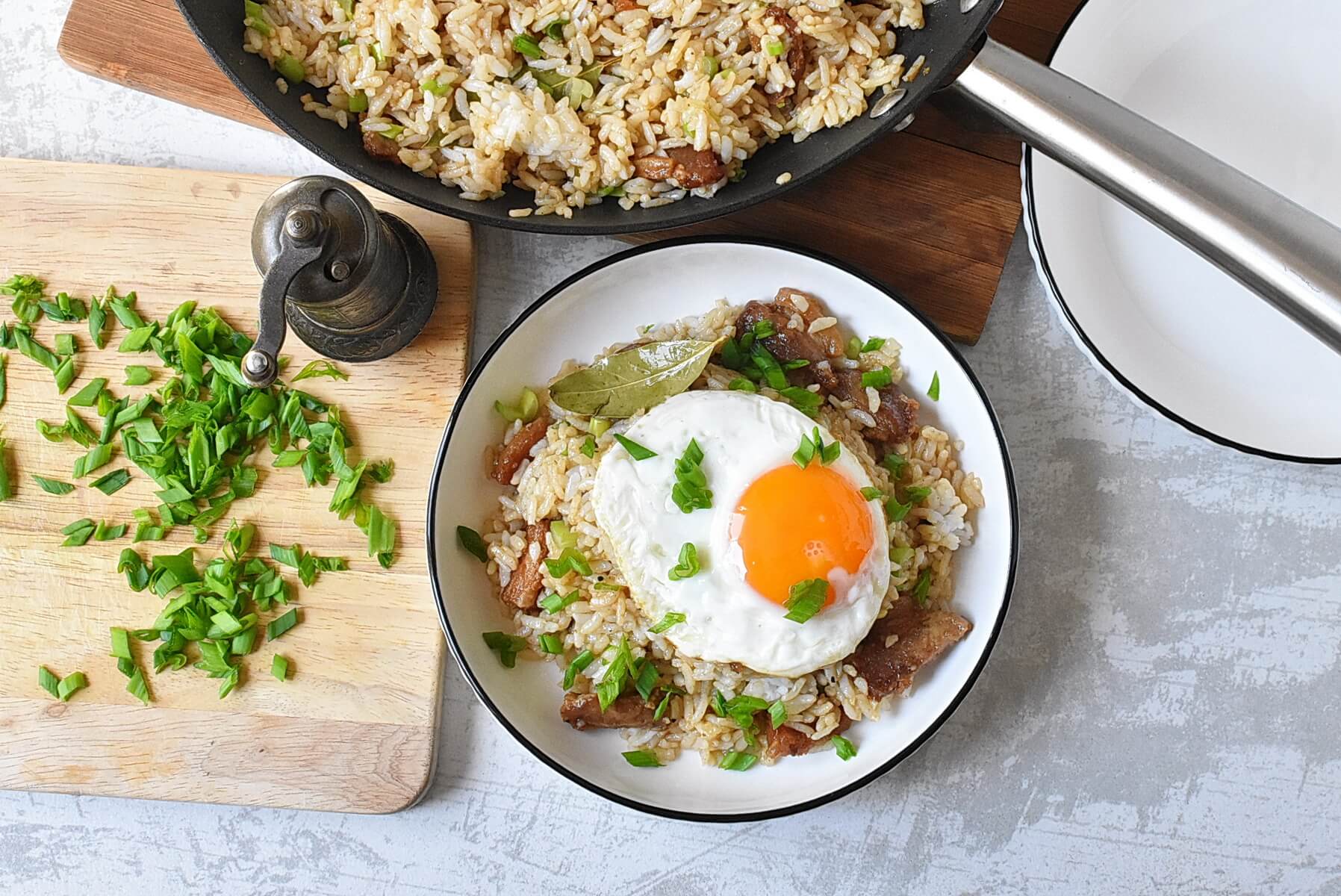
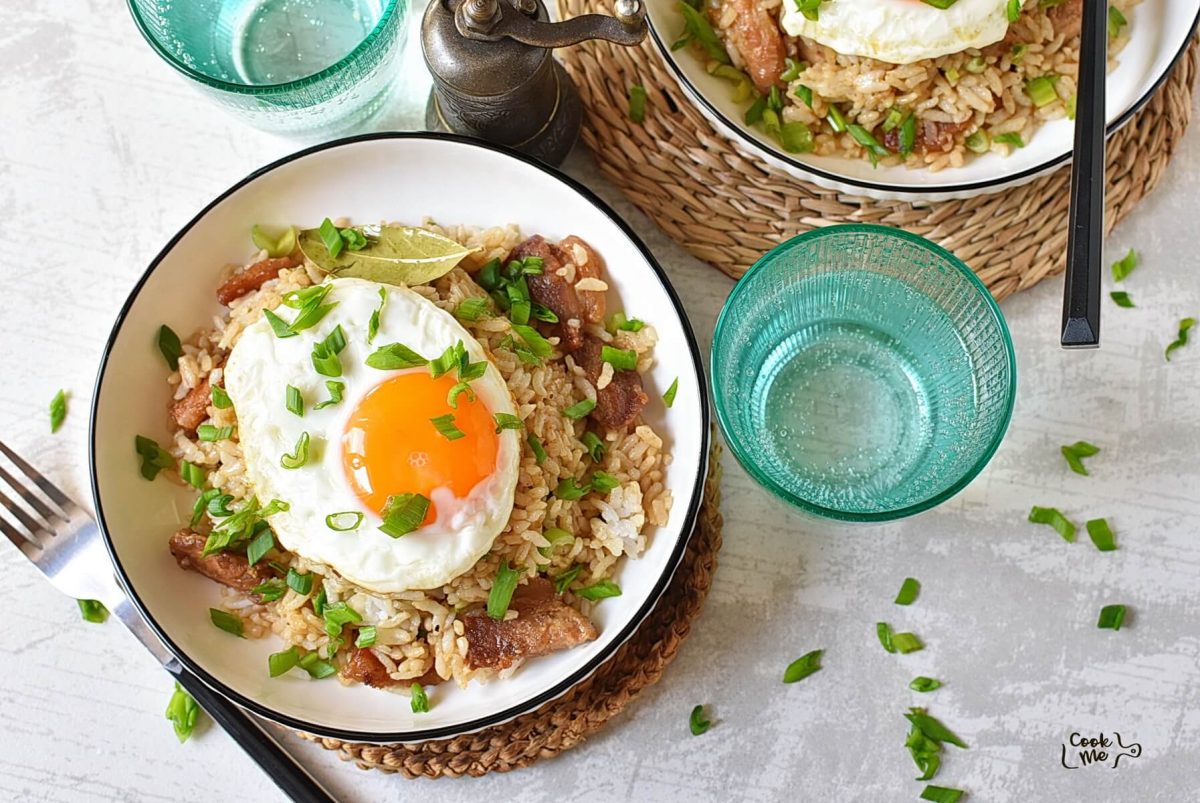
To serve, top with a fried egg and more thinly sliced green onions.
Alright, let us talk gear. For this Filipino adobo fried rice, you do not need a fancy setup. Start with a large pan or wok. Something wide and sturdy works best to crisp the pork without crowding. I use my cast iron skillet most days because it holds heat and gives those golden edges I crave. A wooden spoon or spatula is great for stirring, and a sharp knife for mincing garlic and slicing green onions.
Measuring spoons keep soy sauce, sugar, and vinegar in check. A cup for water, a lid for simmering, and a small nonstick pan if you want to fry eggs on top. Tongs help with flipping, and plates or bowls do the rest. Ventilation matters. Open a window and let the garlic perfume the house while Kimchi watches from the sill.
Here is the thing. Great fried rice is not just following steps. It is about a few small choices that change everything. First: use rice from the day before. Fresh rice holds too much moisture and turns to mush. I learned that lesson the hard way in a Tokyo class. Total disaster. Day old rice separates and crisps, and that texture is the backbone of this dish.
When you cook the pork, be patient. Let fat render on medium heat so the pieces brown evenly and leave a fond on the pan. That caramelized goodness is flavor money. Add the garlic to that fat and let it perfume the pan until it is just golden. Burnt garlic tastes bitter and ruins the balance.
Balance the sauce: soy for salt, vinegar for tang, a touch of sugar to round it out. Simmer until the sauce thickens and sticks to the pork like a glaze. That is how plain rice becomes addictive. Think of it as savory fried rice that has been given a little story.
If the rice looks dry when you are mixing, splash in a spoon or two of water to loosen things up. For extra richness, crack eggs into the pan edges so they fry up crisp while the yolks stay runny. Top with sliced green onions for brightness.
One more practical note: if you already have adobo on hand, this leftover adobo recipe is a dream. Chop the meat, skip the initial pork step, and warm everything together so the rice soaks up concentrated flavor.
Want to lighten it? Swap pork for tofu or mushrooms. Cube firm tofu and crisp it first like you would the pork. Mushrooms soak up the sauce and give a meaty bite. Add bell peppers or carrots for color. It is my usual anchor on green days when I try to keep things plant based.
If you want heat, add chili flakes or sliced peppers when the garlic goes in. A teaspoon or two turns mild tang into a lively bite. I once served this to friends in Austin and they could not stop talking about how the heat played against the vinegar.
For a coastal spin, toss in shrimp or squid near the end of simmering. They cook fast and add a briny lift that contrasts nicely with crispy rice edges. Probably not for purists, but I like the surf and turf feel on foggy nights.
How you serve it changes the mood. For mornings, top with a fried egg and you have an easy filipino breakfast that feels indulgent and practical at once. Mango slices cut richness with a sweet note. For lunch, pair with a simple cucumber and tomato salad dressed lightly to refresh the palate.
At dinner, put the pan on the table and let people help themselves. Offer lime wedges and quick pickles on the side for acidity and crunch. Jasmine tea or a light beer are both good partners.
Garnish with sesame seeds or cilantro if you like. Scale the recipe up for guests. Leftovers reheat well in a pan with a splash of water to bring back some life.
If you do not have a wok, any large skillet works fine. Keep things moving so you brown instead of steam. The trick is space and heat control. I once made this on a tiny stove in Melbourne with a battered pan and it turned out great.
Leftover rice is the secret weapon here. Chill it so it dries out a touch, then use it straight from the fridge. If frozen, thaw and pat dry. That separation is why the grains crisp instead of clumping.
Yes. If you want a sinangag recipe twist, skip the vinegar and sugar and let the pork fat and garlic do most of the work. Add an egg on top and you have a breakfast classic with a little edge.
Absolutely. Leftover adobo deepens overnight. Chop the meat and fold it into the rice, heat gently so everything melds, and you will have a quick meal that tastes like it took longer than it did.
For a pork free version, use mushrooms or tofu and crank up the garlic. Mushrooms give a meaty chew, and tofu offers a neutral canvas that soaks up sauce. You still get that savory fried rice feeling even without the pork.
This quick and easy recipe is a fantastic choice for busy weeknights when you crave something flavorful without spending hours in the kitchen. Made for two, it combines bold ingredients that come together in no time, making dinner feel special even on the most hectic days. Say goodbye to routine meals and enjoy a satisfying dish that’s ready in a flash. Did you make this recipe? We’d love to see it! Snap a photo and tag us on social with @CookMeRecipes and use the hashtag #cookmerecipes.

Delicious cozy dish!