Fast (≤ 30 min)
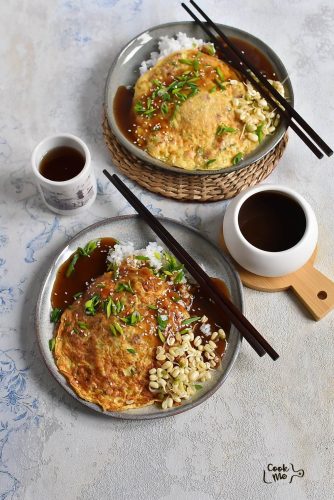

Asian cuisine isn’t just one thing- it’s an incredible tapestry of flavors spanning 48 countries and thousands of years of culinary evolution. Whether you’re craving the fiery kick of Korean gochujang, the umami depth of Japanese miso, or the aromatic complexity of Thai curry, you’ll find that Asian cooking is more accessible than you might think.
With a few pantry staples and some basic techniques, you can create restaurant-quality dishes that bring the vibrant flavors of Asia right to your kitchen table.
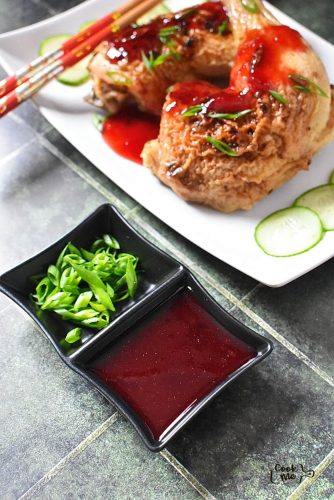
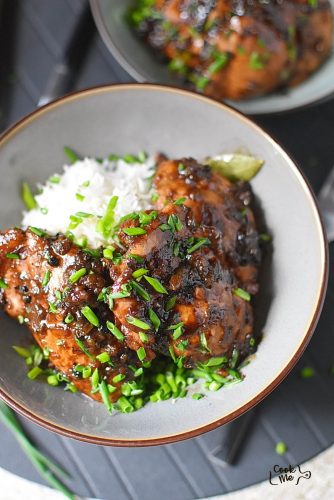
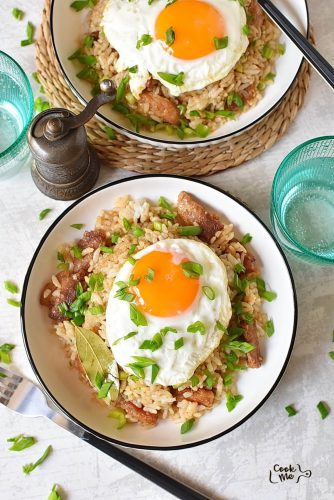
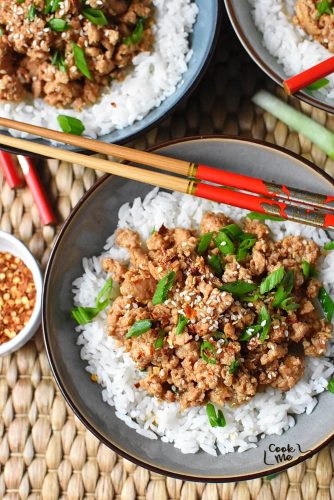
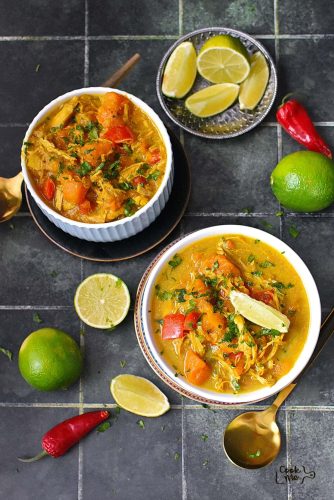
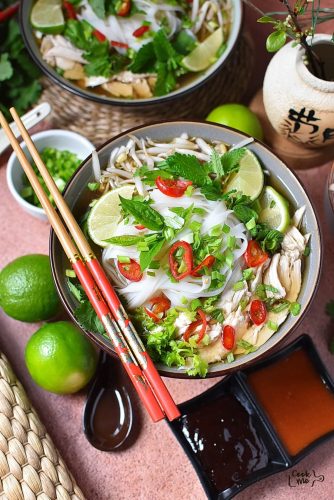
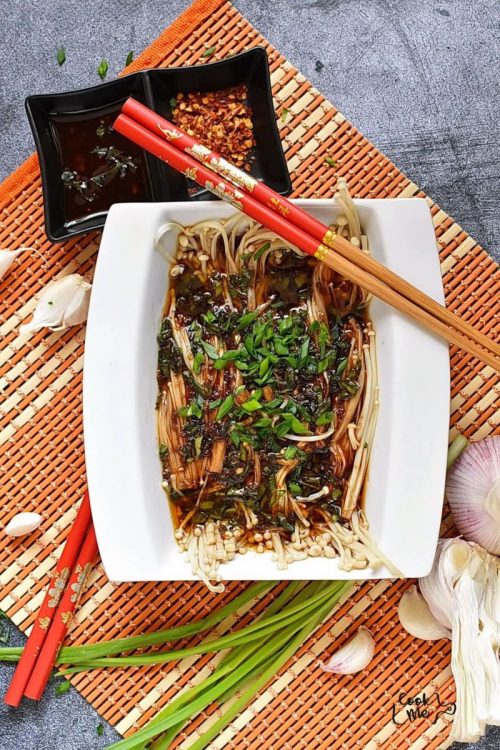
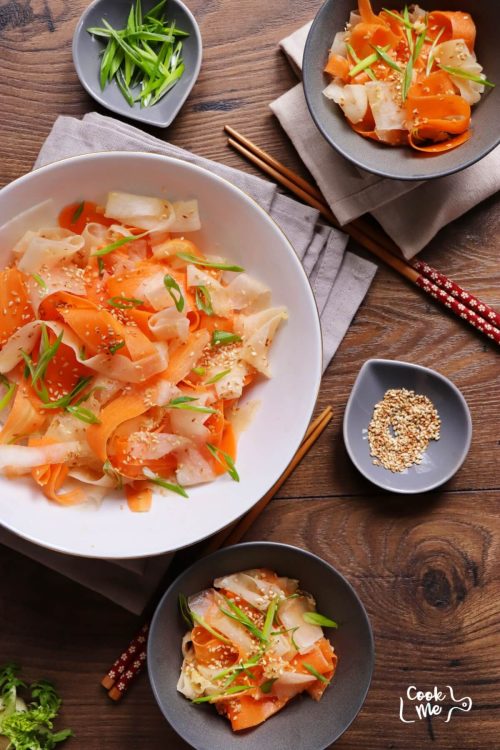
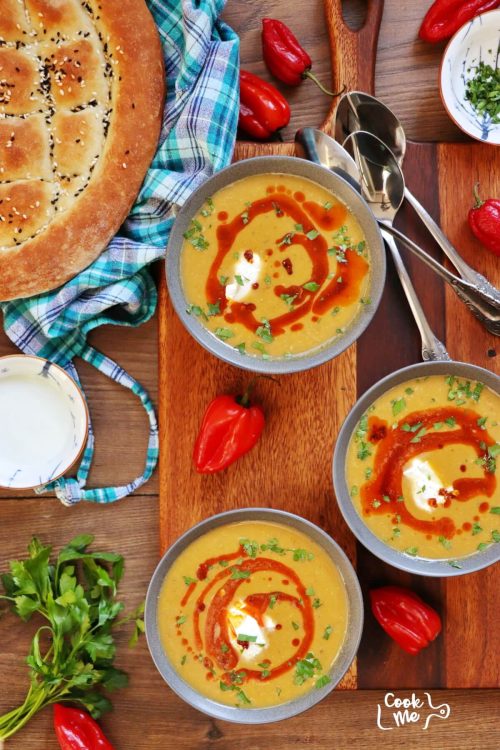
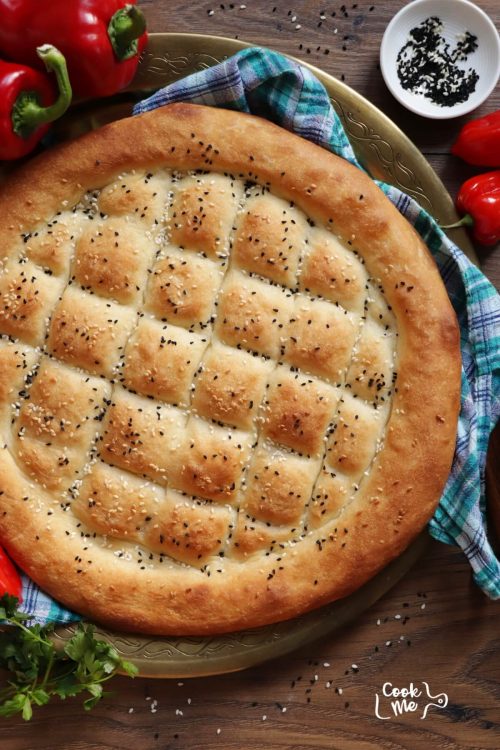
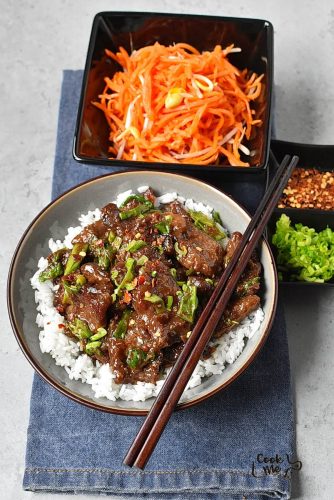
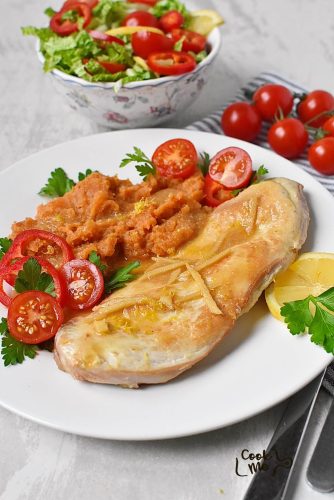
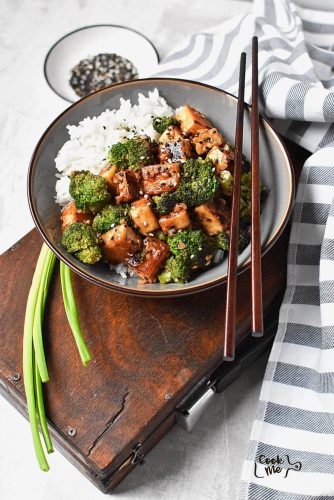
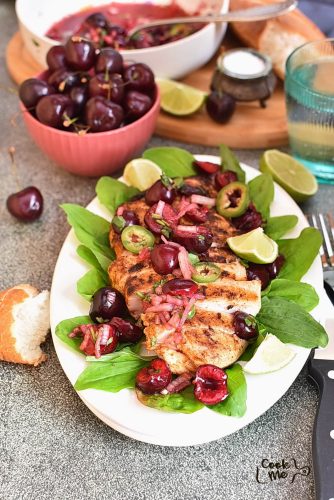
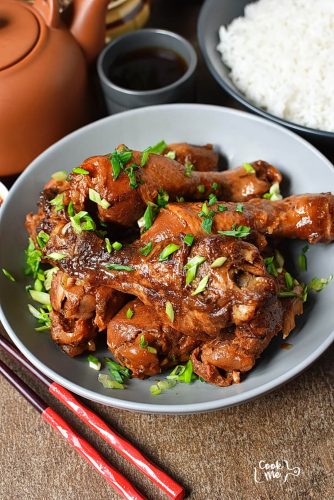
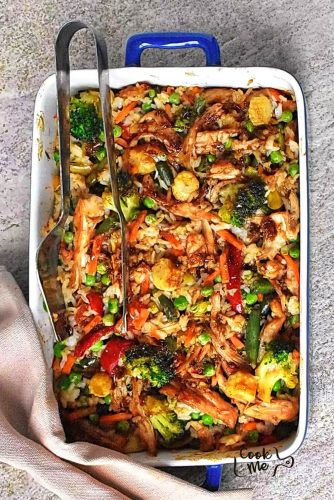
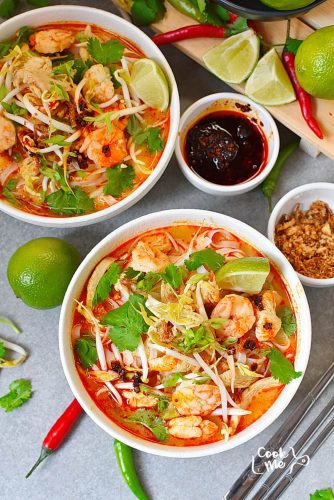
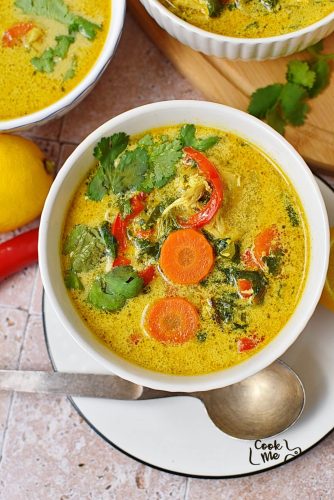
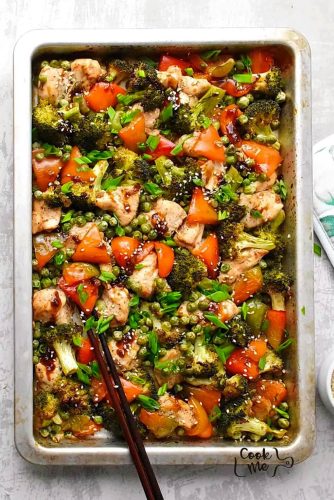
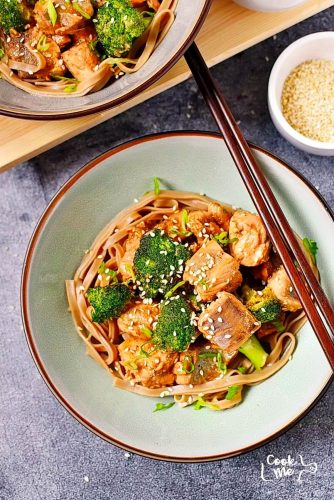
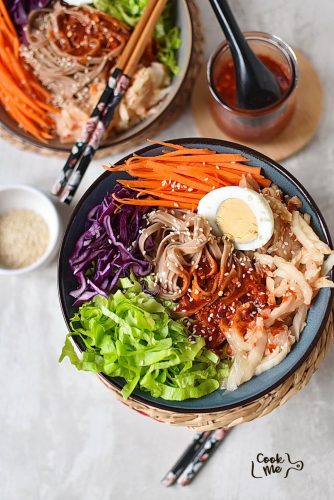
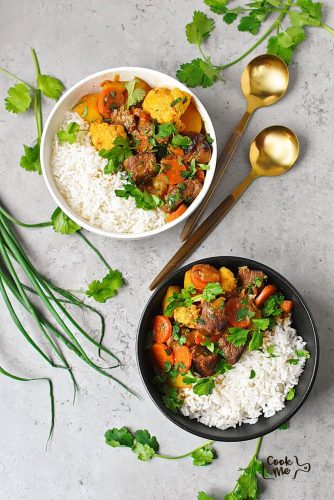
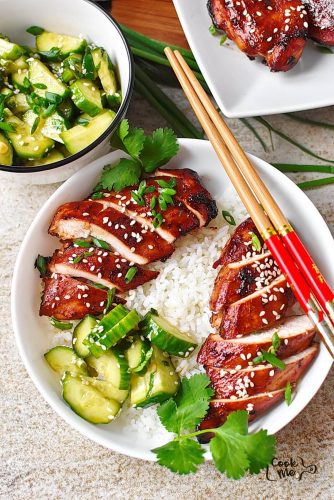
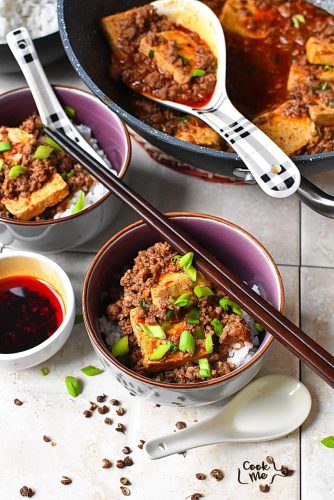
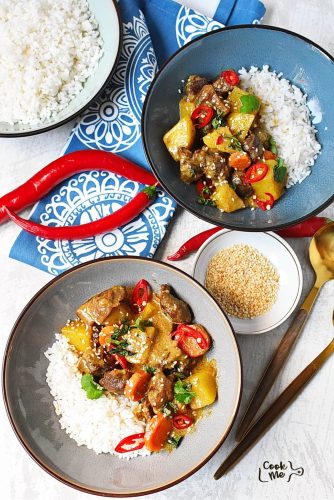
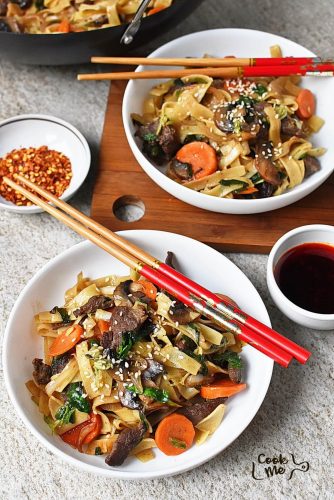
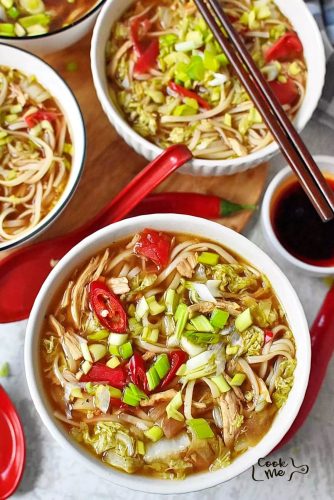
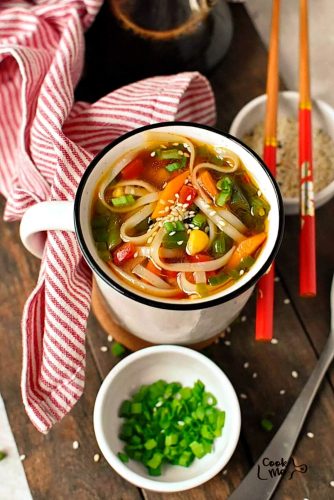
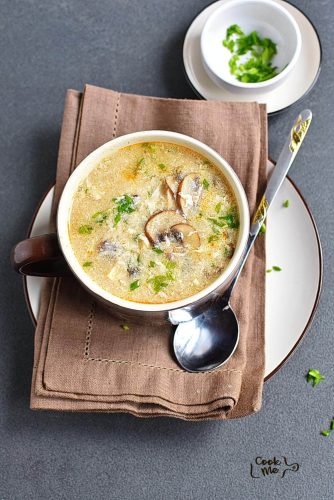
Asian cuisine represents humanity's oldest continuous culinary tradition, with archaeological evidence of wok-like vessels dating back to 200 BC Chukanabe and steaming techniques from the Neolithic era. Wikipedia +2 But here's what most people don't know: the wok wasn't invented for flavor—it was designed as a fuel-saving device when wood was scarce in ancient China. ChukanabeSlate This practical innovation created the foundation for stir-frying, a technique that would eventually conquer the world.
The spice trade routes that shaped Asian cuisine actually began 3,000 years before European involvement, when Indonesian sailors established maritime networks from Southeast Asia to India. Wikipediaworldhistory These ancient trade routes didn't just move spices—they created the first global food fusion. Chinese noodles traveled the Silk Road to become Italian pasta, while Indian spices transformed Southeast Asian cooking forever. The Roman Empire was so obsessed with Asian spices that a single kilogram of pepper cost the equivalent of a soldier's monthly salary, and when the Visigoths captured Rome in 410 AD, they demanded 3,000 pounds of peppercorns as ransom. The Silk Road Spice Merchantworldhistory
Perhaps the most fascinating untold story is how Asian immigrants transformed their traditional recipes to create entirely new cuisines. The California roll, invented in 1970s Los Angeles by substituting avocado for fatty tuna, became the gateway that introduced Americans to sushi. Food TimelineSlate Korean refugees in Louisiana combined their kimchi traditions with Cajun crawfish boils, creating the now-famous Viet-Cajun cuisine of Houston. CNN Today's Asian-American dishes like General Tso's chicken and crab rangoon might not exist in Asia, but they tell powerful stories of adaptation, survival, and cultural creativity. Wikipedia
What makes Asian cuisine truly revolutionary isn't just its age or diversity—it's the philosophy that food is medicine. Traditional Chinese Medicine's five-flavor theory, which associates tastes with organ health, Alban Acupuncture and Korea's fermentation practices that promote gut health, were practicing functional nutrition thousands of years before it became trendy. Bluente This ancient wisdom is why Asian cuisines naturally emphasize balance, seasonality, and the healing power of ingredients.
You might think you know Asian food, but here's the reality: most Americans have only scratched the surface of this incredibly diverse culinary landscape. While we're familiar with Chinese takeout and sushi rolls, we're missing entire culinary traditions that could transform your cooking.
East Asia offers far more than the familiar trio of Chinese, Japanese, and Korean cuisines. WikipediaWikipedia Within China alone, there are eight major regional cuisines, each as different as French and Italian cooking. Wikipedia Sichuan's numbing málà heat comes from combining chili with Sichuan peppercorns that literally make your mouth tingle. Cantonese cuisine prizes freshness and natural flavors with minimal seasoning. Shanghai cooking features sweet-savory combinations and "red cooking" with soy sauce and sugar. Meanwhile, the imperial Manchu-Han feast once featured 320 dishes served over three days— Wikipediatalk about a dinner party! Wikipedia
Southeast Asia harbors some of the world's most underappreciated cuisines. Myanmar's national dish, mohinga—a catfish and rice noodle soup—has countless regional variations you won't find in any American restaurant. Cambodia's amok, a coconut curry steamed in banana leaves, predates Thai curry by centuries. The Philippines' Bangsamoro region uses ingredients like palapa (a spicy condiment) and burnt coconut that even many Filipinos haven't heard of. Rainforest CruisesScienceDirect These cuisines remain "hidden" because they lack the global restaurant presence of Thai or Vietnamese food, but they're every bit as delicious and actually easier to make at home.
South and Central Asian cuisines bring their own magic to the table. WikipediaWikipedia Pakistan's Hunza Valley cuisine, influenced by the ancient Silk Road, combines Chinese stir-frying techniques with Middle Eastern spices. Uzbekistan claims over 100 different types of pilaf, each with specific cooking methods passed down through generations. Itsu +2 The food of the Koryo-saram (ethnic Koreans in Central Asia) created entirely new dishes like morkovcha—Korean-style spiced carrots that became popular throughout the former Soviet Union. WikipediaWikipedia These fusion cuisines happened naturally over centuries, proving that authenticity isn't about purity but about cultural exchange and adaptation.
Here's a secret that will transform your Asian cooking: you only need six core sauces to make over 45 different Asian dishes. Light soy sauce, dark soy sauce, oyster sauce, hoisin sauce, sesame oil, and Shaoxing wine—that's your foundation. With these in your pantry, you're already halfway to mastering Asian home cooking.
But let's talk about the ingredient that changed the world: umami. In 1908, Japanese scientist Kikunae Ikeda was eating kombu dashi soup when he realized there was a fifth taste beyond sweet, sour, salty, and bitter. He spent months extracting 30 grams of glutamic acid crystals from 12 kilograms of kelp, scientifically proving what Asian cooks had known for millennia. His discovery led to MSG, but more importantly, it explained why ingredients like soy sauce, miso, and fish sauce make everything taste better. Wikipedia They're natural umami bombs that add depth without adding more salt. Wikipedia
Understanding fermentation unlocks another level of Asian cooking. Kimchi's 8,000-year history began when vegetables naturally fermented in seawater storage. Food in Japan Miso evolved from Chinese monks who brought soybean fermentation to Japan in the 6th century. Fish sauce developed independently in both ancient Rome and Asia, but while garum disappeared from European tables, Asian fish sauce became the backbone of Southeast Asian cuisine. Wikipedia Today, science proves what Asian cultures always knew—these fermented foods feed beneficial gut bacteria and boost immune function.
Shopping at Asian markets becomes less intimidating when you know what to look for. Start your shopping in the sauce aisle—those six essential sauces mentioned earlier are your priority. For produce, look for delivery days (usually Tuesday and Friday) when vegetables are freshest. Don't be shy about asking other shoppers what they're making—you'll get better recipes than any cookbook. Pro tip: Asian markets sell rice in 20-50 pound bags for a fraction of supermarket prices. Buy the biggest bag you can store and save serious money. The same goes for noodles, which cost 75% less than mainstream grocery stores.
One game-changing storage tip: contrary to popular belief, opened soy sauce needs refrigeration to maintain its complex flavor. Miso paste can last up to a year refrigerated—that white film on top isn't mold, it's yeast and totally safe. Keep sesame oil in the fridge to prevent rancidity. These simple storage tricks mean you can stock up without waste.
The biggest myth about Asian cooking? That you need a professional kitchen to achieve authentic flavors. The truth is, Asian home cooks have been adapting techniques for centuries, and you can too. Let's start with the most misunderstood concept: wok hei, literally "breath of the wok."
Restaurant wok burners blast out 150,000 BTUs while your home stove manages maybe 18,000 on a good day. But here's what they don't tell you—wok hei isn't just about heat. It's a complex interaction of Maillard reactions, caramelization, and the polymerized oils from a well-seasoned wok. You can achieve it at home by cooking in smaller batches, getting your wok screaming hot before adding oil, and learning the proper tossing motion (about 2.7 tosses per second, according to physics researchers). Can't manage restaurant-level heat? Use the "oil flambé" technique where oil droplets briefly ignite, creating that characteristic smoky flavor.
Velveting might be the most important Chinese technique you've never heard of. It's why restaurant chicken stays impossibly tender while yours turns rubbery. The secret? Creating a protective coating with cornstarch and egg white, then briefly cooking meat in 140°F oil or simmering water until 70% done. The easier home method uses baking soda—just 1½ teaspoons per pound of meat for 30 minutes creates the same tender texture through pH manipulation. This technique alone will revolutionize your stir-fries.
Steaming deserves way more respect in American kitchens. Those bamboo steamers you see in dim sum restaurants? They're 5,000 years of engineering perfection. The bamboo absorbs excess moisture while maintaining steady steam circulation, and you can stack multiple tiers to cook an entire meal simultaneously. Line them with cabbage leaves for dumplings, parchment for fish, or lotus leaves for rice—each adds its own subtle flavor. No bamboo steamer? A plate on an inverted bowl in a covered pot works perfectly.
Here's a technique that will blow your mind: sequential cooking. Instead of dumping everything in at once, add ingredients based on their cooking times. Wikipedia Hard vegetables first, then proteins, then aromatics, finally leafy greens and sauces. This simple change prevents that common home-cooking problem where half your stir-fry is mushy while the other half is raw.
Asian dining isn't just about the food—it's a complete cultural experience that reflects values of community, respect, and balance. WikipediaWikipedia Understanding these traditions doesn't just make you a better cook; it helps you appreciate why certain dishes exist and how they're meant to be enjoyed.
The round table isn't just furniture in Chinese culture—it's a symbol of unity and equality where dishes rotate so everyone shares equally. The seat facing east or the entrance? That's reserved for the guest of honor. Bluente Those two-finger taps when someone pours your tea? You're mimicking a Qing dynasty emperor's incognito bow of thanks. Never stick chopsticks vertically in rice—it resembles incense at funerals and is considered terrible luck. Bluente These aren't arbitrary rules but expressions of respect that have evolved over millennia.
Korean dining hierarchy might seem formal, but it creates beautiful moments of connection. The eldest starts eating first, establishing a rhythm of respect that flows through the meal. Younger people serve elders, neighbors refill each other's drinks, and refusing an alcohol offer (even if you don't drink) breaks the social harmony. Bluente The famous banchan (small side dishes) aren't appetizers—they're meant to be eaten throughout the meal, providing balance and variety with every bite. Bluente
Japanese dining philosophy extends beyond etiquette to embrace seasonality as spirituality. The concept of "shun" means eating ingredients at their peak moment—not just for flavor but to connect with nature's rhythm. Yuzu Omakase This is why a proper Japanese meal might feature cherry blossoms in spring or persimmons in fall. The minimalist presentation isn't about portion control but about highlighting each ingredient's essential beauty. Food in Japan Every empty space on the plate has purpose, creating visual balance that mirrors the flavor balance.
What's fascinating is how these traditions adapt in immigrant communities while maintaining their essence. Korean-Americans might use forks alongside chopsticks, but they still wait for elders to begin eating. Chinese-American restaurants replaced round tables with booths but kept the sharing mentality with lazy Susans. These adaptations aren't corruptions of tradition—they're tradition evolving to stay relevant, proving that culture is living, not frozen.
The Korean Wave isn't just about K-pop and K-dramas—it's fundamentally changing how Americans eat. The Grocer Korean food exports hit $7.26 billion in 2024, with North America showing the strongest growth. koreaherald When a Korean drama features a specific dish, American Korean markets see that ingredient sell out within days. Buldak ramen became so popular that Denmark actually recalled it for being too spicy, which only made Americans want it more. koreaherald
But here's what's really interesting: Korean cuisine succeeded where others struggled by embracing inauthenticity. Korean tacos, created in Los Angeles by Roy Choi's Kogi truck, aren't trying to be traditionally Korean or Mexican—they're proudly Korean-American. CNN This "third culture" cooking reflects the reality of immigrant life and resonates with America's increasingly multicultural population. It's why restaurants like Momofuku can serve ramen with American bacon and nobody bats an eye. Refinery29
Plant-based Asian cooking is exploding with 6% annual growth, but not in the way you'd expect. Food in Japan Instead of creating fake meat, Asian techniques are making vegetables the star. Mushrooms provide umami depth, fermented black beans add protein and complexity, and traditional Buddhist temple cooking offers centuries of vegan recipes that don't feel like substitutes. The secret? Asian cuisines never treated meat as the center of every meal, so going plant-based doesn't require total reinvention.
The social media effect on Asian food can't be overstated. Dalgona coffee became a global pandemic phenomenon not because it tastes amazing (it's basically whipped instant coffee) but because it's visually stunning and gave people a shared experience during isolation. Korean corn dogs went viral for their Instagram-worthy cheese pulls. But beyond the gimmicks, social media has democratized Asian cooking knowledge—you can now learn authentic techniques from Korean grandmothers and Thai street vendors through their YouTube channels.
You really don't need much to get started! While a wok is helpful, a large skillet works fine for stir-fries. A $20 bamboo steamer will handle dumplings, fish, and vegetables. The most important "equipment" is actually your pantry—those six essential sauces we mentioned will take you further than any gadget. Start simple and add specialized tools as you discover what you love cooking.
Light soy sauce (used in most recipes) is saltier and thinner—it's your everyday seasoning. Dark soy sauce is sweeter, thicker, and adds color to dishes. Wikipedia Japanese shoyu is more delicate and complex than Chinese soy sauce. Tamari is basically soy sauce without wheat, perfect for gluten-free cooking. Pro tip: if a recipe just says "soy sauce," use light soy sauce.
Asian cuisine is already pretty healthy when cooked traditionally! Use the "70-30 rule": 70% vegetables to 30% protein, which is how most Asian home cooking actually works. Reduce sodium by diluting sauces with water or low-sodium broth. The velveting technique lets you use less oil while keeping proteins tender. Fermented ingredients like miso and kimchi add flavor complexity without extra calories and boost gut health as a bonus.
Three reasons: heat, technique, and seasoning. Your stove can't match restaurant heat, so cook in smaller batches. Don't stir constantly—let ingredients sear for 30 seconds before tossing. Most importantly, season throughout cooking, not just at the end. Add aromatics (garlic, ginger) to hot oil first, season proteins during cooking, and finish with a splash of sauce off the heat. These small changes make a huge difference.
Absolutely! No Shaoxing wine? Use dry sherry. Can't find gochujang? Mix miso paste with sriracha. Fish sauce seems weird? Soy sauce with a dash of Worcestershire works. The key is understanding what role each ingredient plays—is it adding salt, umami, sweetness, or heat? Once you know that, you can find creative substitutes that maintain the dish's balance.
The finger method works across all Asian cultures: add rice to your pot, level it, then add water until it reaches your first knuckle when your fingertip touches the rice surface. Wikipedia This automatically adjusts for pot size and rice amount. Let it rest 10 minutes after cooking without lifting the lid—this redistributes moisture for perfectly fluffy rice. Or just buy a rice cooker for $30 and never think about it again!