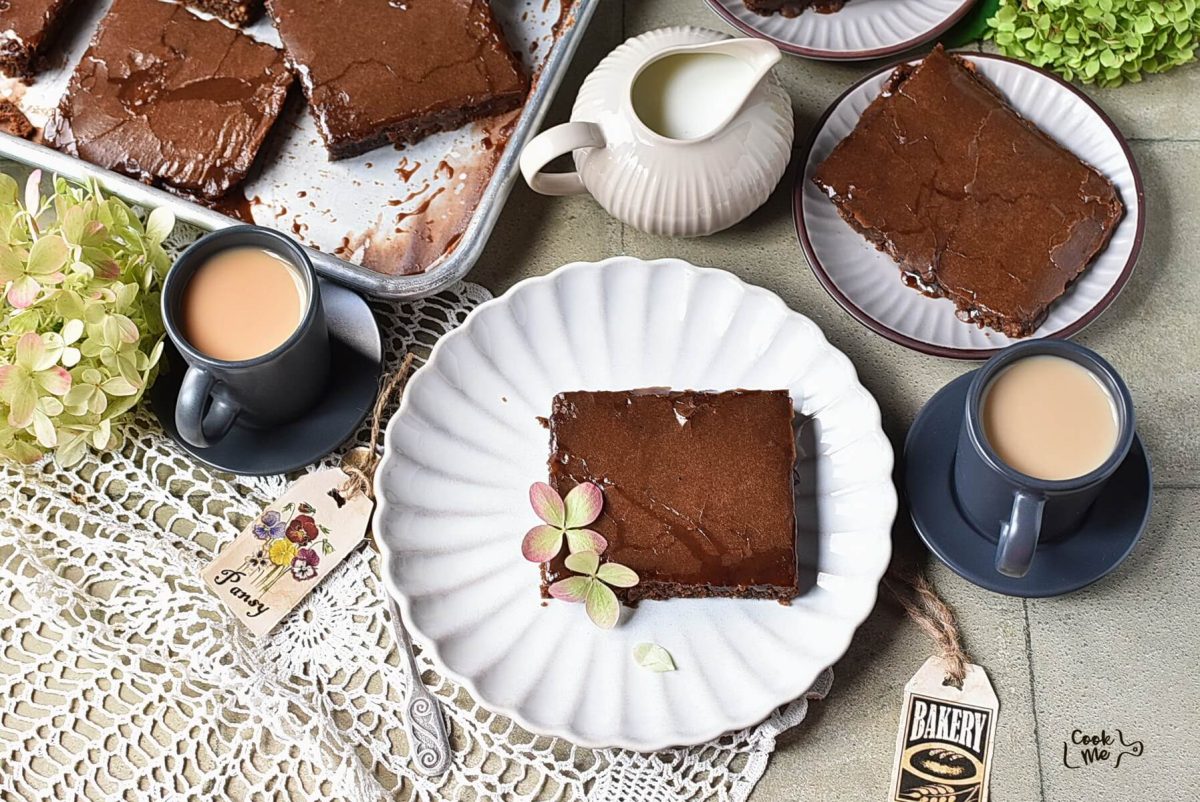
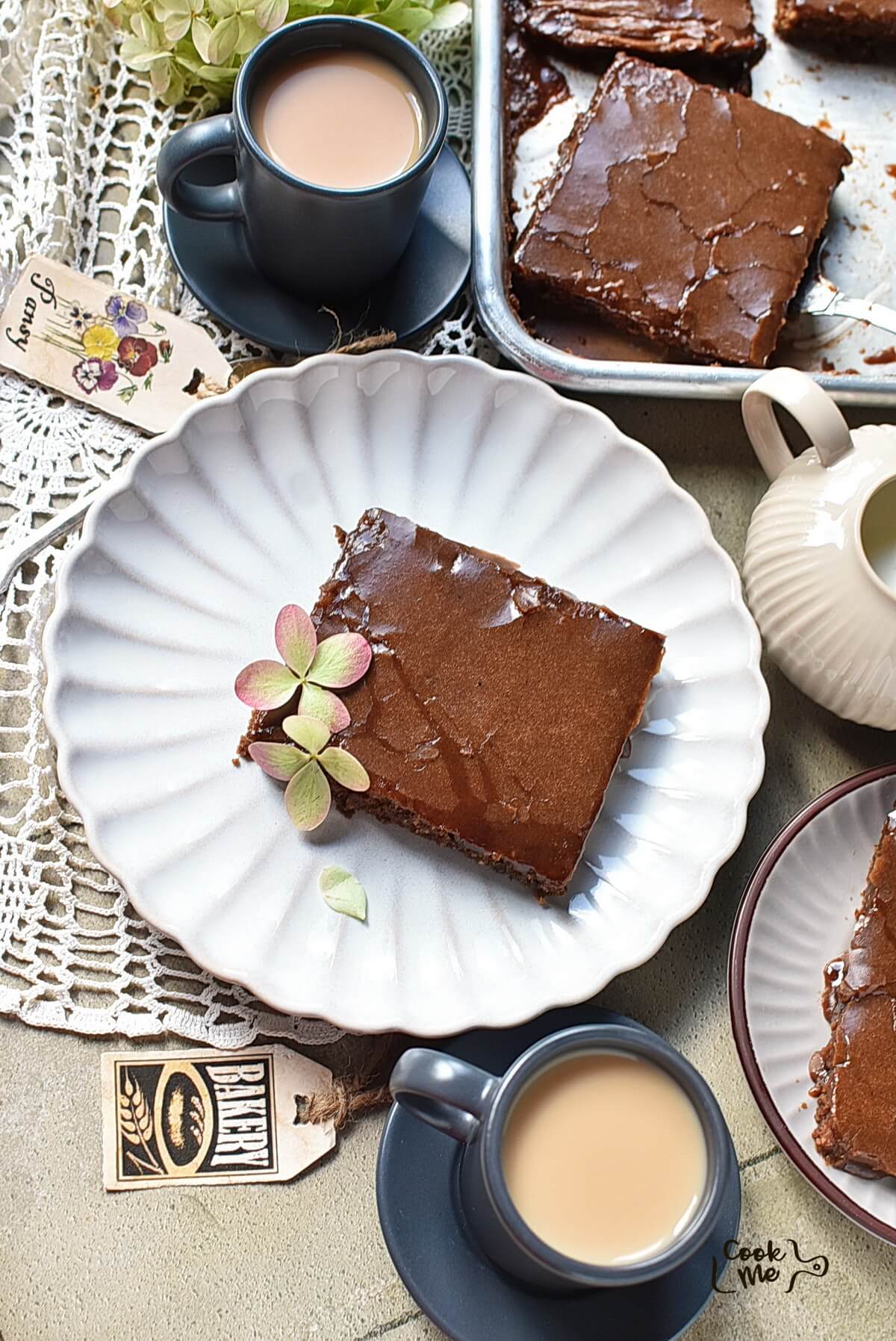
Alright, listen up. Texas chocolate sheet cake is the kind of dessert you pull out when you need something big, honest, and chocolate-forward without fuss. I grew up in Buffalo, where winters were brutal, and a hearty slice of this will chase the chill better than a thousand excuses. My grandma used to say you cannot argue with a full belly, and she was right.
Here’s the deal with this Texas sheet cake. It is straightforward, it hits hard with cocoa, and it bakes up reliably moist. I picked it up in Austin during a year of wandering around barbecue pits. Folks there cooked it for potlucks, and it disappeared fast. The trick is the boiling chocolate mixture. It soaks into the batter and keeps the crumb tender. Pour the frosting while everything is still hot, and it glues together like a single slab of chocolate and cake.
I like this one because it honors the no-waste rule I learned while washing dishes and prepping meat in busy kitchens: simple pantry staples become something that feeds a crowd. The flavor leans into dark cocoa, then a buttery finish, with a touch of tang from sour cream to keep it from feeling cloying. If you are new to baking, this is a great confidence builder. Trust the heat. Trust the timing. Trust the process.
Short note. It works every time.
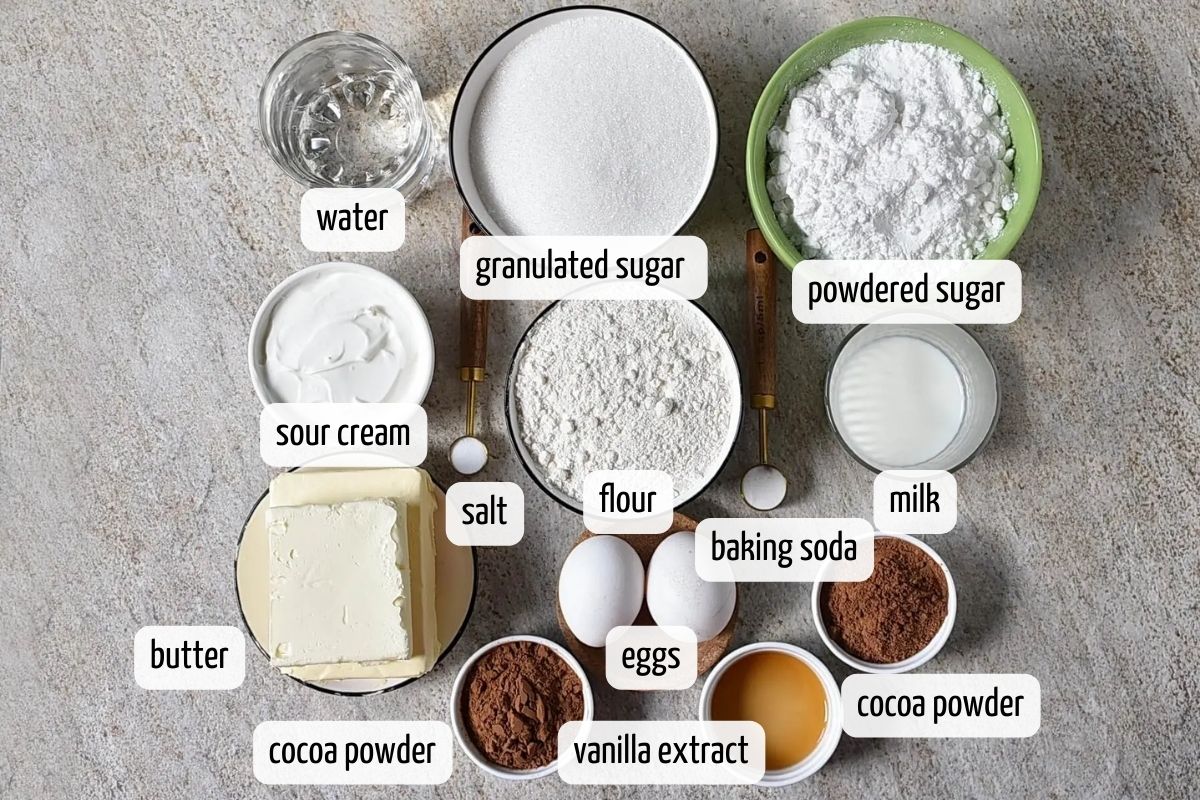
To make the Texas Chocolate Sheet Cake, you will need the following ingredients:
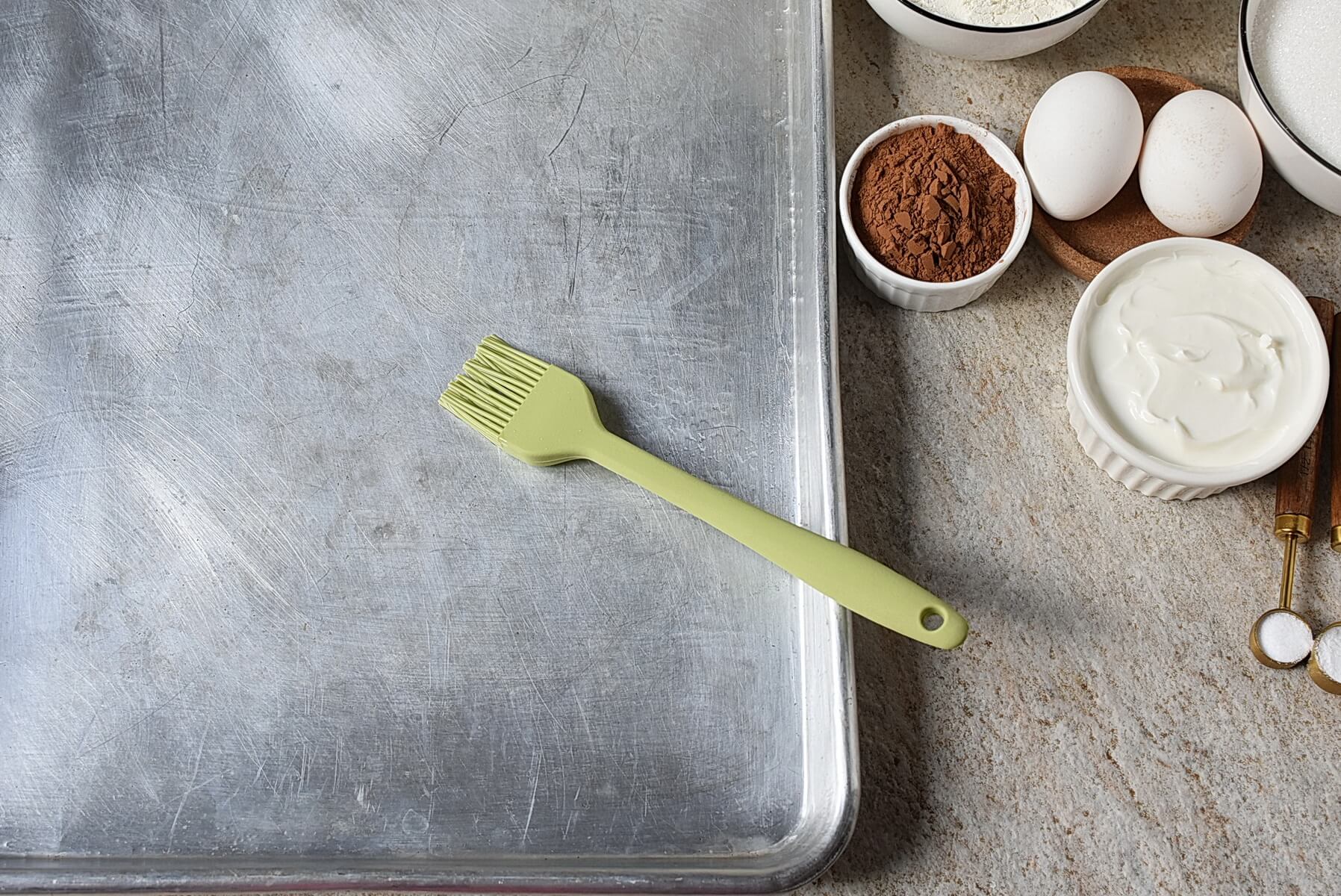
Heat the oven to 350 °F. Grease an 18-by-13-inch jelly roll pan.
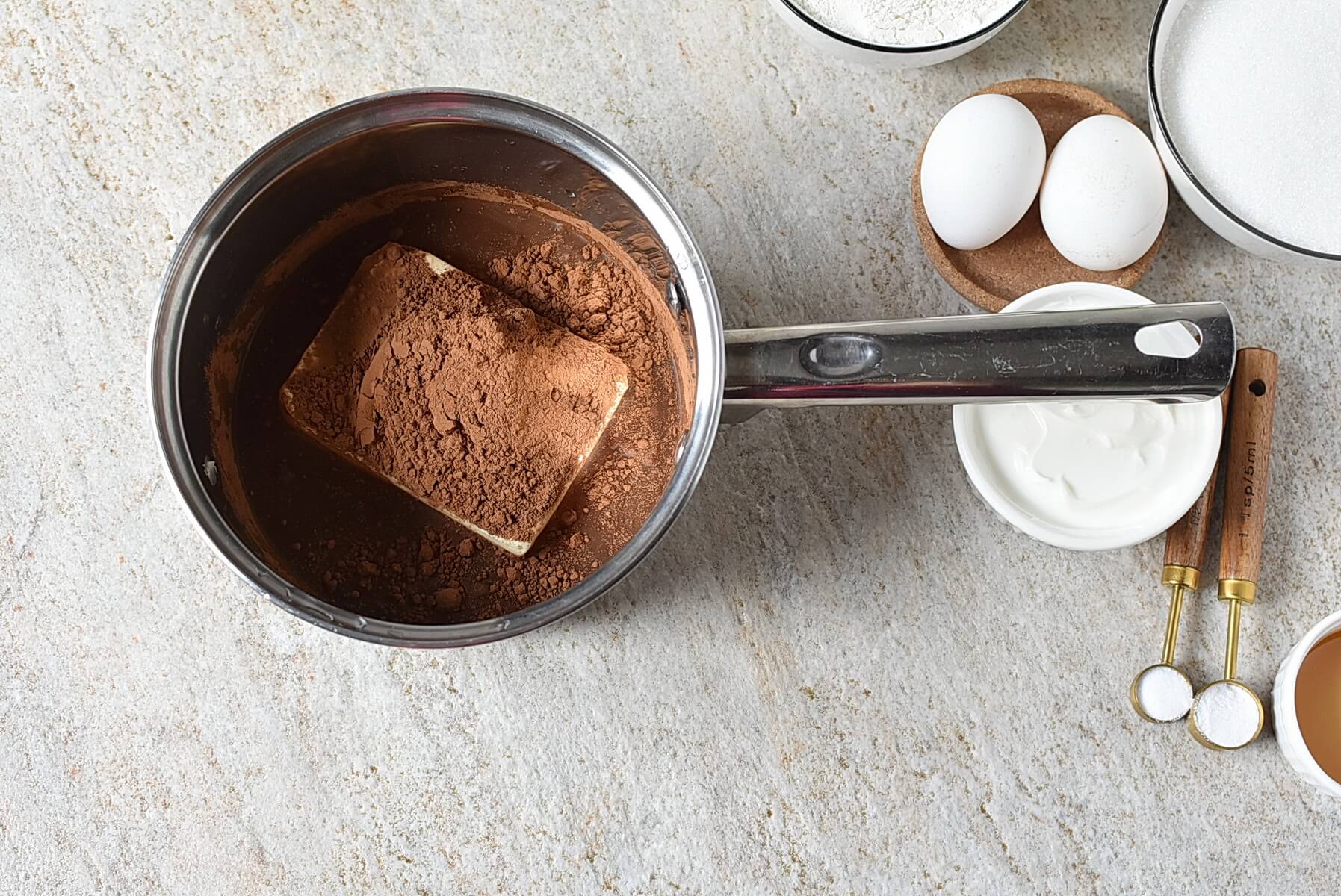
In a medium saucepan over medium heat, add 1 cup water, 1 cup butter, and 3 tablespoons unsweetened cocoa powder. Bring the mixture to a boil.
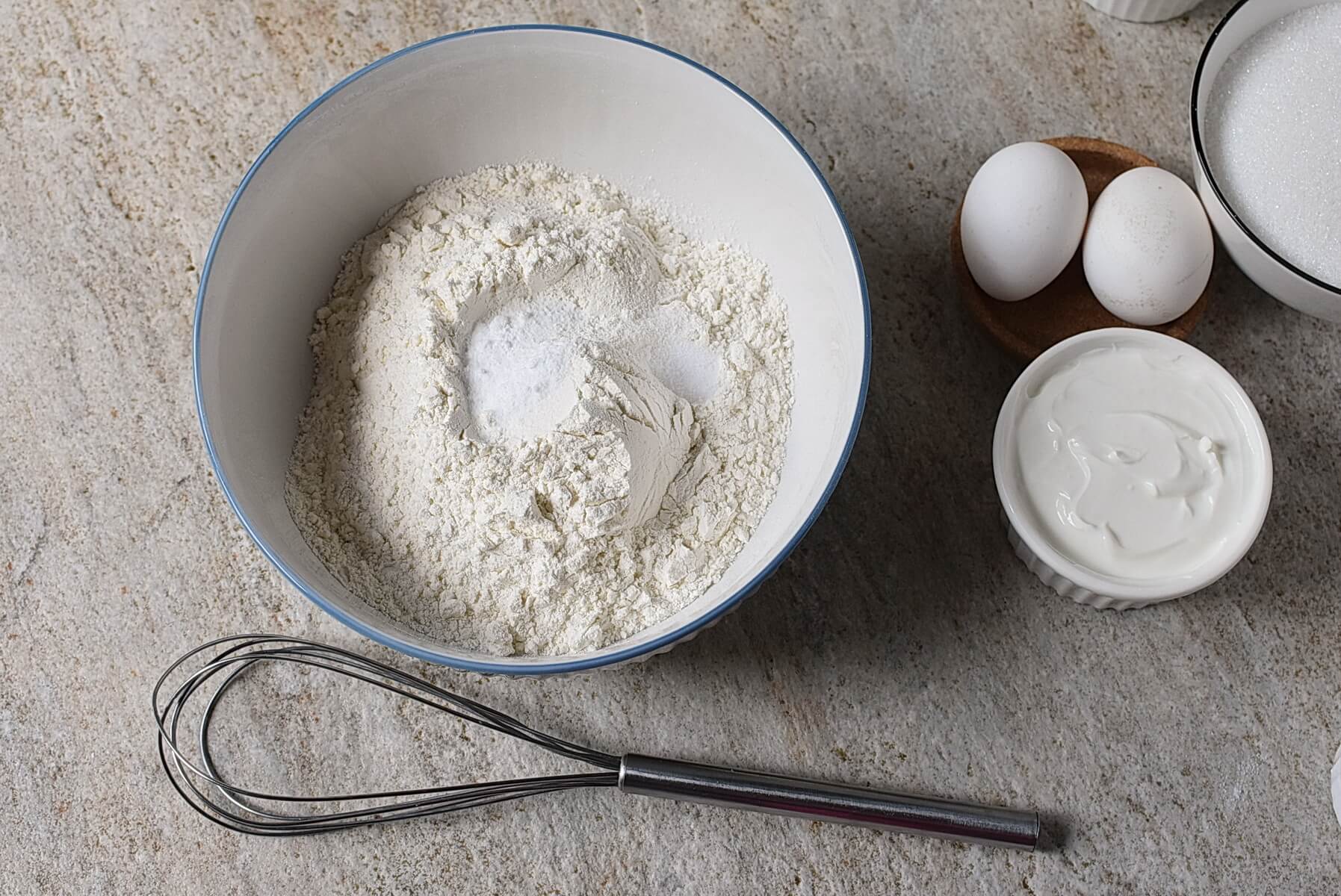
In the meantime, in a separate bowl, mix together 2 cups all-purpose flour, 2 cups granulated sugar, 1 teaspoon baking soda, and 1/2 teaspoon salt. Set aside.
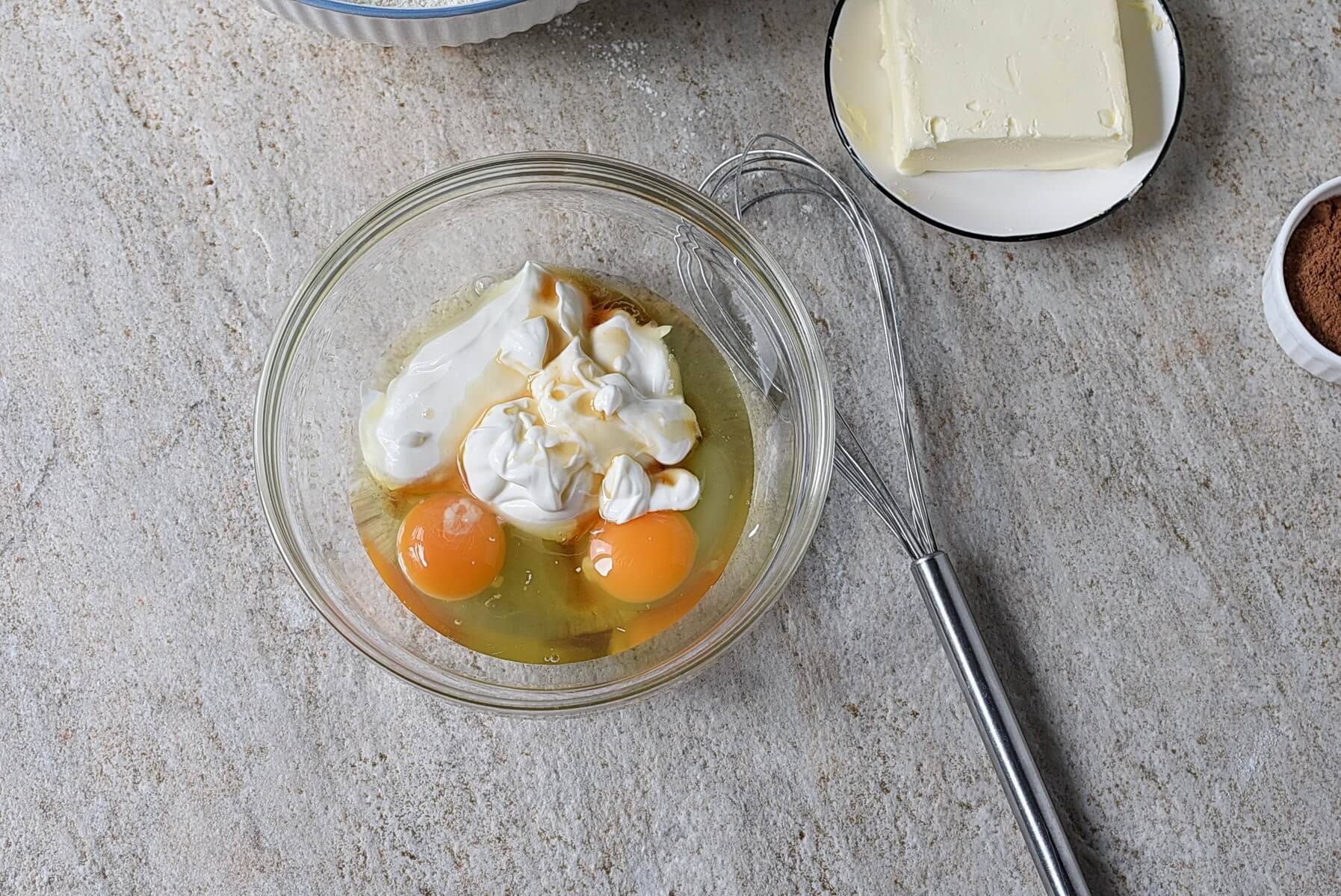
In another small bowl, whisk together 1/2 cup sour cream, 2 large eggs, and 1 teaspoon vanilla extract.
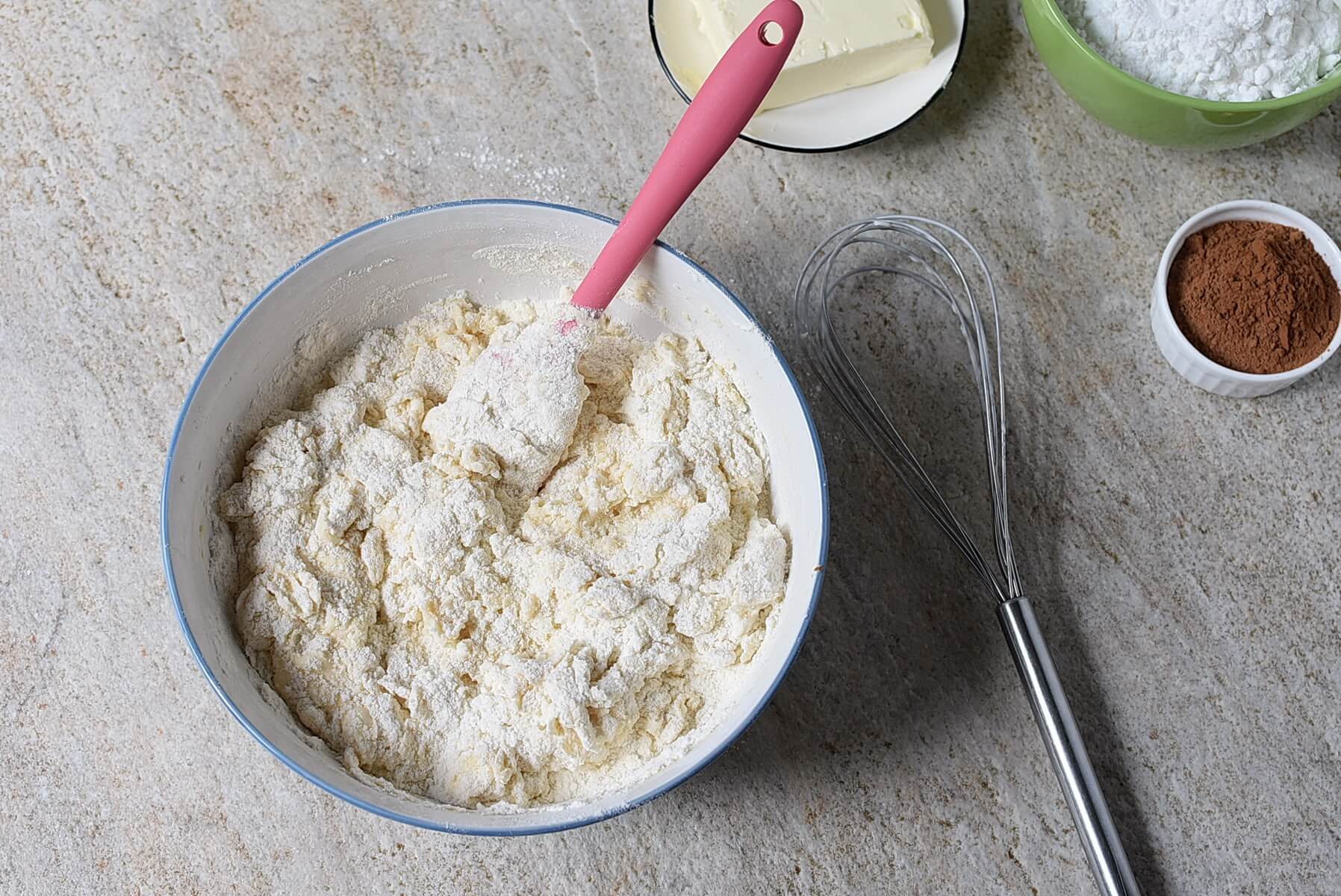
Add the sour cream egg mixture to the flour mixture and mix until combined.
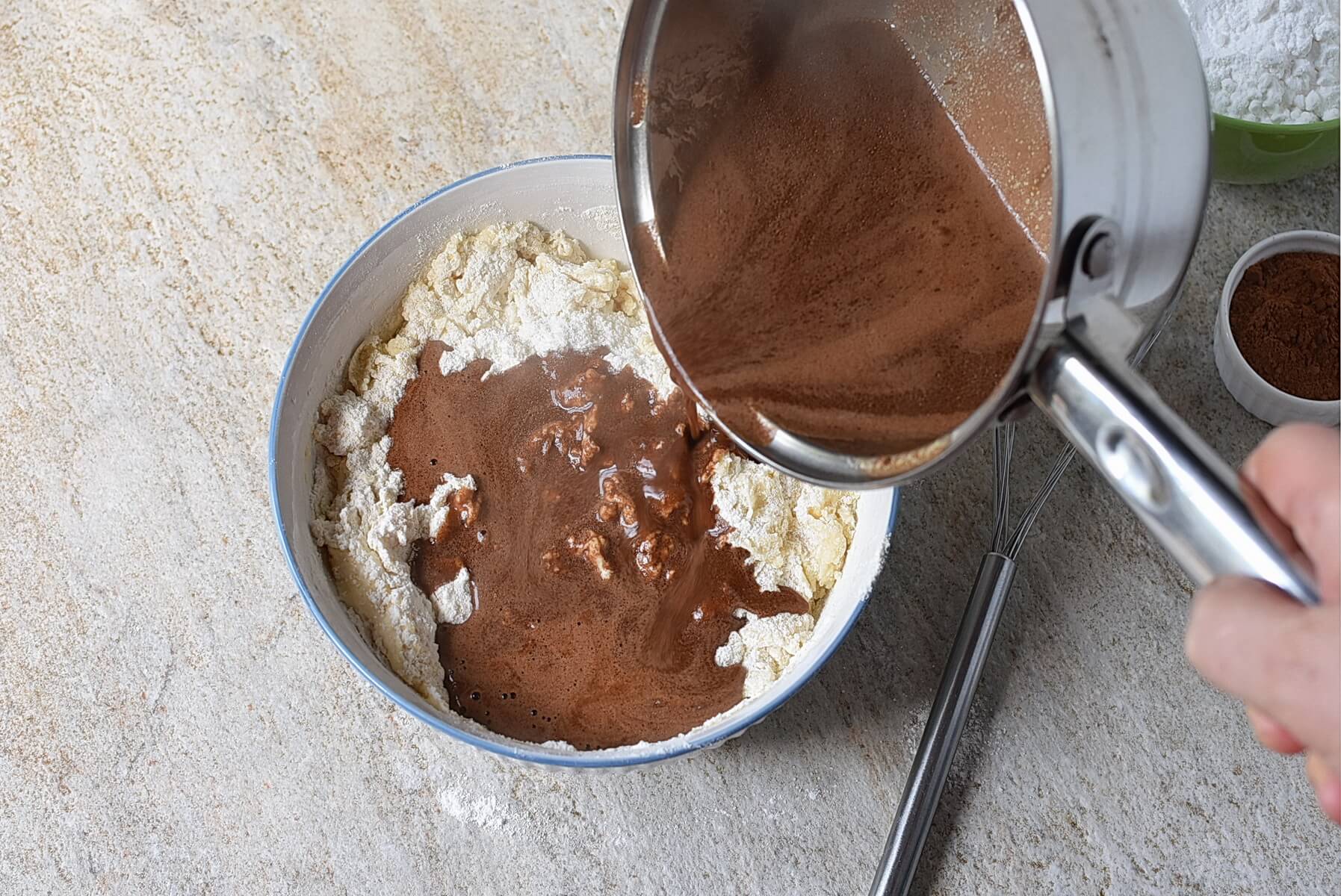
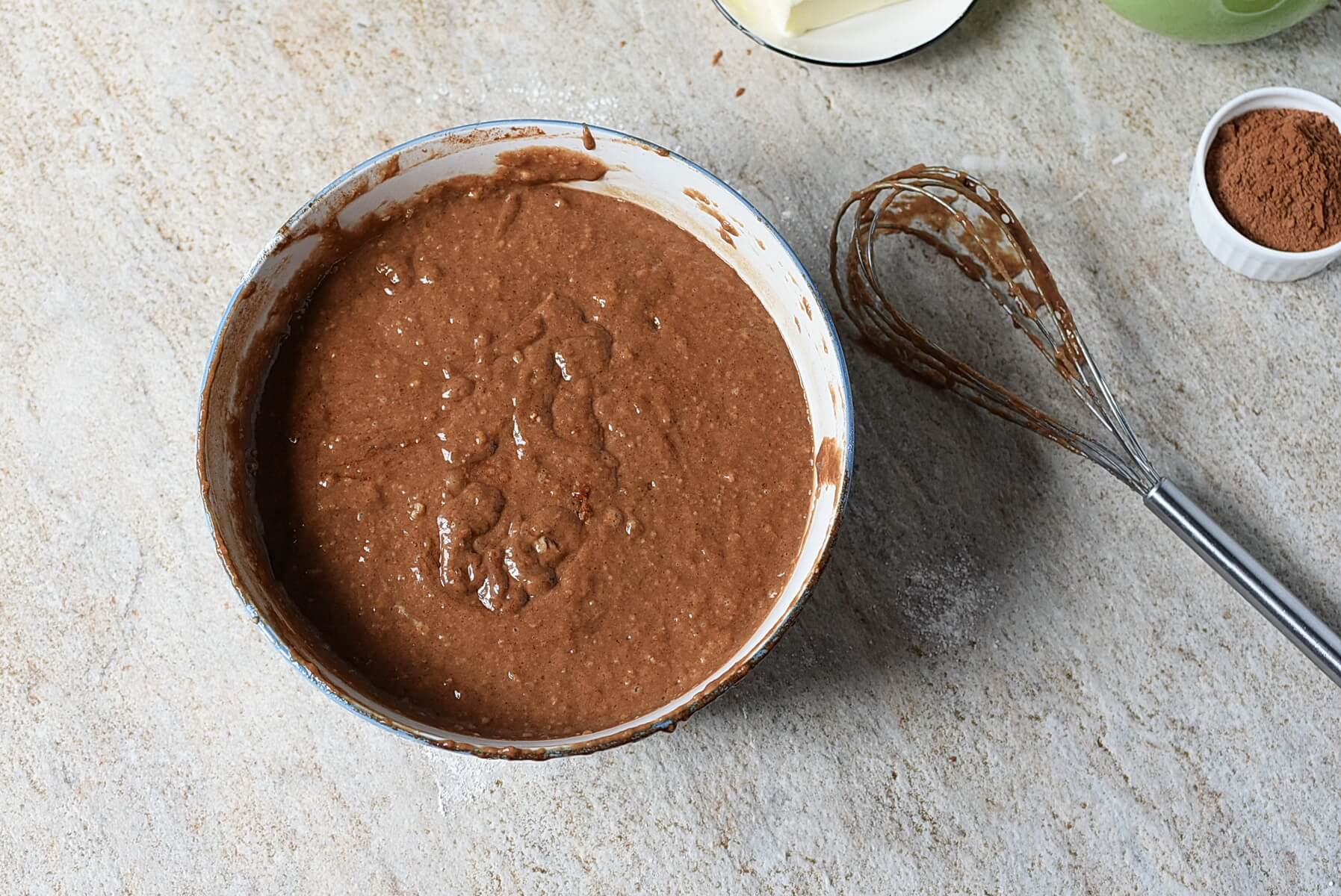
Once the chocolate mixture in the saucepan is boiling, remove it from the heat and gently pour it into the batter. Mix until incorporated and no lumps remain.
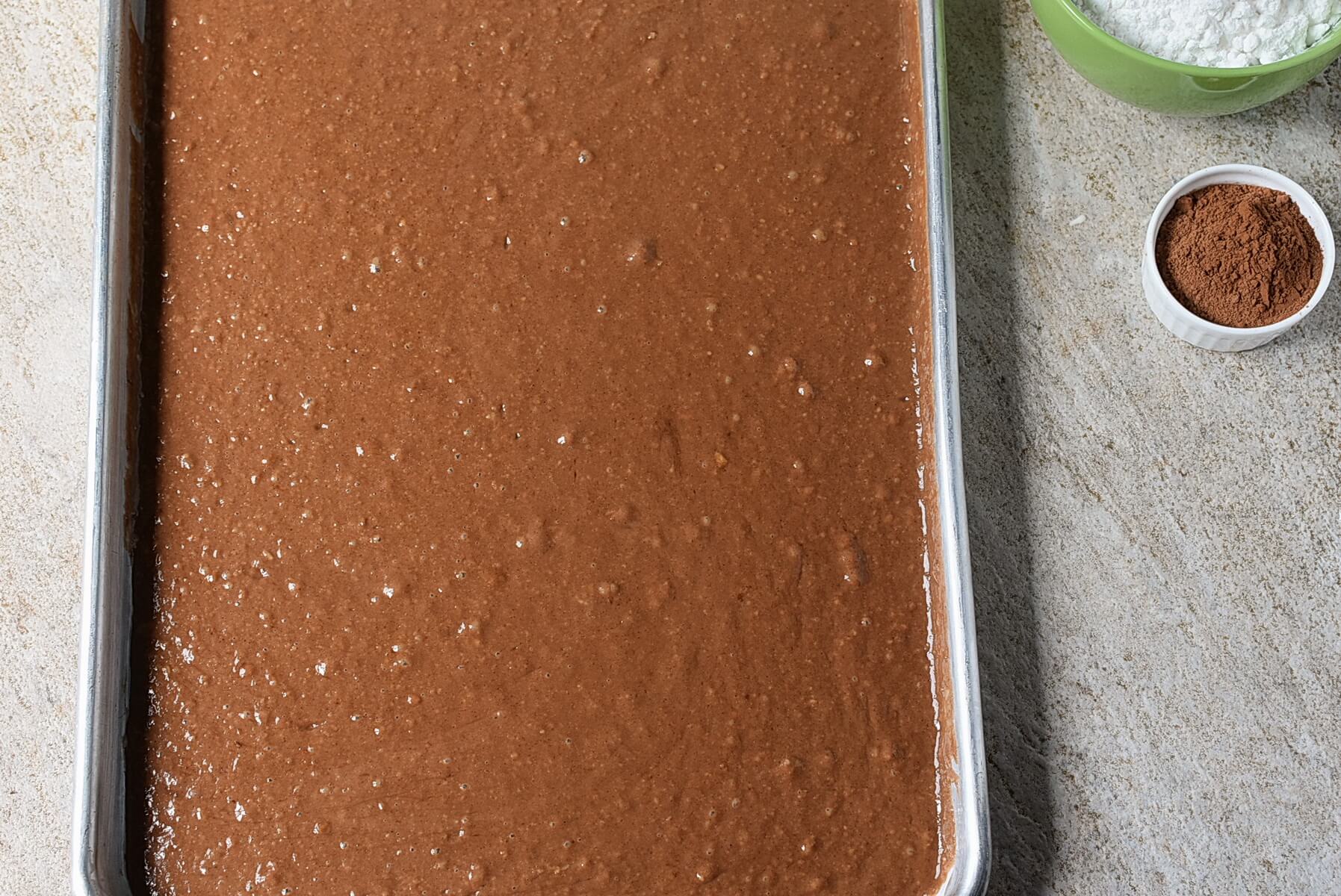
Pour the batter into the prepared pan and use a spatula to smooth the top into an even layer.
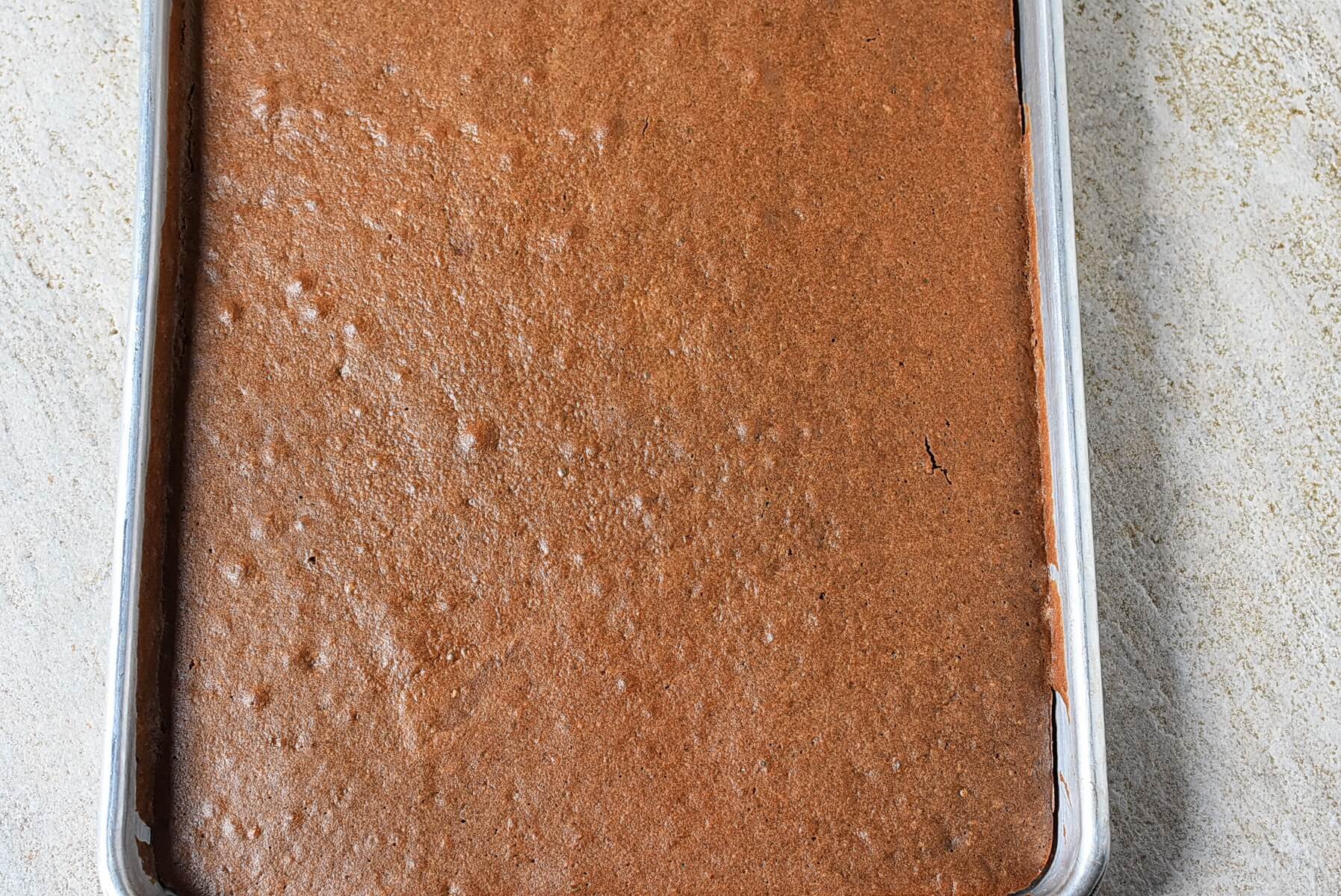
Bake for 15 to 20 minutes or until set. Check for doneness around the 15-minute mark.
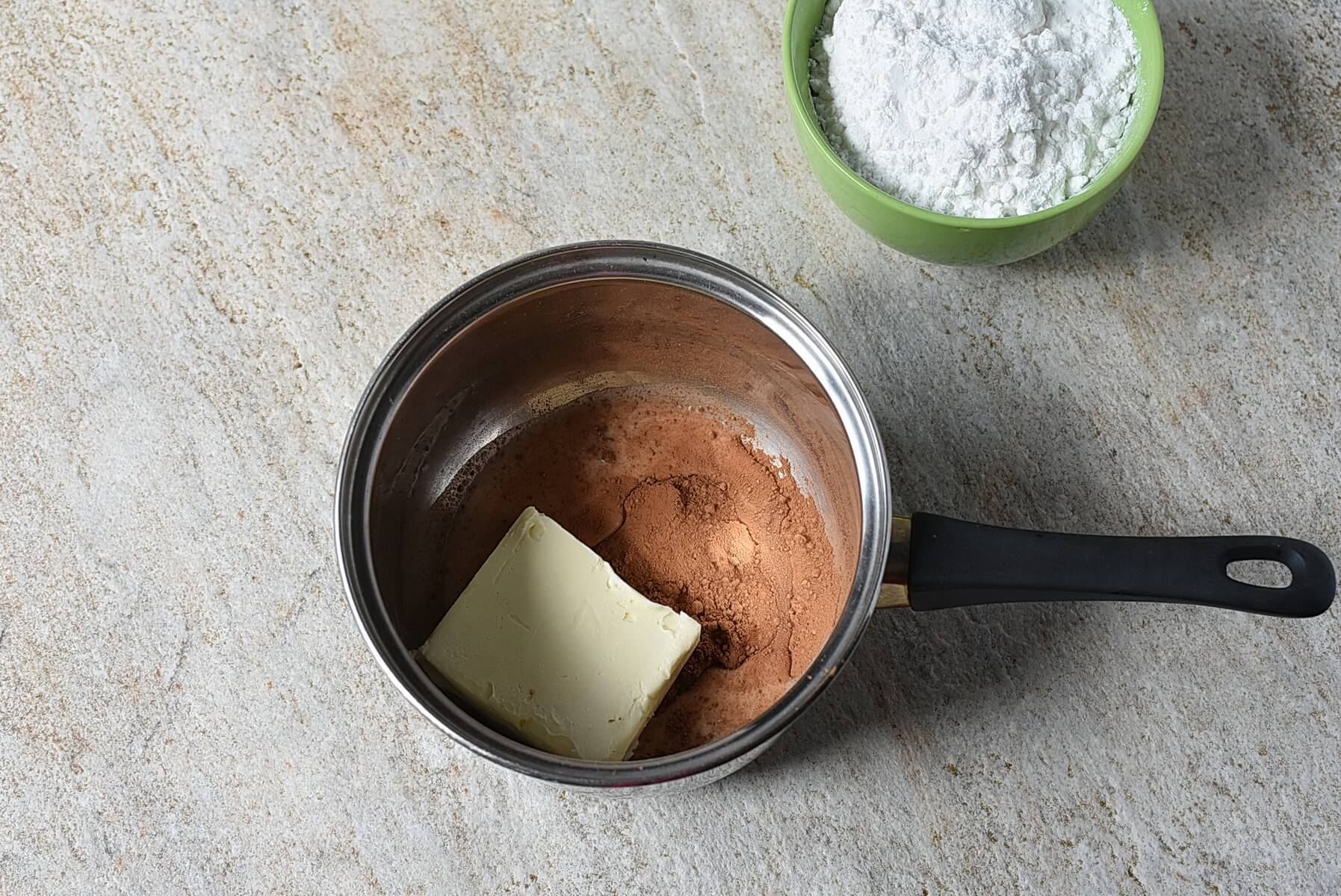
When the cake is about halfway through cooking, make the frosting. In a saucepan, add 6 tablespoons milk, 3 tablespoons unsweetened cocoa powder, and 1/2 cup butter. Bring the mixture to a boil.
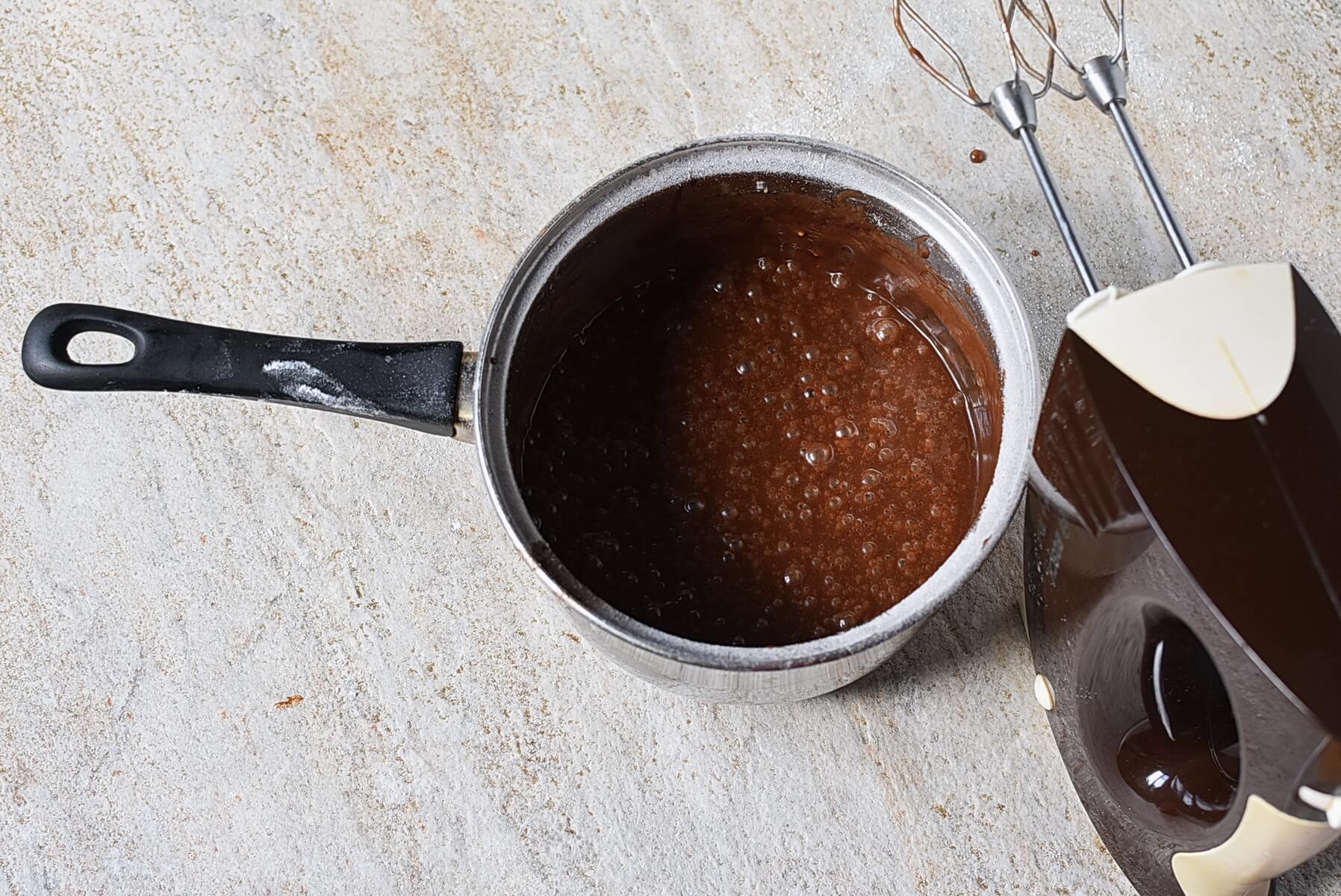
Once at a boil, remove the saucepan from the heat and stir in 3 3/4 cups powdered sugar. Use a hand-held mixer to remove any lumps.
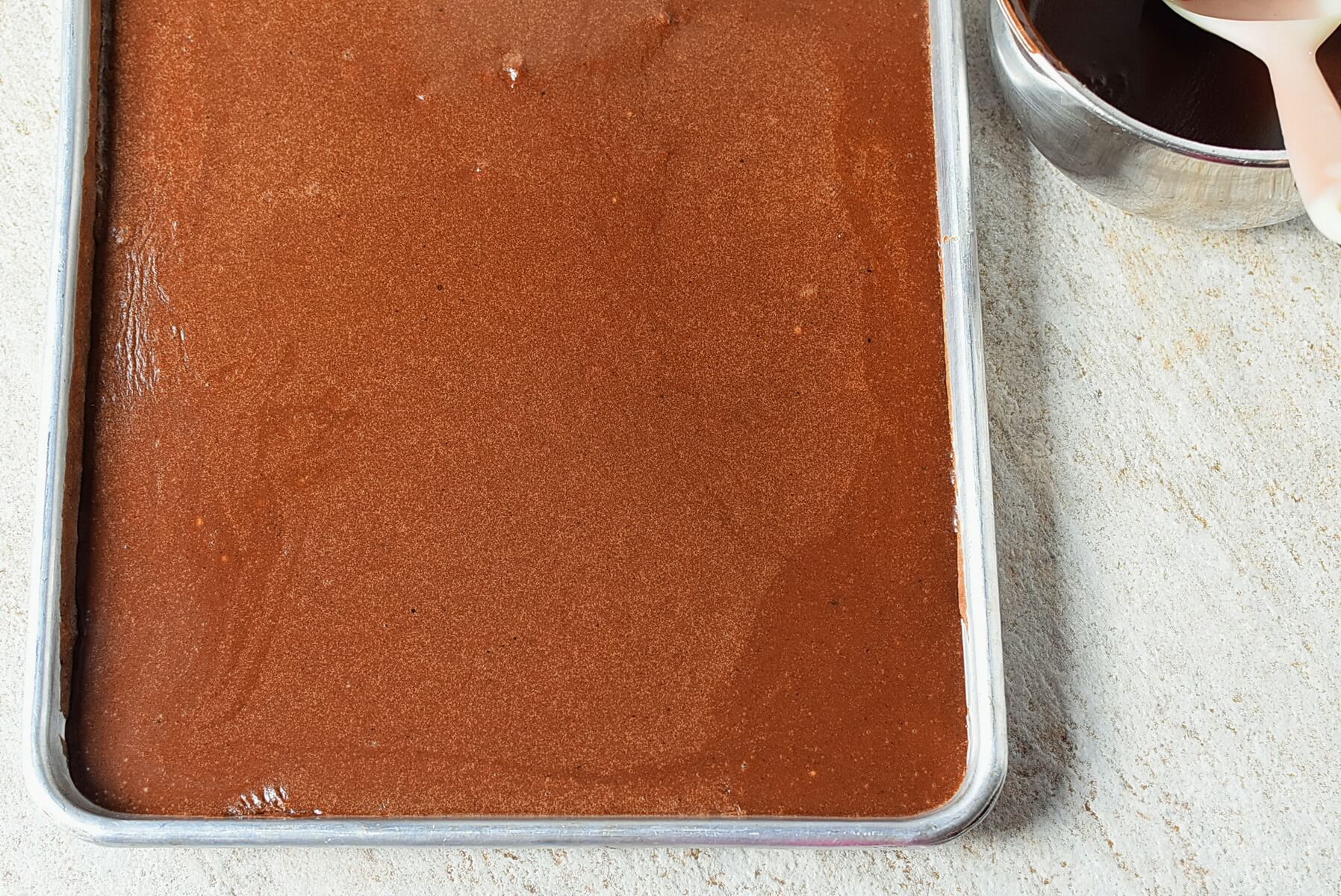
Pour the hot frosting over the hot cake. Using a spatula, spread it evenly over the cake. Allow the frosting to set for about 10 minutes before serving.
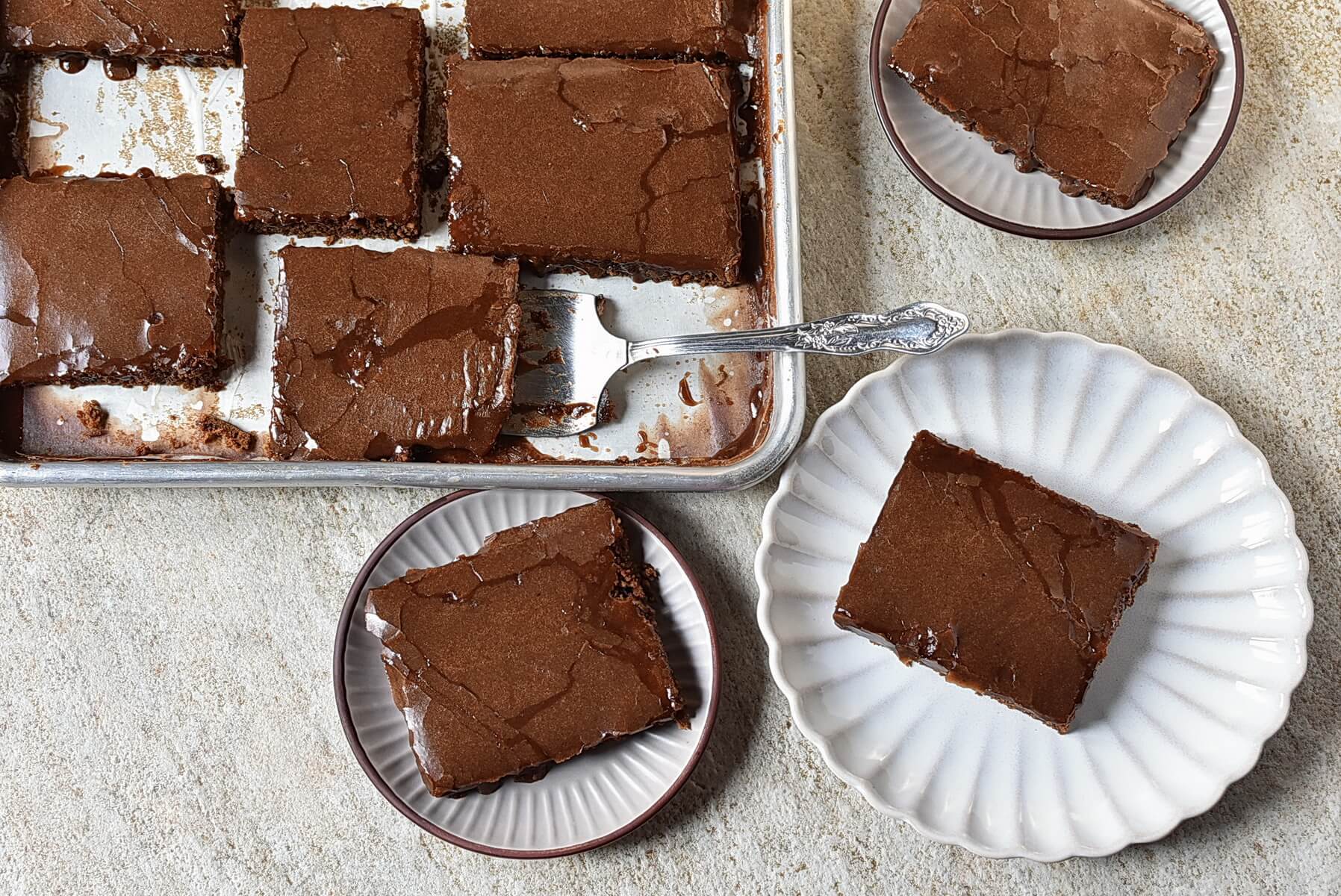
Slice and serve.
You do not need a workshop full of gear, just basics. A medium saucepan with a heavy bottom is best for the boiling chocolate mix so it does not scorch. Grease an 18 by 13-inch jelly roll pan for even cooking. You will want mixing bowls, a whisk or sturdy spoon, a spatula to smooth batter and spread icing, and an electric mixer if you want the frosting silky instead of gritty. Oven at 350 degrees Fahrenheit. A wire rack helps for a quick cool down, but remember we frost hot, so the glaze soaks in. Got your potholders? That pot is screaming hot, and a burn will ruin your day faster than bad brisket.
Keep the heat steady when you bring the water, butter, and cocoa to a boil. Medium heat and constant stirring prevent burning and help the cocoa dissolve cleanly. If you rush it, you risk a bitter edge. Let it bloom and then pull it off the heat.
Room temperature sour cream and eggs mix in smoother. Cold ingredients make lumpy batter, and that shows up in the bake. I usually let them sit on the counter for about twenty minutes. Actually, scratch that. Forty if my schedule allows it.
Pour the frosting while the cake and frosting are hot. That is not a trick. Heat lets the frosting sink into the cake and gives you that crackly top that breaks under your fork and leaves a fudgy mouthfeel. If the frosting looks clumpy, sift the powdered sugar or beat it with the electric mixer a bit longer. For a powerful spin, stir in a tablespoon of instant espresso powder to the boiling chocolate mixture, creating a simple chocolate cake recipe with mocha undertones that cut the sweetness and lift the cocoa. Dissolve the powder fully in the hot liquid.
Do not overbake. Check at fifteen minutes. The toothpick should come out with moist crumbs, not dry clean. Let the cake rest for ten minutes before cutting so the frosting sets slightly and the slices are cleaner.
Medium heat for the chocolate mix. Room temp eggs and sour cream. Pour frosting hot. Fifteen minutes is your first check. Bad timing equals dry edges.
Nuts add texture. Toss in about half a cup of chopped pecans to the batter or scatter them on the hot frosting. Toast them first in a dry pan for five minutes to wake up the oils. It creates a solid contrast in every bite: the soft cake gives way to the hard snap of the nut. This gives the cake a Texas fudge cake vibe while keeping the chocolate front and center.
If you like coffee, start with a teaspoon of instant espresso powder and go up to a tablespoon depending on taste. It deepens the chocolate and makes each slice feel more adult and focused.
Fold in a cup of raspberries or blueberries gently after mixing for bursts of bright acidity. Use frozen when out of season, but pat them dry so they do not water down the batter.
Serve warm with a scoop of vanilla ice cream and watch it disappear. Cold gives a firmer texture good for picnics. A spoon of whipped cream lightens heavy slices. For drinks, milk is classic, but black coffee is my go-to because it echoes the cocoa without adding sugar. Try a sprinkle of sea salt on top for a small savory pop.
I once brought this to a backyard cookout in Chicago, and folks kept asking who made it. Made my day. Brisket was jealous.
Questions pop up like bubbles in a sauce, so here are the ones I hear most. If you want the step list, it is the usual: preheat, mix dry, boil the chocolate mix, combine, bake, make the frosting, and pour it hot. The method is simple and reliable.
Yes. Swap plain yogurt or buttermilk in equal measure. Yogurt works fine, though the cake is a touch lighter than with sour cream. Half a cup does the job.
Cover the pan tightly with foil or transfer slices to an airtight container. Room temperature for two days keeps it soft. Refrigerate up to a week and bring to room temp before eating. Freeze wrapped well, then thaw overnight.
Thin with a tablespoon of milk at a time until it pours and spreads. Beat it a bit to remove lumps. Adjust slowly so you do not get runny icing.
Replace all-purpose flour with an equal amount of a gluten-free blend and add a bit more sour cream if the batter seems dry. Bake a minute less to prevent drying out.
Yes. Fold in chocolate chips or chopped nuts last so they distribute evenly. About a cup works if you want pockets of melt or crunch.
There’s something deeply comforting about a Texas Chocolate Sheet Cake, a classic that combines simplicity with indulgence. Perfect for gatherings or a cozy night in, this cake features a rich and fluffy texture that drapes beautifully under a glossy chocolate frosting. With just a few straightforward steps and no nuts to distract, it invites even the most novice baker to step into the kitchen and create something truly delightful.

Unsurpassed simple deliciousness!