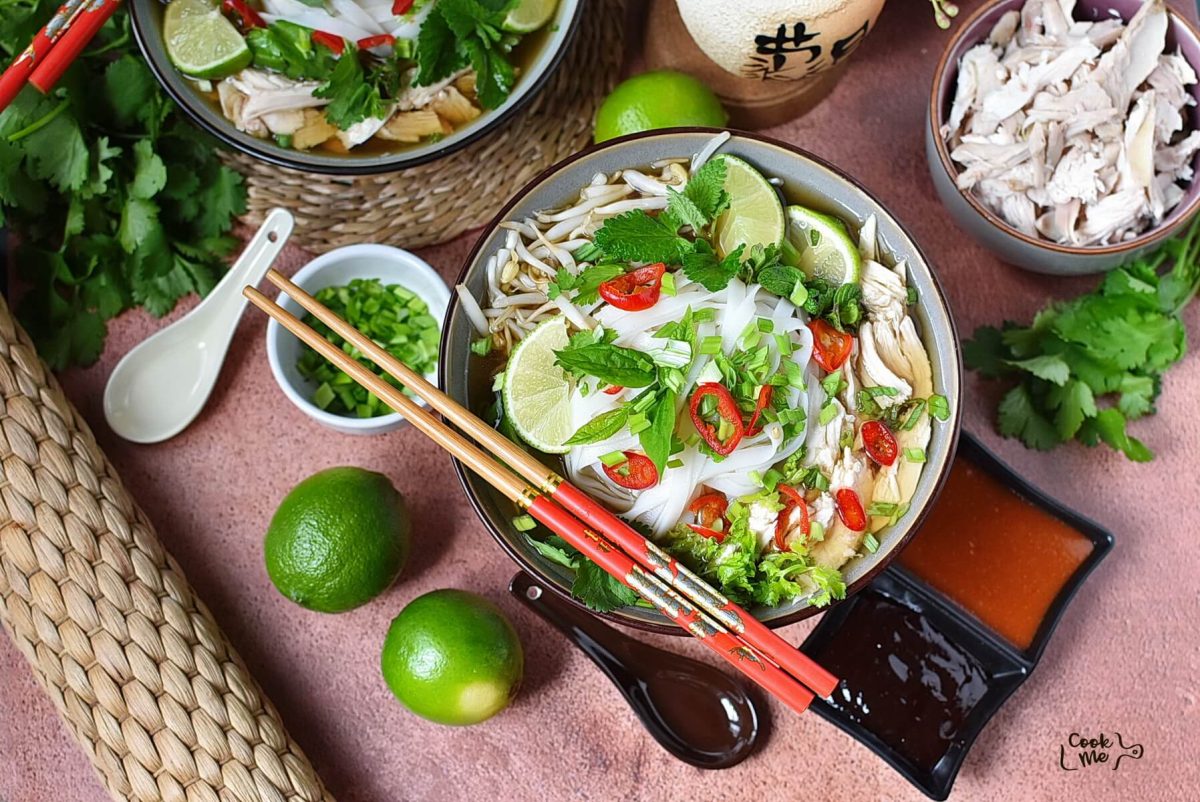
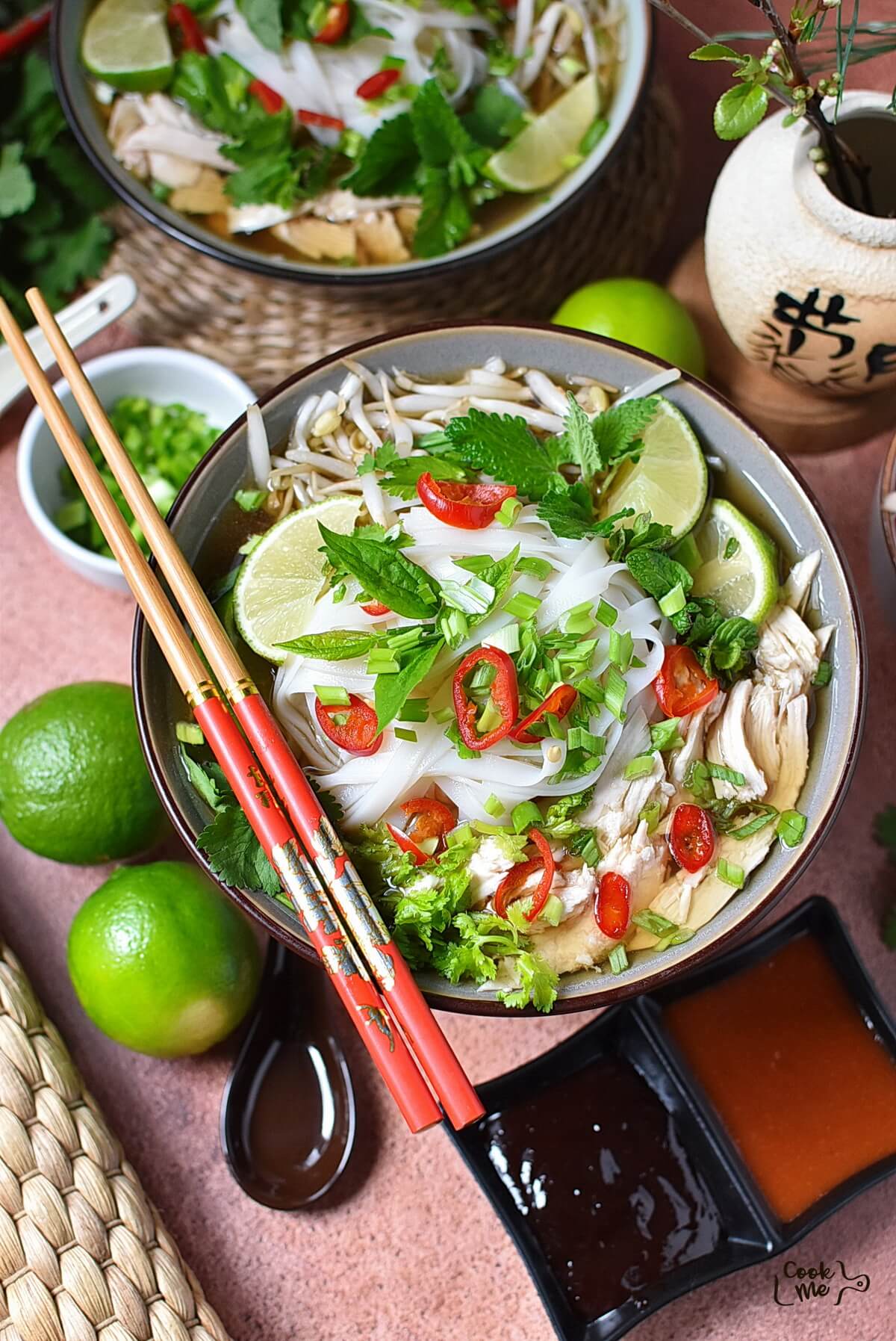
When I say this is my go to bowl for soggy days and low energy, I mean it. It grew out of foggy mornings in Port Townsend where the house smelled like slowly simmering broth and my mother Meilin would call me over with a wooden spoon. She taught me to build flavor, not dump it, which makes sense because my dad Peter was an engineer who liked things precise. So I assemble this soup like a small structure of taste: charred aromatics, a careful tuck of spices, and gentle simmering until everything sits in balance.
This is my take on authentic pho ga, not a museum piece. It keeps the lightness of chicken while still having deep notes from star anise and cinnamon that thread through the broth like a quiet piece of late night jazz my dad used to play. My Tokyo week left me a love for subtle miso like a memory tucked in the back of the pantry, and Bangkok taught me that confident spice can be patient and kind. The result is a soup that feels like my mother saying, “I care enough to simmer this for hours.”
The thing I love is how simple ingredients perform when you treat them with attention. Char the onions and ginger, and you give the broth a smoky backbone. Add fish sauce and a little sugar and you get this balance that lingers the way an unfinished sketch pulls you back. It is an easy chicken pho recipe in spirit, but it still rewards the small rituals. It feeds the body and, honestly, it steadies my head when the rain will not stop.
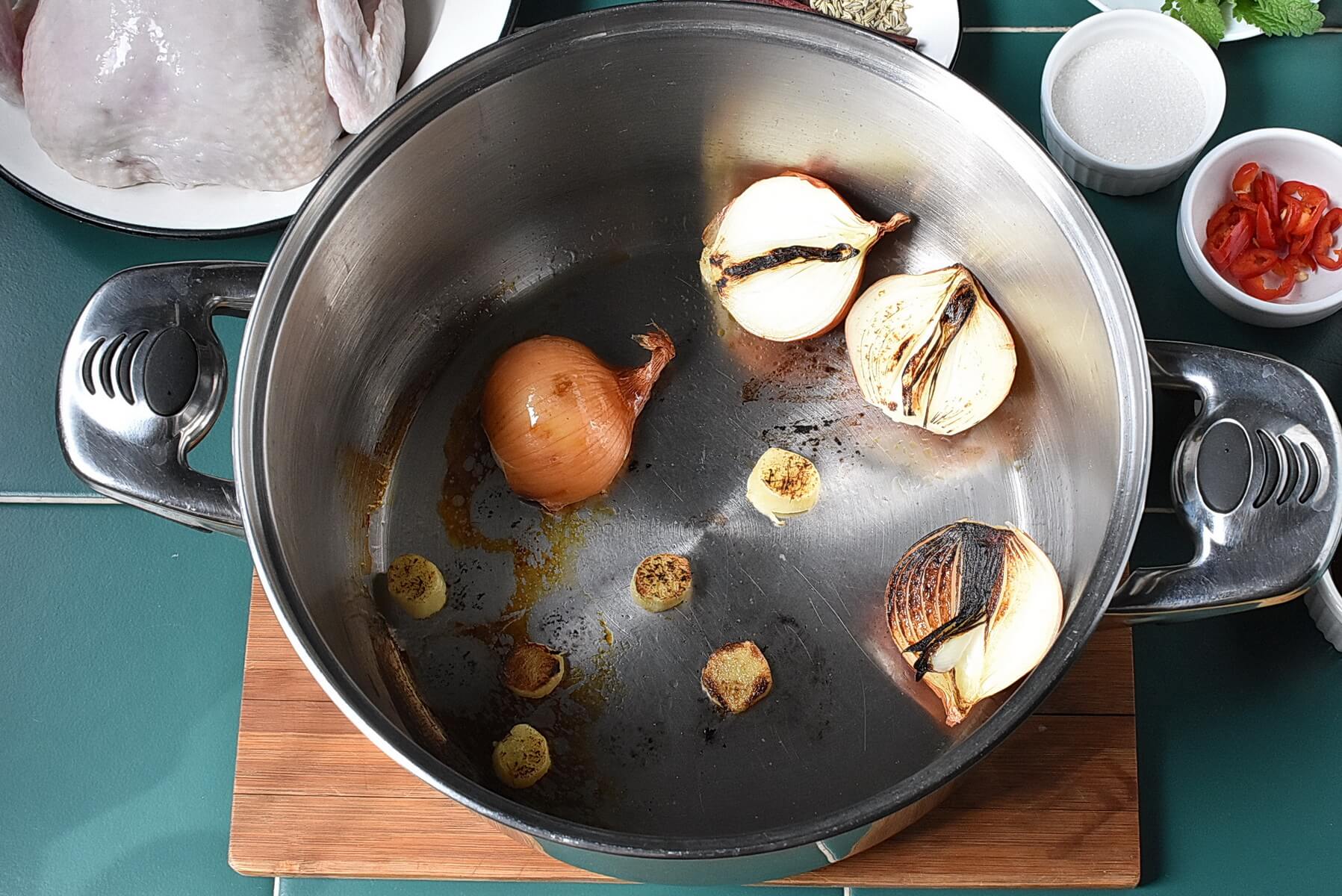
Heat 1 tablespoon oil in a 6-quart pot over high heat. Place the onions and ginger cut-side down, leaving them undisturbed for 2 minutes until charred. Flip over and leave for another 2 minutes.
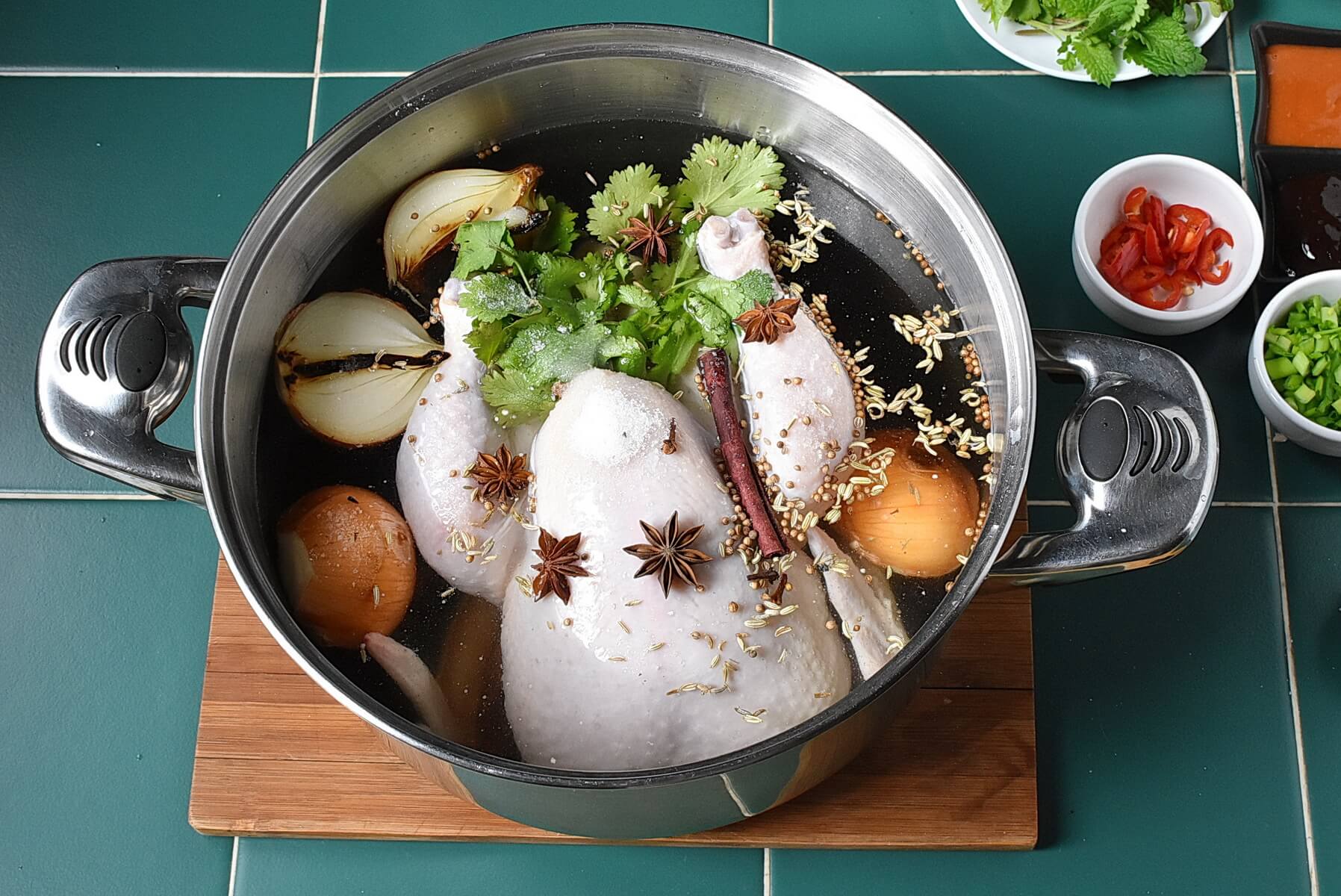
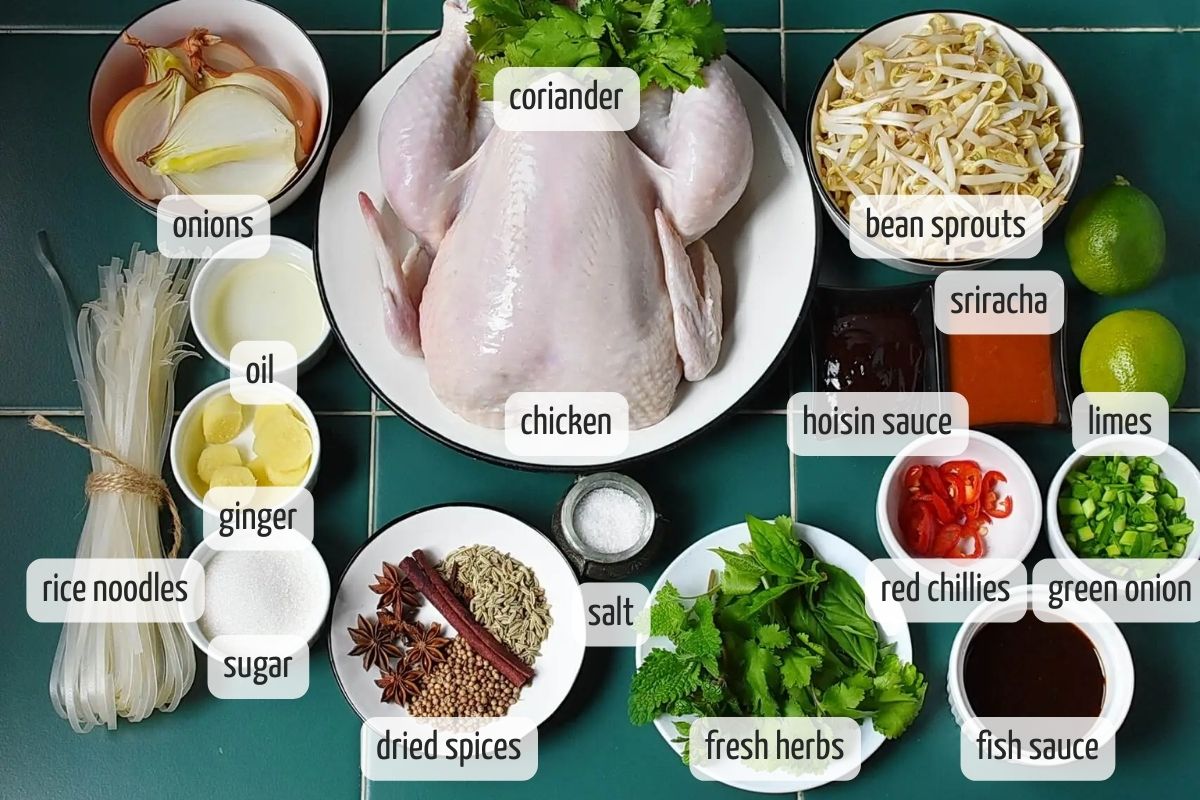
Add in 2 quarts water, 1 whole chicken, 1 small bunch cilantro, 5 pods star anise, 1 cinnamon stick, 4 cloves, 2 teaspoons fennel seeds, 2 teaspoons coriander seeds, 8 teaspoons fish sauce, and 6 teaspoons white sugar. Bring to a gentle simmer.
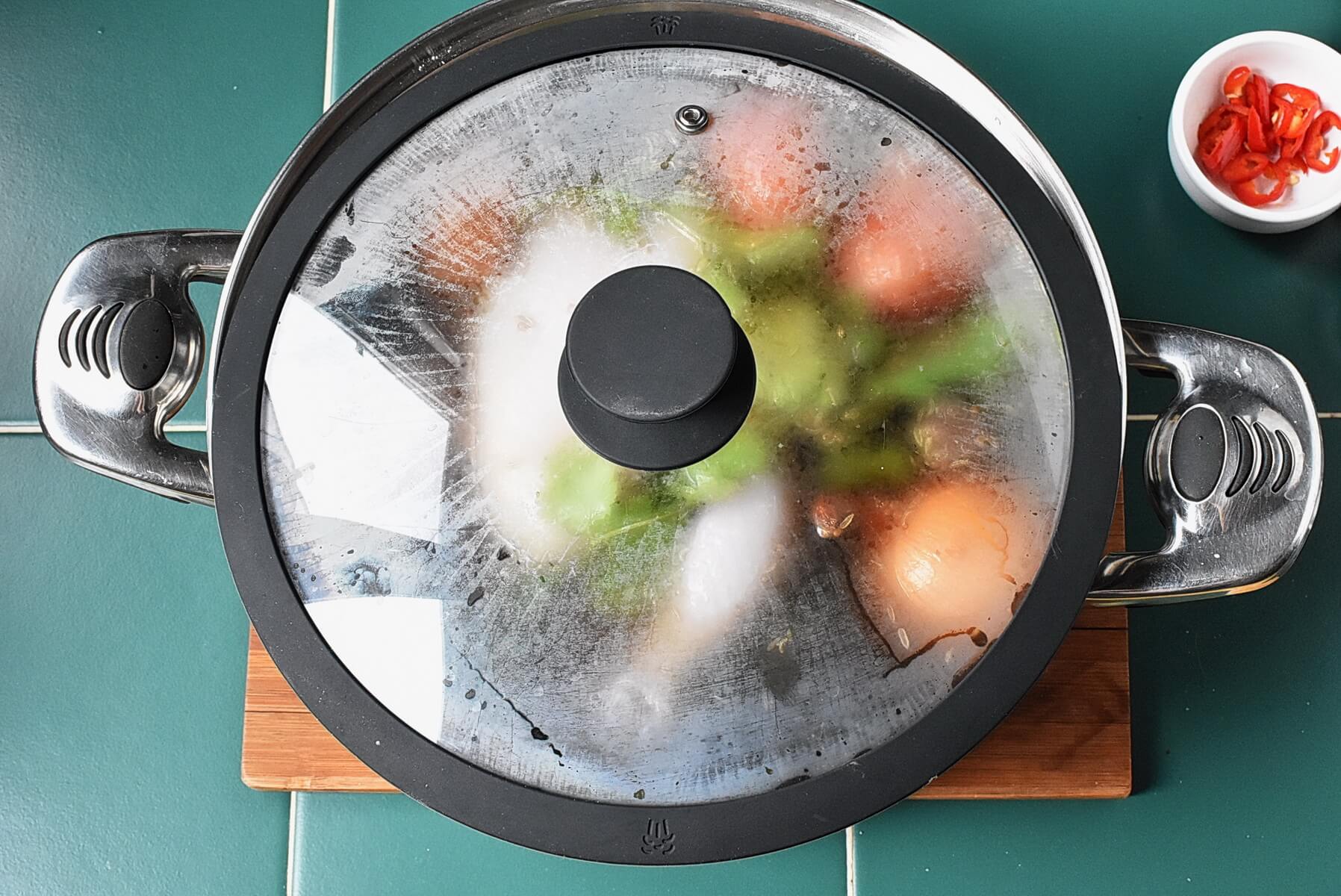
Simmer gently for 1.5 hours with the lid slightly ajar, skimming off any foam for a clear broth.
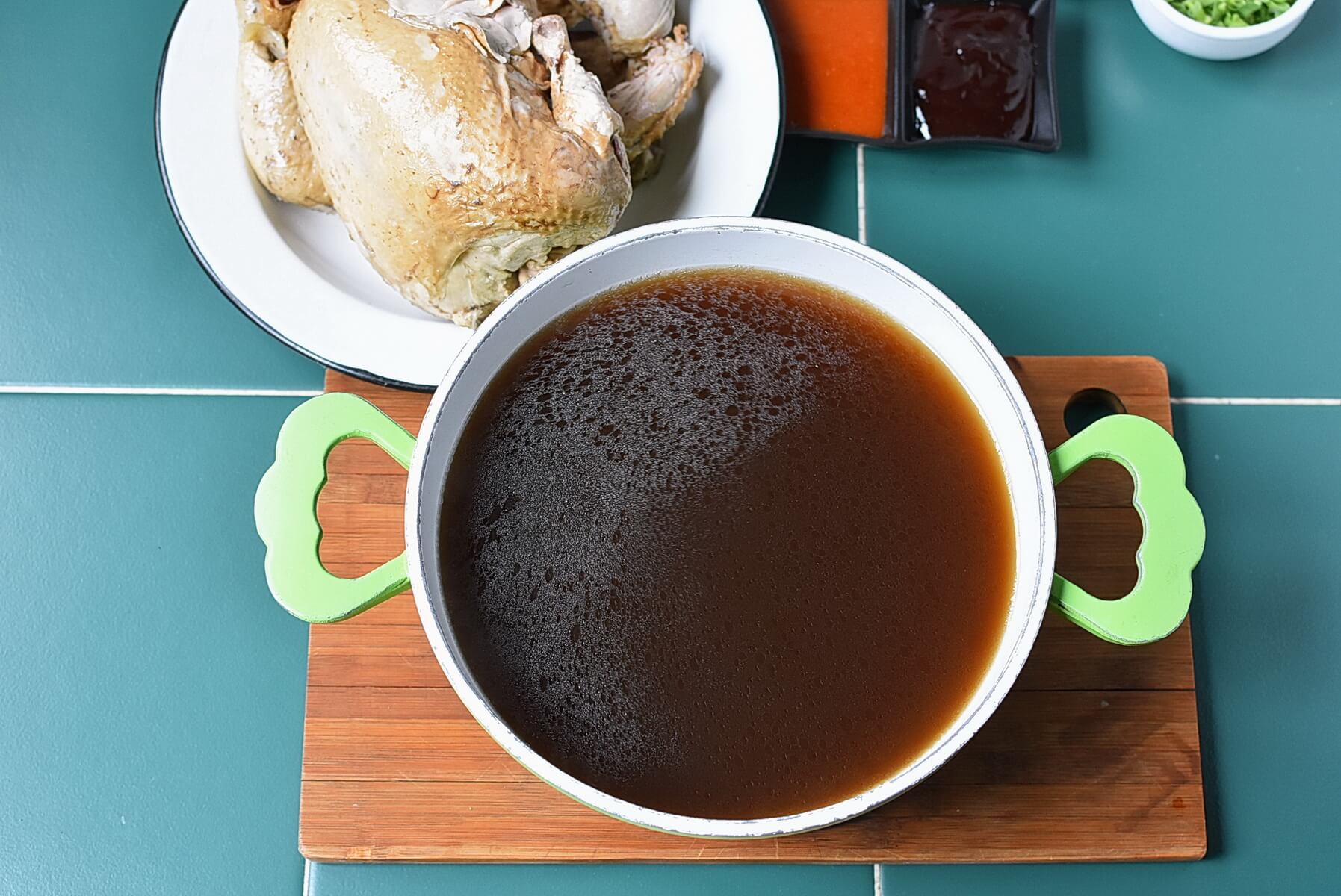
Remove the chicken and set aside. Strain the broth into a clean pot. You should have 1.5 quarts. If you have more, simmer to reduce. If less, add some water.
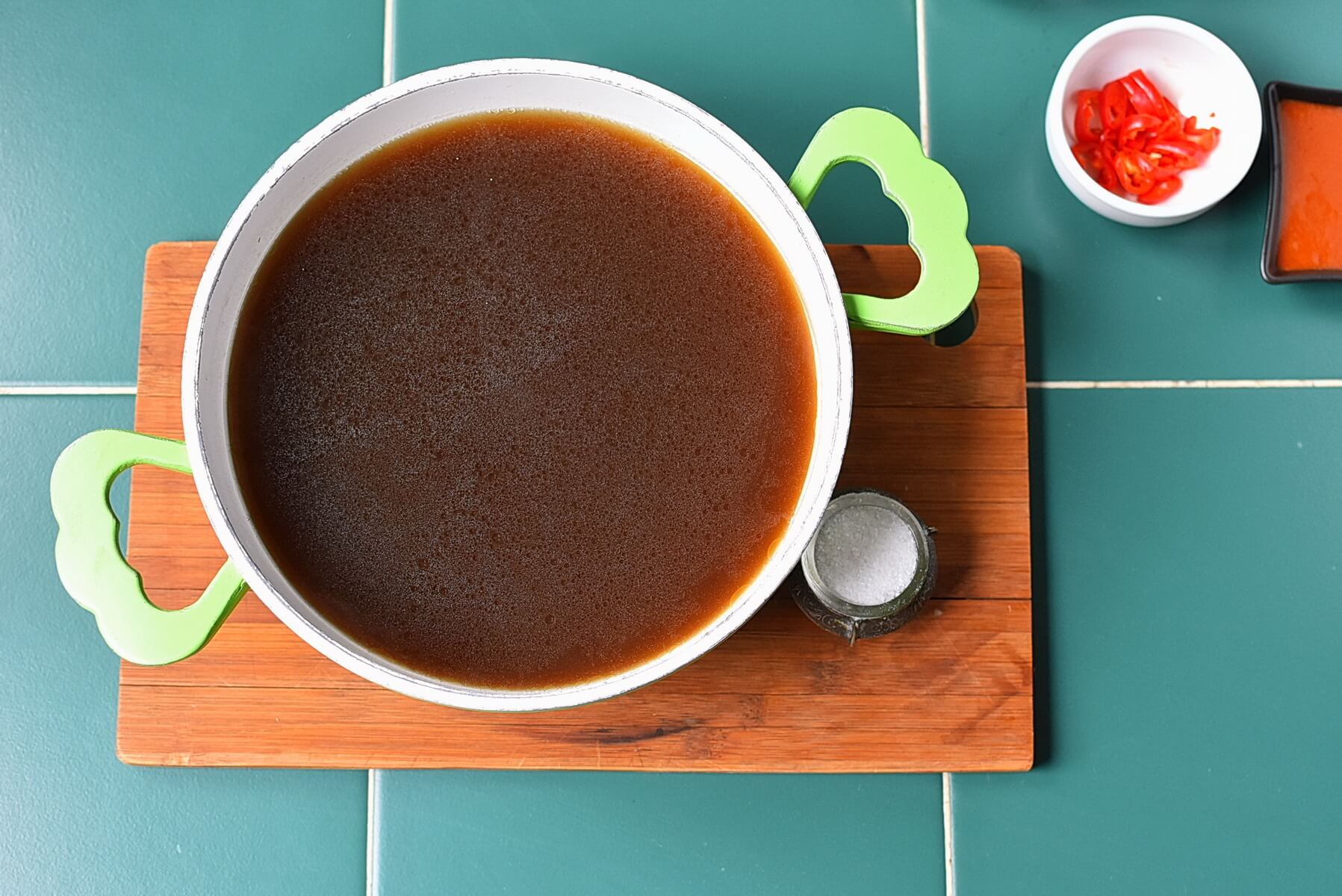
Add in ¾ teaspoon kosher salt and gently simmer the broth; it should taste slightly salty as it will dilute with the noodles. Keep the broth warm until you are ready to serve.
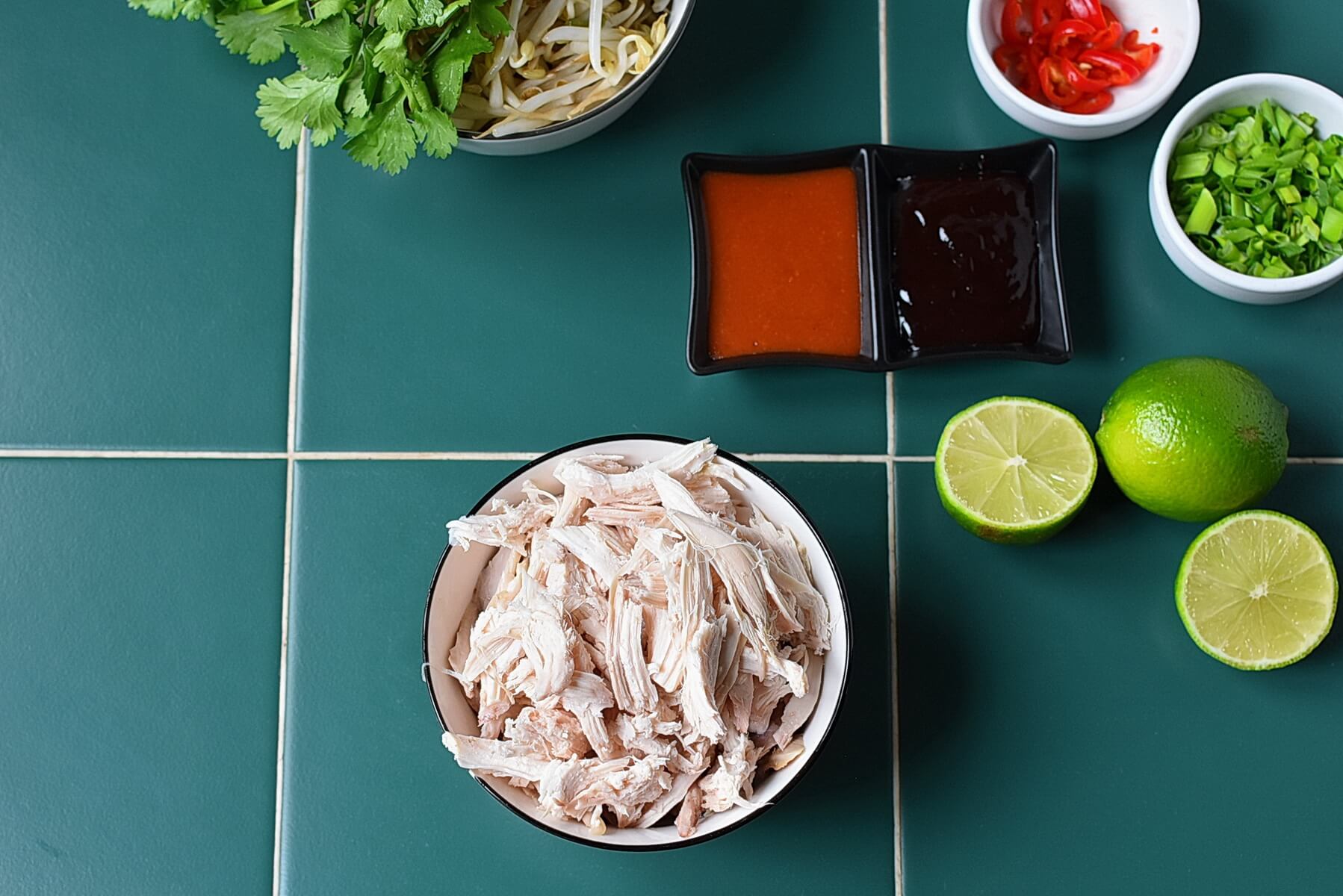
Shred the chicken meat, discarding bones and skin. You won’t use all of it for pho, so use the leftover chicken for fried rice, salads, soups, or stir-fries.
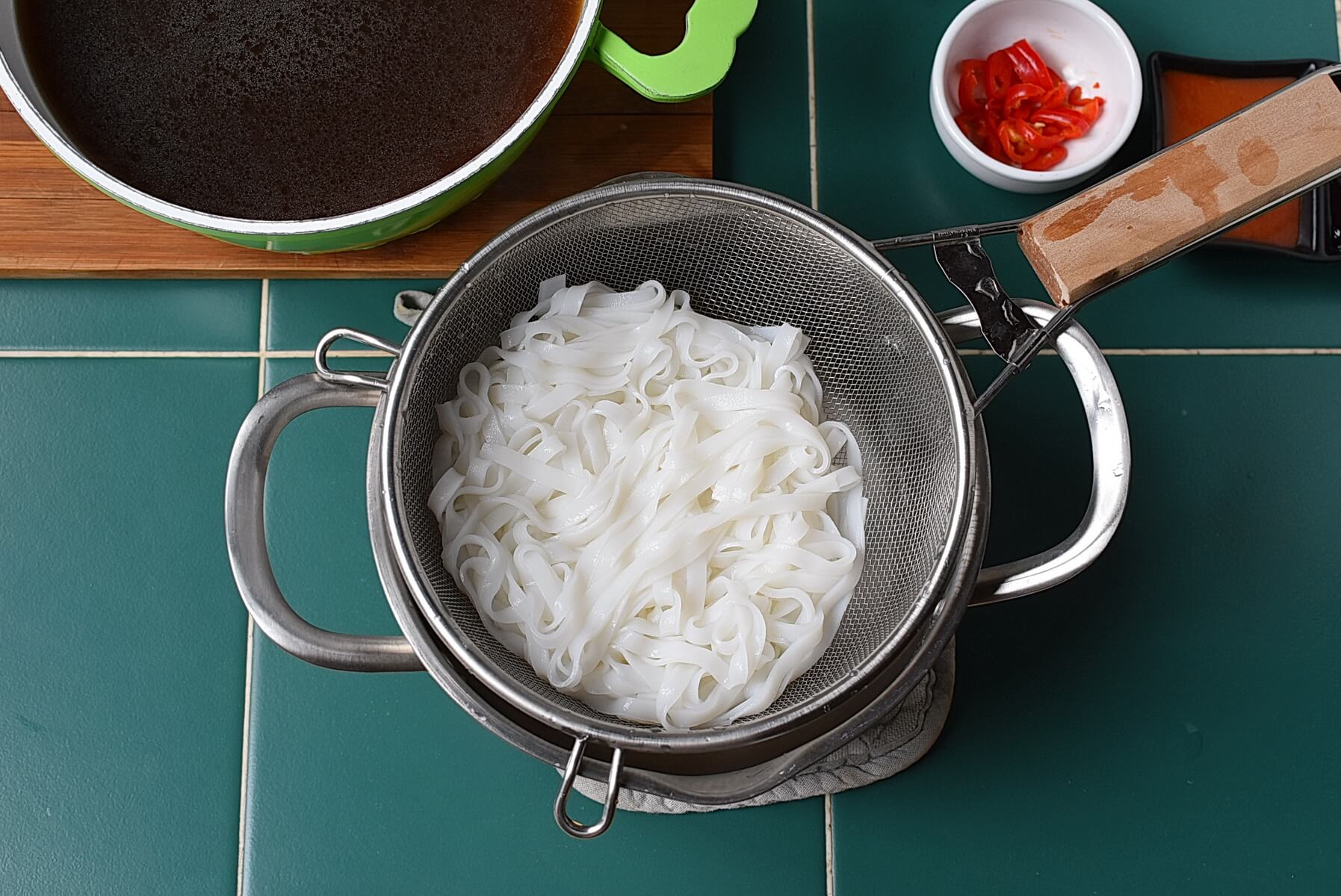
Just before serving, prepare the noodles according to the package instructions. Drain well to avoid diluting the broth.
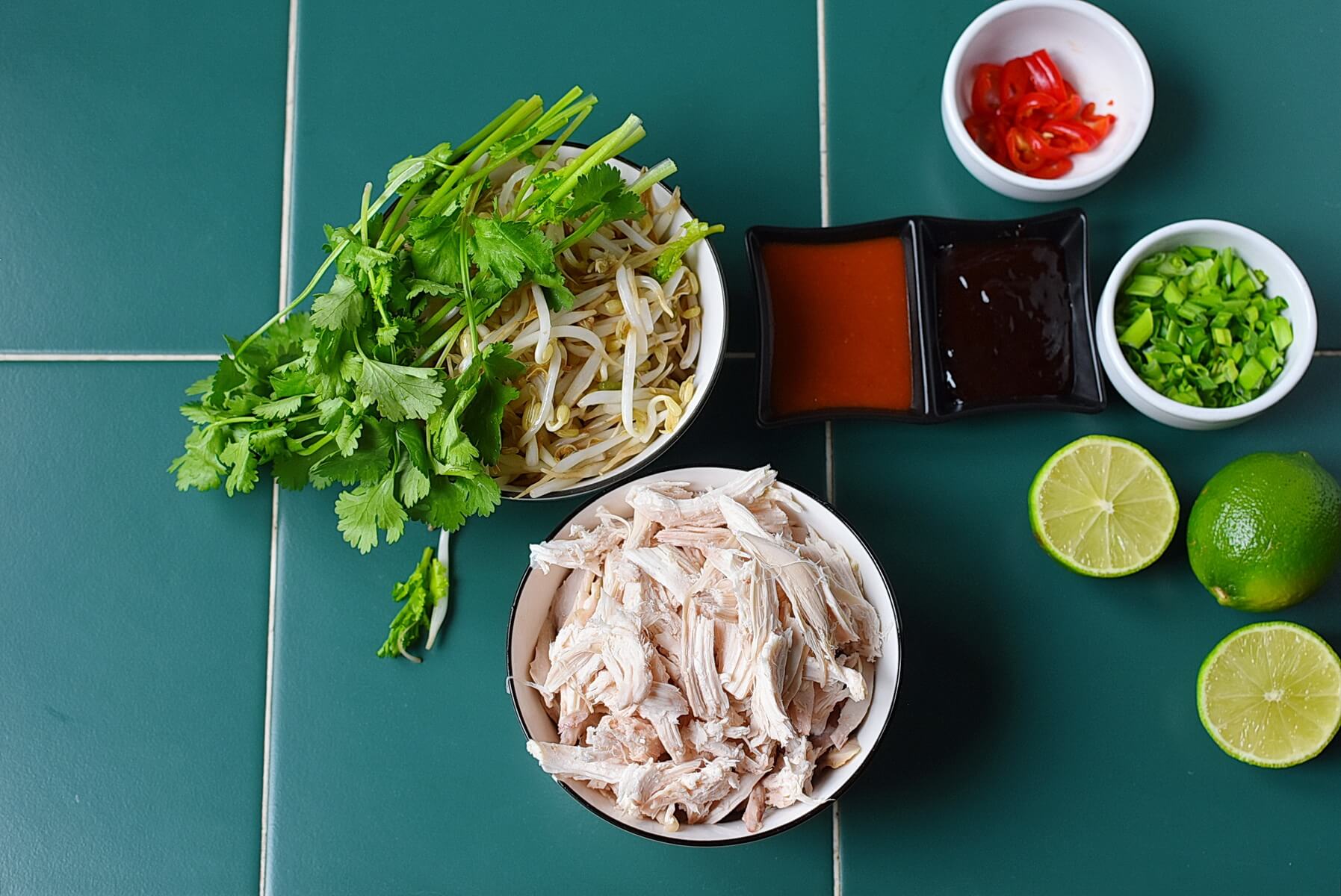
Set out the toppings and reheat the chicken (briefly dunk it in the warm broth).
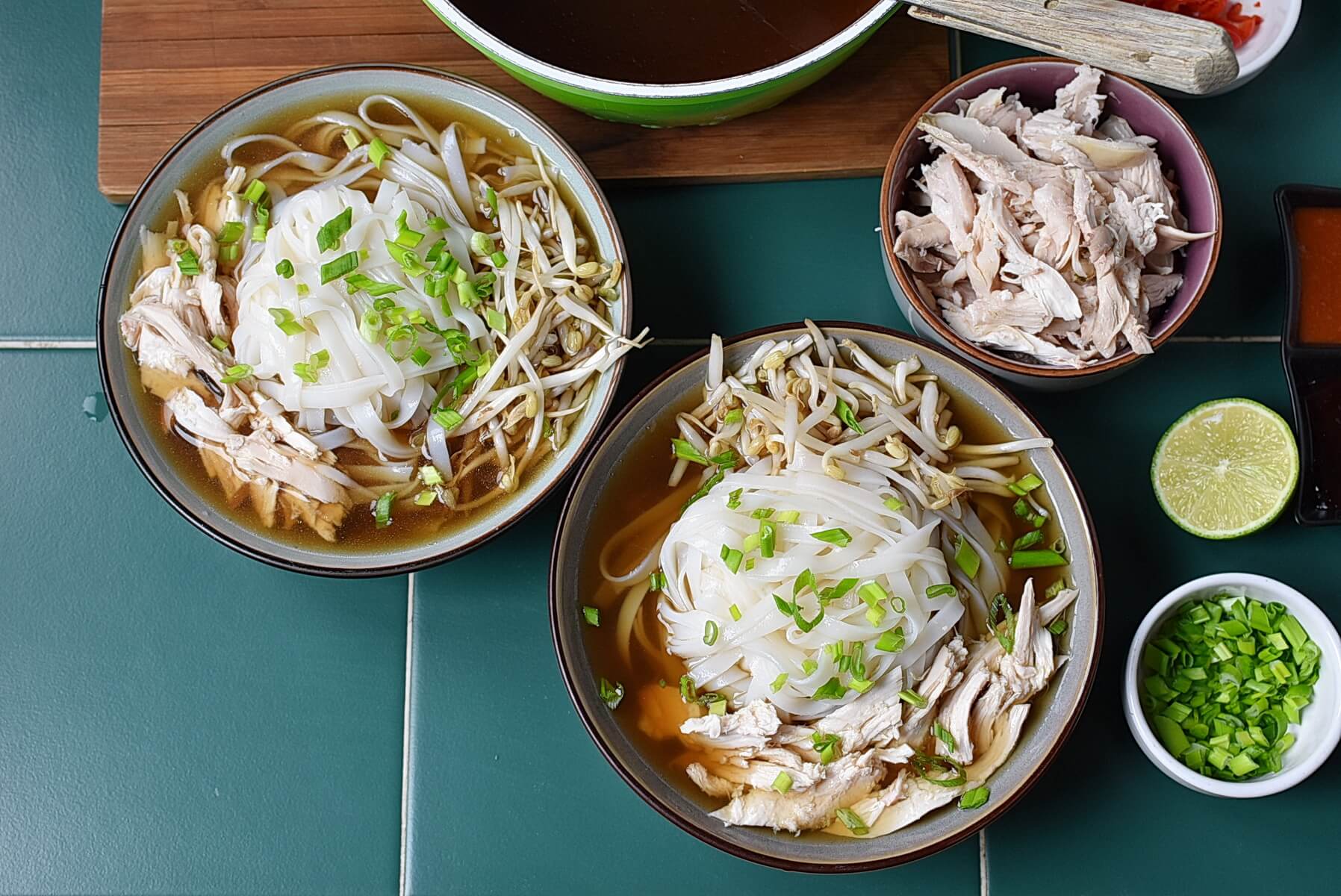
Divide the noodles into bowls. Top each bowl with shredded chicken and ladle 1.5 cups of broth per serving over the top. Sprinkle with sliced green onions.
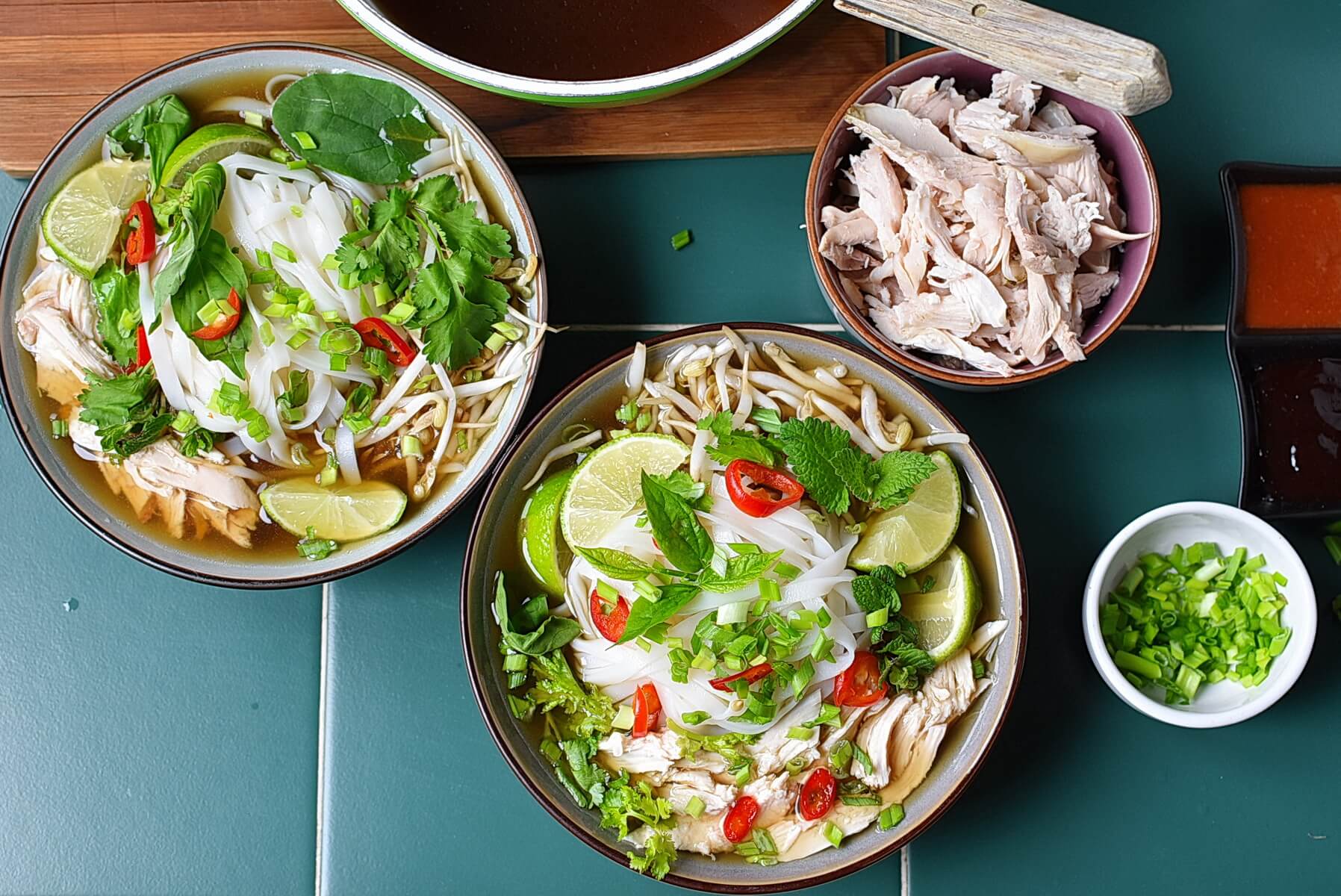
Pile on your choice of toppings and add a squeeze of lime to the broth. Serve right away!
Grab a large pot, something around six quarts, or use your Dutch oven with the heavy bottom. It helps distribute heat so nothing scorches when you char onions and ginger. A sharp chef knife and a sturdy cutting board make the job faster and neater. Tongs are clutch for flipping hot aromatics. For a clear broth you will want a fine mesh strainer, or a colander lined with cheesecloth if that is what you have. And a ladle that holds a good amount of broth makes serving less splashy.
For the noodles, a pot for boiling and a colander for draining are all you need. Forks are fine for shredding the chicken, though sometimes I use my hands once the meat cools a little because it feels more tactile, like cross hatching a page. Small bowls for herbs and a mandoline if you really want razor thin chili slices are optional. Also, a timer. I forget things when I get lost in the smell. Yep, that happens to me a lot.
OK so here is the onion and ginger trick: char them right in the pot with a little oil over high heat. Let the cut side brown without fussing. That quick sear gives a smoky caramelization that the broth will pick up, grounding the whole bowl. The char is your reward. It is what my mom Meilin would call the soul of the broth. I learned this by watching her more than by reading it anywhere.
The spices are simple: star anise, cinnamon, cloves, fennel seeds, coriander seeds. Toasting them boosts their fragrance, but in this recipe a gentle simmer works too because it draws out their oils slowly without turning bitter. Keep the pot at a soft simmer and leave the lid slightly ajar so steam can escape and the broth stays clear. Skim the foam as it appears. That foam is just protein and bits from the chicken and getting rid of it keeps the liquid looking like glass.
Use chicken pieces with the bone in and the skin on. The bones release gelatin into the broth as it cooks, which creates a velvety mouthfeel that feels like the broth has structure rather than only salt. The skin adds fat for richness and we discard it later if we want a lighter bowl. Simmer gently for about an hour and a half; that timing brings the flavors together and leaves the meat tender enough to shred.
Seasoning is where you have to taste. Fish sauce is the umami anchor, sugar smooths the edges, and I add salt at the end because the broth will reduce and concentrate. Prepare noodles just before serving so they stay springy. Fresh herbs and toppings should be chopped right before you assemble the bowls. Their brightness cuts through the richness and makes each spoonful pop.
Veggie forward version: Swap chicken for a mix of mushrooms and firm tofu and use a rich vegetable stock. Mushrooms like shiitake or oyster bring earthy umami that echoes meat, and tofu added near the end will soak up flavor. Use soy or miso to replace fish sauce. It becomes a powerhouse built on plants and still reads as homemade pho soup.
Fire and warmth version: Want heat? Double the ginger and add sliced red chilies while you char. That makes a spicy chicken noodle soup that builds in the bowl rather than shocking you at the first sip. Add an extra star anise or two to keep the spice balanced so licorice and heat can coexist.
Weeknight shortcut: Short on time? Use stock that is pre made and shredded rotisserie chicken. Simmer the spices briefly to wake them up and then finish with fresh herbs. It will not have the same depth as long simmered broth, more like a quick gesture drawing than a finished illustration, but it is honest and satisfying. I use this trick a lot on busy Portland weeks.
Set out bowls of bean sprouts, Thai basil, mint, cilantro, lime wedges, hoisin and sriracha so everyone can customize. Bean sprouts give crunch; herbs give brightness; lime wakes everything up. For sides, keep it light so the soup stays the main event. Quick cucumber pickles or a simple shredded cabbage salad in fish sauce vinaigrette are nice. Sometimes I put out spring rolls for contrast. It is all about balance.
If you are wondering what to serve with pho, think fresh and crisp rather than heavy. A cold iced tea or a light lager pairs well. For a crowd, double the toppings and set sauces on the table so people can adjust sweetness and heat.
Start with cold water and bring to a gentle simmer. Never a rolling boil because that drags impurities into the liquid and makes it cloudy. Skim frequently, char your aromatics, and strain through a fine mesh. If it still looks hazy, chill the broth and remove the solidified fat. Patience here makes the difference between a cloudy pot and a clear, fragrant broth that looks like liquid gold. I learned this the hard way back when I worked at a vegan cafe by Lake Union and over simmered my first batch. Yep, I made that mistake in front of a class.
Yes. Add chilies during the initial char and finish with sriracha at the table. If you are sensitive, remove seeds to tame the heat. Go slow and taste as you go so the heat layers rather than obliterates the star anise.
Fresh spring rolls, a simple green salad, or quick pickles make good companions. Avoid dense breads that fight with the broth. When I host, I like a platter of little things: herbs, pickles, and grilled lemongrass skewers so people can mix textures and flavors themselves.
Yes. Use vegetable stock and mushrooms for body, and swap fish sauce for soy or miso. Add tofu for protein. The texture will be different but the spices still sing.
Cool the broth fast and store in the fridge for up to three days. Freeze portions without noodles for a month. Reheat gently and add fresh herbs when serving so they keep their brightness. Noodles do not store well cooked; they get floppy, so keep them separate if you can.
Soothing and aromatic, this Vietnamese Pho Ga Soup warms the soul with its rich flavors. This recipe brings together tender chicken, fragrant spices, and fresh herbs to create a bowl of goodness that is both satisfying and nourishing. Perfect for family gatherings or cozy nights at home, this pho invites you to savor each spoonful. Made it? We'd love to see! Tag us on social with @CookMeRecipes and use the hashtag #cookmerecipes.

Rich and aromatic gf noodle soup!