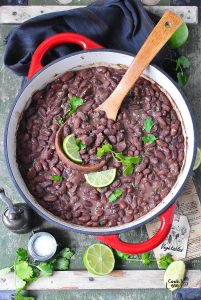


This soup is what I reach for when the weather takes a turn and you need a bowl that actually fills you up. I built it from dried beans and honest meat, the kind of food my family trusted on Sunday afternoons. It starts simple: Beans that get a quick soak, then a slow simmer with a mirepoix and diced ham until the broth is rich and the beans break on the tongue.
I like it because it does a few things right at once. The beans give you a steady, earthy backbone. The ham brings smoke and salt without trying too hard. A bay leaf or two and a bit of thyme pull the pieces together. It is straightforward cooking. No tricks. Just heat applied the right way and patience. Actually, scratch that. It is simple and it is clever at the same time.
I learned pieces of this on different stoves: Buffalo mornings, the brutal pace of Chicago kitchens, and a year chasing smoke in Austin. All that taught me to respect time and temperature. Low heat wins here. Let the flavors settle and mingle until the beans are tender but still have a little structure. Shortcuts work in a pinch, but the slow route is worth it if you have the time.
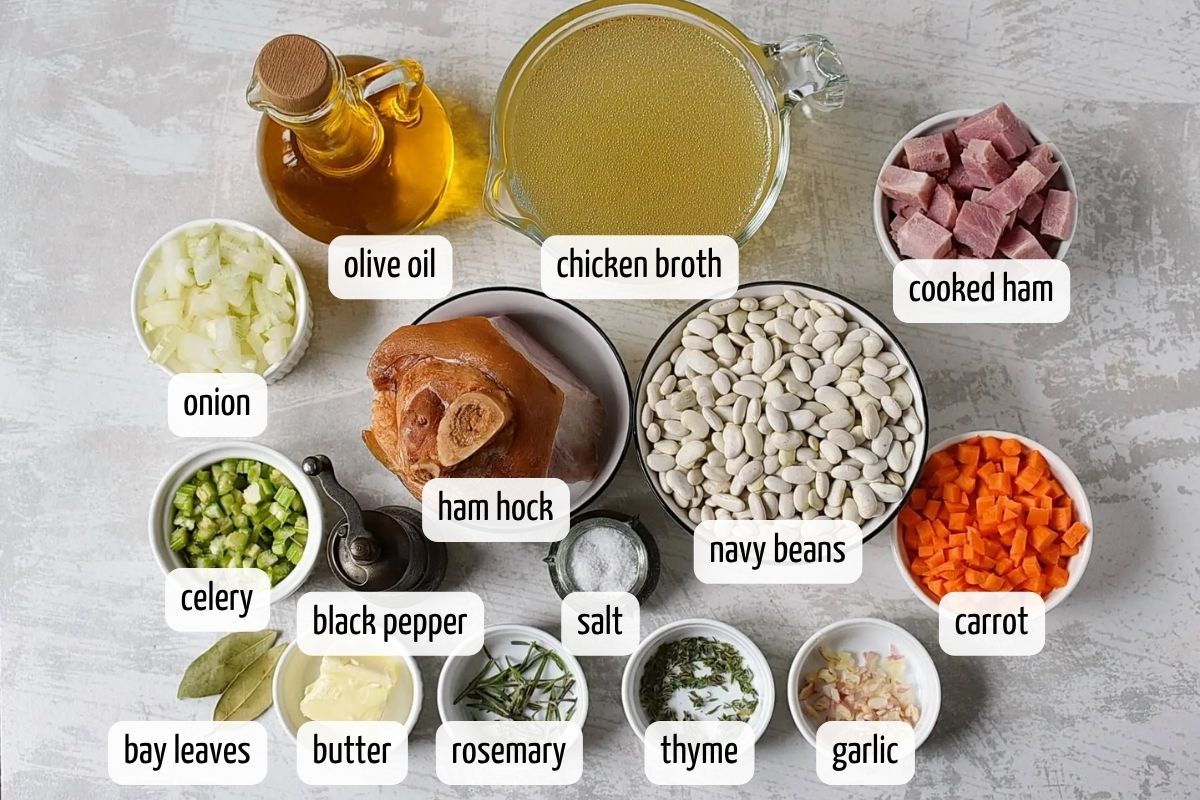
To make the Navy Bean Soup, you will need the following ingredients:
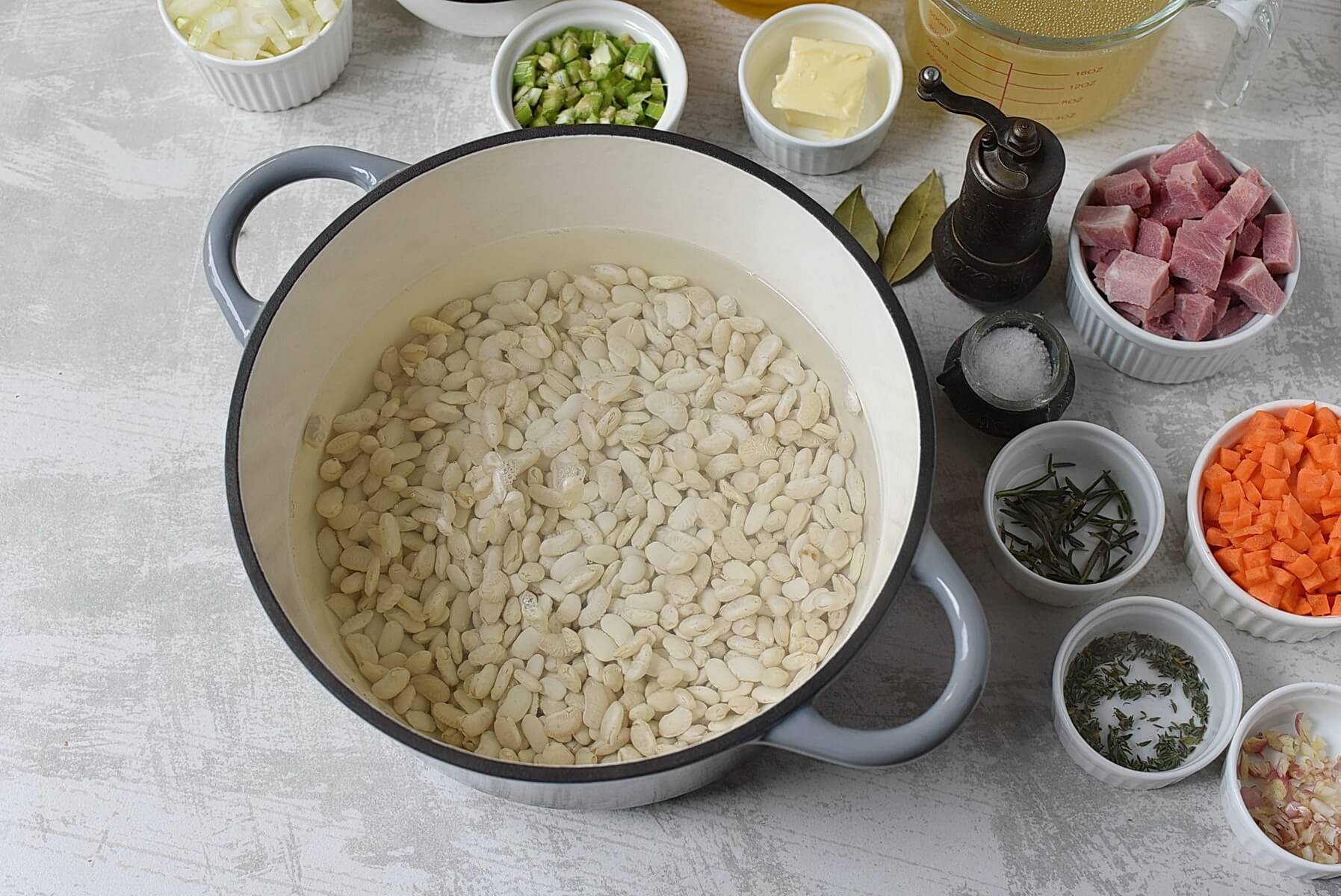
In a large, heavy pot or Dutch oven, add 1 pound dried beans and 4 cups hot water and bring to a boil over medium-high heat. Boil for 2 minutes, then remove the pot from the heat. Cover and let soak for 1 hour.
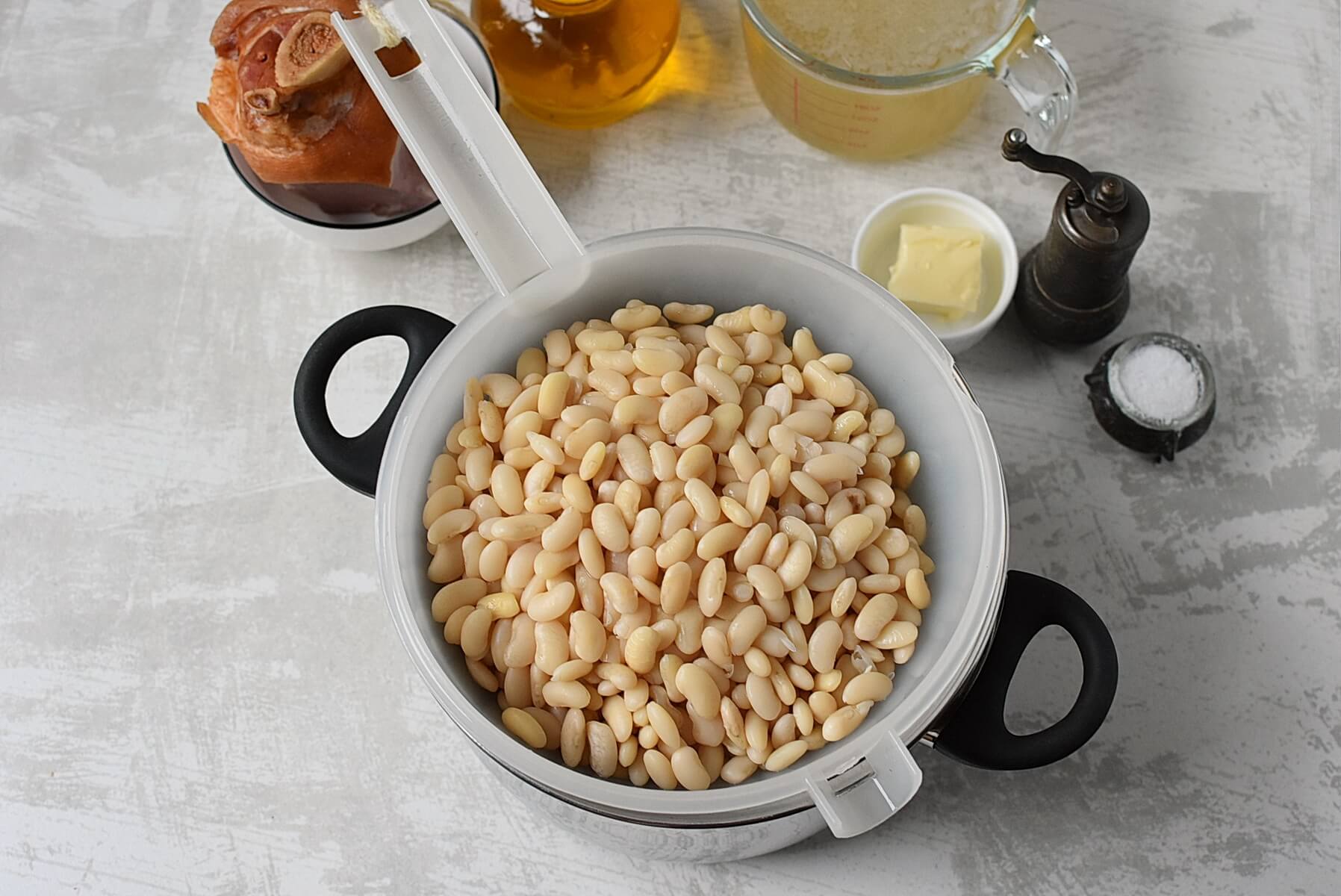
When the beans are done soaking, drain them through a colander. Wipe the pot clean.
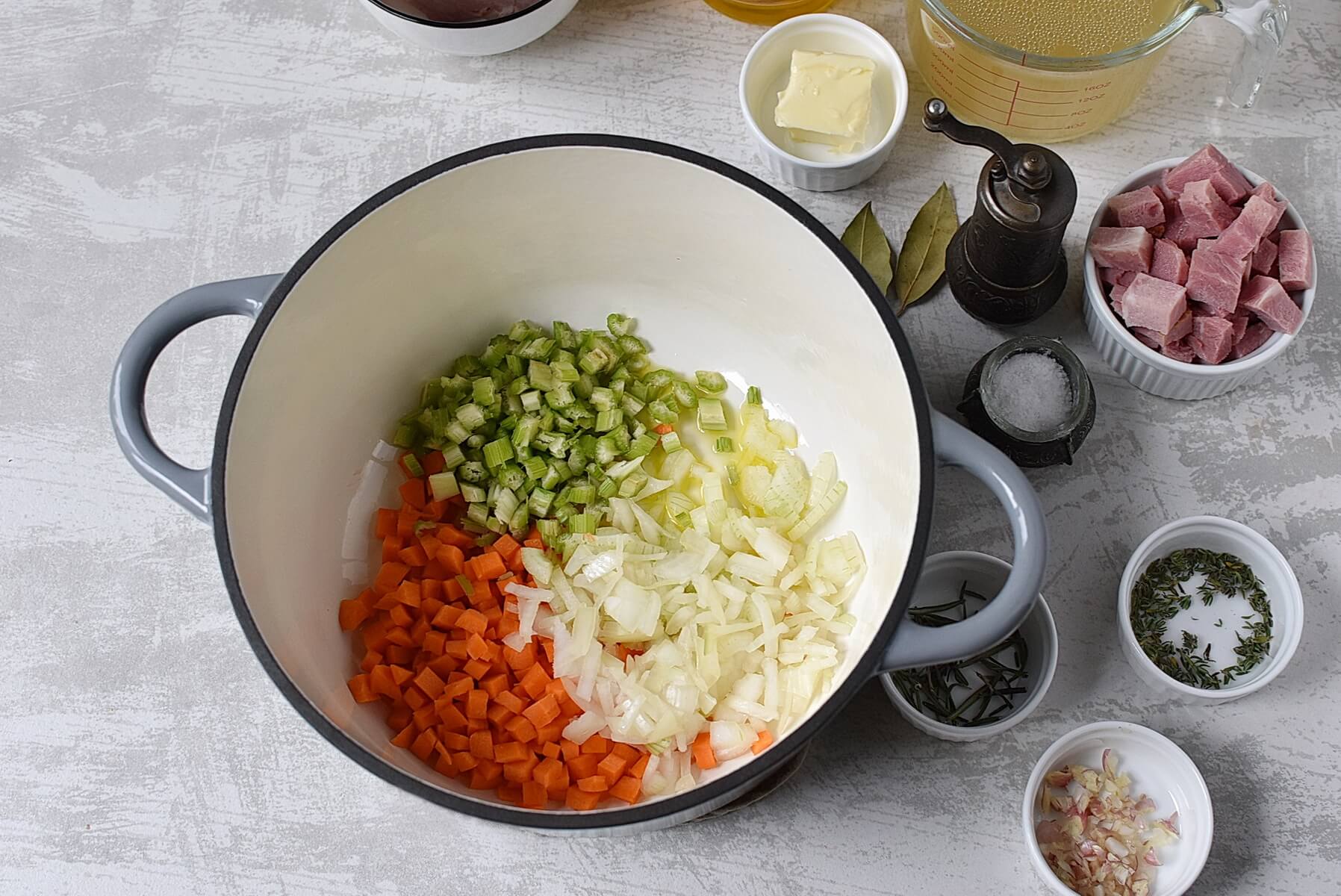
In the same pot over medium heat, heat 2 tablespoons olive oil until shimmering. Add the finely chopped onions, carrots, and celery and cook, stirring occasionally, until aromatic and start to soften, about 3 minutes.
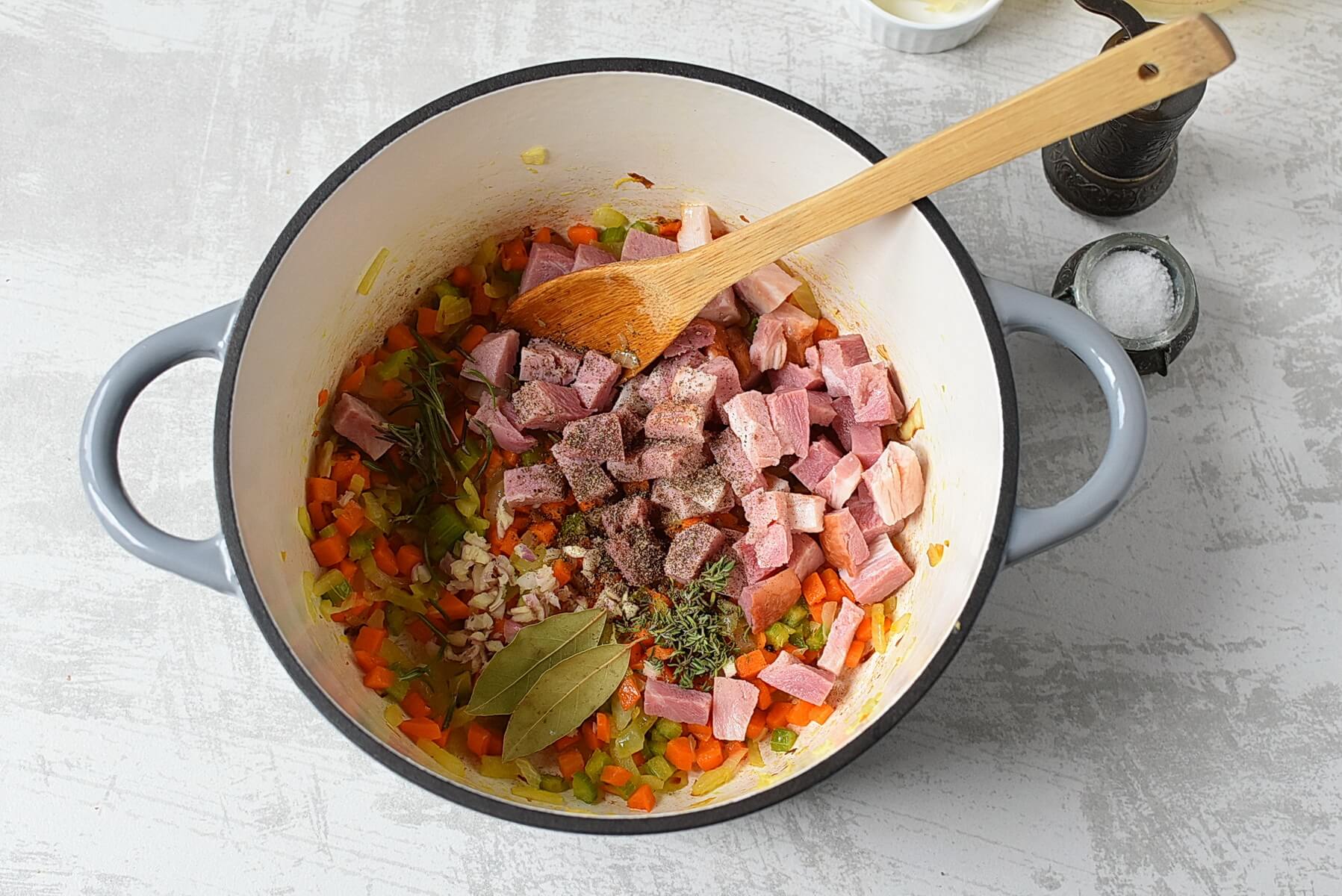
Add the chopped garlic, diced ham, 2 bay leaves, 2 teaspoons black pepper, 1 teaspoon kosher salt, ½ teaspoon dried thyme, and ½ teaspoon dried rosemary. Sauté, stirring, until aromatic, about 1 minute.

Add the drained beans and stir to combine. Nestle 1 smoked ham hock into the bean mixture (optional). Pour in 6 cups low-sodium chicken broth and bring to a boil over high heat.

Lower the heat to medium-low and simmer, stirring occasionally, until the beans are tender, 1 hour 30 minutes to 1 hour 45 minutes.
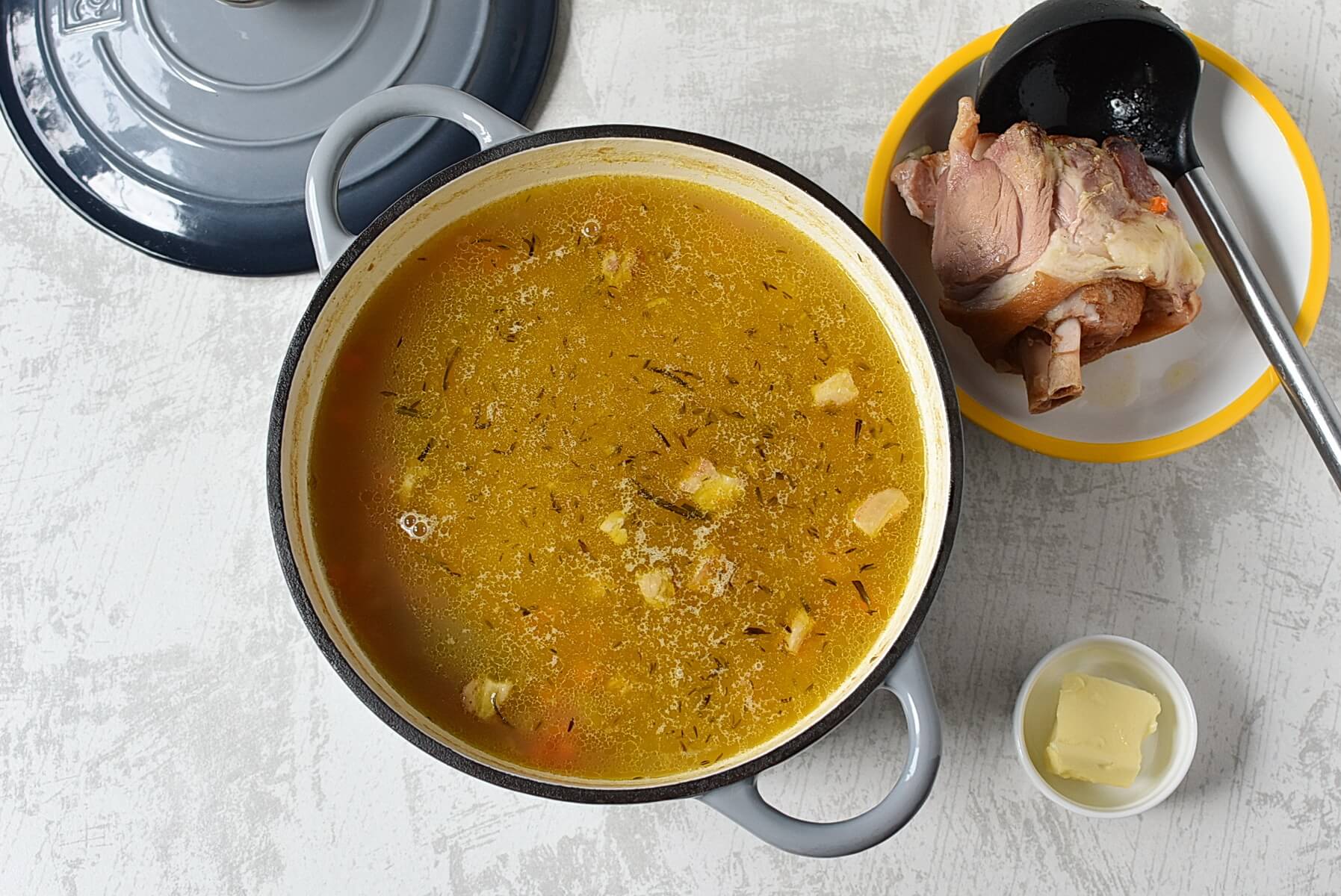
Remove the ham hock. Add in 2 tablespoons unsalted butter and stir until melted. Taste and adjust for seasoning if needed.

Serve this soup warm in large bowls. Refrigerate the leftovers in an airtight container for up to 1 week. To freeze the soup, let it cool completely, then transfer to airtight containers and freeze for up to 3 months. Thaw overnight in the fridge before reheating on the stovetop.
You do not need fancy gear to make this. A large heavy pot or Dutch oven is ideal because it spreads heat evenly and helps the beans cook without scorching. A colander for draining the soaked beans, a sharp knife for the onion, carrot and celery, and a sturdy cutting board will save you time. Use a wooden spoon for stirring, tongs for handling the ham hock, and a ladle for serving. If you like a thicker soup, an immersion blender is optional, but I usually leave the chunks in.
Keep a timer nearby. Timings like the one-hour soak and the hour-and-a-half simmer matter. They are the boss. Good containers for leftovers are a must because this freezes well and comes back solid.
Soak the beans properly. A brief boil, then an hour of rest, evens them out so they do not split during the long simmer. Sauté the onion, carrot and celery until soft and fragrant. Low heat brings out sweetness without browning too fast. Do not rush that. If you have a smoked ham hock, use it. It releases gelatin and smoke that give the broth body and mouthfeel; remove it before serving so the meat is not overwhelming. Stir in butter at the end for a glossy finish and a rounder taste.
If you need to speed things up, canned beans work fine. Three 15-ounce cans of drained navy beans replace the dried beans and cut the simmer time dramatically. Be mindful of salt, since canned beans can carry extra sodium.
Smoky Southern lift: Swap the diced ham for smoked sausage or small bits of leftover brisket and add a teaspoon of smoked paprika. The result is more assertive and closer to a ham and bean soup that leans into rich smoke without losing the beans.
Vegetarian turn: Skip the ham and hock. Use vegetable stock and double the carrots and celery. Add a splash of liquid smoke or a roasted garlic bulb for depth. This creates a solid Southern white beans recipe where the beans are the main event and the broth is all about vegetable sweetness and herb aroma.
Creamier finish: Remove about a third of the cooked soup, puree it, and stir it back in. Add a spoonful of cream or plain yogurt if you want extra silk. It thickens naturally and keeps some chunk for texture.
Ladle the soup into deep bowls and top with chopped parsley or sliced green onions for brightness. A crusty sourdough works for dipping, or cornbread if you want a sweeter counterpoint. A simple green salad with a sharp vinaigrette lightens the plate. Leftovers reheat well on the stove with a splash of water to loosen the texture.
I serve this at potlucks and quiet weeknights. It sits well beside grilled cheese or a roasted vegetable side. For drinks, a crisp apple cider or a light beer cuts the richness.
Yes. If time is tight, drained canned beans are an easy swap. Add them after the vegetables and ham are sautéed and simmer for 30 to 45 minutes, allowing the flavors to meld. Watch the salt because canned beans can add extra sodium.
Mash some of the beans against the side of the pot to release starch and thicken the broth naturally. You can also simmer uncovered to reduce the liquid. A cornstarch slurry works in a pinch, but mashing keeps the flavor honest.
People ask about nutrition a lot. A bowl of this is filling because of the protein and fiber in the beans and the fat from the ham and butter. It is not a diet food, and it is not meant to be. If you need exact numbers, portion and calculate from your specific ingredients. My advice is to eat well and be mindful of portion sizes.
Older dried beans can take longer. Add hot water and continue simmering, checking every 15 minutes. A tiny pinch of baking soda can speed things up, but use it sparingly to avoid off flavors.
As the weather cools, there’s nothing quite like a warm bowl of Navy Bean Soup to bring comfort and nourishment to your table. This hearty dish, rich in flavor and history, showcases the humble navy bean at its best, blending together simple ingredients to create a satisfying meal for family and friends. With each spoonful, you’ll find a balance of creaminess and earthy goodness that will make you feel right at home.

It's the comforting dish tastes like my grandmother made it.