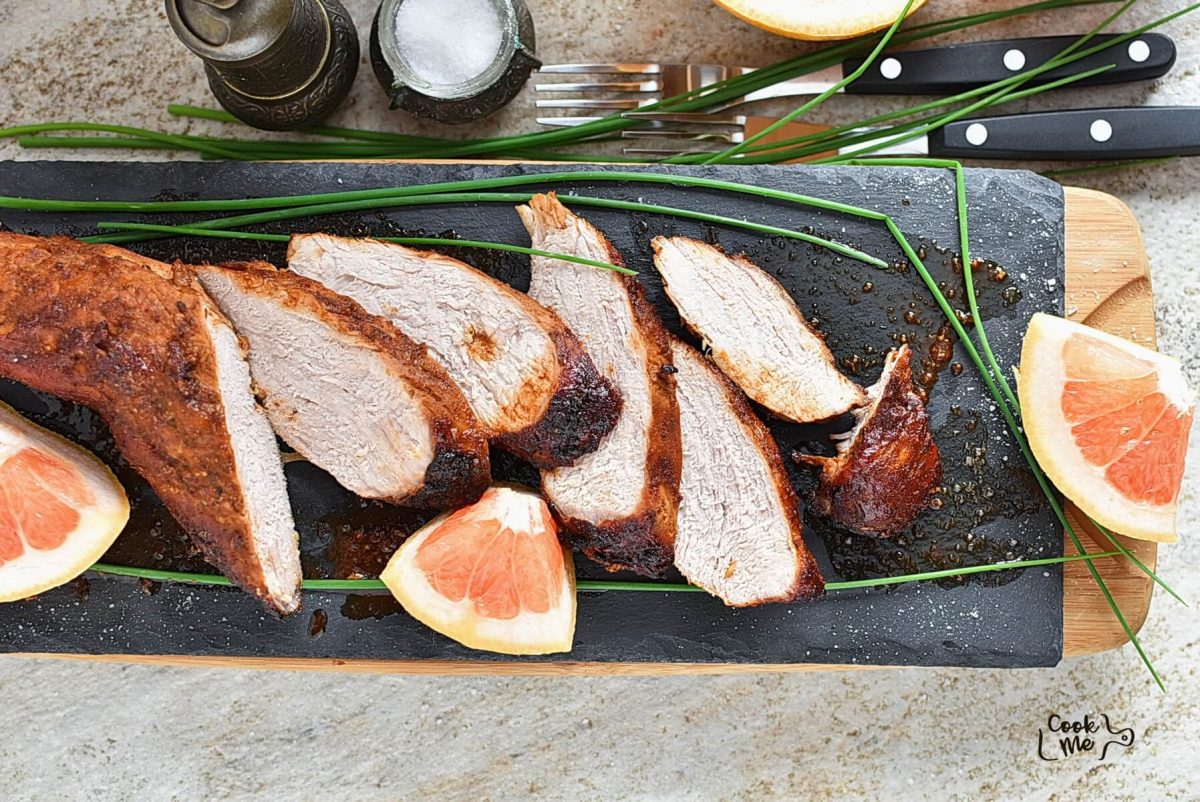
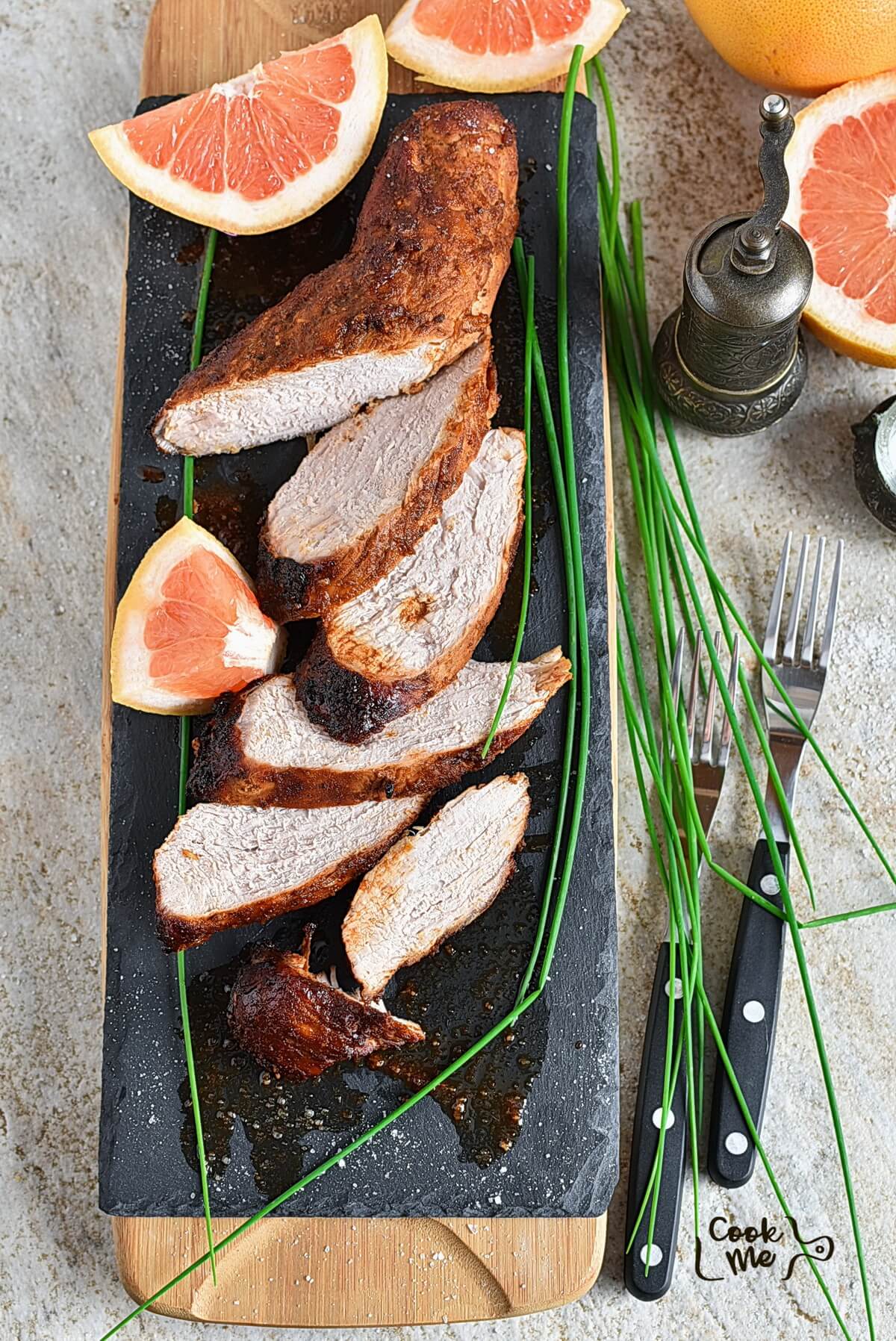
I have been making this pork tenderloin for years and honestly it never fails to impress. This version, with its grapefruit and sugar rub, brings bright acid and a sticky caramel crust to a simple cut of meat. It looks like effort and tastes like care without the drama.
Why This roasted pork tenderloin recipe Works So Well
It is all about layering. Start with clean, bold building blocks and let heat do the rest. The grapefruit cuts through the pork like a shot of acid. The brown sugar turns into a lacquered crust that holds the spices and gives you that satisfying bite. Give it a brief marinade, roast it hot, rest it, and you get tender meat with a flavorful edge.
I like that it is forgiving. Marinate about 15 minutes at room temperature, roast at a high temp until the center registers 140 degrees, then rest for 10 minutes. Simple steps. Big results. Trust me.
Also, this dish fits what I care about: no waste, honest ingredients, and food that feeds people. Use the grapefruit zest and segments, squeeze what you can into the glaze, and you get a bright finish that keeps the plate from feeling heavy.
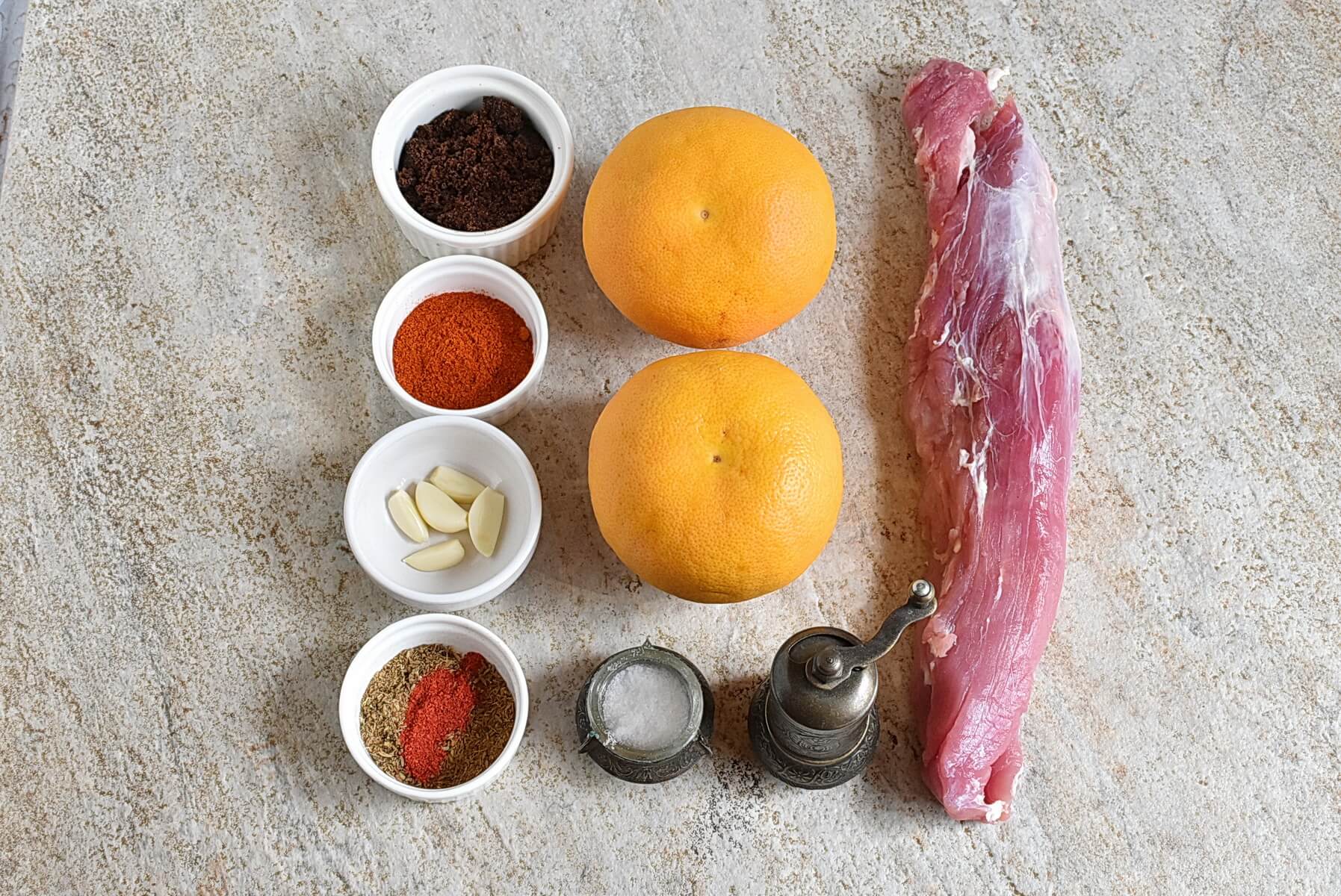
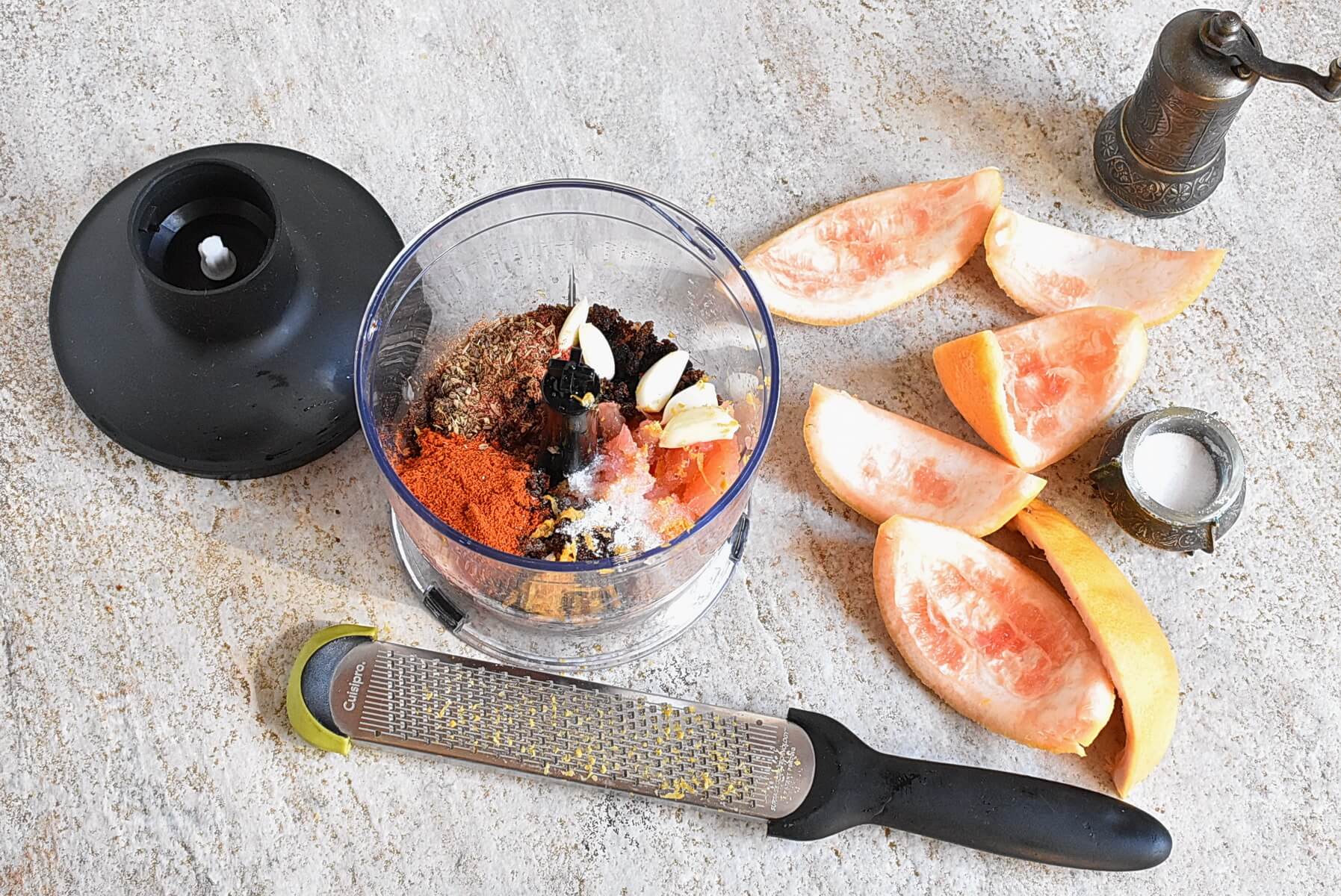
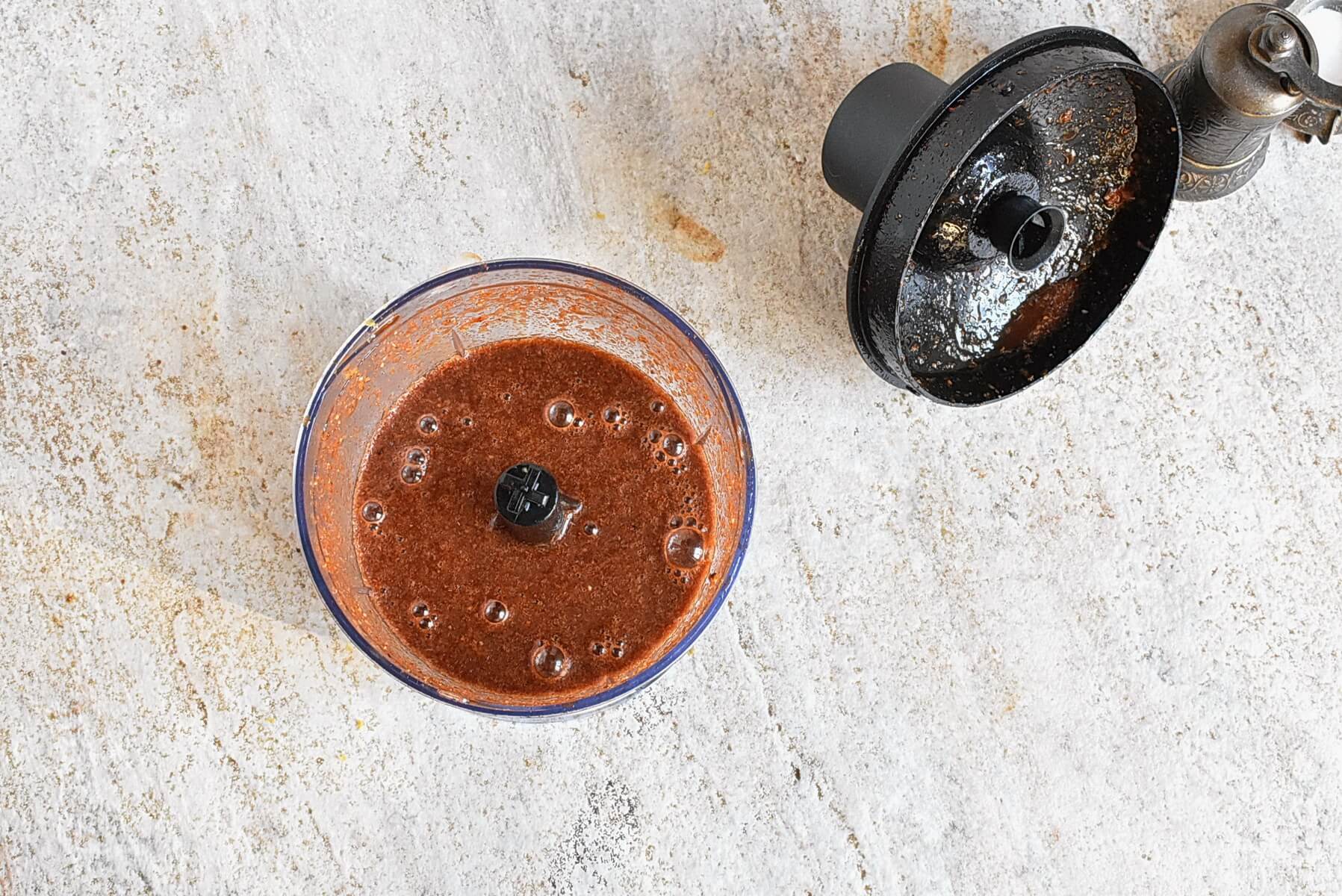
In a food processor, purée 1 cup packed dark brown sugar, 1 tablespoon smoked sweet paprika, 1⁄2 teaspoon ground cumin, 1⁄2 teaspoon ground fennel, 1⁄4 teaspoon cayenne pepper, 5 garlic cloves, grapefruit zest and segments, and kosher salt and black pepper to taste until very smooth. Transfer the marinade to a large bowl.
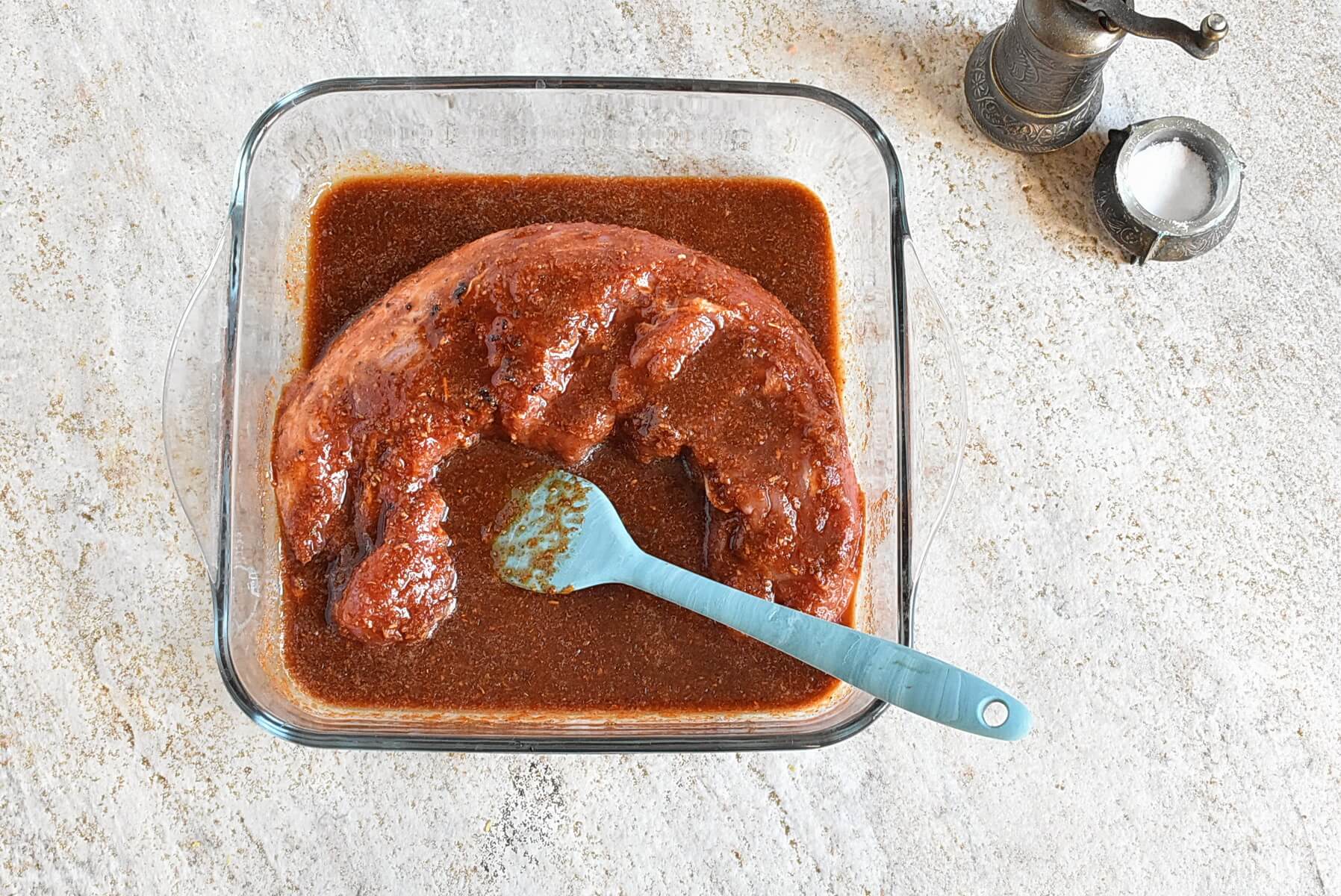
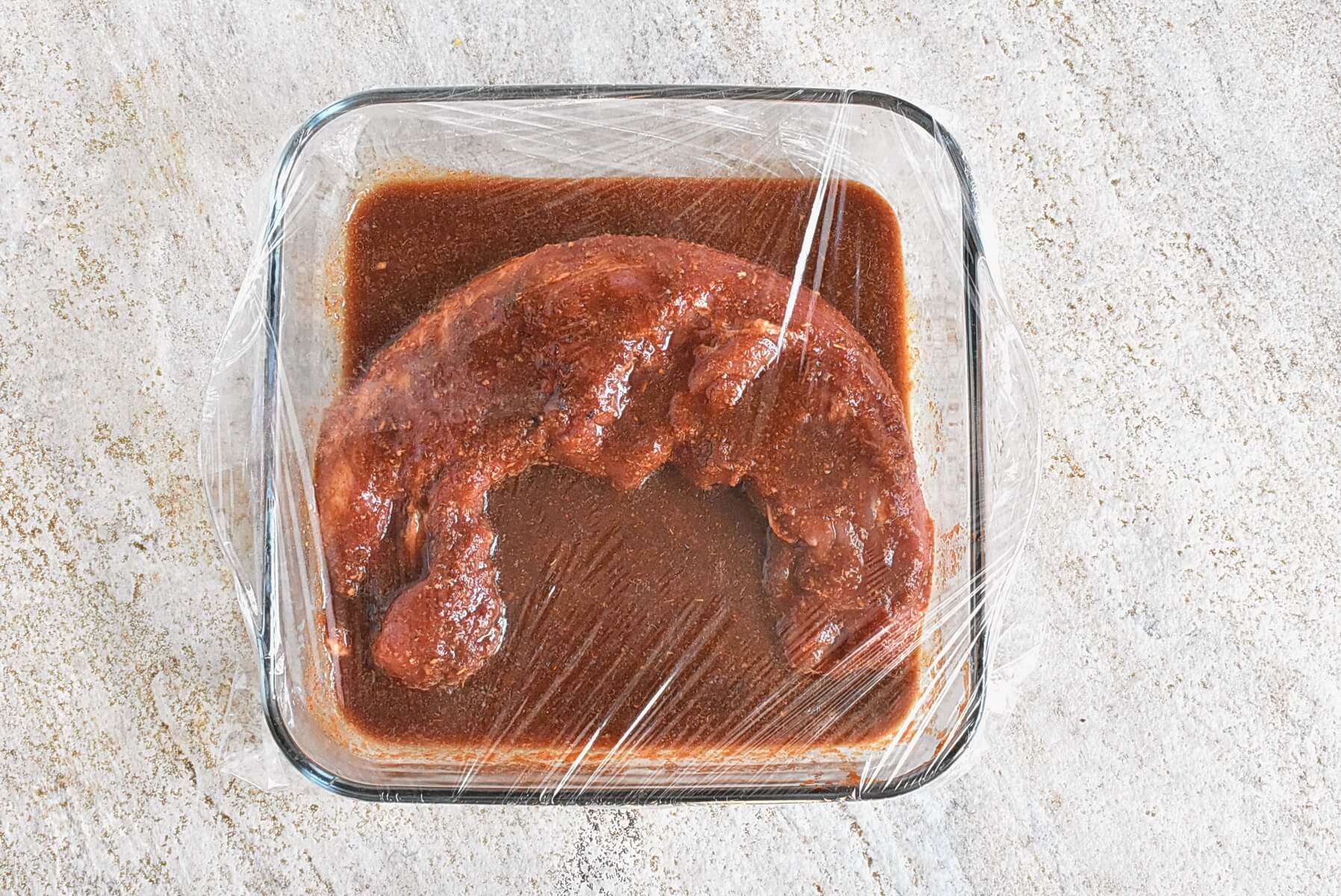
Add the pork to the bowl with the prepared marinade and toss to coat well. Cover the bowl with plastic wrap and let sit for 15 minutes at room temperature to marinate.
Preheat the oven to 450 °F.
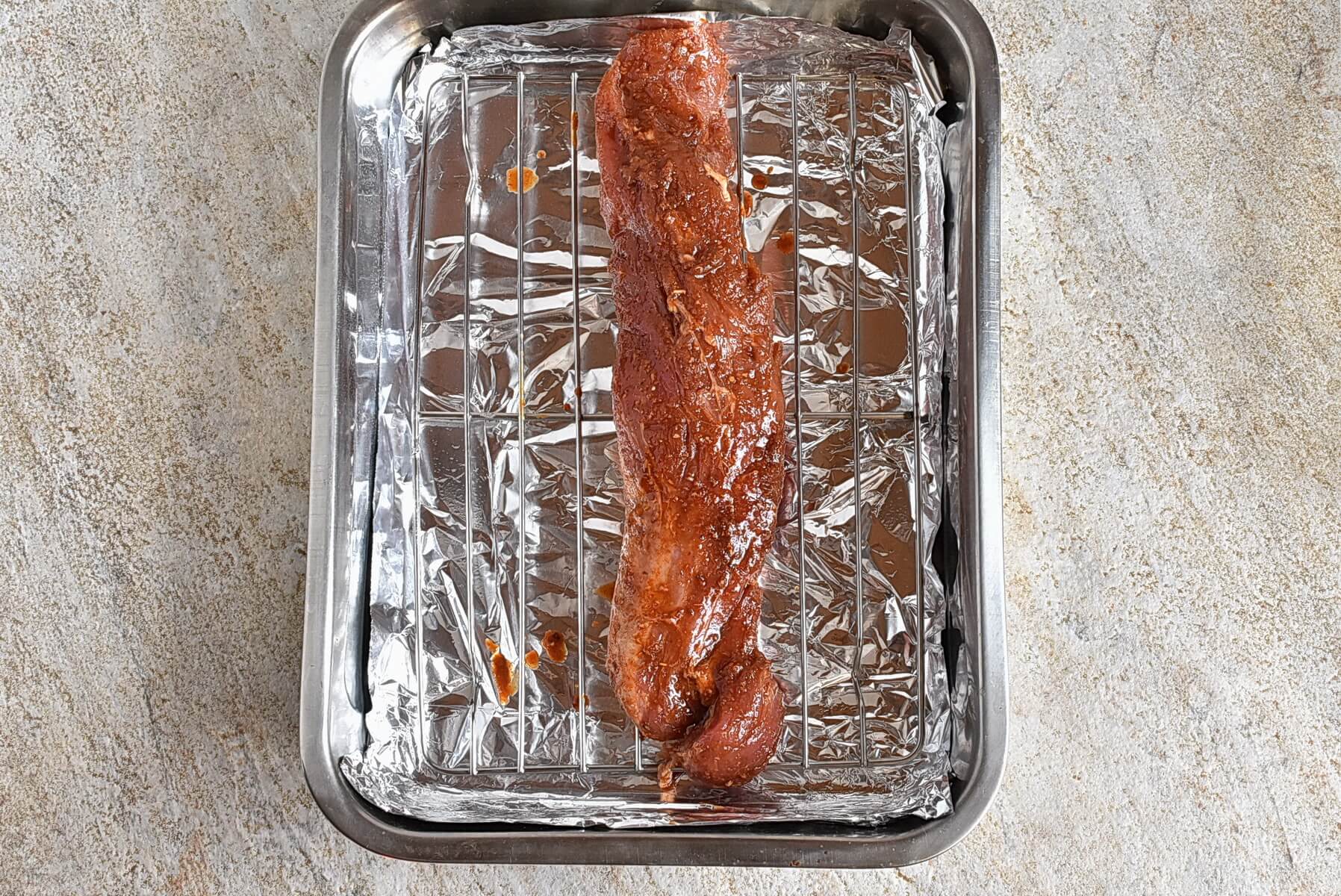
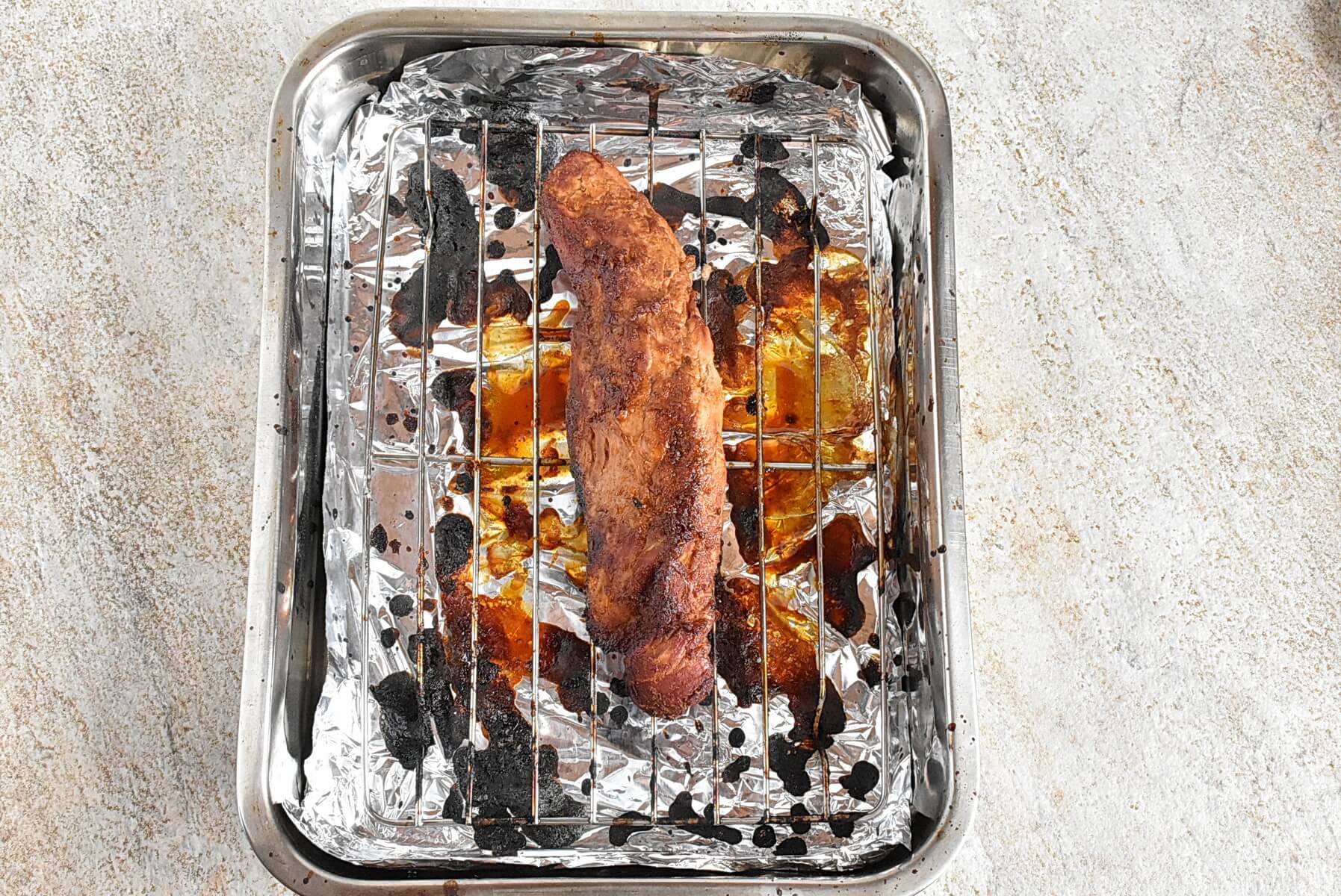
Set a wire rack on top of an aluminum foil-lined baking sheet, then add the pork. Roast until slightly caramelized on the outside and an instant-read thermometer inserted into the center reads 140 °F, about 45 minutes.
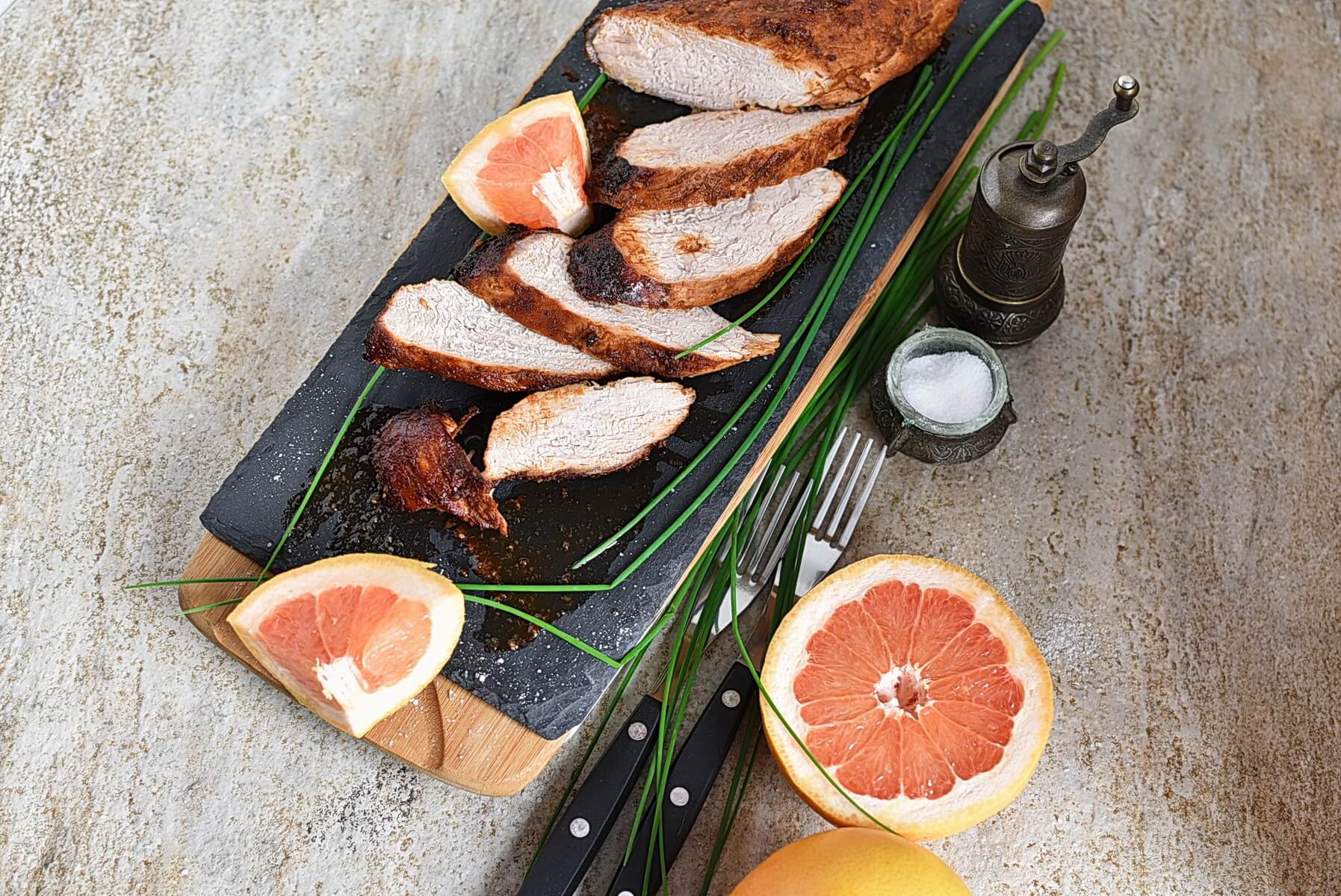
Remove the pork from the oven and let rest for 10 minutes before slicing. Serve and enjoy!
You do not need a fancy setup to pull this off. A food processor makes the marinade smooth so it sticks evenly. If you do not have one, a blender will work. A large bowl to toss the pork in, a wire rack over a foil lined baking sheet, and an instant read thermometer are the essential bits. A sharp knife and a cutting board for resting and slicing finish the list. I sometimes sear in a cast iron skillet first for extra color, but the rack and oven method is the reliable approach.
Actually, scratch that about being picky with tools. Missing something? Improvise. It will still be good.
Blend the marinade until it is very smooth. I cannot stress this enough. A velvety paste lets the sugars and spices cling and caramelize evenly on the outside of the pork. If the mix is chunky you get patchy glaze and uneven browning. Been there. Learned that the hard way.
A quick room temperature rest before roasting matters. Cold meat in a hot oven fights you and dries out. Let it sit while you heat the oven and tidy up the counter. Fifteen minutes is plenty.
A pro move for the sweet and spicy pork rub: taste and adjust the cayenne before you add it to the pork. Spices vary, so test for the whisper of heat you want. I usually start with a quarter teaspoon and move up slowly. The cumin and fennel add backbone without getting loud.
Some will call this a healthy pork recipe, and you can make it lighter by trimming visible fat and cutting the sugar. The grapefruit still brings acid and brightness, so you lose little in the way of flavor. More vegetables on the plate and you have a satisfying meal that feels honest.
Short note. Rest the meat. Ten minutes. Do not skip it.
For a brighter citrus spin, swap in orange or lime segments with the grapefruit. This citrus glazed pork version adds more layered acidity and a slightly different sweetness. If you do mix fruits, watch the sugar level in the marinade and adjust to taste.
If you want earth and depth, add fresh rosemary or thyme to the rub. Keep the herbs modest so the fruit can still sing. On cool nights I go heavier on herbs for a more grounded profile.
Crank the heat for a bolder finish by increasing cayenne and adding a pinch of smoked chipotle. That turns this into a true sweet and spicy pork rub experience, with sparks of smoke that play well against the brown sugar lacquer. Roast a touch lower if you are worried about burning the sugars.
Match the tenderloin with sides that complement without stealing the show. Roasted carrots and Brussels sprouts tossed in olive oil take the heat and echo the glaze. A simple rice pilaf or quinoa soaks up juices and gives textural contrast. An arugula salad with grapefruit segments reinforces the fruit element and keeps the meal fresh.
This can also be an elegant dinner idea when you want something that looks pulled together but does not require last minute fuss. Slice thin, arrange on a platter, drizzle extra reduced glaze, and garnish with scallions or pomegranate seeds for color and crunch.
For drinks, a chilled Sauvignon Blanc plays off the citrus, while a gentle Pinot Noir will stand up to spice without overpowering the pork. Non alcoholic option: sparkling water with a citrus twist.
I roast at 450 degrees Fahrenheit to get a fast caramelization on the outside while the interior climbs gently. Pull the pork when the instant read thermometer hits 140 degrees, then rest 10 minutes. If your oven runs hot try 425 degrees and check early. Ovens are not all the same, so watch it.
Grill it if you want smoke. Sear over medium high heat until browned, then move to indirect heat until it hits 140 degrees. Watch for flare ups since sugar can catch. Rest before slicing as usual.
No problem. Use oranges or lemons instead. Oranges give milder sweetness, lemons give more punch. The acid is the key for tenderizing and brightening, so any citrus will do. Adjust spices to balance the switch.
You can prepare the marinade earlier and keep it chilled, then coat the pork and let it sit at room temperature before roasting. For a dinner party you can roast early, cool, then gently rewarm in a low oven. It will not be quite the same as fresh but it holds up well.
This recipe for Grapefruit-and-Sugar-Rubbed Pork Tenderloin is flavorful and easy-to-follow. It is special enough to serve for a holiday table but so easy that you can also make it for dinner on a weeknight. If you make this easy recipe, share a photo with us @cookmerecipes on Instagram — and don't forget to leave a comment below!

This is the best pork tenderloin I'll ever make. Thanks!
 Dairy-Free Recipes
 Gluten Free Recipes
 Spicy Recipes