I have made this chili for years. It started with my dad and a cast iron skillet and then took shape after long nights in Chicago kitchens and one stubborn year learning smoke in Austin.
What makes this hearty beef and bean chili special is how plain ingredients turn into something that fills you up and keeps working on the next day. You get a deep beef base that holds its own, with spices that wake everything up without blowing out your palate.
First time I really nailed it was February 2018. My kitchen windows were fogged, my buddy Mike ate three bowls and then asked for the recipe, and Brisket the dog sat under the table like he was on guard duty. That moment told me I had something worth repeating.
It is forgiving. Quick simmer on a weeknight or slow and patient for the weekend when you have time and beer. Either way, the aim is the same: maximum flavor from simple parts.
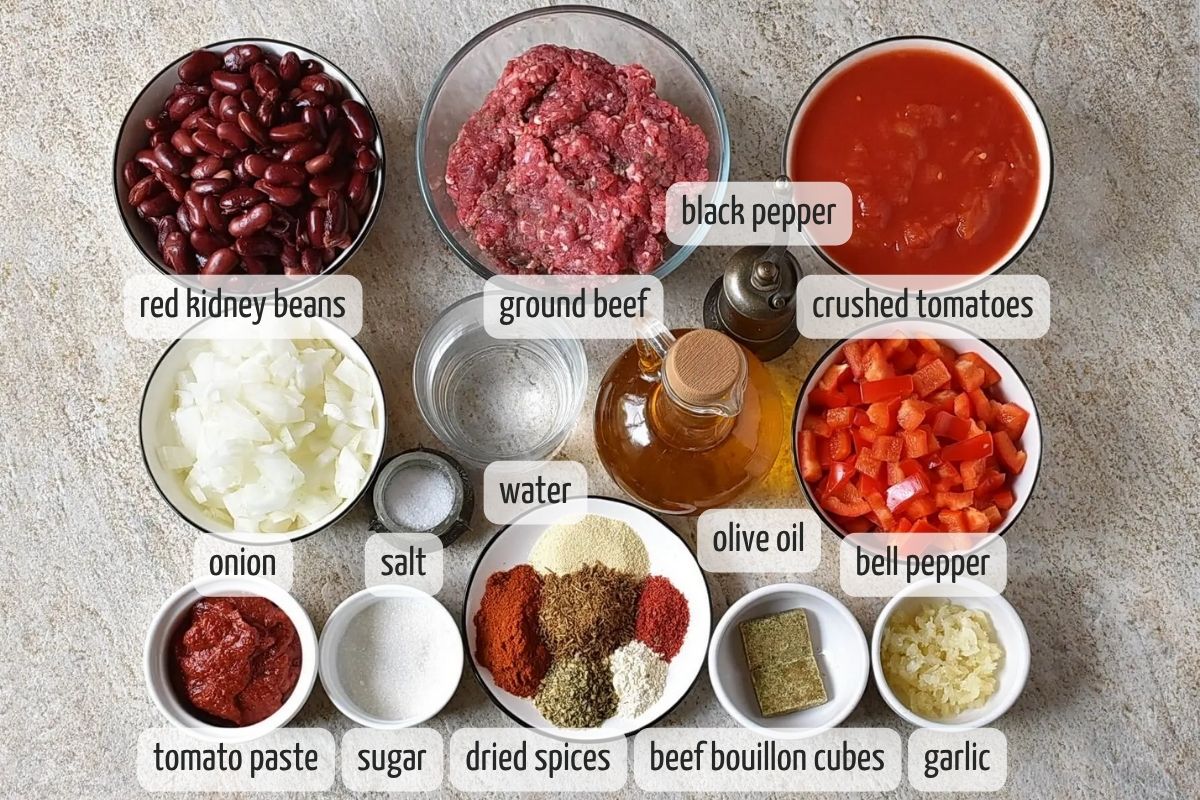
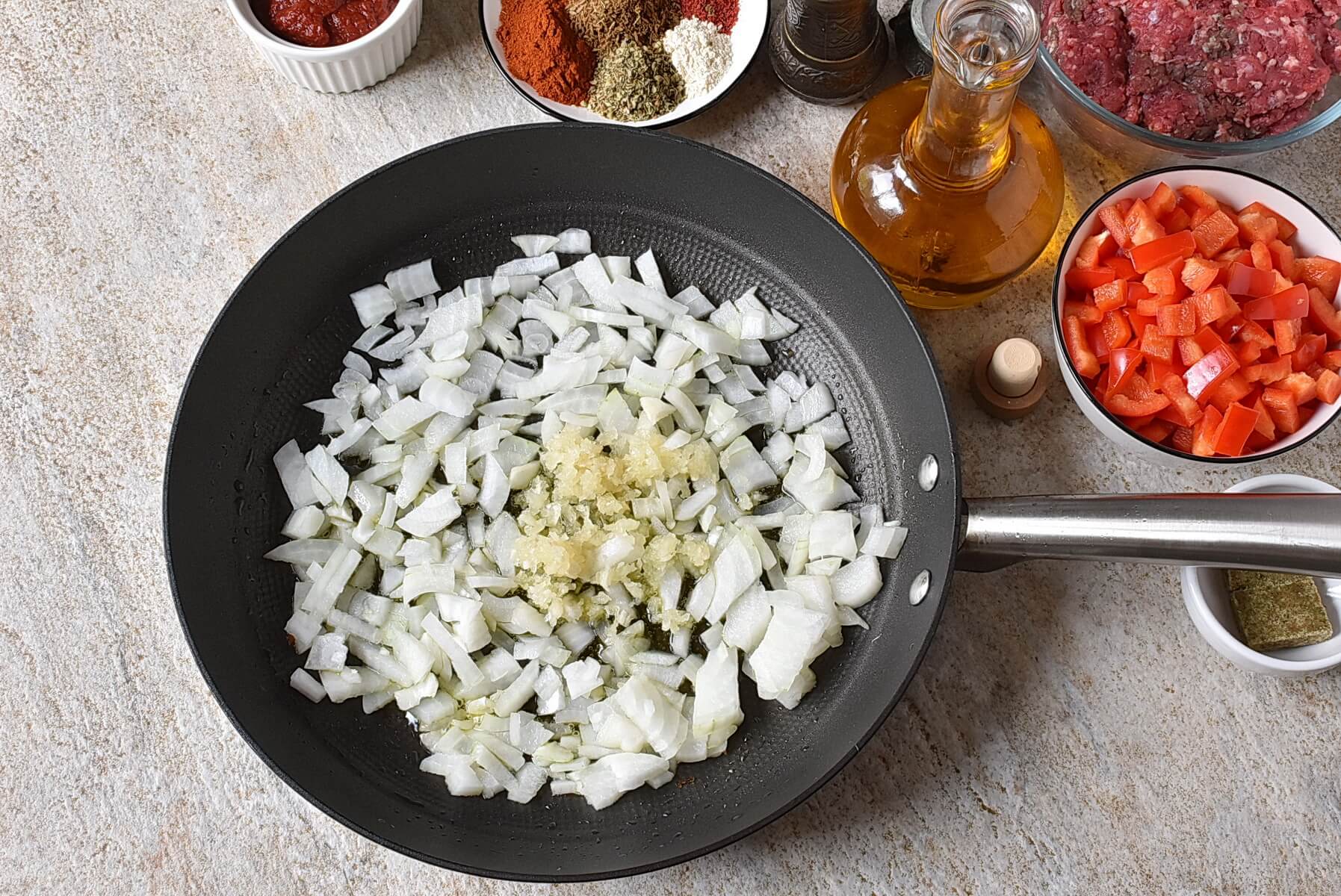
In a large skillet over medium-high heat, heat 1 tablespoon olive oil and add 1 diced onion and 3 minced garlic cloves. Cook, stirring, for 1 minute.
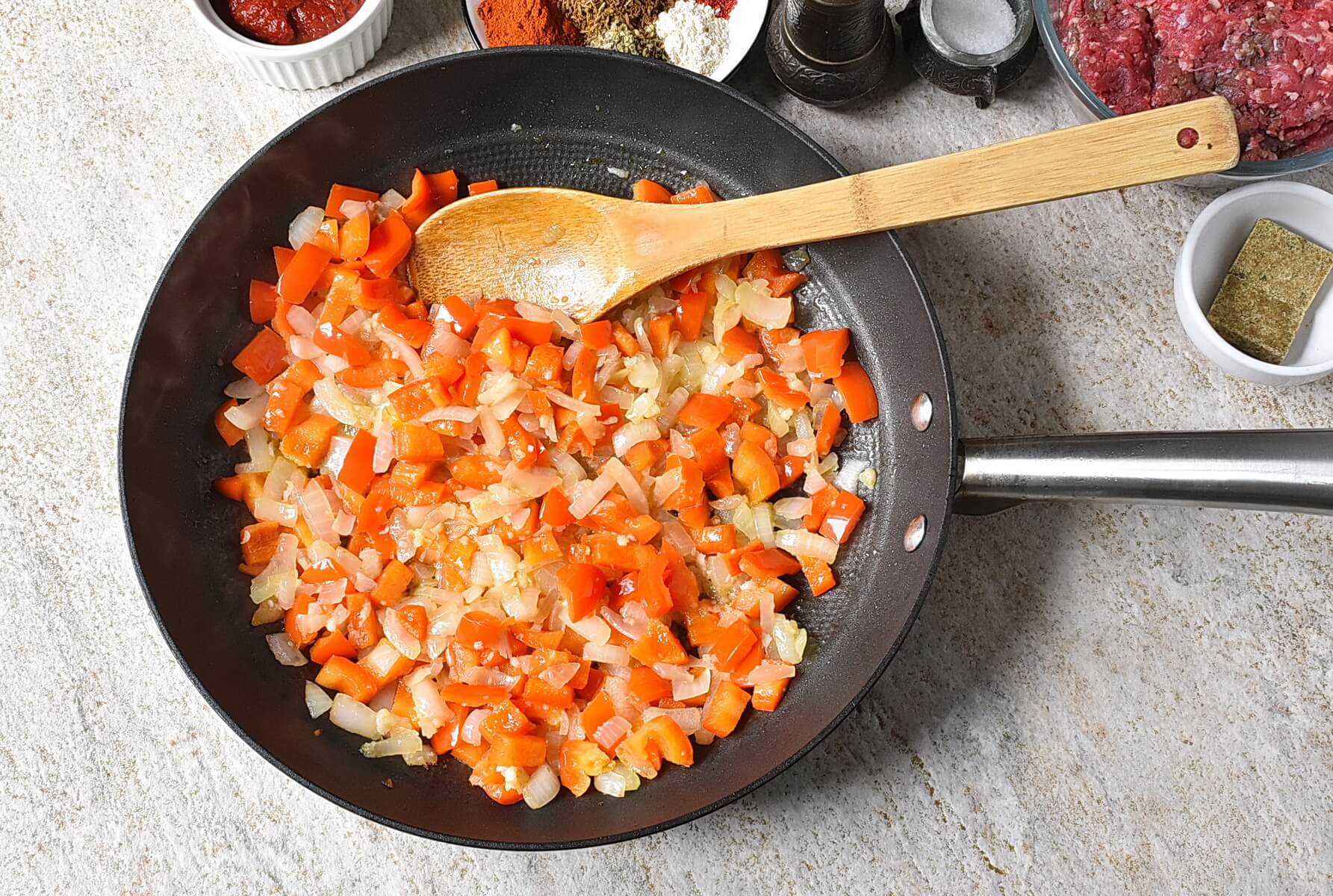
Add 1 diced bell pepper and cook until the onions are translucent, for 2 minutes.
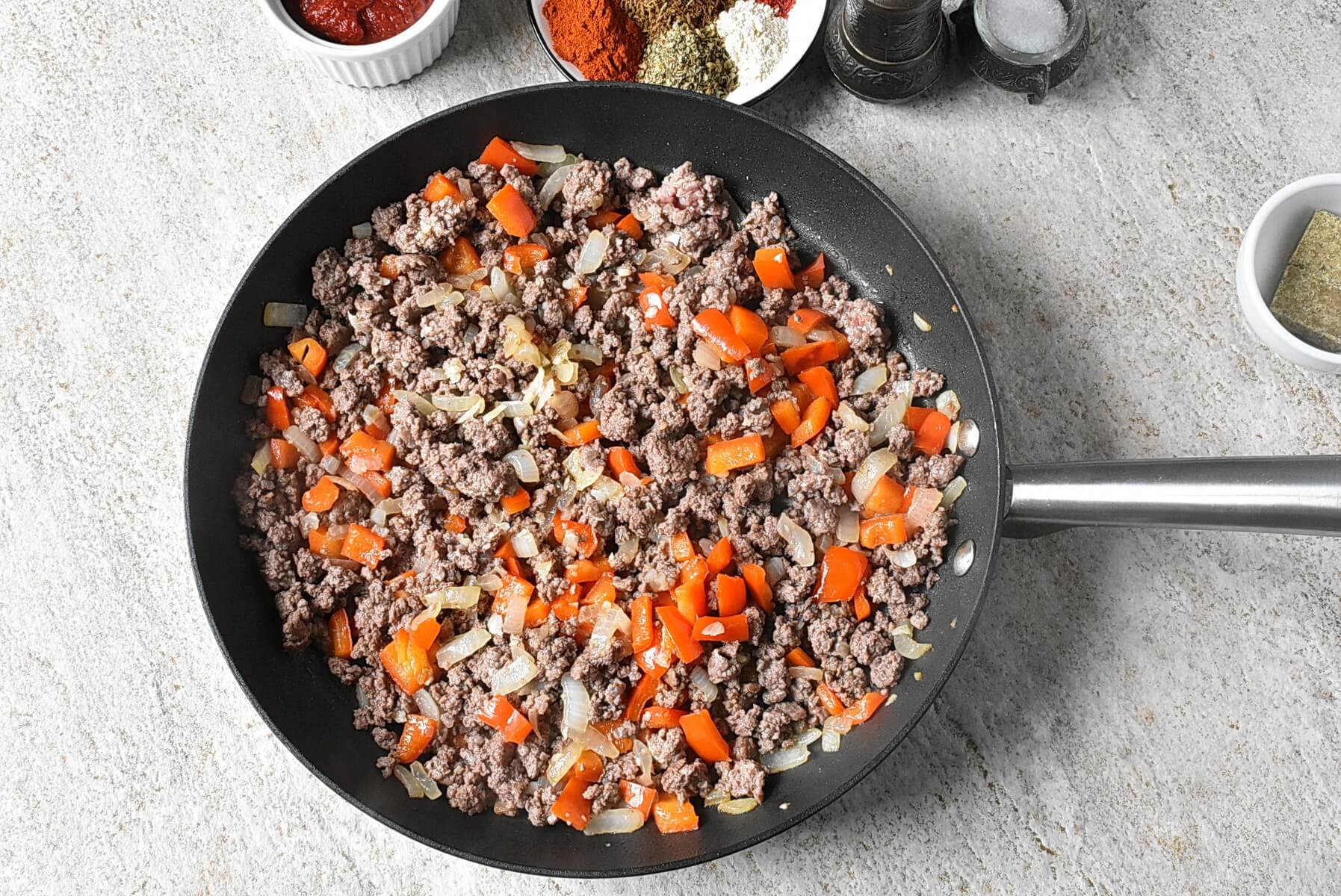
Increase the heat to high and add 1 pound ground beef. Cook, breaking it up with a wooden spoon, until mostly browned.
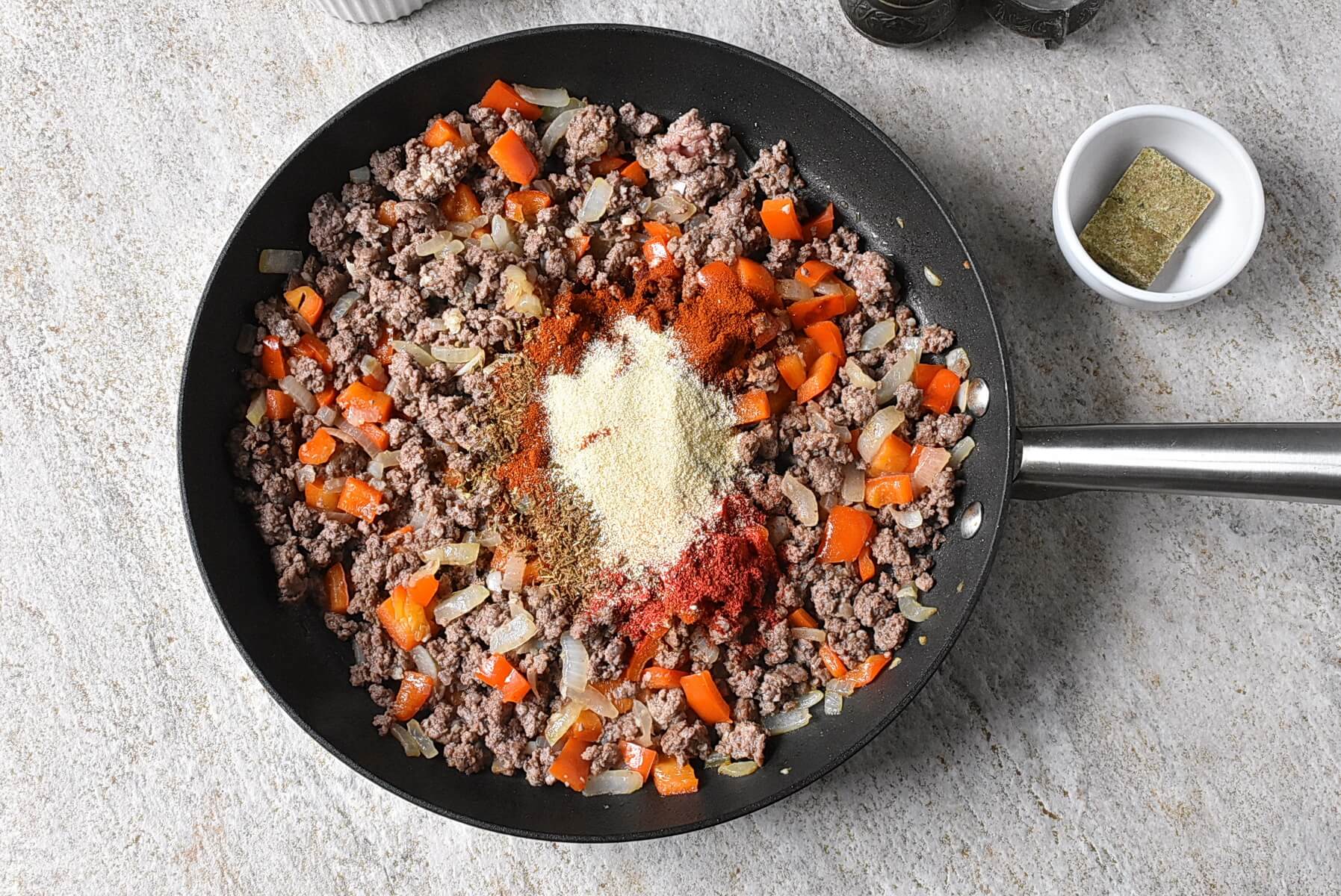
Add 1 – 2 teaspoons cayenne pepper, 4 teaspoons paprika powder, 5 teaspoons cumin powder, 2 teaspoons garlic powder, 2 teaspoons onion powder, 2 teaspoons oregano, 1 ½ teaspoons kosher salt and stir to combine. Cook until the beef is browned all over.
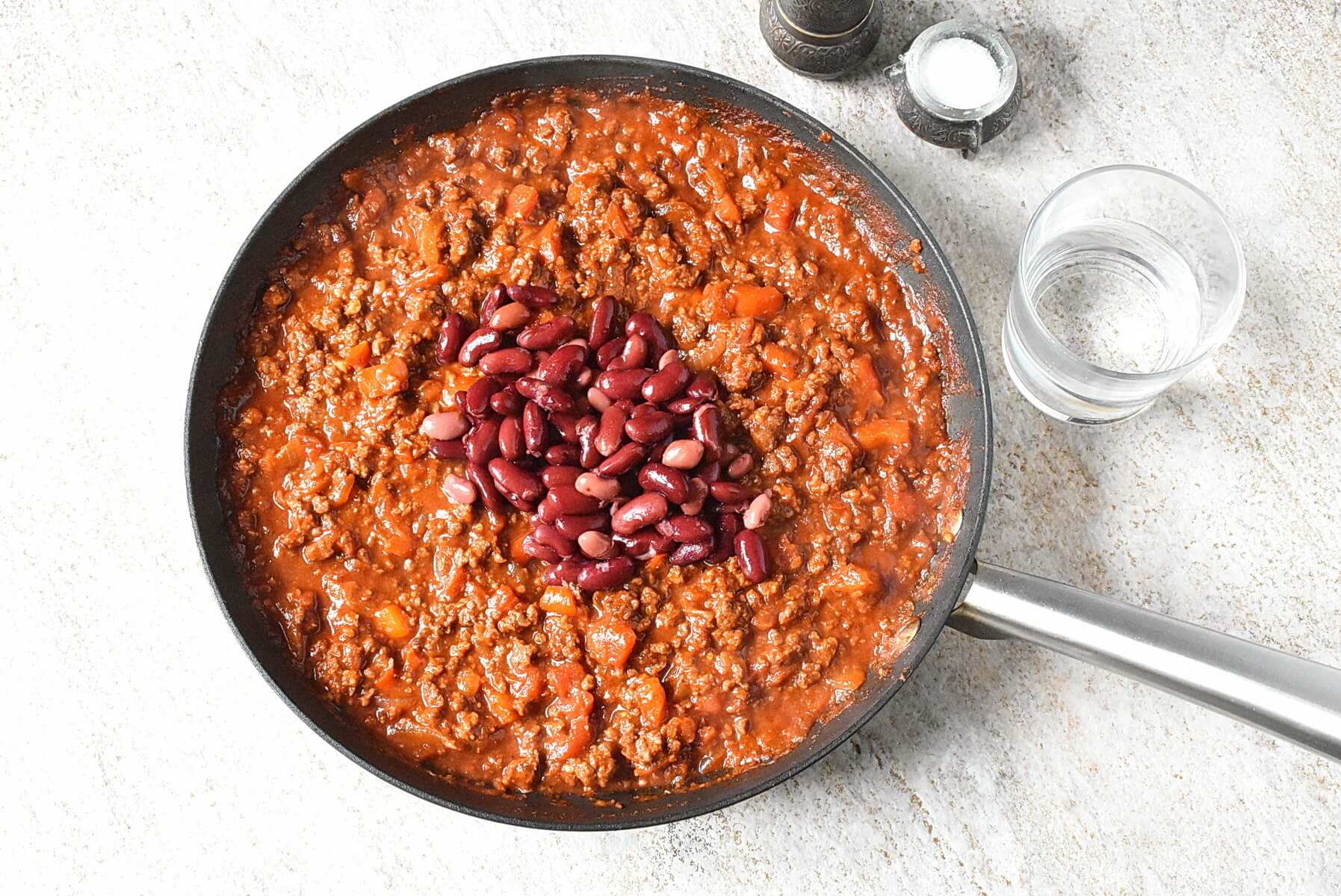
Add 3 tablespoons tomato paste, 1 (28-oz / 800-g) can crushed tomatoes, 1 (14-oz / 420-g) can red kidney beans, 2 crumbled beef bouillon cubes, and 1 ½ teaspoons sugar.
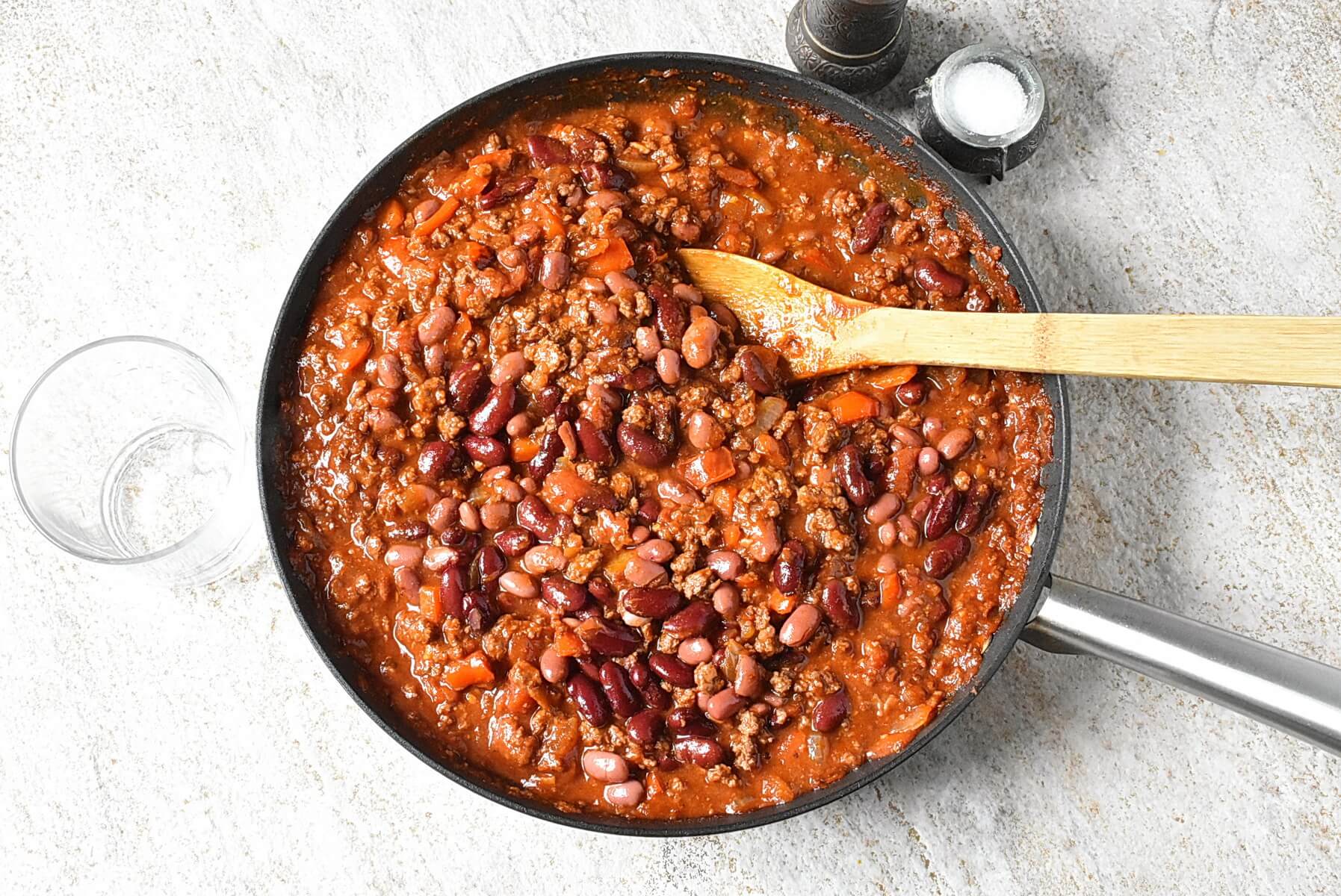
For Quick Cook, add ½ cup of water; for Slow Cook, use 1 ½ cups. Bring to a simmer and then adjust the heat:
Quick Cook: Simmer uncovered for 20 to 40 minutes on medium-low heat. OR
Slow Cook: Simmer covered for 1.5 to 2 hours on low heat.
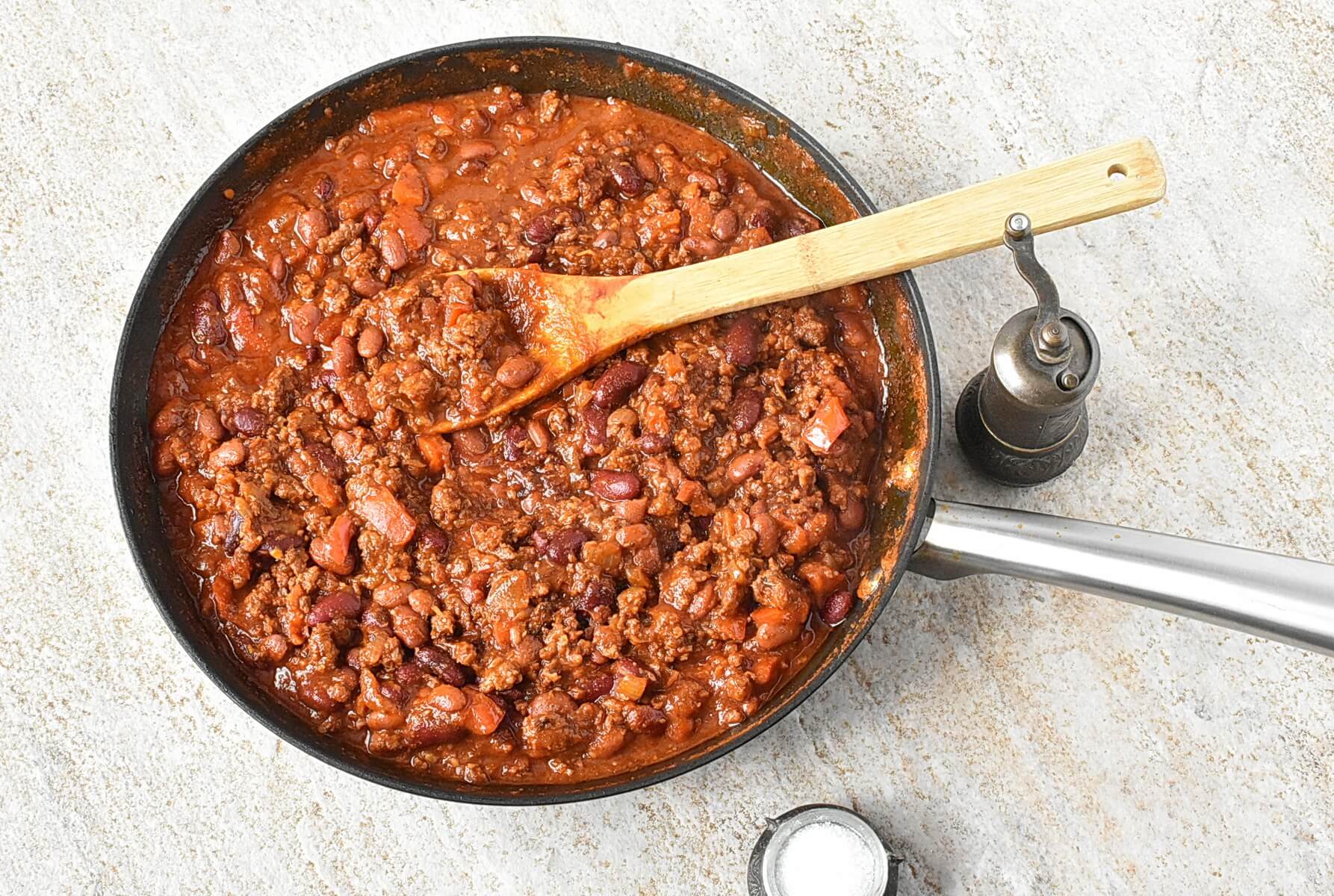
Taste and adjust the seasoning for salt if necessary.
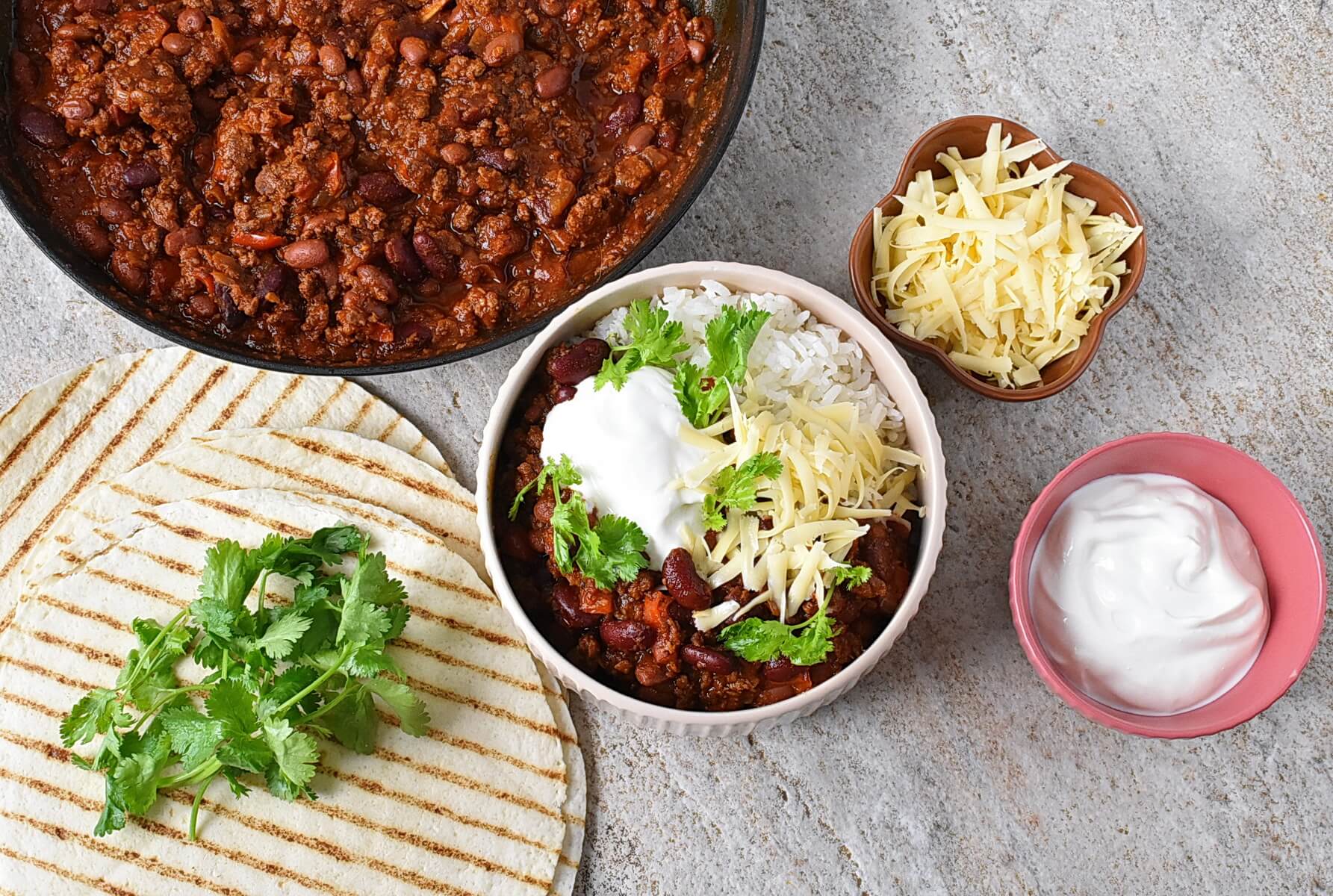
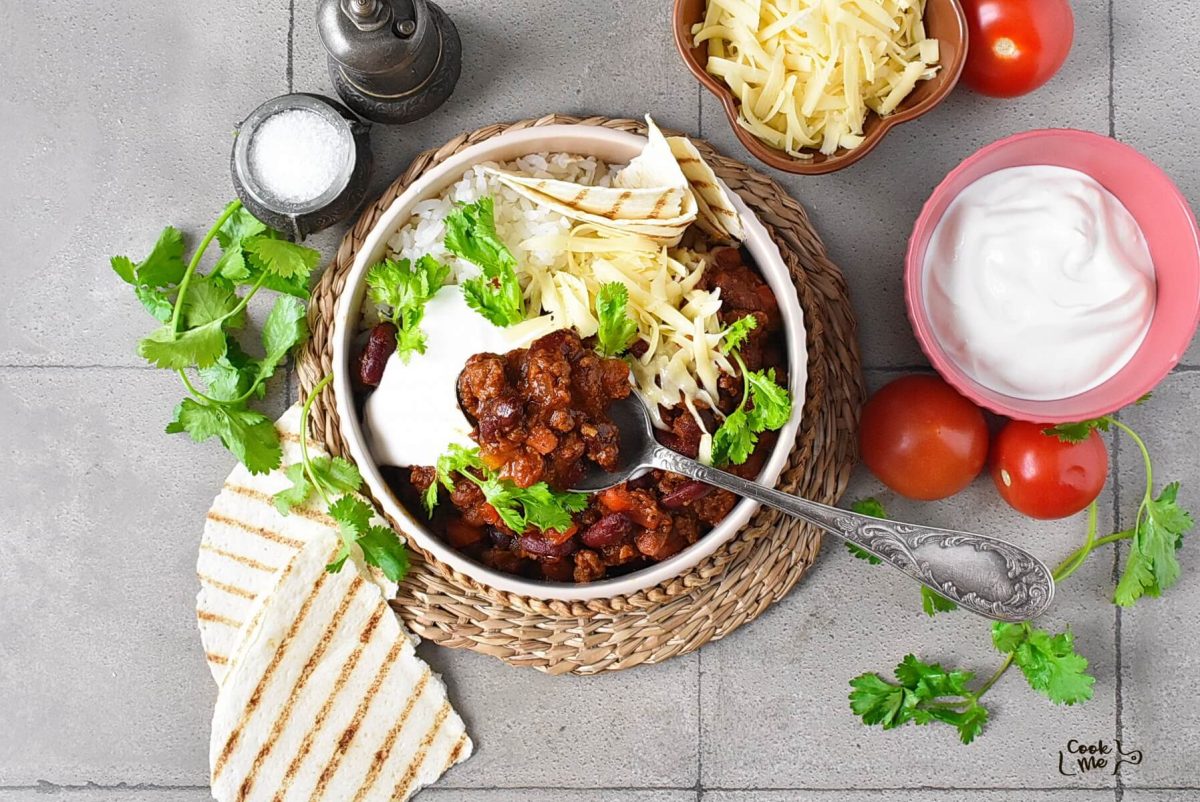
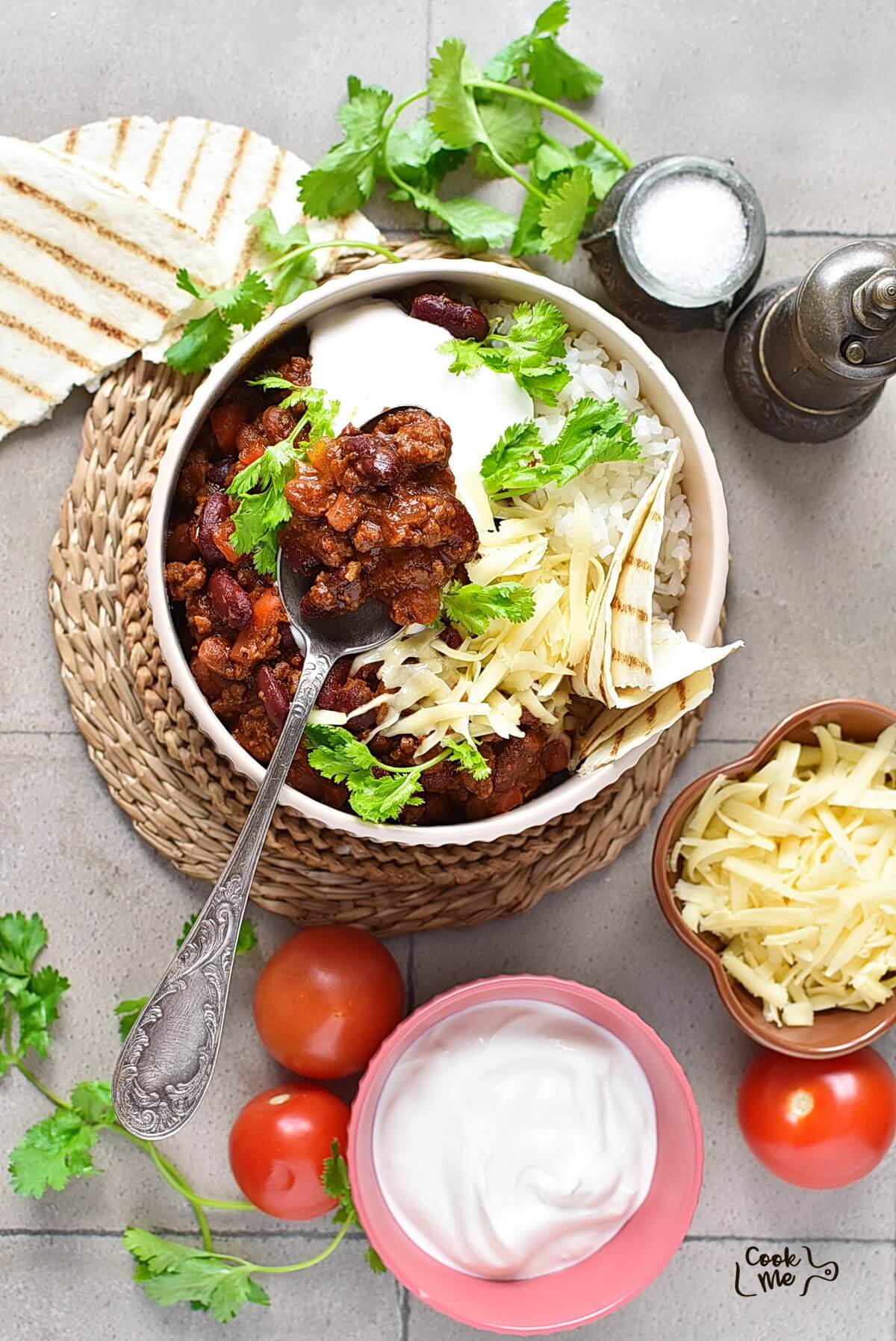
Serve over rice or ladle into bowls, and serve with corn chips or warm tortillas on the side, along with desired toppings.
You do not need a fancy kitchen. A large skillet or a heavy bottomed pot will do the job. Cast iron is my favorite because it holds heat and helps get a good crust on the meat.
A wooden spoon or spatula is better than metal for breaking up the beef, and a sharp knife makes prep quick. A cutting board that is solid and steady matters more than any gadget. Basic measuring spoons and cups handle the spices and tomato paste.
Do not forget a can opener for the tomatoes and beans. And a colander is essential if your beans come packed in liquid. It keeps the chili from getting watered down. Actually, scratch that if you like a looser chili. I do that sometimes too.
Start with decent ground beef. I use eighty percent lean because the fat carries flavor and keeps the meat juicy. Brown it hard on high heat so you get color. That crust is flavor and texture all at once.
Onions and garlic need time to soften. Cook them first in olive oil until they become translucent, then add the bell pepper. That sequence keeps the veggies from ending up underdone while everything else cooks through.
Spices matter. Add the powdered spices after the beef has some color and let them toast briefly. It blooms the oils and makes the seasonings pop in the final bowl.
Tomato paste is a small trick with a big return. Cook it a minute with the beef so it caramelizes and deepens. Then the crushed tomatoes and beans add body. Use the amount of water that matches how much time you have: less for a quick cook so it stays thick, more for a long simmer so it can reduce without drying out.
Taste and adjust at the end. I sometimes add a pinch of sugar to tame tomato acidity and a squeeze of lime when serving to brighten the whole pot. It works more often than you would expect.
For an authentic texas chili recipe vibe, skip the beans and make it meat forward. Use extra ground beef or cut in chunks of chuck roast and give it time to get tender. Chipotle in adobo adds smoke and depth and keeps things interesting.
I made a version like that at a cook off once and it beat a few bean purists into silence. It is simple and confident, much like a Central Texas plate of brisket.
Turn this into slow cooker chili con carne to make life easier. Brown the beef and soften the veg, then dump everything into the cooker with the larger amount of water. Low and slow for six to eight hours turns tougher bits tender and lets the spices settle into something deep and steady.
If you want more vegetables, add diced zucchini or carrots. Cut them small so they melt into the mix. Reduce the beef a bit and lift the spice by a touch so the chili still feels full and meaty.
What to serve with chili often depends on the crowd. Ladle it over steamed rice for a classic plate, where the grains soak up the sauce. Corn chips add crunch. Warm tortillas make it portable for game day.
Toppings matter: sour cream or yogurt tames heat, grated cheese binds everything, and cilantro brings a fresh counterpoint. Avocado slices or diced tomatoes are nice when you want something bright against the meaty base.
Pair with cornbread for an Austin nod, or a green salad if you want to lighten the plate. Cold beer is the obvious match but iced tea works if you prefer non alcoholic.
A common question is how to make chili from scratch and the short answer is: start with fresh aromatics, brown the beef properly, and build flavors in layers. No packet needed. You control the salt and heat and you avoid preservatives. If you are new to this, follow the steps and taste as you go. You will learn fast.
Yes. A Dutch oven is perfect. Sauté the veg, brown the meat, add spices and tomatoes, then simmer. You get great melding of flavors and cleanup is easier.
Yes. The quick cook version takes under an hour with minimal prep. It reheats well and stretches with rice. For kids, keep the cayenne low and add cheese. For adults, toss in more heat and maybe a citrusy mixer for drinks.
Texas style often skips beans and focuses on meat and chiles. Use ancho powder for earthiness and go slow. The result is a thicker, bolder bowl that is all about meat and smoke.
Bread the ingredients first for color, then transfer to the slow cooker with extra liquid. Low heat for several hours gives you fall apart meat and a concentrated sauce. It is set it and mostly forget it, which is handy on busy days.
Make a double batch if you like leftovers. Freeze some for the future. I do this more than I admit. You will learn small things each time: a pinch more cumin here, a touch less salt there. Cooking is practice, not perfection. Enjoy it.
Chili Con Carne is a quintessential comfort food that brings warmth and flavor to any meal. Packed with ground beef, kidney beans, and a blend of spices, this recipe becomes a family favorite with its rich, savory sauce. If you prefer the meat in your chili to be very tender, simmer your batch longer. Ideal for cozy evenings or gatherings, serve it over rice or with tortillas for a satisfying dining experience. Give this recipe a go and remember to tag us @cookmerecipes on social media – we love seeing your creations!

It's one of our family favorite spicy stew!