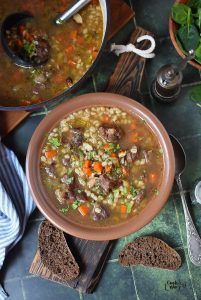
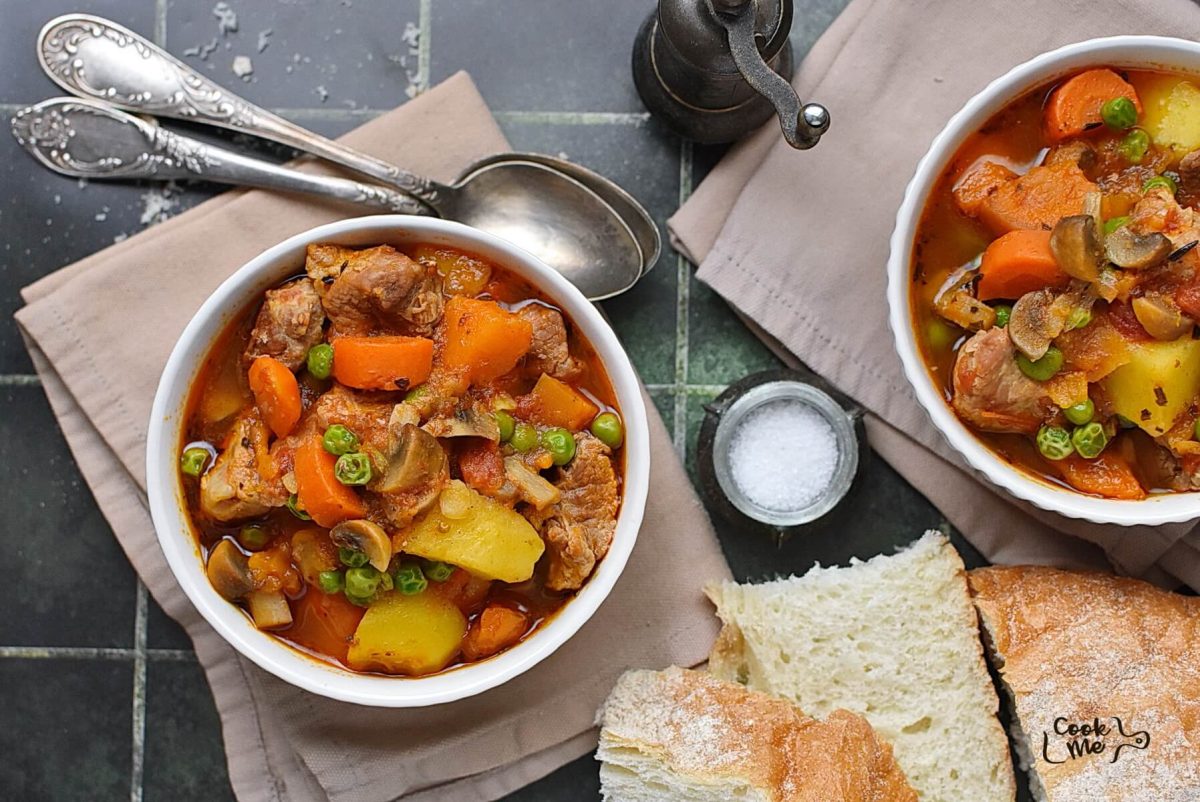
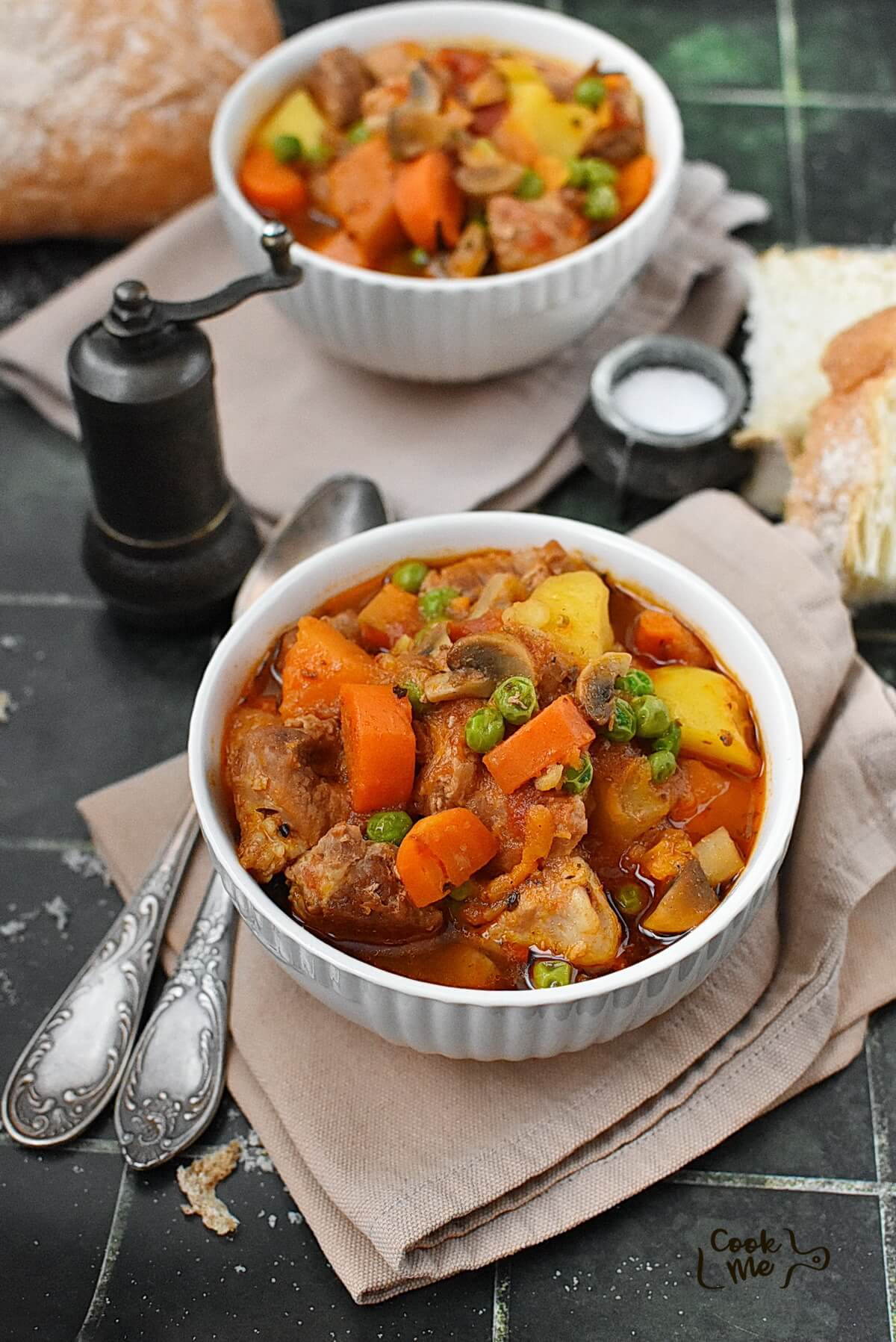
Alright, listen up. This easy pork stew recipe is the sort you make when you want dinner to do the heavy lifting. It sticks to your ribs and it fights off a Buffalo cold like nothing else. I grew up with dinners like this, the house smelling of bacon and roast by late afternoon. Simple food, built for weather and appetite.
What I like most is that it is straightforward. You brown the meat, add liquid, and let heat and time do the work. It is a pork and potato stew that shows you do not need tricks to get a deep rich result. I learned that lesson in a Chicago kitchen and then fine tuned it in Austin over a smoker and a beer.
It makes a lot. Feed a family, feed friends, or eat well for a few nights. It is honest cooking, the kind your grandmother would approve of, and it rewards patience. Trust the process. You will get big flavor, with very little drama.
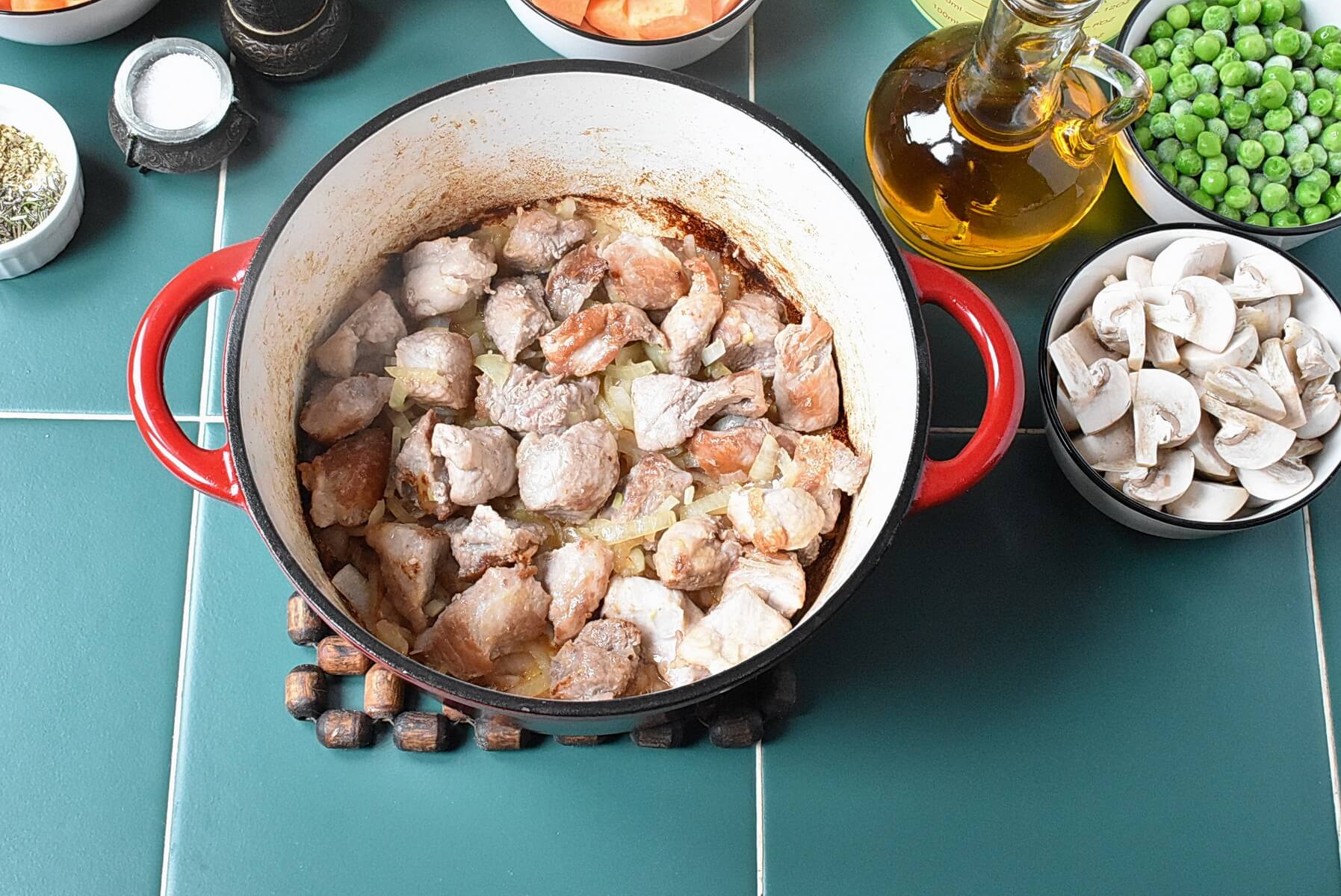
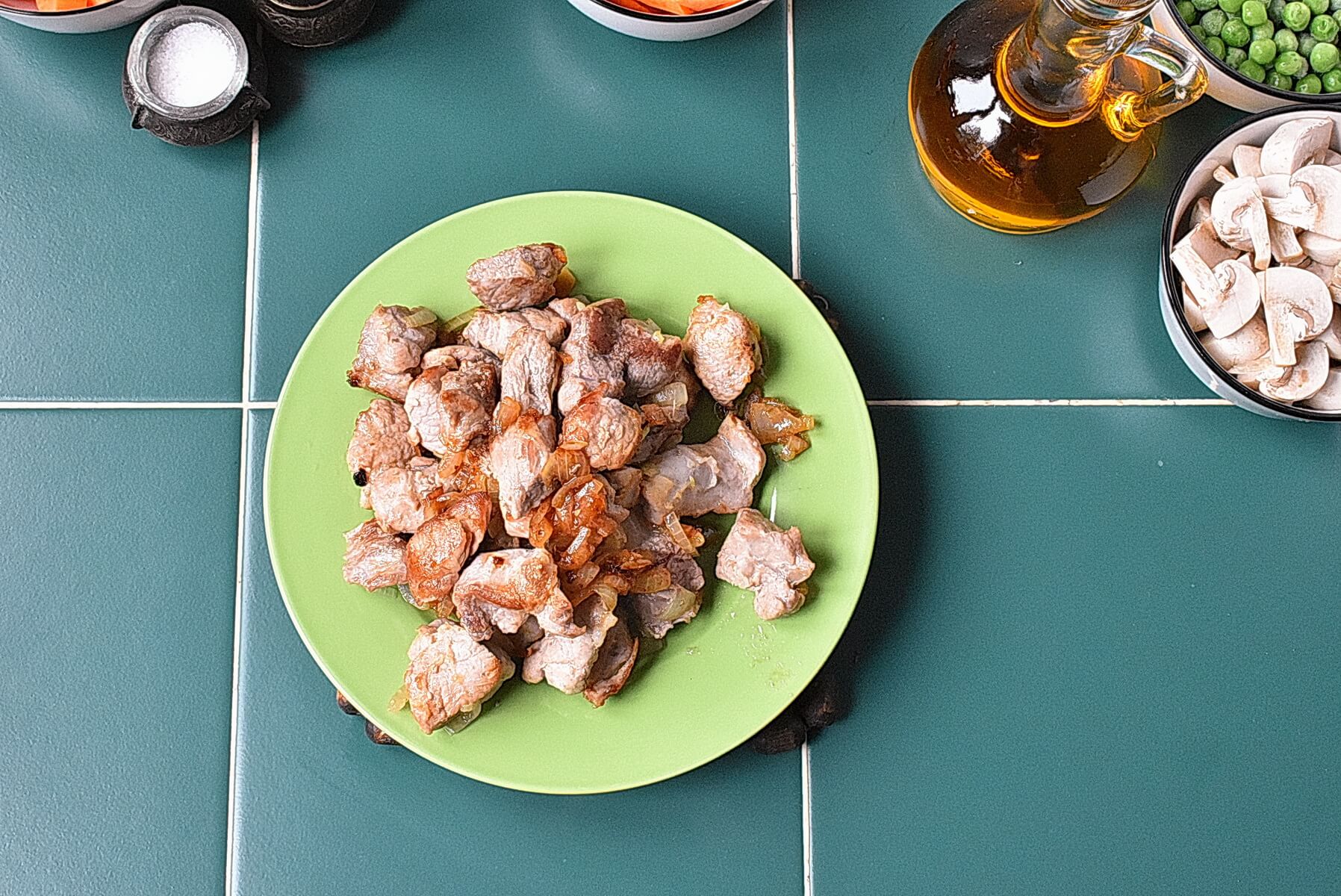
In a large pot or Dutch oven, heat 1 tablespoon olive oil and add the cubed pork and 1 chopped onion. Cook and stir the pork until browned on all sides, 5 to 10 minutes. Transfer the pork to a bowl and set aside.
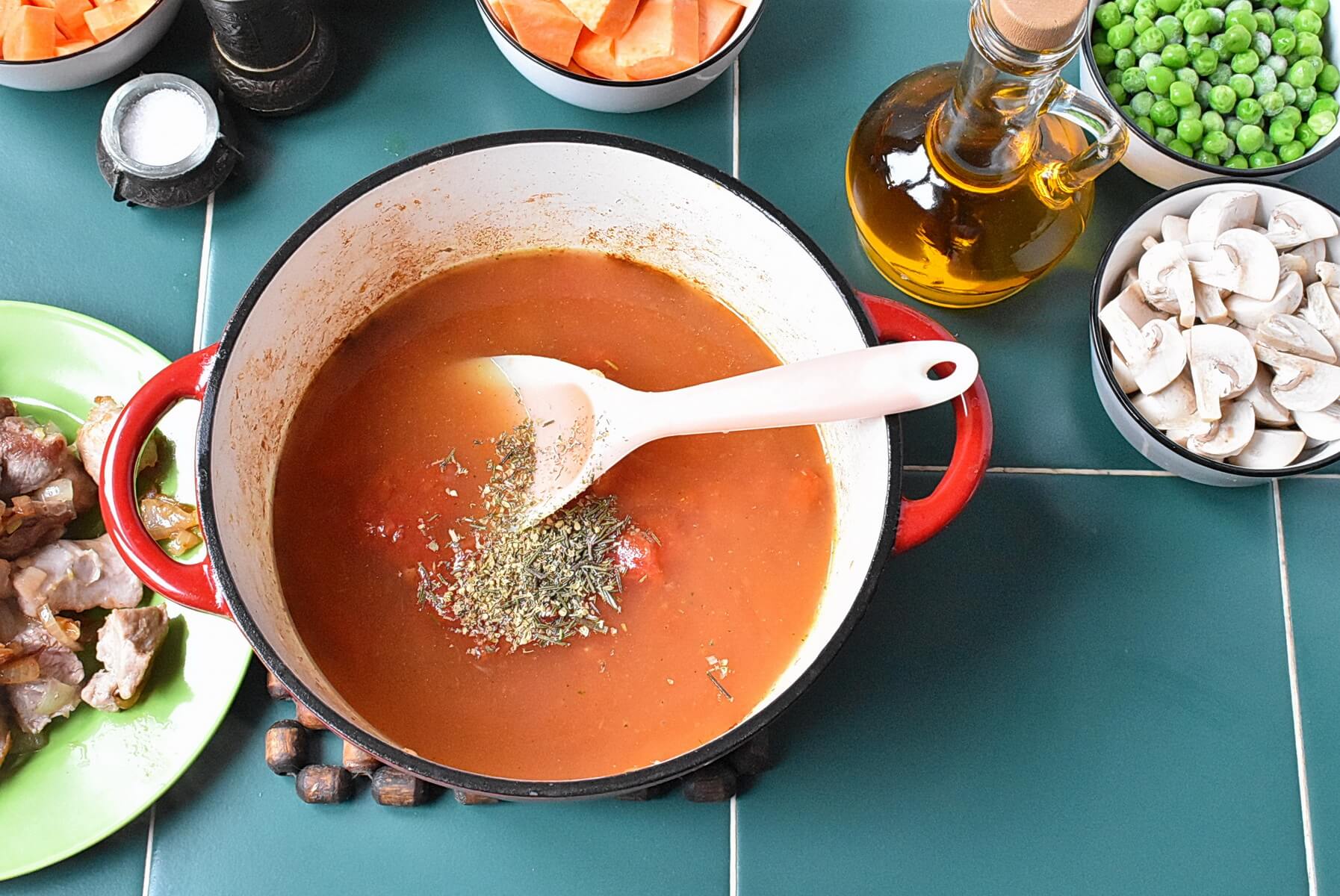
Add 4 cups chicken broth, tomatoes along with their juices, ½ teaspoon dried rosemary, ½ teaspoon dried oregano, and salt and black pepper to taste. Stir, scraping any brown bits from the bottom of the pot.
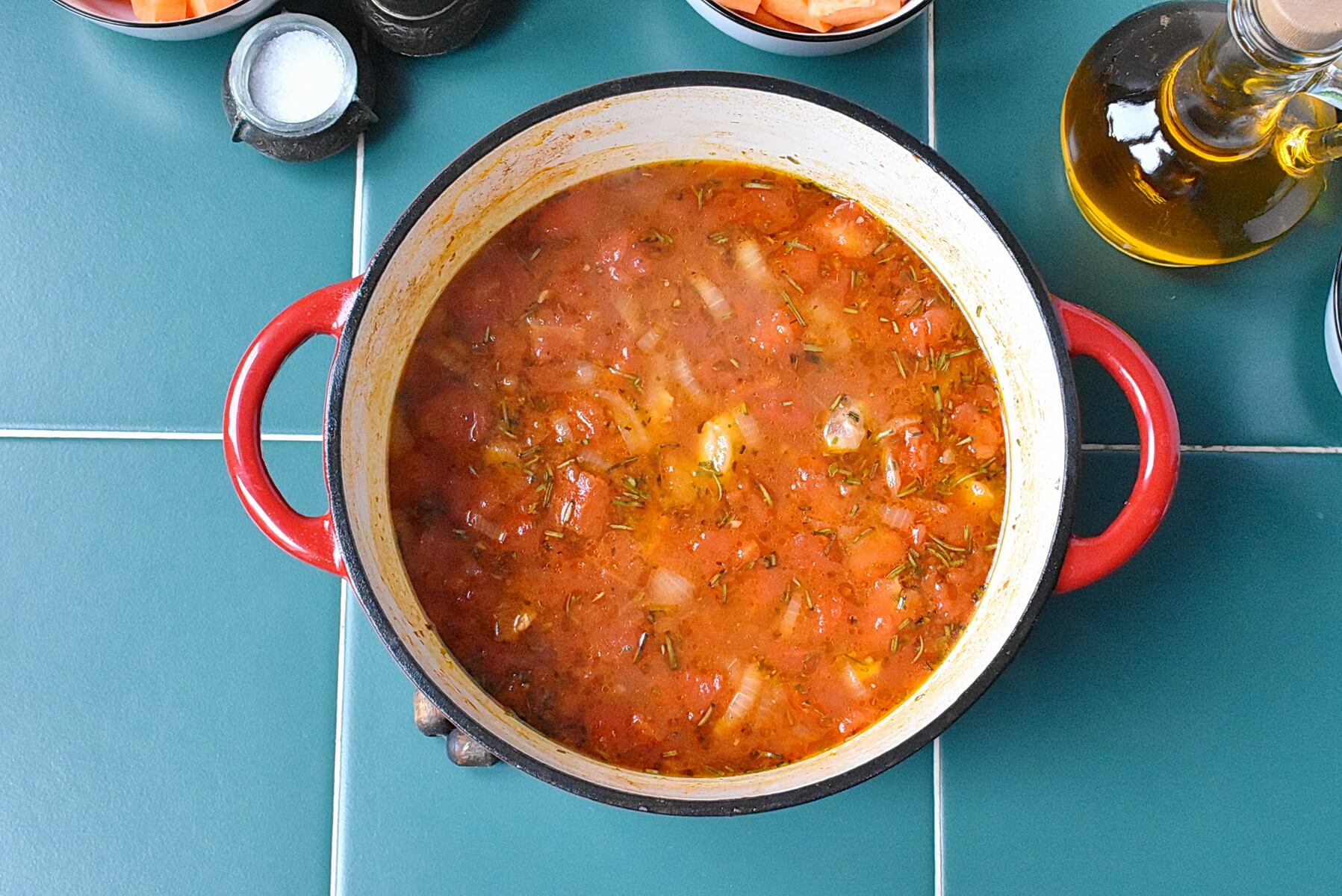
Return the pork to the pot and bring to a boil. Reduce the heat and simmer, covered, until the pork is fairly tender, about 1 hour.
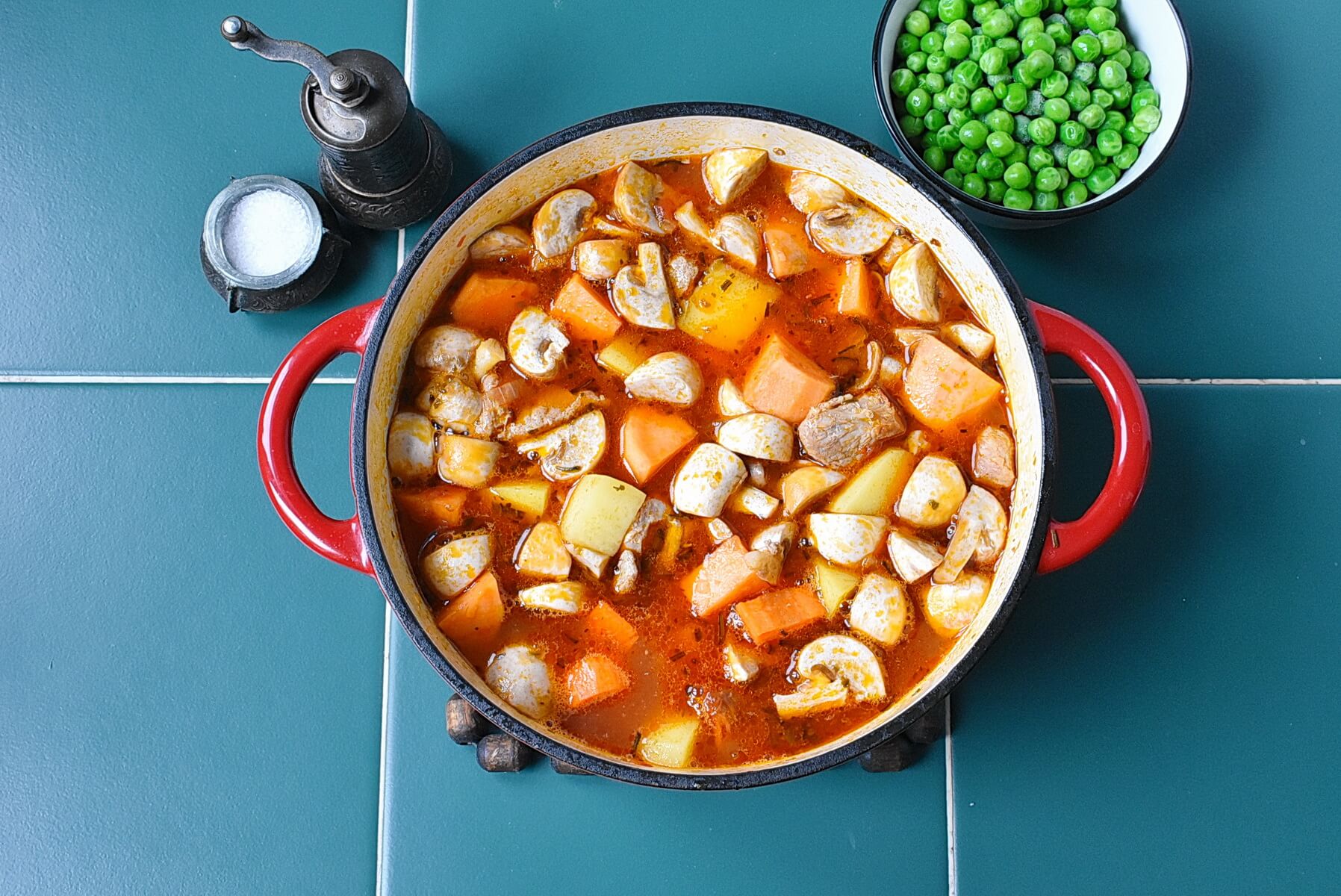
Add the diced potatoes, sweet potatoes, carrots, and 1 cup sliced mushrooms. Bring to a boil, then reduce the heat to a simmer. Cover and cook for 30 minutes or until the vegetables are tender.
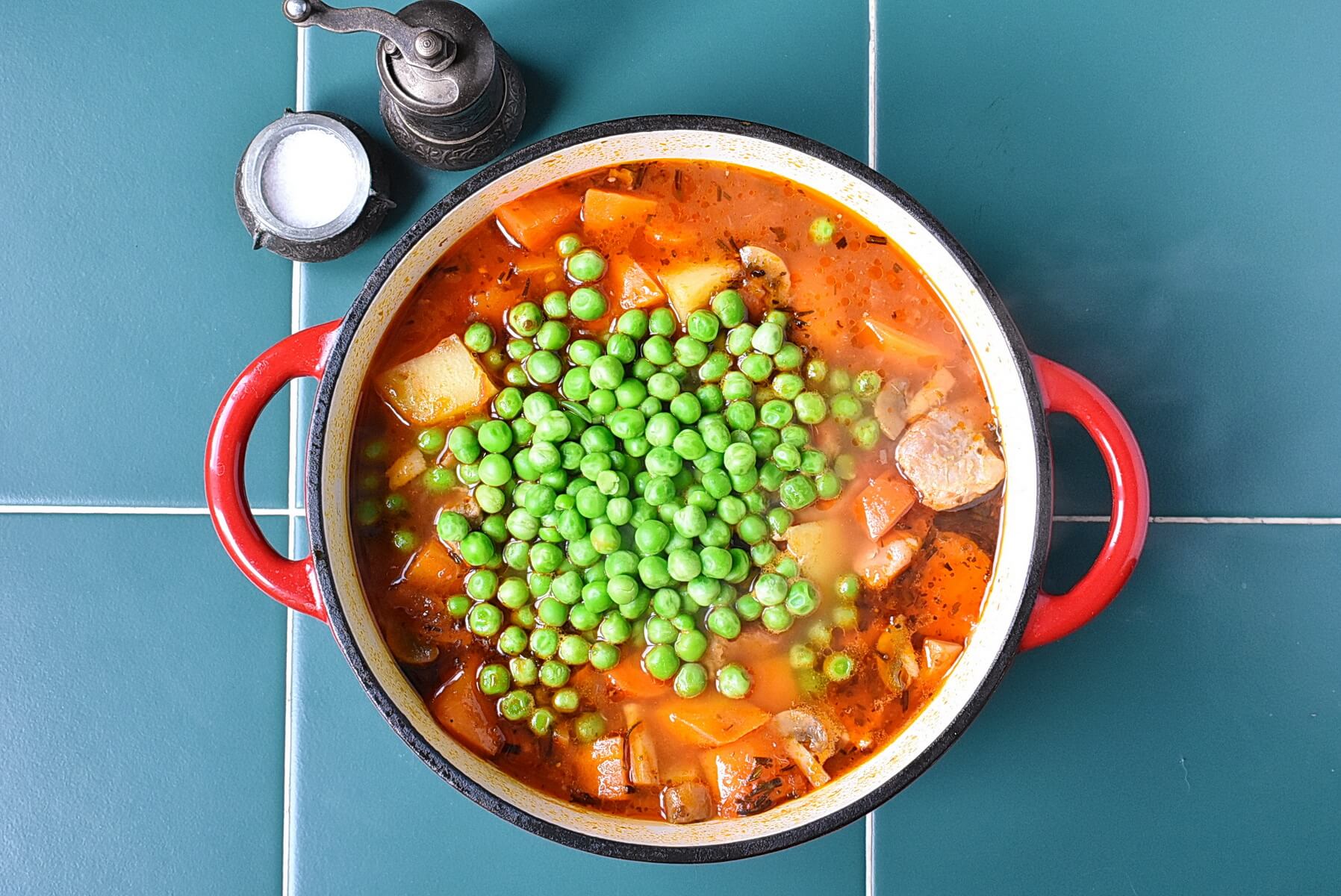
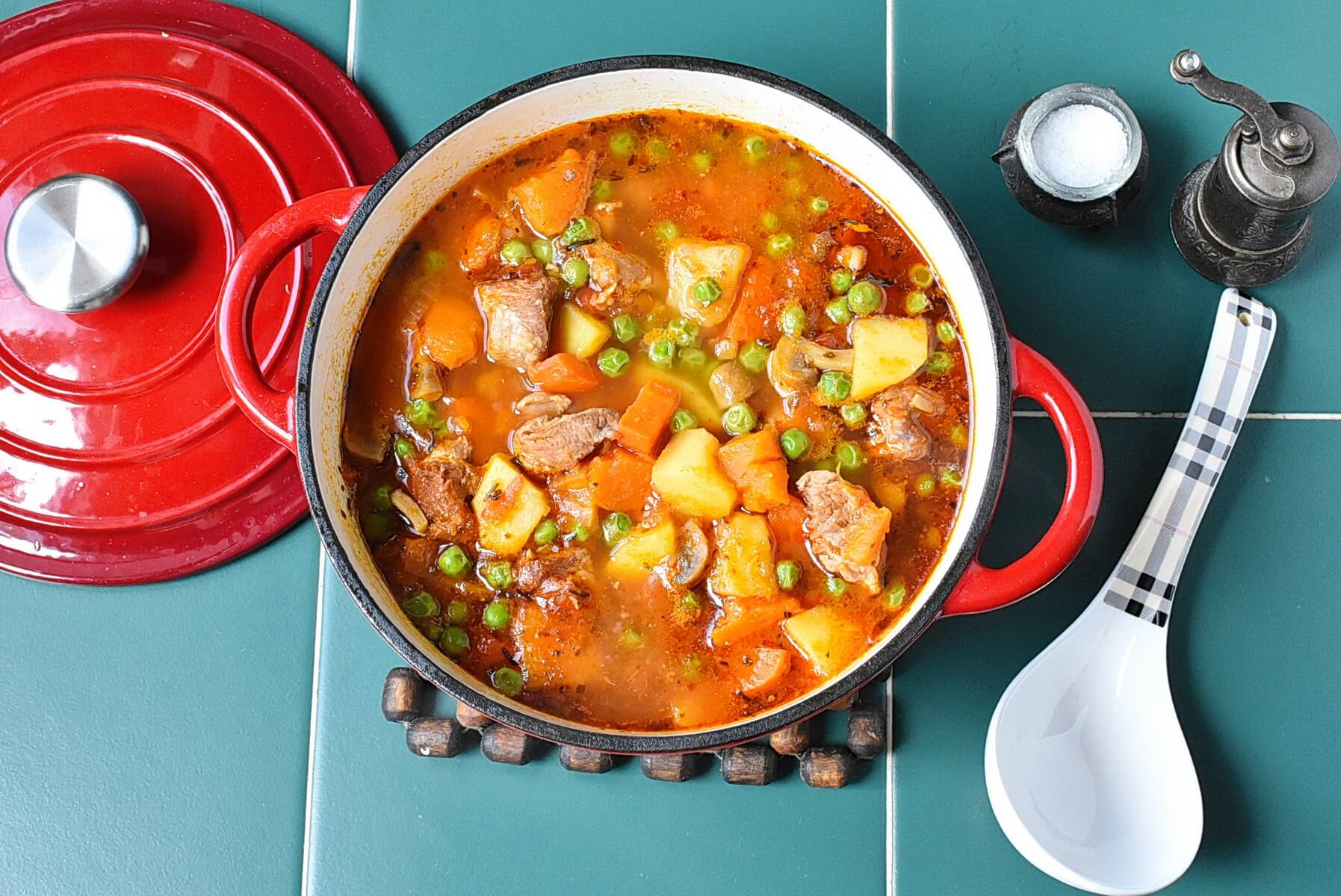
Remove the lid and stir in 1 cup peas. Simmer, uncovered, for another 10 minutes.
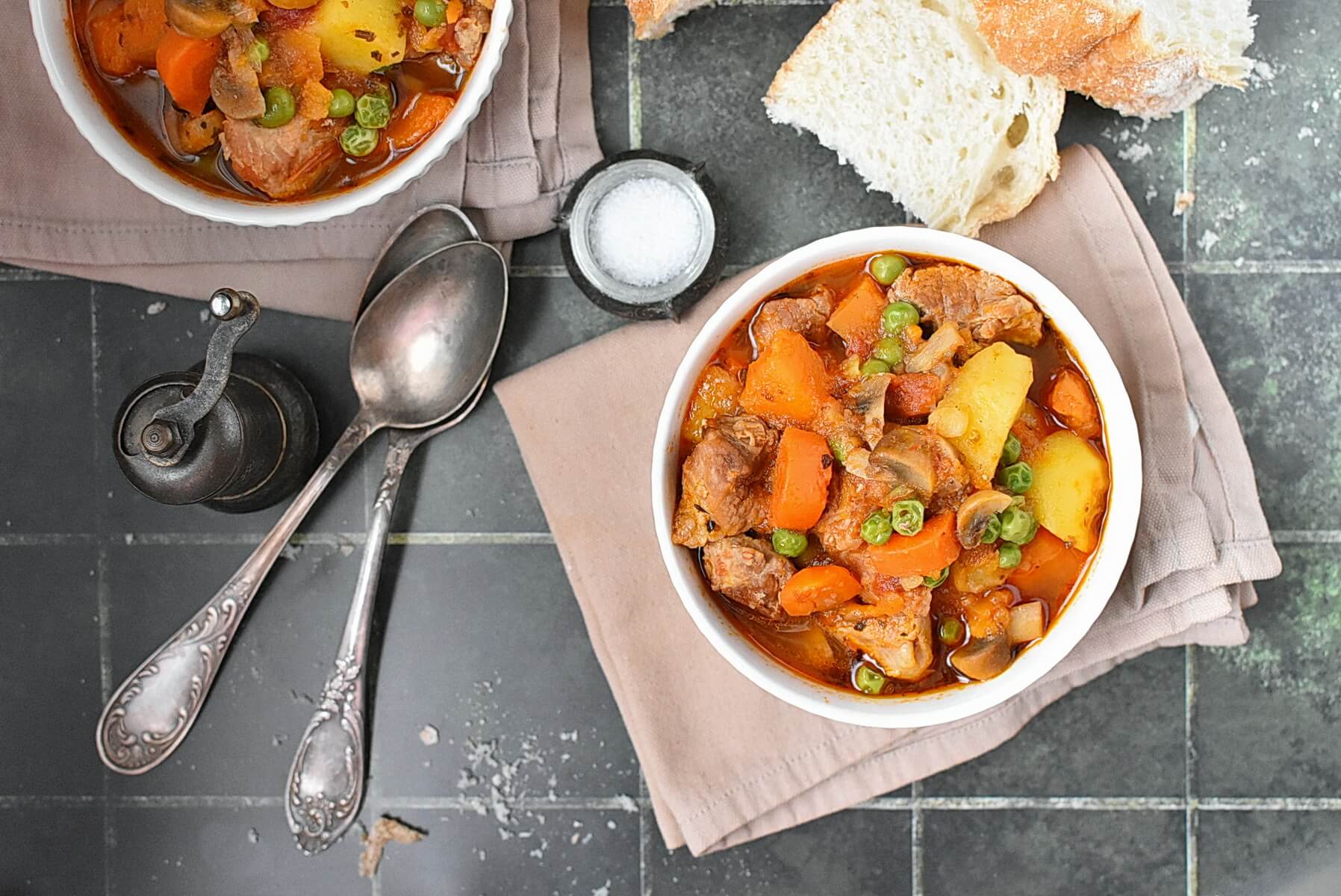
Garnish with fresh herbs, if you wish, and serve.
Start with a large pot or a Dutch oven. If you have one, a dutch oven pork stew cooks more evenly and holds heat like a real workhorse. No Dutch oven at hand? Use a stockpot with a heavy bottom and a lid that fits tightly.
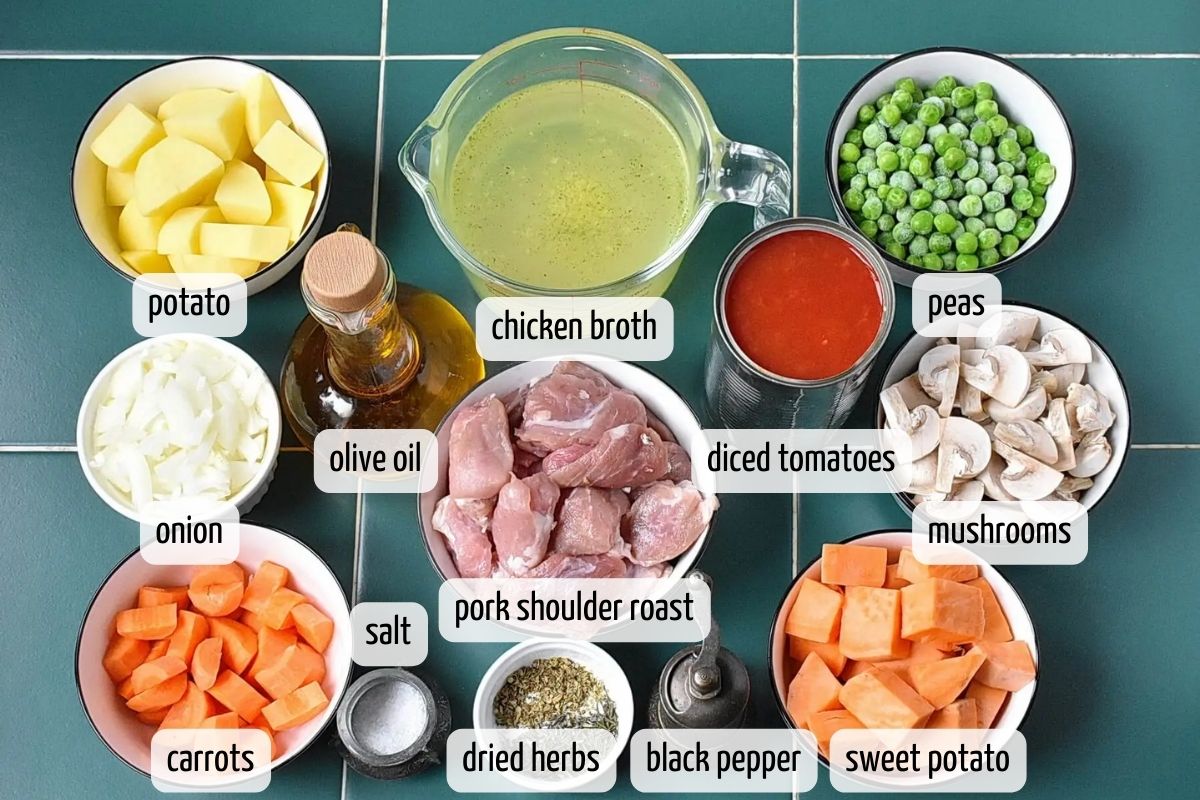
A sharp chef knife and a sturdy cutting board make the prep faster. You will cube pork shoulder and chop onion, potatoes, sweet potatoes, carrots, and mushrooms so they cook at the same pace. A wooden spoon or a spatula that resists heat is handy for browning and scraping up the good bits at the bottom of the pot. Keep a bowl nearby to put the browned meat in while you build the base.
Measuring spoons for the dried rosemary and oregano are useful, but I often eyeball them. A can opener for the tomatoes, a colander if you rinse frozen peas, and a ladle for serving finish the list. Oven mitts too, because hot metal is not forgiving.
The key to how to make pork stew tender is a real sear up front. Get that pork shoulder hot in oil until it takes on a good brown crust. That crust is flavor. It is not magic. It is science. Then low and slow turns the connective tissue into silk.
Use pork shoulder on purpose. It has fat and connective tissue that break down and give the broth body and depth. Season the meat early with salt and pepper so it browns better. When you add the broth and tomatoes, add the dried herbs and let them steep while the pork cooks. They loosen up and do their job in the pot.
Timing for vegetables matters. Add the potatoes, sweet potatoes, carrots, and mushrooms after the pork has softened for about an hour, then simmer another half hour. Potatoes need that time to absorb the broth and soften without turning to mush. Mushrooms are like a little bonus of umami, so add them later to keep some texture.
Do not skip scraping the brown bits off the bottom when you add the liquid. Those bits are gold. And taste midway through the simmer because broths and canned tomatoes vary in salt. Adjust as needed.
One last note. It is a one pot meal, so cleanup is simple and practical. That is part of why I make this so often.
Smoky twist with bacon and chilies
Start by crisping bacon in the pot, use the rendered fat instead of olive oil, then brown the pork in that fat. Add a chopped jalapeno or a bit of chipotle when you add the vegetables for a slow building heat. For a comfort food stew recipe with a smoky edge, this version is hard to beat. Pair with corn bread for a satisfying contrast in texture.
Veggie packed harvest version
Double the carrots and drop in chunks of butternut squash with the potatoes and sweet potatoes. Squash soaks up flavor and adds sweetness without dairy, stretching the meal for more mouths. If you want to make it vegetarian, swap the pork for canned beans at the vegetable stage, but do not expect the same pork forward profile.
Herb bright Mediterranean spin
Swap the dried rosemary and oregano for fresh basil and thyme at the end. Toss in olives or capers with the mushrooms for a briny contrast. It lightens the pot and gives you a different mood that works better in transitional seasons.
Serve piping hot in deep bowls with chopped parsley or chives on top. I like it over steamed rice or with crusty bread to soak up the broth. For a winter dinner idea, this is reliable food that fills the house and the belly.
For a true comfort plate, ladle the stew over mashed potatoes so the juices soak right in. If you want a brighter side, toss a simple green salad with vinegar to cut the richness. A medium bodied red like Pinot Noir plays nicely with the tomatoes and herbs, and sparkling water with lemon keeps things refreshing without alcohol.
Leftovers reheat well. Warm them gently with a splash of broth to bring back the texture.
Low and slow after a good sear. If the pork is still firm at an hour, give it another 15 minutes and check again. You will know it is ready when it gives to a fork without fighting you. Patience wins here.
No. A dutch oven pork stew is easier in a Dutch oven because it holds heat and moisture well, but a heavy stockpot works fine. Just watch the heat and stir a bit more with stainless steel to avoid sticking.
If you have leftovers, shred the pork for tacos or sandwiches, or freeze it in portions for quick meals later. Nothing should be wasted. Nose to tail thinking is common sense here.
Yes. It is designed as a one pot meal that gives you protein and vegetables in one pot. Add more potatoes for extra heft if you need it. I rely on this dish when the temperature drops and I want something that holds up to the cold.
Add canned beans at the vegetable stage to thicken and bulk up the broth. It is an easy way to stretch the pot and add fiber without losing the main flavors. If you try that, watch the seasoning because beans absorb salt differently.
This delicious Pork Stew is packed with comforting, hearty flavors and is guaranteed to delight any crowd. Give it a try soon, and don’t forget to come back and share your thoughts with a review!