Sometimes a recipe just clicks, like the first sip of tea on a misty Totnes morning. This one is that kind of thing for me. The dough comes together in minutes, you leave it to rise while you make coffee, and it bakes into something crisp outside yet soft within. It is forgiving and honest, which is why I call it a joy to make.
First time I had pide? Berlin street food. The sesame seeds were everywhere and I loved the way they turned each bite into a small, toasty surprise. Back in Bristol I adapted it into a simple, no fuss loaf that fits how I cook now: cook kindly, eat consciously, leave no trace but joy. If you want a ramazan pidesi recipe, this is an easy way in. Actually, no, that sounds grander than it is. It is simply friendly bread that turns a kitchen into a warm, slightly floury place.
It reminds me of my grandmother in her Devon cottage, always saying, “Don’t waste good things, love. The earth worked for them too.” That line sits with me when I measure flour or press sesame seeds into the dough. Make it for a weekday dinner, or for guests who expect fuss. Either way, it will make the room smell like something worth coming home to.
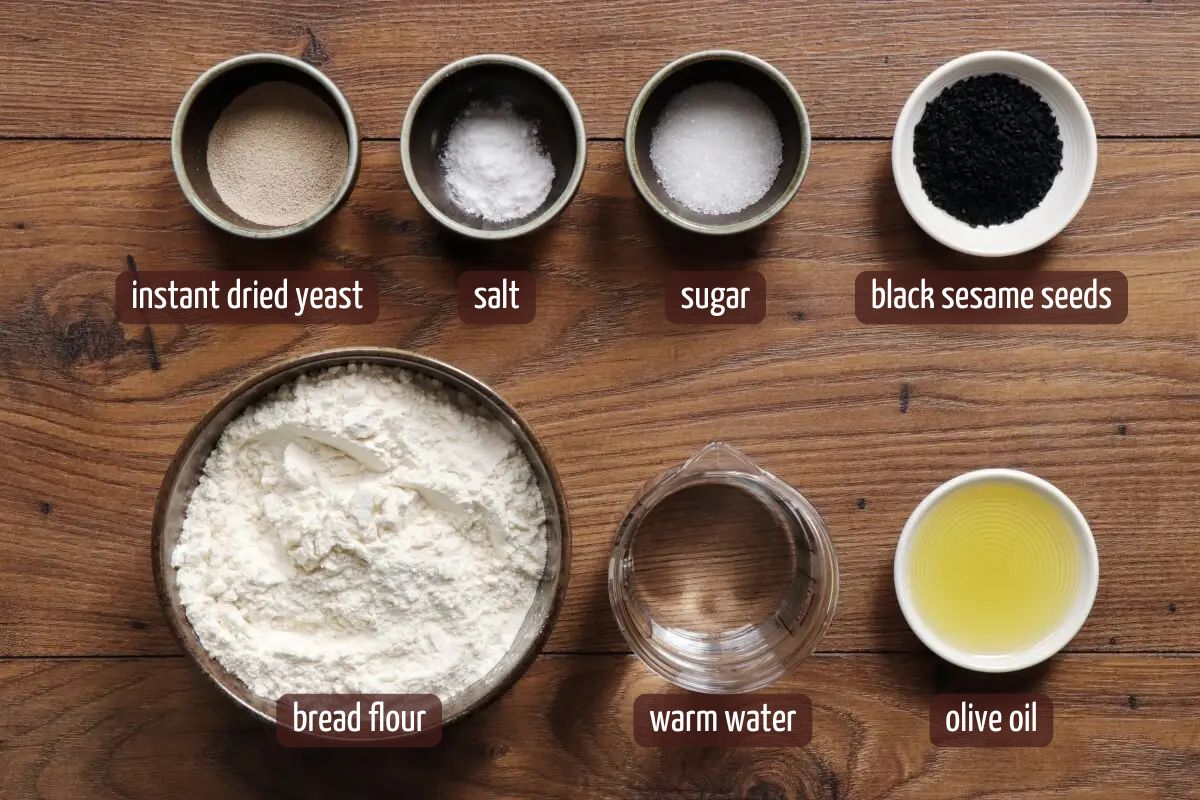
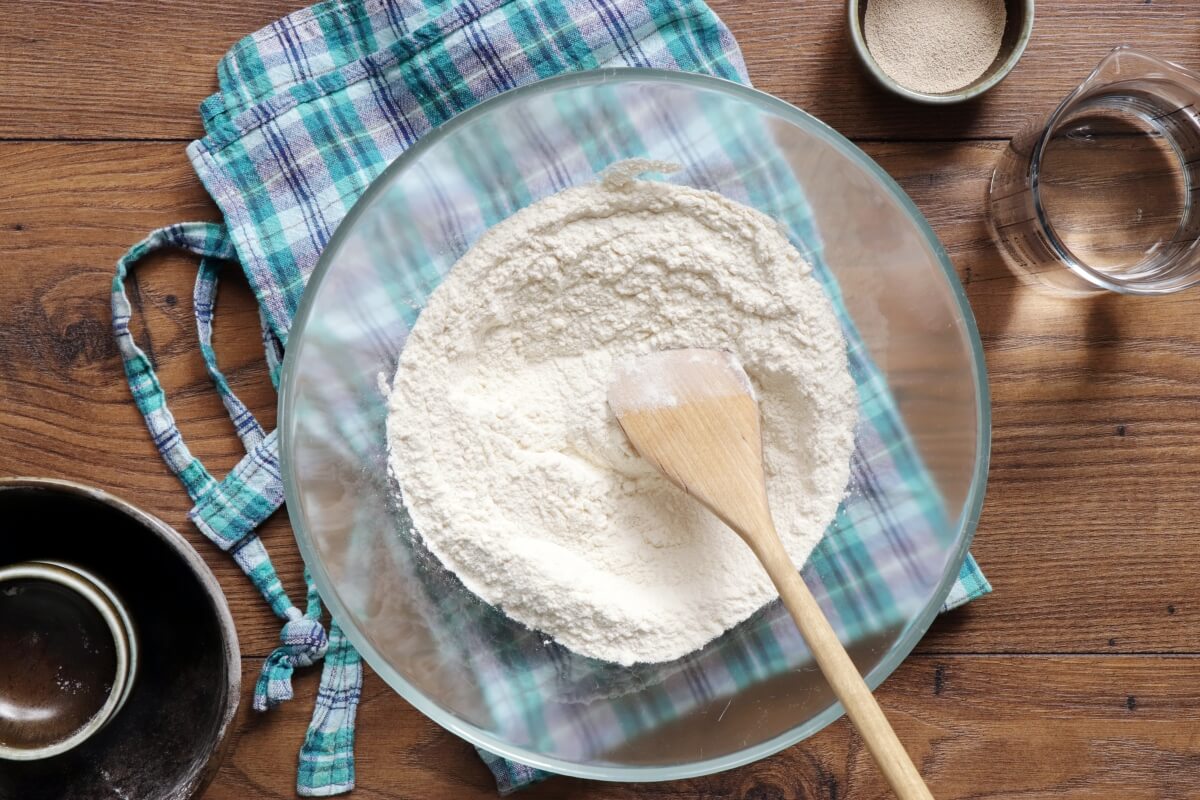
In a large mixing bowl, combine 2 cups bread flour, 2 teaspoons sugar, and 1 teaspoon salt.
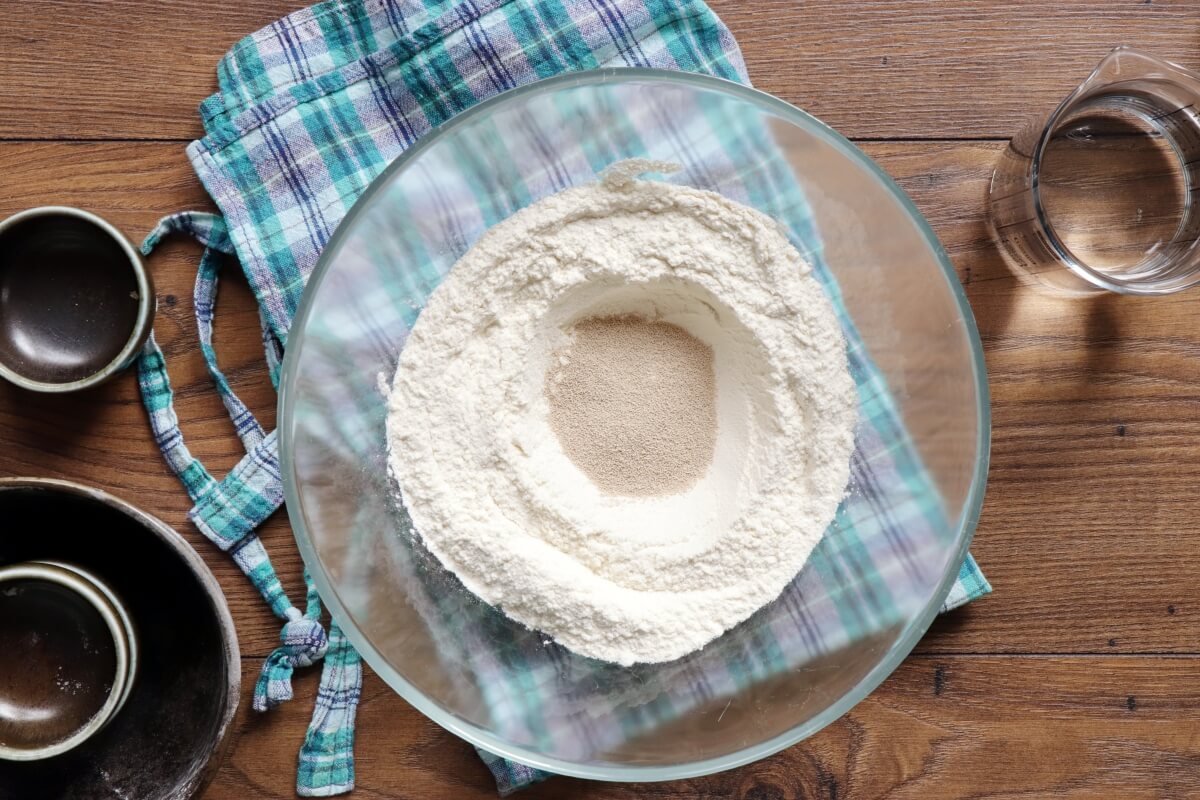
Make a small well in the center of the flour mixture and add in 2 ¼ teaspoons instant dried yeast.
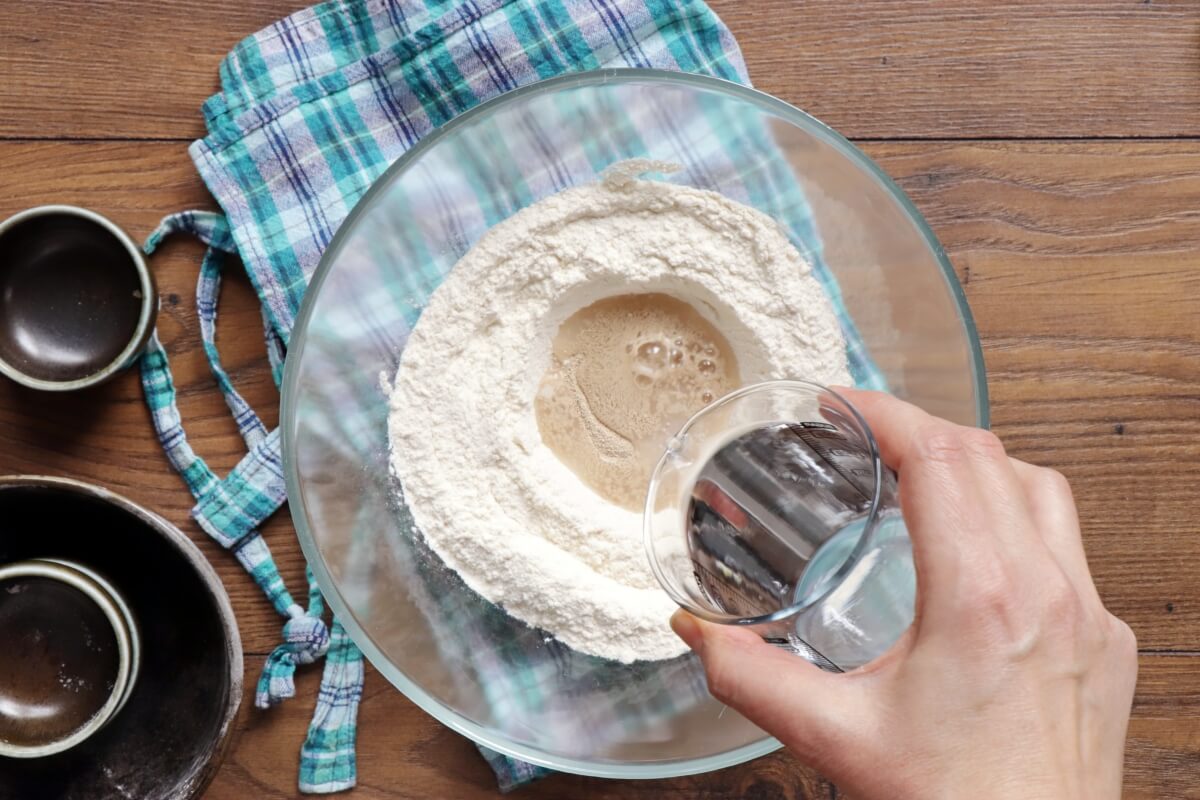
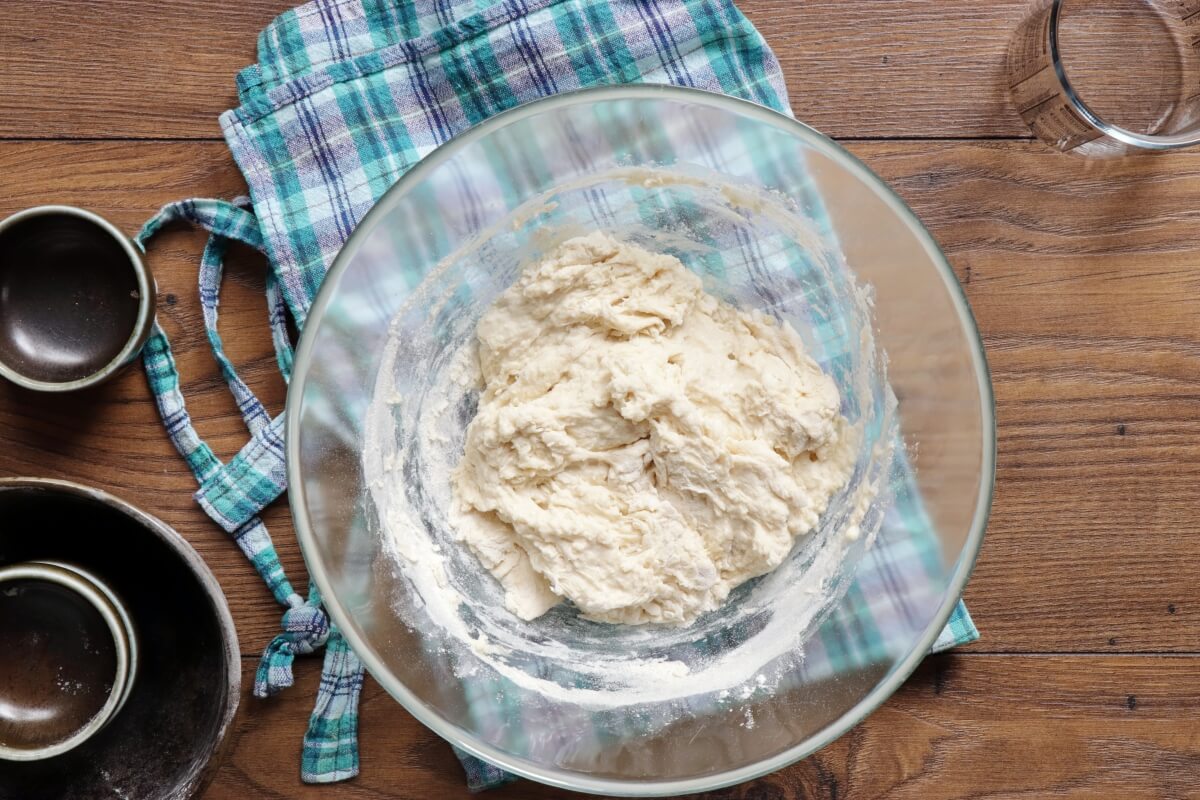
Add ¾ cup plus 4 teaspoons water into the well and mix everything together with your hands. The dough will be very shaggy and fairly hard to handle.
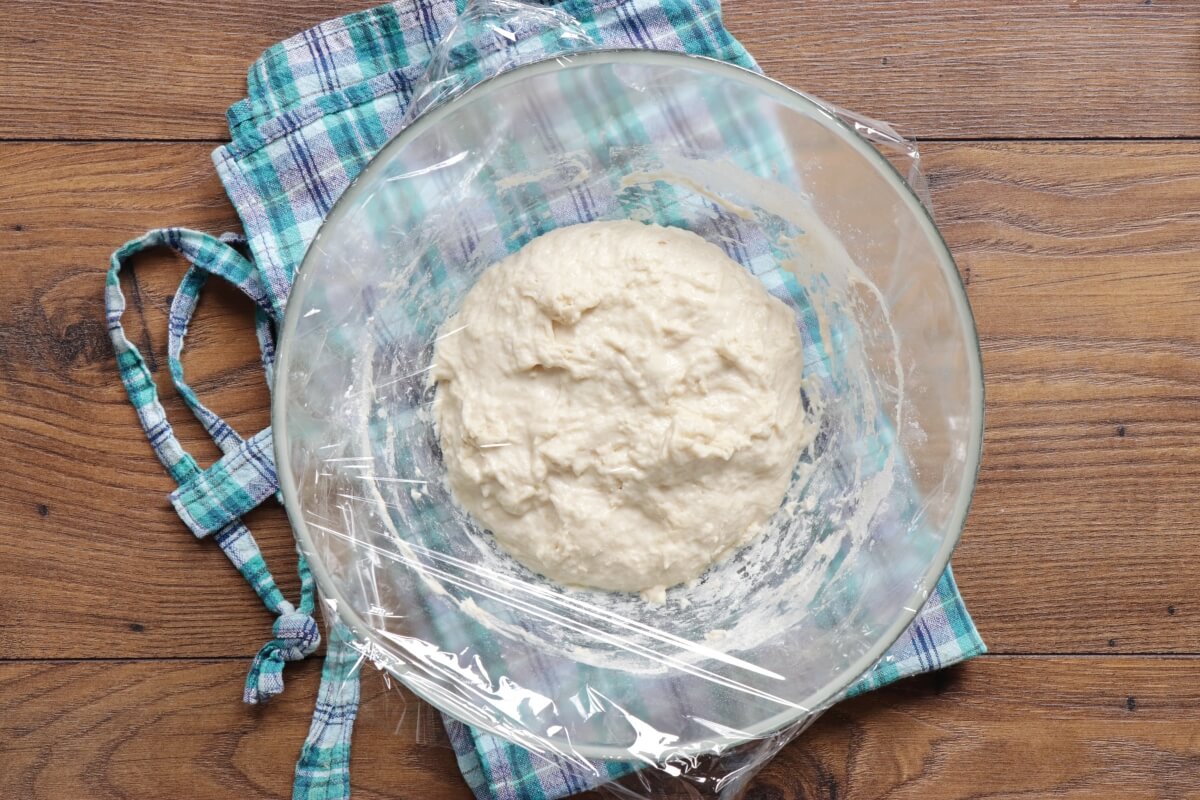
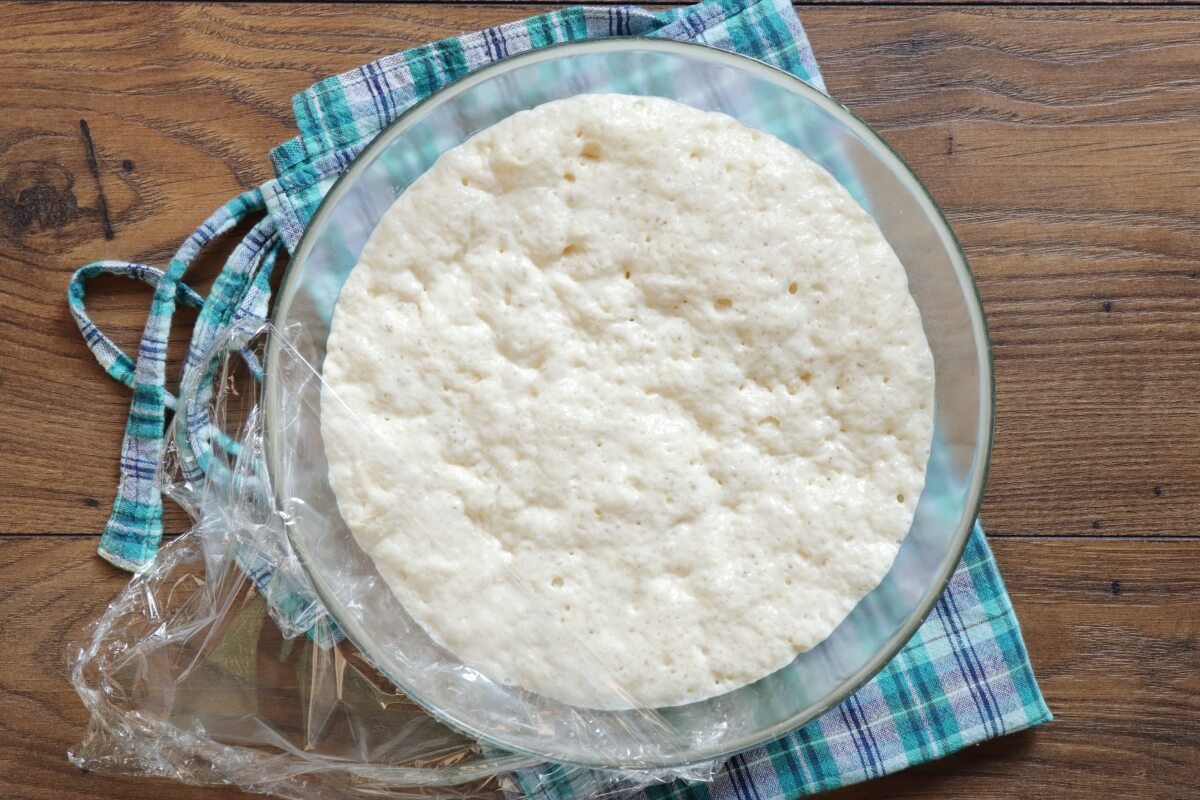
Cover the mixing bowl with plastic wrap and leave the dough to prove for about 1 hour or until doubled in size.
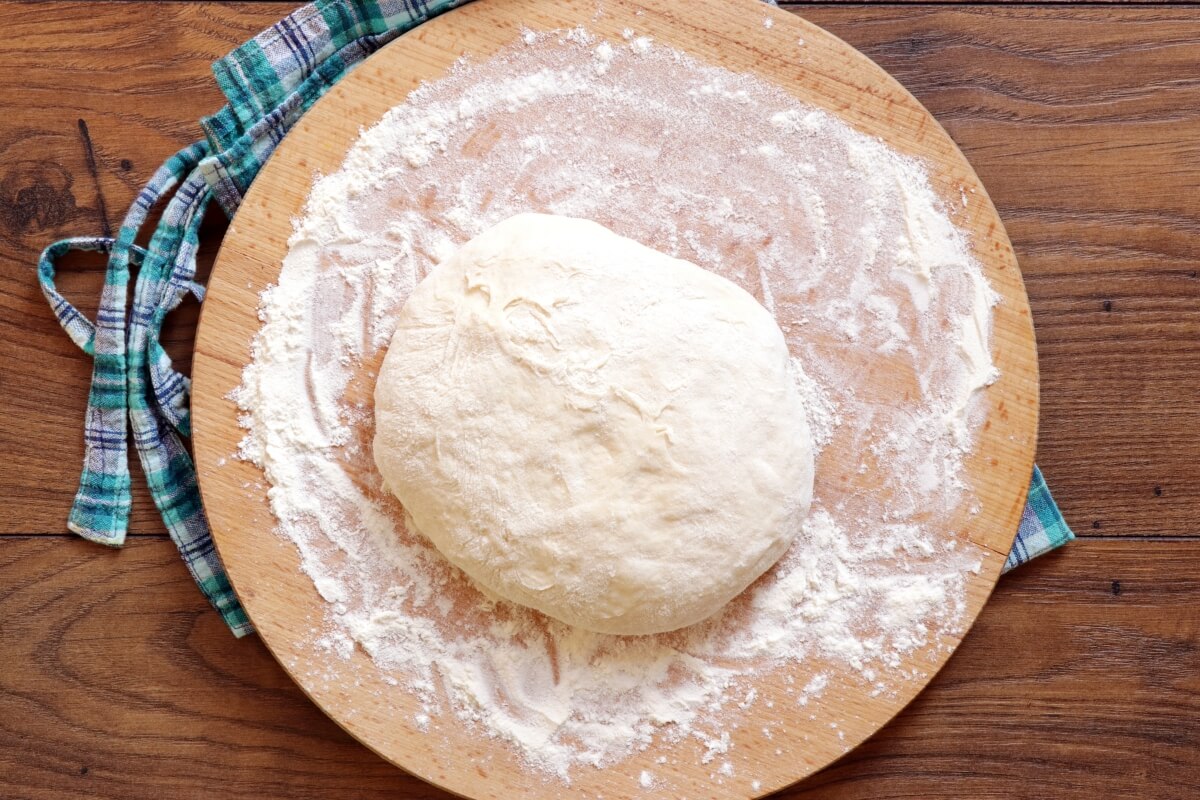
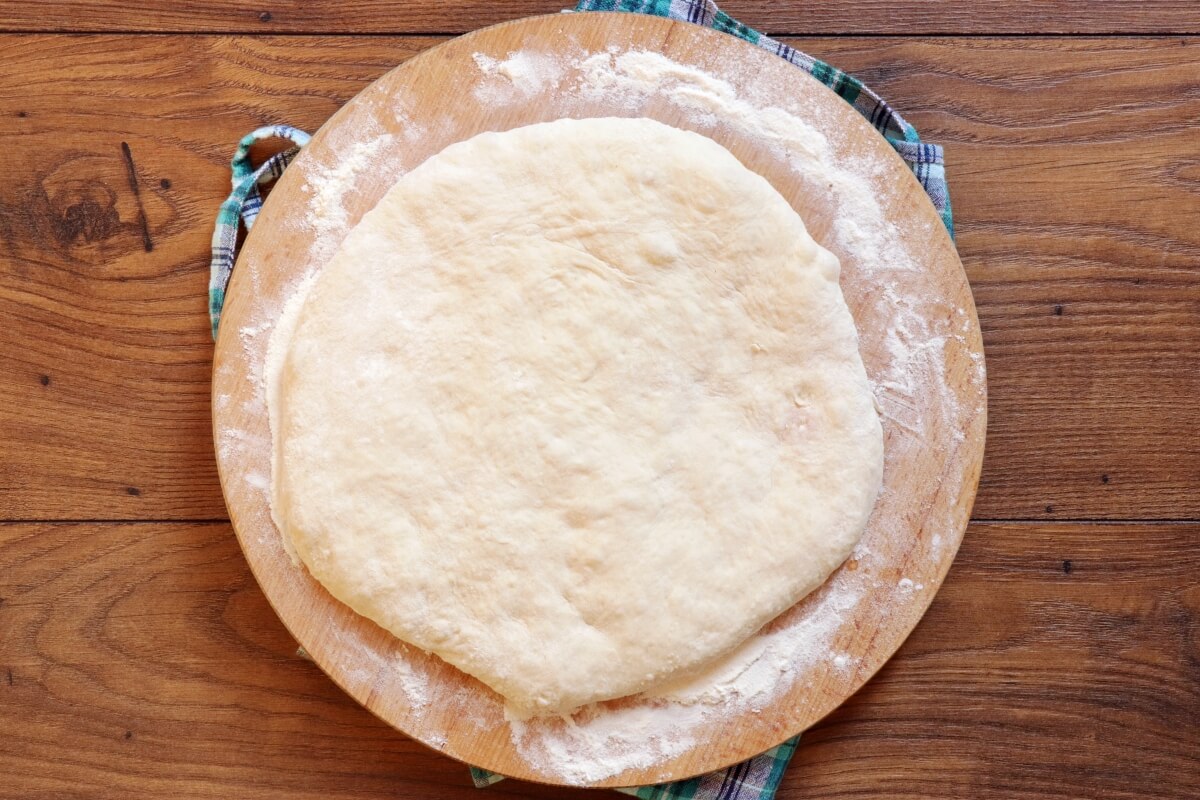
Generously flour a work surface and pour the proven dough out onto it. Shape the dough into a ball and flatten it to roughly 1 inch thick.
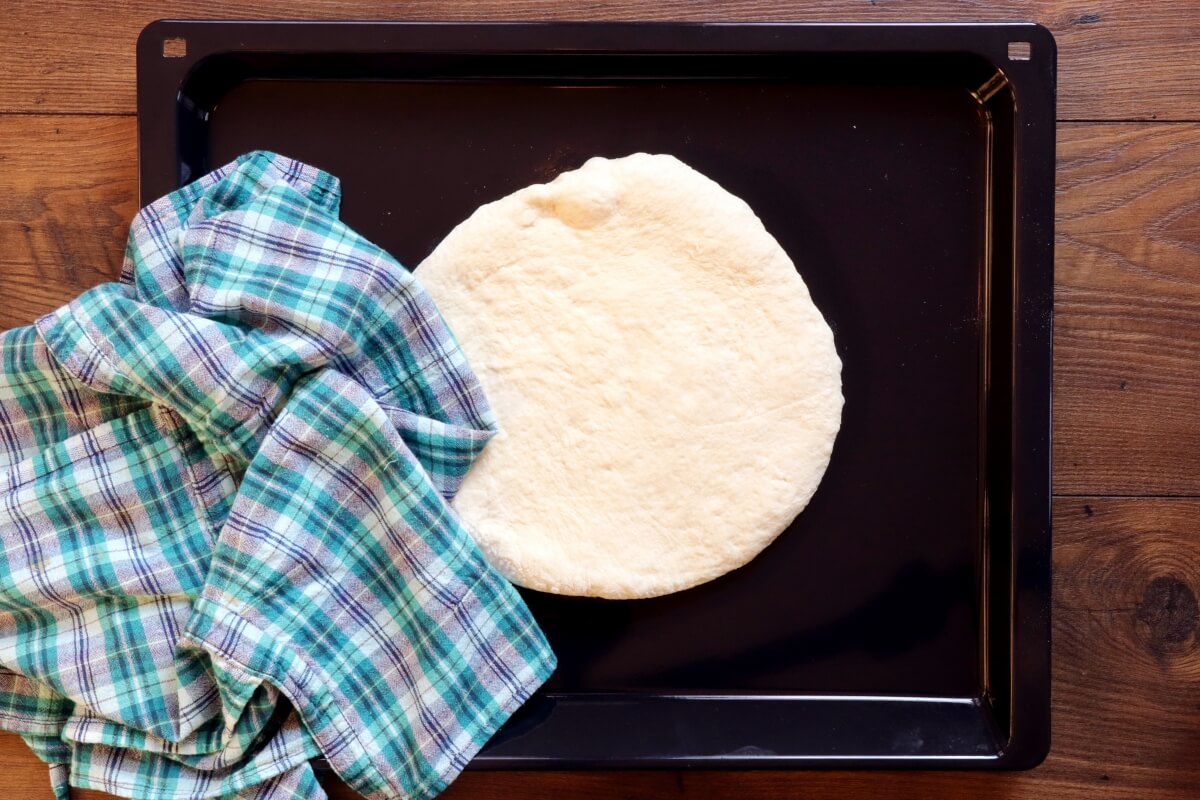
Transfer the dough to an olive oil-greased baking sheet. Cover the dough with a clean kitchen towel and leave to prove for another 45 minutes
Preheat the oven to 480 °F / 250 °C
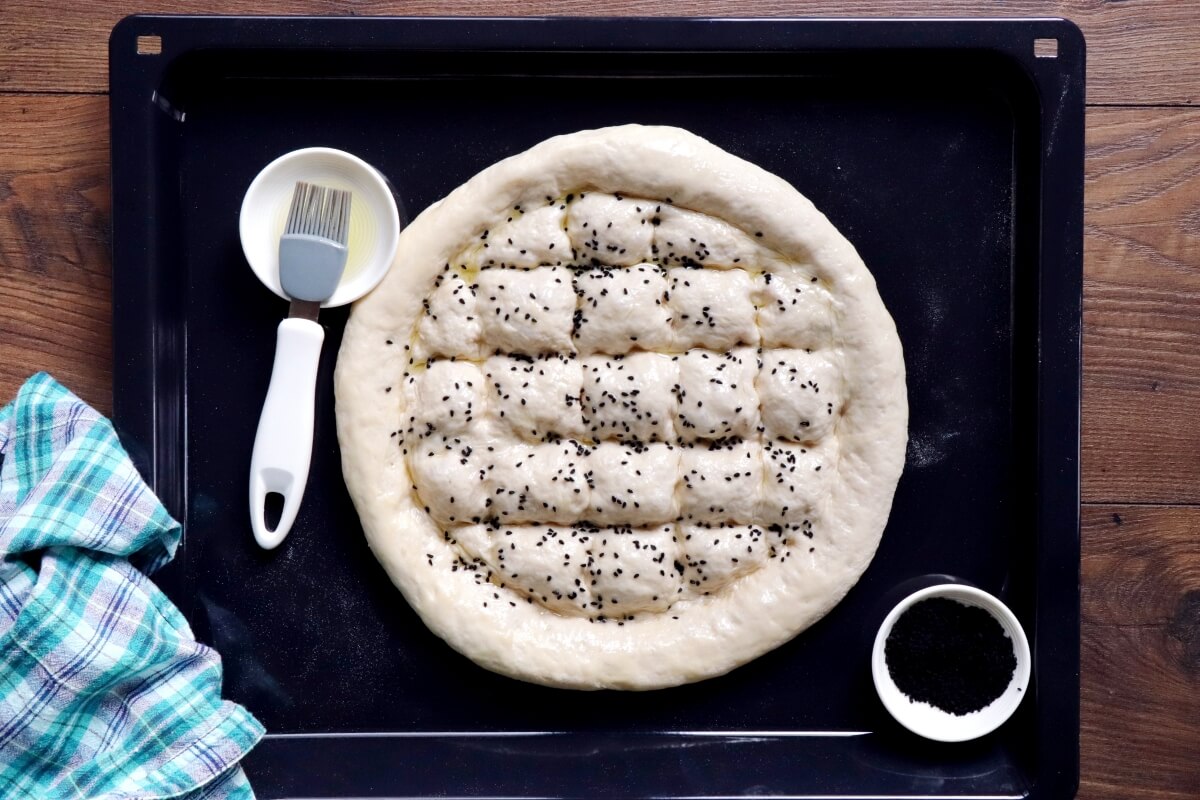
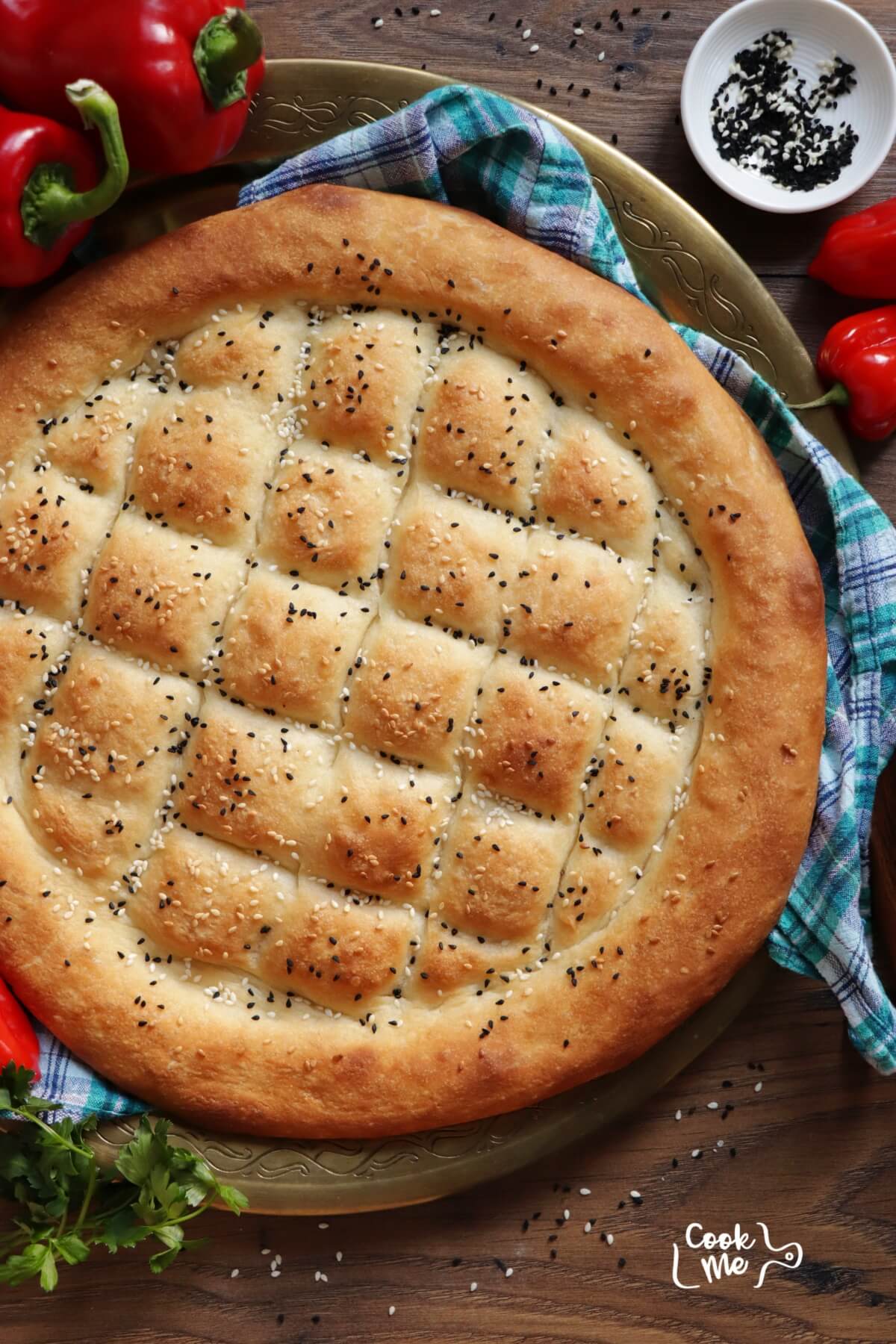
Using your fingertips, dent the top of the dough by first drawing a rough inner circle about 1 inch from the edge of the bread. Then, dent the center of the inner circle with crisscrossed diagonal lines about 1 inch apart. Use a pastry brush to cover the top of the bread with 1 tablespoon olive oil. Sprinkle with sesame seeds and gently press the seeds in.
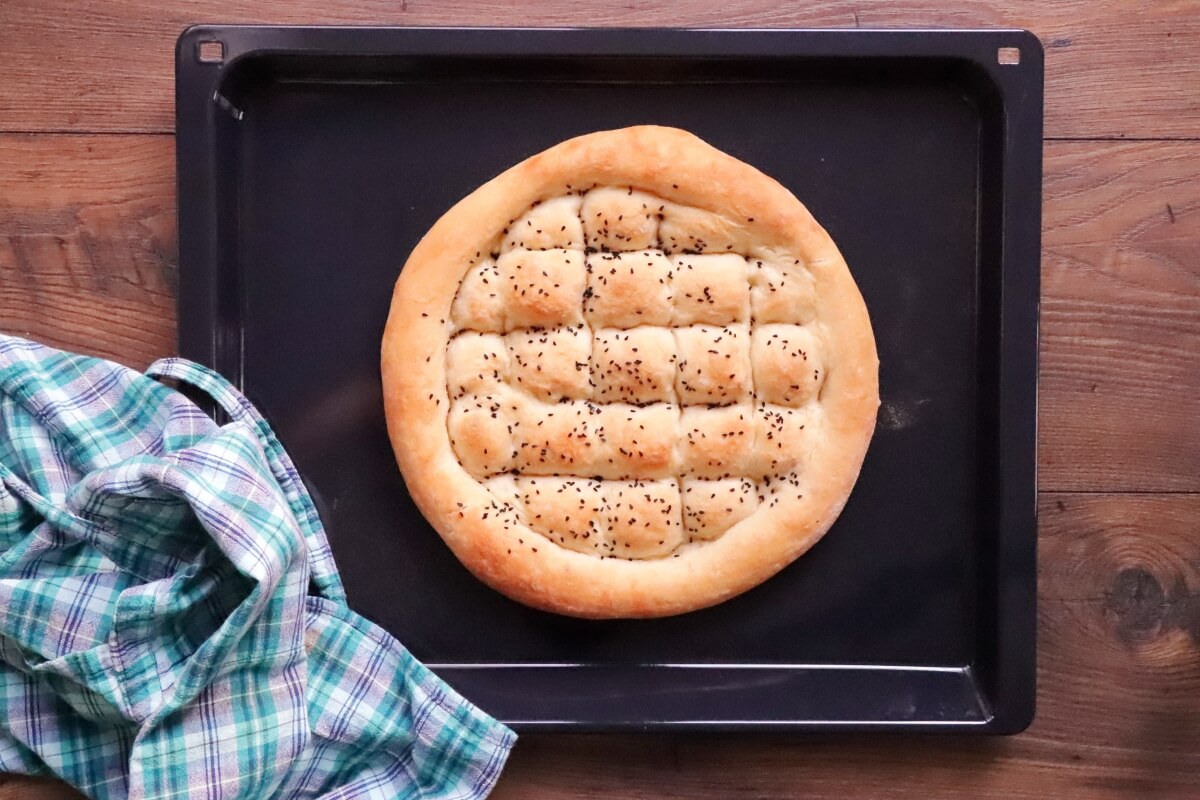
Bake the bread for 8 minutes at 480 °F, then turn the oven temperature down to 400 °F / 200 °C and bake for another 5 minutes or until golden brown.
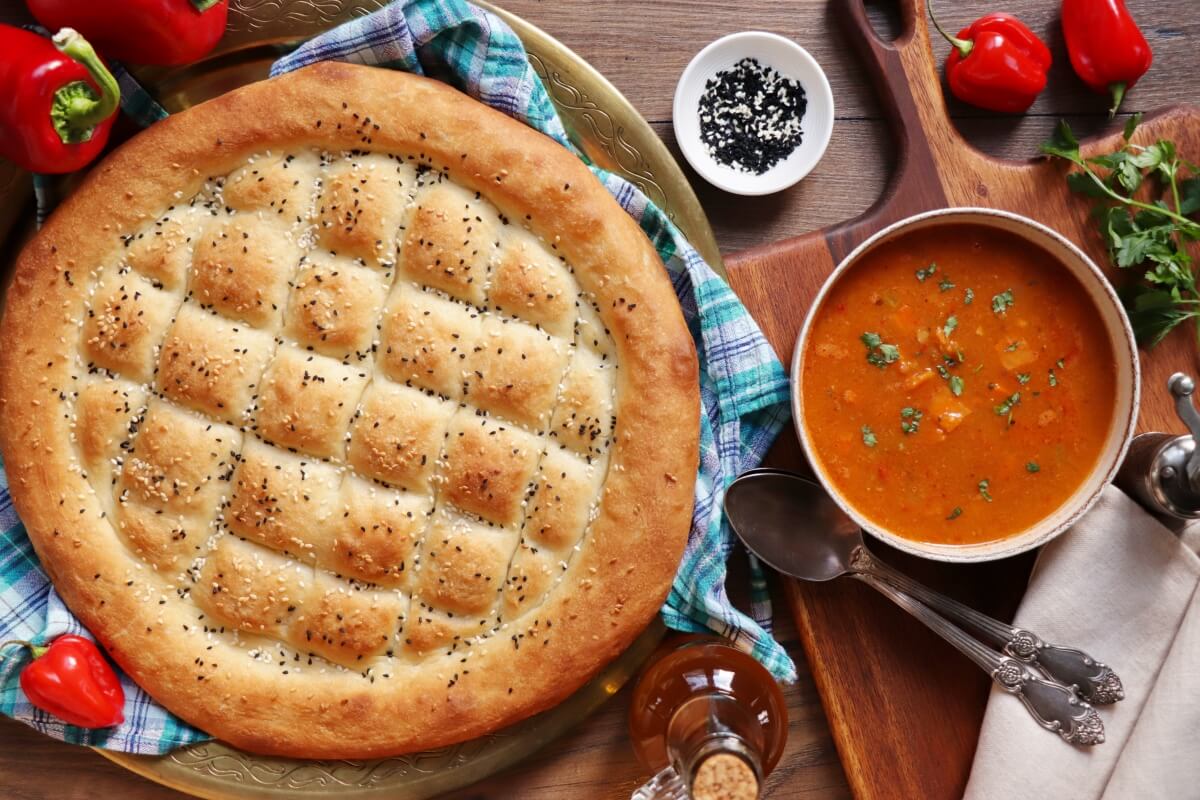
Let cool slightly, and serve warm or at room temperature.
You will not need a fancy setup. A large mixing bowl, a wooden spoon or just your hands, a work surface dusted with flour, and a baking sheet greased with olive oil are enough. A pastry brush helps for the olive oil glaze and your fingertips do the denting work. A clean towel or plastic wrap keeps the dough cozy while it proves. If your dough is extra sticky, a spatula is handy, but hands usually do the job.
I use a battered ceramic bowl from my mum because it holds warmth for the first rise. A timer on your phone helps with timing, and a small bowl for sesame seeds keeps things tidy. That is really it. Simple, sustainable, and kind on the cupboard.
Use warm water, not hot. Think body temperature, gently warm to the touch. That wakes the yeast without shocking it and helps the dough rise in about an hour, creating those lovely pockets that give the crumb a light lift.
Flour your surface well when shaping. The dough will be shaggy at first and a good dusting of flour keeps it from sticking and saves you a sticky, annoyed afternoon. Press patterns with your fingertips by drawing a rough inner circle about an inch from the edge, then make crisscrossed diagonal dents about an inch apart. Press gently so gases can escape and so the olive oil and seeds settle into the grooves.
Preheat the oven very hot, then turn it down partway through the bake. The initial high heat crisps the exterior, sealing moisture inside, and the lower temperature finishes the crumb without burning. Let the loaf cool a little so steam can settle. Small change, big difference.
If the dough feels dry add a teaspoon of water at a time. Hydration matters, especially when you are avoiding kneading. Trust your hands; they tell you more than a timer ever will. Who knew? It really works.
A Herby Twist with Garlic Swap some water for garlic infused olive oil in the dough, sprinkle chopped rosemary or thyme on top before baking, and press them in so each bite smells like a small herb garden. It is a nice way to make the bread sing with simple, seasonal flavours.
Seeded Delight Mix sesame with nigella and pumpkin seeds, and add a pinch of cumin to the dough. The seeds toast in the oven and add texture and toasty notes without changing the method. In Bristol I bake this for community sales and it disappears fast.
A Whole Grain Adventure Swap half the bread flour for whole wheat or oat flour for a heartier loaf. Whole grains soak up moisture differently so add a splash more water if the dough looks dry. It gives the crumb a lovely nuttiness and a sturdier feel that works well with robust toppings.
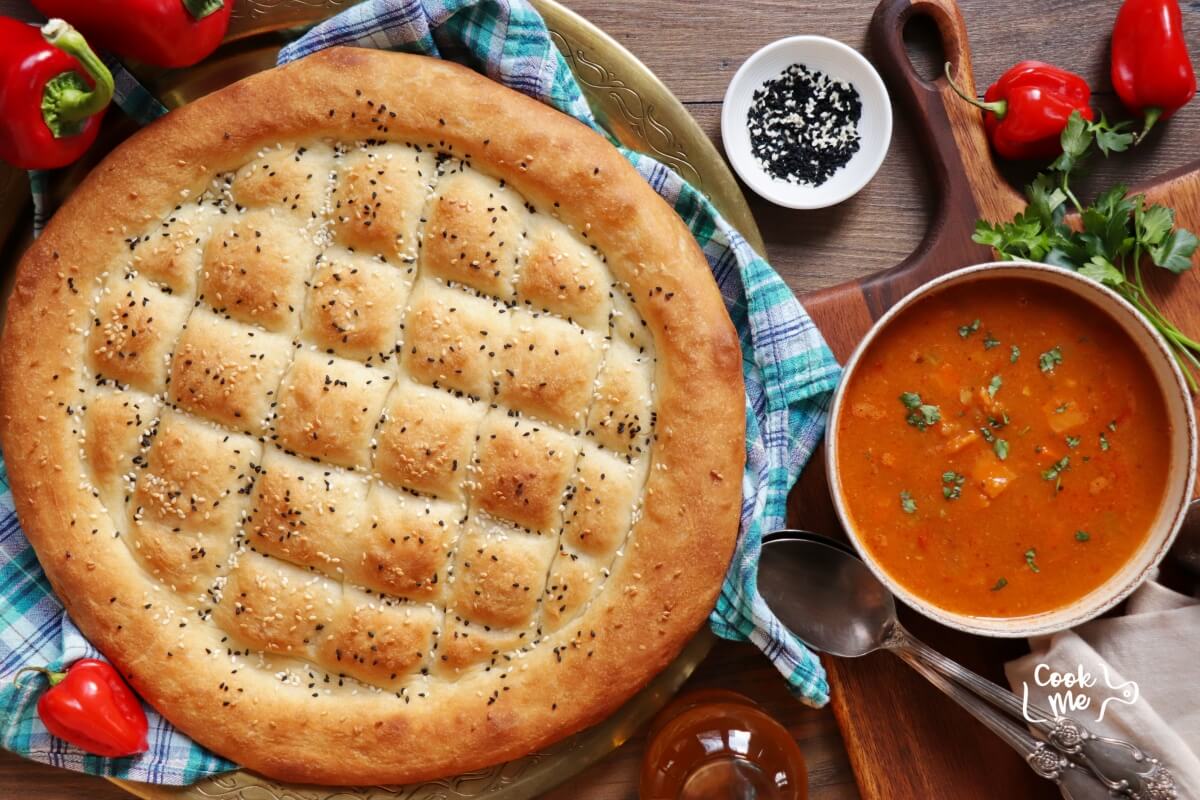
Warm and torn by hand is my favourite. Spread with hummus, and the sesame studded craters hold the dip like little spoons. For a simple lunch, top with sliced tomato, cucumber, and a crumbly vegan feta alternative for a bright open faced sandwich. This bread also pairs beautifully with soups such as lentil stew where you want something to mop up broth.
If you are wondering what to eat with hummus, this bread is a top answer. Toast leftovers and top with smashed avocado for a quick snack. For gatherings, slice and serve with mezze plates of olives, roasted vegetables, and yogurt style dips so people can graze and talk. It adapts easily and keeps well when you store it correctly.
A common question is how to make pide bread at home and the short answer is you can do it with basic kit: bowl, spoon, baking sheet and oven. The no knead approach removes the need for mixers and makes this accessible to anyone. Warm water for the yeast and a cozy prove spot are the main requirements. I once made this in a tiny Chiang Mai hostel kitchen and it still came out fine.
Yes. Add nigella alongside sesame on the top and press them in so they toast while baking. That small addition gives the loaf a classic Ramadan flavour without changing how you mix or prove the dough.
Check yeast freshness first. If your yeast is old it may not bubble and your loaf will be dense. Use instant yeast from a sealed packet, make sure water is warm not hot, and keep the bowl in a draft free spot. If needed add a pinch of sugar to feed the yeast. Covering the bowl tightly will trap humidity and help the rise. It is usually a small fix.
Absolutely. This is an easy homemade flatbread that holds up to dips and scooping. Its mild flavour lets things like olive oil and tahini sing, while the sesame adds a pleasant crunch.
Wrap the cooled bread in a clean towel and keep it in a paper bag at room temperature for a day. For longer storage slice and freeze in airtight bags and reheat in the oven to revive the crust. Avoid sealing in plastic at room temperature as trapped steam makes it soggy. I freeze batches and reheat them for quick meals.
If you are new to baking remember to measure, use warm water, and give the dough time. This method is forgiving, which is why it is popular with baking for beginners. Try it once and you will see how little can go a long way.
This No-Knead Turkish Pide Bread recipe yields soft, fluffy flatbread with a crispy top, perfect for any meal. With just 10 minutes of prep and no kneading, it's an easy option for all home bakers. Made this recipe? Let us know what you think in the comments below!

How amazing this bread looks!