I adore starting my day with something warm and nourishing, and this vegan polenta porridge has quietly become one of my favourites in my Bristol flat. What makes it special is how humble ingredients turn into a small, steady pleasure, a quiet promise before the day starts. I first started making it in Berlin when rain kept me indoors and I needed comfort that would not feel heavy. It surprised me how a little lavender and roasted fruit could lift the whole thing.
This is polenta with roasted apricots in spirit: the apricots caramelise and the polenta soaks up the flavours, and together they feel both simple and a bit unexpected. The texture is creamy and gentle, not slick or showy, more like a soft sketch than a performance. Actually, sometimes I think of it as breakfast that behaves like a sketchbook page: honest, layered, and worth returning to.
It fits with my simple manifesto: cook kindly, eat consciously, and leave no trace but joy. My mother Eleanor could have approved, she always cooked for company and never measured love. And my grandmother used to say, “Don’t waste good things, love. The earth worked for them too.” That line lives in my head when I rinse a pot or save the last spoonful for later.
So cozy.
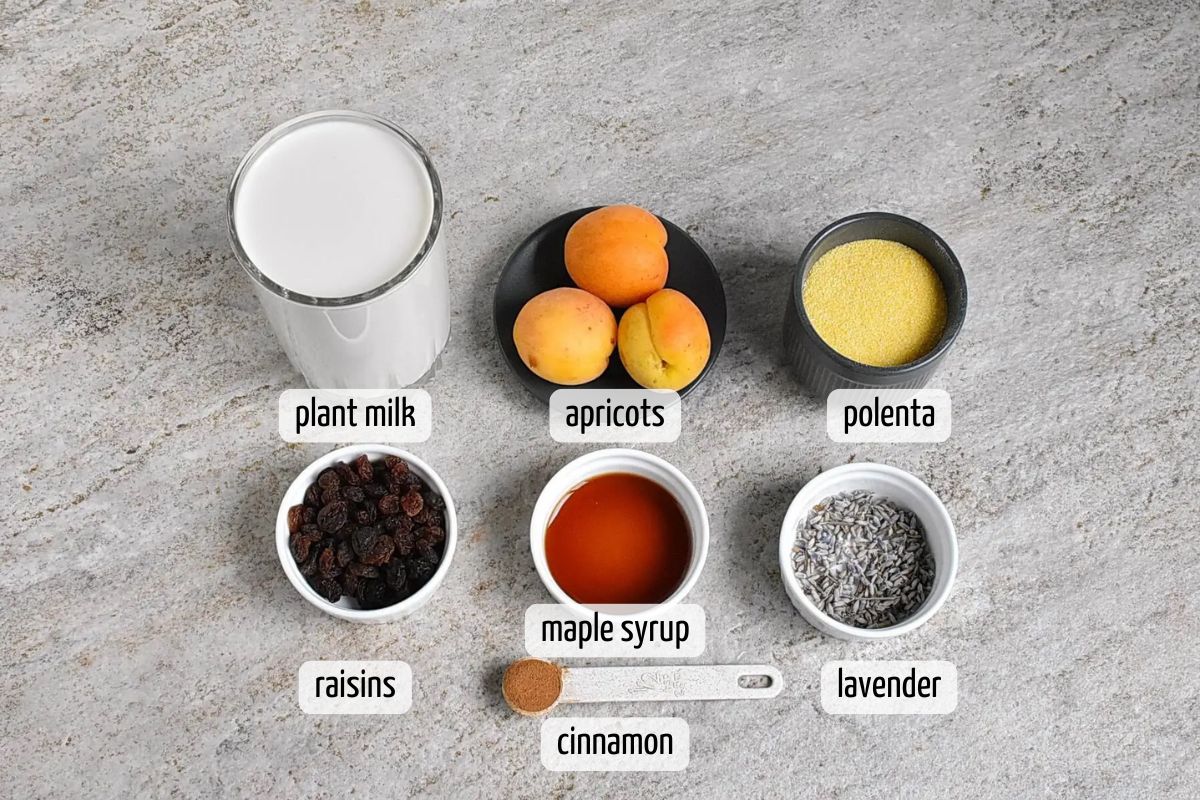
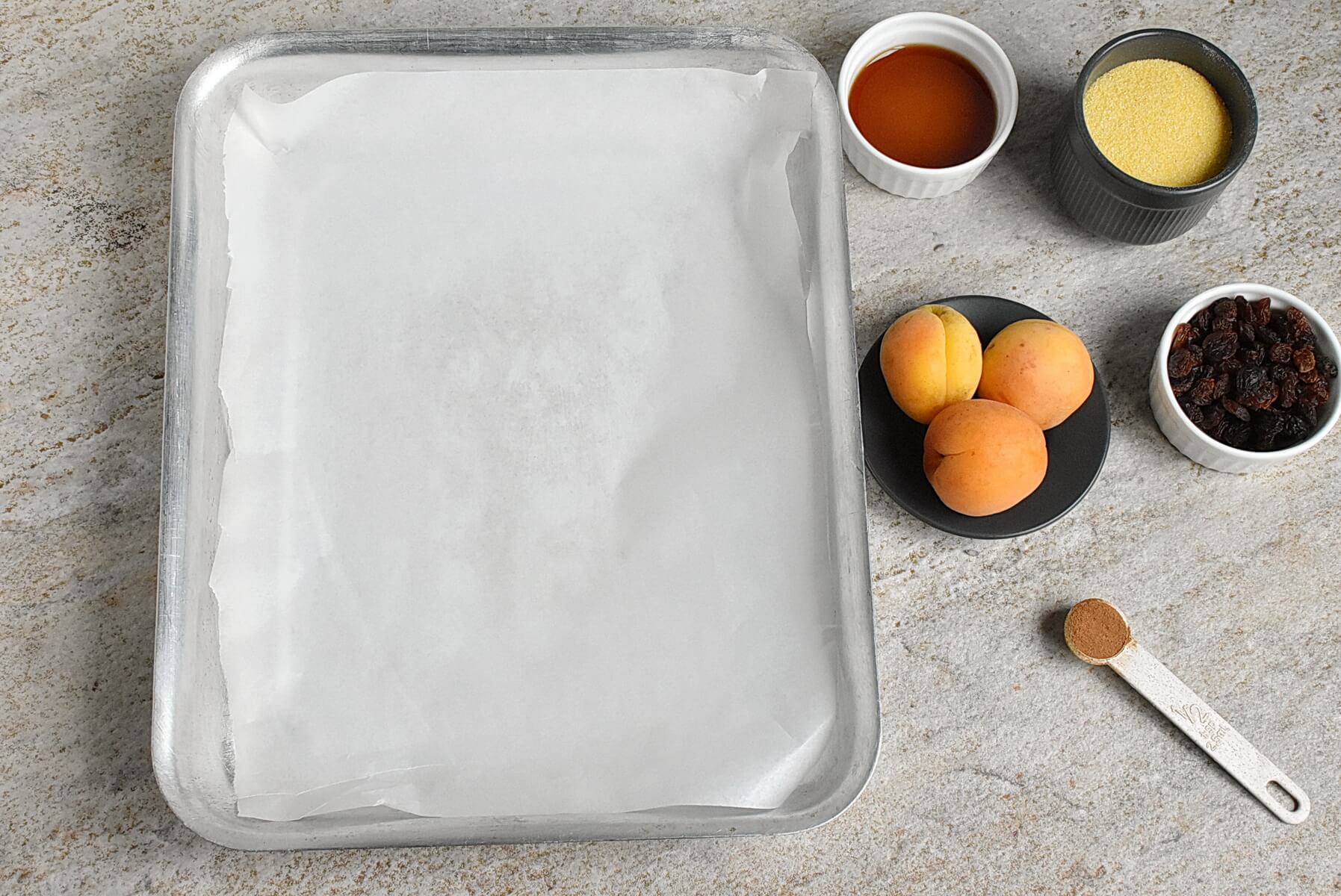
Preheat the oven to 350 °F/ 180 °C and line a baking tray with parchment paper.
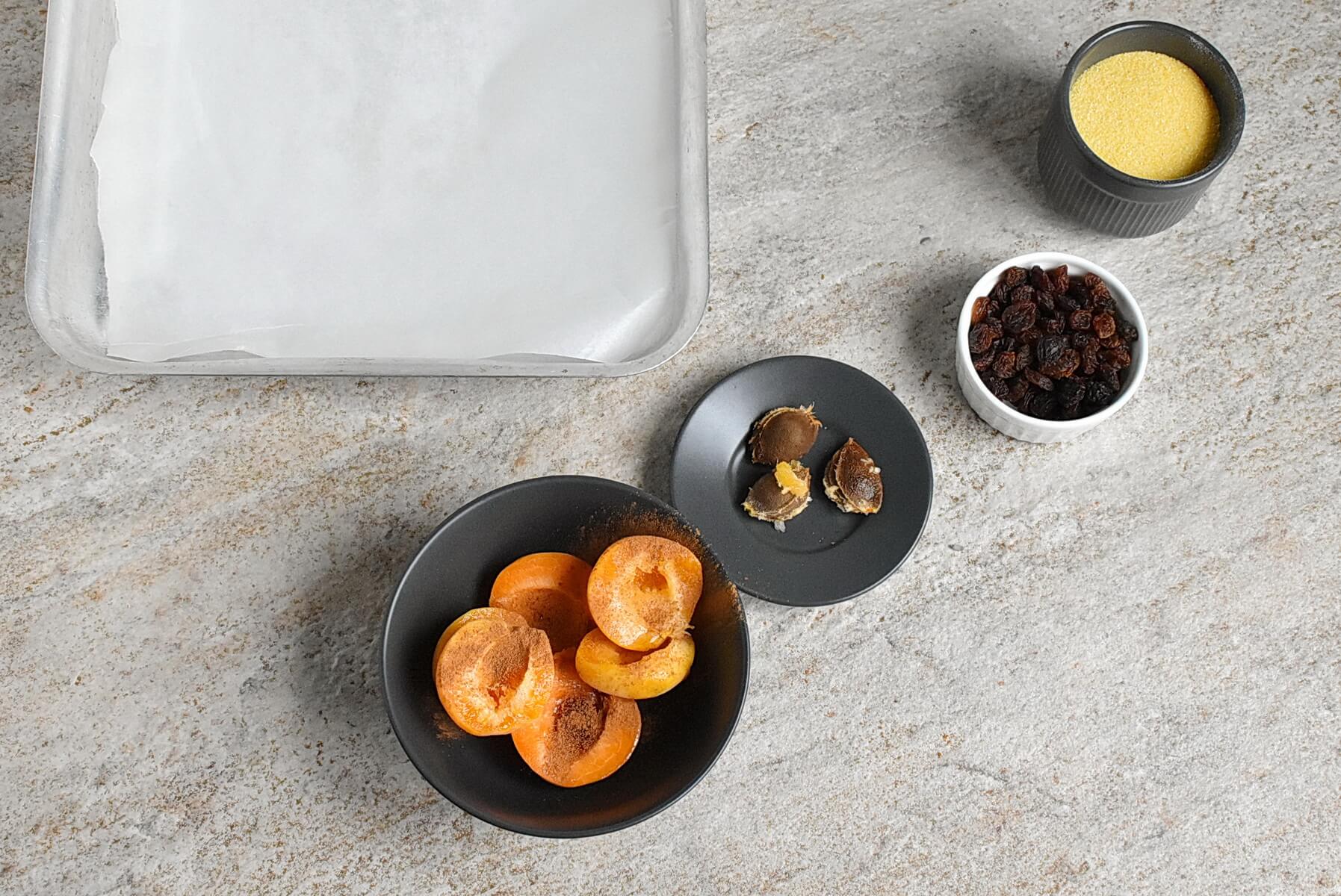
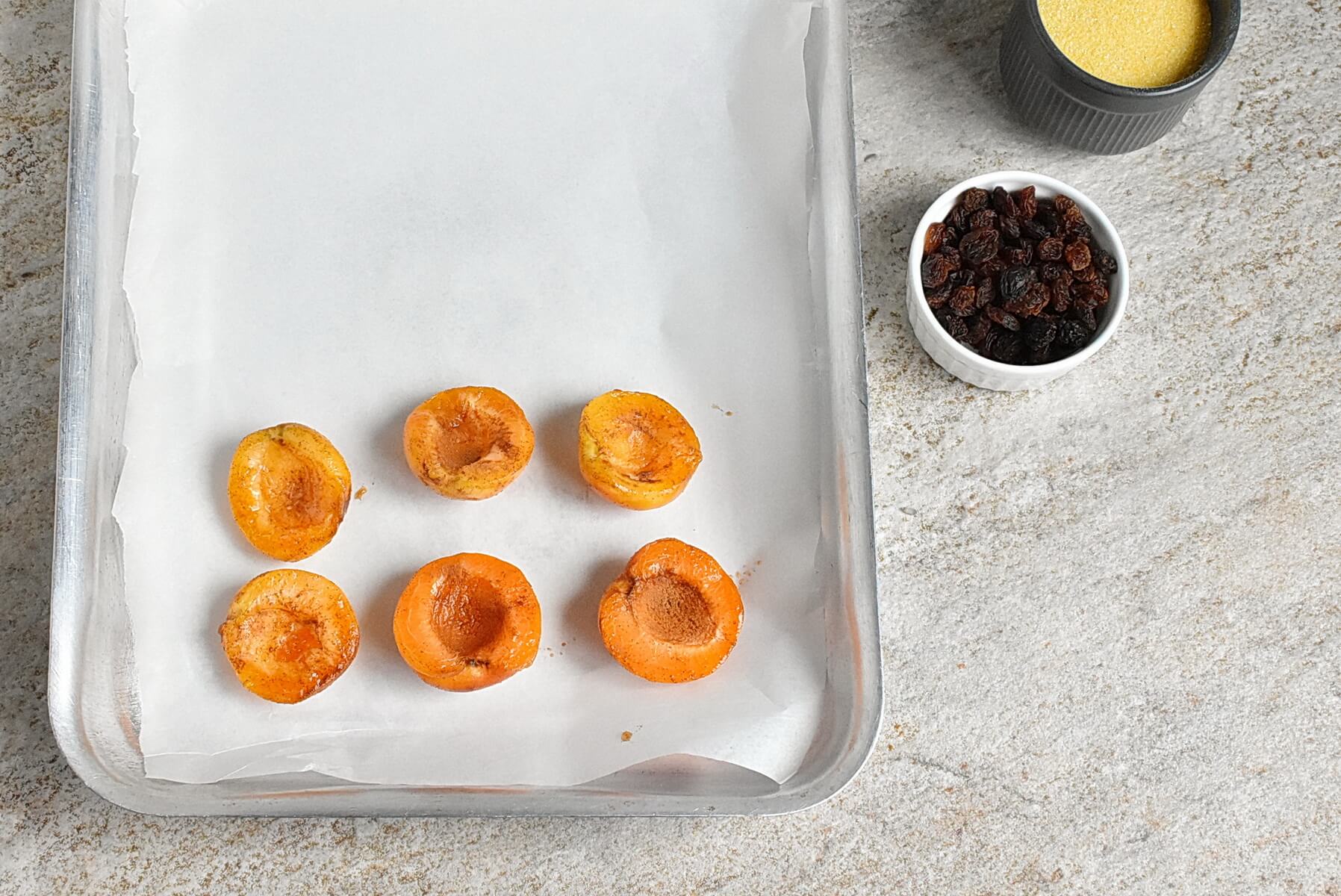
Place the apricot halves on the prepared baking tray. Drizzle the apricots with 1 tablespoon maple syrup, sprinkle them with ½ teaspoon cinnamon, and gently rub until they are well coated.
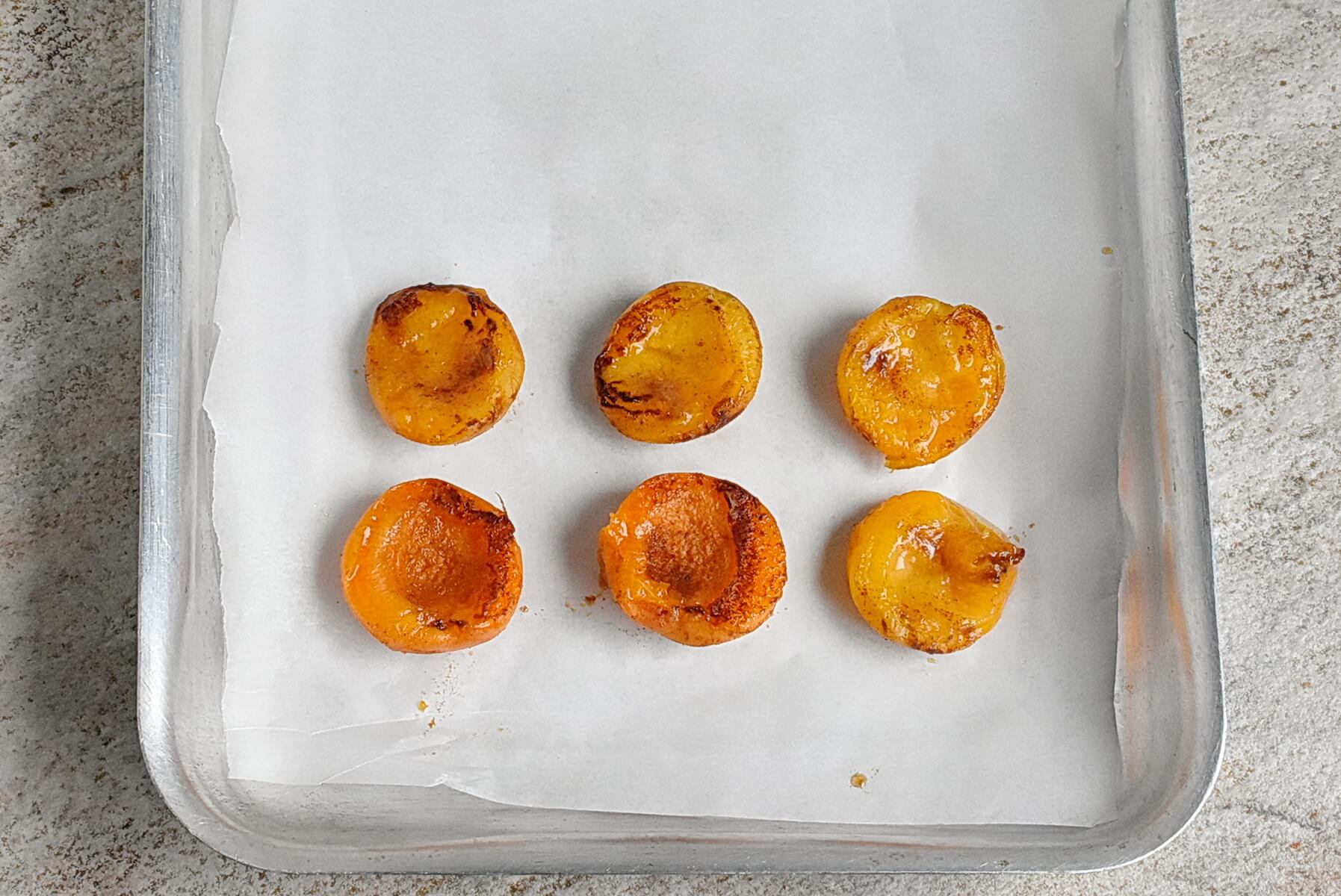
Bake the apricots for about 10-15 minutes. Check after 7 minutes of baking time to make sure they aren't getting too dark. Once the apricots are ready, turn off the oven and open the oven door slightly, leaving the apricots inside so they stay warm.
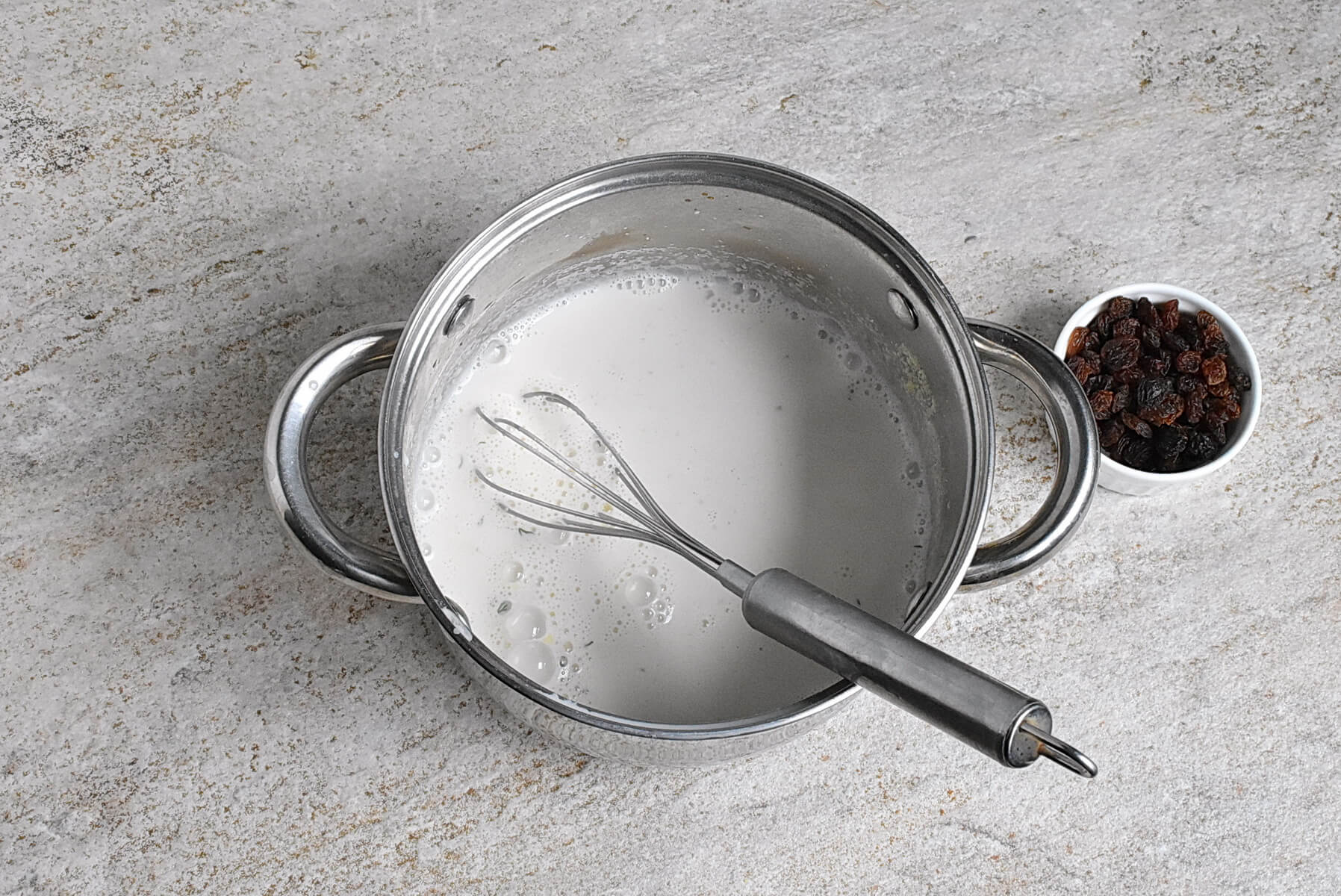
In a small saucepan, add 1 ½ cups milk and 2 teaspoons dried lavender and bring to a quick boil. Then reduce to a gentle simmer and let cook for about 10 minutes.
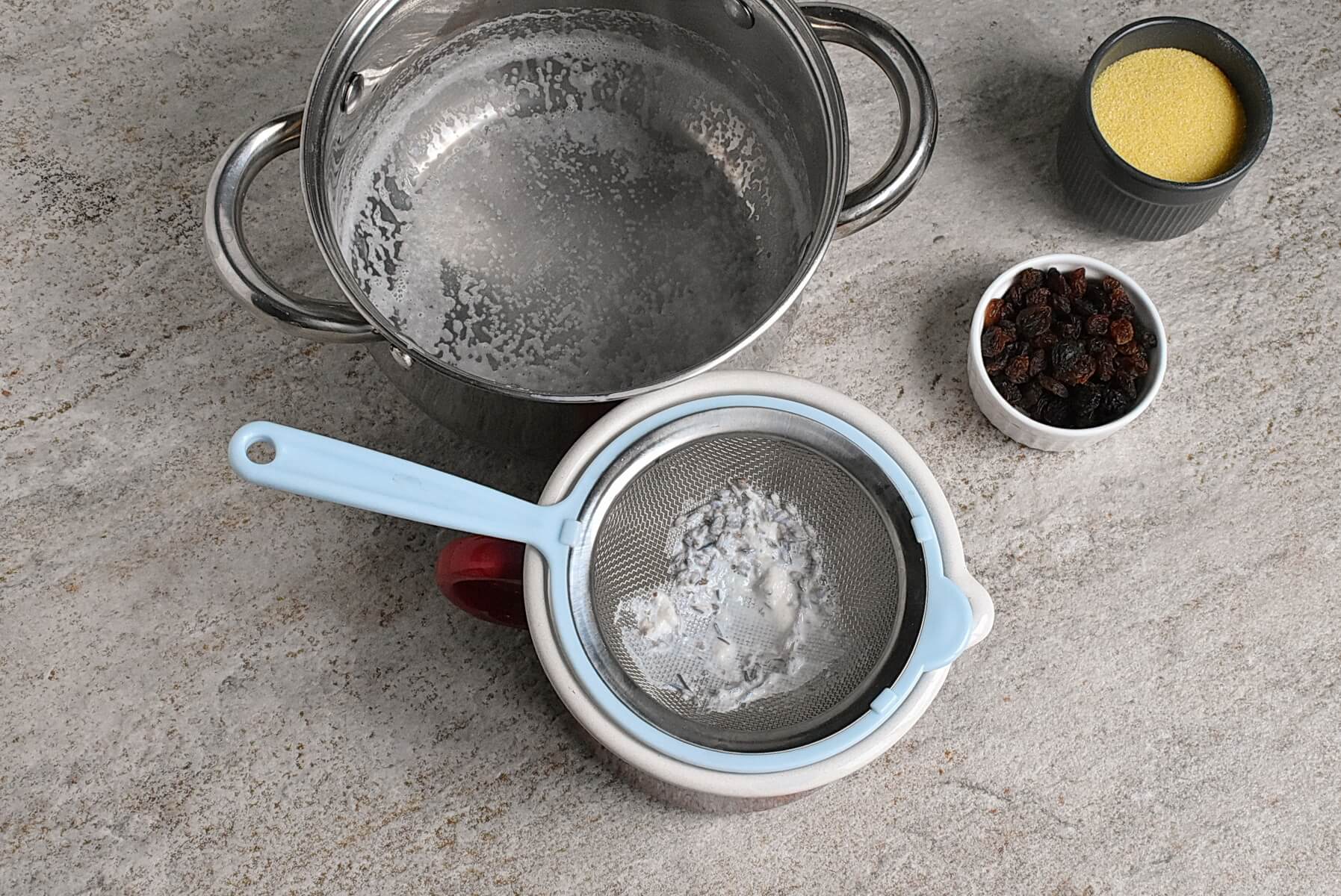
Place a tea strainer over a tall mug or heat-resistant jar. Pour the milk through the strainer. Discard the lavender.
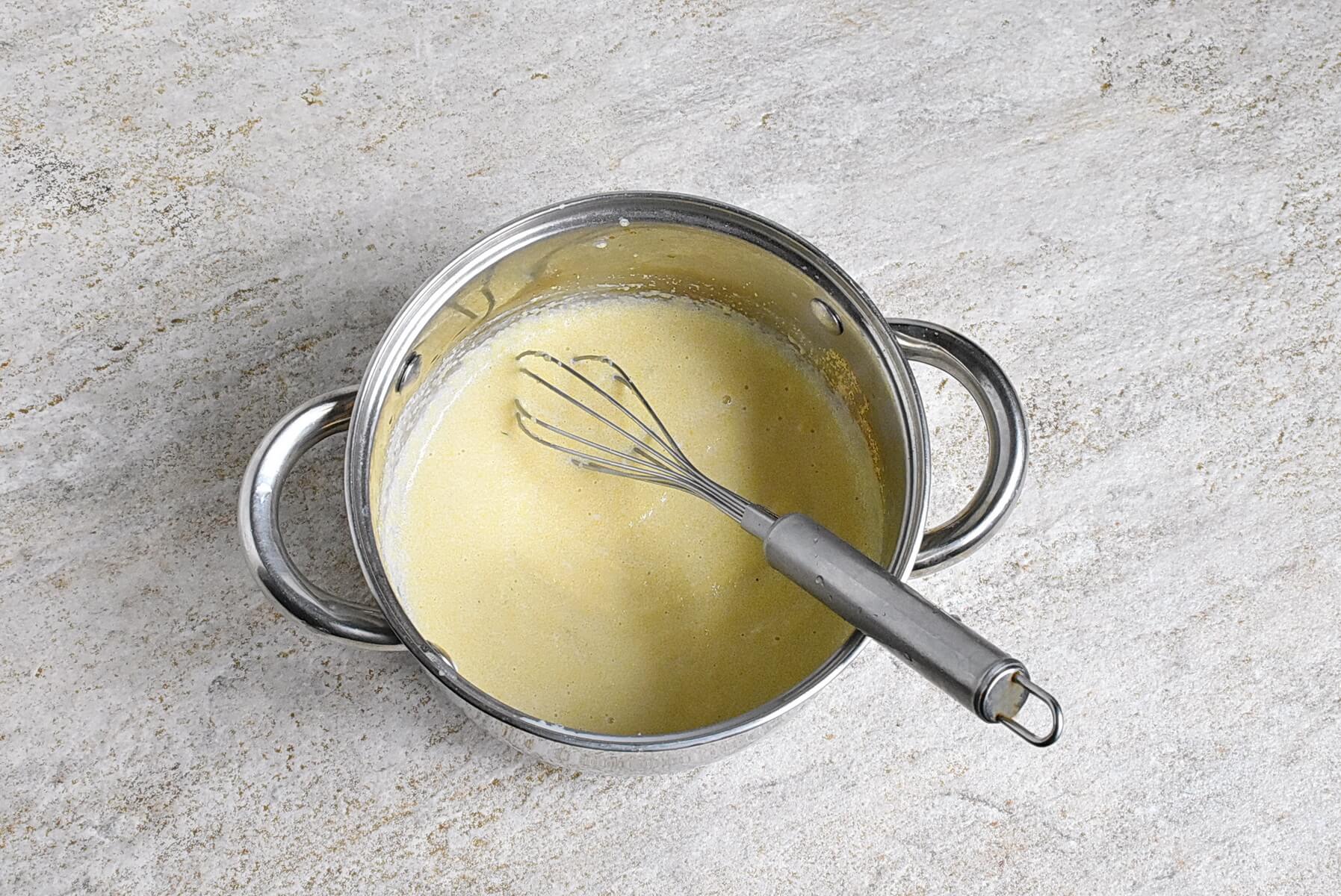
Pour the milk back into the pot and return it to the stove. Whisk in ½ cup polenta and bring to a quick boil. Reduce the heat to medium and cook, whisking constantly, for about 10 minutes.
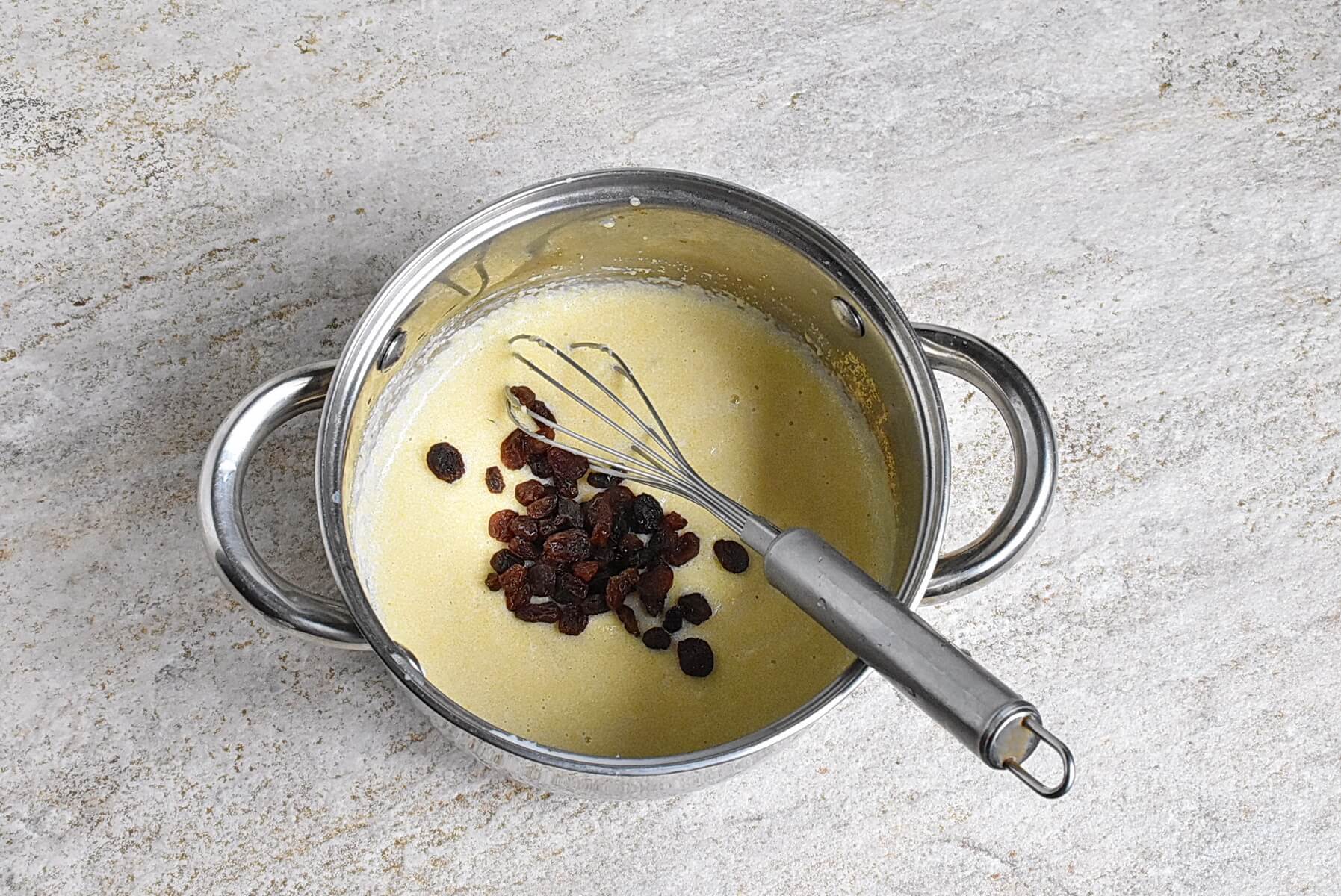
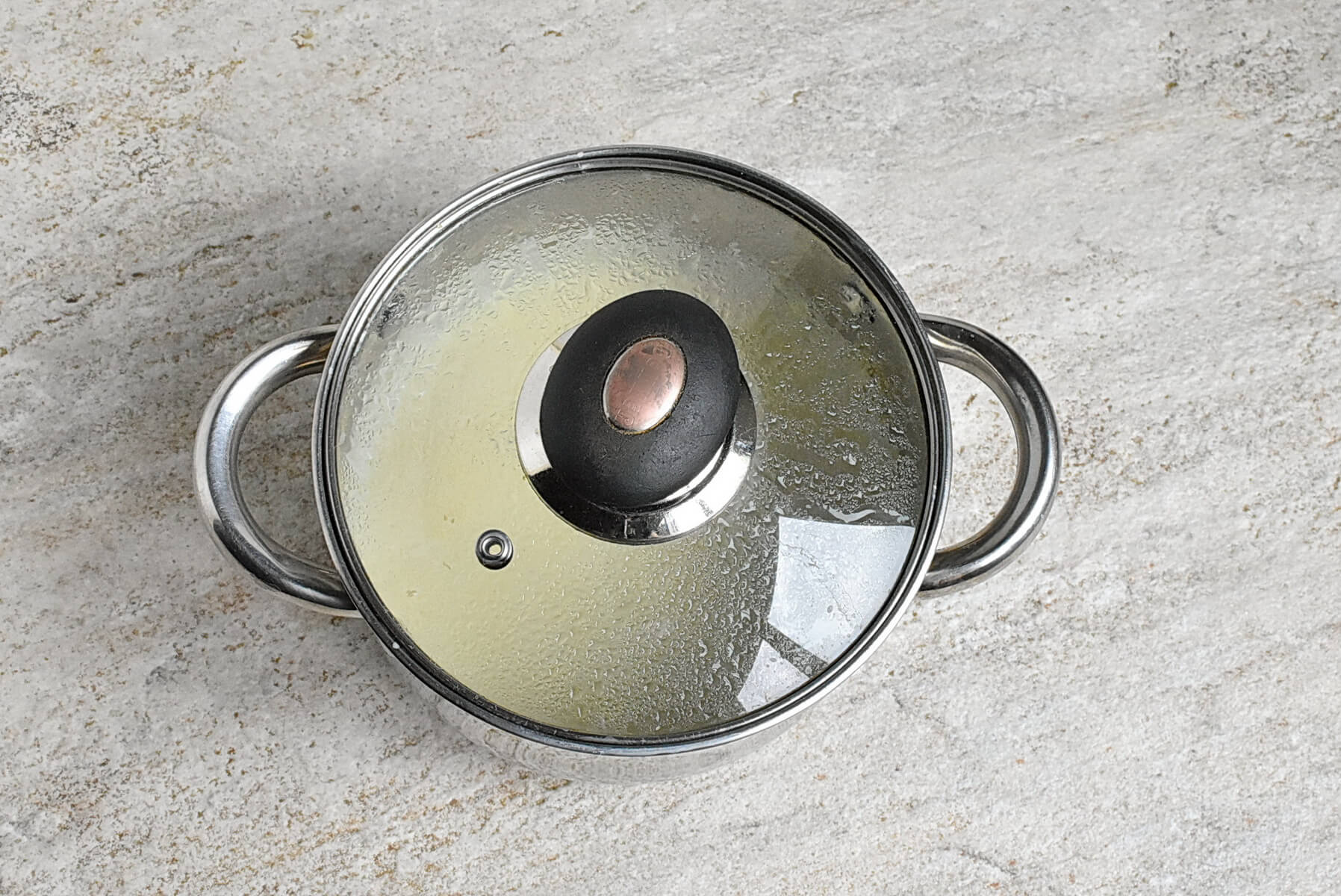
Stir in 2 tablespoons raisins and cook for about 10 minutes more. Remove the pot from the heat and let it rest for about 5 minutes.
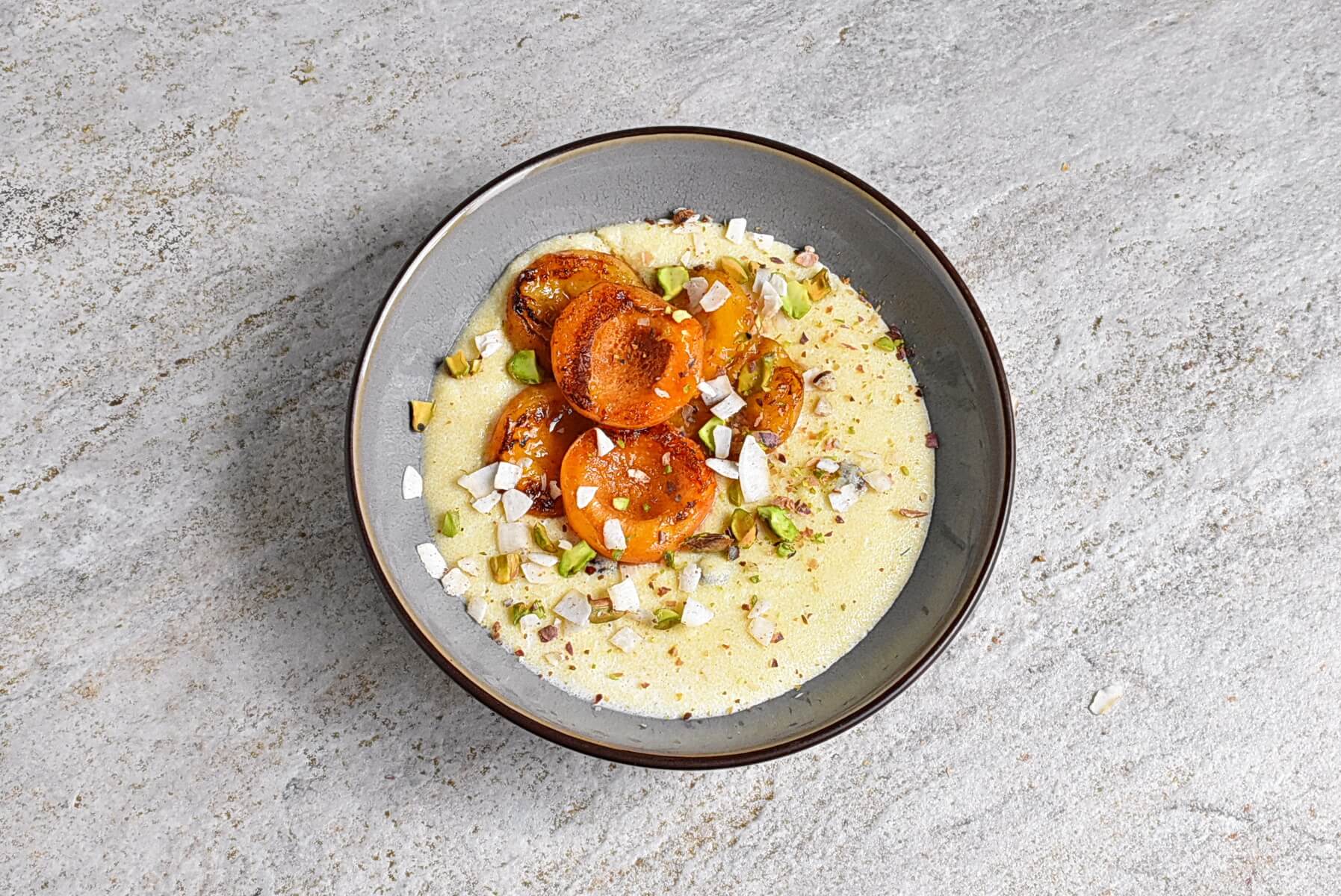
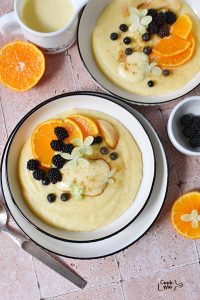
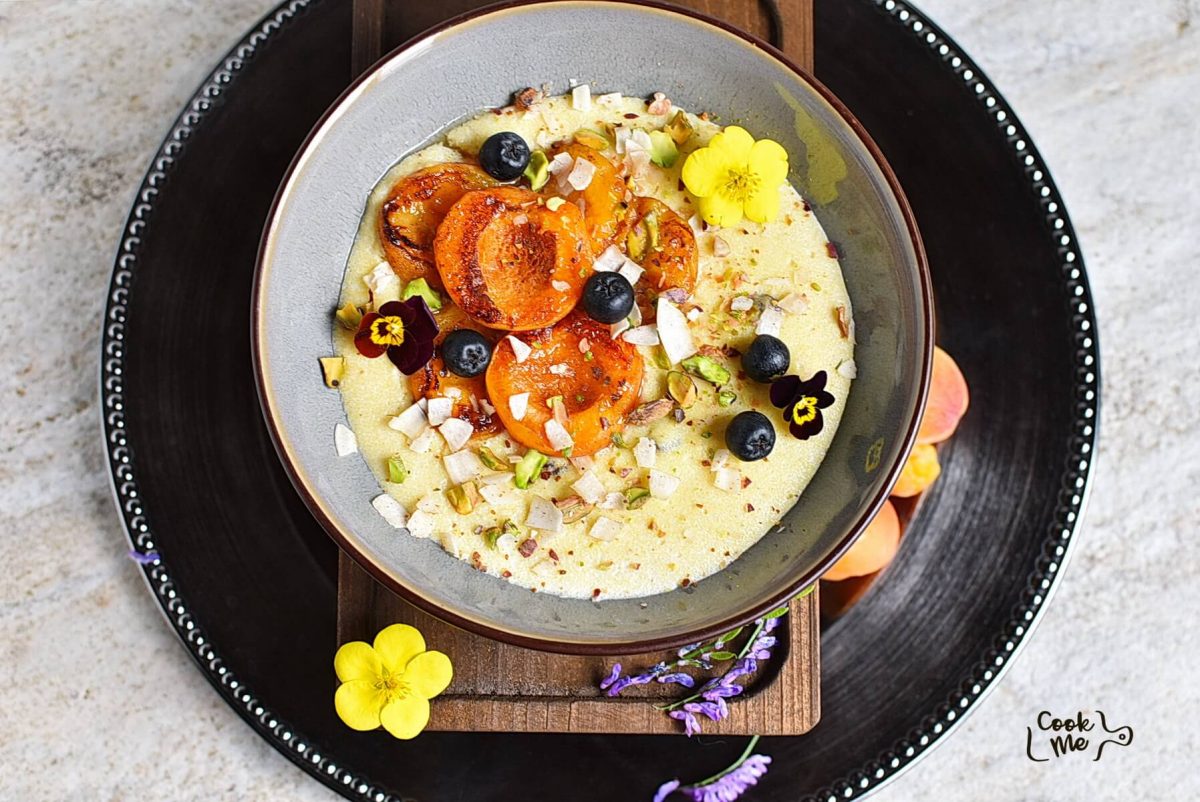
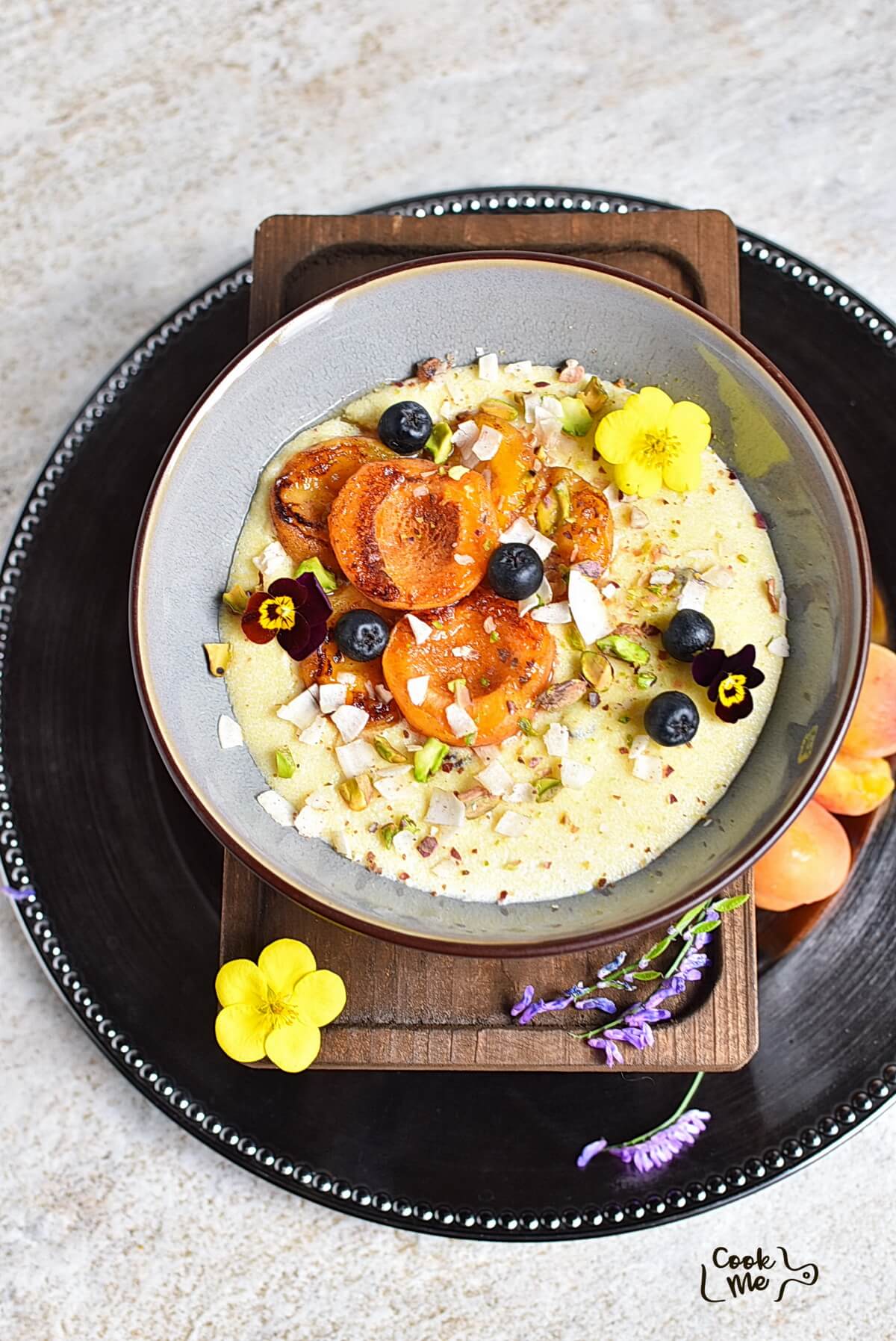
Transfer the porridge to a bowl and garnish with the roasted apricots and your toppings of choice. Enjoy!
To make this polenta porridge you do not need anything fancy. You will want an oven to roast the apricots, so heat it to 350 degrees Fahrenheit if you must, or 180 Celsius which is a conversion I got far too familiar with during my time in Berlin. Line a baking tray with parchment paper or, if you are out, a light brush of oil will do.
A small saucepan with a heavy bottom is great for simmering the milk with lavender and later for the polenta. Use a tea strainer or a fine mesh sieve to fish out the lavender so the milk stays smooth. You will also need a whisk or a sturdy wooden spoon for stirring the polenta for about ten minutes, a cutting board and a sharp knife for halving and pitting apricots, and a timer so you do not let things wander off while Olive the cat demands attention.
Improvise as you need. I once used foil at a market stall when I had no parchment and it worked though it changed the roast just a touch. The point is to keep it simple and kind to your kitchen and your time.
First, simmer gently when you infuse the milk with lavender infused milk. Bring the milk up slowly so the flowers give their scent without a bitter edge. If you boil hard you risk pushing out the floral notes and getting a soapy taste, which none of us want. Five to ten minutes on a gentle simmer is usually enough. Then strain and return the milk to the pan.
Rub the apricot halves with maple syrup and sprinkle with cinnamon before they go in the oven. That simple rub helps them caramelise into tender, glossy pieces that are bright against the pale porridge. Check them after seven minutes so they do not darken too much. The contrast between warm fruit and creamy polenta is why I keep making this.
When you add the polenta to the milk whisk steadily to stop lumps forming. If it gets too thick loosen it with a splash more milk. Stir in the raisins toward the end so they plump up and add little pockets of sweetness. Remove from the heat and let it rest for five minutes so the texture settles and the flavours calm together. I think I learned that in a university lab somewhere where patience mattered. Actually scratch that. I learned it at a messy café where I burned a pot and vowed to watch my pans from then on.
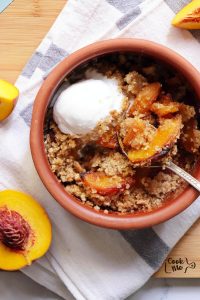
I love how this bowl invites experimentation. Try roasting berries in place of apricots for a brighter finish, or swap in apple slices dusted with cinnamon for something autumnal. For a tropical turn add coconut flakes to the milk and top with mango or pineapple.
These are some unique breakfast ideas that work brilliantly: roast the fruit with a scatter of seeds for crunch, add a spoonful of coconut yogurt, or fold in chopped dates for deeper caramel notes. If you want more texture, sprinkle toasted almonds or granola on top. I once threw pumpkin seeds on mine at a market in Totnes and it felt unexpectedly right.
I often serve this in a warm ceramic bowl with the roasted apricots arranged on top like small jewels. It makes a lovely healthy vegan breakfast when you add seeds or nuts for protein. It is also an easy gluten free breakfast recipe for mornings when people have different needs around the table.
Pair with a mild tea such as chamomile or a green tea to echo the lavender notes, or add a slice of whole grain toast with nut butter for extra staying power. For a weekend brunch lay out bowls of toppings so everyone can build their own. One time at a women s co op event I catered like this and watching sceptics come back for seconds felt like quiet victory.
Also, it works as a light dessert if you want something sweet at the end of the day. A little extra maple across the top and it reads like a cosy pudding rather than breakfast.
what is polenta: Polenta is simply ground cornmeal. It cooks into a creamy porridge that soaks up flavours, a bit like a grain cousin to porridge or grits but with its own texture and personality.
how to make polenta porridge: A short answer is here: simmer infused milk, whisk in the polenta, stir until thick and tender, add raisins, rest for five minutes, then serve with roasted fruit. If you want more detail start with cold or room temperature milk to stop clumping, add the polenta in a steady stream while whisking, and keep the heat gentle so the texture smooths out.
Can I use different milks The best are neutral ones such as oat or almond so they do not fight the lavender. Avoid heavily flavoured milks that will compete with the floral notes. Source your dried lavender from a culinary supplier so it is safe for food; ordinary garden lavender might have been sprayed and that would be a shame.
Storing and reheating Leftovers keep well in the fridge for a couple of days. Reheat gently with a splash of milk and stir until it loosens. If you plan to feed a crowd double the recipe and keep toppings on the side so everyone customises their bowl. I have a soft spot for these simple, careful meals that stretch kindness across a table.
Are you stuck in a breakfast routine? Make this Vegan Polenta Porridge! It’s vegan and vegetarian-friendly and bursting with flavor, making it an excellent choice for those following a vegan or vegetarian diet or anyone looking for a healthier meal option. Made this recipe? Let us know what you think in the comments below!

 Dairy-Free Recipes
 Gluten Free Recipes
 Low Cholesterol Recipes
 Vegan Recipes
 Vegetarian Recipes