Standard (30-60 min)
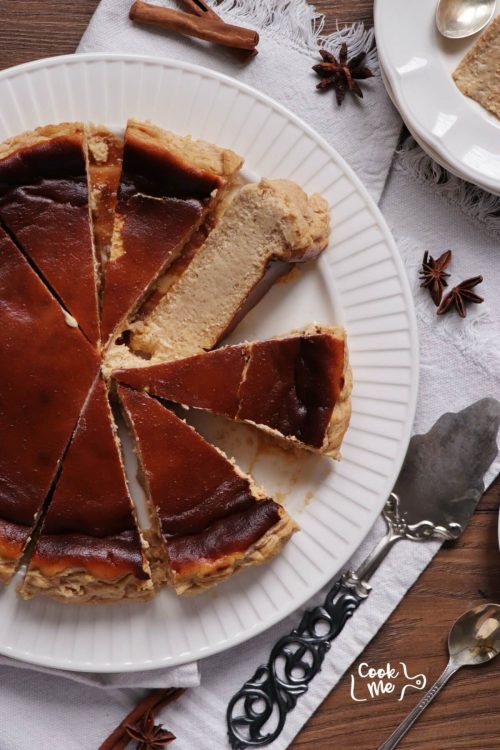

From Italy’s sun-kissed tomatoes to Germany’s hearty pretzels, European cuisine tells the story of 30+ countries through food that’s shaped global cooking for centuries. This isn’t just about fancy restaurant meals—it’s comfort food that connects families, preserves traditions, and proves that the best recipes come from grandmothers’ kitchens. Whether you’re craving France’s buttery croissants, Spain’s vibrant paella, or Poland’s soul-warming pierogi, European cooking celebrates fresh, local ingredients transformed through time-tested techniques. Each dish carries cultural heritage, from ancient Roman influences to modern molecular gastronomy, making European cuisine the foundation of culinary arts world
 Belgian Recipes
(2)
Belgian Recipes
(2)
 British Recipes
(69)
British Recipes
(69)
 French Recipes
(127)
French Recipes
(127)
 German Recipes
(36)
German Recipes
(36)
 Greek Recipes
(51)
Greek Recipes
(51)
 Hungarian Recipes
(6)
Hungarian Recipes
(6)
 Irish Recipes
(21)
Irish Recipes
(21)
 Italian Recipes
(328)
Italian Recipes
(328)
 Polish Recipes
(9)
Polish Recipes
(9)
 Portuguese Recipes
(5)
Portuguese Recipes
(5)
 Spanish Recipes
(35)
Spanish Recipes
(35)
 Swedish Recipes
(7)
Swedish Recipes
(7)
 Ukrainian Recipes
(34)
Welsh Recipes
(12)
Ukrainian Recipes
(34)
Welsh Recipes
(12)
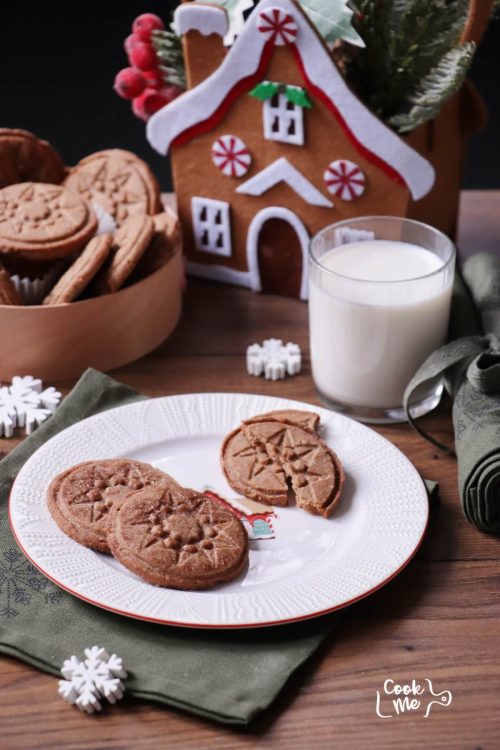
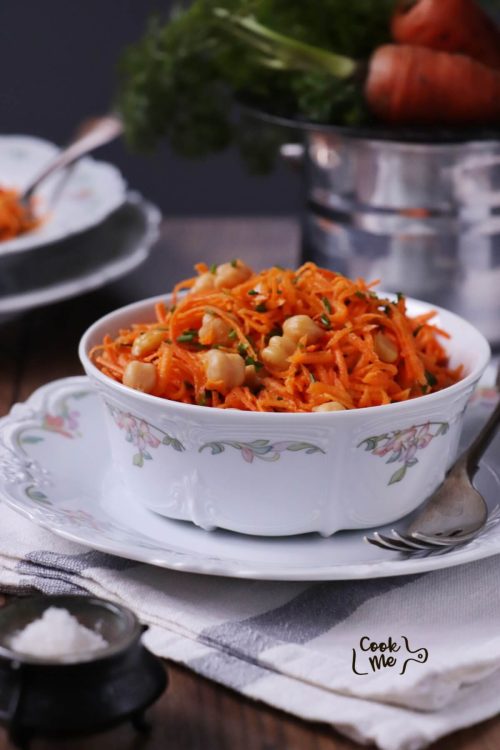
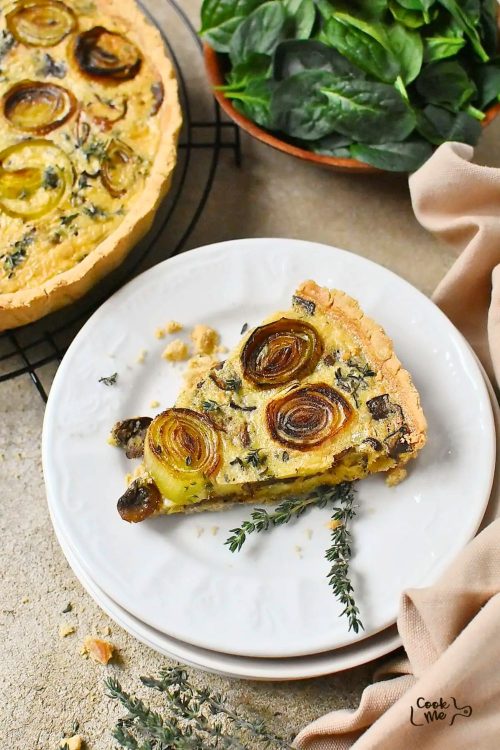
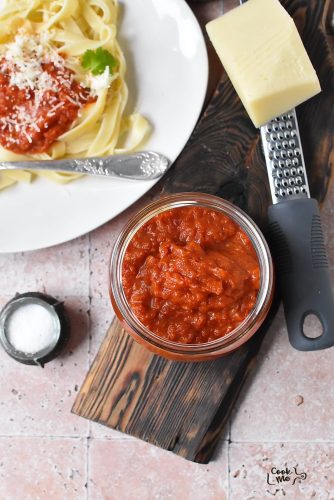
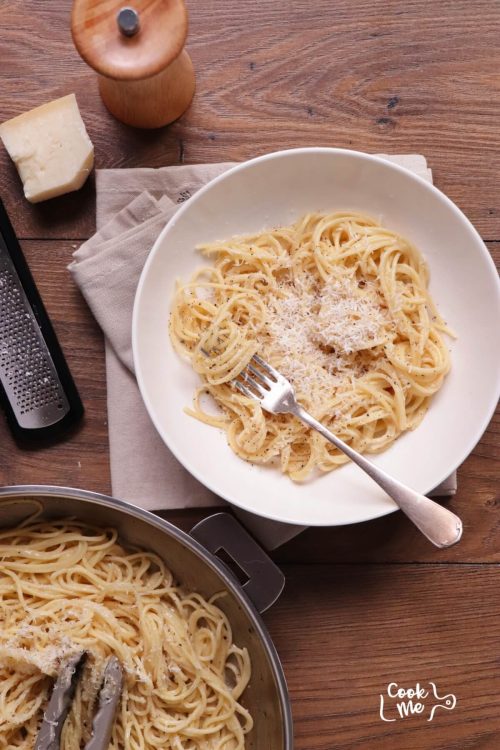
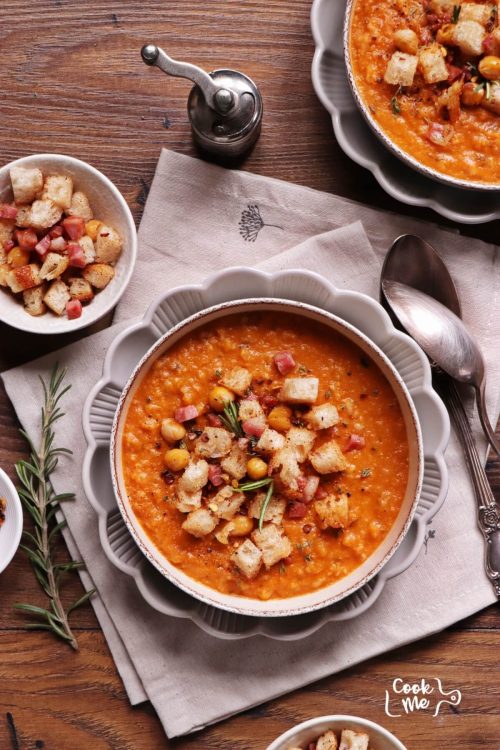

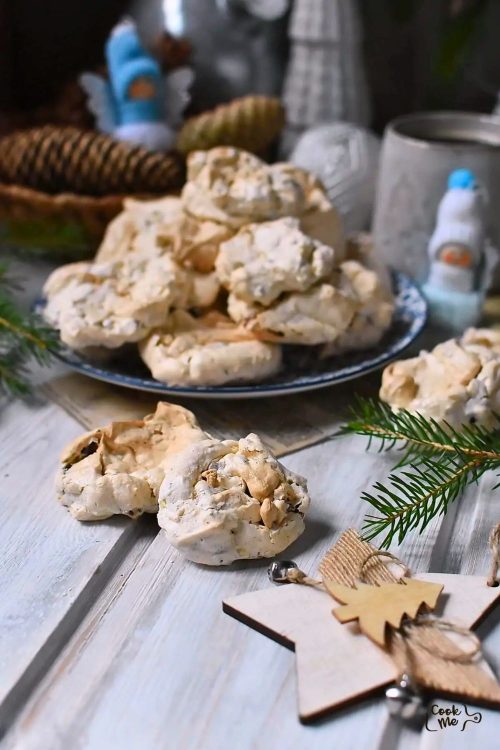

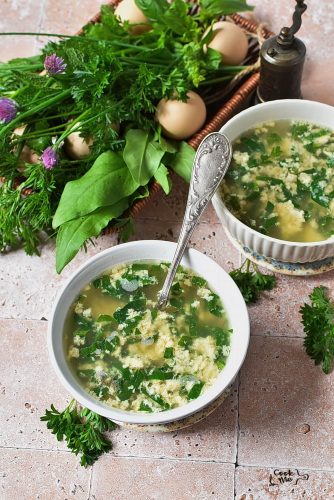
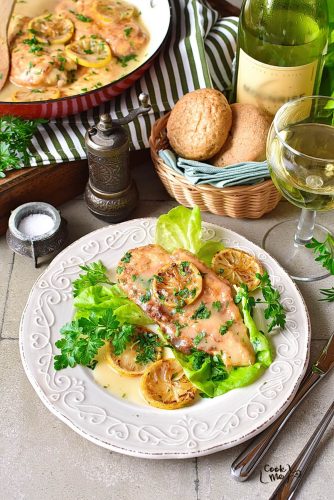

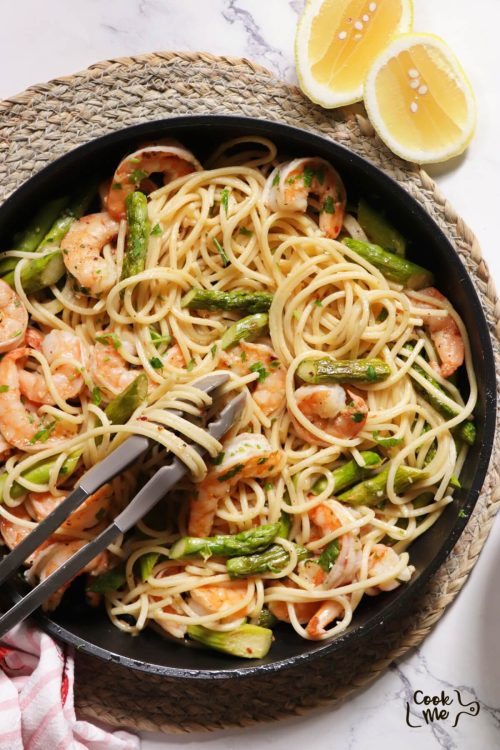
You know that feeling when you bite into a perfectly crispy-on-the-outside, fluffy-on-the-inside baguette? That's thousands of years of culinary evolution working its magic on your taste buds. European cuisine didn't just happen overnight—it's the delicious result of empires rising and falling, trade routes opening, and countless home cooks perfecting their craft.
Here's what blows my mind: the Romans were already perfecting fermentation techniques over 2,000 years ago, creating the foundation for today's European bread and cheese culture. They introduced olive oil to Britain, wine-making to France, and started the whole "let's make food actually taste amazing" movement that defines European cooking today.
But the real game-changer? The medieval spice trade. Picture this: saffron was literally worth more than gold, and having access to cinnamon or black pepper meant you were basically culinary royalty. This obsession with spices pushed European explorers to discover new lands, bringing back tomatoes from the Americas (hello, Italian cuisine revolution!), potatoes that would save Ireland from famine, and chocolate that would make Switzerland famous.
Fast-forward to today, and European cuisine is experiencing what food experts call "tradition reinvented"—chefs are rediscovering ancient preservation techniques like fermentation while creating molecular gastronomy that looks like edible art. It's the perfect blend of honoring the past while embracing innovation.
Here's the thing about European cuisine—it's not one-size-fits-all. Each region developed its own personality based on climate, geography, and what grew locally. And honestly? That's what makes it so exciting to cook.
Think sunshine in a bowl. Southern Europe—Italy, Spain, Greece, southern France—is all about olive oil, fresh herbs, and ingredients that taste like summer. The Mediterranean diet isn't just healthy; it's UNESCO-recognized for good reason. These folks have been perfecting the art of simple, fresh cooking for millennia.
Head north to Germany, Poland, or Scandinavia, and suddenly you're in hearty-food territory. We're talking about cuisines that developed around surviving cold winters, so think warming spices, preserved foods, and dishes that stick to your ribs in the best way possible. German pretzels, Polish pierogi, Scandinavian meatballs—this is comfort food that actually comforts.
France didn't accidentally become the culinary capital of the world. They turned cooking into an art form, creating techniques that every culinary school still teaches today. From delicate pastries to rich sauces, French cuisine is about precision, patience, and making every ingredient sing.
Plot twist: British cuisine is having a major moment! Beyond fish and chips (which, let's be honest, are pretty perfect when done right), modern British cooking embraces seasonal ingredients, nose-to-tail eating, and pub food that's actually sophisticated.
Want to cook like a European? It starts with stocking your pantry right. I'm not talking about buying every exotic ingredient under the sun—European cooking is actually pretty practical. It's about having quality basics that can transform simple meals into something special.
Europeans have been fermenting foods since before it was trendy. Stock up on live yogurt cultures, natural wine vinegars, and artisanal mustards. These add complexity and beneficial probiotics—a win-win for flavor and health.
You don't need 50 spices, but these European staples are non-negotiable: sweet paprika (Hungarian-style), bay leaves, fresh thyme, caraway seeds, and whole nutmeg. Buy whole spices when possible and grind fresh—your taste buds will thank you.
European specialty stores are goldmines, but don't overlook your regular grocery store. Many now carry imported cheeses, cured meats, and specialty vinegars. Online retailers like Williams Sonoma or even Amazon have made authentic European ingredients more accessible than ever.
European cooking isn't about complicated gadgets or Instagram-worthy plating. It's about mastering fundamental techniques that have been refined over centuries. Once you nail these basics, you'll cook with confidence no matter what recipe you're following.
Soffritto, mirepoix, and aromatic bases—these aren't fancy chef terms meant to intimidate you. They're simply the European way of building layers of flavor from the ground up. Start with aromatics (onions, carrots, celery), cook them slowly until they're sweet and golden, and you've got the foundation for everything from Italian ragu to French coq au vin.
Europeans perfected the art of patience in cooking. Braising, slow-roasting, and gentle simmering aren't just techniques—they're philosophies. That tough cut of beef transforms into melt-in-your-mouth perfection not through high heat, but through time and gentle care.
Before refrigeration, Europeans had to get creative with preservation. Salt-curing, smoking, fermenting, and pickling weren't just survival tactics—they created flavors we still crave today. Learning these techniques connects you to centuries of culinary wisdom.
Forget everything you think you know about European dining from movies. Real European food culture is way more interesting—and way more relaxed—than the fancy restaurant scenes you see on screen.
In many European countries, lunch isn't just fuel—it's a cultural institution. Spanish siesta, Italian riposo, French déjeuner—these aren't just meal times; they're protected periods for enjoying food, family, and conversation. Even in our fast-paced world, many Europeans still prioritize this midday pause.
Sunday lunch (pranzo di famiglia in Italy, dominical dinner in Spain) remains sacred across Europe. This is when families gather for multi-course meals that can last hours. It's not about showing off—it's about connection, tradition, and passing down family recipes.
Europeans eat seasonally not because it's trendy, but because it makes sense. Spring asparagus, summer tomatoes, fall mushrooms, winter root vegetables—each season brings its own flavors and celebrations. This isn't restriction; it's anticipation.
Before dinner, many Europeans enjoy aperitivo—light drinks with small bites designed to stimulate appetite and encourage conversation. It's the European answer to happy hour, but way more civilized and food-focused.
European cuisine isn't stuck in the past—it's actively evolving while staying true to its roots. The food scene across Europe right now is absolutely electric, blending tradition with innovation in ways that would make both grandmothers and molecular gastronomists proud.
Scandinavian countries have completely redefined what European cuisine can be. Foraging, fermentation, and hyper-local ingredients aren't just restaurant trends—they're becoming home cooking movements. Think of it as European cuisine getting back to its wild roots.
European chefs are reimagining classic dishes with modern dietary preferences in mind. 2025 food trends show that European consumers increasingly want plant-based versions of traditional favorites—and they're getting creative with alternatives that actually taste amazing.
Ancient preservation techniques are having a major comeback. European home cooks are rediscovering sourdough starters, homemade sauerkraut, and natural fermentation processes that create complex flavors while supporting gut health.
The farm-to-table movement has deep European roots, but it's being reimagined for modern sustainability concerns. Zero-waste cooking, nose-to-tail eating, and supporting local producers aren't just trends—they're becoming the European standard.
European cuisine is built on dairy, wheat, and preserved foods—reflecting the continent's climate and agricultural history. Unlike Asian cuisines that rely heavily on rice and stir-frying, European cooking emphasizes slow-cooking methods, fermentation, and seasonal ingredients. The use of butter, cream, and cheese is much more prominent, and bread plays a central role in most meals.
Start with comfort food classics that are forgiving and delicious: Italian pasta aglio e olio, French onion soup, German spaetzle, or Spanish tortilla española. These dishes teach fundamental European techniques without requiring advanced skills or hard-to-find ingredients.
Focus on versatile staples: good olive oil, quality butter, sea salt, and a few key spices like bay leaves and paprika. Buy basics like dried pasta, canned tomatoes, and hard cheeses that keep well. Build your pantry gradually rather than buying everything at once.
Can't find European butter? Add a pinch of salt to unsalted American butter. No crème fraîche? Mix heavy cream with buttermilk. Missing pancetta? Thick-cut bacon works. The key is understanding the role each ingredient plays—fat, acid, salt, or texture—and finding substitutes that serve the same purpose.
Forget the gadgets—European cooking is about basics done well. A good heavy-bottomed pot for braising, quality knives, wooden spoons, and a reliable oven are essential. A pasta machine or stand mixer can be helpful but aren't necessary to start. Focus on technique over equipment.