Standard (30-60 min)

Mexican cuisine isn’t just food—it’s a living cultural heritage recognized by UNESCO as Intangible Cultural Heritage of Humanity. This ancient culinary tradition, rooted in the sacred trinity of corn, beans, and chiles, represents 4,000 years of continuous cooking evolution. From the nixtamalization process that transforms humble corn into nutritious masa to the complex symphony of flavors in authentic mole poblano, Mexican cooking connects every meal to ancestral wisdom. Each recipe tells the story of indigenous Aztec and Mayan cultures meeting Spanish colonial influences, creating a cuisine that celebrates both tradition and innovation through time-honored techniques passed down through generations of dedicated home cooks.

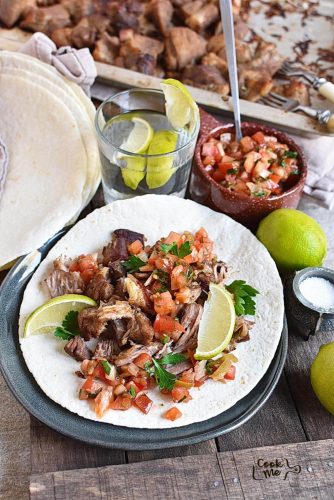

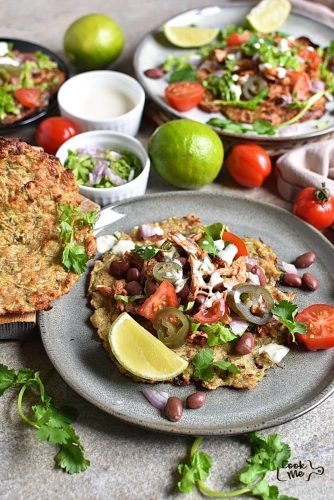
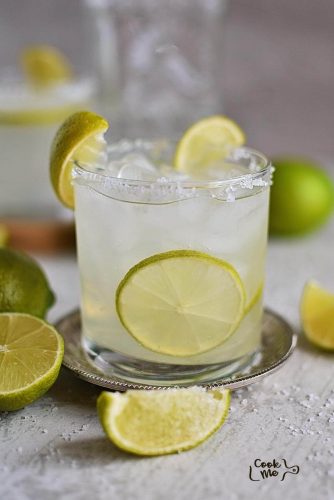
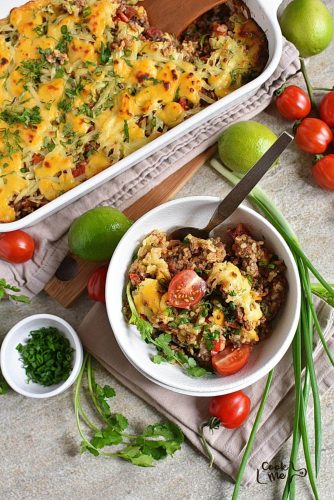
Long before the first Spanish conquistador set foot on Mexican soil, indigenous peoples had already perfected one of the world's most sophisticated culinary systems. The Aztecs didn't just eat—they created a food culture so advanced that modern nutritionists marvel at its balance and complexity.
At the heart of this ancient wisdom lies the sacred trinity: corn (maíz), beans (frijoles), and chiles. This wasn't just convenient farming—it was nutritional genius. Together, these three provide complete proteins, essential amino acids, and a flavor foundation that still defines authentic Mexican cooking today. The Aztecs called corn "teocintli," meaning "god's corn," and treated it with the reverence it deserved.
When Spanish colonizers arrived in 1519, they encountered kitchens filled with ingredients they'd never imagined: chocolate worth more than gold, vanilla pods that perfumed entire markets, and tomatoes that would eventually transform European cuisine forever. The meeting of Old World and New World didn't destroy Mexican cooking—it elevated it. Spanish pigs provided lard for perfect refried beans, while Mexican cacao turned Spanish drinking chocolate into liquid heaven.
What makes this even more remarkable? UNESCO recognized traditional Mexican cuisine as the first national cuisine ever granted Intangible Cultural Heritage status in 2010. This wasn't just about great food—it was about recognizing a complete cultural system that includes farming, rituals, and community traditions spanning thousands of years.
Think you know Mexican food because you've had tacos? Think again. Mexico spans from desert borderlands to tropical rainforests, and each region has developed its own distinct culinary personality over centuries.
Oaxaca reigns as Mexico's undisputed culinary capital, home to the famous "seven moles" and artisanal cheese traditions dating back to Spanish missionaries. Here, chocolate isn't just for dessert—it's ground fresh daily for complex mole negro that can contain over 30 ingredients and take three days to prepare properly. Oaxacan markets overflow with chapulines (seasoned grasshoppers) and hierba santa leaves that taste like nothing else on earth.
Yucatán tells a completely different story. Isolated by geography, this region developed unique techniques like pit-roasting cochinita pibil in underground ovens called "pib." Yucatecan cuisine features distinctly Mayan ingredients like achiote (annatto seeds), sour oranges, and habanero peppers that pack serious heat with surprising fruity complexity. Their sopa de lima isn't just soup—it's liquid sunshine.
Coastal regions from Veracruz to Baja California showcase Mexico's incredible 6,000 miles of coastline through spectacular seafood traditions. Veracruz perfected the art of "pescado a la veracruzana"—red snapper swimming in tomato-olive sauce that tastes like a Mexican vacation in every bite. Meanwhile, Baja California gave birth to fish tacos that conquered California and launched a thousand food trucks.
Northern Mexico, shaped by cattle ranching and desert landscapes, developed the flour tortilla tradition and perfected carne asada techniques that turn simple grilled meat into neighborhood celebrations where everyone's invited.
Building an authentic Mexican pantry isn't about hunting down exotic ingredients—it's about understanding the foundational flavors that make Mexican food taste like home to millions of families worldwide.
Chiles are absolutely everything. From mild poblanos perfect for stuffing to scorching habaneros that'll clear your sinuses instantly, Mexican cooking uses chiles for complex flavor development, not just heat. Dried chiles like ancho, guajillo, and chipotle each bring unique smoky, sweet, or earthy notes. When layered together properly, they create that magical mole depth that keeps you coming back for more.
Masa harina opens the door to fresh tortillas, tamales, and sopes that taste nothing like store-bought versions. Unlike regular cornmeal, masa harina comes from corn treated with lime in the ancient nixtamalization process. This isn't just quaint tradition—it's nutritional science that increases calcium content and improves protein quality while creating that distinctive corn flavor that defines Mexican cooking.
Mexican oregano tastes completely different from Mediterranean oregano—more floral, citrusy, and complex. Combined with cumin, this dynamic duo creates the authentic flavor base for everything from street tacos to slow-simmered pozole.
Quality lard or avocado oil makes the difference between okay Mexican food and amazing Mexican food. Traditional Mexican cooking relies on these fats for proper flavor development and that satisfying richness in everything from silky refried beans to crispy carnitas that shred like butter.
Mexican cooking isn't just about throwing ingredients together—it's about mastering techniques perfected over generations. Get these methods down, and your home kitchen will start producing restaurant-quality Mexican food that'll have your neighbors asking for invitations.
Toasting chiles and spices unlocks flavor compounds that transform dishes from ordinary to extraordinary. Heat a dry skillet over medium heat, add whole dried chiles for about 30 seconds until they're fragrant but not burned (burned chiles taste bitter and ruin everything). The same principle applies to cumin seeds, peppercorns, and other whole spices—that quick toast makes all the difference.
Proper masa handling separates good tortillas from life-changing ones. Masa should feel like Play-Doh—moist enough to hold together without cracking, but not sticky. Too dry? Add warm water one tablespoon at a time. Too wet? Work in more masa harina gradually. Perfect masa makes tortillas that are tender, flexible, and actually taste like corn instead of cardboard.
Building flavor layers is fundamental to authentic Mexican cooking. Start with aromatics (onions, garlic), add spices to bloom their flavors, incorporate acid (tomatoes, citrus), then balance with salt and controlled heat. Each ingredient gets its moment to shine before combining with the next—this patience creates those complex flavors that make you wonder "how did they do that?"
Here's something most people don't know: the ancient technique of nixtamalization (treating corn with lime) was developed by indigenous Mesoamericans around 1500 BCE. This process doesn't just make corn easier to grind—it increases bioavailable niacin by 750% and adds calcium. Modern nutritionists call it "one of the most important food innovations in human history," yet most people have never heard of it.
Mexican food culture goes way beyond recipes—it's about how families connect, celebrate, and pass down traditions through shared meals that can last for hours and create memories that last lifetimes.
Traditional Mexican meals follow a completely different rhythm than hurried American dining. Desayuno (breakfast) often means substantial dishes like huevos rancheros or chilaquiles that provide real energy for physical work ahead. Comida (the main meal) happens around 2-3 PM and includes multiple courses enjoyed slowly with family conversation, laughter, and connection.
Street food represents pure democracy in action. At the best taco stands and mercados (markets), construction workers eat right beside business executives, all united by appreciation for expertly prepared simple food. The most incredible taquerias often operate from modest stalls where the magic happens in full view—no fancy equipment, just skilled hands and generations of knowledge.
Holiday cooking connects generations like nothing else. Preparing tamales for Christmas isn't just meal prep—it's a multi-day family event where grandmothers teach granddaughters proper masa spreading technique while sharing family stories, gossip, and wisdom. These traditions ensure culinary knowledge doesn't just survive, it evolves naturally with each generation.
One thing that surprised many food writers: in traditional Mexican culture, refusing offered food can be considered genuinely rude. When someone offers you food, they're offering care, hospitality, and respect. Eating what's offered—even if you're not hungry—shows appreciation for the cook's effort and maintains social harmony.
While deeply respecting ancient traditions, Mexican cuisine continues evolving as contemporary chefs rediscover forgotten ingredients and techniques while thoughtfully incorporating global influences that actually make sense with Mexican flavors.
The alta cocina movement elevates traditional Mexican ingredients through modern cooking techniques without losing their soul. Chefs like Enrique Olvera at Pujol in Mexico City deconstruct classic dishes, serving innovative presentations like "mole madre, mole nuevo" where traditional mole meets contemporary technique and presentation—but the flavors remain authentically Mexican.
Ancient ingredients are having their moment. Huitlacoche (corn fungus), once dismissed as agricultural waste, now appears in upscale restaurants as "Mexican truffle" with its earthy, mushroom-like flavor. Quelites (edible wild greens) and insects like chapulines (grasshoppers) gain recognition not just for sustainability, but for their unique, authentic flavor profiles that connect modern diners to pre-Hispanic food traditions.
Regional specialties are going global thanks to passionate Mexican-American chefs sharing their family heritage. UNESCO's 2010 recognition helped elevate Mexican cuisine's international profile, moving it far beyond "ethnic food" to its rightful place as one of the world's great culinary traditions.
What's really exciting? Home cooks throughout Mexico increasingly seek out heritage corn varieties, artisanal cheeses, and traditionally-made ingredients as appreciation grows for authentic flavors over mass-produced convenience products. This grassroots movement ensures traditional techniques survive and thrive.
Authentic Mexican food relies on indigenous ingredients like corn masa, specific chile varieties, and traditional cooking techniques passed down through generations. Tex-Mex developed separately in Texas using available ingredients like yellow cheese and flour tortillas, creating its own delicious but distinct culinary tradition. Neither is "wrong"—they're simply different expressions of Mexican-influenced cooking with their own regional authenticity.
Start with poblano (mild, earthy), jalapeño (medium heat, bright flavor), serrano (hotter, grassy), and chipotle (smoky, moderate heat). For dried chiles, ancho (sweet, mild) and guajillo (fruity, medium heat) are essential for mole and sauce-making. Each chile contributes unique flavors beyond just heat levels.
Not necessarily! Authentic Mexican cuisine uses chiles primarily for flavor complexity, not just heat. Many traditional dishes like mole poblano or pozole verde are quite mild. Mexican cooks are masters at balancing heat levels to complement, not overpower, other flavors in the dish.
Fresh and dried chiles have completely different flavor profiles, even from the same pepper. Fresh jalapeños taste bright and grassy, while dried and smoked jalapeños (chipotles) become deep and smoky. Fresh poblanos are mild and vegetal; dried poblanos (anchos) develop sweet, raisin-like complexity perfect for mole.
Absolutely! While traditional tools like molcajetes and comals enhance flavors and textures, you can create authentic Mexican dishes with standard kitchen equipment. A cast iron skillet works great for toasting chiles and making tortillas, while a regular blender can handle most sauce-making tasks.