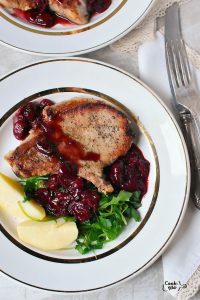


I’ve cooked in kitchens from Buffalo to Chicago to Austin, chasing the balance between honest flavor and simple technique. This recipe is that balance. It is a canned bean soup recipe that uses pantry staples and turns them into something substantial without drama.
Start with canned cannellini or great northern beans for speed and consistency. You puree most of the pot to get a silky base and leave some chunks for bite. Fresh rosemary gives an herbal backbone, and crispy bacon on top gives you salt and crunch. It’s straightforward. It works.
I remember my first winter in Chicago after a long steakhouse shift. I threw canned beans into a pot, browned some onions, and ate the whole pot. That night taught me two things: low effort does not mean low flavor, and fat is flavor. Actually, scratch that. Let me be clearer. Fat carries the flavor and it refuses to be polite about it.
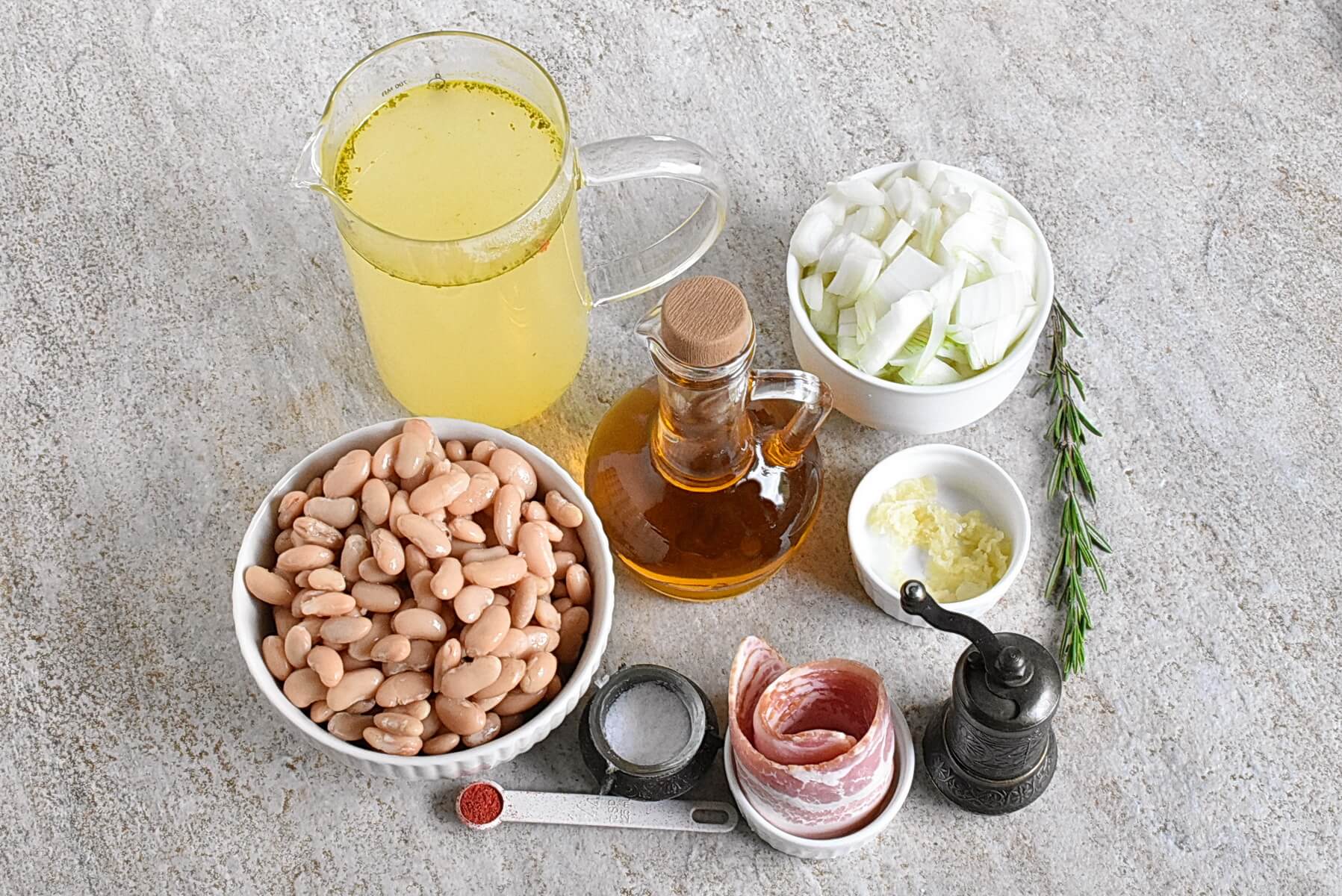
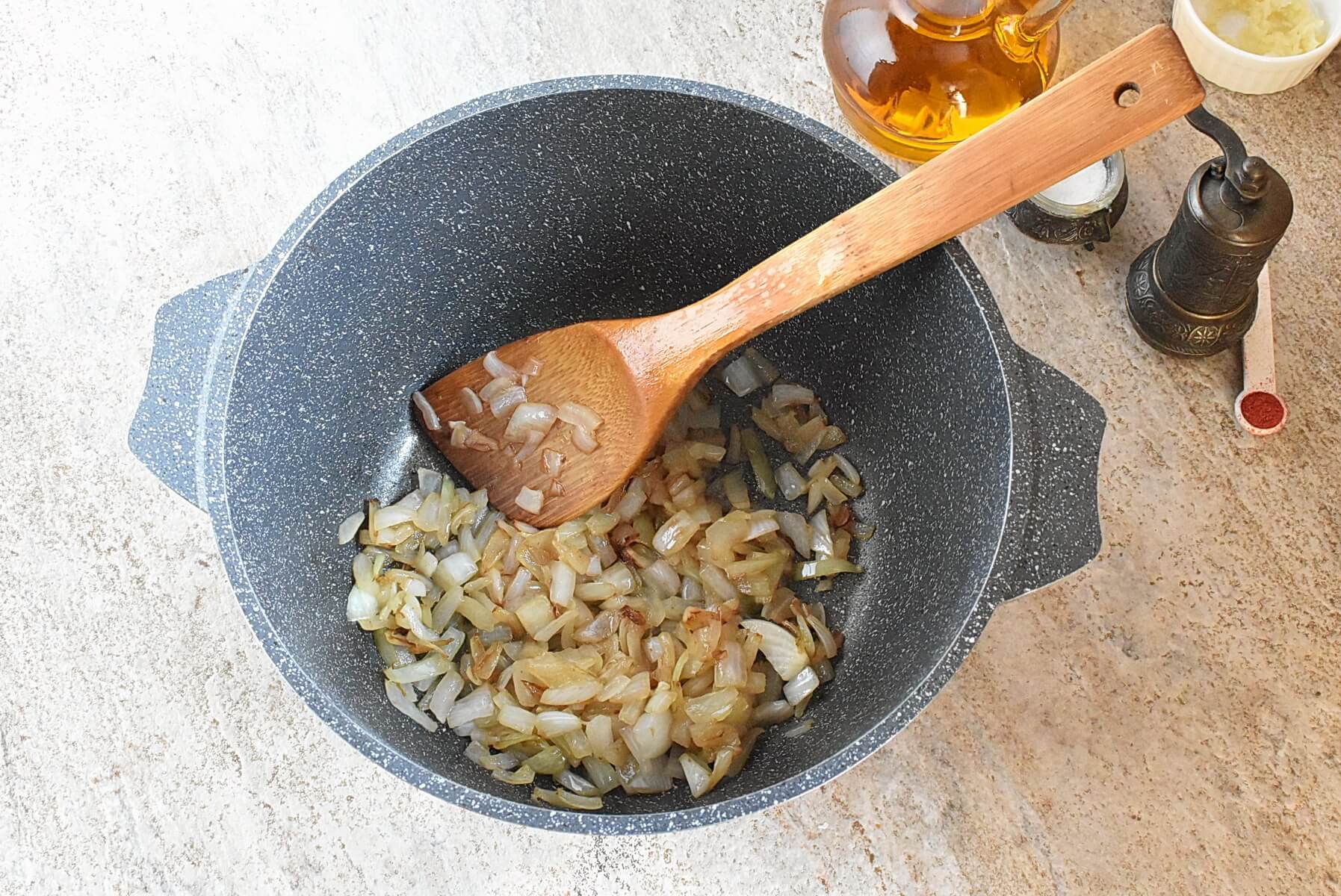
In a 5-6-quart stock pot or Dutch oven over medium heat, heat ¼ cup olive oil and add 4 cups sliced yellow onions. Cook, stirring occasionally, until soft and golden, about 15 minutes. Add 2 minced garlic cloves and cook for 1-2 minutes until fragrant.

Add 3 (15-oz) cans rinsed and drained beans, 4 cups chicken broth, rosemary leaves, 2 teaspoons kosher salt, and ½ teaspoon freshly ground black pepper and bring to a boil.
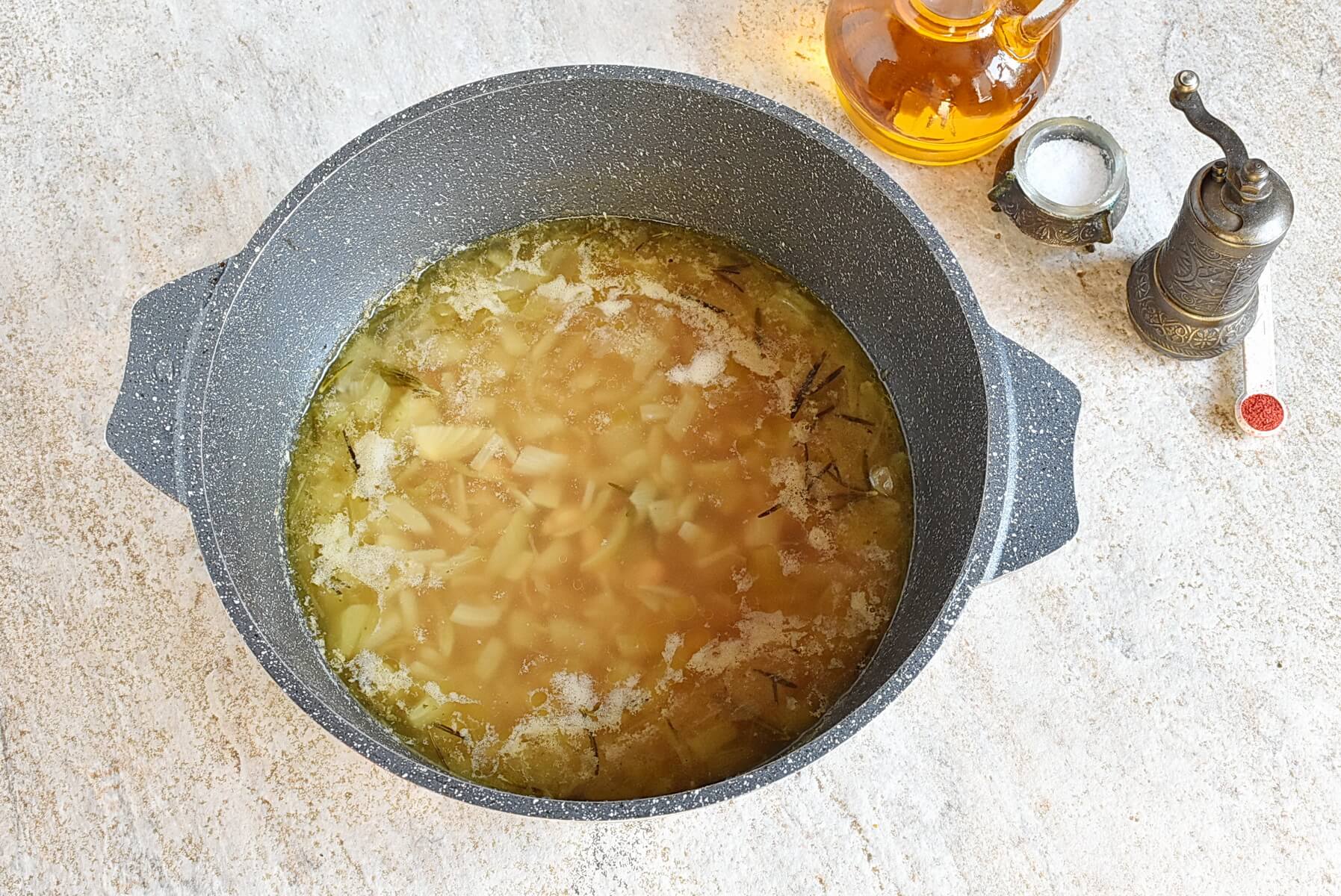
Reduce the heat to a simmer and cook for about 20 minutes.

In a large skillet over medium-low heat, cook the bacon, turning occasionally, until browned and crisp, about 5 minutes. Then transfer to paper towels to drain.

Set aside 1 cup of the soup. Using an immersion blender or a food processor, purée the remaining soup until smooth. Thin it out with the remaining 1 cup chicken stock if desired.

Return the reserved 1 cup of the soup back to the pot and stir to combine. Add the cayenne pepper to taste.

Ladle the soup into bowls and crumble the crispy bacon bits over. Serve and enjoy!
You want a solid 5 to 6 quart stock pot or a Dutch oven that holds heat and spreads it evenly. Dr. Albright would be proud because this is thermodynamics in practice. Heat is the boss here. Use a wooden spoon or spatula for stirring. A sharp knife and a sturdy cutting board make chopping faster and cleaner.
For the bacon, a large skillet over medium low works best. Cast iron crisps bacon and renders fat like nothing else. Save that fat. It is liquid gold. If you have an immersion blender, use it to puree right in the pot. If you do not, a food processor will work but cool the soup first so you do not scald yourself. No immersion blender at all? A potato masher makes a rustic version that still hits the mark.
Low and slow with the onions. Cook them until they are soft and golden, stirring now and then for about 15 minutes. Add garlic toward the end so it gets fragrant but does not burn. That slow work builds a sweet savory base that the beans need.
Strip the rosemary leaves from the stem and add them to the pot. Fresh rosemary is best here. If you only have dried, use less. Taste as you go. Let the pot simmer for around 20 minutes so the rosemary loosens up and blends into the broth. That gives the beans an earthy, pine needle freshness.
Before you puree, scoop out one cup of the chunky soup and set it aside. Puree the rest until smooth, then stir the reserved cup back in. This keeps texture in the bowl and makes every spoonful interesting. Thin with the reserved stock if it gets too thick.
If you like an immersion blender soup, this one is set up for it. Blend right in the pot and you avoid extra dishes. If your blender is weak, work in batches or add a splash more stock.
Swap bacon for crumbled chorizo to push a smoky spice into the bowl. Brown the chorizo first and use some of its fat to cook the onions. Add a diced potato if you want body. It turns the soup into something closer to a stew and it will keep you full on the coldest nights.
Add diced carrots and celery with the onions for more texture and natural sweetness. Throw in thyme or sage with the rosemary for a more garden like flavor. This version leans into vegetables while keeping that creamy bean base intact. It is a good route if you want to sneak in greens without losing comfort.
Use vegetable broth and skip the bacon. Top with crispy sautéed mushrooms seasoned with smoked paprika to mimic that smoky element. It keeps the soup plant based but still rich, though I will admit I miss the bacon crunch when I do this.
Ladle hot soup into deep bowls and crumble the bacon on top so it stays crisp. Serve with crusty sourdough or garlic toast for dipping. A bright salad with lemon vinaigrette cuts through the richness. For a side, roasted Brussels sprouts or charred vegetables bring a pleasant smoke to the table.
This is a hearty winter soup that also works as an easy weeknight soup when you do not want to fuss. Leftovers get better overnight. Reheat gently with a splash of stock to revive the texture and crisp fresh bacon for each serving.
For alcohol, a crisp Sauvignon Blanc brightens the rosemary, while a light lager keeps things casual. Garnish with a drizzle of olive oil, a sprig of fresh rosemary, or some grated Parmesan for extra umami.
If you do not have fresh rosemary, use dried but cut the amount way down. Dried concentrates the flavor and can get a little sharp. Thyme or sage are good substitutes. I once grabbed sage in a rush and it gave the soup a deeper savory note that surprised me. The soup still came out comforting, just with a different character.
Yes. An immersion blender lets you puree directly in the pot and keeps cleanup minimal. Save a cup of chunky soup before blending so you keep texture. If your immersion blender is underpowered, work in sections or add more stock to help it along.
Absolutely. The flavors deepen after a day in the fridge. Cool it, portion it into airtight containers, and it will keep four to five days. For longer storage, freeze in freezer safe bags and use within three months. Thaw in the fridge and reheat with a splash of stock. I portion for myself and Brisket, my rescue pit bull, and it saves me time and money.
Skip the bacon and boost seasonings with smoked paprika or extra cayenne. For crunch, use toasted breadcrumbs or nuts. Taste and adjust salt because you lose the bacon salt when you omit it.
Use canned beans and basic stock. Batch cook and eat leftovers for lunches. Render bacon fat and save it for another dish. Simple, honest food feeds more people for less cash. That is how I grew up.
If you have extra rosemary, strip the leaves and freeze them in a little olive oil in an ice cube tray for later. Or infuse oil by warming olive oil with rosemary, then cool and strain. It makes a handy finishing oil for soups and roasts.
Made with pantry staples, this Creamy White Bean Rosemary Soup is high in comfort and low in fuss. Made this recipe? Let us know what you think in the comments below!

Perfect cozy soup for chilly night! Thanks!
 Dairy-Free Recipes
 Gluten Free Recipes