Growing up in Buffalo, cold winters meant food that stuck to your ribs. This recipe does that job without screaming for attention. It is an easy weeknight dinner that still feels like you cared, not rushed. It hits like honest, hearty comfort food and cleans up fast.
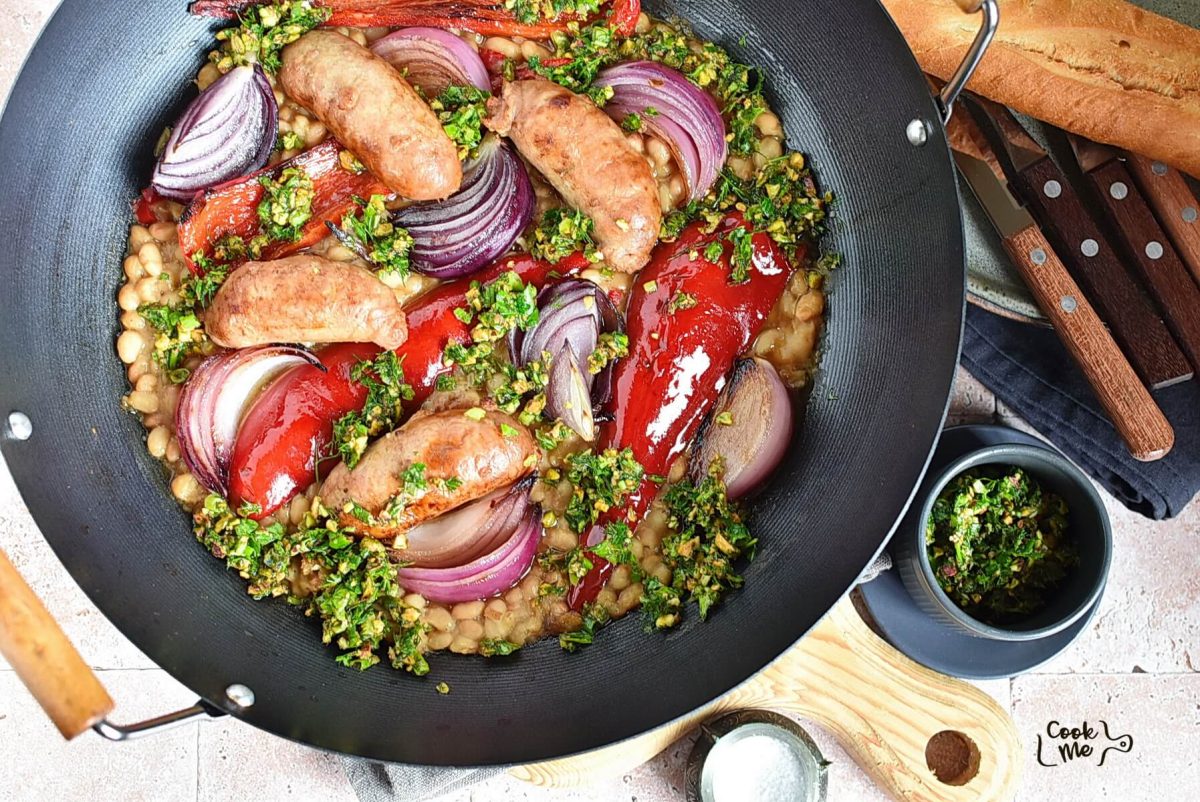
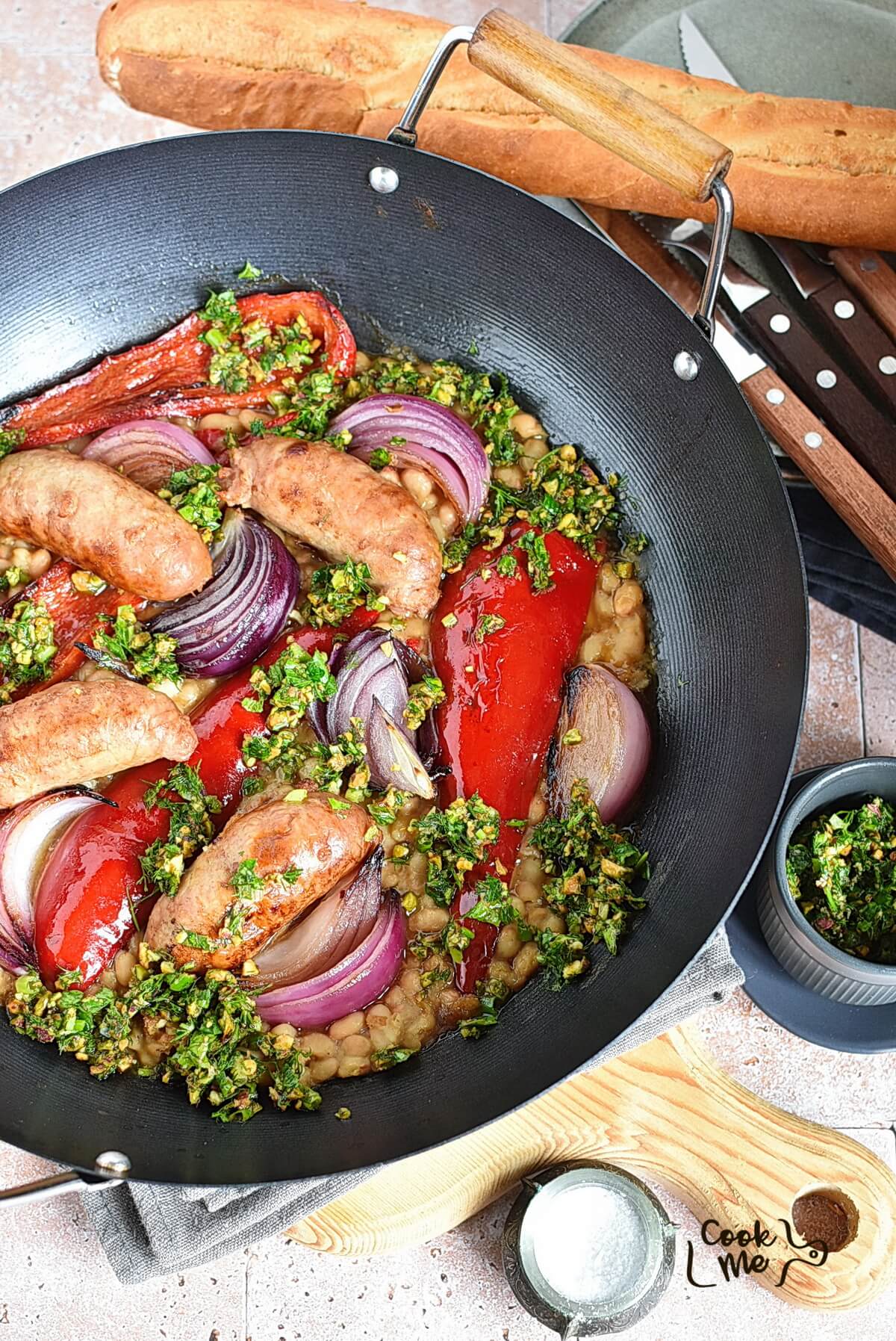
I like how italian sausage with cannellini beans lifts the whole pan. The sausages give you that snap and savory fat, the beans soften into a creamy background, and the pistachio lemon crumble wakes the whole thing up. Trust me. You get brown crust, gentle bubbling, and a crunchy bright finish all from one pan.
This dish is also practical. It is something I reach for when I am tired but want a proper meal. Sarge taught me to respect the ingredient and to keep things simple. I still think of him when the pan goes hot and the fat starts to sing.
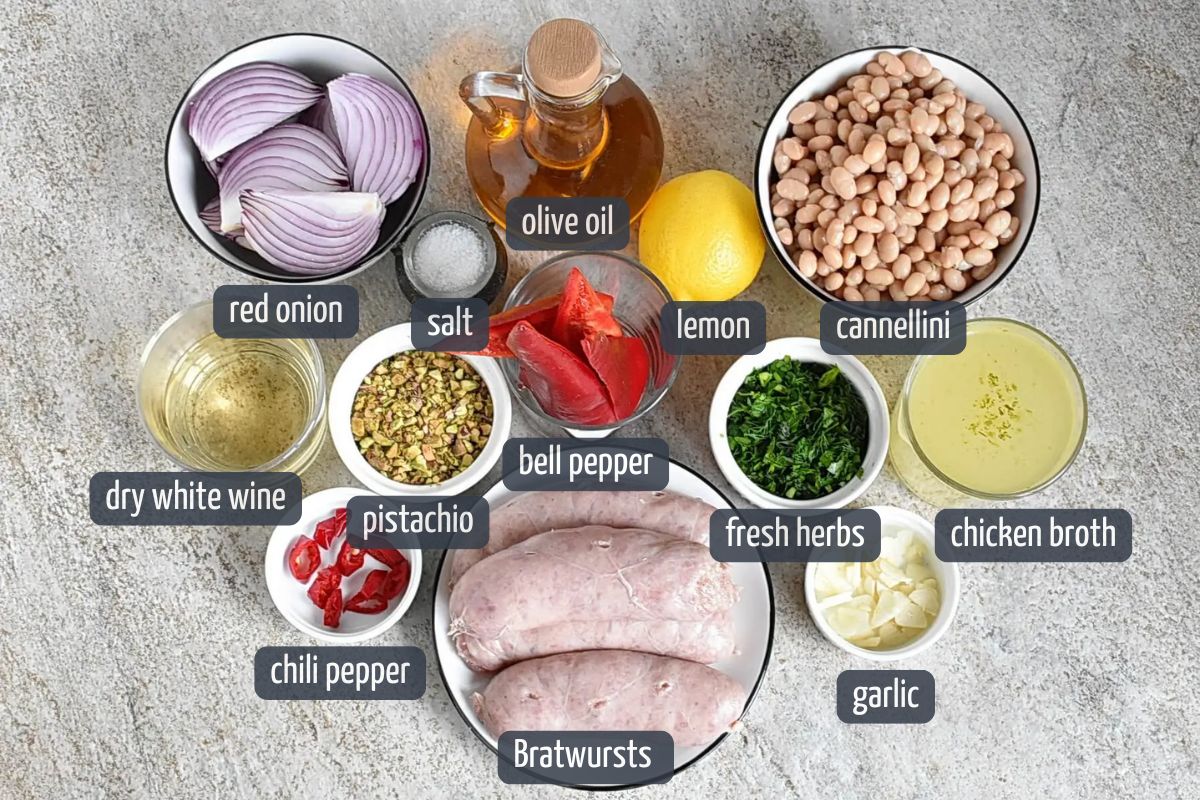
Preheat the oven to 425 ˚F.
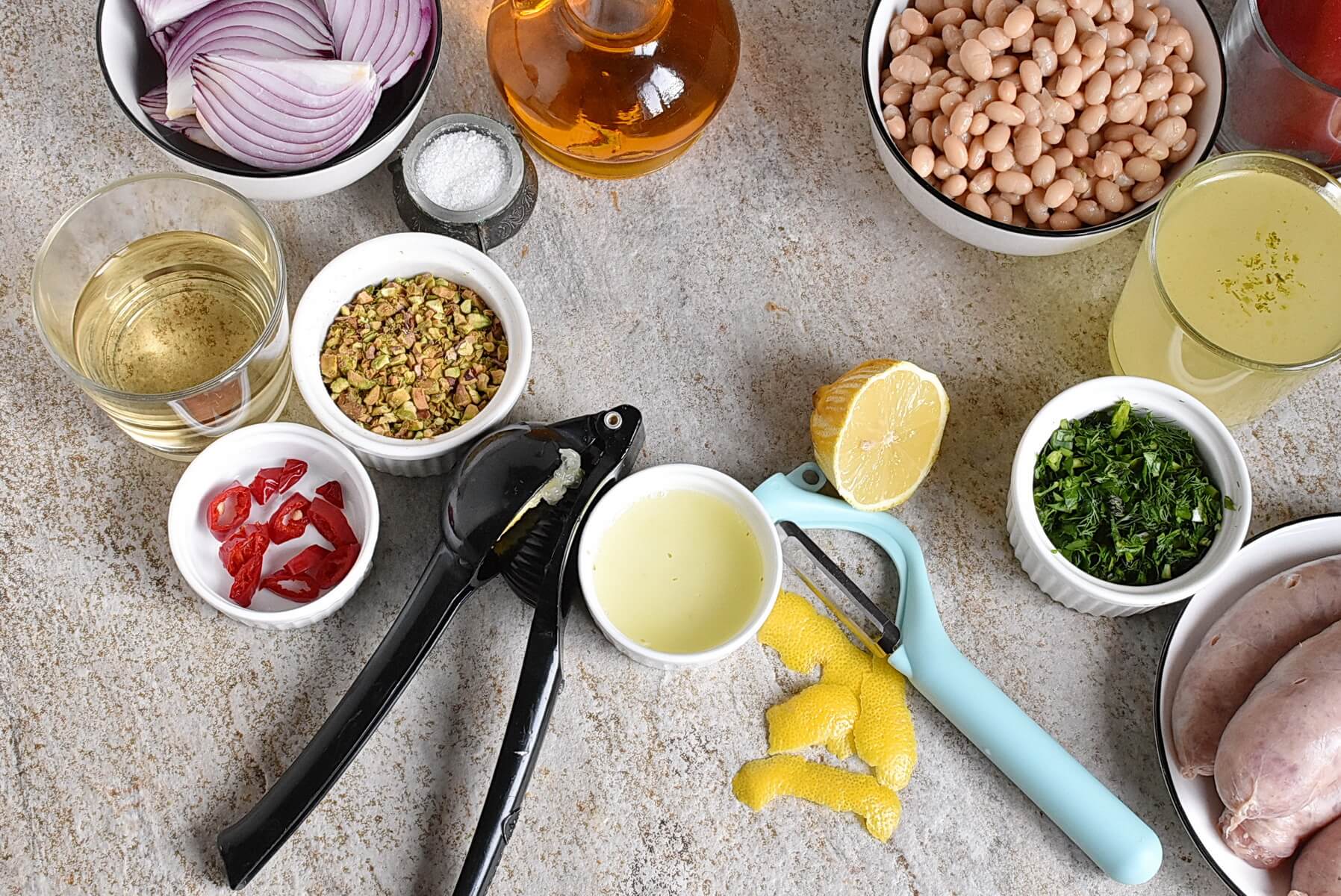
Use a vegetable peeler to remove wide (3- x ½-inch) peel strips from half of the lemon. Set aside. Juice 1 lemon. Pour 3 tablespoons lemon juice into a small bowl. Set aside. (Reserve the extra lemon juice, if any, for another use).
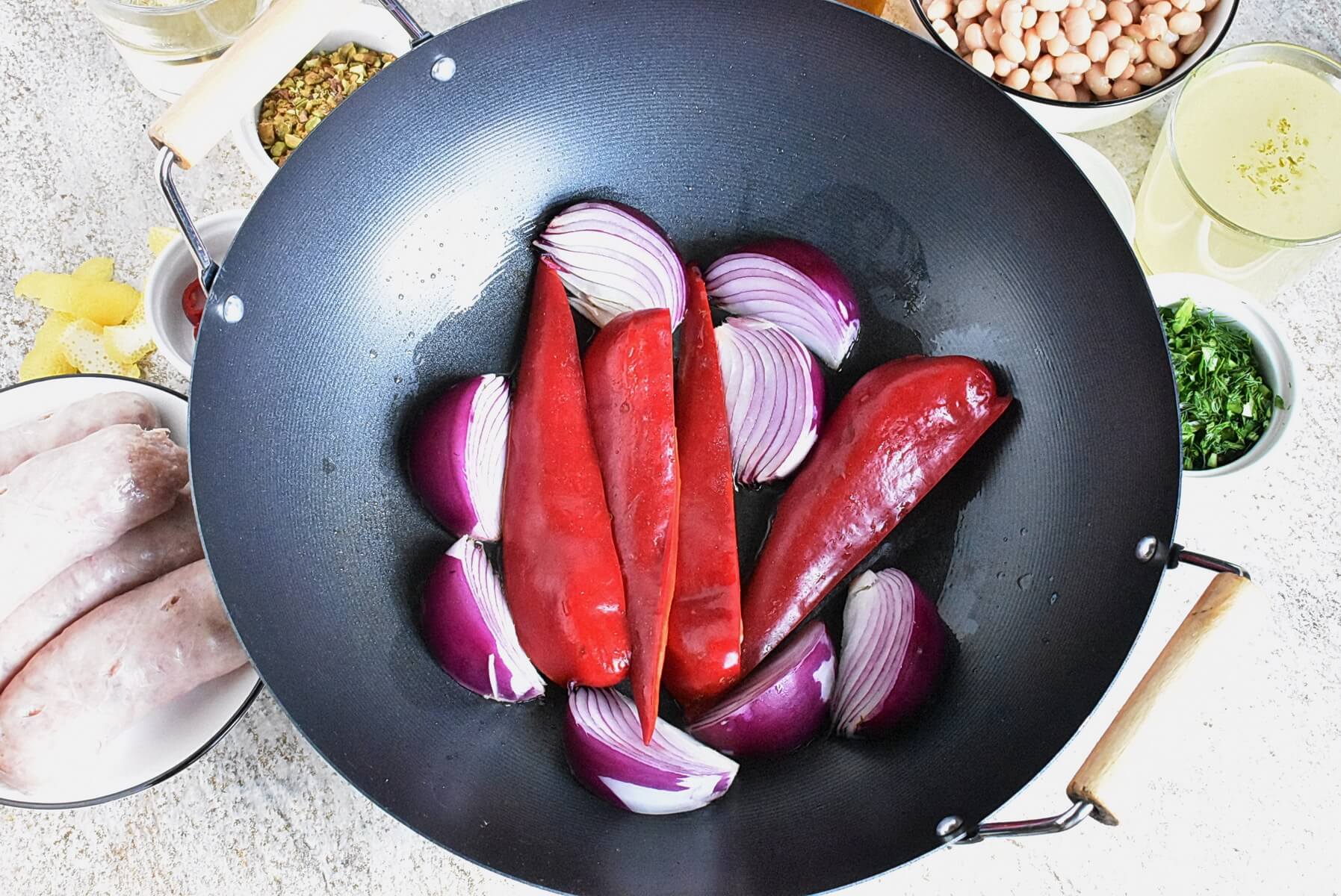
In a deep, large oven-safe skillet over medium-high heat, heat 3 tablespoons olive oil and put the onion and bell pepper wedges cut-side down in one layer. Cook, undisturbed, until the cut-sides are browned, 5 to 8 minutes. Transfer the vegetables, browned-side up, to a plate.

Reduce the heat to medium. Add 4 bratwursts and 1 tablespoon oil. Cook until browned on both sides, 2 to 3 minutes per side. Transfer the sausages to the plate with bell pepper and onions.
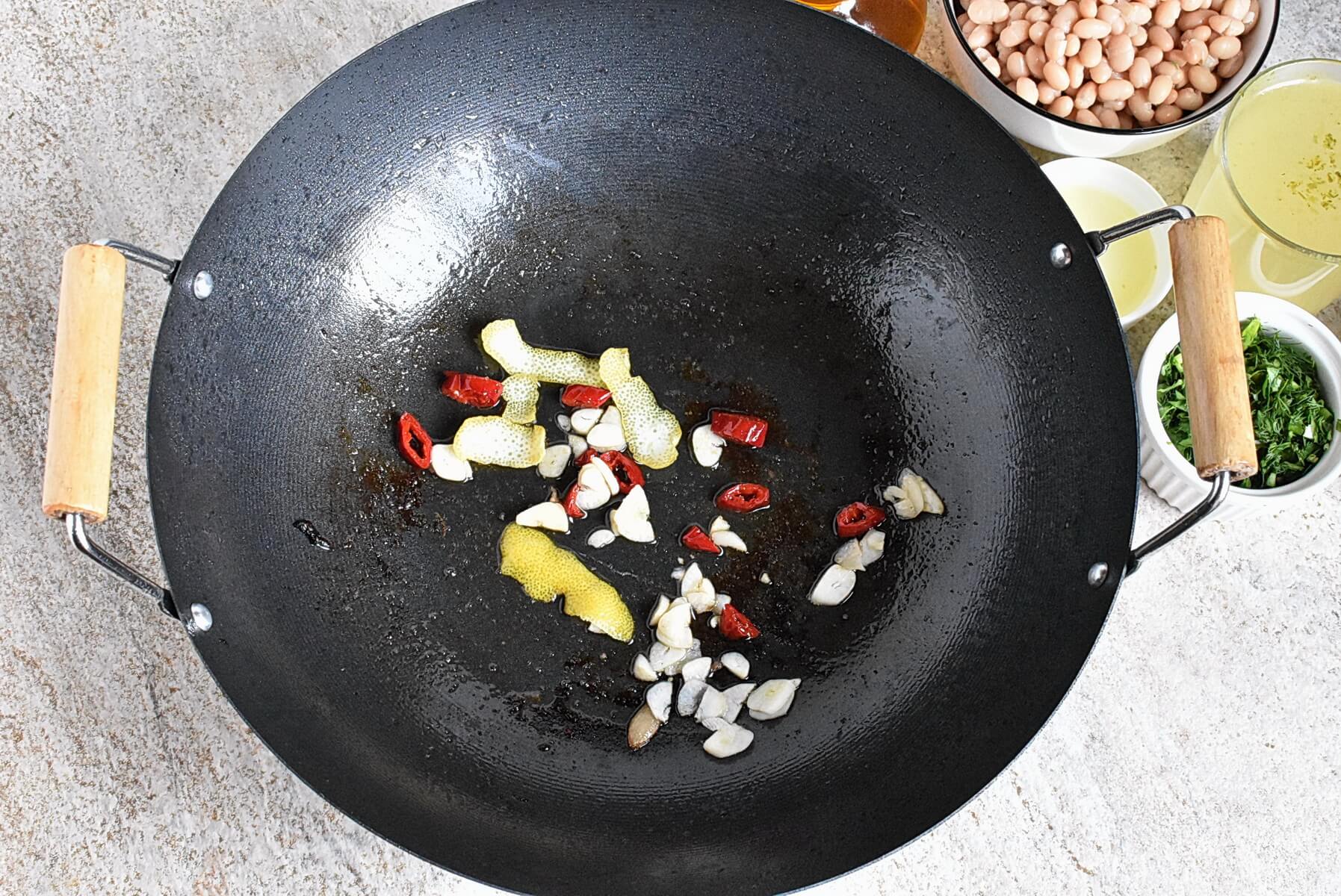
To the skillet, add the lemon peel strips, 3 thinly sliced garlic cloves, and the chili de árbol pieces. Cook, stirring constantly, until aromatic, about 1 minute.
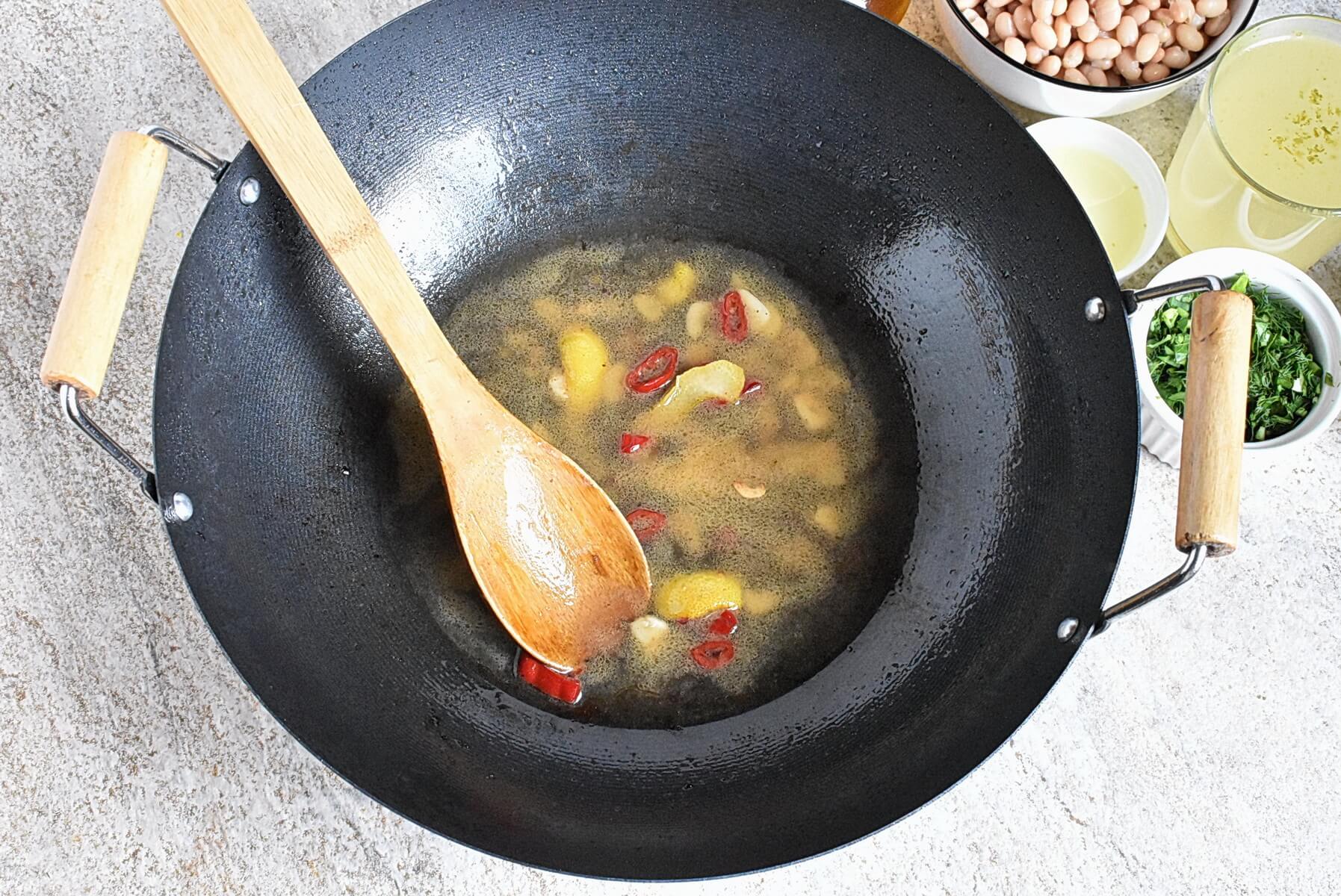
Add ½ cup dry white wine to the skillet, stirring and scraping the bottom of the skillet using a wooden spoon or silicone spatula to loosen any browned bits. Bring to a simmer over medium heat. Simmer, stirring occasionally, until the wine is reduced by half, about 3 minutes.
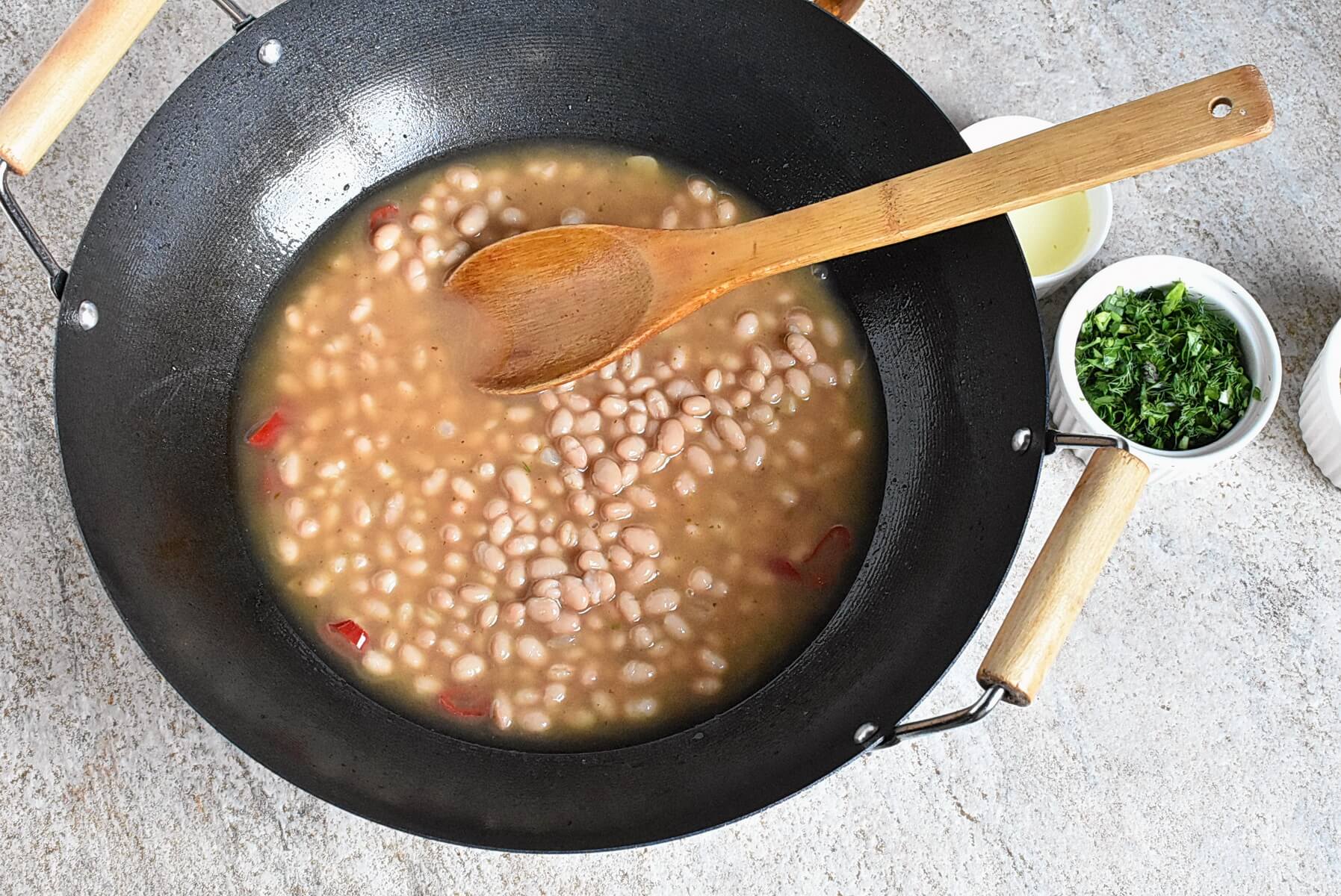
Stir in the cannellini beans, 1 cup low-sodium chicken broth, and ½ teaspoon kosher salt. Increase the heat medium-high and bring to a simmer. Cook for 3 to 5 minutes, stirring occasionally and smashing about one-third of the beans using the back of a wooden spoon, until the bean mixture is creamy but still loose and brothy. Adjust the heat as needed to maintain a gentle simmer.
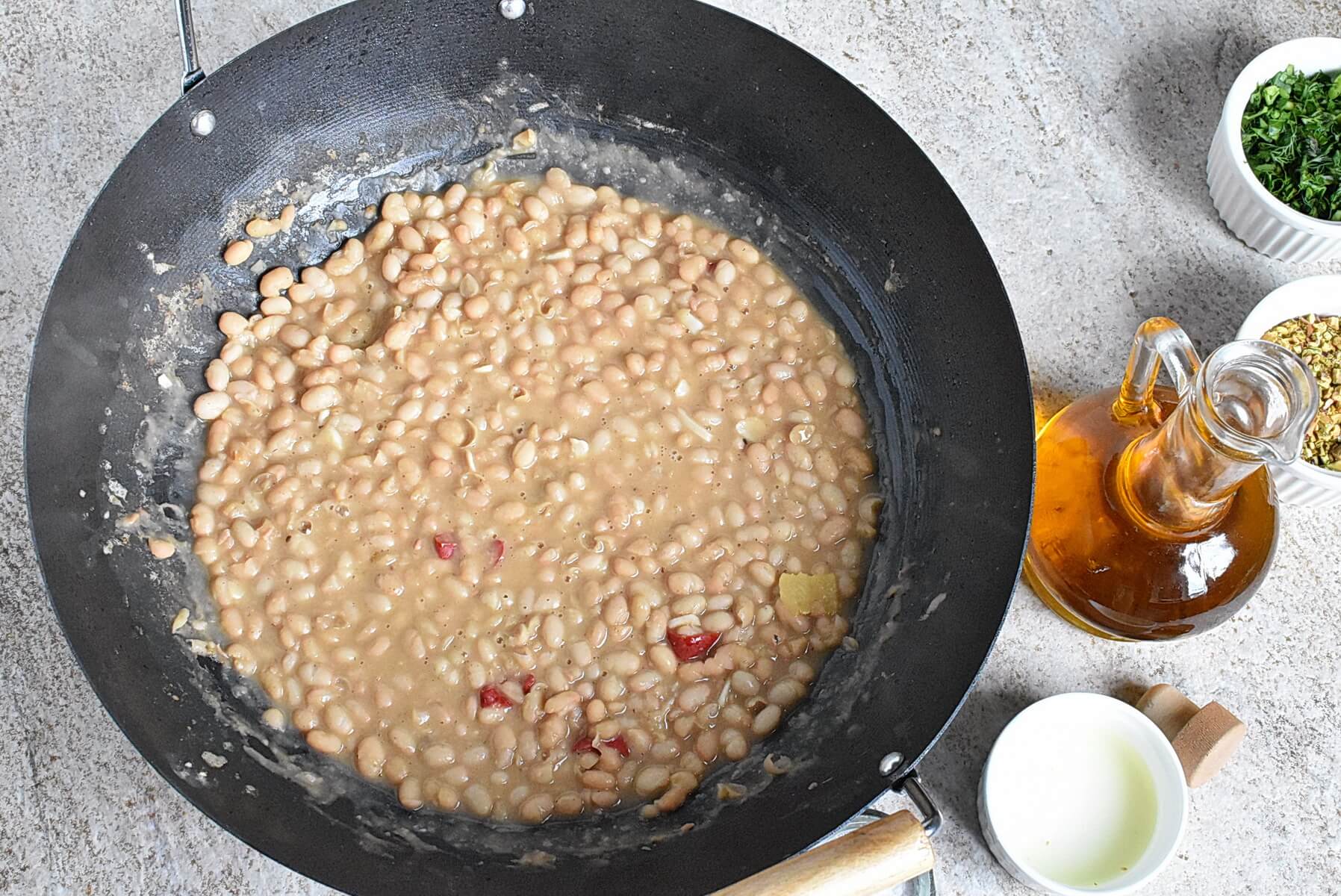
Stir in 1 tablespoon lemon juice and 1 tablespoon olive oil. Remove from the heat.
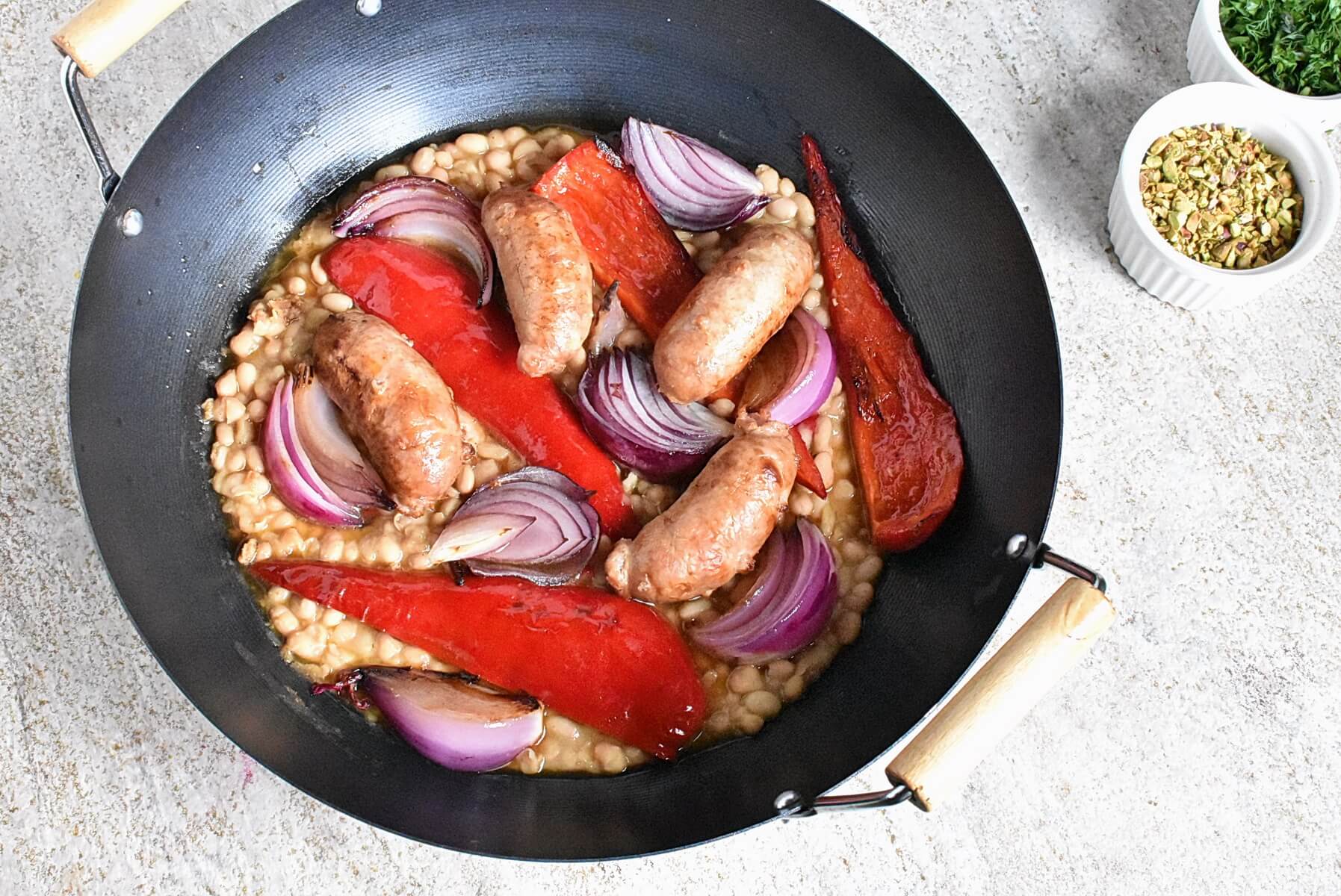
Nestle the sausages, onion and bell pepper wedges into the skillet.
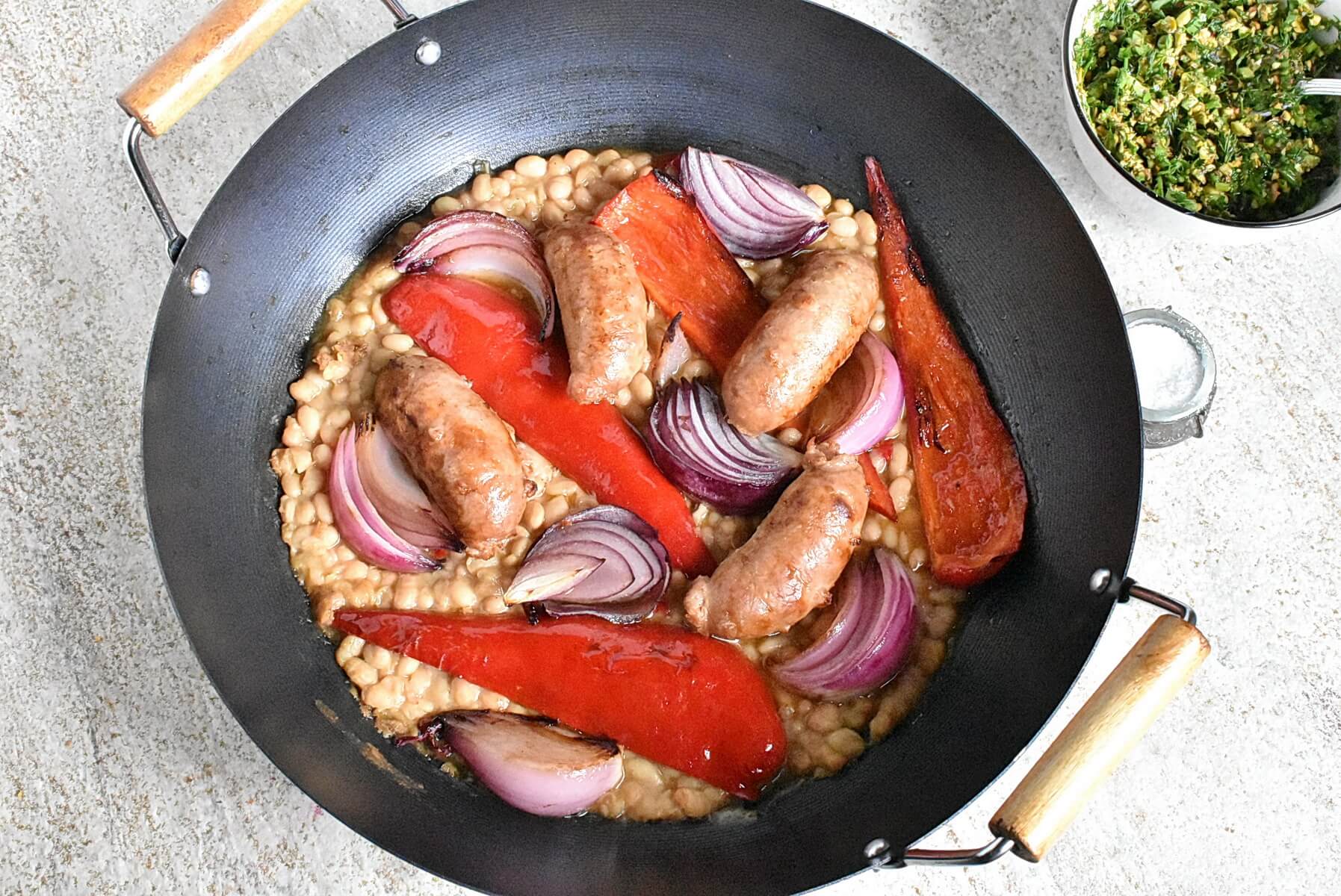
Bake in the preheated oven for 12 to 15 minutes until the bean mixture is bubbly and an instant-read thermometer inserted into the center of the sausages reads 160 °F.
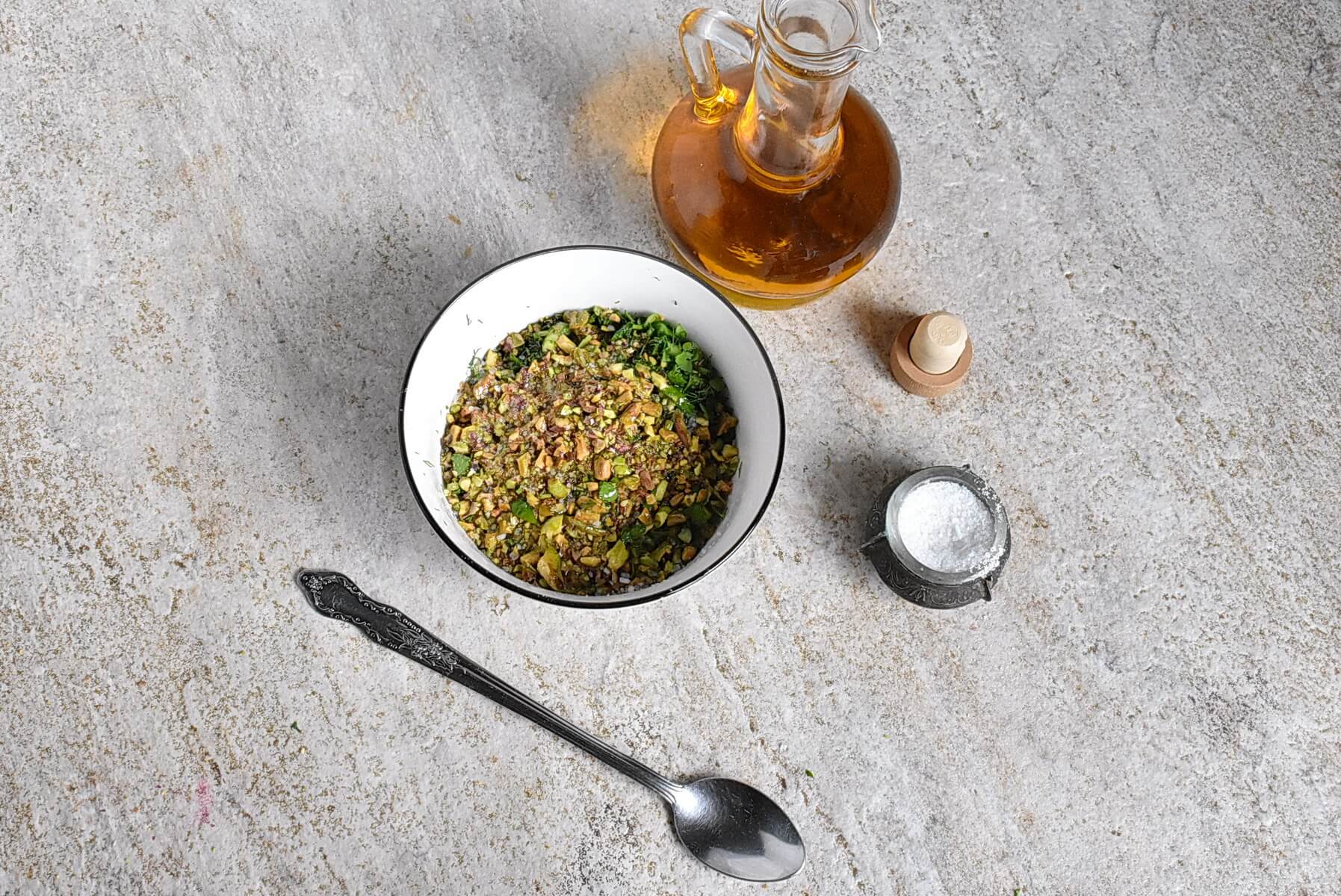
Meanwhile, in a small bowl, stir together ½ cup finely chopped pistachios, ½ cup finely chopped mixed fresh tender herbs, the remaining ¼ cup oil, 2 tablespoons lemon juice, and the remaining ½ teaspoon salt.
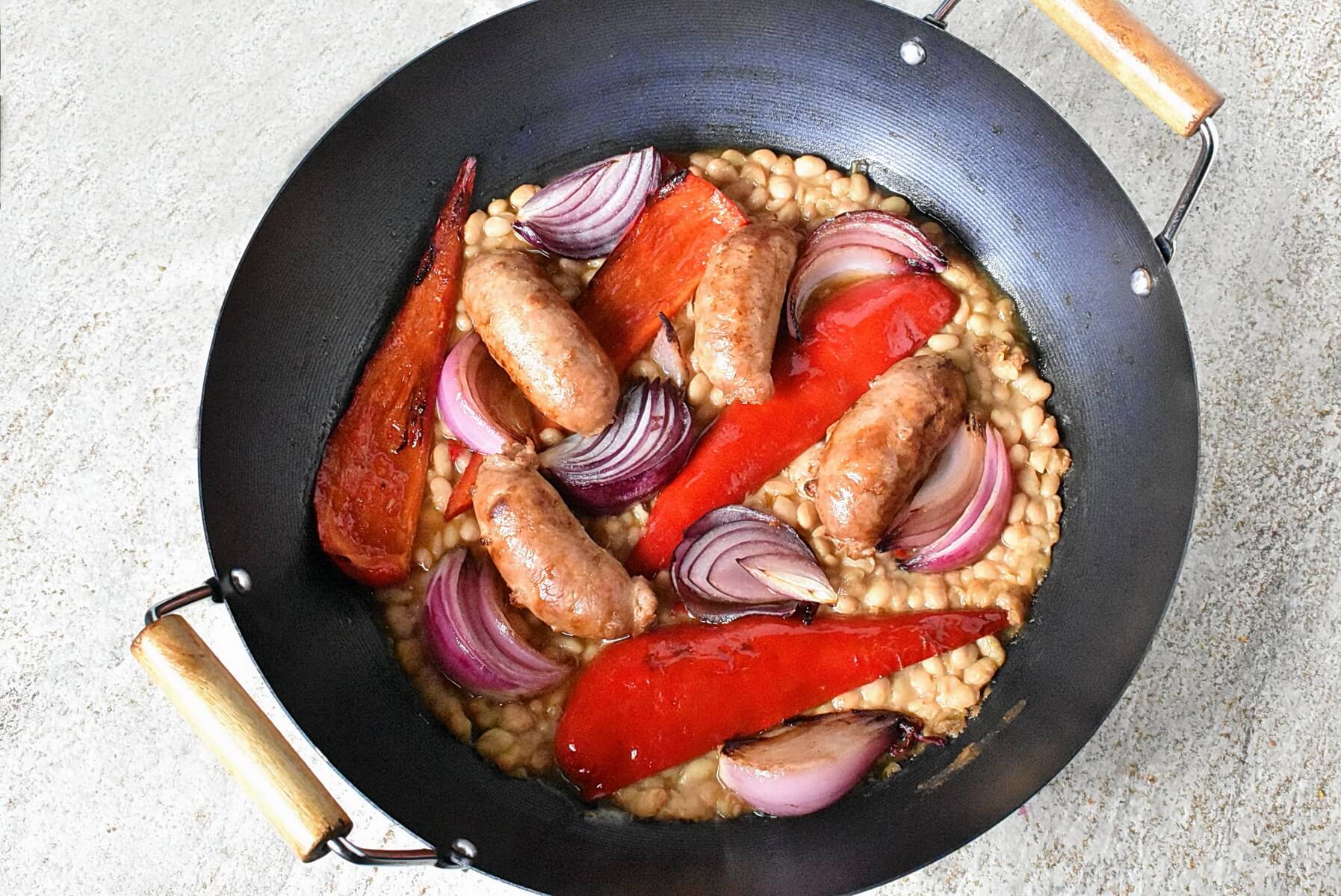
Remove the skillet from the oven and let cool slightly, about 5 minutes.
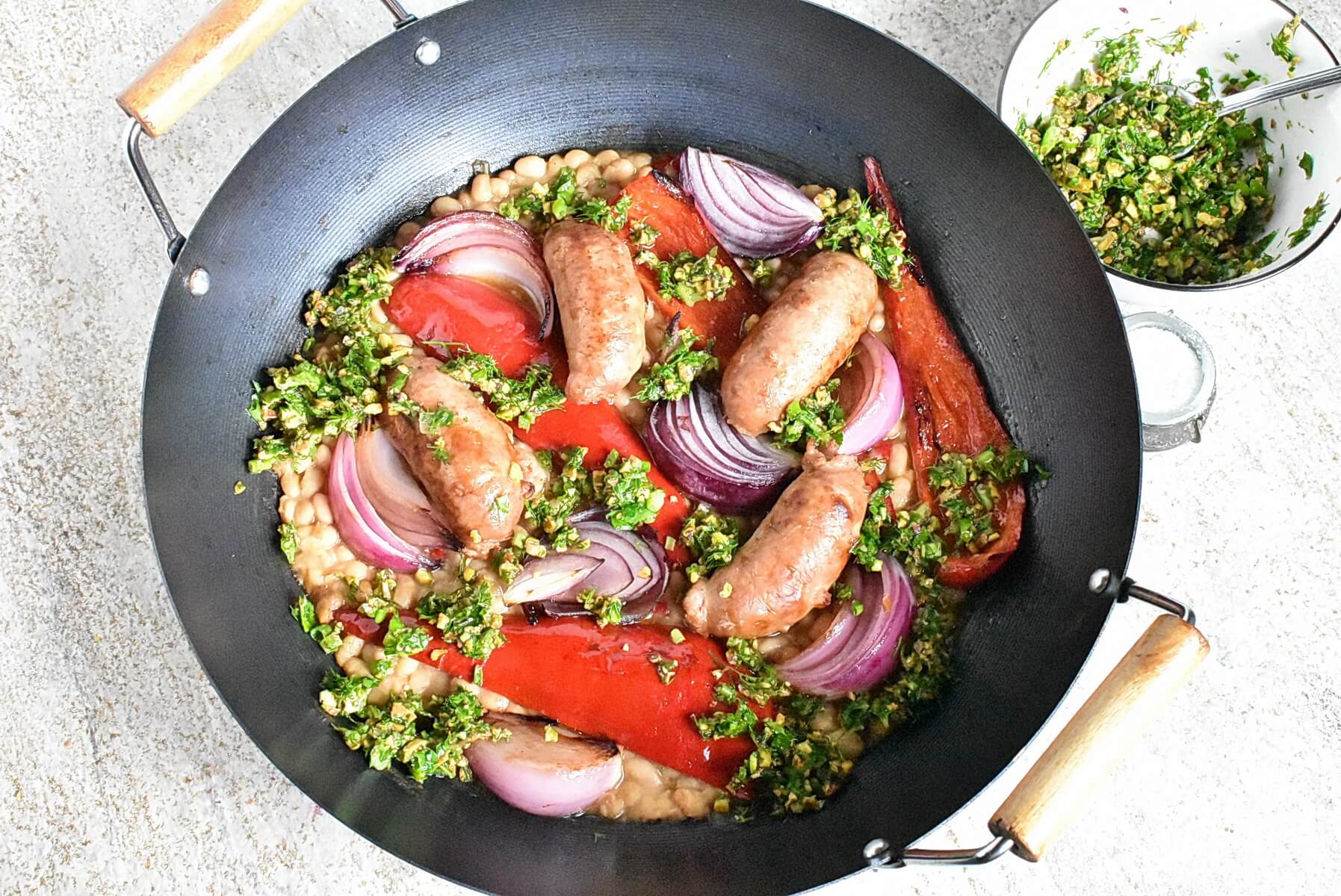
Spoon half of the pistachio-lemon crumble over the bean and sausage mixture, reserving the remaining to serve alongside.
Get a big skillet that can go in the oven, one with high sides so nothing escapes. Cast iron is my pick because it holds heat and gives that even browning. No cast iron? Use a heavy stainless pan that is oven proof. A sharp chef knife, a cutting board, a vegetable peeler for the lemon rind, and a wooden spoon for scraping are all you really need. An instant read thermometer helps check the sausages reach 160 degrees Fahrenheit. Wait, forget the chopper; a knife works fine for the crumble. Do it by hand sometimes. It feels right.
Let the onion and pepper sit cut side down. Five to eight minutes undisturbed gives you caramelization and actual flavor. If you rush this, you get limp veggies and watery results. Patience matters. Also, prick the bratwursts all over so fat renders slowly. I have had sausages burst in the pan. Not a good time. Prick them and brown them properly for two to three minutes a side.
When you add the wine, scrape the pan. Those browned bits are why the dish tastes like more than the sum of its parts. Then simmer gently so the beans soften and mash into the liquid naturally. You want a creamy but brothy texture, not glue. After baking until bubbly and the sausages read 160 degrees Fahrenheit, rest for five minutes. The beans set and everything calms down. Do not skip the rest.
Make the pistachio lemon crumble while the skillet bakes. Chop the nuts and herbs, stir with olive oil and lemon juice, and season. Reserve half to serve so the top keeps its crunch. The pistachio lemon crumble cuts through the richness and brightens each bite. Actually, scratch that about overthinking the texture. Keep it simple and coarse enough to feel under your teeth.
Follow these rules and you have a bratwurst skillet recipe that sings with balanced textures and tastes.
Smoky swap. Try chorizo in place of the bratwursts to dial in smoky paprika and heat. Brown it first and taste for salt because chorizo is often seasoned. The crumble still works, cutting through the spice.
Veggie boost. Look, I am a meat guy, but I keep asking myself if I can make a vegetable dish I would crave like a steak. Add zucchini or spinach after the wine reduces. They bulk the dish and keep it fresh. Go turkey sausage if you want a lighter plate.
Creamy take. Stir in a splash of heavy cream at the end if you want an ultra velvety finish. It is indulgent and comforting on cold nights, though heavier. Use sparingly if you are watching calories.
A crusty loaf is the obvious choice. Sourdough is great because its tang echoes the lemon in the crumble. If you are wondering what to serve with bratwurst, a crisp green salad with vinaigrette clears the palate and keeps the meal from feeling too heavy. Steamed greens or roasted potatoes are good companions too.
Finish with a drizzle of quality olive oil or a little shaved Parmesan for umami. I sometimes add quick pickled red onions for a bright counterpoint. A dry white wine or a light beer works well. For non alcoholic, sparkling water with lemon keeps it crisp. Small touches make a big difference.
Can I use different sausages if bratwursts are not available?
Absolutely. Swap in mild Italian ones for a different profile. They bring fennel and herbs that mix well with the beans. Brown them the same way and watch the salt because they can be seasoned already. It changes the character but keeps the soul.
What if I want to make this vegetarian?
Replace sausages with plant based links or big meaty mushrooms and add smoked paprika for depth. It will not be exactly the same because I love meat, but it makes a satisfying plant forward version. Simmer longer so flavors meld.
How do I store leftovers and reheat without losing texture?
Cool fully and store in airtight containers in the fridge for up to three days. Reheat gently in a skillet with a splash of broth to loosen the beans. Microwave it and you risk rubbery sausage and gluey beans. I learned that the hard way in a diner.
What to do with extra beans?
If you are asking what to do with cannellini beans, mash extras with garlic and oil for a quick dip or toss them into salads. They stretch a meal and cut waste, which matters to me. Use them in soup the next day for an easy meal.
This recipe is built to be honest, filling, and forgiving. It has roots in Buffalo and Chicago and a little Austin smoke in my memory. Make it your own, but follow the few rules that are actually worth following: brown, deglaze, simmer, and rest. Then top with that bright pistachio lemon crumble. It will make weeknights better. Probably mine at least.
This hearty and flavorful White Beans and Pork Sausage with Pistachio-Lemon Crumble is a winner when you need a warming dinner. Did you make this recipe? We'd love to see! Tag us on Instagram @cookmerecipes and use the hashtag #cookmerecipes. We'll reshare our favorites.

Perfect for cozy dinners!
 Dairy-Free Recipes
 Gluten Free Recipes
 Spicy Recipes