Fast (≤ 30 min)
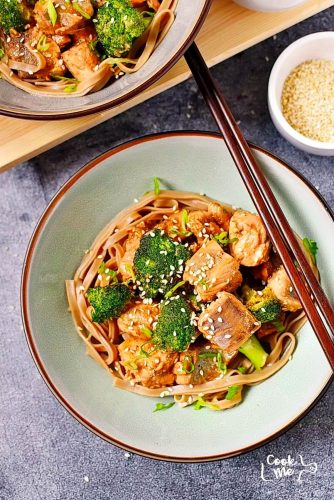

Japanese cuisine, known as washoku, brings thousands of years of culinary wisdom to your kitchen. This UNESCO-recognized cultural heritage celebrates the harmony of five tastes—sweet, sour, salty, bitter, and umami—creating meals that nourish both body and soul.
At its heart lies the “ichiju sansai” tradition: one soup, three dishes, rice, and pickles, forming perfectly balanced meals that have kept Japanese families healthy for generations. From the umami-rich depths of homemade dashi to the satisfying comfort of chicken teriyaki, Japanese cooking teaches us that the simplest ingredients, treated with respect and care, create the most memorable flavors.



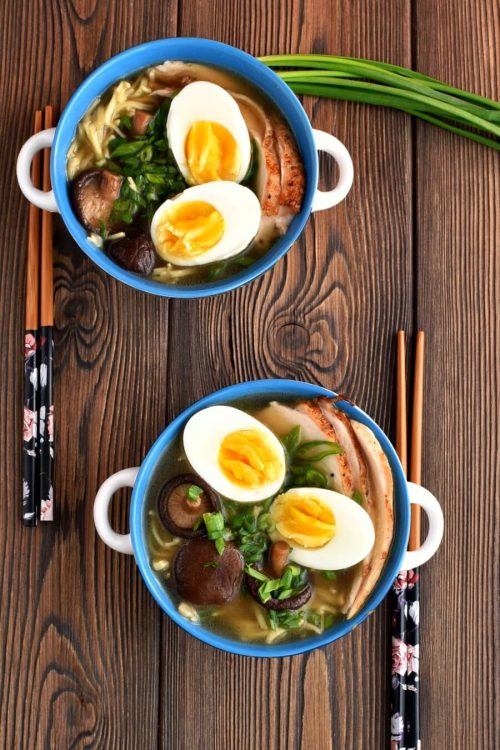
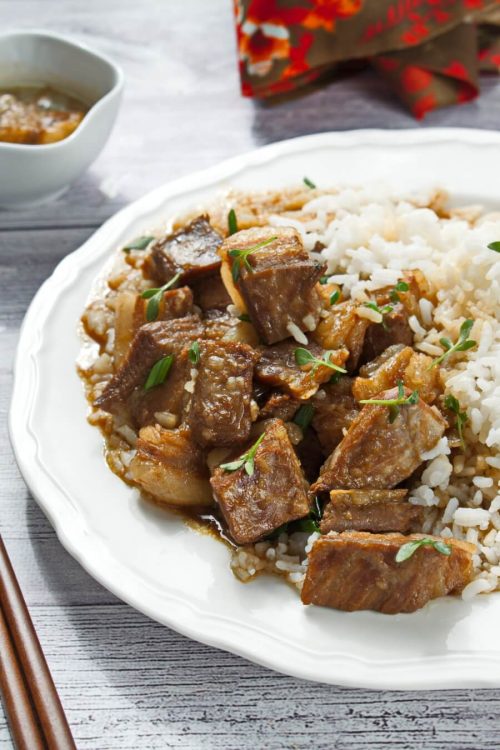
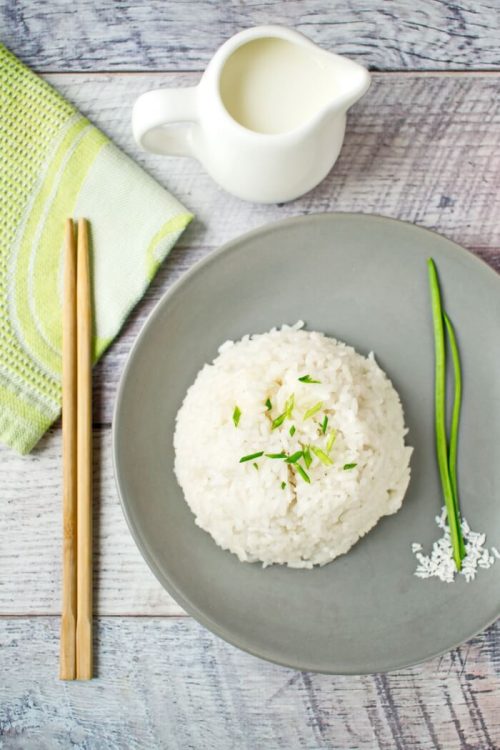
Walk into any Japanese home around dinnertime, and you'll notice something beautiful: the gentle rhythm of rice cookers steaming, the aromatic wisps of miso soup, and small dishes arranged with the care of a master artist. This isn't just cooking - it's washoku, a way of life that earned UNESCO recognition in 2013 for good reason.
What makes Japanese cuisine so special isn't just the famous dishes you've heard of. Sure, everyone knows sushi and ramen, but the real magic happens in everyday home cooking. Japanese families have been perfecting the art of simple, healthy meals for over a thousand years, and the results speak for themselves: Japan has one of the highest life expectancies in the world, and food plays a huge part in that success story.
The secret? It's all about balance. Japanese cooks follow the principle of "ichiju sansai" - one soup, three dishes - creating meals that hit every nutritional note your body craves. Think of it as nature's perfect formula: a warming bowl of miso soup, a protein-rich main dish like grilled fish, two veggie-packed sides, plus rice and pickles to tie it all together. Every bite delivers something different, keeping your taste buds engaged and your body satisfied.
Here's where Japanese cooking gets really interesting. Back in 1908, a Japanese scientist named Professor Kikunae Ikeda was enjoying a bowl of kombu dashi when he realized something amazing. This broth had a taste unlike anything else - not sweet, sour, salty, or bitter, but something deeper and more satisfying. He called it "umami," literally meaning "delicious taste," and it changed how we think about flavor forever.
That savory, mouth-filling sensation you get from a perfect bowl of ramen? That's umami at work. It's what makes aged Parmesan so addictive, why tomatoes taste so good, and why mushrooms feel so satisfying. But Japanese cuisine takes umami to the next level with ingredients like kombu seaweed, katsuobushi (those dancing bonito flakes), shiitake mushrooms, and fermented treasures like miso and soy sauce.
The real genius is how these ingredients work together. When you combine glutamate- rich kombu with inosinate-packed katsuobushi to make dashi, you create what scientists call "umami synergy" - the flavors multiply exponentially, creating a depth that forms the backbone of Japanese cooking. According to the Umami Information Center, this synergy can make umami taste up to eight times stronger than the individual components alone.
Japanese cooking is obsessed with seasons in the most beautiful way. Spring brings tender bamboo shoots and cherry blossom petals as garnish. Summer calls for cooling cucumber salads and cold soba noodles. Autumn showcases sweet persimmons and hearty mushrooms. Winter warms hearts with hot pot and comfort soups.
This isn't just about looking pretty (though Japanese food absolutely does that). Eating seasonally means you're getting ingredients at their peak nutrition and flavor, plus you're connecting with the natural rhythms that Japanese culture has honored for centuries. It's why you'll see maple leaves as garnish in fall dishes or why summer preparations focus on cooling, refreshing flavors.
The presentation matters too, but not in an intimidating way. Japanese home cooks use simple tricks like choosing plates that complement the season—earth-tone ceramics for autumn, light colors for spring. Even the way you cut vegetables can reflect the season: cherry blossom-shaped carrot cuts in spring or leaf patterns in fall.
One of the smartest things about Japanese cooking is the "five-color" principle: red, green, yellow, white, and black. It sounds fancy, but it's actually a simple way to ensure your meals are nutritionally complete and visually stunning.
Think about it: red tomatoes or peppers, green vegetables, yellow corn or egg yolks, white rice or tofu, and black seaweed or sesame seeds. When you hit all five colors, you're naturally including a wide range of vitamins, minerals, and antioxidants. Your plate becomes a rainbow of nutrition without any complicated diet planning.
Building a Japanese pantry might seem daunting, but you can start cooking authentic dishes with just a handful of key ingredients. Here's what you absolutely need:
Soy Sauce (Shoyu): The MVP of Japanese cooking. Start with a good-quality regular soy sauce - look for brands that use only soybeans, wheat, salt, and time. Kikkoman is widely available and reliable.
Miso Paste: This fermented soybean paste comes in different varieties. White miso is mild and slightly sweet, perfect for beginners. Red miso is deeper and more intense. Start with white and expand from there.
Mirin: This sweet rice wine adds depth and gloss to sauces. Real mirin contains alcohol and is worth seeking out, but if you can't find it, you can substitute with a mixture of sake and sugar.
Rice Vinegar: Milder than regular vinegar, this adds the perfect tangy note to sushi rice, salad dressings, and marinades.
Dashi: You can make it from scratch with kombu and katsuobushi, but instant dashi powder works great for everyday cooking. It's the secret weapon that makes everything taste more Japanese.
Sesame Oil: A little goes a long way. The toasted variety adds an incredible nutty aroma that transforms simple vegetables into something special.
Japanese Short-Grain Rice: This isn't just any rice. The short, plump grains have the perfect starch content to get that slightly sticky, satisfying texture that holds together beautifully.
Today's Japanese families are busier than ever, but they're finding smart ways to keep washoku traditions alive. Working parents might use a rice cooker with timer settings to have perfect rice ready when they get home. They might prep vegetables on weekends or rely on high-quality frozen ingredients when fresh isn't available.
The beauty of Japanese cooking is its flexibility. Can't find kombu? Mushroom broth makes a great vegetarian dashi substitute. No time for elaborate presentations? Focus on the five-color rule and let natural ingredients shine. The principles remain the same even when life gets hectic.
Modern Japanese cooking also embraces fusion without losing its soul. You'll find families serving miso-glazed salmon with quinoa rice or adding Japanese flavors to pasta dishes. The key is understanding the fundamental principles—balance, seasonality, umami—and applying them to whatever ingredients you have access to.
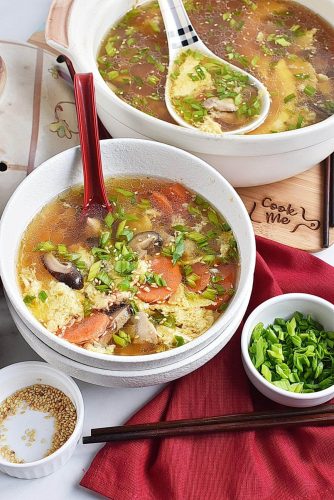
Perhaps the most important lesson from Japanese cuisine is that good cooking doesn't have to be complicated. The best Japanese dishes often have just a few ingredients, each one treated with respect and allowed to shine. A perfect bowl of miso soup needs only dashi, miso paste, and perhaps some tofu and scallions. Teriyaki chicken requires just soy sauce, mirin, sugar, and sake.
This philosophy extends to cooking techniques too. Japanese cuisine celebrates methods that preserve and enhance natural flavors: gentle simmering, quick grilling, light steaming. Nothing is forced or overdone. Even the famous Japanese knives, with their incredibly sharp edges, are designed to cut cleanly without bruising delicate ingredients.
You don't need to be Japanese or live in Japan to embrace these principles. Start small: try making a simple miso soup with your next meal. Experiment with the five-color rule when planning dinner. Buy a small bottle of good soy sauce and taste the difference quality makes.
UNESCO's recognition of washoku wasn't just about preserving tradition - it was about sharing wisdom that the whole world can benefit from. In our fast-paced lives, Japanese cooking offers a path to meals that are healthy, satisfying, and beautiful without being stressful or time-consuming.
The recipes in our collection honor these traditions while making them accessible to home cooks everywhere. Whether you're making your first pot of rice or perfecting your dashi technique, remember that Japanese cooking is ultimately about care - care for ingredients, care for nutrition, care for the people you're feeding, and care for yourself.
Every time you take that extra moment to arrange food thoughtfully on the plate, you're participating in a tradition that spans centuries. Every time you taste your miso soup and adjust the seasoning, you're connecting with countless home cooks who've done the same thing in kitchens across Japan. That's the real magic of Japanese cuisine: it makes every meal an opportunity to nourish, connect, and find beauty in simplicity.