Fast (≤ 30 min)
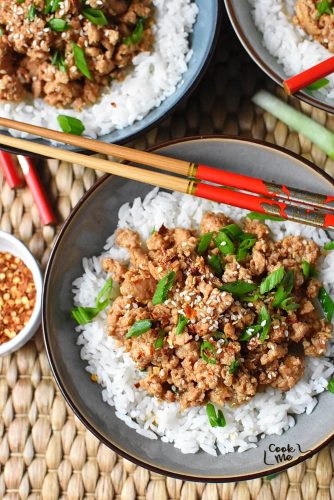

Korean cuisine is built on a remarkable 5,000-year-old philosophy of balance and harmony. At its heart lies banchan culture – the art of serving multiple small dishes that transform every meal into a colorful feast of flavors, textures, and nutrients. What makes Korean cooking truly special isn’t just the famous kimchi or BBQ you might know, but the ancient fermentation mastery that creates gut-healthy probiotics, the royal court techniques passed down through generations, and the Buddhist temple traditions that prove vegetables can be absolutely spectacular. From spicy gochujang to umami-rich doenjang, Korean cooking offers bold flavors that’ll wake up your taste buds while nourishing your body.
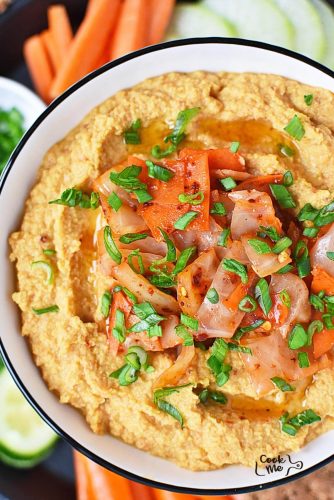
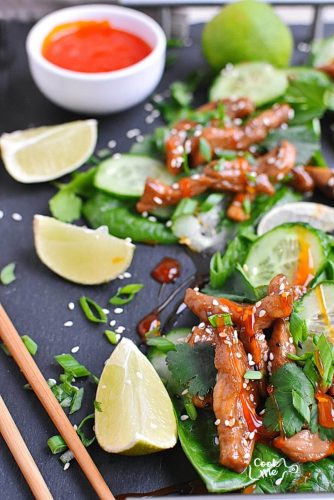
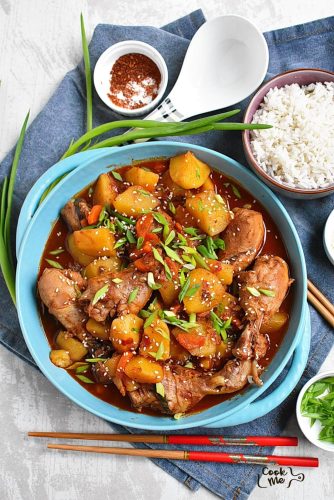
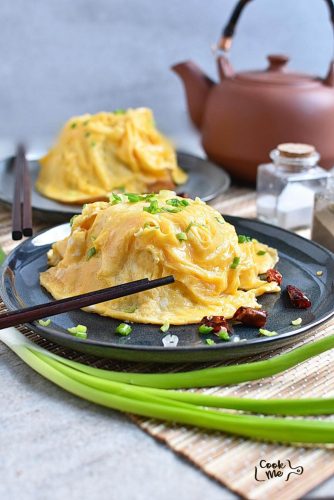
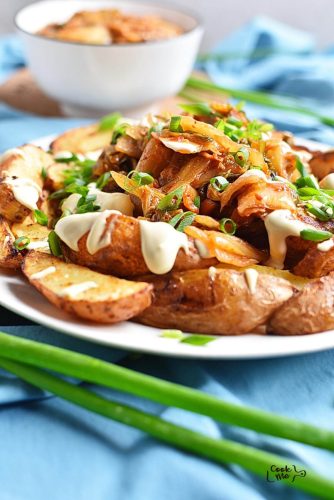
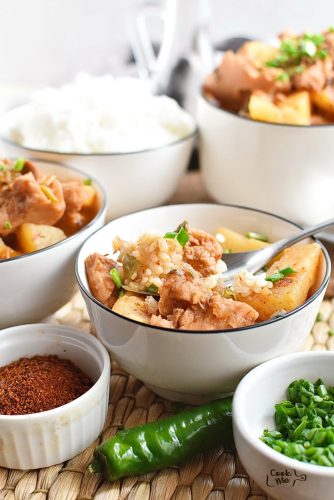
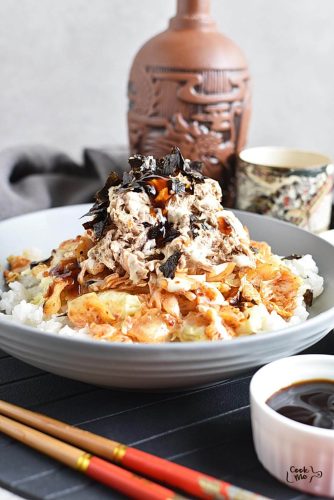
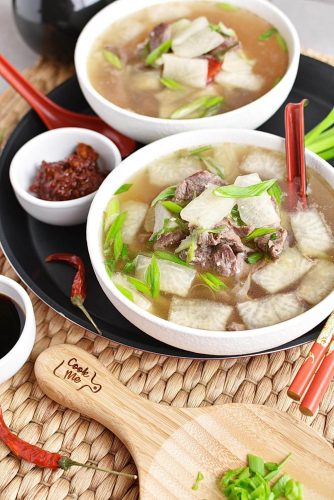
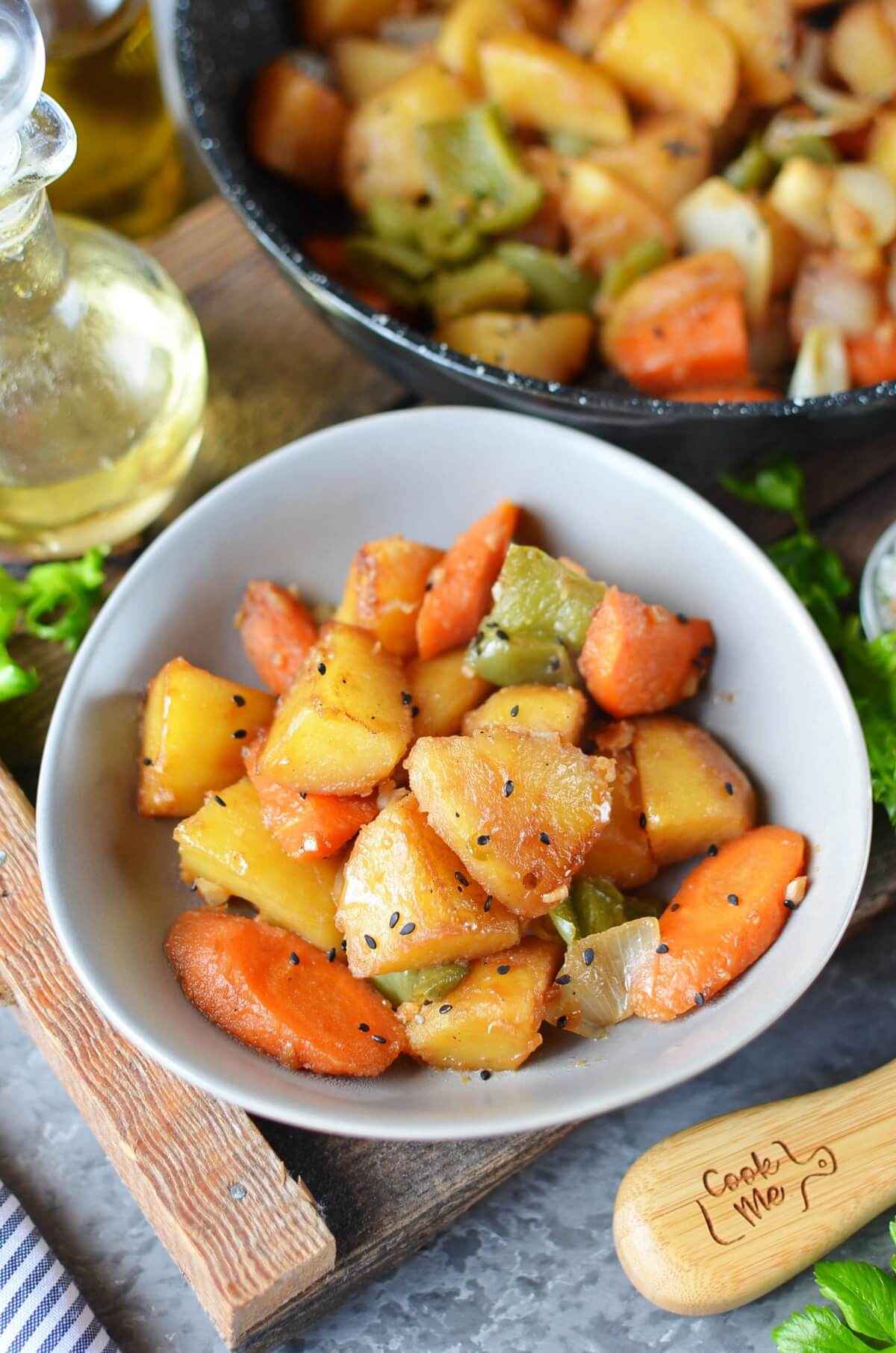

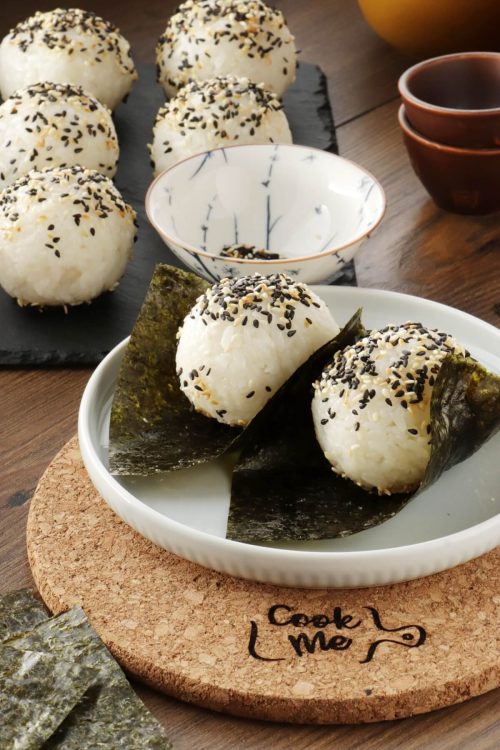
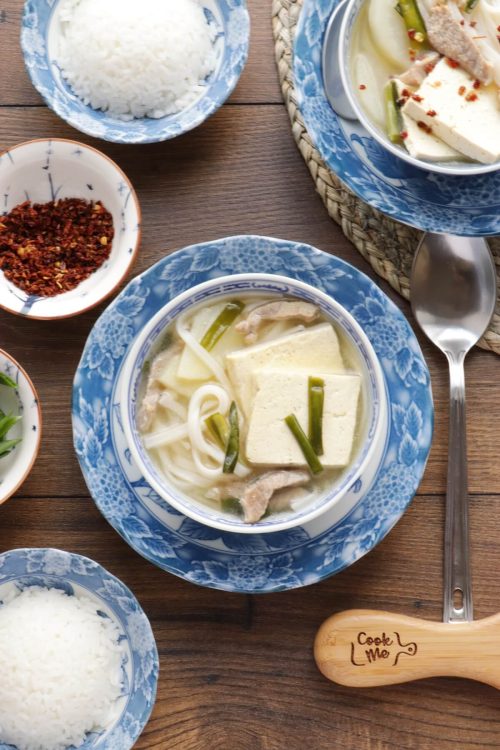
Korean food tells an incredible story that starts way back in ancient kingdoms and stretches all the way to your kitchen today. Picture this: over 5,000 years ago, Korean ancestors were already fermenting vegetables and developing preservation techniques that would become the backbone of one of the world's healthiest cuisines.
What really sets Korean cooking apart is something called banchan culture - and trust us, once you understand this, Korean meals will never look the same to you again. Instead of one big main dish, Korean families serve multiple small plates that create what food experts call "the most nutritionally balanced eating system on earth." We're talking 5-12 different side dishes, each bringing unique flavors, colors, and nutrients to your table.
Here's something most people don't know: Korean royal court cuisine, called gungjung eumsik, required exactly 12 banchan dishes to be served to the king - a tradition so precise that modern Korean fine dining restaurants still follow these ancient protocols. The Korea Heritage Agency actually runs Korea House restaurant in Seoul, where you can still taste these royal recipes that haven't changed since the 1400s!
But here's where it gets really fascinating - during the 1,000-year Buddhist influence (particularly during the Goryeo dynasty), meat was largely forbidden, which forced Korean cooks to become absolute masters of vegetable cuisine. This is why Korean temple food, called "temple cuisine," can make a simple piece of tofu taste like the most satisfying thing you've ever eaten. Buddhist nuns developed fermentation techniques so advanced that UNESCO recognized Korean traditional knowledge systems as culturally significant.
The real game-changer came with fermentation mastery. Korean cooks didn't just pickle vegetables - they created complex ecosystems of beneficial bacteria that turn simple cabbage into kimchi, soybeans into rich doenjang paste, and rice into makgeolli wine. Modern scientists are still studying these traditional fermentation methods because they produce more probiotics than most commercial supplements!
Today's Korean food scene is exploding globally thanks to K-pop, but the real magic happens when you understand that every Korean dish connects back to these ancient principles: balance (of five flavors and colors), seasonality (eating with nature's rhythm), and community (sharing everything from the center of the table).
Korean food changes dramatically as you travel across the peninsula, and each region has developed flavors that'll surprise you! Think of Korea like a culinary map where geography literally shaped the taste.
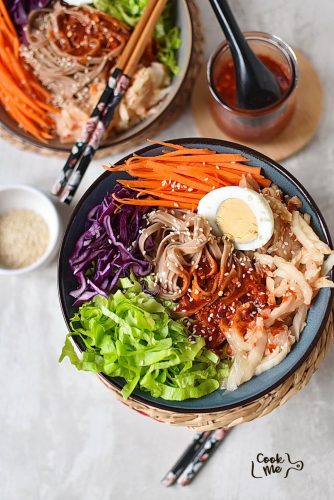
North vs. South: Here's something most Korean food guides miss - North Korean cuisine actually uses less salt and red pepper than Southern cooking. Why? The colder climate required different preservation methods, so Northern cooks developed more sugar-based fermentation techniques. You'll notice this if you ever try authentic Pyongyang-style naengmyeon (cold buckwheat noodles) - it's subtly sweet rather than spicy.
Jeolla Province (southwestern Korea) is hands-down the banchan capital of Korea. People here serve up to 20 different side dishes in a single meal! The region's fertile plains and coastal location mean incredible seafood meets amazing vegetables. Their kimchi tends to be extra garlicky and uses more salted shrimp (jeotgal) than other regions.
Gyeongsang Province (southeast) gave us the legendary Andong jjimdak (braised chicken) and tends toward heartier, more rustic flavors. These folks love their garlic and aren't shy about bold seasonings.
Gangwon Province (mountainous northeast) specializes in what Koreans call "mountain food" - think wild vegetables, buckwheat dishes, and potato-based recipes you won't find anywhere else. Their makguksu (buckwheat noodles) is so regionally specific that food trucks from Gangwon travel to Seoul just to serve authentic versions.
Coastal regions each have their own seafood secrets. Busan's dwaeji gukbap (pork and rice soup) uses a completely different broth technique than Seoul's version, while Tongyeong's bibimbap incorporates multiple seaweed varieties like miyeok and tot - something you'll rarely see inland.
Island variations are pure magic. Jeju Island's black pork and unique women divers (called haenyeo) create dishes you literally cannot get anywhere else on earth. Their abalone porridge and hallabong citrus integration into traditional recipes shows how isolation bred incredible culinary innovation.
Modern Korean-American chefs are now recreating these regional differences in cities like Los Angeles and New York, so you might actually taste authentic Jeolla-style banchan without leaving the US!
Building a Korean pantry is like assembling a flavor arsenal - and the good news is, you don't need to buy everything at once! Start with these game-changing essentials that'll transform your cooking immediately.
The Fermented Trinity (Start Here!):
The Spice Heroes:
The Umami Boosters:
Where to Find Them: H-Mart is your best bet if you have one nearby. Otherwise, Amazon actually stocks most Korean basics now - just read reviews to avoid the weird knockoff brands. Maangchi's website has trusted supplier links.
Storage Secrets: Gochujang and doenjang last literally years in your fridge. Gochugaru stays potent longer if you freeze it. And here's a Korean grandma trick - store your sesame oil in the fridge to prevent it from going rancid.
Substitution Reality Check: Please don't substitute sriracha for gochujang - the flavors are completely different! If you're stuck, mix tomato paste with honey, soy sauce, and red pepper flakes as an emergency substitute.
Budget-Friendly Start: Begin with gochujang, sesame oil, and gochugaru. These three ingredients alone will make your cooking taste authentically Korean!
Korean cooking techniques are surprisingly simple once you understand the "layer and balance" philosophy that runs through everything. Let's break down the methods that'll make you cook like a Korean grandma!
Fermentation Made Simple: Don't let fermentation intimidate you - Koreans have been doing this for 5,000 years without fancy equipment! The key is salt ratios and time. For basic kimchi, use 2-3% salt by weight of your vegetables. Room temperature for 1-3 days, then refrigerate. The bubbling sound? That's good! It means your beneficial bacteria are working.
The Korean "Mise en Place": Korean cooks prep differently than Western chefs. Everything gets cut into bite-sized pieces because Korean meals are eaten with chopsticks and spoons - no knives at the table! This isn't just tradition; it actually helps flavors penetrate better during cooking.
Banchan Batch Cooking: Here's the secret Korean home cooks know: make 3-4 banchan on Sunday, store them properly, and you've got the foundation for a week of amazing meals. Korean side dishes actually improve with time as flavors develop.
The Gentle Simmer Technique: Korean stews (jjigae) use a specific low-bubble simmer that preserves the integrity of tofu and vegetables while building complex flavors. Never boil hard - you want gentle bubbles that barely break the surface.
Korean Grilling Secrets: Real Korean BBQ isn't about high heat - it's about control. Medium heat allows the marinades to caramelize without burning. And always have your banchan ready before you start grilling!
Temple-Style Vegetable Cooking: Buddhist Korean cooking uses a technique called "dry sautéing" - cooking vegetables with minimal oil to concentrate flavors. Start with aromatic vegetables like garlic and ginger, add heartier vegetables gradually, and finish with delicate herbs.
The Korean Seasoning Method: Season in layers: salt/soy sauce first (for penetration), then aromatics (garlic, ginger), then heat (gochugaru), and finish with sesame oil (for aroma). This creates depth that single-stage seasoning can't match.
Water Quality Matters: Korean cooks are particular about water - use filtered water for rice and soup bases. The clean taste makes a real difference in delicate dishes like clear soup (guk).
Understanding Korean dining culture will completely change how you experience Korean food - and it might just improve your own family meals too!
The Art of Sharing Everything: In Korean culture, personal ownership of food doesn't exist at the dinner table. Everything (except your rice bowl) is shared family-style from the center. This isn't just politeness - it's a philosophy that says "we eat as one." Even in Korean restaurants, you'll see families naturally serving each other before themselves.
Age and Respect Traditions: Here's something beautiful about Korean dining: the eldest person always takes the first bite, and younger people traditionally pour drinks for elders. These aren't rigid rules in modern Korea, but they show how food becomes a way to show care and respect.
The Chopstick and Spoon Rules: Koreans are the only culture that uses both metal chopsticks AND spoons for every meal. Chopsticks for banchan and meat, spoons for rice and soup - and never, ever stick your chopsticks upright in rice (it resembles incense at funerals).
Seasonal Eating Philosophy: Korean meals change completely with seasons, and this goes way deeper than just "fresh ingredients." Spring meals include bitter greens to cleanse winter toxins, summer foods are cooling and light, fall brings warming soups, and winter meals feature preserved foods that sustained families through harsh months.
The Sound of Satisfaction: Don't be surprised if Korean family members make appreciative sounds while eating - it's actually considered polite! Slurping noodles and expressing enjoyment shows the cook their food is appreciated.
Modern Korean Dining: Today's Korean families still maintain these traditions but adapt them. Even Korean-American families often keep the shared banchan style because it naturally creates conversation and connection - something our individual-plate culture could learn from!
Korean food is having a massive moment right now, and it's not just because of K-pop! Here's what's actually driving the Korean food revolution that's taking over restaurant menus worldwide.
The Korean-Fusion Wave: Third-generation Korean-American chefs are creating dishes that would make both their grandmothers and James Beard Foundation proud. Think kimchi eggs benedict, gochujang fried chicken, and bulgogi tacos that somehow taste both completely Korean and totally familiar. This isn't fusion for fusion's sake - it's brilliant cultural translation.
Netflix's "Culinary Class Wars" Effect: This 2024 Korean cooking competition became Netflix's biggest food show, and suddenly everyone wants to know about jajangmyeon (Korean-Chinese black bean noodles) and temple cuisine. The show exposed Americans to the incredible depth of Korean cooking beyond the BBQ and kimchi most people knew.
Health-Conscious Korean Cooking: Korean temple cuisine is exploding in popularity as more people discover that Buddhist Korean food is naturally plant-based, probiotic-rich, and incredibly satisfying. Restaurants like Little Kim in Ann Arbor, Michigan, are proving that Korean vegetarian food can be crave-worthy comfort food.
Korean Comfort Food Goes Mainstream: Tteokbokki (spicy rice cakes) are showing up in food trucks across America, and Korean fried chicken is giving Nashville hot chicken serious competition. Why? Because Korean comfort food hits that perfect sweet-spicy-umami combination that American palates are craving.
The Fermentation Renaissance: Home cooks are finally embracing Korean fermentation techniques, with kimchi-making classes selling out and gochujang becoming as common as sriracha in American kitchens. The health benefits of Korean-style fermentation are backed by solid science, making this trend stick around.
Korean food is unique because of its fermentation mastery and banchan culture. While Chinese cuisine focuses on wok techniques and Japanese cuisine emphasizes fresh ingredients, Korean cooking is built around fermented foods that create complex, gut-healthy flavors. The tradition of serving multiple small dishes (banchan) instead of one main course also sets Korean dining apart - it's like getting a tasting menu with every meal!
Start with bibimbap (mixed rice bowl), bulgogi (marinated beef), and kimchi fried rice. These dishes give you authentic Korean flavors without requiring hard-to-find ingredients. Korean egg roll (gyeran-mari) is surprisingly easy and makes a great banchan to practice with. Once you're comfortable, try making simple kimchi - it's more forgiving than you think!
Begin with the "Holy Trinity": gochujang, sesame oil, and gochugaru (Korean red pepper flakes). These three ingredients will make anything taste Korean! Add soy sauce and rice vinegar next. You can find these at most Asian grocery stores, and they last for months. Pro tip: Amazon actually stocks Korean basics now, often cheaper than specialty stores.
Baechu-kimchi (napa cabbage) is what most people know, but there are over 200 types! Kkakdugi (cubed radish kimchi) is chunkier and great for beginners because it's harder to mess up. Oi-sobagi (stuffed cucumber kimchi) is refreshing and quick-fermenting. Each type has different fermentation times and flavors - think of kimchi like cheese varieties!
Absolutely! Korean temple cuisine is entirely plant-based and incredibly flavorful. Many traditional banchan are naturally vegan - seasoned spinach (sigeumchi namul), soybean sprouts, and pickled radishes. Just watch out for anchovy-based seasonings in recipes and substitute with mushroom broth or kelp stock. Korean Buddhist cooking proves vegetables can be the star of the show!
Properly made kimchi can last 6-12 months in the refrigerator and actually gets better with time! The key is keeping it submerged under its brine. If it gets too sour for eating fresh, use it for kimchi fried rice or kimchi jjigae (stew) - aged kimchi is actually preferred for cooked dishes.