Standard (30-60 min)
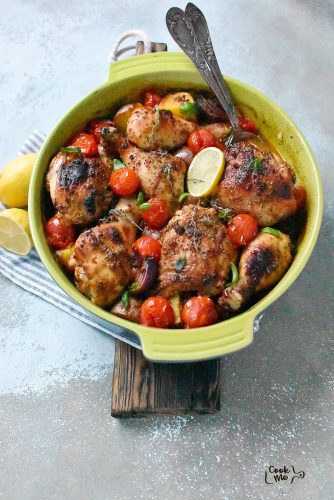

Welcome to the sun-soaked world of Mediterranean cuisine—the only diet officially recognized by UNESCO as an Intangible Cultural Heritage of Humanity! This isn’t just food; it’s a 7,000-year-old way of life that spans 24 countries around the Mediterranean Sea.
From Greece’s tangy feta to Morocco’s aromatic tagines, these recipes celebrate olive oil as liquid gold, embrace vegetables like old friends, and turn simple meals into social celebrations. Whether you’re craving Italy’s rustic pasta or Lebanon’s creamy hummus, Mediterranean cooking proves that the healthiest foods are also the most delicious.
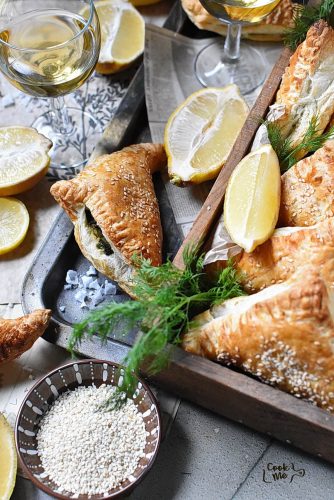
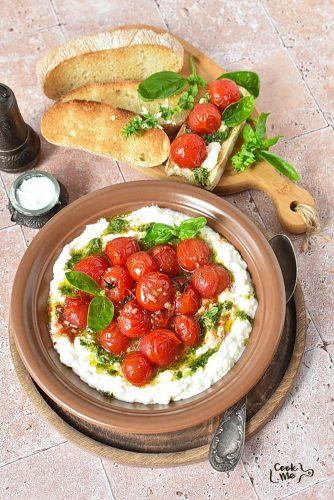
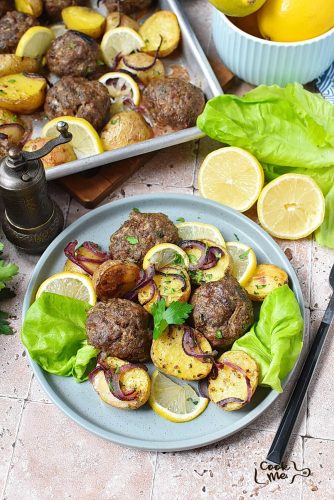
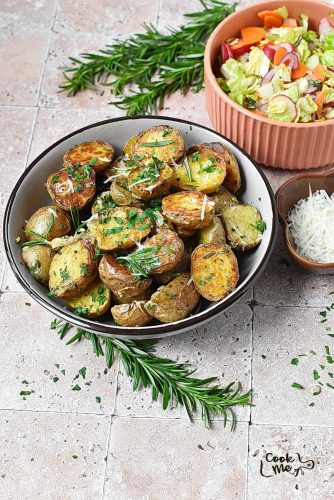
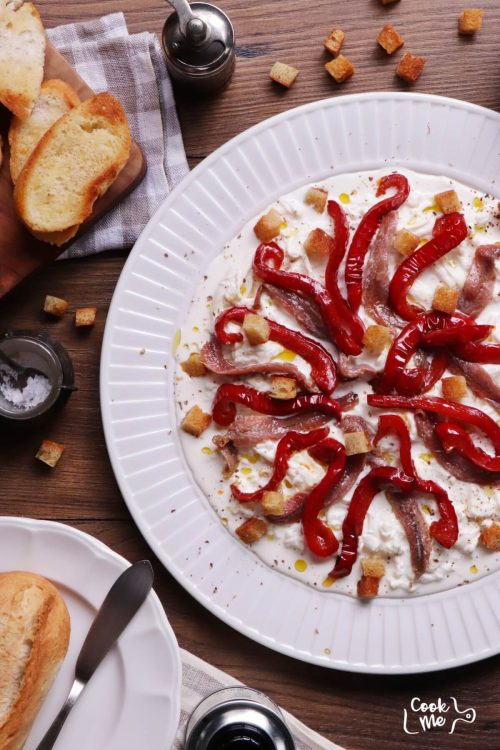
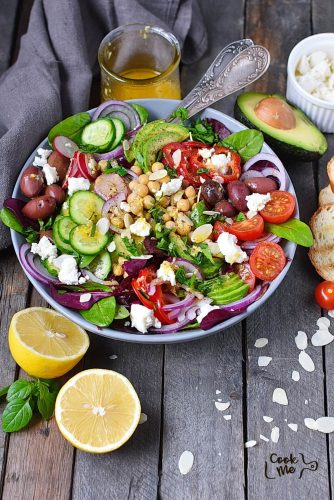
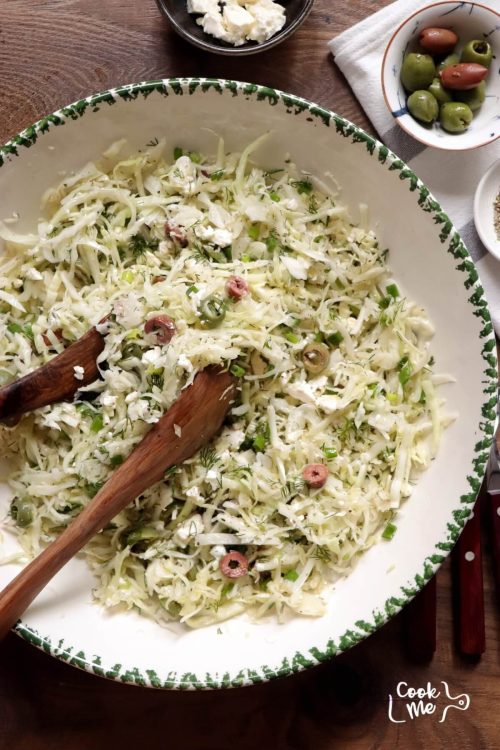
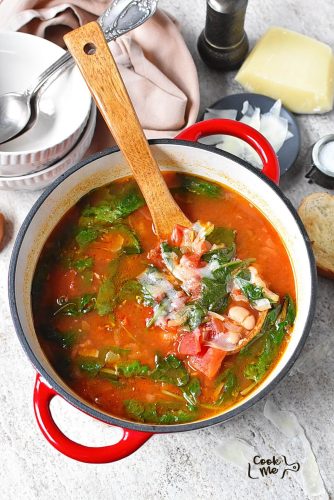
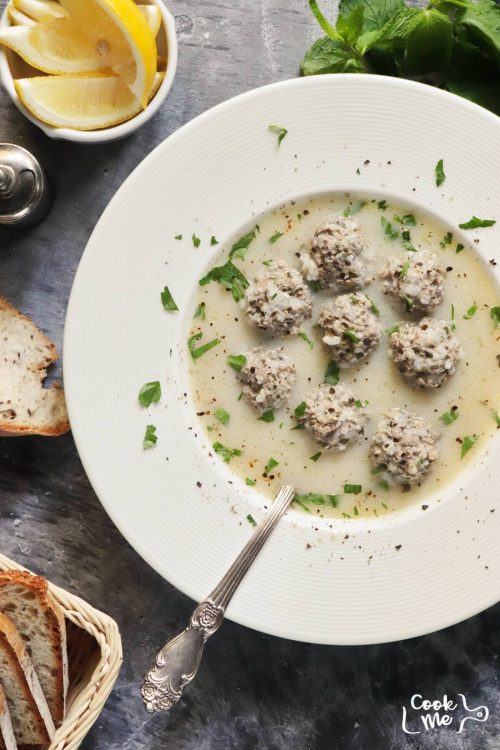
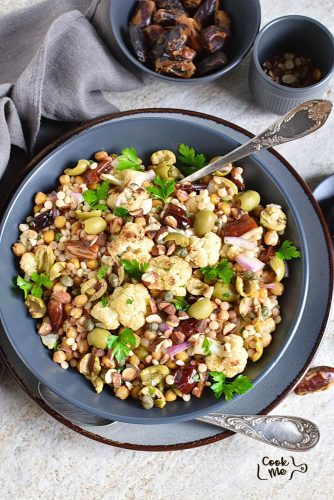
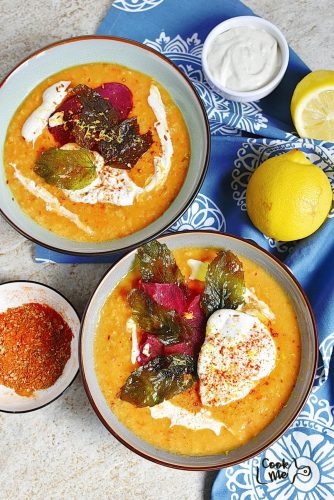
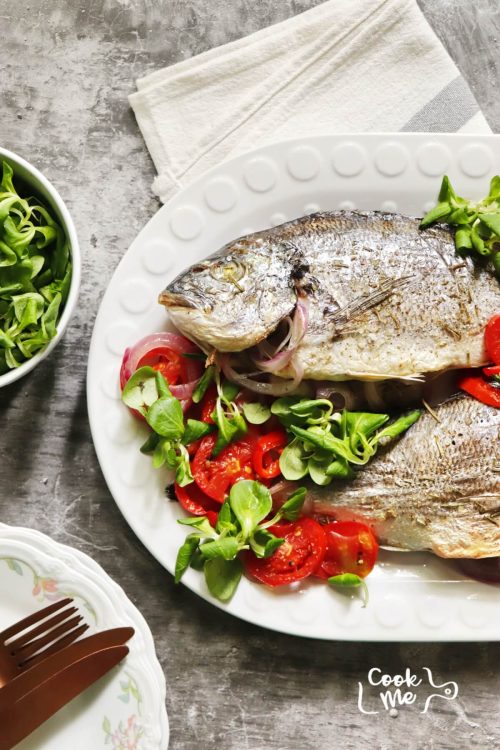
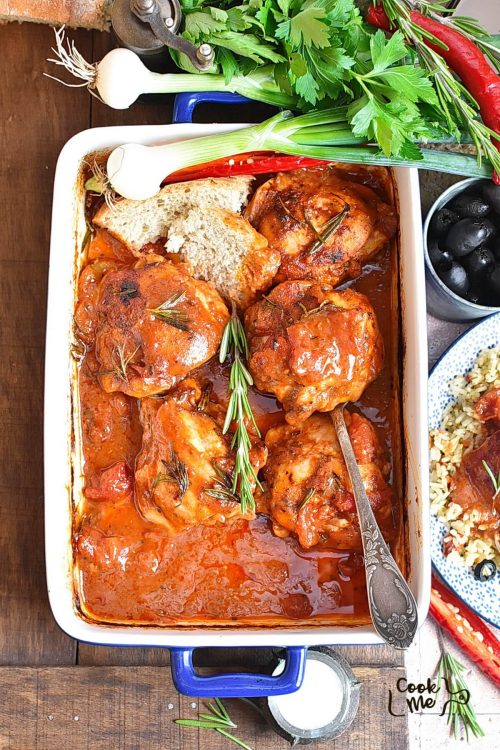
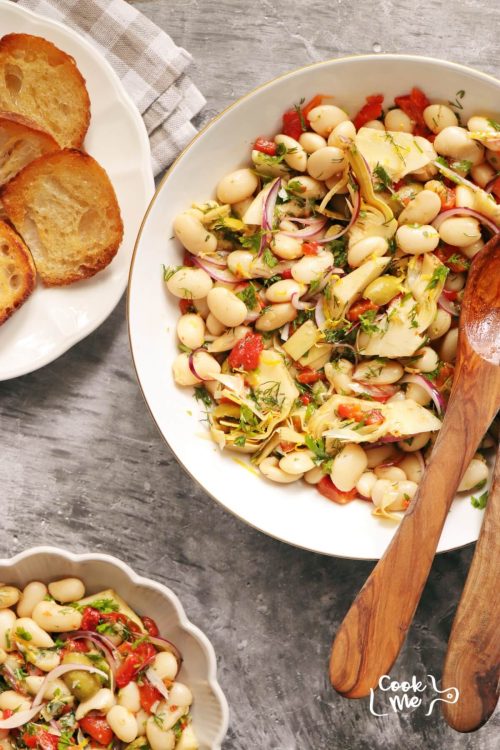
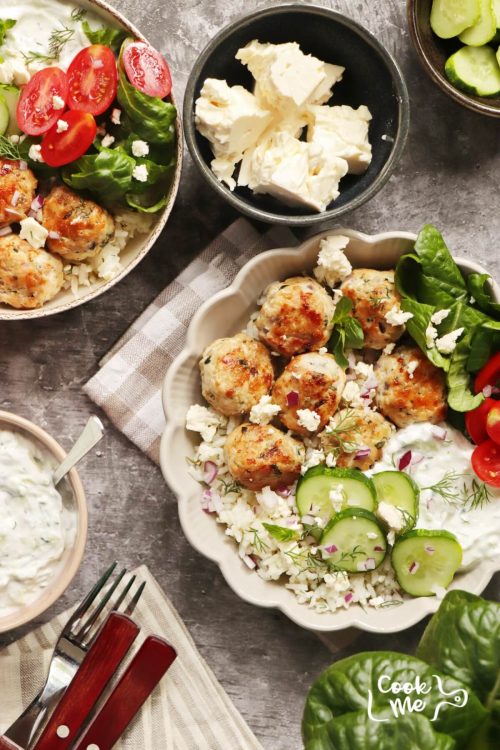
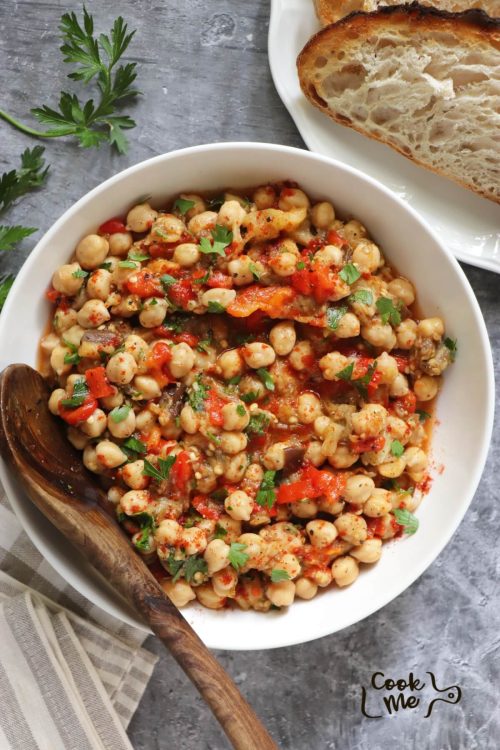
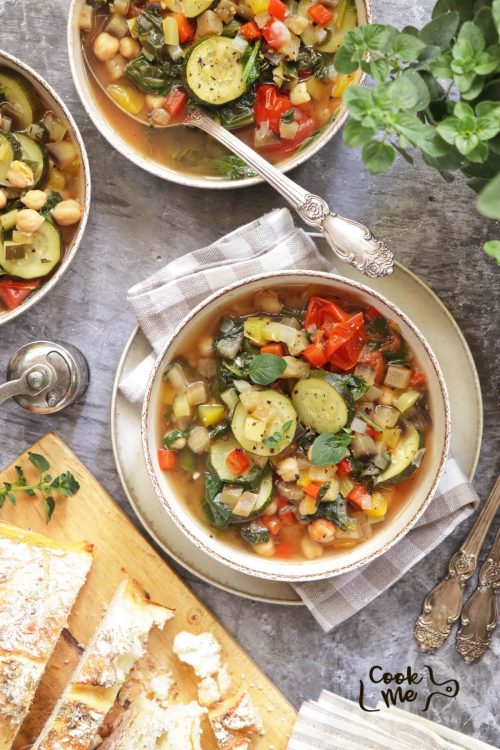
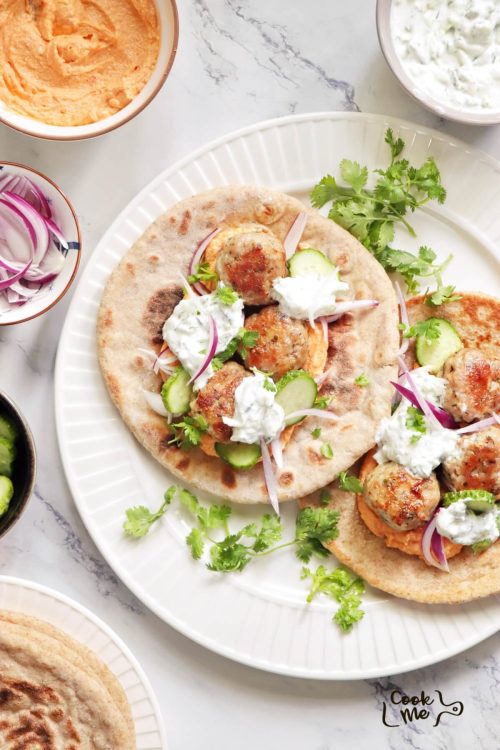
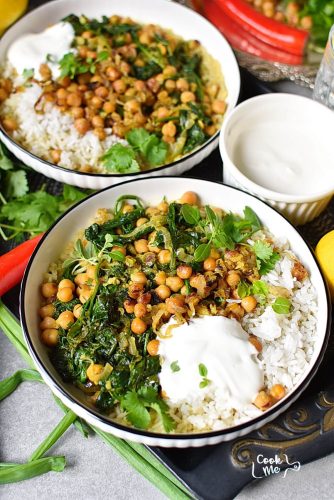
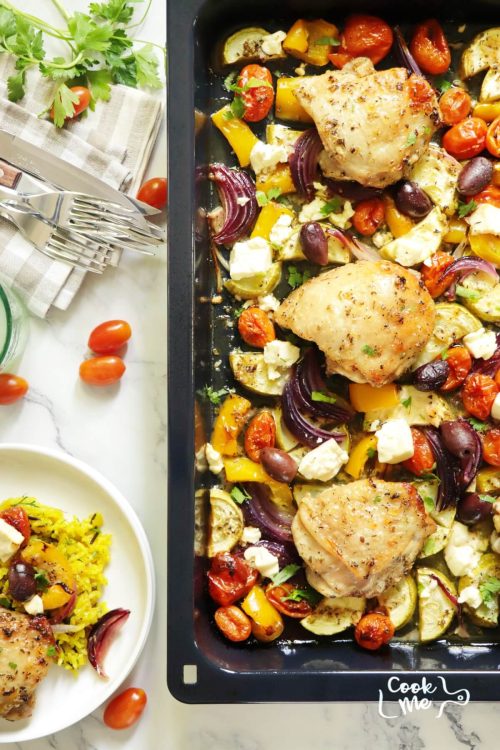
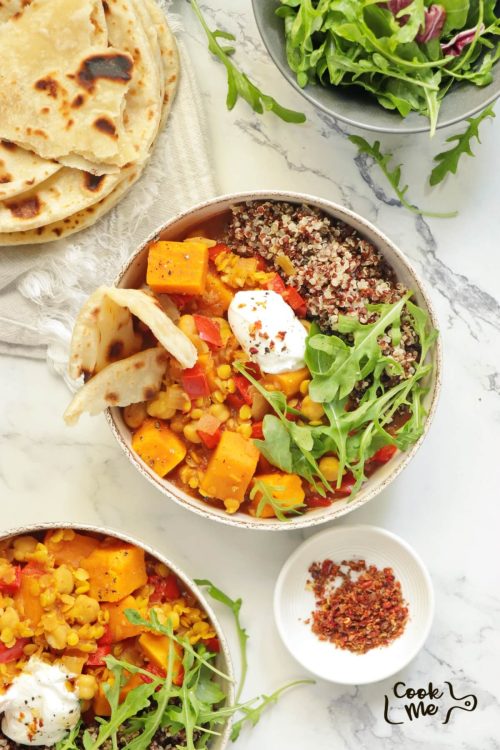
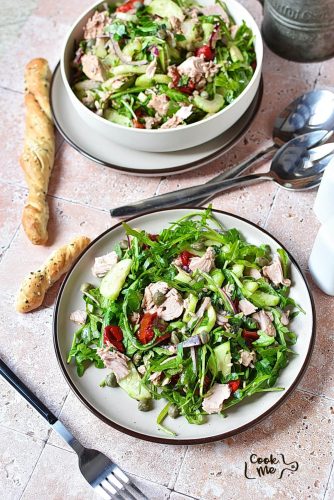
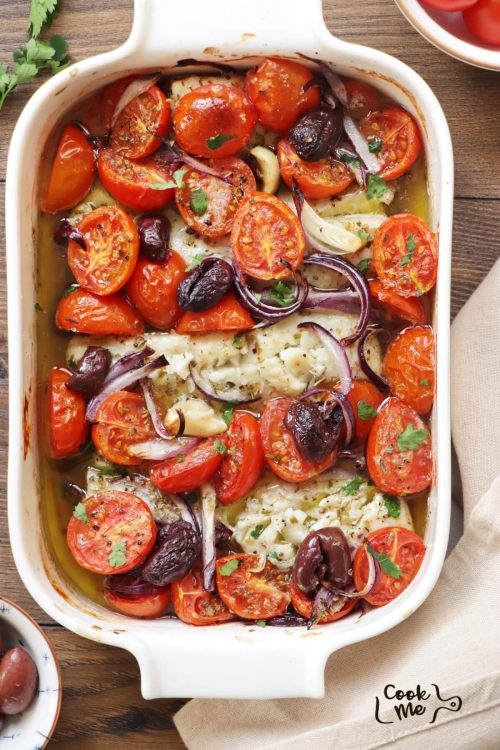
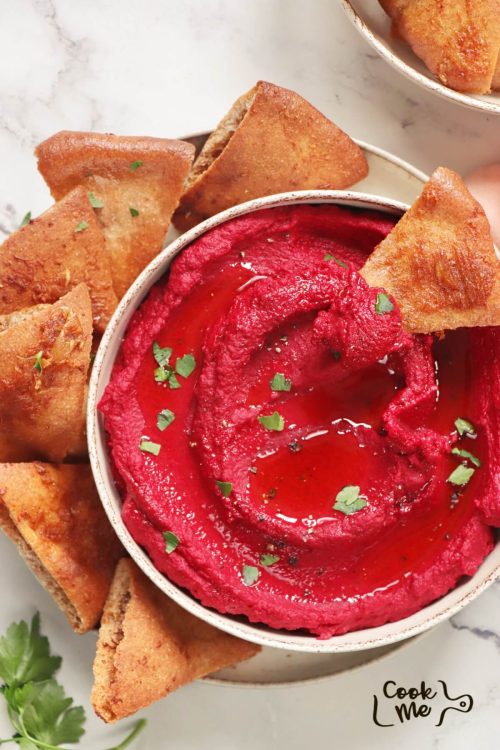
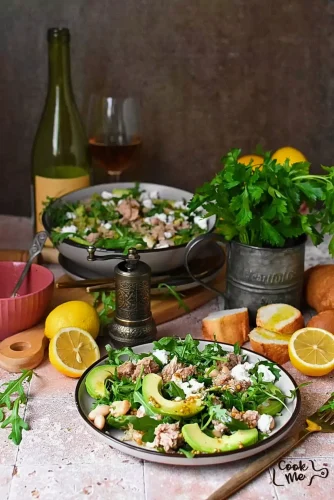
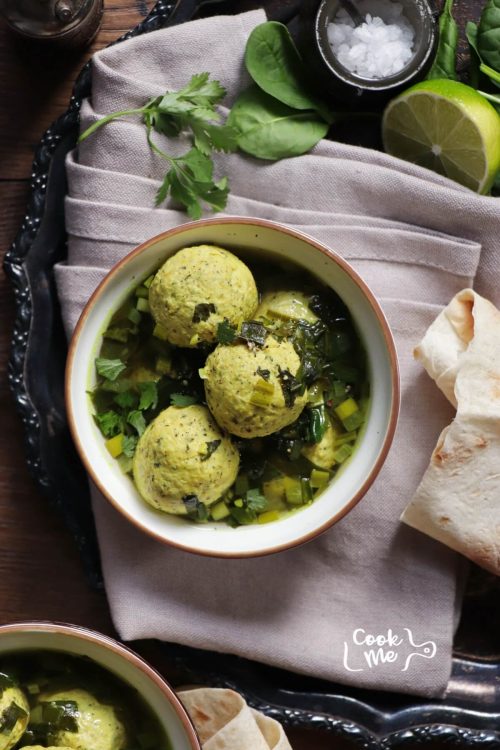
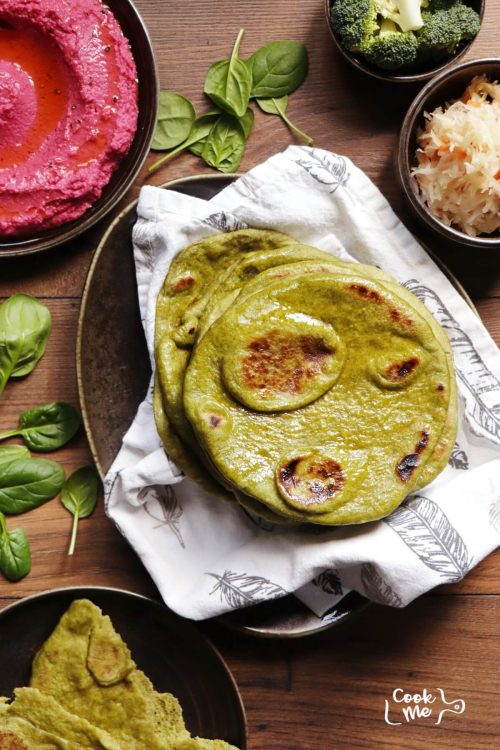
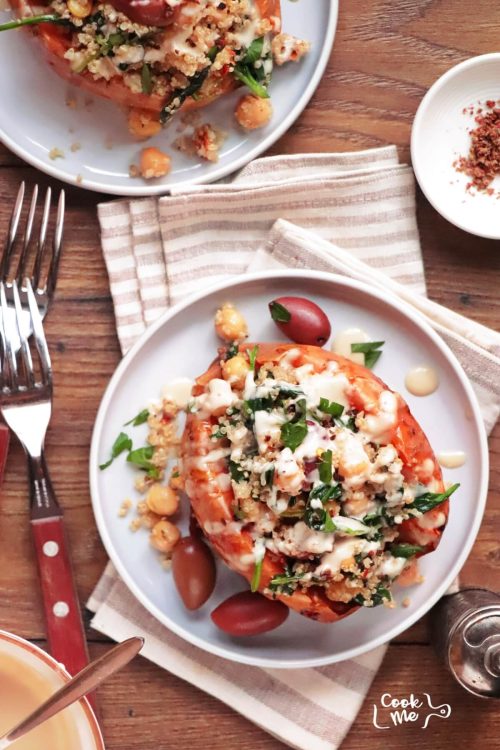
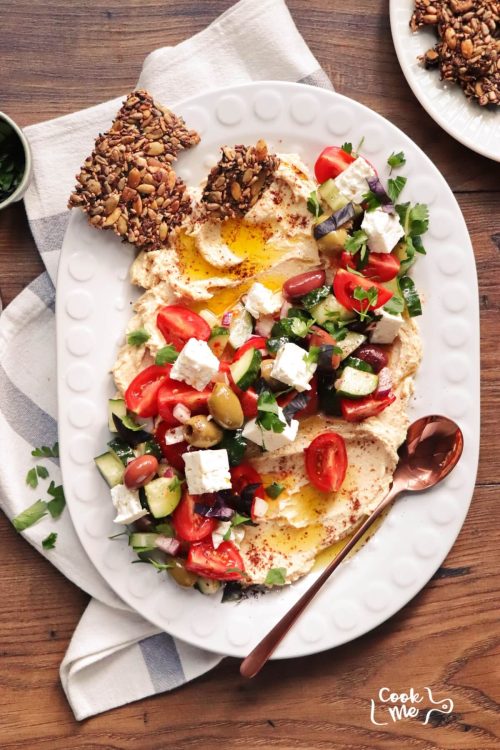
Here's something most people don't know: Mediterranean cuisine isn't actually one cuisine at all—it's a beautiful collision of 24 different food cultures that happened to grow up around the same gorgeous sea. Think of it as the world's first fusion food movement, except it took thousands of years to perfect!
The story starts around 5000 BCE when our ancestors first figured out how to press olives into liquid gold. But here's the kicker: the Ancient Greeks were so obsessed with olive oil that Athenians considered it a personal gift from goddess Athena herself. They weren't wrong—archaeological digs have found olive presses in Israel that are over 7,000 years old. Talk about standing the test of time!
What really makes Mediterranean food special is how it evolved through cultural "happy accidents." When the Arabs brought sugar cane, rice, and spices to southern Europe, they weren't trying to create a food revolution—they were just sharing what they had. Same thing happened when tomatoes sailed over from the Americas in the 1500s. Italians initially thought tomatoes were poisonous and grew them purely for decoration. Imagine Italian cuisine without tomatoes!
The Mediterranean diet as we know it today was actually "discovered" in the 1950s by American scientist Ancel Keys. He noticed that people in Crete and southern Italy were living longer, healthier lives than wealthy Americans. His research launched a global phenomenon that culminated in 2010 when UNESCO said, "Yeah, this is important enough to preserve forever."
Every Mediterranean country puts its own spin on the classics, and trust us—there's no such thing as "basic" Mediterranean food. In Greece, they've got over 30 different types of olives (yes, really!), while Italians have turned olive oil into an art form with over 400 varieties of extra virgin olive oil.
Here's a fun fact that'll impress your dinner guests: Spanish olive groves are so massive they can be seen from space. Andalusia alone has over 60 million olive trees covering an area larger than some countries! Meanwhile, Morocco's preserved lemons—those wrinkled, intensely flavored gems—take a full month to cure properly, which is why they pack such an incredible punch.
The diversity is mind-blowing when you really dig into it. Turkish cuisine alone bridges Europe and Asia with techniques that influenced everything from Eastern European stews to Middle Eastern pilafs. Lebanese mezze culture taught the world that small plates can be more satisfying than huge portions—a concept that's having a major moment in 2025 restaurants.
Climate plays a huge role too. The scorching summers and mild winters created a cuisine based on preservation: sun-dried tomatoes, cured olives, aged cheeses, and wine that could last through long sea voyages. Every technique was born from necessity but ended up creating some of the world's most beloved flavors.
Let's talk about stocking your kitchen like a Mediterranean pro. Extra virgin olive oil is your new best friend—but here's the insider secret: you need TWO types. Get a robust, peppery oil for cooking and a delicate, fruity one for drizzling over finished dishes. The difference will absolutely blow your mind.
Sea salt from the Mediterranean is actually different from regular table salt. It contains trace minerals from the sea that give it a more complex, less harsh flavor. Fleur de sel from France or sale marino from Italy will change how everything tastes.
For spices, think herbs that can handle heat: oregano, thyme, rosemary, and bay leaves. But here's what separates beginners from pros—sumac, za'atar, and Aleppo pepper. These Middle Eastern game-changers add tangy, complex flavors that make people ask "what IS that amazing taste?"
Don't sleep on preserved ingredients: capers, anchovies, sun-dried tomatoes, and good olives. These are your secret weapons for adding instant depth to any dish. And please, for the love of all that's delicious, buy real Parmigiano-Reggiano and feta from actual Mediterranean countries. The difference is like comparing a concert hall to someone humming in the shower.
Mediterranean cooking is all about coaxing maximum flavor from simple ingredients—no complicated techniques or fancy gadgets required. The number one rule? Taste as you go and adjust with acid (lemon juice or vinegar), salt, and good olive oil.
Here's a professional secret: Mediterranean cooks "build" their dishes in layers. Start with aromatics (onions, garlic), add harder vegetables first, then softer ones, finishing with fresh herbs and acid. This isn't just cooking—it's orchestrating flavors.
Grilling over wood or charcoal is traditional, but here's the modern hack: cast iron pans get screaming hot and create that same char flavor indoors. For vegetables, cut them roughly the same size so they cook evenly, and don't overcrowd the pan—give everything room to breathe and develop color.
The biggest mistake people make? Underseasoning and adding olive oil at the wrong time. Cook with regular olive oil, finish with the expensive stuff. And remember—salt early in the cooking process so flavors can develop, but finish with flaky sea salt for texture and pop.
Here's something that might surprise you: traditional Mediterranean meals aren't about perfect portions or strict rules. They're about taking time, sharing food, and treating meals like social events rather than fuel stops.
In most Mediterranean countries, lunch is still the biggest meal of the day, followed by a siesta (yes, really!). Dinner happens late—we're talking 9 or 10 PM in Spain and Greece. This isn't just tradition; it's actually healthier because it gives your body time to digest before sleep.
The whole "Mediterranean diet" thing that's so popular in America? It's actually a simplified version of how people really eat around the Mediterranean. Real Mediterranean eating includes moderate wine with meals, lots of walking, and treating food preparation as a communal activity, not a chore.
Family recipes are passed down through stories and hands-on teaching, not written measurements. That's why the best Mediterranean cooks taste constantly and adjust by feel. It's less about precision and more about understanding how flavors work together.
Mediterranean cuisine is having a massive moment right now, but it's not your grandma's Greek salad anymore. 2025 is all about micro-regional specialties—think Calabrian chili oil instead of generic "Italian," or Palestinian za'atar instead of just "Middle Eastern spices."
The hottest trend? Mediterranean-Asian fusion that actually makes sense. Chefs are discovering that many Mediterranean preservation techniques work beautifully with Asian ingredients. Imagine miso-glazed eggplant or kimchi-style preserved lemons. It sounds weird, but it works!
Plant-based Mediterranean eating is exploding too. Legumes are the new protein heroes—white beans, chickpeas, and lentils are showing up in everything from smoothie bowls to gourmet restaurant dishes. Plus, they're incredibly budget-friendly.
Social media has also made "mezze culture" mainstream. Americans are finally discovering what Mediterranean people have always known: lots of small, flavorful dishes shared with friends beats one big plate eaten alone. It's not just food—it's a lifestyle upgrade.
Great question! It's not just geography—it's a shared approach to food that emphasizes olive oil, fresh vegetables, grains, legumes, and fish, with meat used sparingly. The common thread is using simple techniques to let quality ingredients shine, plus a culture of sharing meals socially.
Nope! You can start with good olive oil, garlic, onions, tomatoes, and herbs. As you get more adventurous, add items like capers, good olives, and za'atar. Most Mediterranean ingredients are available at regular grocery stores now, or easily ordered online.
It's legitimately healthier! The Mediterranean diet is the only eating pattern recognized by both UNESCO and the World Health Organization. Studies show it reduces heart disease, supports brain health, and helps with weight management. Plus, it tastes amazing—no suffering required.
Huge difference! Cheap olive oil is often processed with chemicals and has little flavor. Real extra virgin olive oil is pressed mechanically and tastes like liquid olives—peppery, fruity, and complex. For cooking, mid-range is fine, but splurge on the good stuff for drizzling.
Absolutely! Mediterranean cuisine is naturally plant-forward. Traditional dishes like hummus, tabbouleh, ratatouille, and pasta with vegetables are already vegan. Just swap the occasional fish or cheese for more legumes and nuts—you'll still get all the health benefits.
Two reasons: restaurants often use more salt and fat than home cooks, and they might not use authentic ingredients to save money. The secret to restaurant-quality flavor at home? Don't skimp on good olive oil, salt properly, and taste constantly while cooking.
Start with simple wins: Greek salad, hummus, pasta aglio e olio (garlic and olive oil), or roasted vegetables with herbs. These teach you the basic flavor profiles without complicated techniques. Once you nail these, everything else builds on the same principles.