Standard (30-60 min)
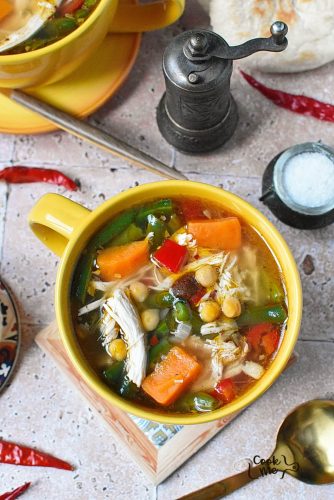

Step into Morocco’s ancient spice markets and discover a cuisine that’s been perfecting the art of flavor for over 2,000 years. From the legendary tagine slow-cooked in traditional clay pots to couscous hand-rolled by Berber grandmothers, Moroccan food is pure magic on a plate.
This isn’t just cooking – it’s edible poetry where 27 spices dance together in the famous ras el hanout blend, preserved lemons add sunshine to every bite, and sweet meets savory in perfect harmony. Ready to bring Morocco’s soul-warming flavors to your kitchen? Let’s start this delicious adventure.
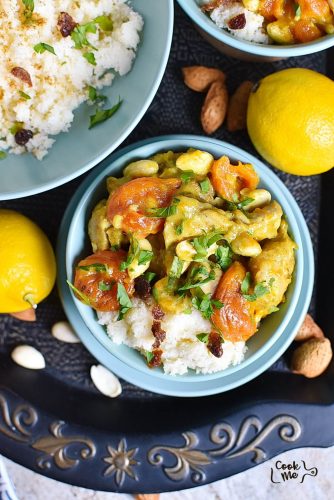
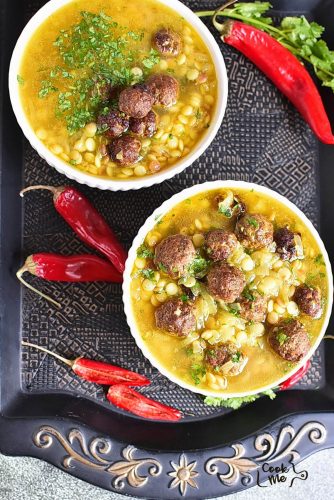
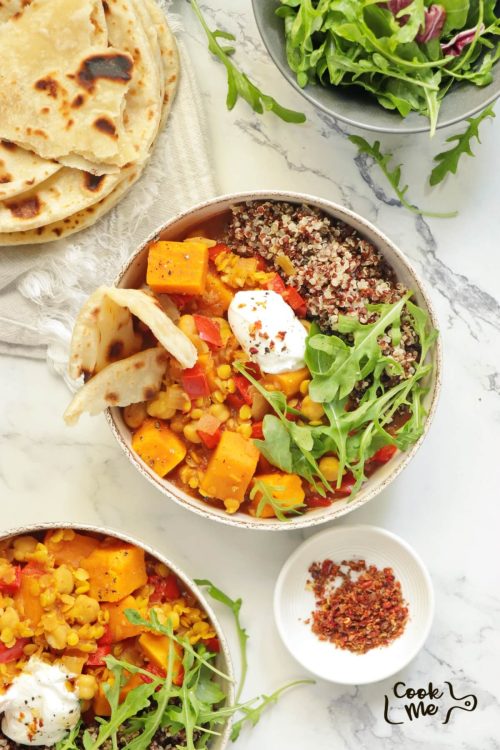


Here's something that'll blow your mind: Moroccan cuisine has been evolving for over 2,000 years, and some cooking techniques you'll learn today were invented by the Berbers before the Romans even knew Morocco existed! This isn't just food – it's edible history.
Picture this: ancient Berber nomads crossing the Atlas Mountains with clay tagine pots, Arab traders bringing precious spices from distant lands, Jewish refugees teaching preservation secrets, and Moorish cooks from Al-Andalus adding their sweet-and-savory magic. Every single bite tells a story of cultures meeting, mixing, and creating something absolutely extraordinary.
What makes Moroccan cooking so special? It's the only cuisine in the world where you'll find cinnamon in your main course, dried fruits swimming alongside tender lamb, and desserts that taste like they were kissed by orange blossoms. The Arabs brought those amazing spices from China and India in the 7th century, while Jewish communities taught Moroccans the art of preserving lemons and pickling vegetables that we still use today.
But here's the coolest part: despite all these outside influences, the heart of Moroccan cuisine remains purely Berber. Those iconic tagine pots? They've been simmering meals to perfection for over 2 millennia. The slow-cooking method that makes Moroccan food so incredibly tender? That's ancient Berber wisdom, and it's exactly what makes your kitchen smell like heaven when you're making authentic Moroccan dishes.
Think all Moroccan food is the same? Think again! This country is like a delicious puzzle where each region adds its own flavor fingerprint. Let's take a tasty tour, shall we?
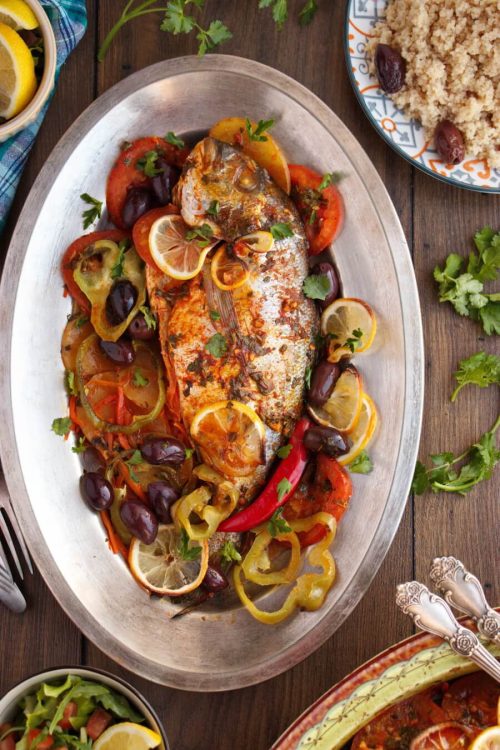
Coastal regions like Casablanca and Essaouira are all about that fresh seafood life. Here, you'll find fishermen's tagines packed with sardines, mackerel, and prawns – totally different from the meat-heavy versions you might expect. The secret? They use way more fresh herbs and less warming spices, letting the ocean flavors shine through.
Marrakech is famous for its signature dish called tanjia – and here's a fun fact your friends won't know: traditionally, only men cook this dish! They slow-cook lamb or beef in a special clay pot for hours in the ashes of public bathhouses. Talk about community cooking!
Fes is where you'll find the most refined, complex flavors. This ancient city is home to the original pastilla (that incredible sweet-savory pigeon pie), and their cooks use the most sophisticated spice combinations. It's like the Paris of Moroccan cuisine – everything is just a little more elegant.
Up north in the Rif Mountains, the food gets heartier and more Mediterranean. Goat cheese is huge here (seriously, try finding that in a cookbook!), and they use tons of olive oil – some of the best in the world, according to Olive Oil Times.
And down south? The Saharan regions will surprise you with camel meat dishes, date-based desserts, and cooking techniques designed for desert life. They use more dried ingredients and preservation methods that have kept nomadic families fed for centuries.
Ready to transform your kitchen into a Moroccan spice paradise? Here's your insider's guide to building the perfect Moroccan pantry – and trust me, once you smell these ingredients together, you'll never want to cook without them!
Ras el hanout is your golden ticket to authentic Moroccan flavor. This isn't just any spice blend – it literally means "head of the shop" because it contains the very best spices a merchant has to offer. Traditional versions include up to 27 different spices (yes, you read that right!), including rose petals, lavender, and sometimes even Spanish fly for... well, let's just say special occasions. Don't worry – the versions you'll find today are perfectly safe and absolutely delicious!
Preserved lemons are Morocco's secret weapon, and once you try them, you'll wonder how you ever cooked without them. These aren't just regular lemons – they're salt-cured for weeks until they develop this incredible, almost cheesy flavor that adds instant sunshine to any dish. You can buy them, but making your own is like a meditation (and way cheaper).
Argan oil isn't just for fancy skincare – it's an ancient cooking oil that adds a nutty, rich flavor you literally can't get anywhere else on earth. It only comes from trees in southwestern Morocco, and it takes about 30 hours of hand-cracking nuts to make just one liter. No wonder it's called "liquid gold"!
Here's something most cookbooks won't tell you about: smen, a type of fermented butter that's aged for months or even years. It sounds weird, but it adds this deep, funky flavor that makes Moroccan dishes taste authentically complex. Think of it as the blue cheese of the butter world.
Orange blossom water and rose water aren't just for desserts – Moroccans add tiny amounts to savory dishes for this subtle floral note that makes you go "what IS that amazing flavor?" And here's a pro tip: a little goes a very long way!
Want to know the real secret to cooking like a Moroccan grandmother? It's all about patience, layering flavors, and understanding that good things really do come to those who wait. Let's break down the techniques that'll make your Moroccan cooking absolutely legit.
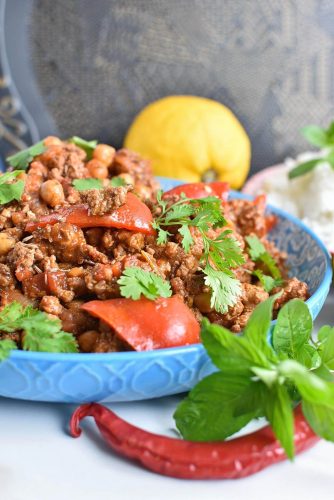
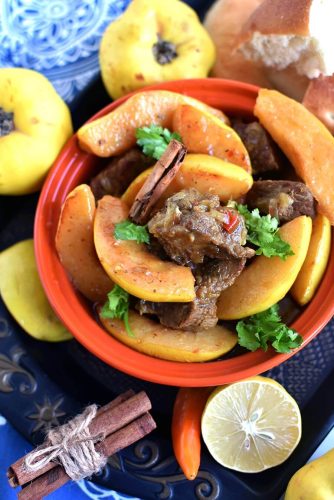
First things first: you don't actually need a tagine pot to make incredible tagine dishes (though it definitely helps!). The magic happens in the technique, not the equipment. Start by creating a flavor base with onions, garlic, and ginger – cook them low and slow until they're golden and fragrant. Then layer in your proteins and harder vegetables, add your spices, and let everything simmer gently for at least an hour.
The secret? Never rush it. Moroccan cooks know that good tagine needs time for all those flavors to get acquainted, fall in love, and create something beautiful together. Your house will smell incredible for hours – that's how you know you're doing it right!
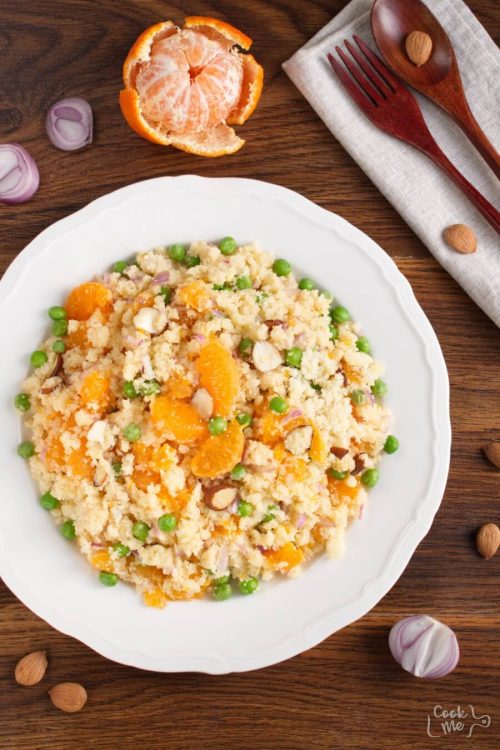
Forget everything you think you know about making couscous from a box. Traditional Moroccan couscous is steamed, not boiled, and it gets fluffed and re-steamed multiple times. The result? Light, fluffy grains that are each perfectly separate and incredibly tender.
If you don't have a proper couscous steamer (called a couscoussier), you can absolutely make it work with a regular steamer basket and some patience. The key is treating each grain with respect – no stirring aggressively, just gentle fluffing with a fork.
Eating Moroccan food isn't just about the flavors – it's about connecting with a culture that views sharing a meal as one of life's greatest pleasures. Understanding these traditions will make your Moroccan cooking experience so much richer (and more fun!).
In Morocco, meals are communal affairs where everyone gathers around one big tagine or platter of couscous. There's actually an art to eating from a shared dish – you only eat from the section directly in front of you, and you use bread as your utensil for most foods. It might feel weird at first, but there's something beautifully intimate about sharing food this way.
Tea service is practically a religious experience in Morocco. The traditional mint tea (called "atay") is poured from high above the glasses to create a perfect foam, and refusing tea is considered pretty rude. The first glass is for life, the second for love, and the third for digestion – so you'd better be ready for at least three rounds!
Here's something cool: Moroccan hospitality is so legendary that there's actually a saying: "A guest is a blessing from God." This means if you're ever invited to someone's home for a Moroccan meal, you're in for an experience that's about way more than just food – you're being welcomed into the family, even if it's just for one evening.
Friday couscous is a massive tradition – families gather after mosque for this elaborate meal that can take hours to prepare and enjoy. It's like Sunday dinner, but with way better spices and a lot more ceremony around the whole experience.
Moroccan cuisine isn't stuck in the past – it's evolving and adapting while keeping its soul intact. According to the UNESCO Intangible Cultural Heritage organization, traditional food practices are being celebrated and preserved while innovative chefs find new ways to share these ancient flavors with the world.
Health-conscious adaptations are huge right now. The traditional Moroccan diet is already incredibly healthy – lots of vegetables, legumes, lean proteins, and those amazing anti-inflammatory spices. Modern cooks are emphasizing these natural health benefits while creating lighter versions of traditional dishes.
Fusion cooking is where things get really exciting. Moroccan-inspired tacos, tagine-spiced roasted vegetables, and ras el hanout seasoning on everything from popcorn to chocolate are popping up everywhere. The key is respecting the original flavors while finding new ways to enjoy them.
Plant-based Moroccan cooking is having a moment, and honestly, it makes perfect sense. Traditional Moroccan cuisine already includes tons of incredible vegetarian dishes – think vegetable tagines, lentil soups, and those amazing preserved lemon and olive combinations that make any grain bowl absolutely sing.
The coolest trend? Young Moroccan-American and Moroccan-European chefs are creating "new Moroccan" cuisine that honors their heritage while reflecting their modern lives. They're using traditional spices in unexpected ways, making weeknight-friendly versions of weekend dishes, and sharing family recipes on social media in ways that make this ancient cuisine feel totally accessible to home cooks everywhere.
Great question! While Moroccan cuisine shares some similarities with other Maghreb countries, it's uniquely defined by its sweet-and-savory combinations and the use of preserved lemons. You won't find cinnamon in main dishes or dried fruits in meat tagines quite the same way anywhere else. Plus, Morocco's specific spice blends like ras el hanout are totally unique to the region.
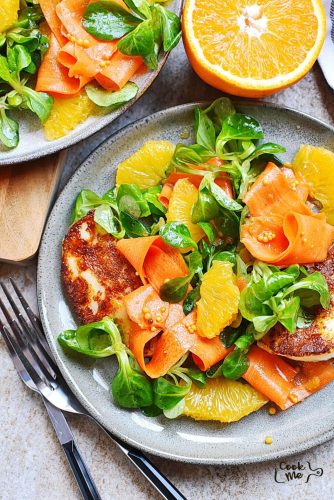
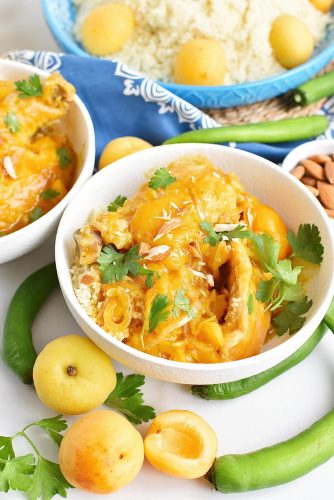
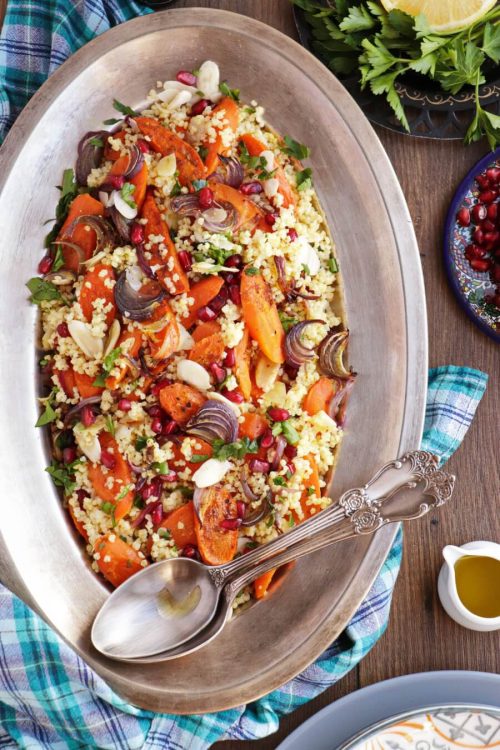
Start with a simple chicken tagine with olives and preserved lemons – it's forgiving, delicious, and teaches you the basic layering technique. Moroccan carrot salad is another winner: super easy, requires no special equipment, and shows off those classic Moroccan flavors. Once you're comfortable, move on to lamb tagine with apricots or a vegetable couscous.
Focus on the essentials first: good cumin, cinnamon, ginger, turmeric, and paprika will get you started. Buy ras el hanout premade rather than building your own initially. For preserved lemons, make them yourself – it takes a month but costs almost nothing. Argan oil is expensive, so start with small bottles and use it sparingly until you're hooked!
No preserved lemons? Use regular lemon zest plus a pinch of salt. Can't find argan oil? Extra virgin olive oil works, though you'll miss that nutty flavor. For ras el hanout, mix equal parts cumin, coriander, cinnamon, and paprika as a starter blend. Orange blossom water can be replaced with a tiny bit of orange zest, and rose water can be skipped entirely in most recipes.
Nope! While tagine pots are awesome and definitely create the most authentic results, you can make incredible tagines in a heavy Dutch oven or even a large skillet with a tight-fitting lid. The key is low, slow cooking with minimal liquid – the technique matters more than the specific equipment.
Traditional Moroccan couscous is steamed, not boiled, which creates much fluffier, more separate grains. The boxed "instant" couscous is actually a different product entirely – it's pre-cooked and dehydrated. For the real deal, look for "pearl couscous" or "Israeli couscous" which gives you more authentic texture, or invest in a couscous steamer for the full experience.
Most traditional Moroccan food is more aromatic than spicy-hot. The heat comes from black pepper and a little cayenne, but the focus is really on complex, warming spices rather than tongue-burning heat. That said, harissa paste can bring serious heat, so always taste and add gradually. The goal is flavor balance, not fire!