Fast (≤ 30 min)
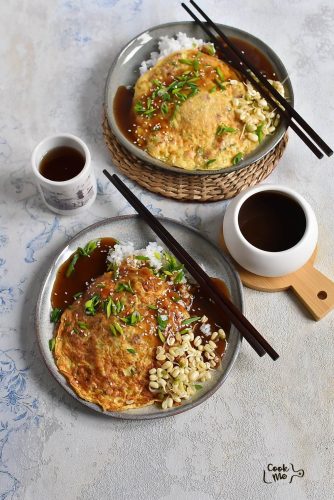

Discover the soul of Chinese cooking — a 5,000-year culinary journey that transforms simple ingredients into extraordinary flavors. Chinese cuisine isn’t just about takeout favorites; it’s an ancient art form that balances the five sacred tastes: sweet, sour, bitter, pungent, and salty.
From the fiery ma la heat of Sichuan to the delicate dim sum of Guangdong, each of China’s eight great regional cuisines tells a unique story. Whether you’re mastering your first stir-fry or perfecting hand-pulled noodles, Chinese cooking welcomes every home cook with techniques that have fed emperors and families alike for millennia.
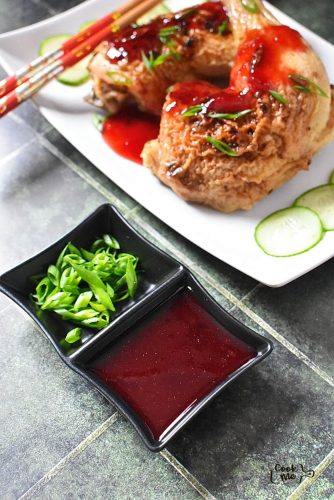
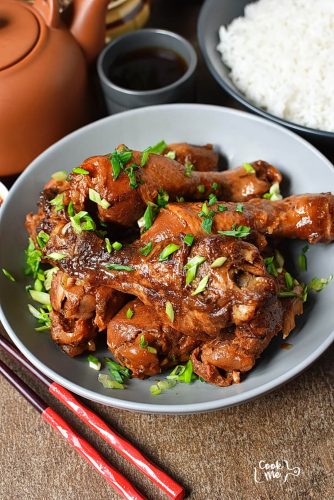
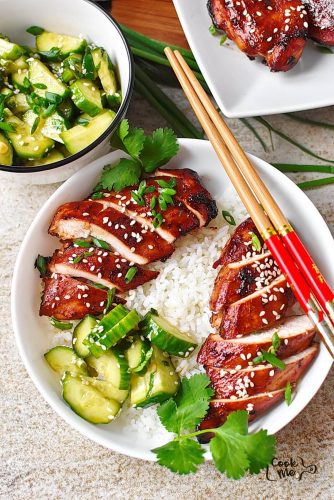
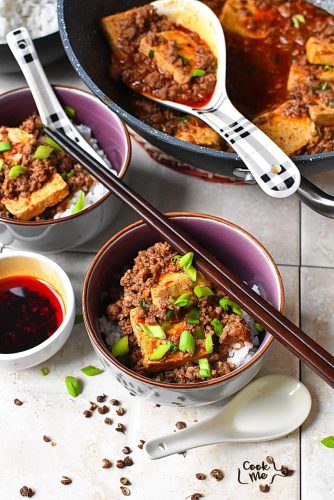
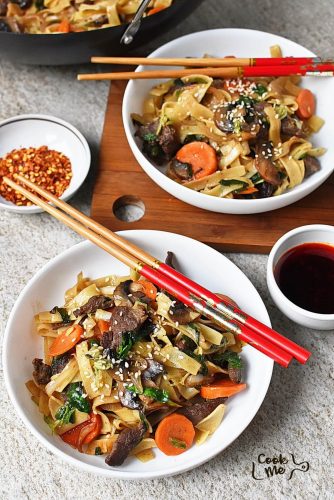
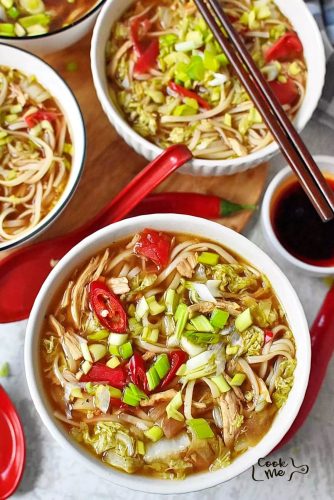
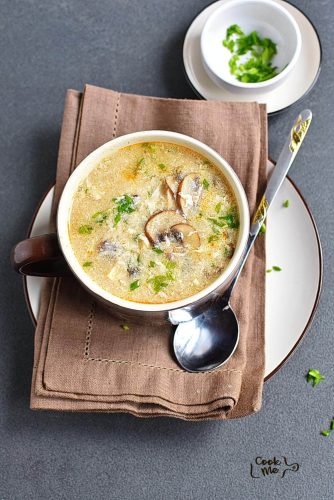
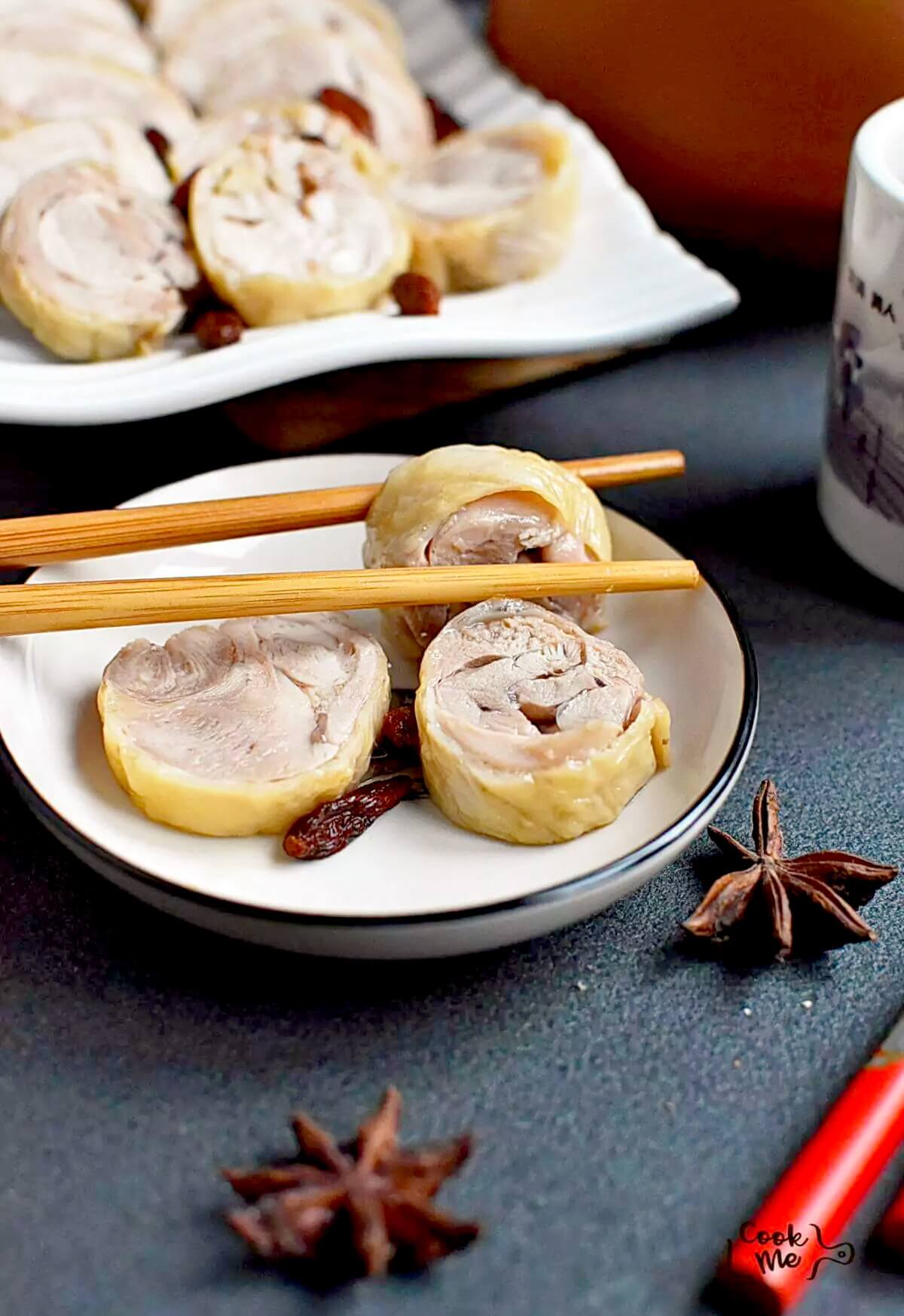
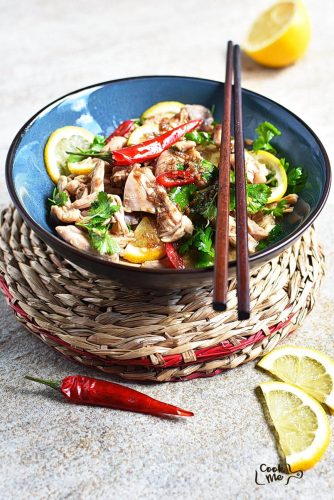
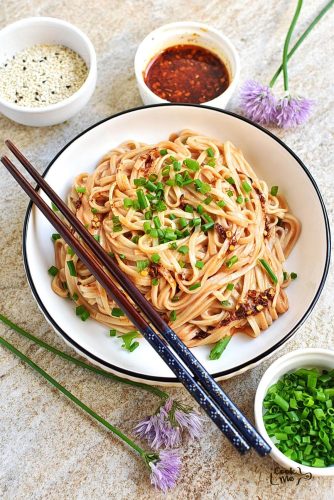
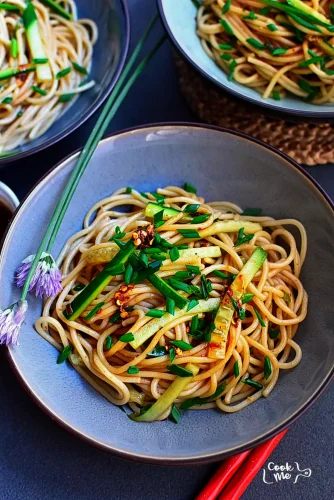
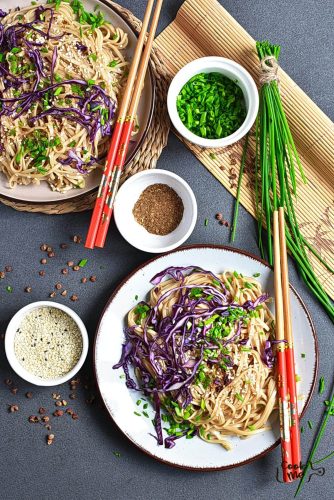
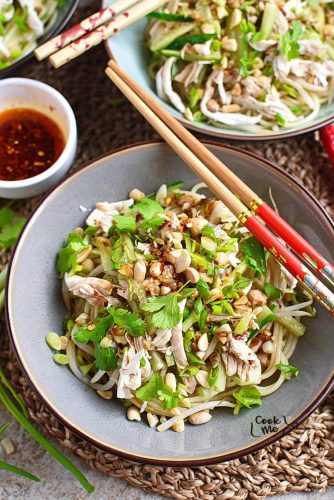
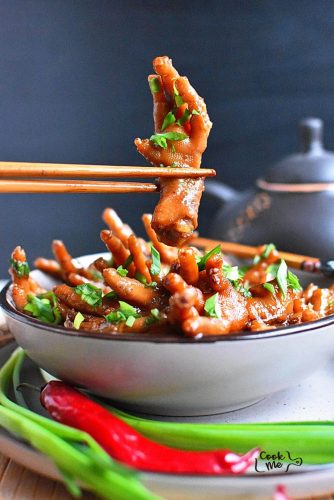
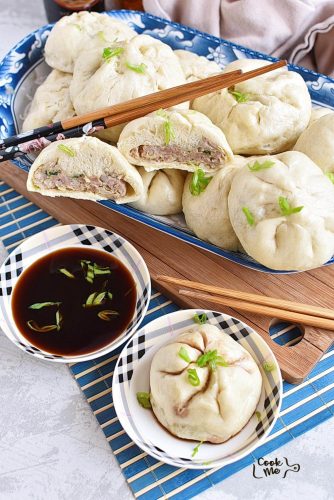
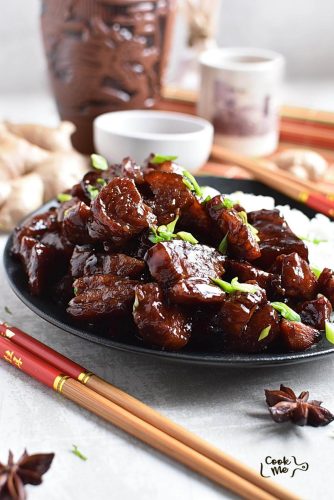
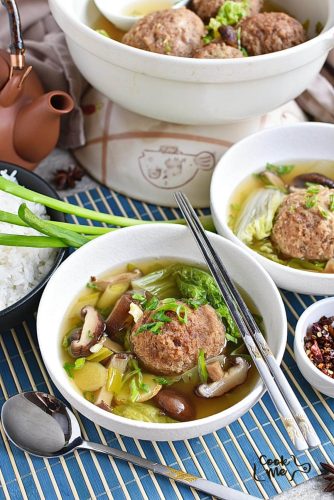
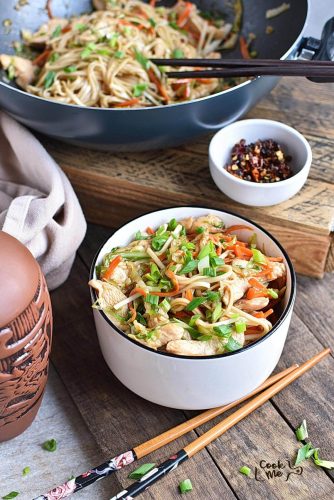
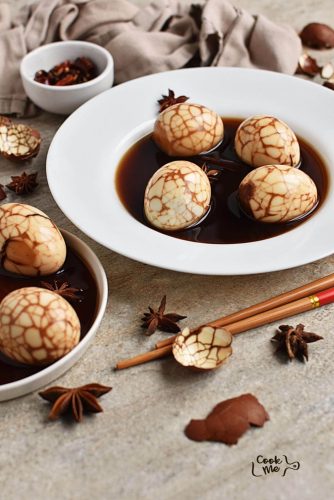
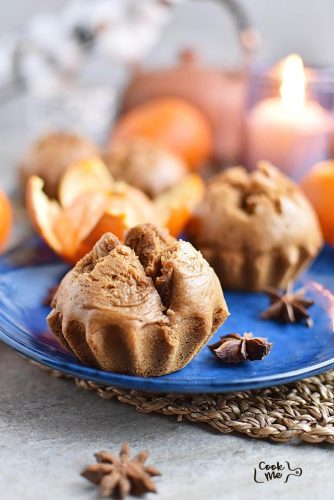
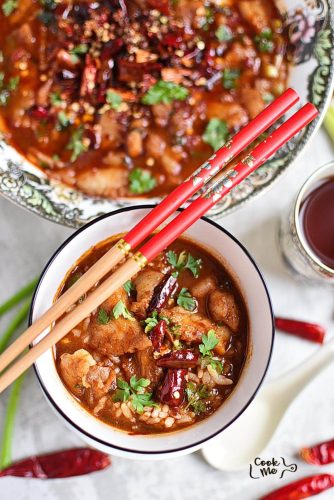
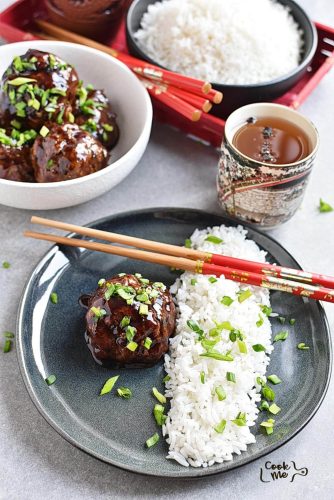
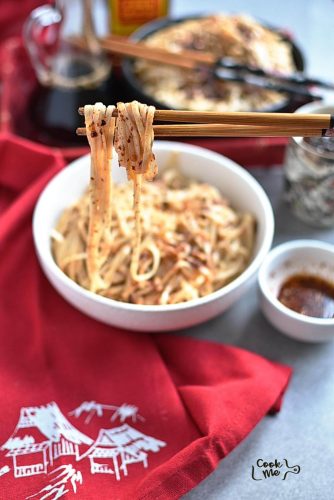
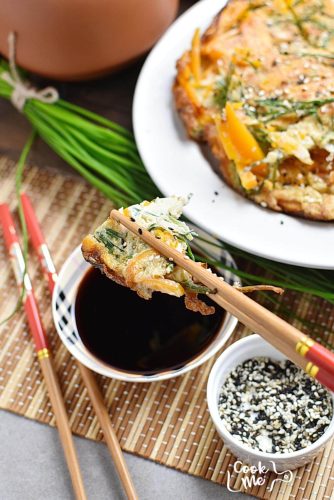
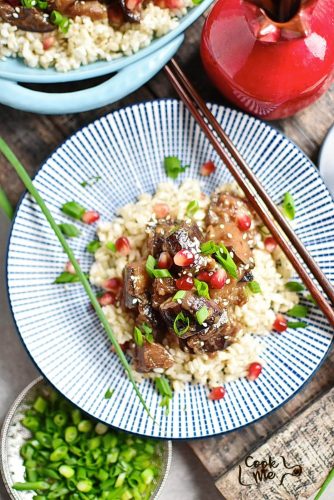
Chinese cooking didn't just evolve—it revolutionized how the world thinks about food. What started 5,000 years ago with heated stones has become the world's most diverse culinary tradition. Ancient Chinese philosophers like Yi Yin didn't just cook; they created the foundation for understanding flavor harmony that still guides every great Chinese dish today.
The real magic happened during the Han Dynasty (206 BC–220 AD) when the Silk Road opened China's kitchens to the world. Suddenly, Chinese cooks had access to walnuts from Persia, pomegranates from Central Asia, and spices that would define regional cuisines for centuries. This wasn't just ingredient trading—it was the birth of fusion cooking, Chinese style.
But here's what most people don't know: the Song Dynasty created the world's first true "restaurant culture." The memoir "Dreams of Splendor of the Eastern Capital" documents over 100 different dishes available in Hangzhou restaurants—proving that Chinese food diversity isn't new, it's ancient.
The Yuan Dynasty brought Mongolian influences, the Ming introduced New World ingredients like chili peppers (imagine Sichuan food without them!), and the Qing Dynasty created the legendary Man-Han Banquet with over 300 dishes. Each dynasty didn't just rule China—it expanded Chinese cuisine's incredible range.
Forget everything you think you know about "Chinese food." China's eight great regional cuisines are as different as Italian and German cooking. The humid south grows rice and catches fresh seafood, while the wheat-growing north perfected noodles and hearty stews. It's not just geography—it's culinary destiny.
Masters the legendary "ma la" flavor—that tingling, numbing sensation from Sichuan peppercorns combined with chili heat. True Sichuan cooking uses 24 different flavor profiles, not just spicy.
Created dim sum culture and the art of preserving ingredients' natural flavors through precise timing and minimal seasoning. Fresh seafood and delicate preparations define this cuisine.
Influenced imperial kitchens for centuries with sophisticated seafood preparations and clear, rich broths. The foundation of Northern Chinese cooking techniques.
Perfected "red cooking"—those glossy, caramelized braises that make ingredients like pork belly melt in your mouth. Known for knife work artistry and presentation.
Each region developed these distinct styles over 2,000 years of refinement. When you cook Chinese food, you're not just making dinner—you're continuing traditions that survived wars, famines, and dynasties.
Building a Chinese pantry isn't about buying everything at once—it's about understanding the "flavor trinity" that makes Chinese cooking work: soy sauce, rice wine, and oil for stir-frying.
Soy sauce isn't just salty water—light soy sauce adds depth without overwhelming, while dark soy sauce creates those gorgeous mahogany colors in red-cooked dishes. Quality sesame oil transforms simple dishes into restaurant-quality meals when used as a finishing touch.
For spices, Chinese five-spice powder isn't just convenient—it's brilliant culinary math. Star anise, cloves, cinnamon, Sichuan peppercorns, and fennel seeds create perfect balance that's been refined over centuries.
Chinese cooking isn't about following recipes blindly—it's about mastering "wok hei," the breath of the wok. This isn't just high heat; it's the smoky, caramelized flavor that only comes from properly seasoned cast iron or carbon steel woks heated until they smoke.
"Velveting" proteins changes everything. Coating thinly sliced meat or seafood in cornstarch and egg white, then briefly cooking in warm oil, creates that silky texture you taste in restaurants. It's not cheating—it's technique. Chinese chefs have used this method for centuries to ensure proteins stay tender in high-heat cooking.
Knife work matters more than expensive equipment. Chinese cooking uses dozens of cuts—julienne, roll-cutting, scoring—each designed to maximize surface area and ensure even cooking. Your knife technique determines whether ingredients cook evenly in the wok's intense heat.
Chinese dining isn't just about eating—it's about "ganbei" (cheers) culture and shared abundance. Traditional Chinese meals place dishes in the center for communal sharing, not individual plates. This isn't just politeness; it's philosophy. Everyone tastes everything, and the variety ensures balanced nutrition and flavors.
Tea culture runs parallel to food culture in ways Western dining doesn't understand. Different teas pair with different dishes: oolong with oily foods, pu-erh with rich meats, jasmine with delicate seafood. Tea isn't just a beverage—it's a digestive aid and flavor bridge between courses.
Chinese food follows Traditional Chinese Medicine principles even in everyday cooking. "Hot" foods (spicy, warming) balance "cold" foods (cooling, mild). This isn't temperature—it's about how foods affect your body's energy. Ginger warms, cucumber cools, and balanced meals consider both nutrition and energy.
Chinese-American cuisine isn't "fake Chinese food"—it's brilliant adaptation. When Chinese immigrants arrived in 19th-century America, they created new dishes using available ingredients and American tastes. General Tso's chicken, fortune cookies, and crab rangoon represent Chinese culinary creativity, not authenticity mistakes.
Today's Chinese cuisine scene is exploding with innovation. Young Chinese chefs are rediscovering regional techniques their grandparents knew, while simultaneously creating modern interpretations. Hot pot restaurants, hand-pulled noodle bars, and regional specialty restaurants are introducing Americans to authentic flavors beyond sweet and sour.
Climate consciousness is driving Chinese cuisine evolution too. Traditional Chinese cooking was already plant-forward—Buddhist temple cuisine created sophisticated vegetarian dishes centuries before "plant-based" became trendy. Modern Chinese restaurants are rediscovering these techniques while creating new sustainable approaches to traditional flavors.
Authentic Chinese cooking focuses on balancing the five sacred tastes and using techniques like wok hei and velveting. Takeout often adapts flavors for Western palates using different cooking methods and ingredient ratios.
Start with fried rice, basic stir-fries (like beef and broccoli), and steamed dishes. These teach fundamental techniques like proper heat control and timing without requiring advanced knife skills or specialty equipment.
Focus on the "flavor trinity" first: light soy sauce, dark soy sauce, and Shaoxing rice wine. Add sesame oil, white pepper, and Chinese five-spice powder. These six ingredients can create dozens of authentic Chinese dishes.
A carbon steel wok (or large skillet), a good chef's knife, a bamboo steamer, and a spider strainer cover 90% of Chinese cooking techniques. You don't need expensive equipment—technique matters more than tools.
Each region developed unique flavors based on climate, ingredients, and cultural influences. Sichuan cuisine is numbing and spicy, Cantonese preserves natural flavors, Shandong features seafood and clear broths, while Hunan focuses on pure chili heat without numbing spices.