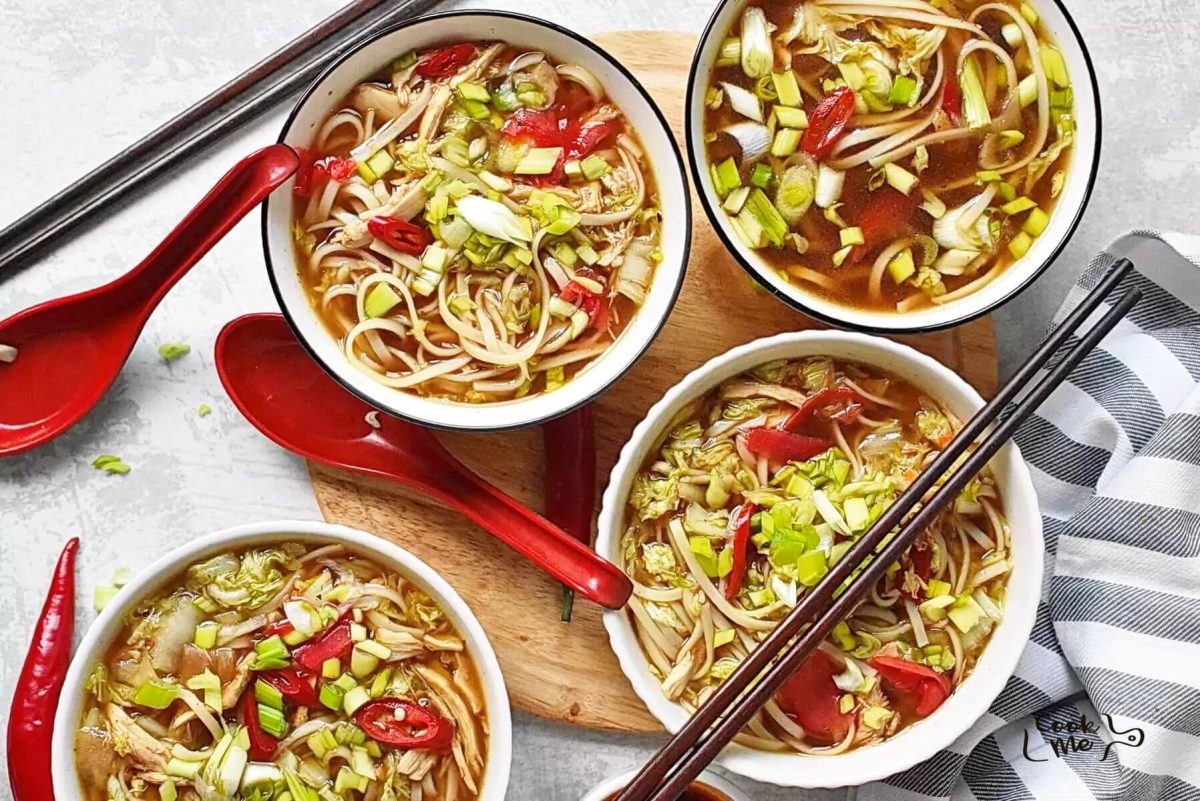
This chicken and udon soup cooked in a single pot feels like coming home to me every time. I grew up in foggy Port Townsend with my mother simmering broths on the stove, and this bowl carries that same quiet warmth. It takes simple leftovers and turns them into something that comforts without fuss.
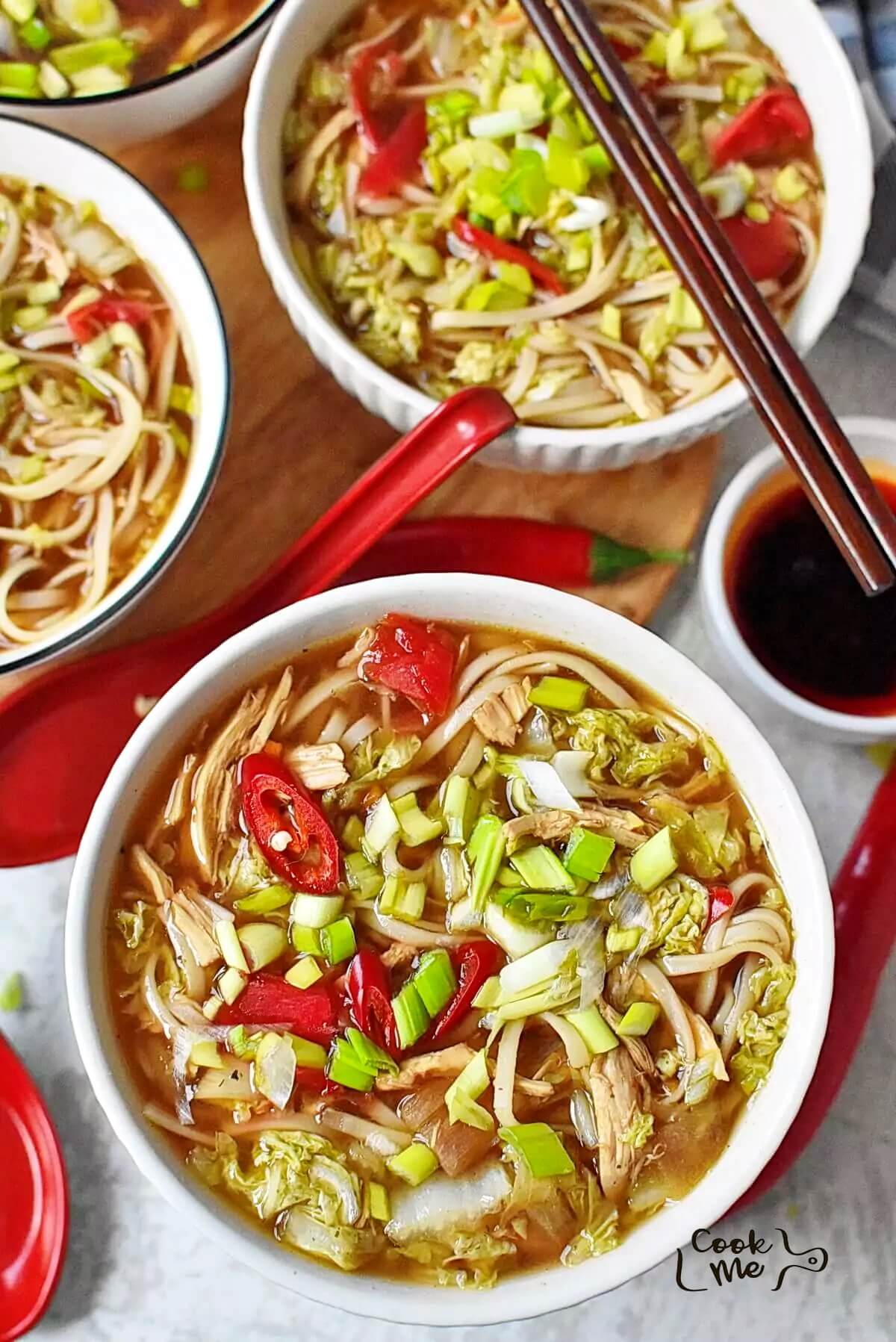
This is an Easy chicken noodle soup with soy sauce that balances sweet, salty, and spicy in every slurp. The honey browns at the start into a glossy base, then the stock layers itself on top. Use leftover roast chicken when you can; it shortens work time and adds a roasted note that the ginger and cabbage play off of nicely. I love that it honors the odd little vegetables my mother saved from the compost bin, like shredded napa cabbage that wilts just right into the broth.
I have adapted noodle soups from Tokyo alleys to Bangkok streets, and this version collects those moments without needing hours at the stove. People ask for seconds at casual dinners. Honestly, it revives me when I am feeling worn down.
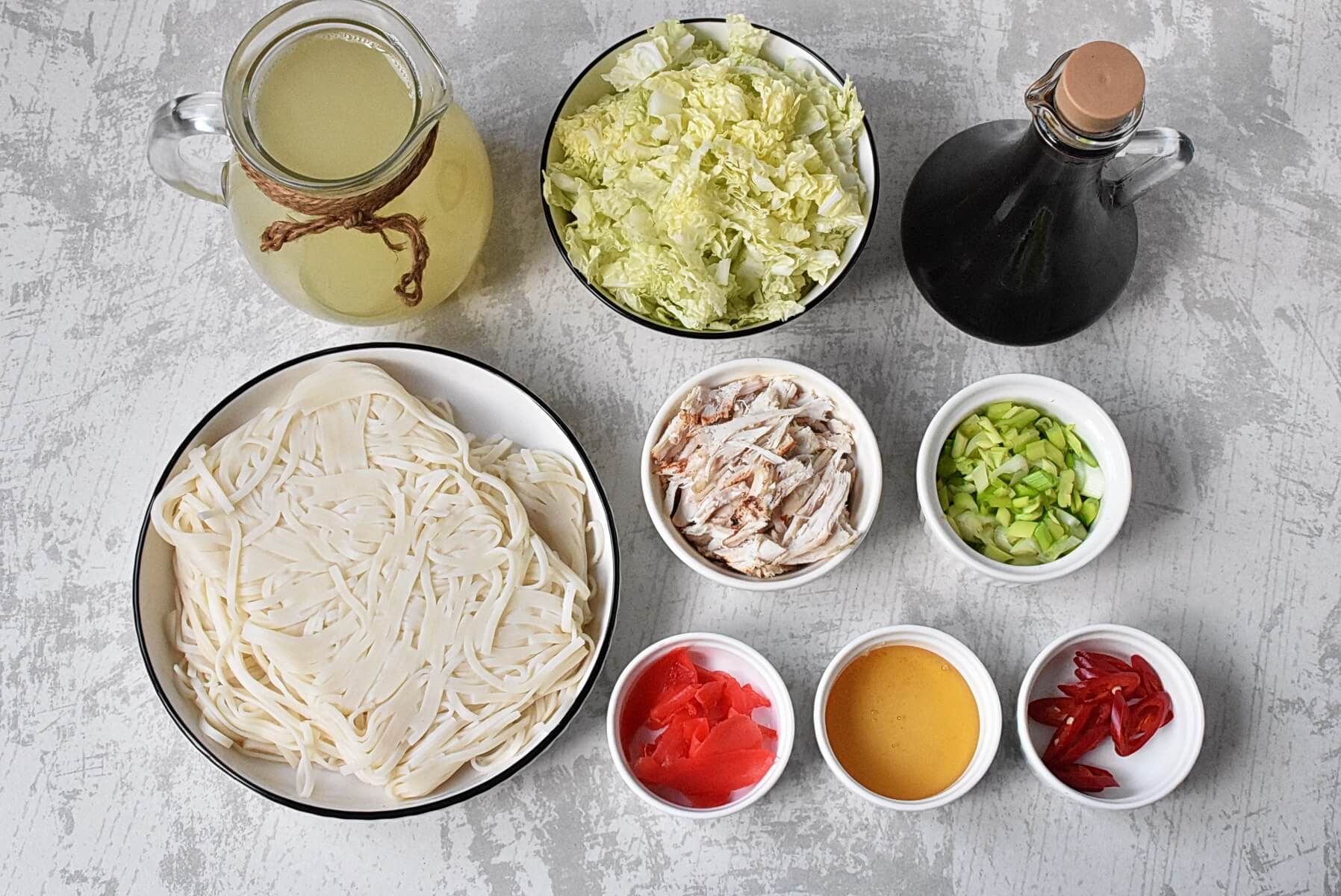
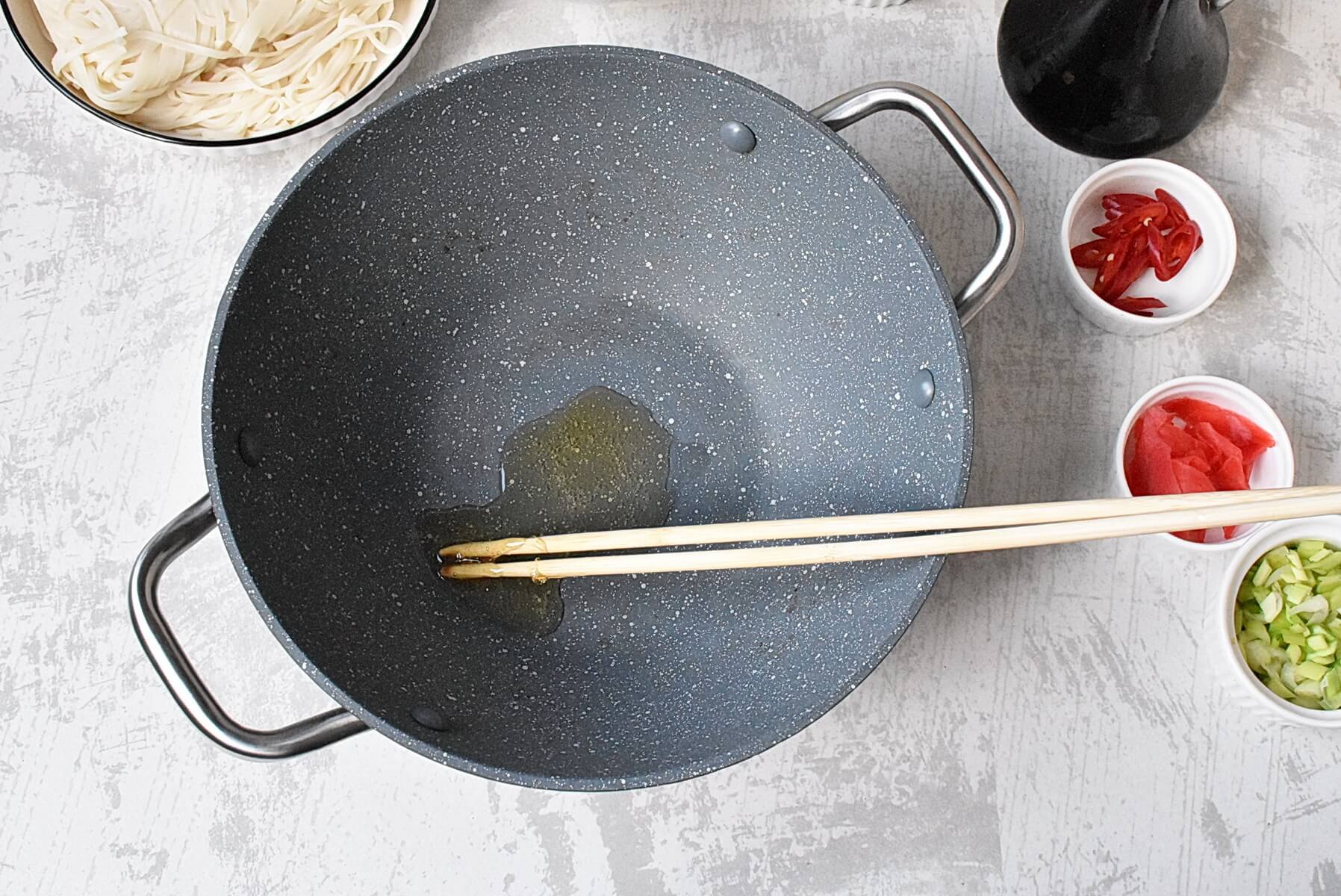
Drizzle 1 tablespoon honey over the bottom of a large pot and simmer briefly until slightly thickened and darkened in color.
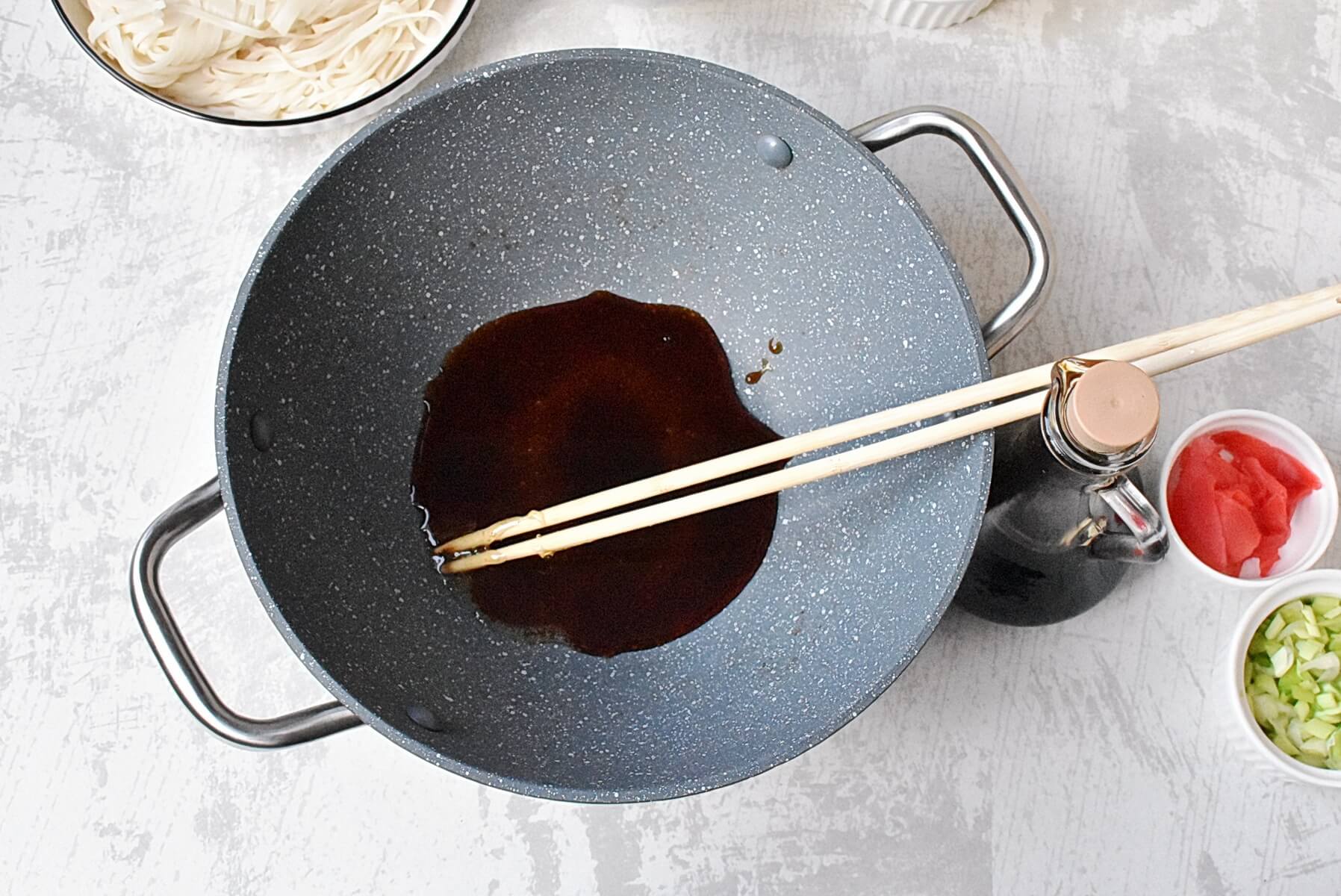
Add in 3 tablespoons soy sauce and let bubble.
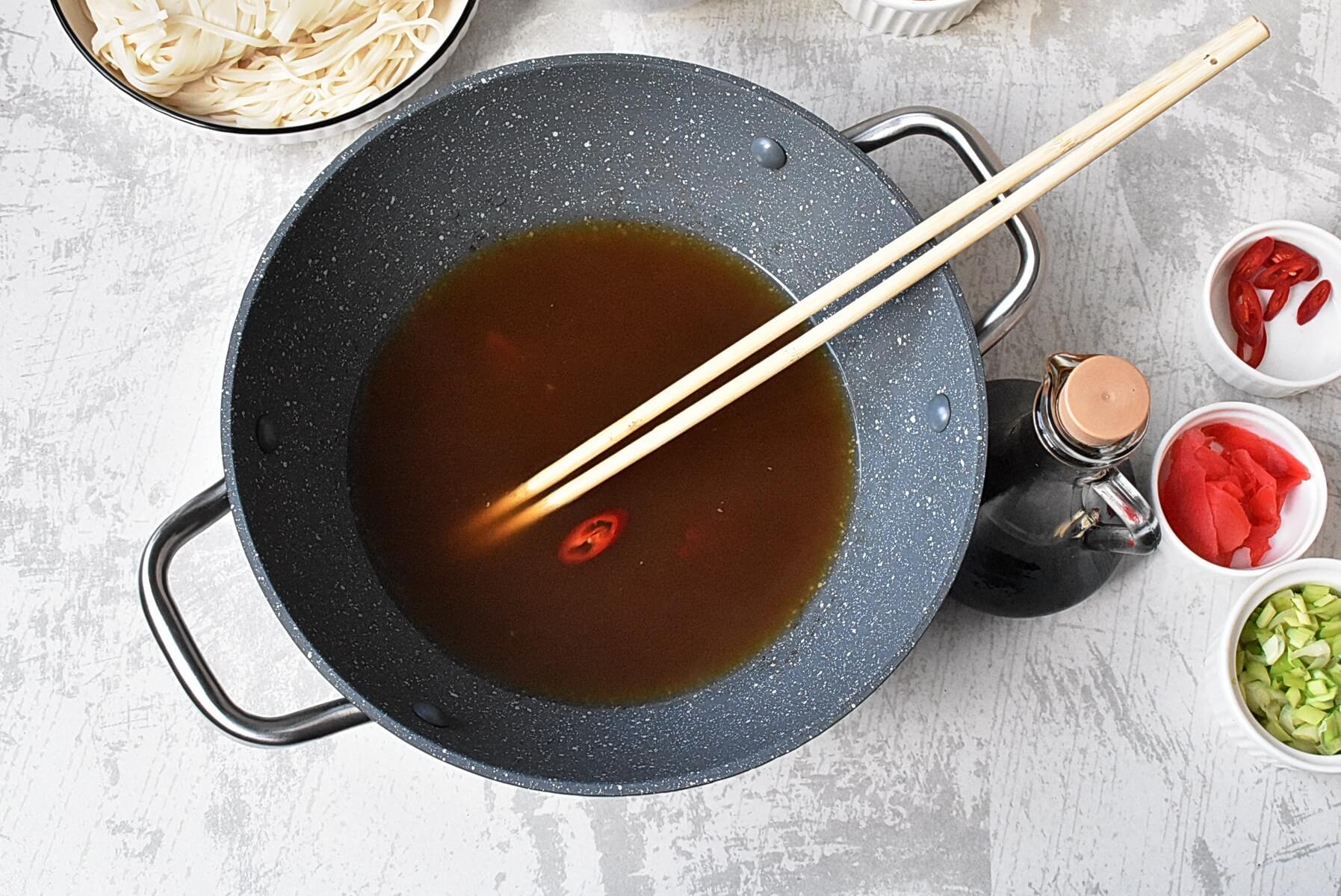
Add 1 liter chicken stock and half the chili pepper and allow to simmer for 5 minutes.
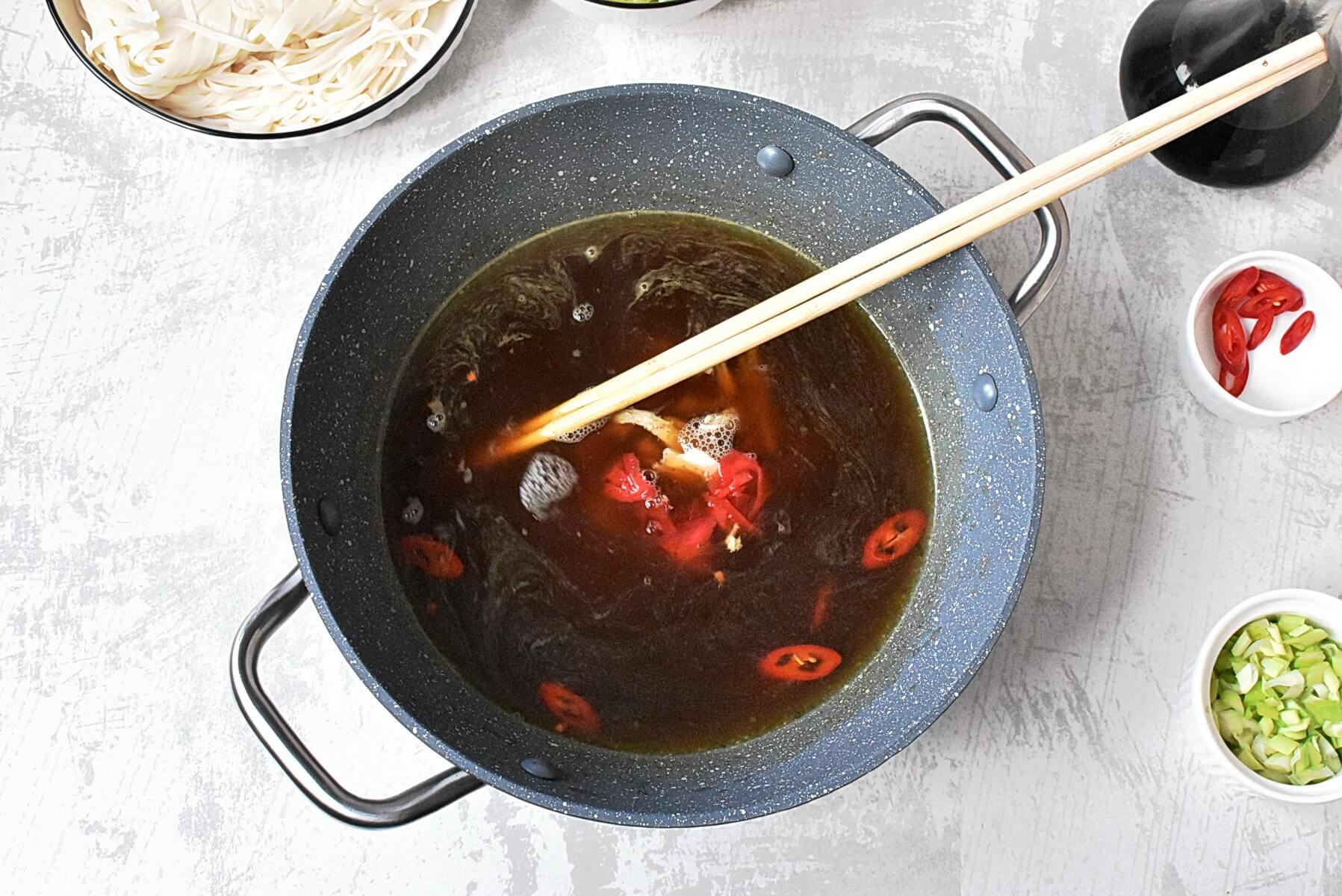
Add 80 grams shredded chicken and 20 grams pickled pink ginger or sliced fresh ginger and simmer for 5 minutes.
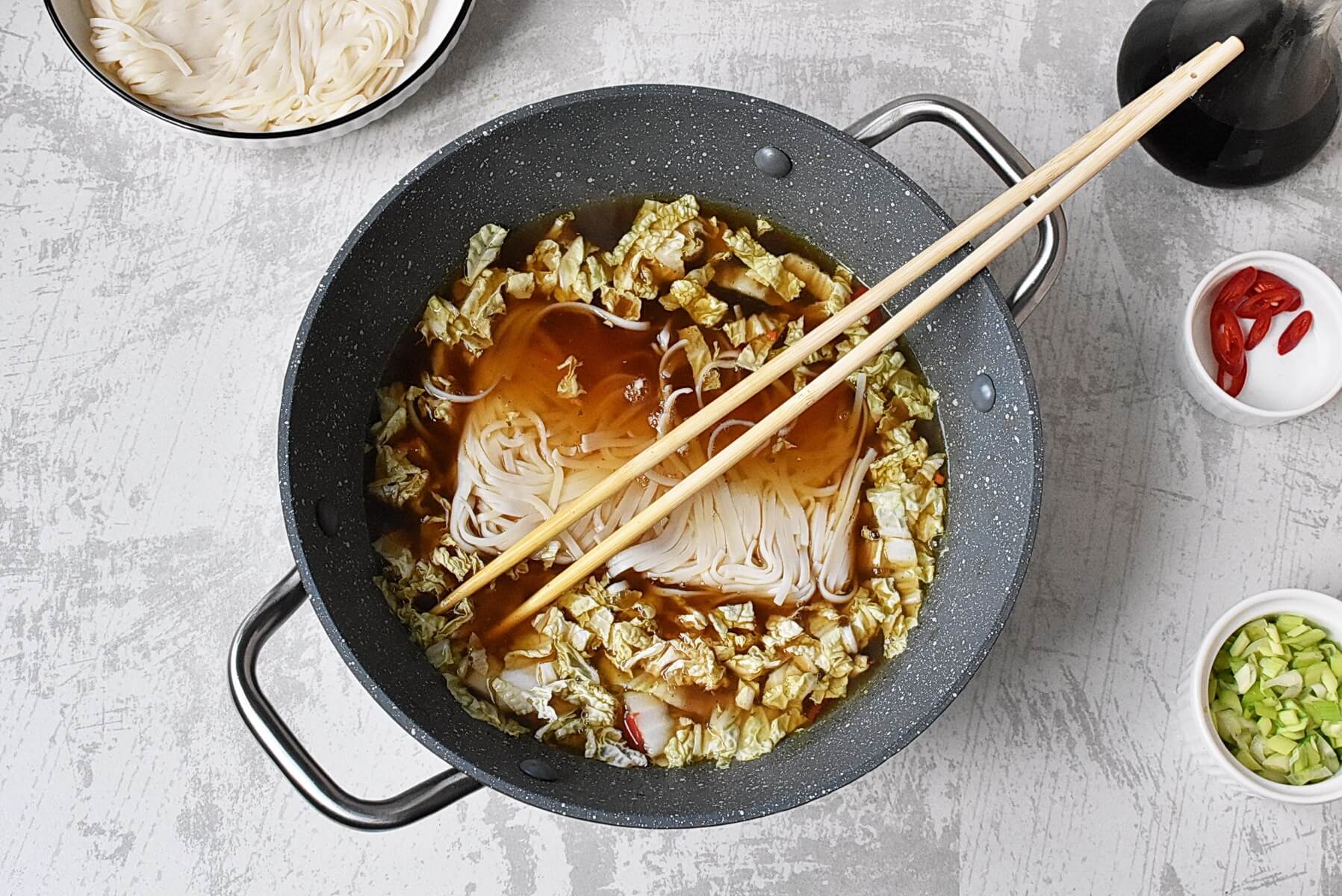
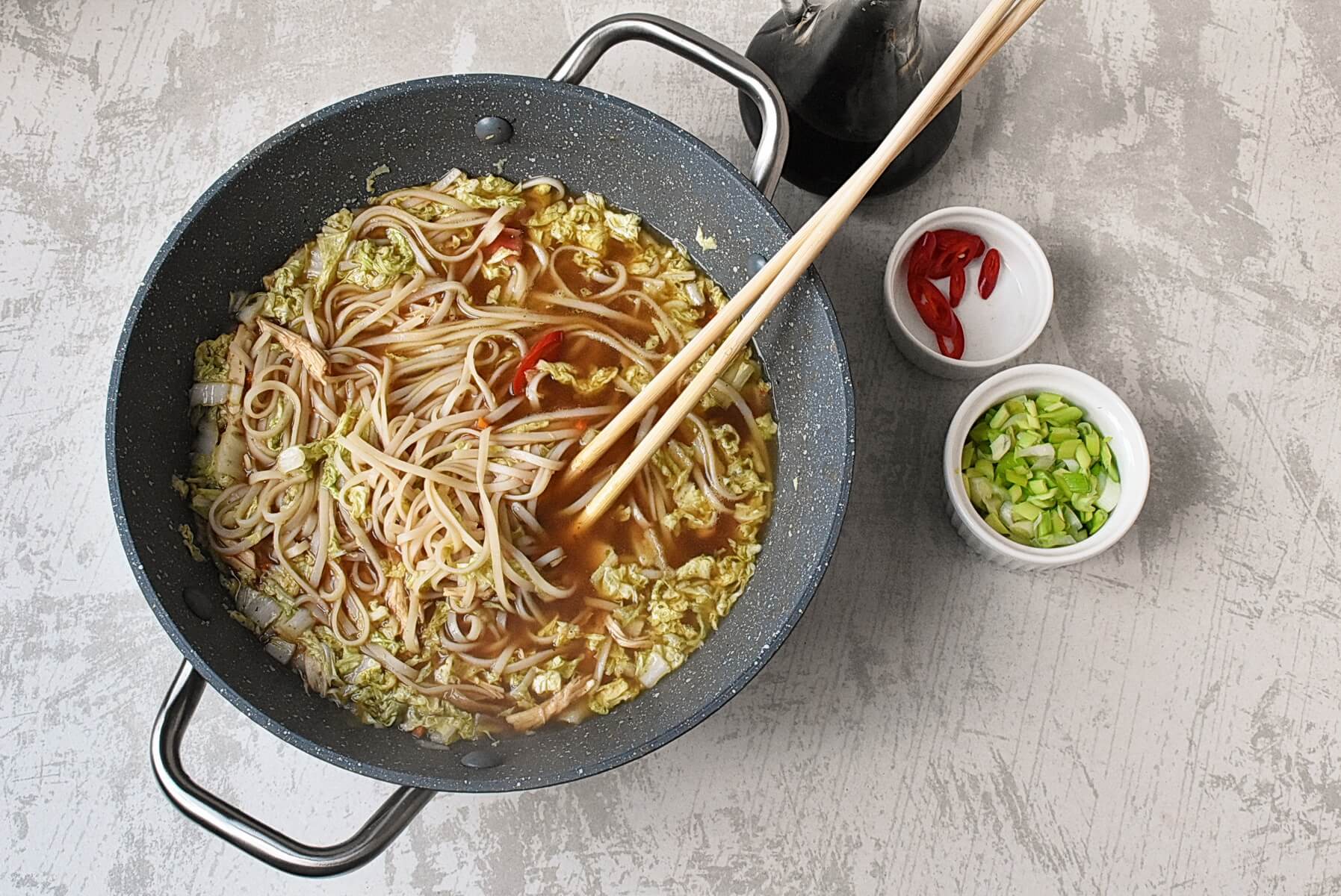
Stir in the shredded Chinese cabbage and 300 grams udon noodles. Cook until the cabbage is just wilted and the noodles are heated through.
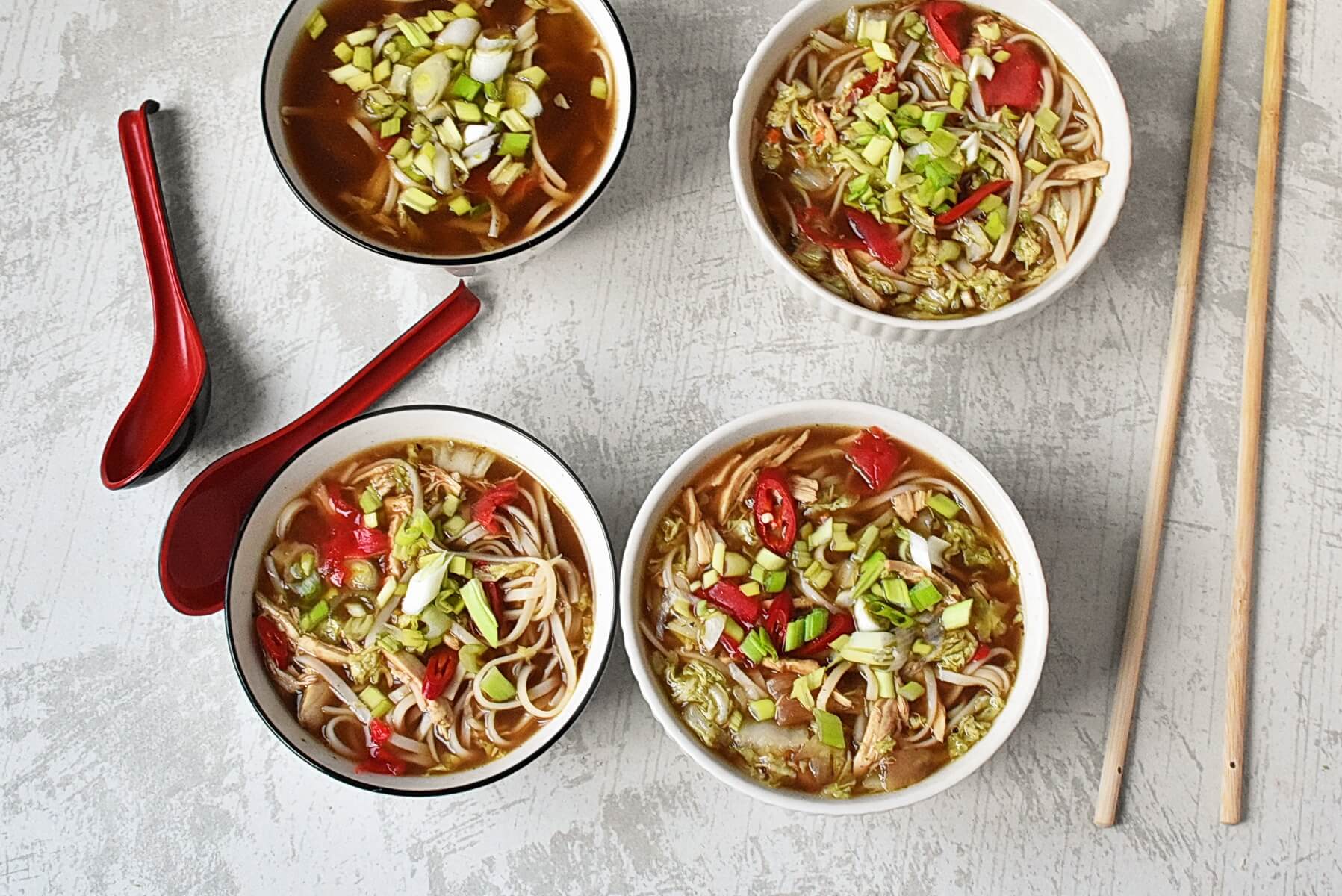
Serve the soup in large bowls garnished with the remaining chili and sliced green onions.
Grab a large pot that can simmer without scorching the bottom. A heavy Dutch oven works well because it spreads heat evenly so the honey caramelizes smoothly instead of burning. Keep a sharp knife handy for slicing ginger, chili, and green onions. Thin ginger slices release their zing into the broth faster than big chunks, so aim for thin enough to see through.
I use a wooden spoon for stirring. It just feels right when coaxing that soy and honey into a gloss. Tongs help when you add the noodles and cabbage so nothing clumps. A peeler is handy if you are using fresh ginger. Ladle and deep bowls finish the scene. Oh, and a timer on your phone keeps that gentle simmer honest. Just so.
Start by caramelizing the honey over medium low heat. Give it a minute until it darkens and becomes syrupy, then add the soy so the two meld. If you rush this you will scorch it, and that bitterness ruins everything. I learned that the hard way at a tiny vegan cafe where I once burned an entire pot. Long story short, slow the heat and watch the color change.
Put half the sliced chili in with the stock so the heat opens up gently. Save the rest for garnish to give a final pop. The trick with chilies is timing: throw half in early and they mellow, save the rest for that fresh kick at the end.
Shred leftover chicken finely before adding it to the pot. Smaller threads soak up broth faster and stay tender. If your pot looks crowded, add the chicken in two batches so it infuses instead of steaming. When you stir in the napa cabbage and udon, keep the liquid at a gentle simmer for about three minutes so the cabbage softens but keeps a little texture and the udon heats through without falling apart. Let the soup rest off the heat for a minute before serving, then scatter the green onions and the reserved chili on top.
Swap chicken for crumbled firm tofu or a mix of shiitake and oyster mushrooms for a vegetarian bowl. Add extra carrots or bok choy and simmer a bit longer until tender. Tofu soaks up flavor like a sponge, giving you substance without meat. I tried this during a Melbourne green day and it felt like the same recipe but wearing a different coat.
If you love heat, double the chili and stir in a spoonful of sriracha or gochujang while the stock simmers. Toss in some bean sprouts at the end for crunch. From my Austin days, I learned that heat can transform a simple bowl into a memory, but keep an eye on simmer time so the ginger still sings.
For silkier broth, stir in a splash of coconut milk off heat after the noodles. It softens edges and gives a plush mouthfeel without weighing things down. The cabbage keeps the bowl from feeling cloying.
This soup stands alone, but I sometimes spoon it over steamed jasmine rice so the grains soak up the broth. A drizzle of sesame oil or a scatter of toasted sesame seeds adds nutty aroma. Fresh cilantro or Thai basil brightens it, and quick pickled cucumbers make a lovely contrast.
On my green days I pair the bowl with green tea. For potlucks double the batch and bring lime wedges for squeezing just before serving. Or keep it simple: crusty bread for dipping works better than you might expect.
Yes. Trim visible fat from the chicken and use low sodium stock. The dish stays flavorful because the honey and soy carry a lot of the taste, so you do not need extra oil. Swap udon for thinner rice noodles if you want fewer calories and a lighter mouthfeel.
Use bok choy or regular cabbage shredded thin. Bok choy wilts similarly and gives a slight bitter note, while regular cabbage keeps more crunch. Adjust the cooking time so nothing goes limp.
Shortcuts work well. Use pre shredded cabbage and skip caramelizing the honey if you are pressed for time, stirring the honey into the stock instead. It loses a touch of depth but gains minutes. I teach that trick in my Tokyo classes. The goal is dinner on the table in under 20 minutes when you need it.
Yes. Try ramen for a curly chew or soba for nutty earthiness. Ramen needs only about two minutes so watch it closely. If gluten is a concern go with rice noodles.
Of course. I usually use thinly sliced fresh ginger for a bright, peppery lift. Pickled ginger gives sweetness and tang. Both work, it is just a matter of mood.
When using roast chicken from the fridge, shred it thin so it warms without drying. The little roast edges add a toasty note that plays nicely with the ginger and soy. If you are feeding a crowd, double the liquids and keep the rest warm in a slow cooker.
This One-Pot Chinese Chicken Noodle Soup is a cinch to put together. It’s fragrant and comforting - perfect for these cold nights. Made it? Tag @cookmerecipes using the hashtag #cookmerecipes and share on Instagram!

 Dairy-Free Recipes
 Spicy Recipes