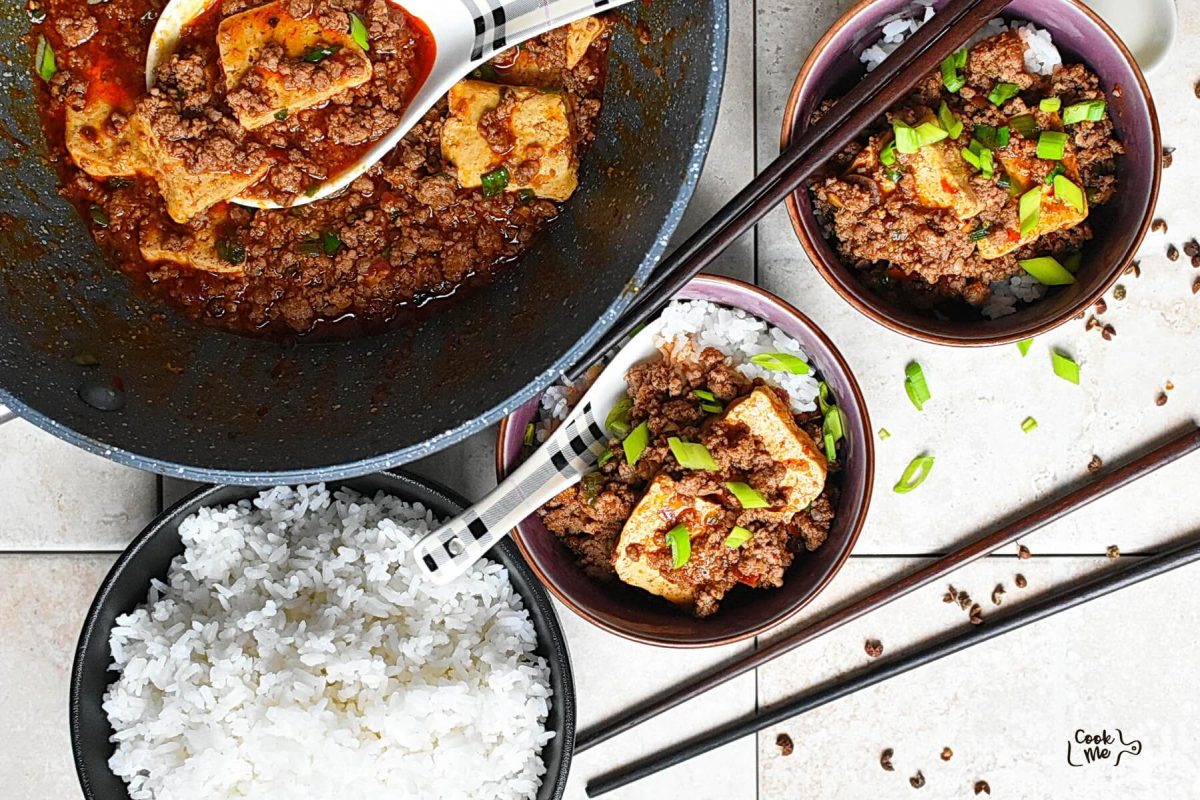
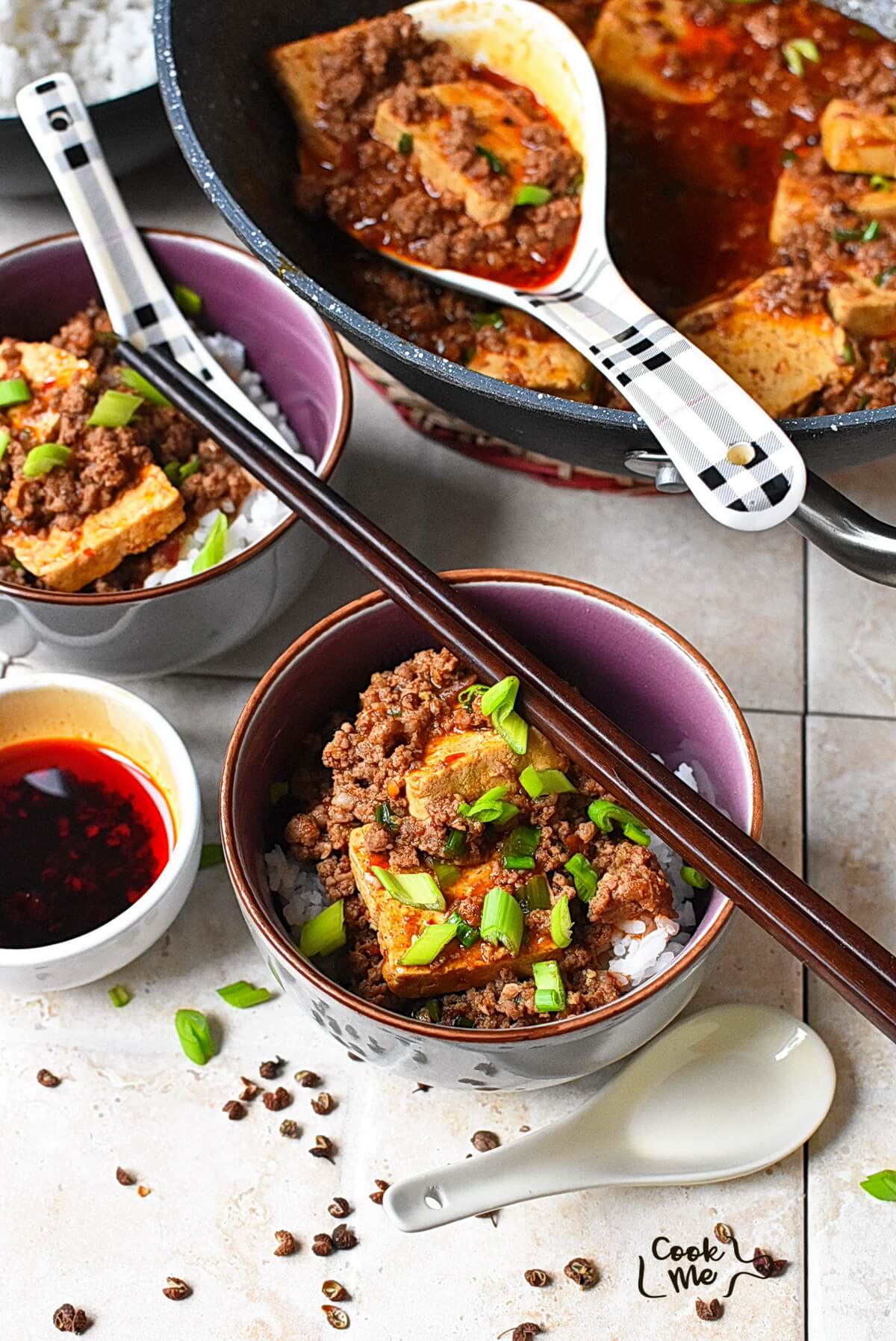
I remember the first time I had real mapo tofu: I was sweating, stupidly happy, and kept going back for another spoonful even though my face felt numb. The numbing pepper hits different and makes you notice everything else in the dish more.
This is an Authentic mapo tofu recipe with ground beef that I have simplified so you do not need a pantry full of specialty jars or an entire afternoon at the stove. I kept the fermented doubanjiang because it is the heartbeat, but otherwise I wanted this to be something you make on a weeknight and still feel proud of.
The ground meat gives the sauce a backbone and little caramelized bits that make the oily sauce sing. The tofu soaks up the flavors and comes out silky and surprising, like a little innocent that suddenly knows all the secrets. Mom would nod at the garlic and ginger. Dad would probably put on some late night jazz and taste it with a spoon. So good.
I try to cook so that memories fold into taste. Chopping scallions feels like cross hatching in a sketch. That kind of detail is dumb but true, and it makes the dish mine.
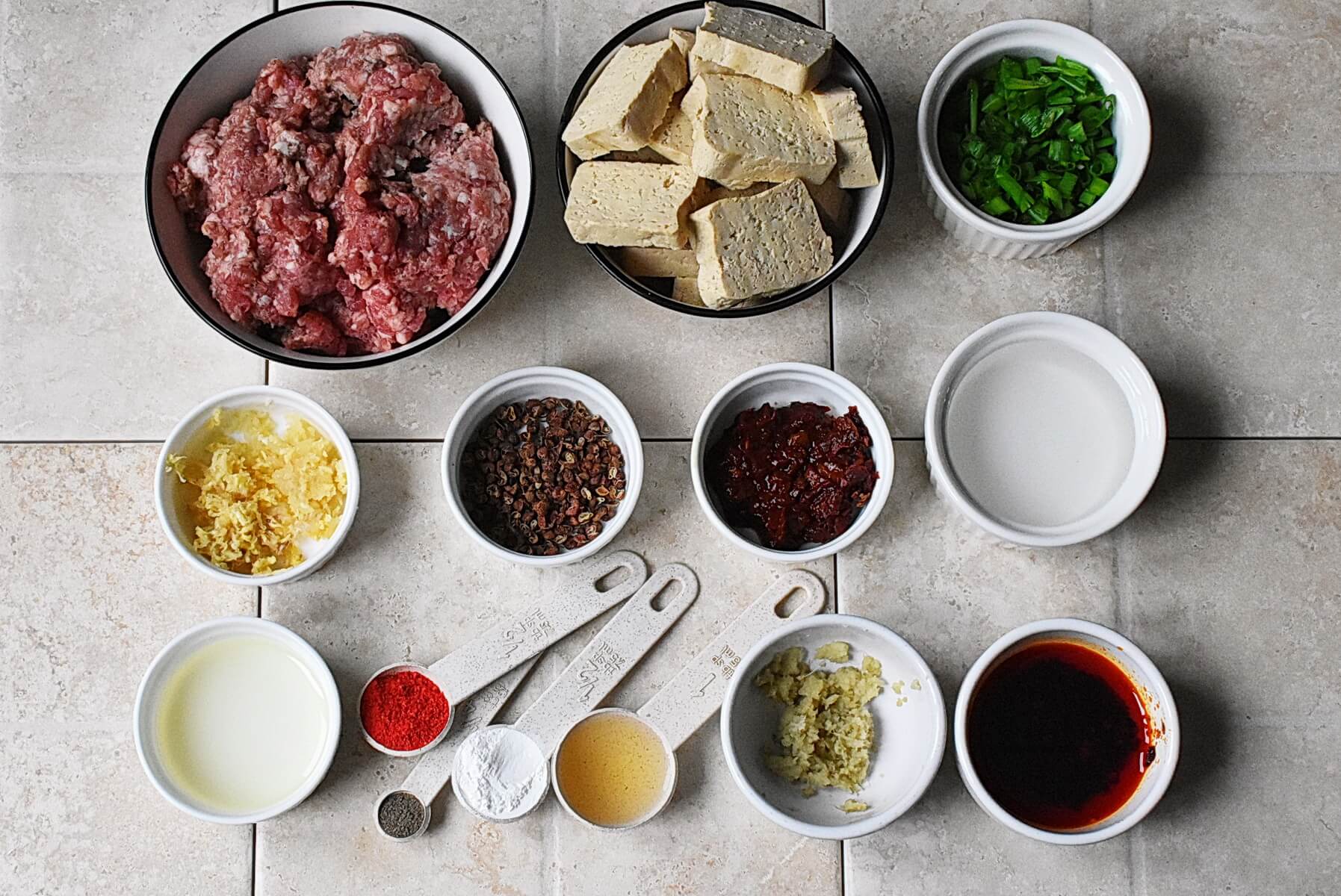
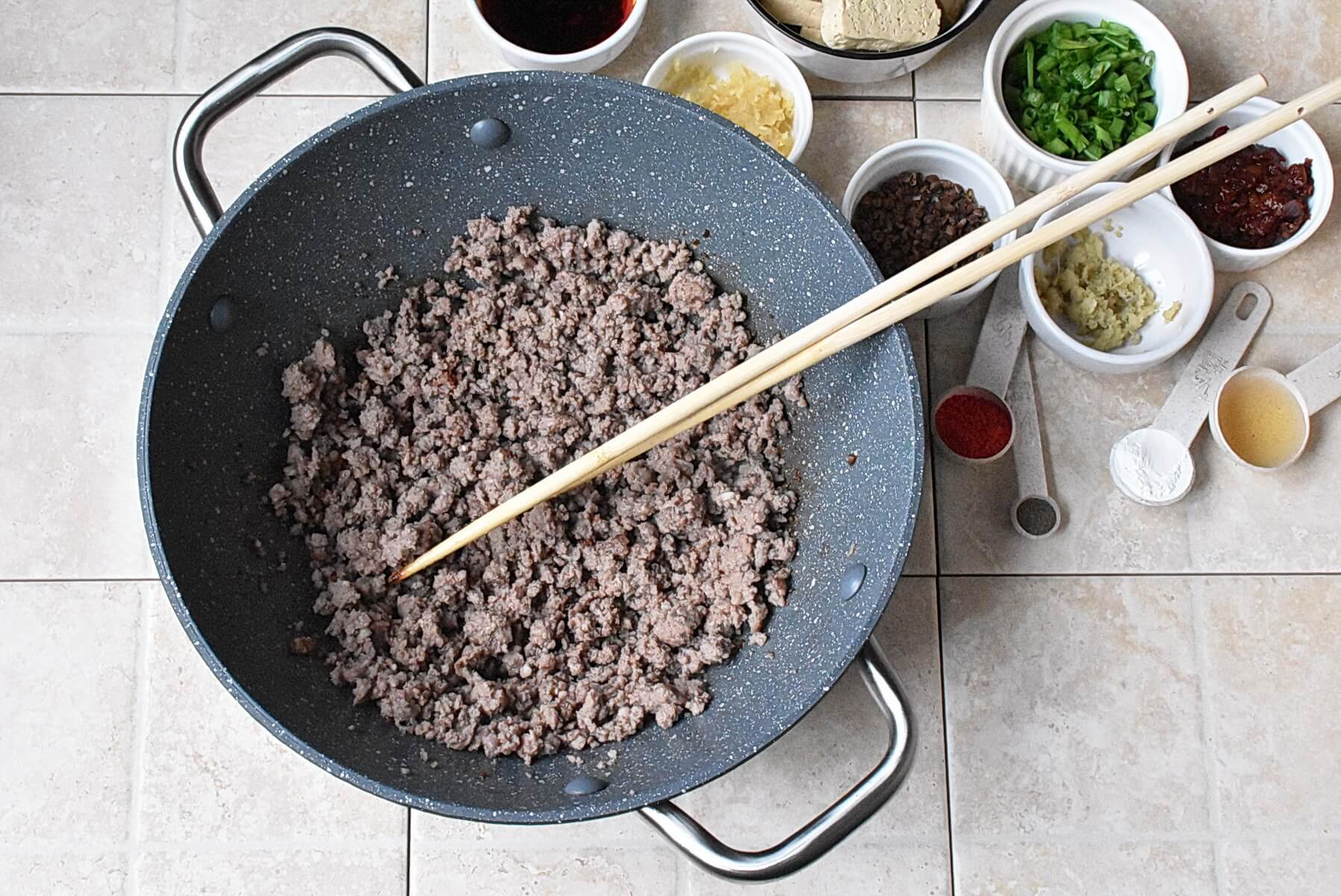
In a large skillet over medium high heat, heat 2 tablespoons vegetable oil, about 1 minute. Add ½ pound ground beef or ground pork and cook until browned on all sides, about 5-7 minutes. Break up the meat into smaller pieces to ensure even browning.
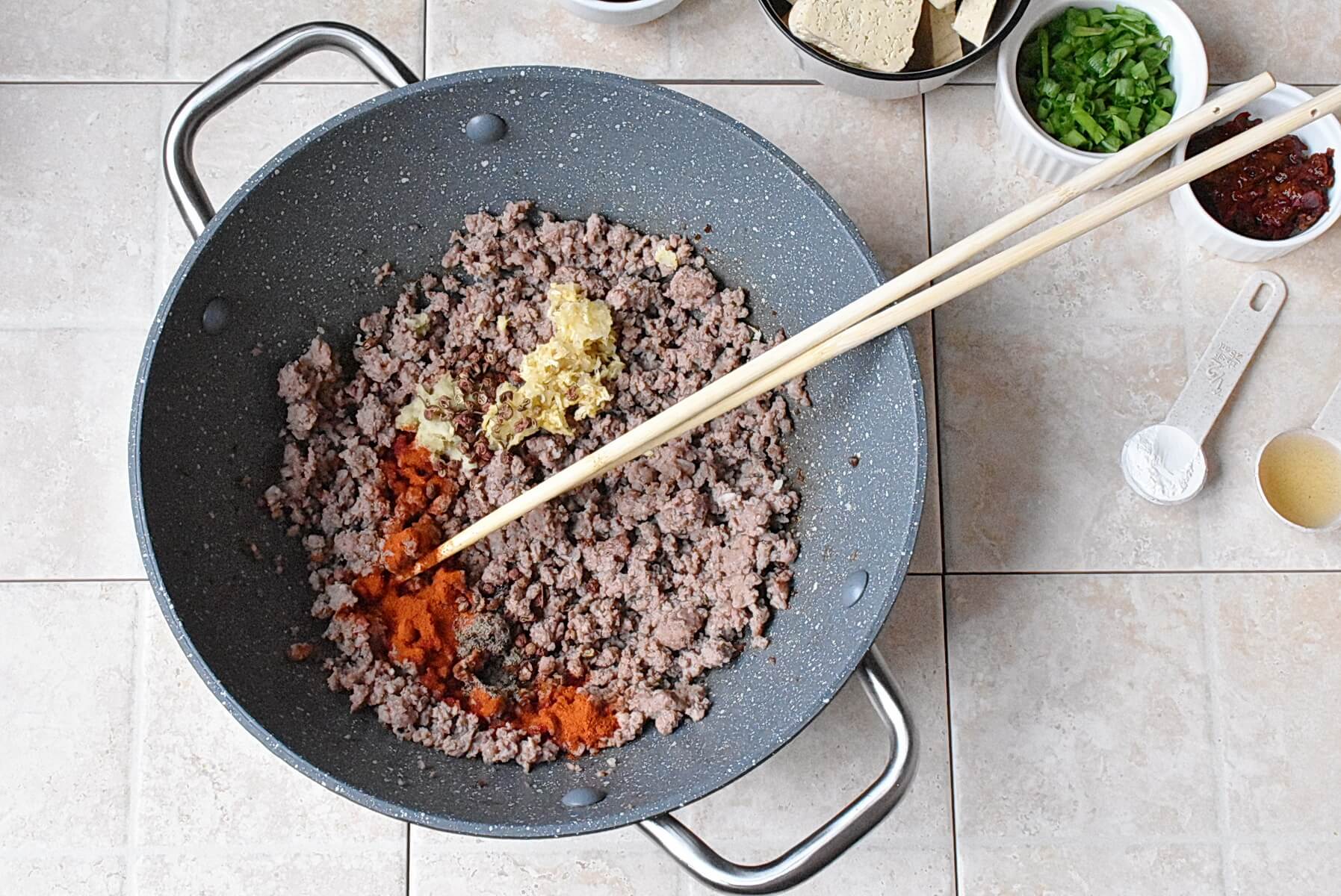
Add 1 teaspoon fresh grated ginger, 1 tablespoon chopped garlic, 1 tablespoon Sichuan peppercorns, 1 teaspoon crushed red pepper (or to taste), ¼ teaspoon ground white pepper if using and stir well. Cook until fragrant, about 1 minute.
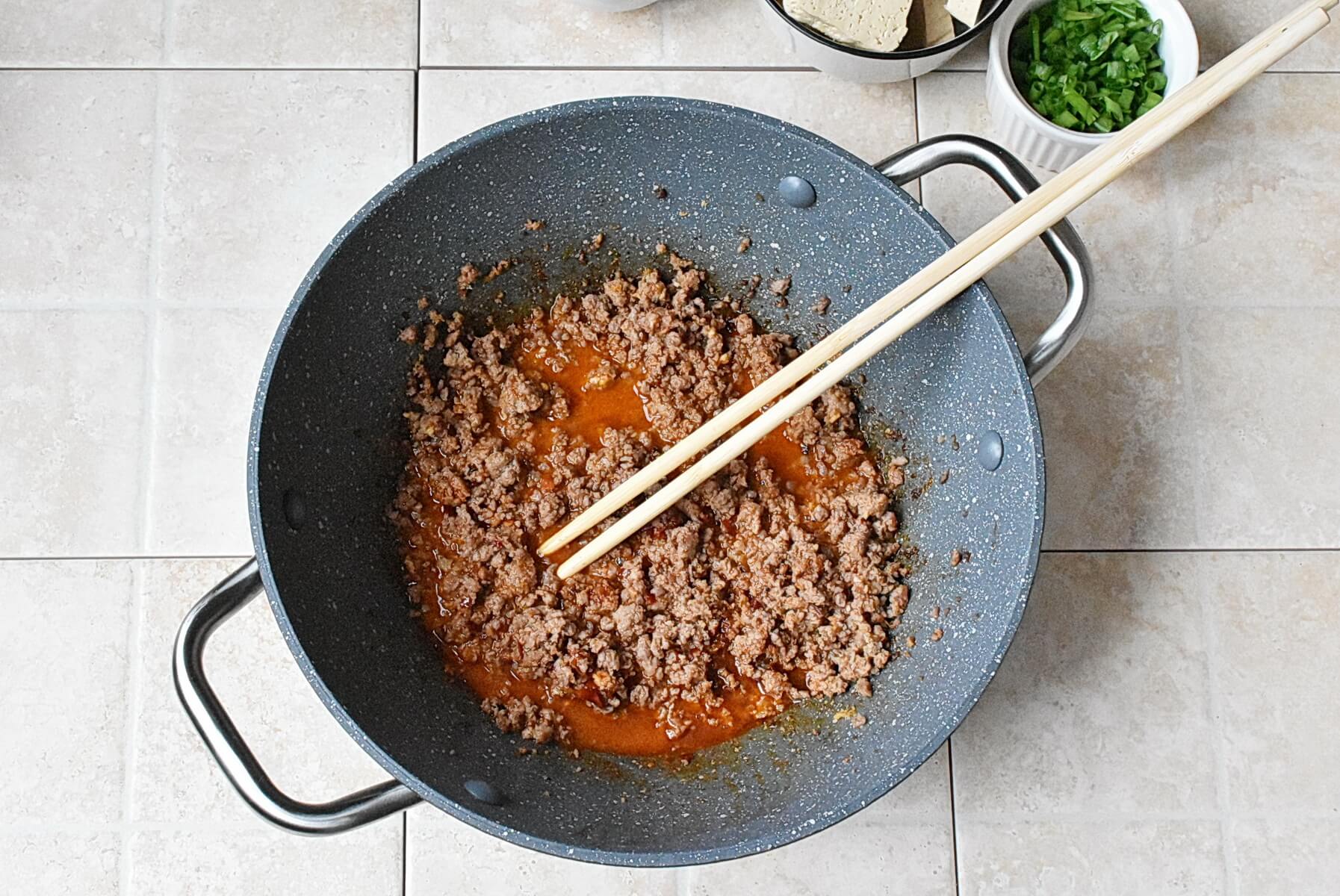
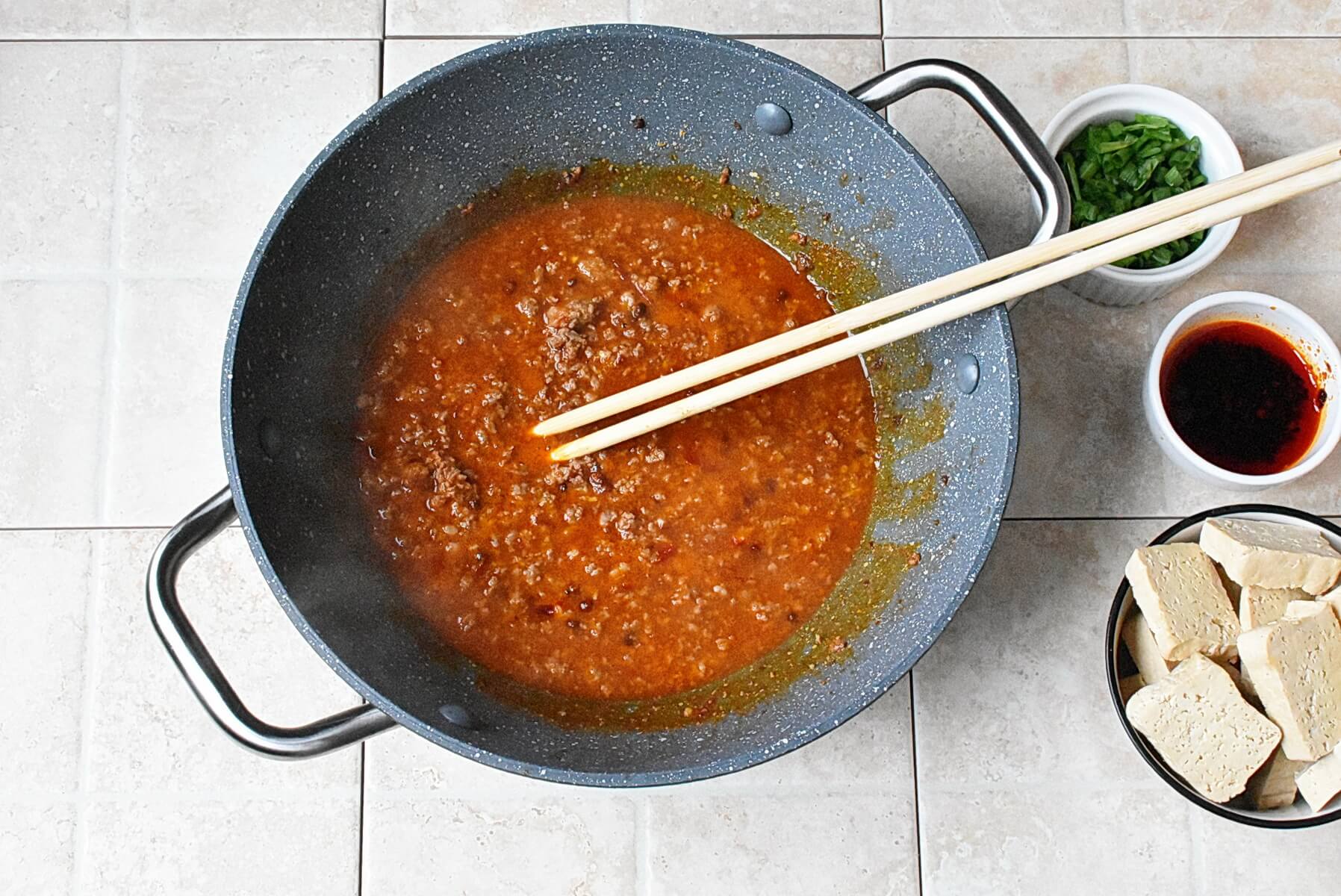
Add 1 tablespoon Shaoxing wine, 2 tablespoons chili bean paste, ¼ cup chicken broth or water, and 1 teaspoon cornstarch and stir well until smooth. Simmer over medium heat until the sauce thickens a bit, about 3-4 minutes.
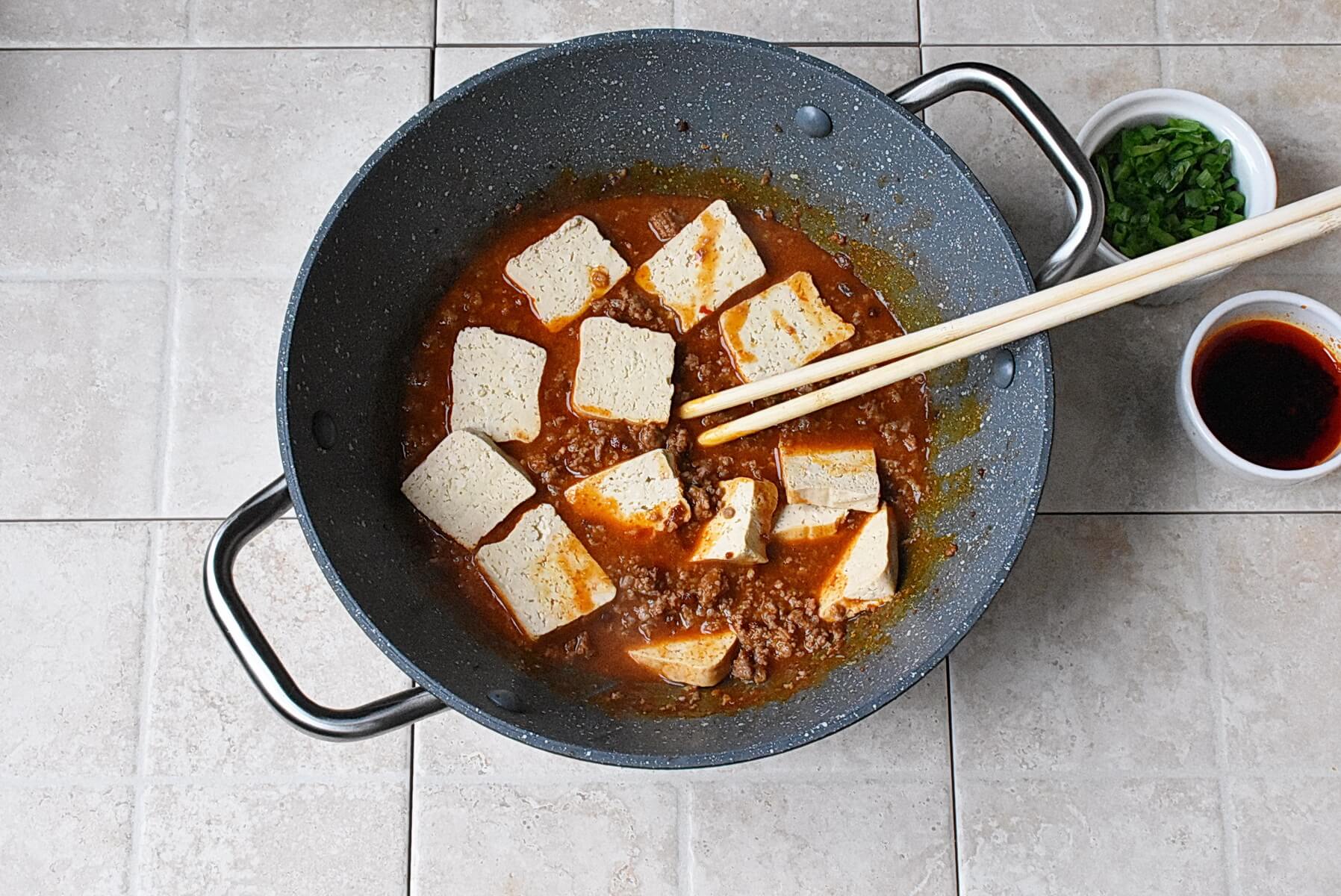
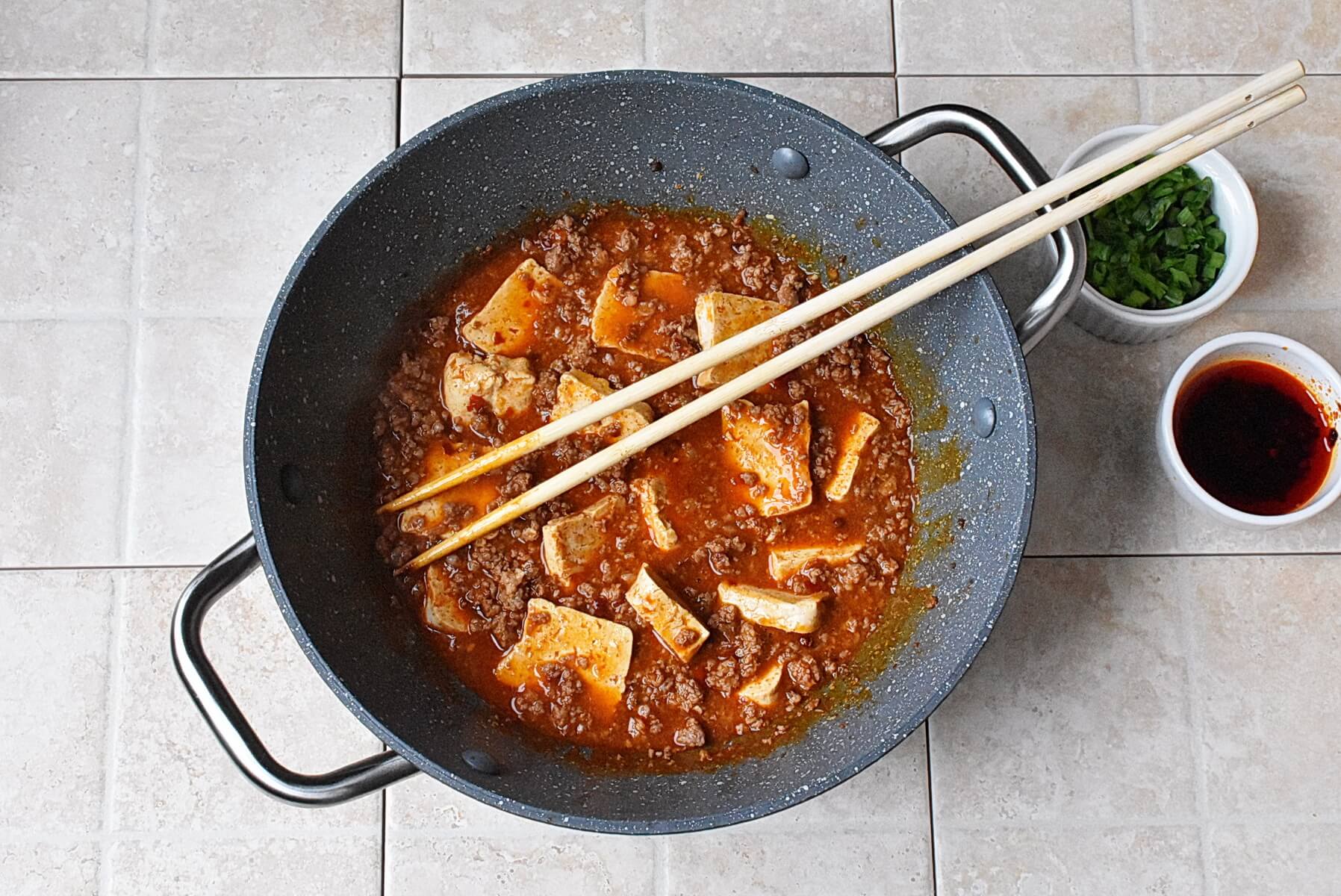
Add in 1 pound cubed tofu and toss gently to coat. Alternatively, you can heat the cubed tofu in a pot of boiling water over medium heat for 1-2 minutes to firm it up a little, before adding it to the sauce.
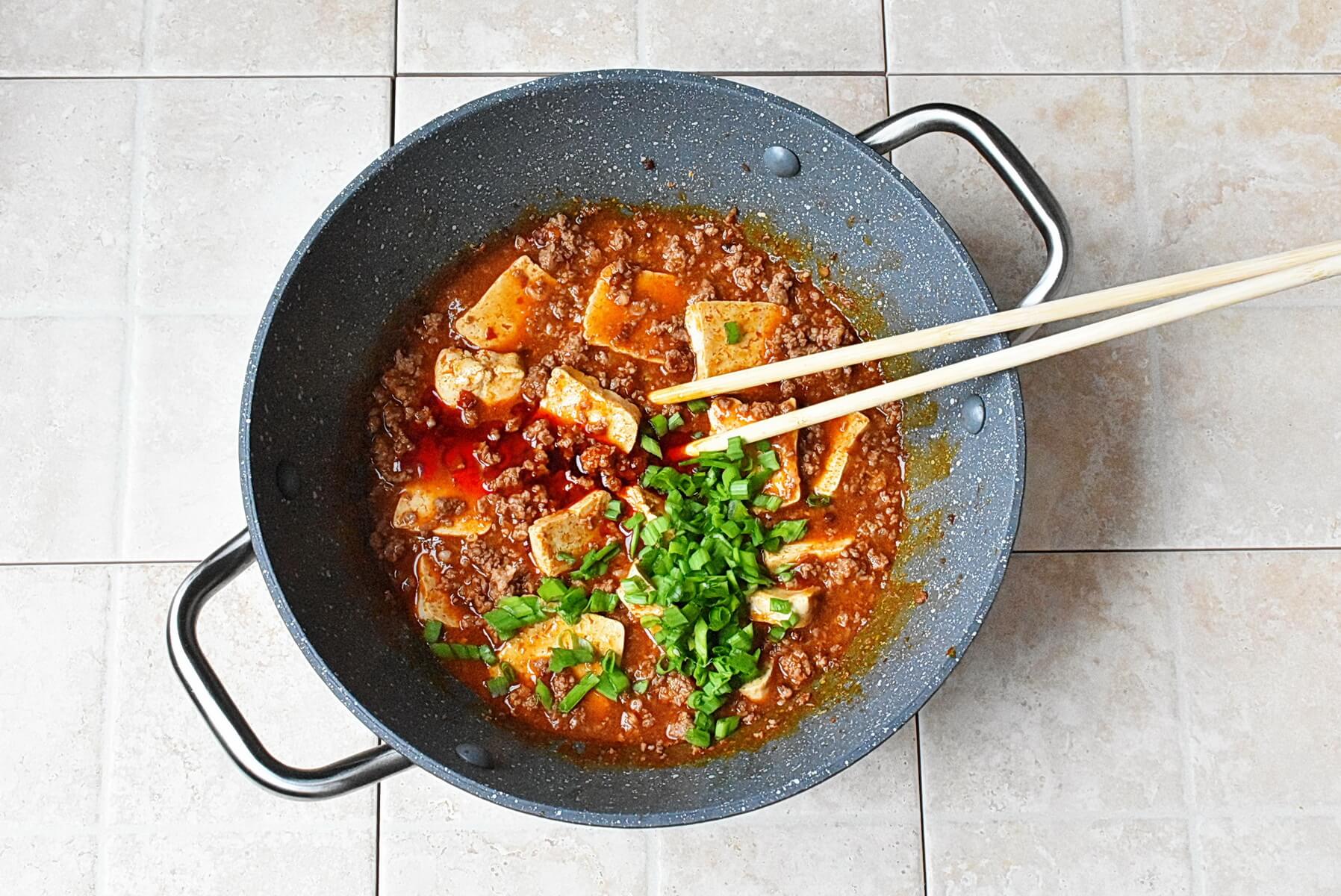
Stir in ½ teaspoon sesame oil or chili oil and ¼ cup chopped green onions and simmer for 1 minute.
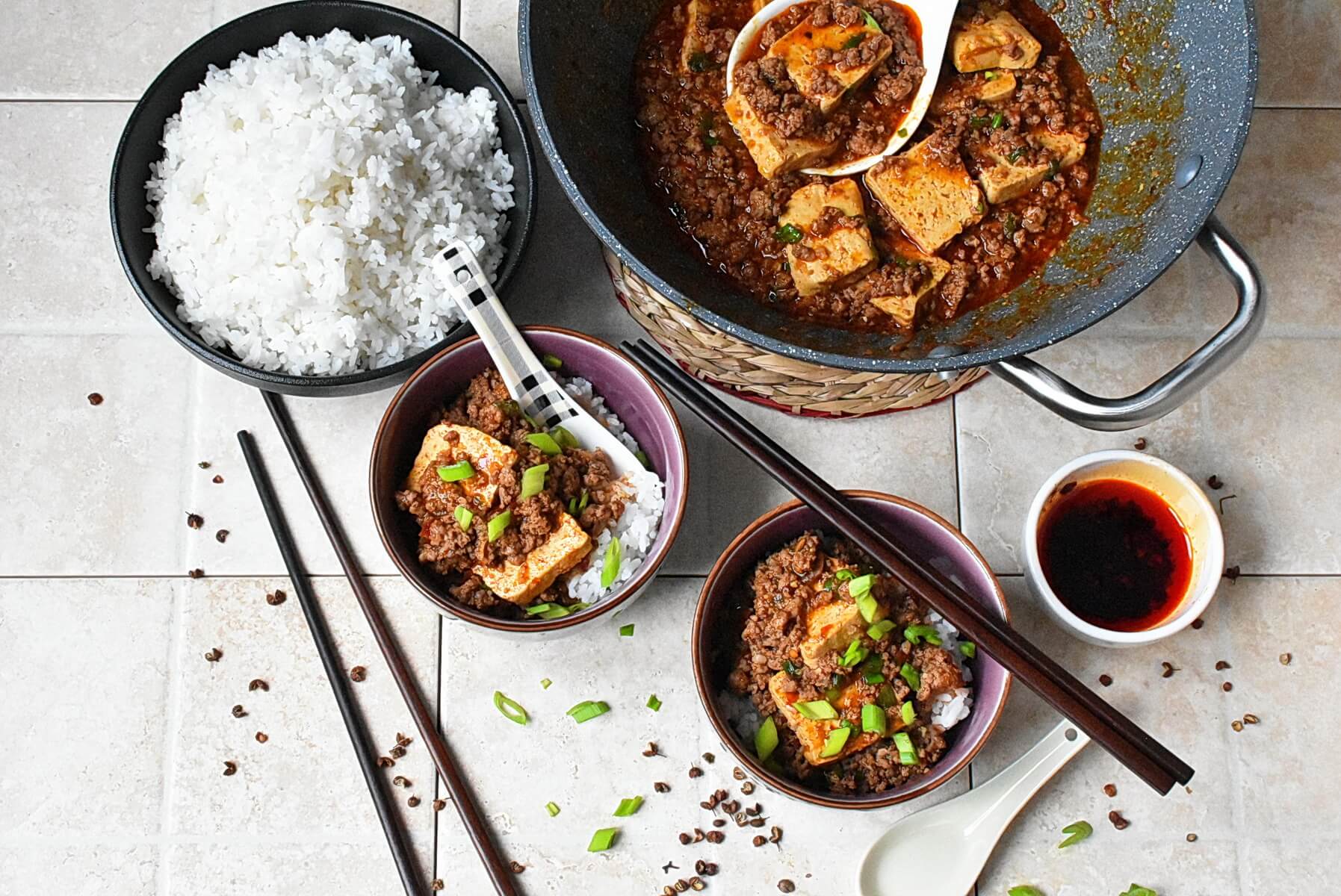
Serve immediately with a bowl of steamed rice. Enjoy!
Gear is simple: a large skillet or wok, a wooden spoon or spatula, a sharp knife, and a cutting board. A grater for the ginger helps. A small bowl to mix the cornstarch with broth is useful too. No fancy gadgets required. If your pan does not have a lid that is fine; we will simmer openly. I like my cast iron because it gives those browned bits that taste like memory.
Ahead of starting, mise en place calms me. Have the tofu cut into half inch cubes and the aromatics ready. It saves panic and keeps the tofu from breaking as you move fast. Sometimes I warm the tofu in hot water for a minute to firm it up. It works.
Toast the Sichuan peppercorns very briefly in a dry pan to wake up their oils. It only takes about thirty seconds over medium heat. The tingle that follows is why we bother. Do not skip the doubanjiang. Seriously. Easy mapo tofu with doubanjiang is not a gimmick; that paste brings fermented umami that turns all the rest into a cohesive sauce.
Brown the meat until there are little dark edges, five to seven minutes. Those bits are flavor anchors. If you use beef, add a pinch of white pepper to sharpen the heat. If the meat is very lean, add a touch more oil so nothing sticks. I learned that in a messy Austin kitchen where adventures trumped precision.
Mix the cornstarch with a bit of broth to make a slurry and add it last. That glossy silk is important. Also, warm the tofu a little if it has just come from the fridge so the sauce does not thin out. Finish with a drizzle of chili oil or sesame oil for aroma and shine. The colors pop like a tube of cadmium red on a palette.
One more thing: taste as you go. Adjust crushed red pepper to your heat tolerance. Too much steam and you lose the balance; just the right level and the pepper sings along with the numbing peppercorns. The spices just… they work. Honestly, sometimes I mess it up and it is still delicious. Actually, scratch that. Most times I get it right.
Meatless option: swap the ground beef for finely chopped shiitake or portobello. Mushrooms soak up flavor and give a chewy contrast to the tofu. I call this version Mushroom Mapo because it feels like a woodland translation of the street food classic. If mushrooms are not your thing, cooked lentils make a good stand in as well.
If you want more heat and Southeast Asian brightness, add Thai bird chilies and a stalk of bruised lemongrass. It is a playful take that reminds me of Bangkok streets. It is louder, but it works for gatherings.
For a quick weekday twist try Stir-fried mapo tofu by cranking the heat higher after the tofu goes in and tossing for two minutes so the edges sear. That method gives you a textural contrast between a crisp exterior and a saucy interior and saves time when you are rushed.
And yes, you can use pork. Spicy tofu with ground pork keeps a sweeter, rounder profile that pairs wonderfully with the doubanjiang. Pork browns faster and releases fat that both carries and softens the spices.
Serve with steamed rice so the grains soak up the sauce. Jasmine is floral and lovely; brown rice brings a nutty counterpoint. This dish is Chinese comfort food at its best: warming, a little loud, and very satisfying.
Garnish with chopped green onion and a drizzle of sesame oil. A cucumber salad on the side calms the heat. For drinks, jasmine tea or a light beer do the job of cooling the palate.
What if I want spicy tofu with ground pork instead of beef?
Go for it. Use the same amount, half pound, and brown it until the pink is gone. Pork gives a rounder, sweeter note that sings with doubanjiang. If the pork is very lean, add a teaspoon of oil so the pan does not stick.
How can I make this as a stir fried mapo tofu for quicker prep?
Heat up the pan and toss the tofu quickly for two minutes after adding it so the edges get crisp while the sauce clings. Stir fast and gentle so the cubes hold together. This is my go to on nights when I am short on time.
Is there a way to enjoy mapo tofu without doubanjiang if I cannot find it?
Yes. Mapo tofu without doubanjiang can be made by mixing a tablespoon of soybean paste with a tablespoon of chili sauce. Simmer them into the broth so they bloom and give you fermented depth without the exact paste. I have done this many times when the shelves ran dry and it still tasted like home.
Can I make this milder for kids?
Cut the crushed red pepper and peppercorns in half and add a teaspoon of sugar to round the edges. The result is a gentle warmth that keeps the soul of the dish without making little mouths cry.
Why is this a good recipe for beginners?
Minimal steps, big payoff. You will practice browning, seasoning, and thickening with visible progress at each stage. That sense of momentum makes cooking feel like play instead of work.
This spicy and deeply satisfying Mapo Tofu is brimming with rich umami from Sichuan pepper and chili bean paste. It is also easy to make at home and tastes so delicious. Plus, it’s vegan adaptable! If you give this recipe a go, remember to tag us @cookmerecipes on Instagram – we love seeing your creations!

It's definitely one of the best 'gateway tofu' dishes. Thanks for sharing the recipe.
 Dairy-Free Recipes
 Gluten Free Recipes
 Spicy Recipes