Fast (≤ 30 min)
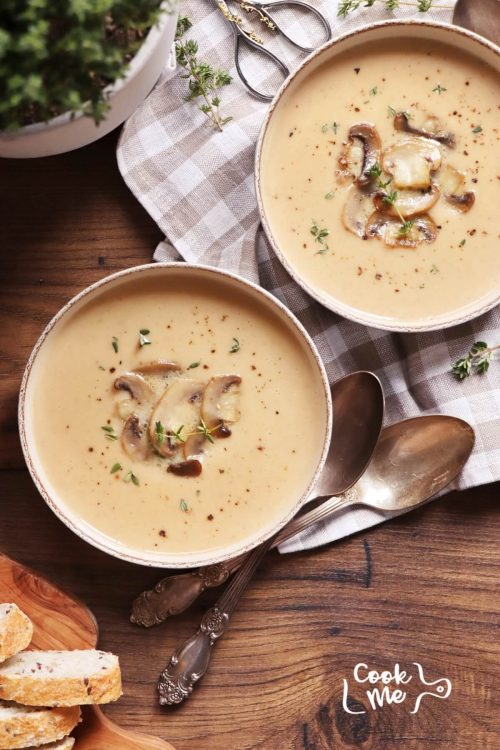

Ukrainian cuisine celebrates the bounty of fertile black soil with soul-warming dishes that bring families together. From UNESCO-protected borscht to pillowy varenyky dumplings, these recipes reflect centuries of tradition rooted in hospitality and resilience. Each dish tells a story of seasonal abundance, clever preservation techniques, and the Ukrainian spirit of making every meal a celebration. Whether you’re craving the deep, earthy flavors of red beet soup or the satisfying comfort of cheese-filled dumplings, these authentic recipes will transport your kitchen to the welcoming tables of Ukraine.

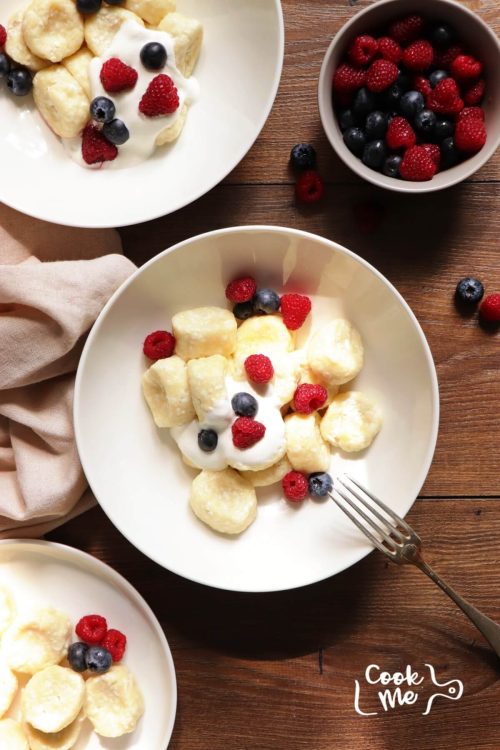
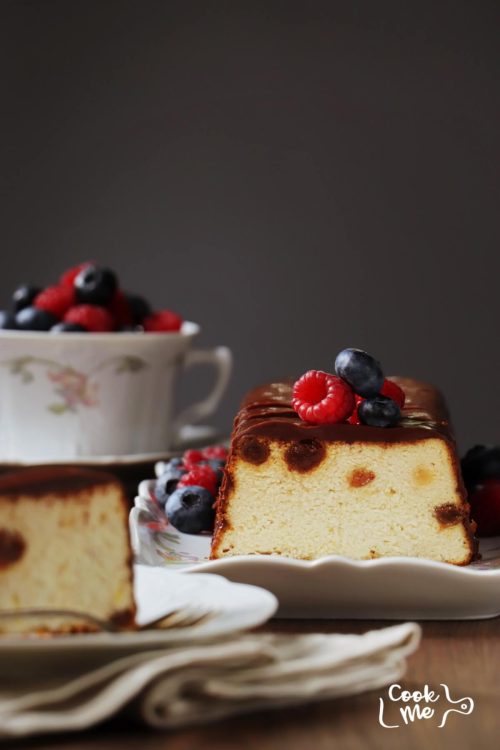

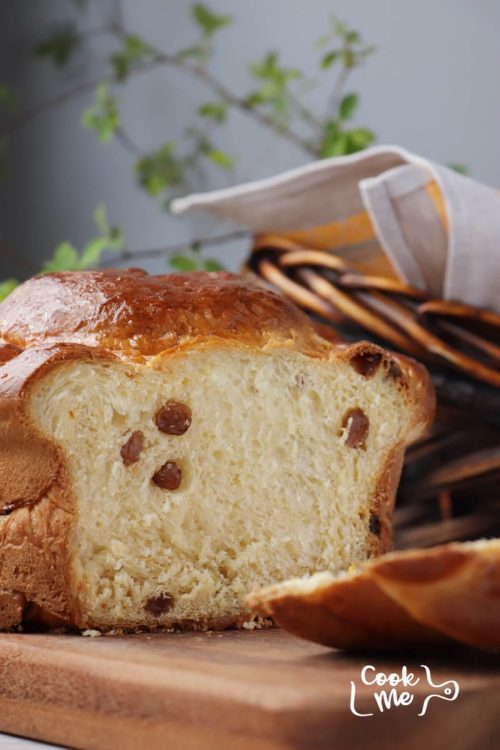

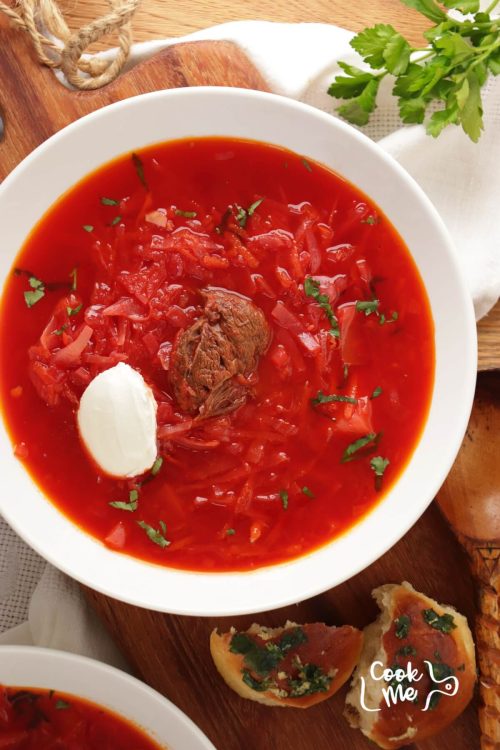
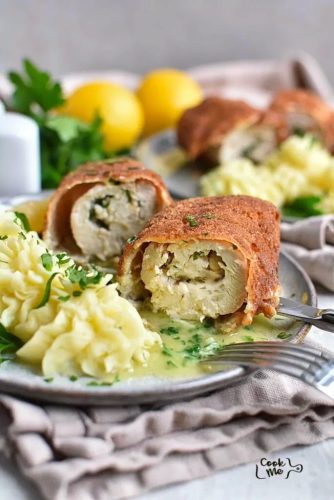

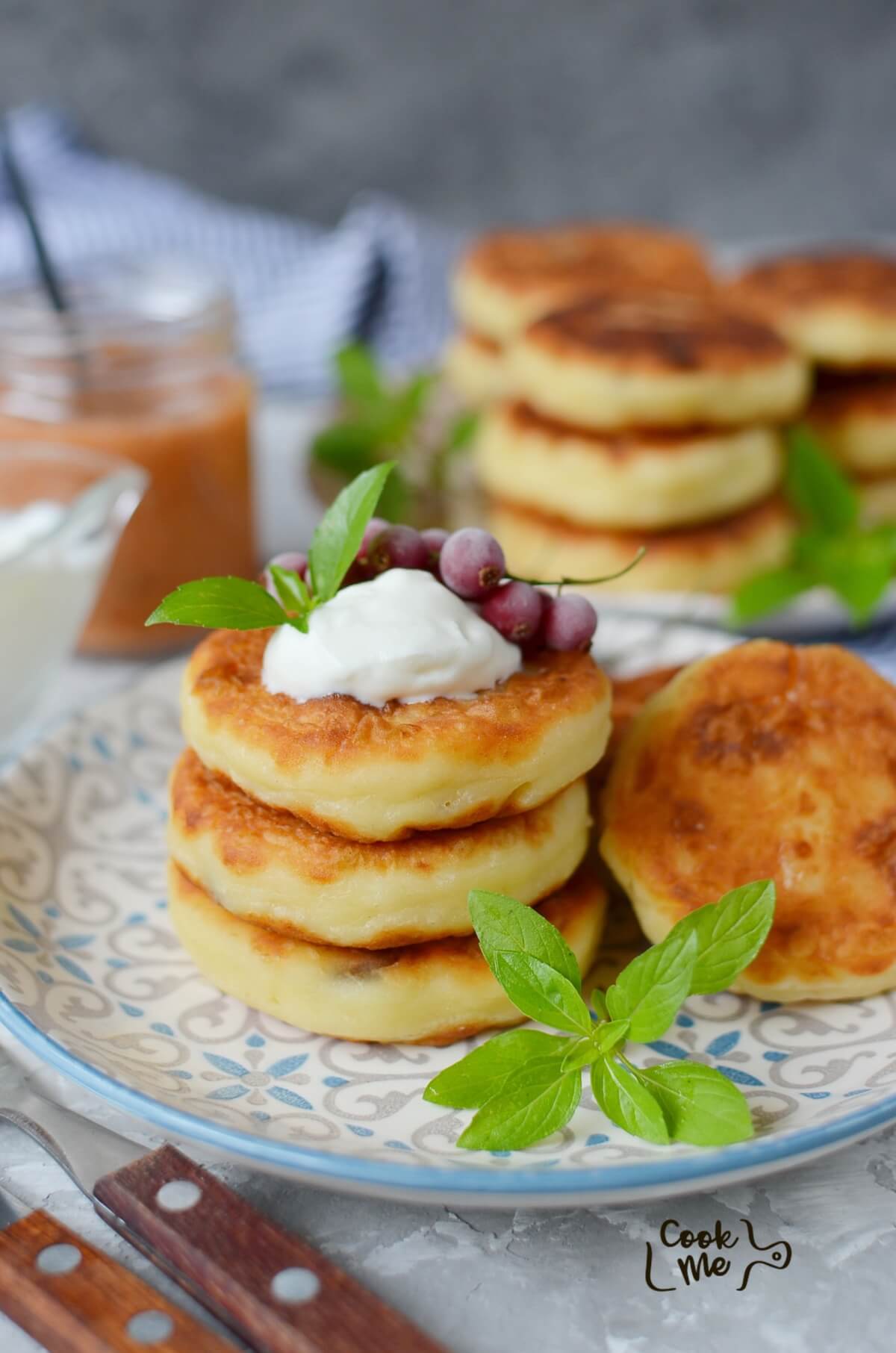
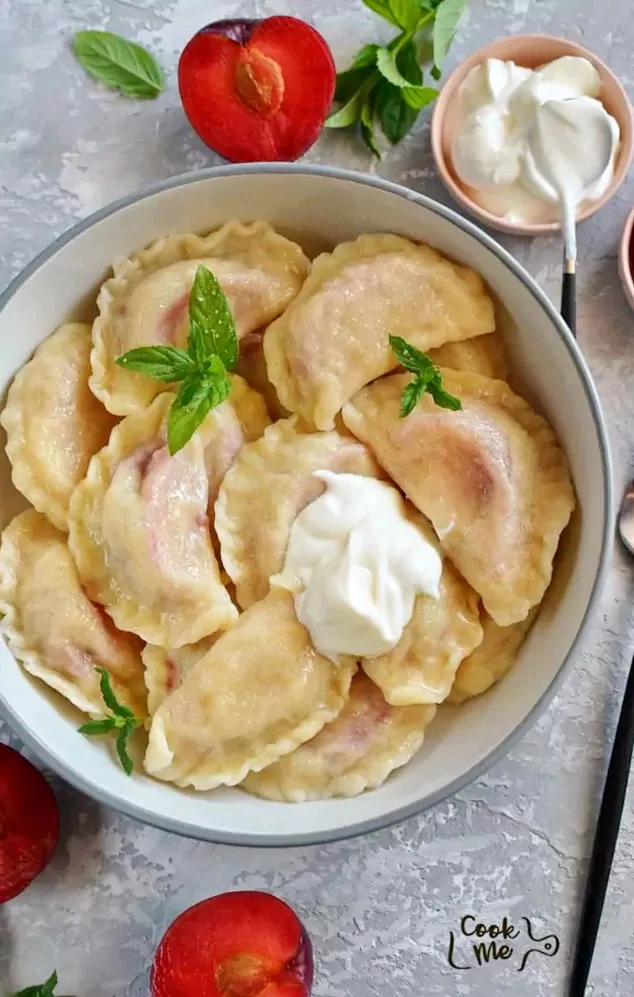
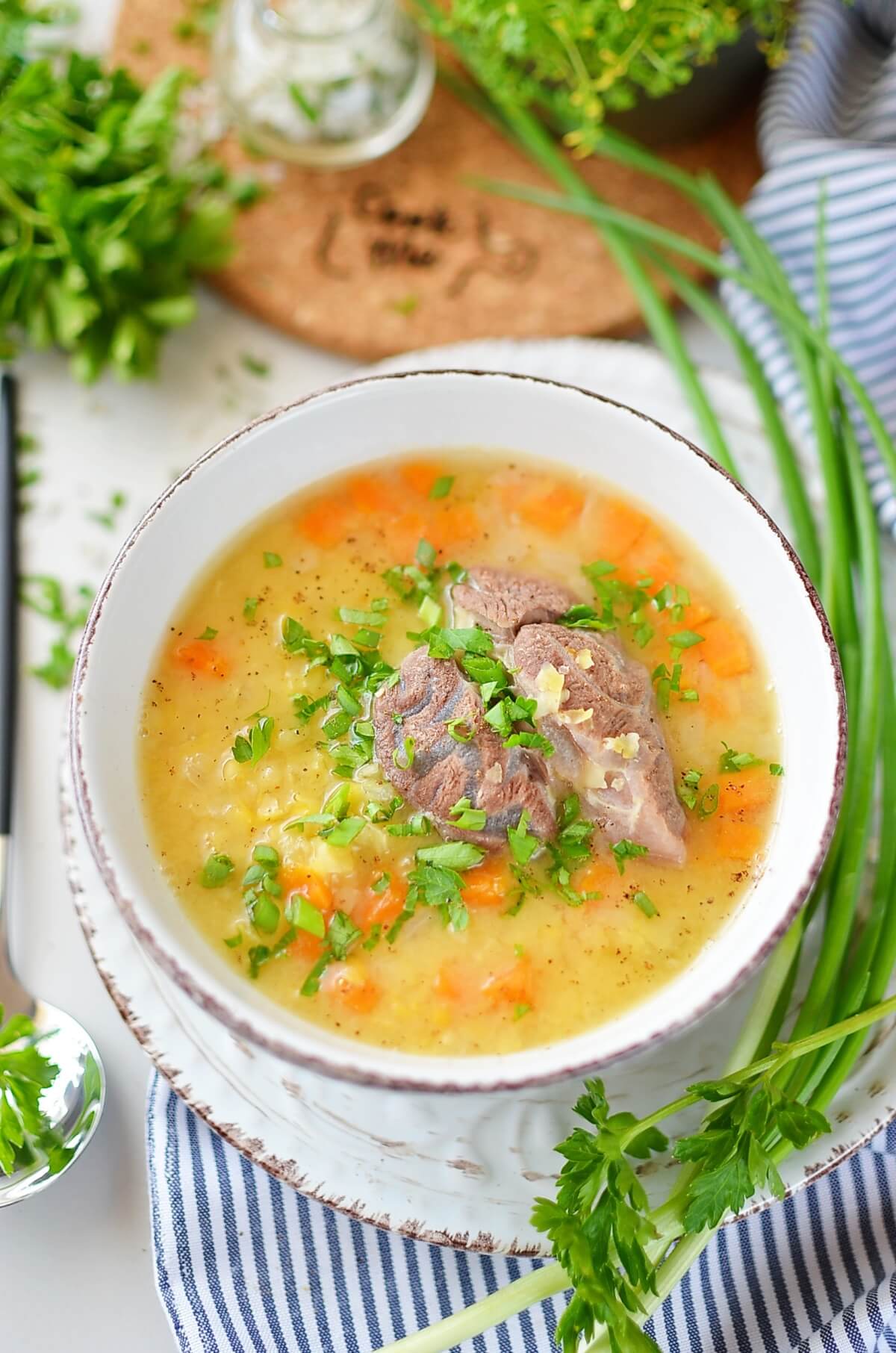

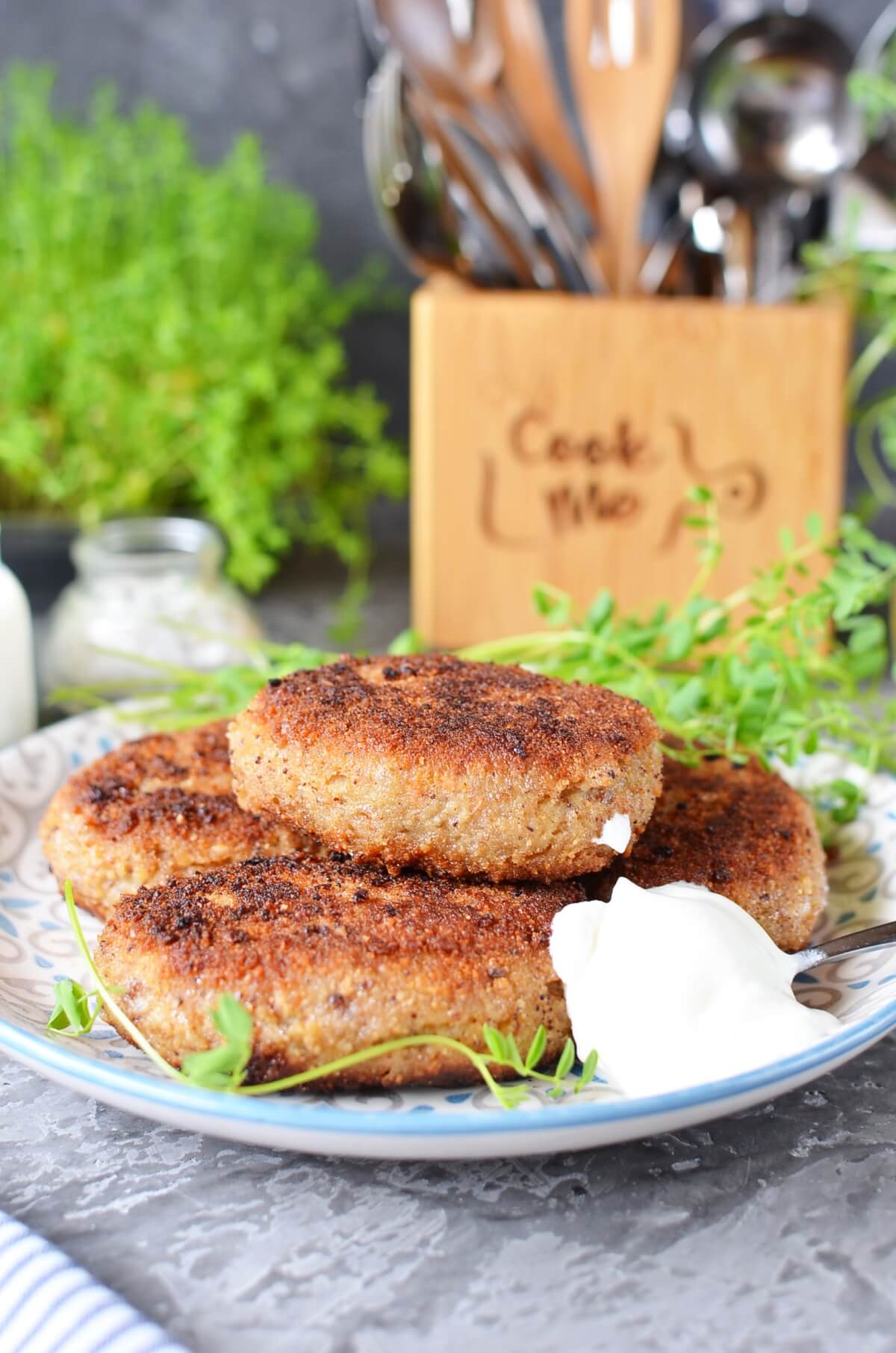
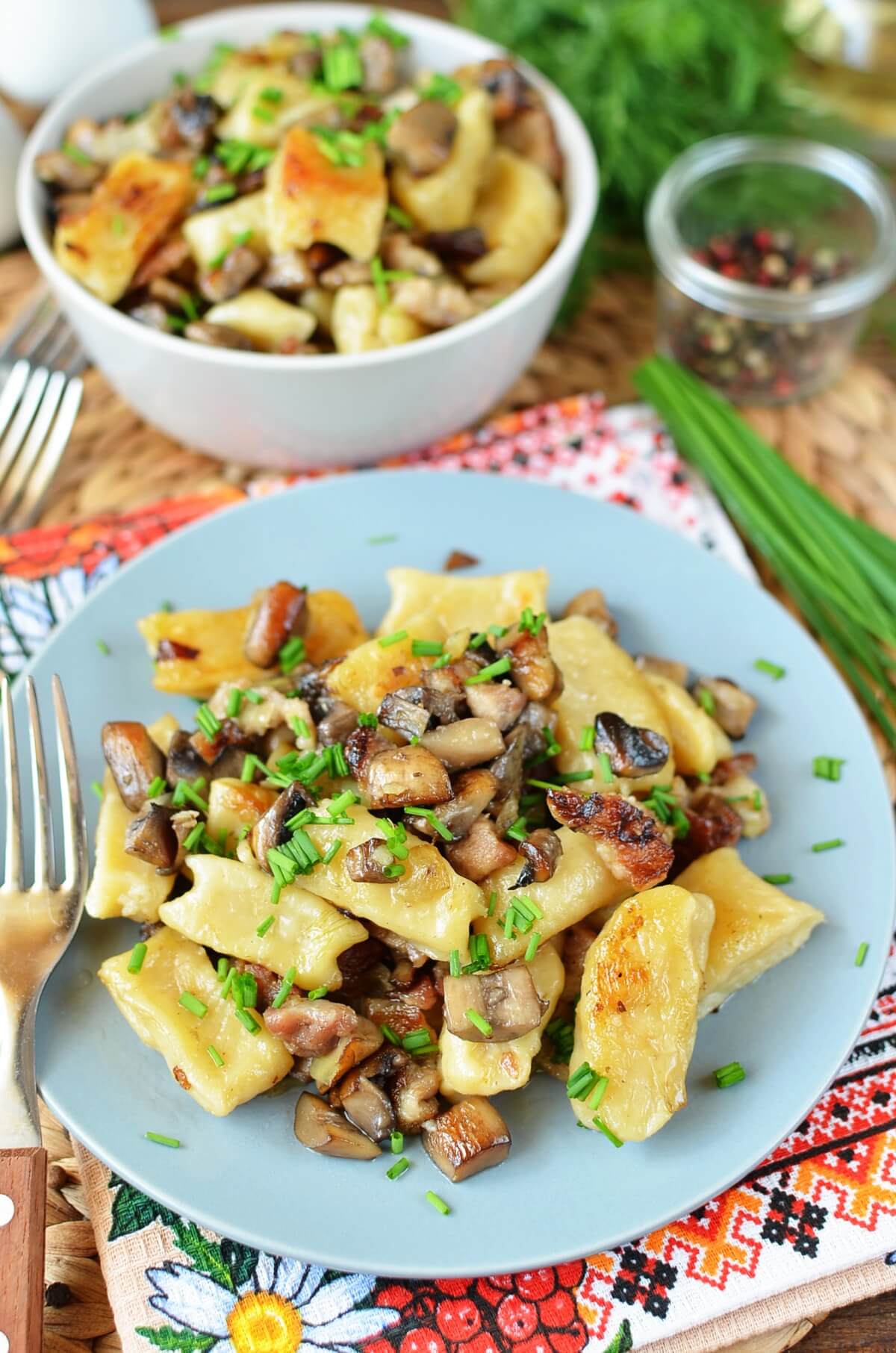
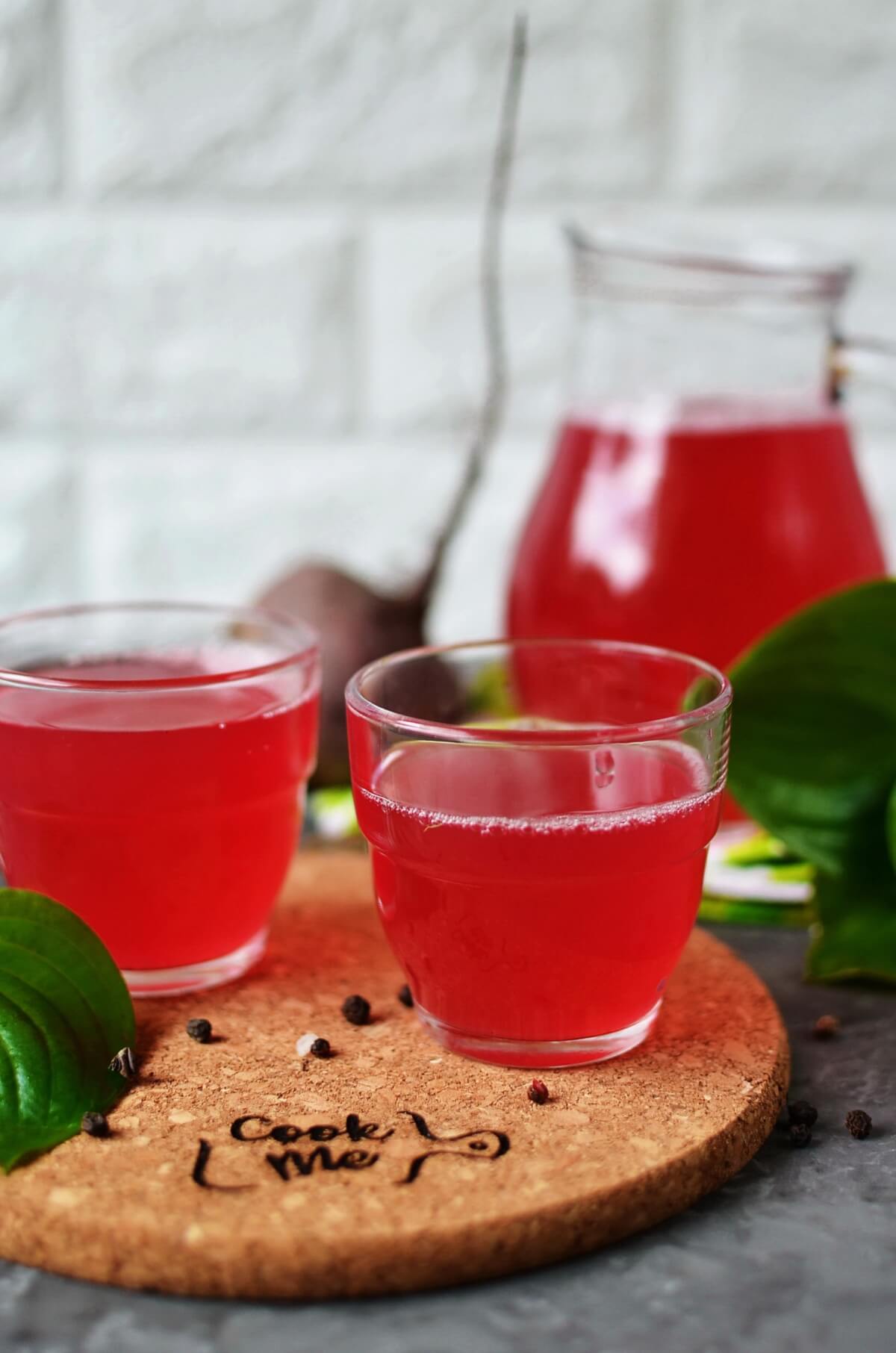
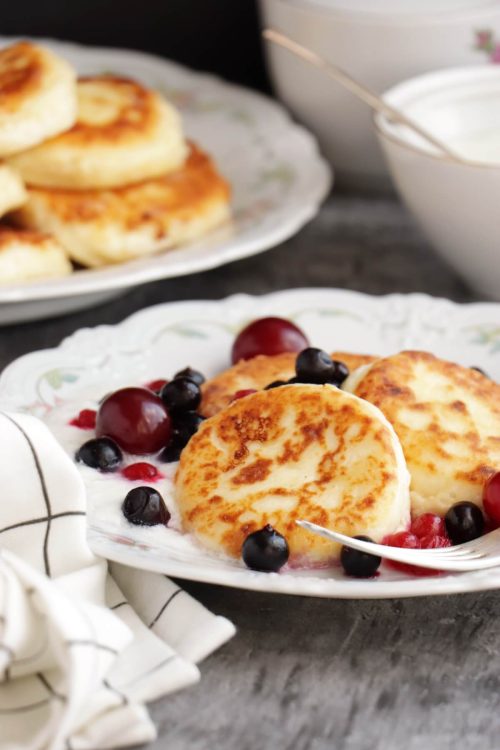
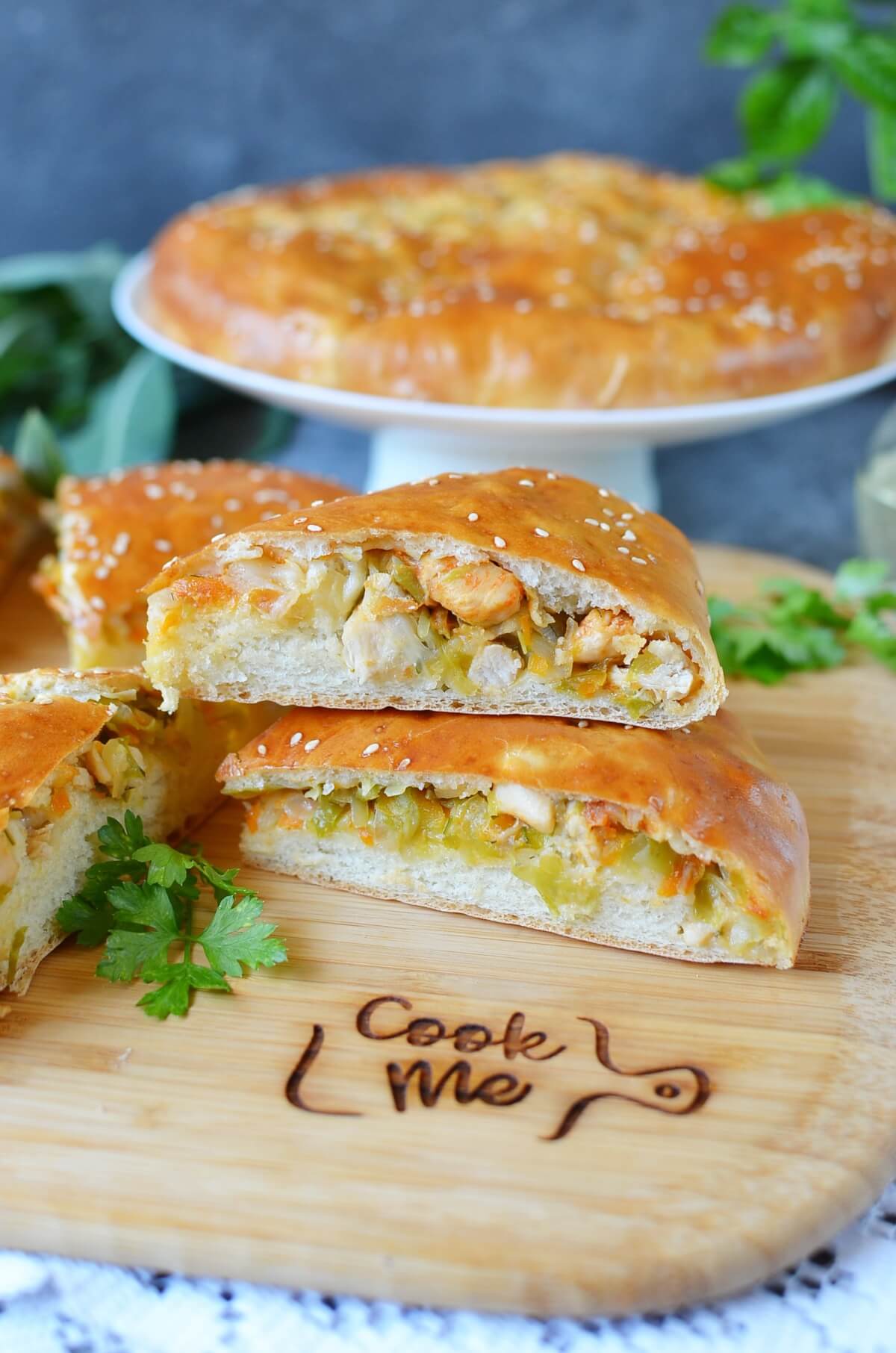

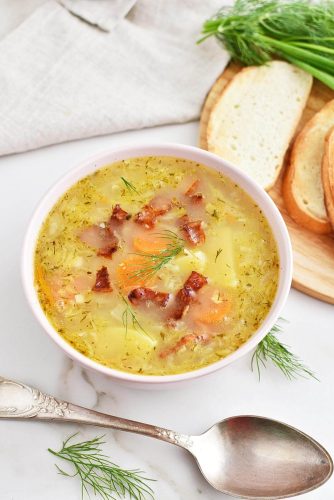
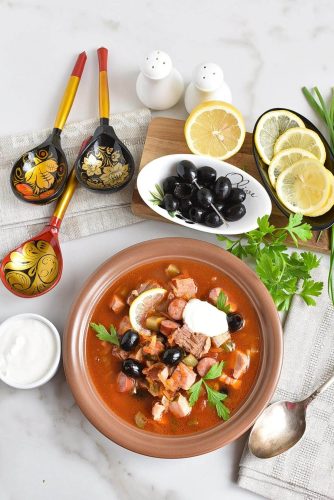
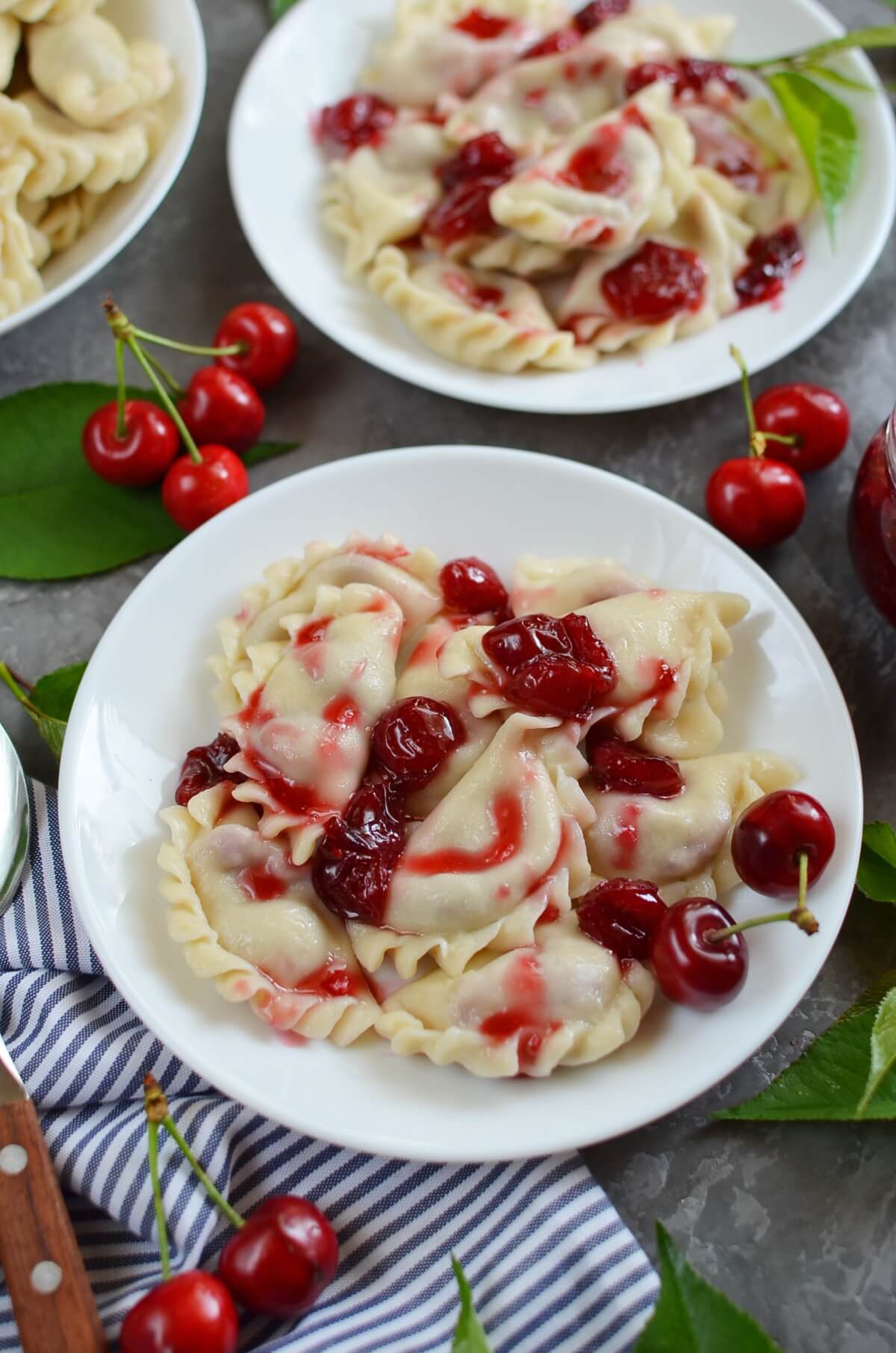
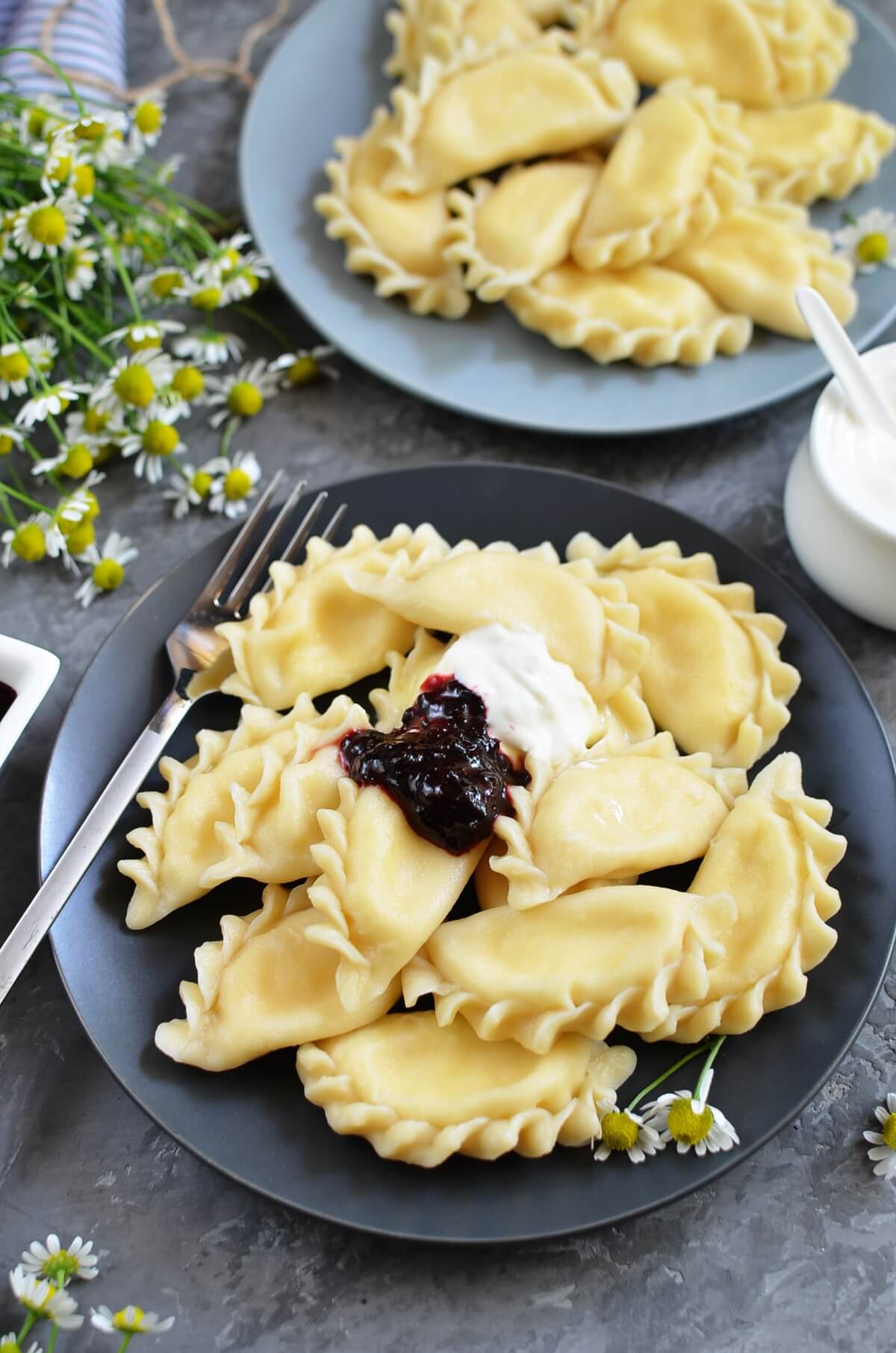
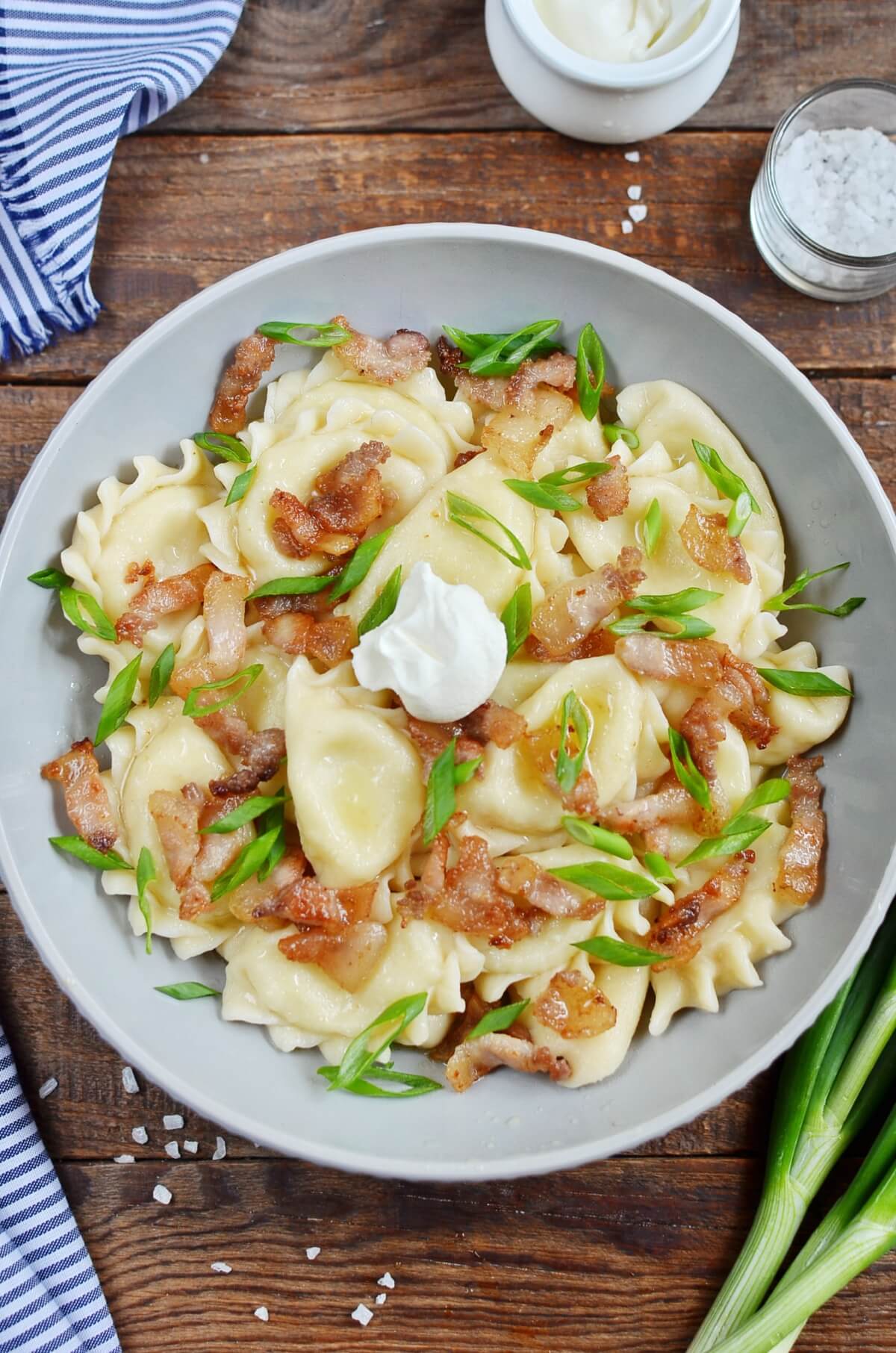
Ukrainian cuisine has its roots in some of the world's most fertile soil, the famous chornozem (black earth) that has fed civilizations for thousands of years. This food tradition tells the story of people who knew that good meals mean good living.
It all started with ancient Slavic tribes settling along the Dnieper River. They grew hardy grains like rye, wheat, and barley. For these early settlers, rye meant life itself. The Ukrainian word for rye, "zhyto," actually means "to live." This shows how important grain was to Ukrainian culture from the very beginning.
During medieval times, Ukraine sat at the crossroads where Byzantine elegance met nomadic practicality. Constantinople traders brought spices, while Cossack warriors added filling, portable meals perfect for steppe life. This mix created Ukraine's signature approach: bold flavors that fill you up and warm your heart.
The 20th century changed everything. The terrible Holodomor (1932-1933) transformed how Ukrainians think about food. It created deep respect for every grain and a promise that tables should never be empty again. Today's Ukrainian cooking honors both plenty and memory, keeping old methods alive while trying new ideas.
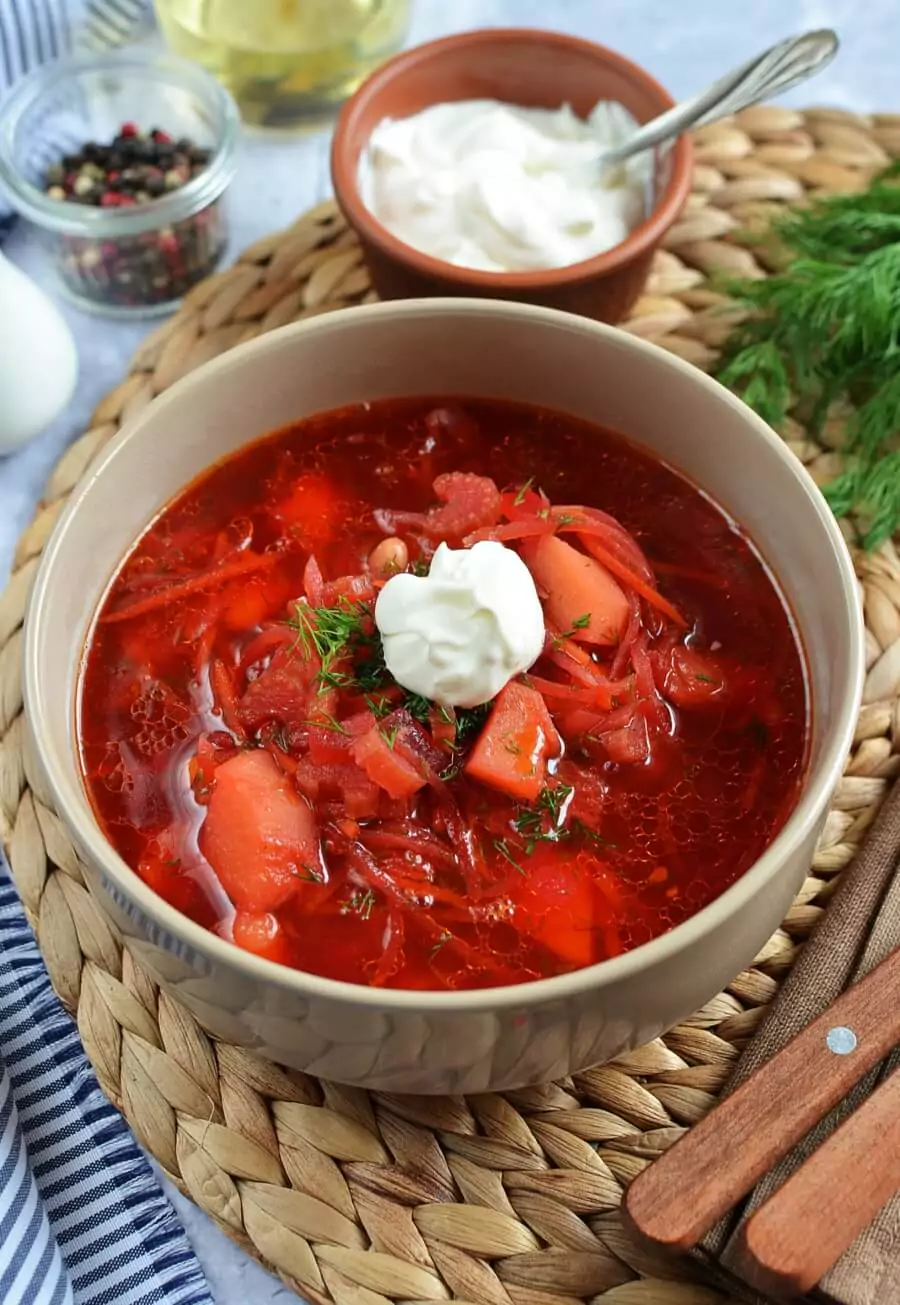
In 2022, Ukrainian borscht cooking culture got UNESCO Intangible Cultural Heritage protection. This recognition shows that borscht isn't just soup. It's a living tradition that brings people together across generations. With over 30 different regional recipes, borscht captures Ukrainian creativity and strength in one warming bowl.
Ukraine stretches from Carpathian mountains to Black Sea coasts. This huge geography creates different regional food styles based on local ingredients and cultural influences.
Carpathian cooking focuses on hearty, warming foods. Think mountain-cured meats, wild mushrooms, and dairy from highland farms. Here, varenyky get filled with bryndza (sheep's cheese) and topped with crispy bacon bits. Hungarian and Polish neighbors left their mark with dishes like banosh (cornmeal with cheese) and rich, paprika-spiced stews.
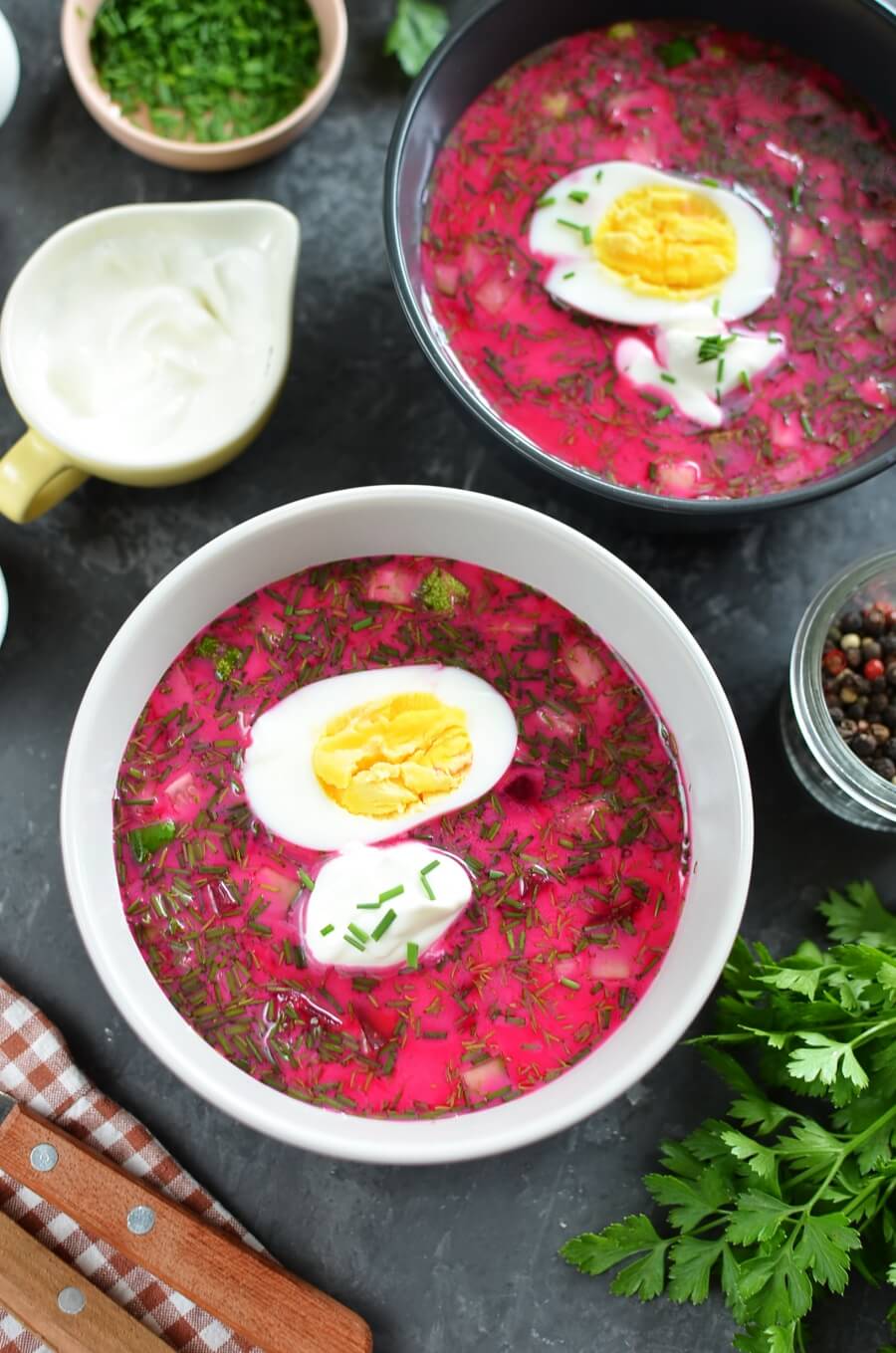
This region gave birth to borscht. Fertile plains grow the sweetest beets and most flavorful vegetables. Central Ukrainian cooking celebrates farm abundance with dishes that showcase the best seasonal produce. Summer brings cold borscht (holodnyk) made with kvass and fresh herbs. Winter features the classic red borscht that made Ukrainian cuisine famous worldwide.
Industrial cities created robust, protein-rich dishes to fuel hard-working people. Eastern Ukrainian food has more meat, clever uses for preserved foods, and hearty soups that could keep miners and steelworkers going through long shifts.
Coastal areas prefer lighter, fish-centered dishes and were first to use tomatoes (which traditional northern recipes still skip). Greek and Turkish historical connections add unique spices and cooking methods you won't find elsewhere in Ukraine.
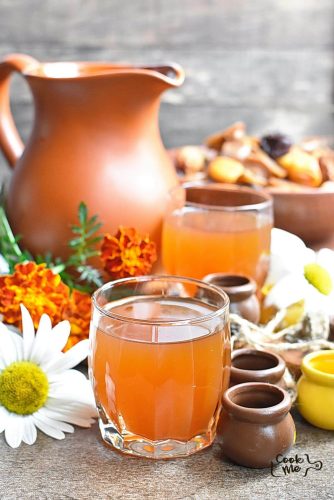
Ukrainian celebrations center on specific dishes with symbolic meaning. Christmas Eve features twelve meatless dishes including kutya (sweet grain pudding) and uzvar (dried fruit drink). Easter brings paska bread and decorated eggs. Weddings traditionally include korovai, an elaborate braided ceremonial bread representing prosperity and unity.
Authentic Ukrainian flavors start with understanding the ingredients that form this cuisine's foundation. These aren't fancy imports. They're simple ingredients that create amazing results through traditional techniques.
The heart of Ukrainian cooking. Pick firm, deep-red beets without soft spots. Fresh beet juice creates the signature color, while roasted beets add earthy sweetness.
More than just a topping. It's a cooking ingredient that adds richness and tang. Look for full-fat versions with live cultures for the most authentic flavor.
Ukraine's favorite herb shows up in almost every dish. Use plenty and add fresh at the end of cooking to keep its bright flavor.
Ukraine grows tons of sunflowers, and this neutral oil is traditional for most cooking. Its high smoke point makes it perfect for the initial frying (smazhennya) that builds flavor layers.
Both fresh white cabbage and fermented sauerkraut are pantry must-haves. Sauerkraut adds good bacteria and tangy depth to winter dishes.
This protein-rich grain is a Ukrainian superfood. Toast whole groats before cooking for a nutty flavor that goes perfectly with mushrooms.
Ukrainian seasoning is subtle but smart. Bay leaves, black peppercorns, and garlic form the aromatic base. Paprika and caraway seeds add warmth without overpowering delicate vegetable flavors. Fresh herbs, especially dill, parsley, and green onions, get used generously and often added just before serving.
Ukrainian cooks mastered food preservation long before refrigeration. Fermentation, smoking, and root cellaring techniques grew out of necessity but created incredible flavors. Home cooks can easily make sauerkraut, pickled vegetables, and even simple fermented beet kvass, the traditional souring agent for authentic borscht.
Ukrainian cooking might look simple, but it uses specific techniques that build layers of flavor and create the satisfying textures that make these dishes so memorable. Master these methods, and you'll cook like a Ukrainian grandmother.
Most Ukrainian dishes start with zaprashka, a slow-cooked mixture of onions, carrots, and sometimes celery that forms the flavor foundation. This isn't quick sautéing. It's patient cooking until vegetables become sweet and golden. This technique shows up in everything from borscht to braised cabbage rolls.
Ukrainian dishes often use a two-step cooking process: first frying (smazhennya) to develop flavors, then braising or stewing (tushennya) to marry ingredients. This technique creates the deep, complex tastes that make Ukrainian comfort food so satisfying.
Perfect varenyky dough should be tender but strong enough to hold fillings. The secret is the right flour-to-liquid ratio and proper kneading. Ukrainian cooks test dough readiness by pressing gently. It should spring back slowly, showing proper gluten development without toughness.
Traditional Ukrainian cooking uses natural fermentation to create complex flavors and preserve foods. Beet kvass for borscht, fermented cabbage, and soured dairy products all rely on helpful bacteria that develop over time. Modern cooks can get similar results using cultured buttermilk or kombucha starter to speed up fermentation.
Ukrainian dishes rarely use high heat. Low, slow cooking lets flavors develop gradually and prevents delicate vegetables from getting mushy. Borscht, for example, should simmer gently, never boil hard, to keep the beets' color and nutrients.
Understanding Ukrainian food culture changes cooking from following recipes to joining a living tradition. Food isn't just fuel in Ukraine. It's communication, celebration, and connection rolled into every shared meal.
Ukrainian hospitality works on a simple rule: guests are gifts from God and must be fed well. The table should overflow with choices, and hosts take pride in sending visitors home with leftovers. This tradition explains why Ukrainian portions are generous and why saying "no thank you" to offered food can actually hurt feelings.
Traditional Ukrainian meals follow a logical order that maximizes nutrition and satisfaction. Soups start most meals. They're filling, warming, and help with digestion. The main course typically features protein with vegetables or grain. Fresh or pickled vegetables provide acidic contrast to rich dishes.
Bread holds sacred status in Ukrainian culture. It's never wasted, never thrown away, and always treated with respect. Traditional families kiss bread that accidentally falls to the ground. This respect comes from historical periods of scarcity and the understanding that bread represents life itself.
Ukrainian food culture follows natural rhythms that modern diets often ignore. Spring brings detoxification with early greens and light soups. Summer celebrates fresh vegetables and cold preparations. Autumn focuses on preservation and hearty dishes that build energy for winter. Winter relies on stored foods, fermented vegetables, and warming spices.
Traditional Ukrainian cooking is group activity. Making varenyky brings families together around the kitchen table, with everyone helping to fill and shape dumplings while sharing stories. This social aspect turns cooking from chore to celebration, strengthening family bonds through shared work and anticipation.
Ukrainian Orthodox Christianity influences food traditions through fasting periods and feast celebrations. Lenten restrictions led to creative meatless dishes that are now cuisine highlights. Easter and Christmas foods carry symbolic meanings. Paska bread represents resurrection, while kutya's three main ingredients (grain, honey, poppy seeds) symbolize prosperity, sweetness, and peace.
Ukrainian cuisine is having a renaissance moment as the world discovers what Ukrainians have always known: this food combines incredible flavor with soul-warming comfort. Contemporary chefs are elevating traditional dishes while home cooks worldwide embrace Ukrainian techniques for their own kitchens.
Modern Ukrainian chefs are reimagining classics with updated techniques and presentations while respecting traditional flavors. Fine dining restaurants in Kyiv and Lviv serve deconstructed borscht, elevated varenyky with creative fillings, and modern interpretations of Soviet-era dishes that reclaim Ukrainian culinary identity.
Ukrainian cuisine's emphasis on vegetables, fermented foods, and whole grains fits perfectly with contemporary health trends. Ancient techniques like fermentation provide good bacteria. Traditional grain dishes offer complete proteins and sustained energy. Modern adaptations include gluten-free varenyky made with buckwheat flour and plant-based versions of traditional meat dishes.
Ukrainian communities worldwide have adapted traditional dishes to local ingredients while keeping essential flavors. Canadian Ukrainians developed fusion dishes using local ingredients. Argentine Ukrainian communities added South American flavors to traditional recipes. These adaptations show the cuisine's flexibility and universal appeal.
Instagram and TikTok have introduced Ukrainian comfort food to global audiences hungry for authentic, soul-satisfying dishes. Food bloggers share family recipes with international followers. Culinary tourism to Ukraine (before 2022) brought visitors eager to experience authentic borscht and varenyky in their homeland.
Ukrainian traditional cooking practices align with modern sustainability goals. Root-to-stem cooking, seasonal eating, home preservation techniques, and emphasis on local ingredients all support environmental consciousness. The cuisine's grain-forward approach also offers lower environmental impact than meat-heavy diets.
Recent global events have highlighted Ukrainian food as cultural preservation tool. Sharing Ukrainian recipes becomes an act of solidarity. Cooking traditional dishes helps maintain connections to heritage. Food serves as ambassador, introducing Ukrainian culture to new audiences and building understanding through shared meals.
While sharing some ingredients due to geographic proximity, Ukrainian cuisine has distinct characteristics: heavier use of beets and fresh herbs, more vegetable-forward dishes, unique preparation techniques like zaprashka, and cultural dishes like varenyky that reflect specifically Ukrainian traditions. The UNESCO recognition of Ukrainian borscht acknowledges these unique cultural elements.
Start with borscht (red beet soup) for the quintessential Ukrainian experience, varenyky with potato filling for comfort food satisfaction, and holubtsi (stuffed cabbage rolls) for a complete meal. These dishes showcase core techniques and flavors while being forgiving for new cooks.
Essential items include: red beets, sour cream, fresh dill, sunflower oil, cabbage, onions, carrots, potatoes, and buckwheat. For authenticity, add bay leaves, black peppercorns, farmer's cheese, and good-quality vinegar. Many ingredients are available at regular supermarkets.
Absolutely! Ukrainian cuisine includes many naturally plant-based dishes like vegetable borscht, cabbage-filled varenyky, and buckwheat dishes. Traditional fasting recipes from Orthodox Christian traditions provide excellent vegan options that maintain authentic flavors.
A heavy-bottomed pot for soups, a large skillet for zaprashka, and a rolling pin for varenyky dough cover most needs. A food grater, wooden spoons, and storage containers for leftovers complete the basic setup. No specialized equipment is required.
Most Ukrainian dishes improve with time. Borscht tastes better the next day, varenyky freeze beautifully for months, and preserved vegetables last throughout winter when properly stored. This make-ahead quality makes Ukrainian cuisine perfect for busy schedules.
Start with Eastern European delis for specialty items like farmer's cheese and authentic sour cream. Many regular supermarkets carry basic ingredients, while online retailers offer hard-to-find items like buckwheat flour and specialty vinegars.