Fast (≤ 30 min)
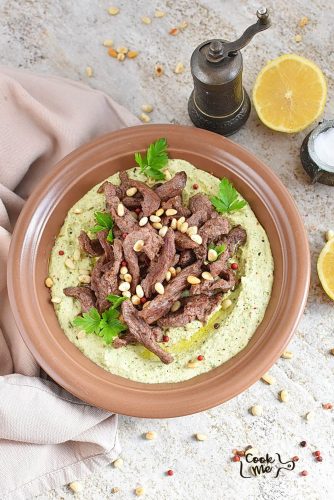

Jewish cuisine tells the incredible story of a people who’ve traveled the world, creating comfort and connection through food wherever they’ve landed. From the rich, hearty dishes of Eastern European Ashkenazi kitchens to the aromatic, spice-laden meals of Sephardic and Mizrahi communities, Jewish cooking is about so much more than following kashrut—it’s about preserving traditions that have survived millennia.
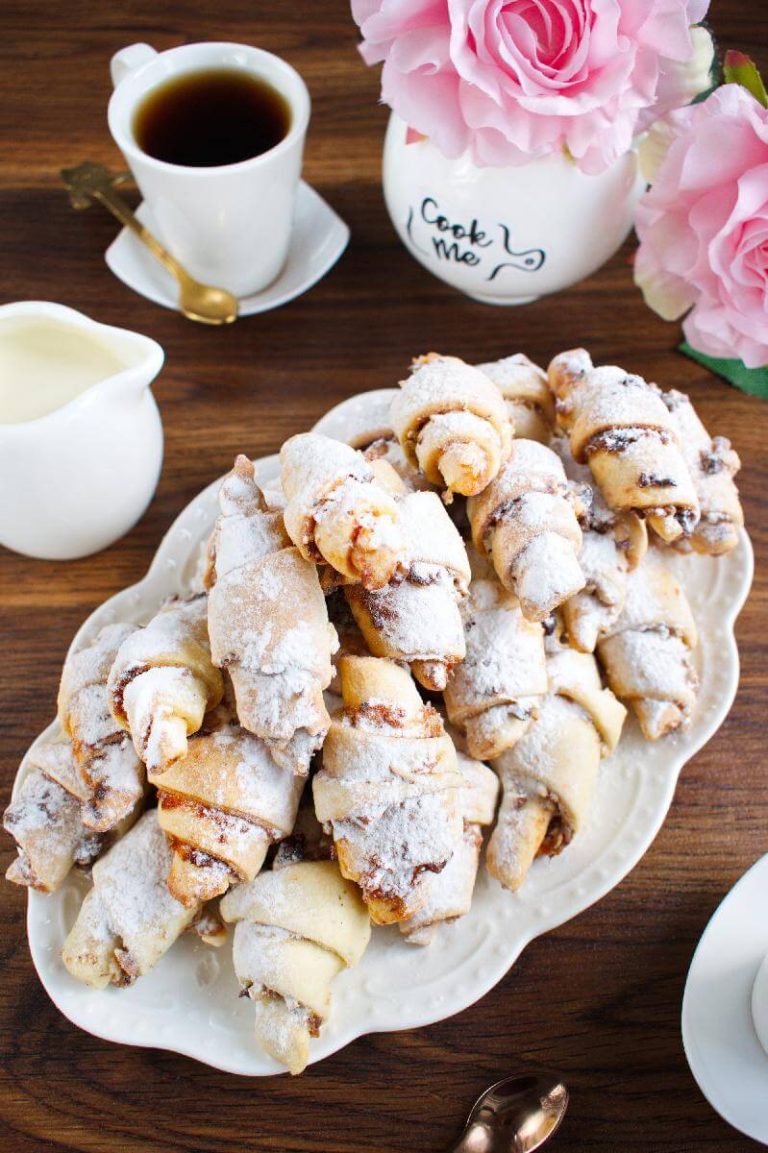
Whether you’re craving the ultimate chicken soup with fluffy matzo balls, braiding your first challah for Shabbat, or discovering the sweet magic of rugelach, these recipes connect us to generations who found ways to make every meal meaningful, even when ingredients were scarce.
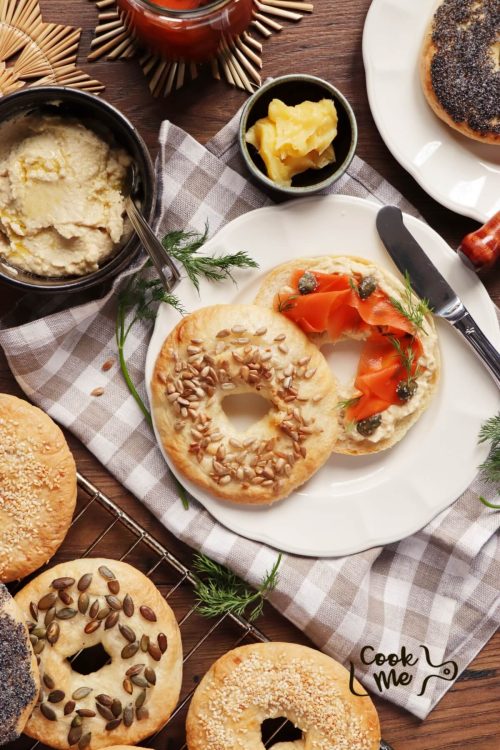
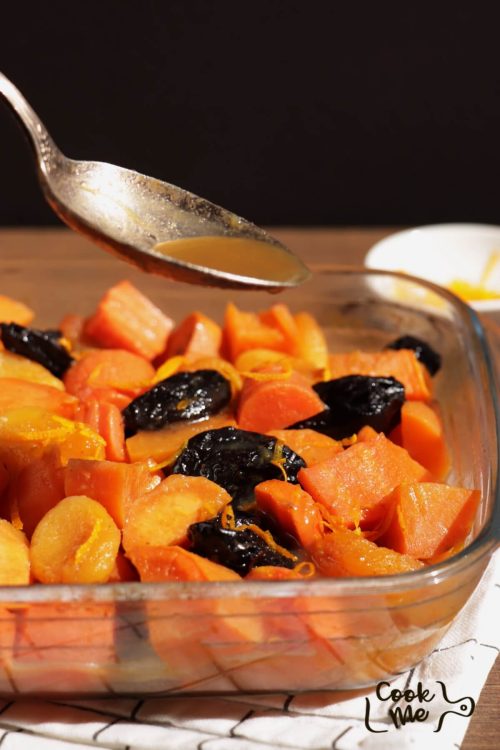
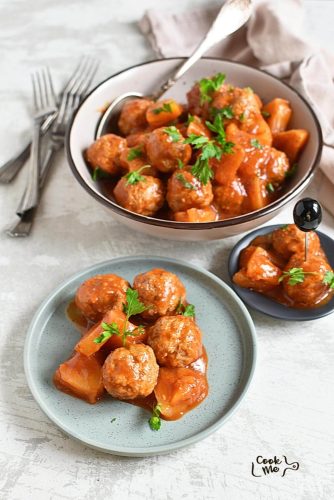
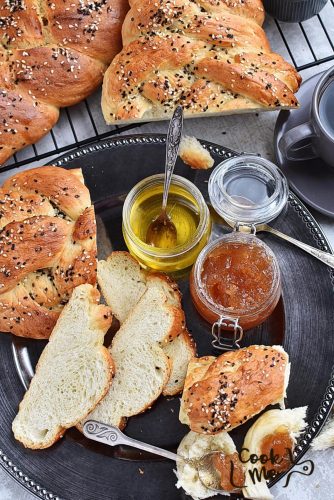
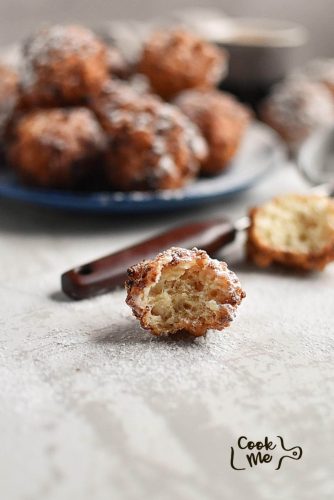
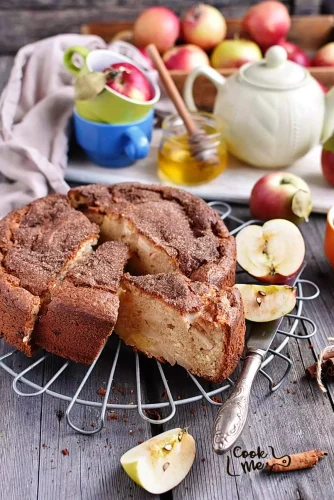
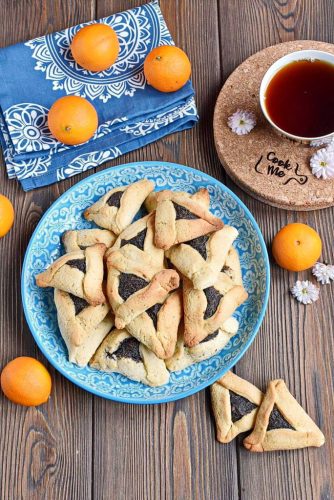
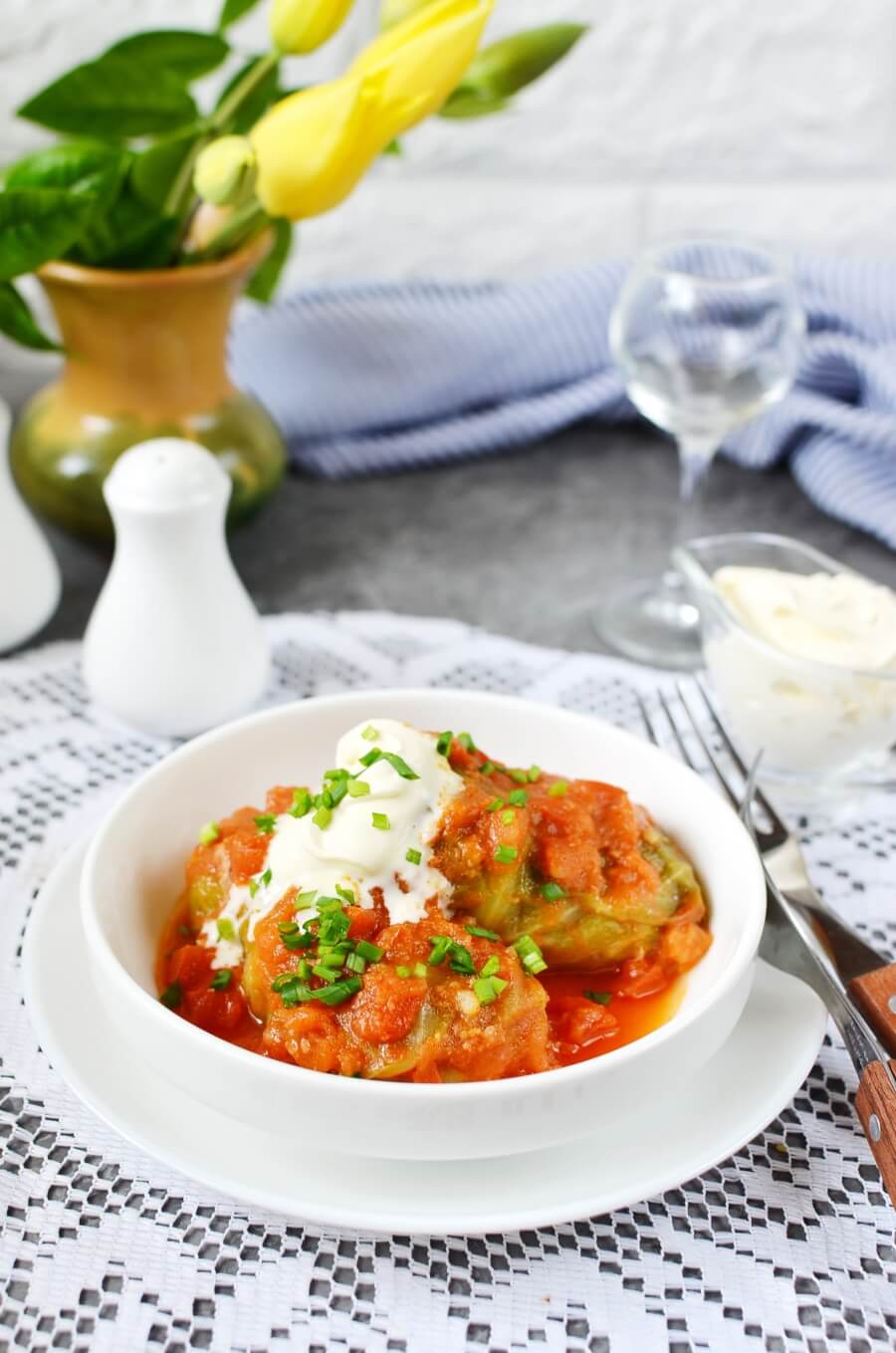
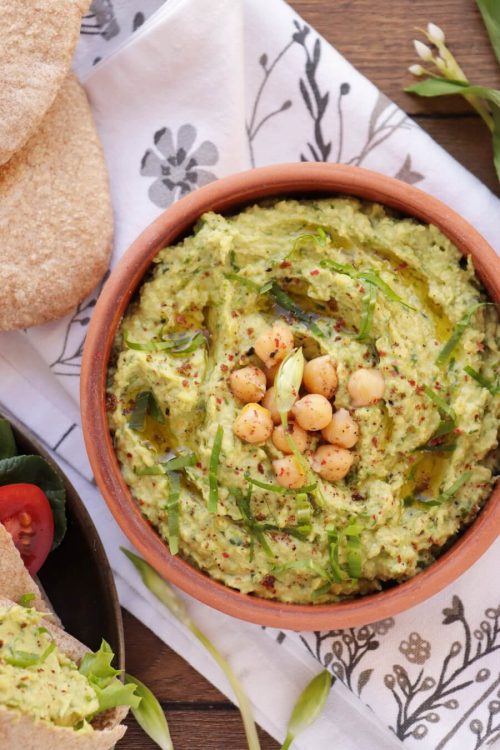
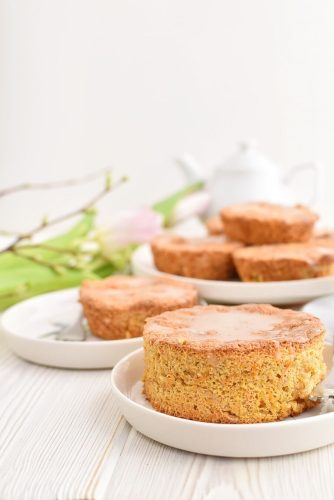
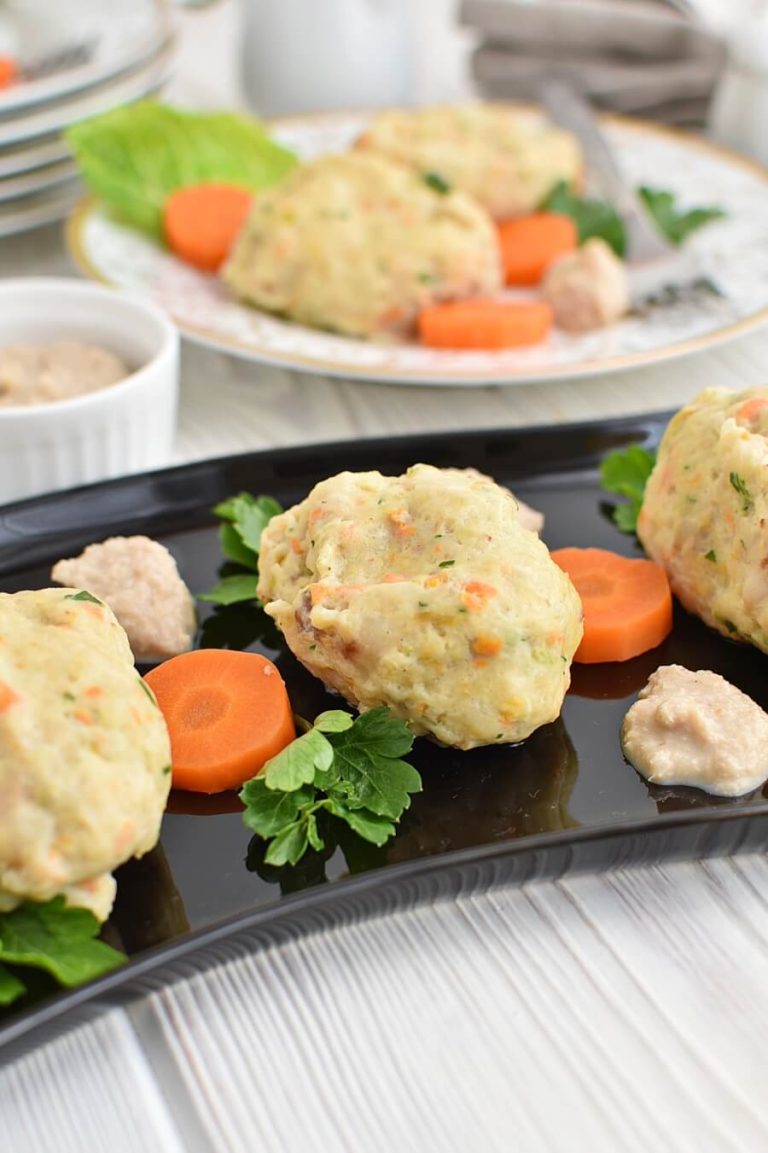
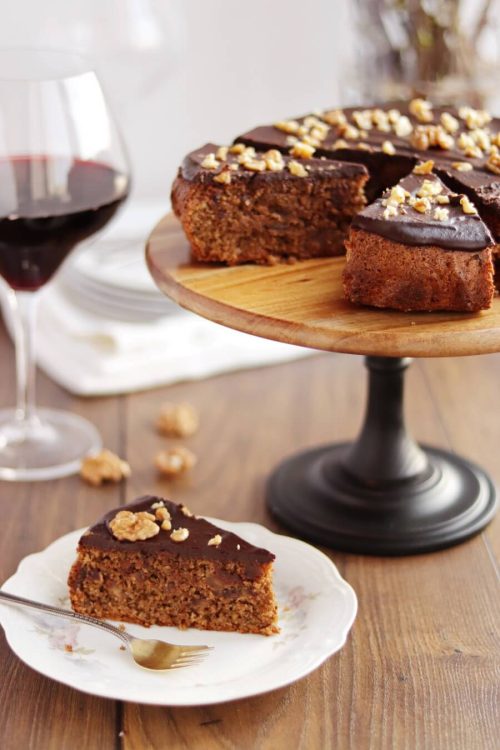
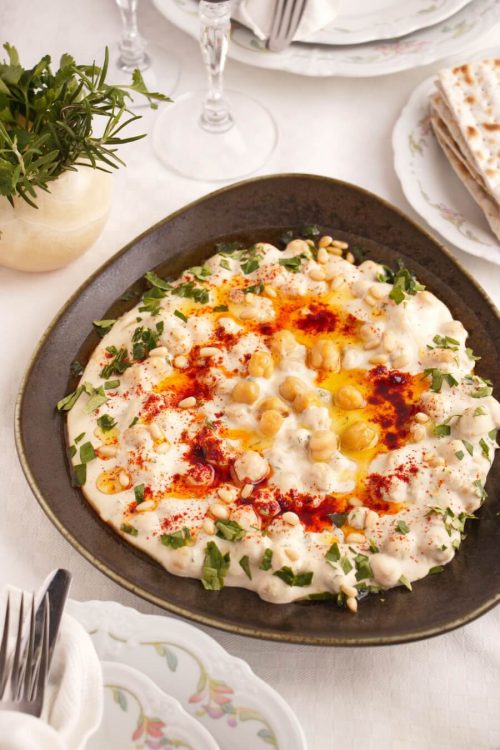
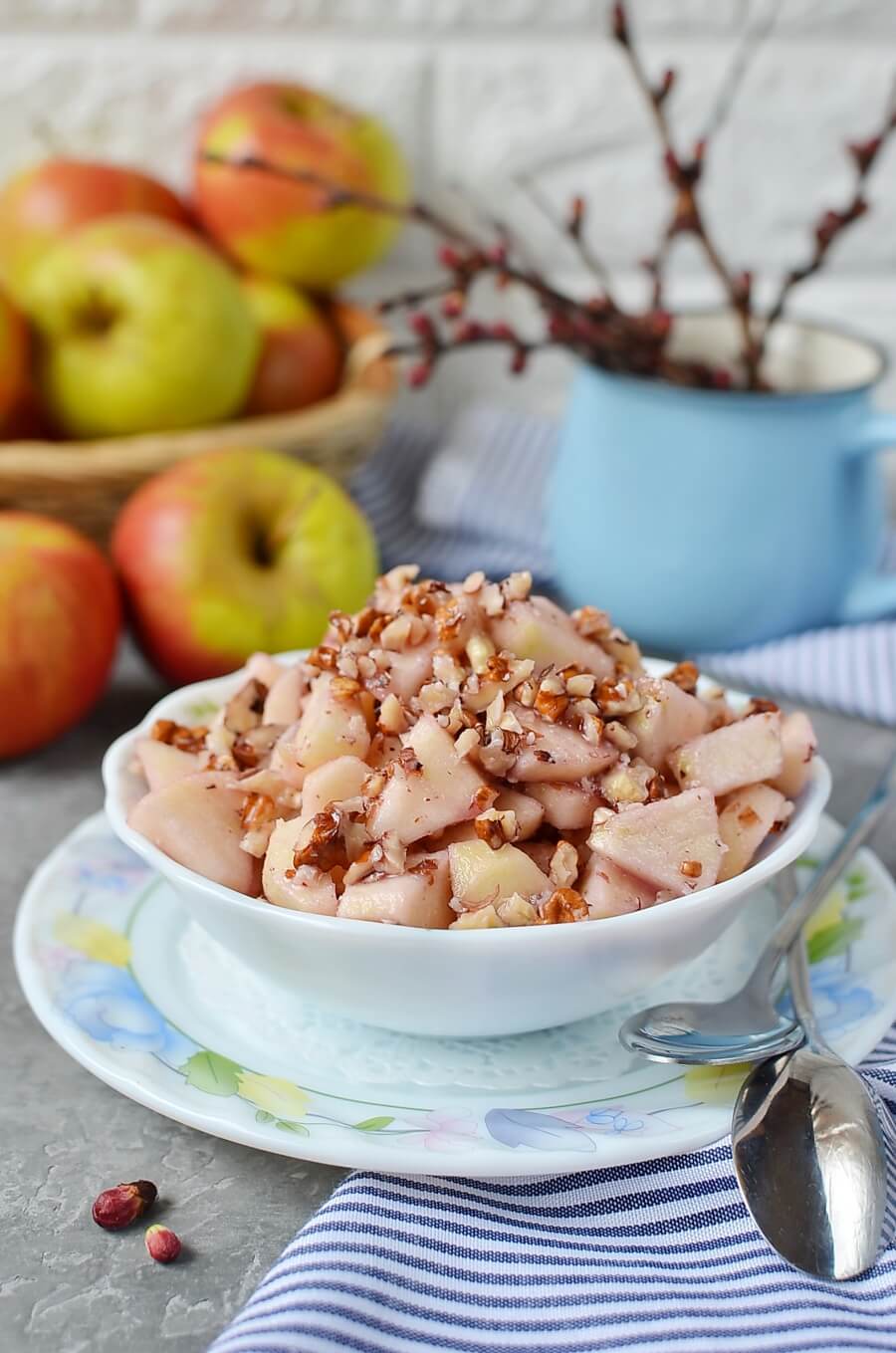
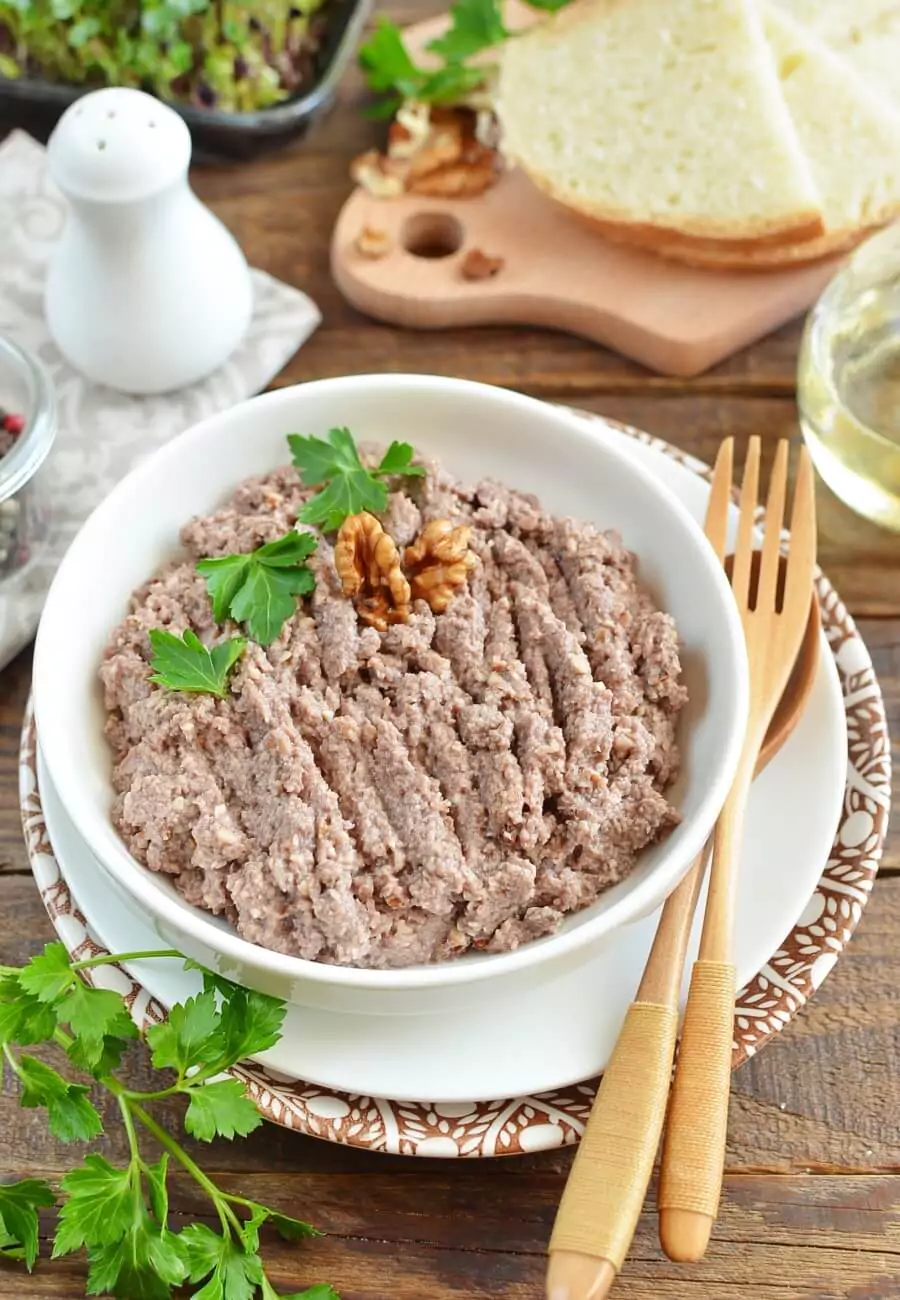
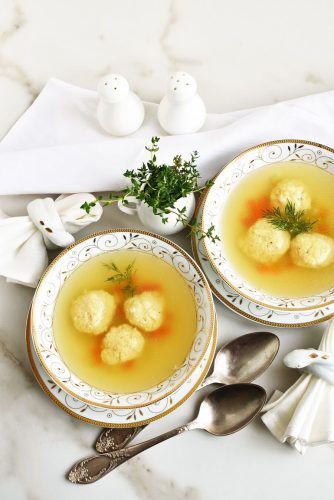
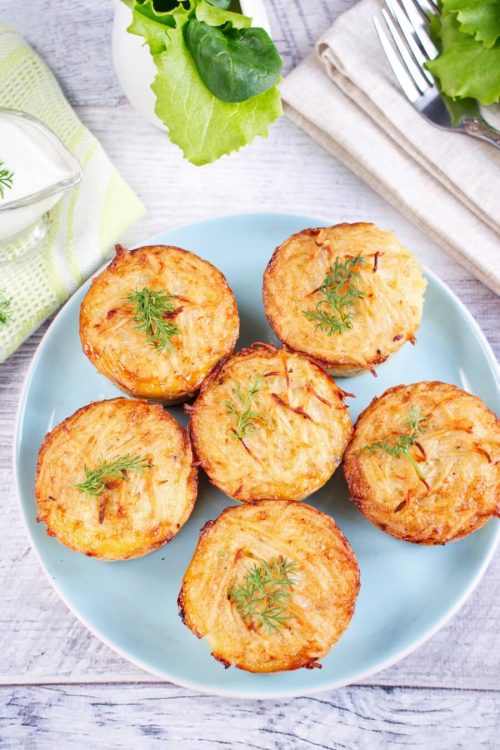
Here's something that'll blow your mind: Jewish cuisine as we know it today started developing over 2,500 years ago, but it really took shape during the diaspora—when Jewish communities spread across the globe after the destruction of the Second Temple in 70 CE. Unlike other cuisines that evolved in one place, Jewish food is literally the story of adaptation and creativity written in recipes.
The Ashkenazi tradition developed in Central and Eastern Europe, where Jewish families had to get creative with limited ingredients during harsh winters. Think root vegetables, preserved fish, and lots of ingenious ways to make tough cuts of meat tender and delicious. Meanwhile, Sephardic Jews, originally from Spain and Portugal before the 1492 expulsion, brought their love of olive oil, fresh herbs, and vibrant vegetables to communities around the Mediterranean. And Mizrahi Jews? They've been perfecting the art of spice blends and slow-cooked stews in Middle Eastern and North African kitchens for centuries.
What's absolutely fascinating is that despite being scattered across continents, these communities all maintained kashrut—the kosher dietary laws that have shaped Jewish cooking for millennia. No mixing meat and dairy, no pork or shellfish, and everything slaughtered according to specific guidelines. But here's the thing: rather than limiting creativity, these rules actually sparked it. When you can't use butter in a meat meal, you discover the magic of schmaltz (rendered chicken fat). When you need to make Sabbath meals without cooking, you invent incredibly slow-braised dishes that taste even better the next day.
If you've ever had a bowl of matzo ball soup that made everything better, you've experienced Ashkenazi magic. This is the cuisine of Eastern European Jewish communities—think Poland, Russia, Lithuania, and Germany. These are the foods that survived pogroms, immigration to America, and everything in between because they're basically edible hugs.
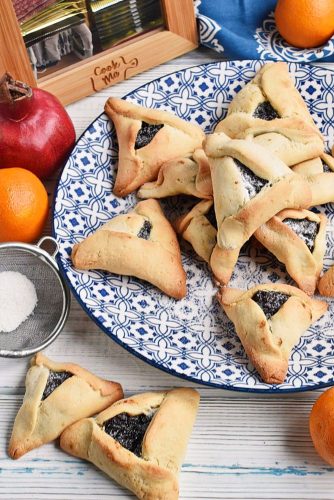
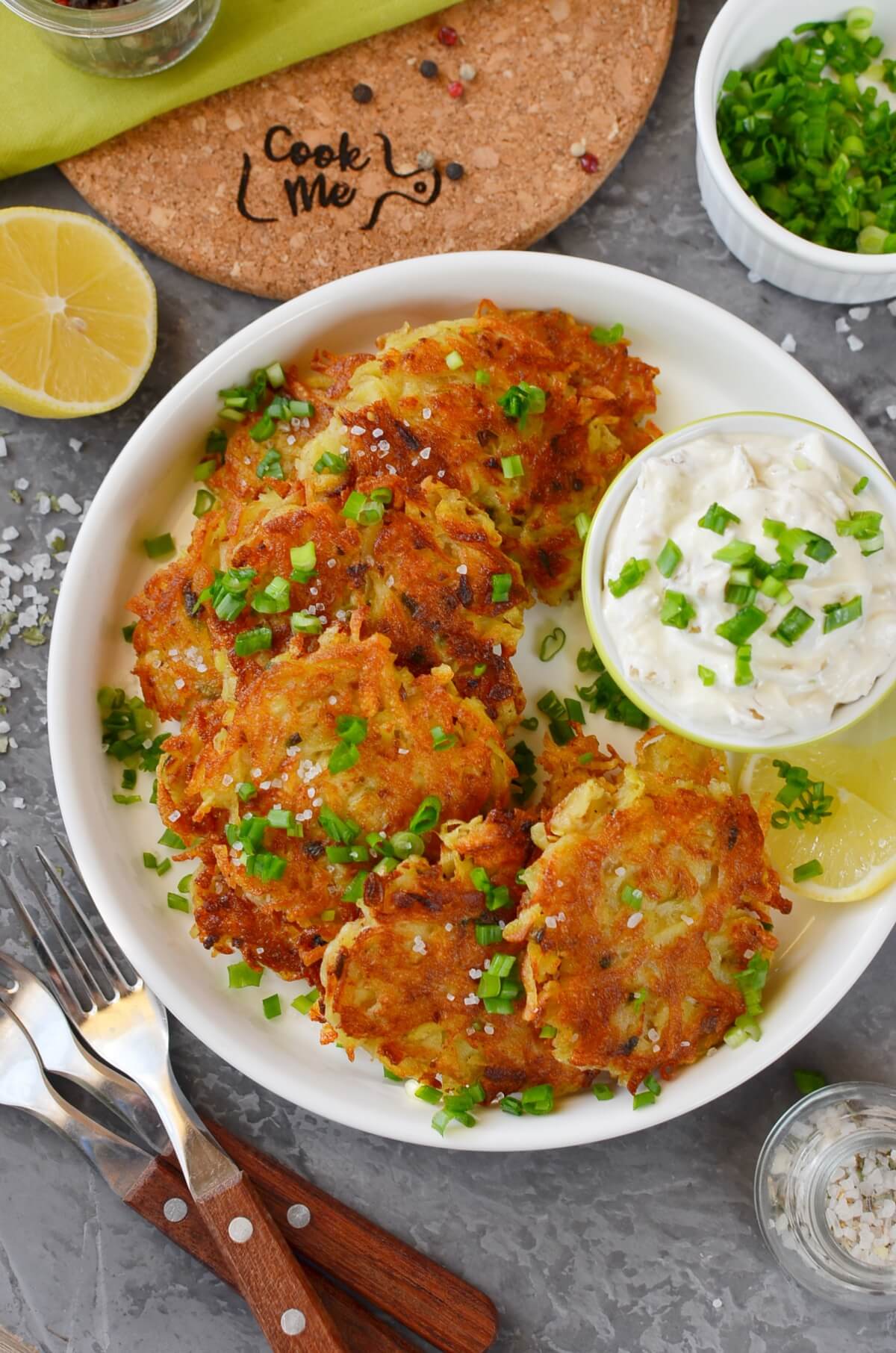
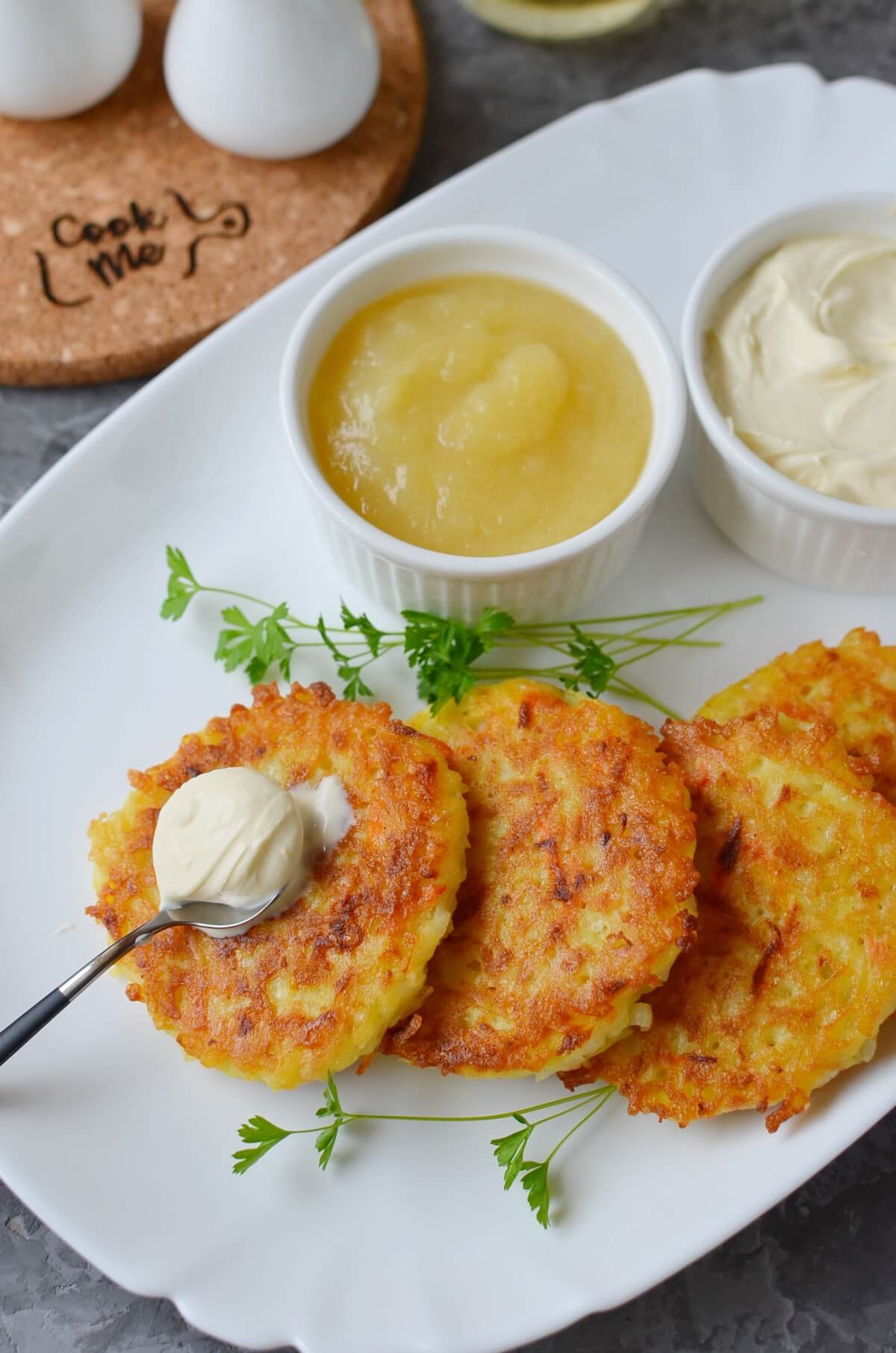
The genius of Ashkenazi cooking lies in making humble ingredients sing. Potatoes become crispy latkes, leftover challah transforms into killer French toast, and tough brisket becomes fall-apart tender through low and slow braising. And can we talk about the pastries? Babka, rugelach, hamantaschen—these aren't just desserts, they're works of art that happen to be incredibly delicious.
Sephardic cuisine is what happens when Jewish culinary traditions meet the sunny Mediterranean. We're talking olive oil instead of schmaltz, fresh herbs instead of preserved everything, and vegetables that actually taste like they grew in paradise. This is the food of communities in Spain, Portugal, Turkey, Greece, and beyond.
What's amazing about Sephardic cooking is the sophisticated use of spices and the way different textures play together in one dish. Think of a Turkish börek with its flaky phyllo layers, or a Greek-Jewish fish stew bursting with tomatoes and herbs. These dishes prove that kosher food can be both elegant and deeply satisfying.
Mizrahi cuisine brings the heat—literally. This is the food of Jewish communities in Iraq, Iran, Yemen, Morocco, and across North Africa. We're talking about spice blends that have been perfected over generations, slow-cooked stews that develop layers of flavor, and bread that's more than just bread—it's a vehicle for bringing people together.
The secret weapon in Mizrahi kitchens? Patience. These are cuisines that understand that the best flavors come from time—whether it's a Moroccan tagine that simmers for hours or Iraqi kubbeh dumplings made by hand with love and precision.
Matzah meal: Not just for Passover! This is your secret weapon for the lightest, fluffiest matzo balls and the crispiest schnitzel coating. Pro tip: make your own by grinding up leftover matzah in a food processor.
Schmaltz (rendered chicken fat): Before you wrinkle your nose, hear us out. This is liquid gold in Ashkenazi cooking—it's what makes your potatoes impossibly crispy and adds that rich, savory depth that vegetable oil just can't match. Make a batch and keep it in the fridge; it'll last for months.
Good olive oil: For Sephardic and Mizrahi dishes, olive oil isn't just an ingredient—it's a flavor statement. Invest in a decent bottle; your vegetables will thank you.
Za'atar: This Middle Eastern blend of herbs, sesame seeds, and sumac is like magic dust for vegetables, bread, and grilled meats. Sprinkle it on everything from avocado toast to roasted cauliflower.
Hawaij: This Yemenite spice blend brings warmth and complexity to both sweet and savory dishes. Think cardamom, cinnamon, and turmeric having a delicious party in your spice jar.
Everything bagel seasoning: Okay, this isn't traditional, but it's become the unofficial seasoning of modern Jewish cooking. Use it on challah, scrambled eggs, or really anything that needs a little extra oomph.
Dates and dried fruits: Essential for both sweet and savory Mizrahi dishes. Dates aren't just for charoset—try them in tagines or stuffed with nuts for an easy dessert.
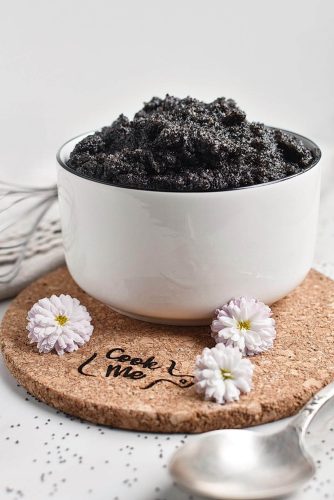
Poppy seeds: These tiny powerhouses add texture and nutty flavor to everything from hamantaschen to noodle dishes. Toast them lightly in a dry pan to wake up their flavor.
Fresh dill: The herb that makes everything taste more Jewish. Essential for everything from borscht to new potato salad.
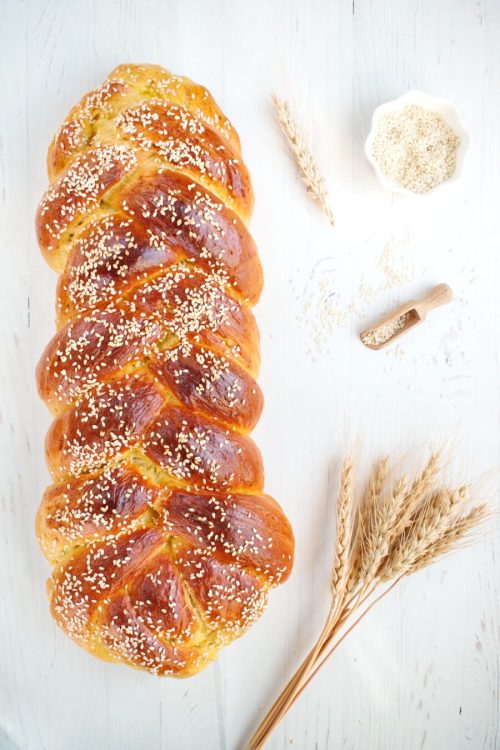
Braiding challah isn't just about making it look pretty—it's about creating the perfect texture. The trick is keeping your dough strands even and not pulling too tight. Start with three strands for beginners: right over middle, left over middle, repeat. Once you've got that down, you can work up to the impressive six-strand braids that'll make your Instagram followers weep with jealousy.
Here's an insider secret: brush your challah with egg wash twice—once before braiding and once after. This creates that gorgeous golden color that makes your kitchen look like a professional bakery.
The great matzo ball debate: floaters vs. sinkers. Team Floater wins every time because light, fluffy matzo balls are basically edible clouds of comfort. The secret? Don't overmix your batter, and definitely don't lift the lid while they're cooking. Trust the process, and you'll be rewarded with matzo balls worthy of your bubbe's praise.
Jewish cuisine practically invented the concept of "low and slow." Whether you're making cholent for Shabbat or braising brisket for a holiday meal, patience is your best friend. Start your braises the day before, let flavors develop overnight in the fridge, then gently reheat before serving. Your future self will thank you when your meat falls apart at the touch of a fork.
Shabbat dinner isn't just a meal—it's a weekly miracle that transforms regular Friday night into something sacred. The tradition of making challah from scratch, lighting candles, and gathering around the table has been keeping Jewish families connected for thousands of years. And here's what's beautiful: it doesn't matter if you're the most observant person in the world or just someone who loves the idea of making Friday night special—Shabbat dinner works for everyone.
The two loaves of challah on the table? They represent the double portion of manna that fell from heaven during the Israelites' time in the desert. The wine, the special prayers, the way everyone takes their time—it's all about creating a pocket of peace in our crazy busy world.
Every Jewish holiday comes with its own edible narrative. Rosh Hashanah means round challah for the cycle of the year, apples and honey for sweetness, and pomegranates for abundance. Passover brings the symbolic seder plate and the challenge of making incredible meals without any leavened products (hello, flourless chocolate cake!). Hanukkah is all about oil—latkes, sufganiyot (jelly donuts), and anything else that celebrates the miracle of oil that burned for eight nights.
But here's what makes Jewish holiday cooking special: these aren't just traditional recipes, they're edible reminders of resilience, hope, and the power of keeping traditions alive even when everything else changes.
One of the coolest things about Jewish cuisine is how it reflects the places where Jewish communities have lived. Ashkenazi Jews in New York developed the incredible deli culture we know and love. Sephardic Jews in Turkey created börek that rivals any pastry chef's creation. Iraqi Jews perfected kubbeh soup that's basically Middle Eastern comfort food at its finest.
This isn't fusion for fusion's sake—this is survival cooking that happened to create some of the most delicious food on earth. When you cook Jewish recipes, you're literally tasting history.
Today's Jewish home cooks are doing incredible things with traditional recipes. They're making gluten-free challah that actually tastes amazing, developing vegan versions of classic Ashkenazi dishes, and rediscovering Mizrahi recipes that got lost in earlier generations' rush to assimilate.
What's exciting is that this isn't about abandoning tradition—it's about making these recipes work for how we eat today. Maybe that means using a stand mixer instead of kneading challah by hand, or discovering that tahini makes an incredible substitute for dairy in certain recipes. The spirit stays the same; the methods just get smarter.
Thanks to food historians and passionate home cooks, recipes that almost disappeared are making comebacks. Malawach (Yemenite fried bread) is showing up on hipster brunch menus. Jachnun is becoming the weekend treat for families who've never been to Yemen. This isn't just nostalgia—it's recognition that these recipes are genuinely incredible and deserve a place in modern kitchens.
Modern Jewish cooking has embraced the fact that you can honor tradition while still eating well. Cauliflower kugel that tastes just as comforting as the noodle version. Zucchini latkes that are somehow even more satisfying than potato ones. Aquafaba (chickpea liquid) that whips up into the fluffiest challah you've ever seen.
The key is understanding what makes each dish special and then finding ways to capture that essence with ingredients that work for your lifestyle. Your great-grandmother might not recognize some of these adaptations, but she'd definitely approve of the love and creativity that goes into making them.
This is the million-dollar question! Jewish food isn't defined by one specific ingredient or cooking method—it's about the intersection of kashrut (dietary laws), diaspora communities, and the creativity that comes from both limitation and tradition. Some Jewish dishes are specifically ritual foods (like challah or charoset), while others evolved in Jewish communities but aren't religious in nature (like bagels or pastrami). What makes them "Jewish" is their place in Jewish cultural and culinary history.
Absolutely not! While many traditional Jewish recipes are kosher by design, you can enjoy Jewish cuisine regardless of your religious observance. The recipes work beautifully whether you're strictly kosher, partially observant, or just someone who loves delicious food with great stories behind it. Feel free to adapt recipes to fit your dietary needs and preferences.
Think of them as different branches of the same family tree. Ashkenazi cuisine comes from Central and Eastern European Jewish communities—comfort food built for cold climates and challenging times. Sephardic cuisine originated with Spanish and Portuguese Jews and reflects Mediterranean influences. Mizrahi cuisine comes from Middle Eastern and North African Jewish communities and tends to be more spice-forward. Each developed based on local ingredients and cultural influences while maintaining kosher principles.
Start with the big three: challah (the foundation of Shabbat), matzo ball soup (comfort in a bowl), and latkes (crispy potato perfection). From there, branch out based on what interests you. Love baking? Try rugelach or babka. Prefer savory dishes? Master brisket or shakshuka. The key is starting with recipes that excite you—enthusiasm is the best ingredient in any dish.
Yes! In fact, many Jewish recipes are specifically designed to be make-ahead dishes because of Sabbath cooking restrictions. Cholent literally cooks overnight. Brisket tastes better the day after you make it. Challah dough can be made in advance and frozen. Even matzo balls can be formed ahead of time and stored in the refrigerator until you're ready to cook them. Jewish cuisine is incredibly forgiving for busy schedules.
Many "specialty" Jewish ingredients are more mainstream than you might think. Most grocery stores carry matzah meal, kosher wine, and tahini. For harder-to-find items like preserved lemons, hawaij spice blend, or specific types of kosher fish, try Jewish delis, Middle Eastern markets, or online retailers. Don't be afraid to ask for substitutions—Jewish cooking has always been about adapting to what's available.
Not at all! While some recipes (like hand-pulled phyllo dough) require technique, most Jewish home cooking is designed to be accessible and forgiving. These are recipes developed by busy parents trying to feed their families well on limited budgets and time. Start with simple recipes like shakshuka or honey cake, build your confidence, and then tackle more complex projects like challah braiding or homemade gefilte fish when you're ready for an adventure.