Fast (≤ 30 min)
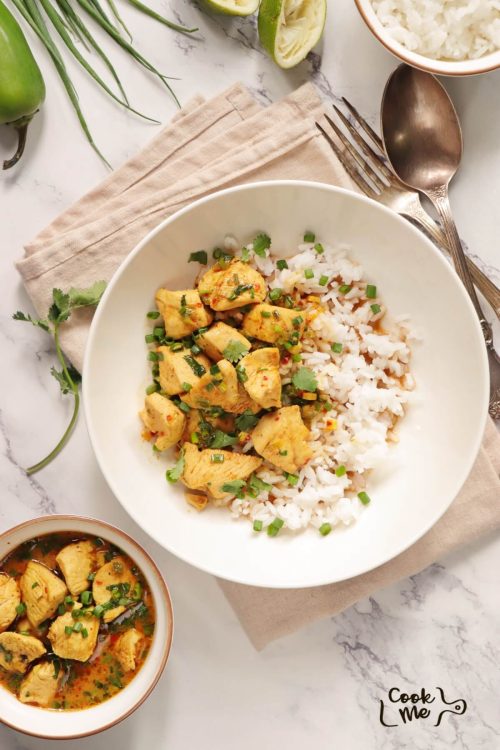

Thai cuisine dazzles with its masterful balance of five essential flavors—sweet, sour, salty, spicy, and umami—creating dishes that dance on your palate. Born in the ancient kingdom of Sukhothai over 700 years ago, Thai cooking evolved through royal courts where King Rama II himself penned cookbooks, Chinese trade influences, and Portuguese spice introductions.
From fiery som tam to creamy coconut curries, Thai food celebrates fresh herbs like galangal and lemongrass, fermented treasures like fish sauce, and cooking techniques that transform simple ingredients into aromatic masterpieces. Whether you’re craving street food favorites or elegant royal cuisine, Thai cooking offers accessible recipes that bring restaurant-quality flavors to your home kitchen.
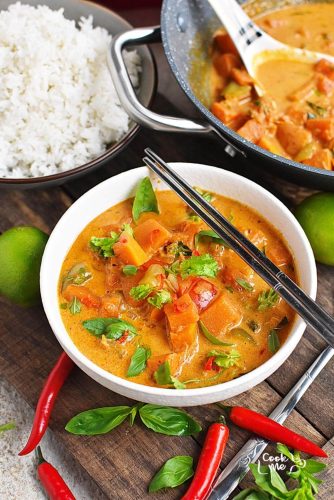
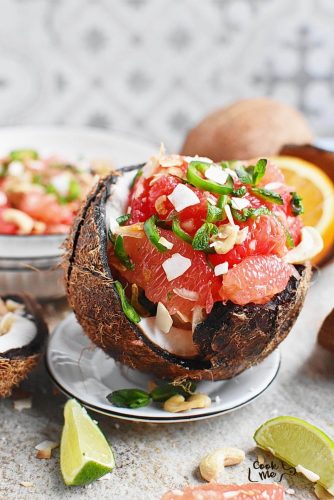
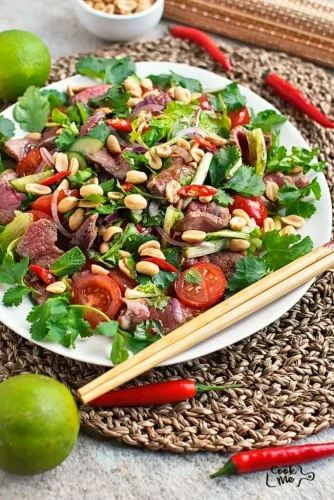
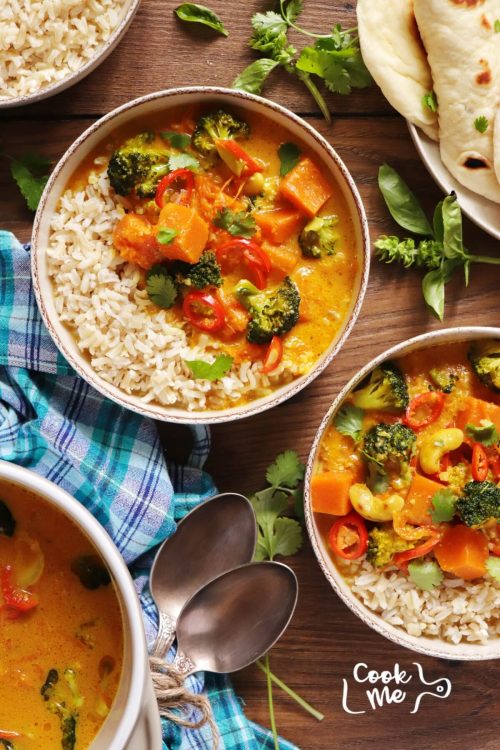
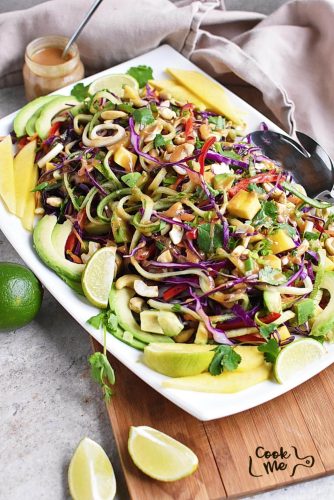

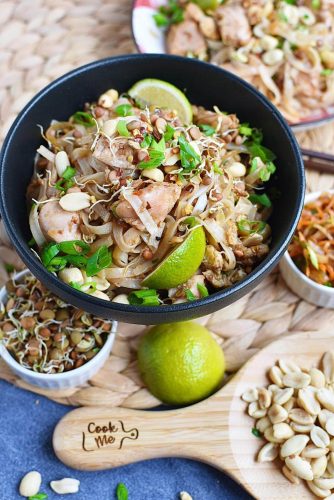
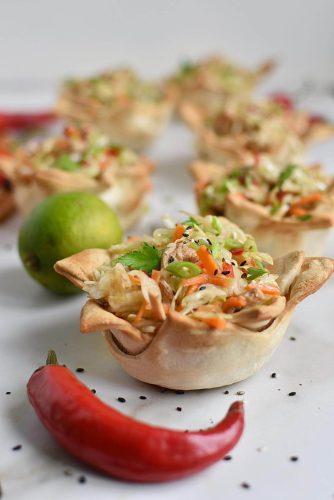
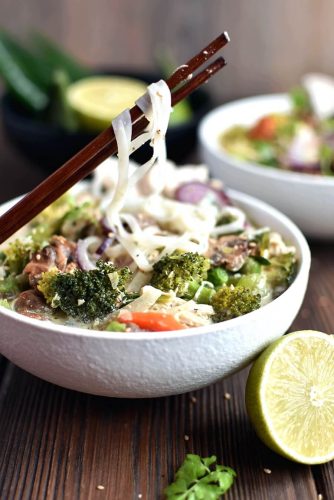
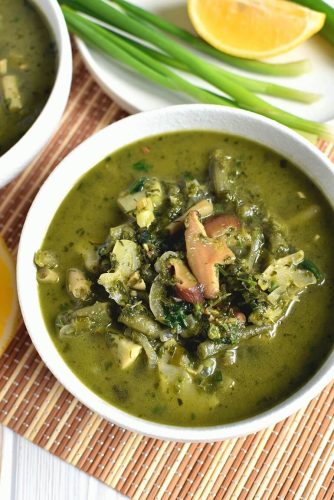
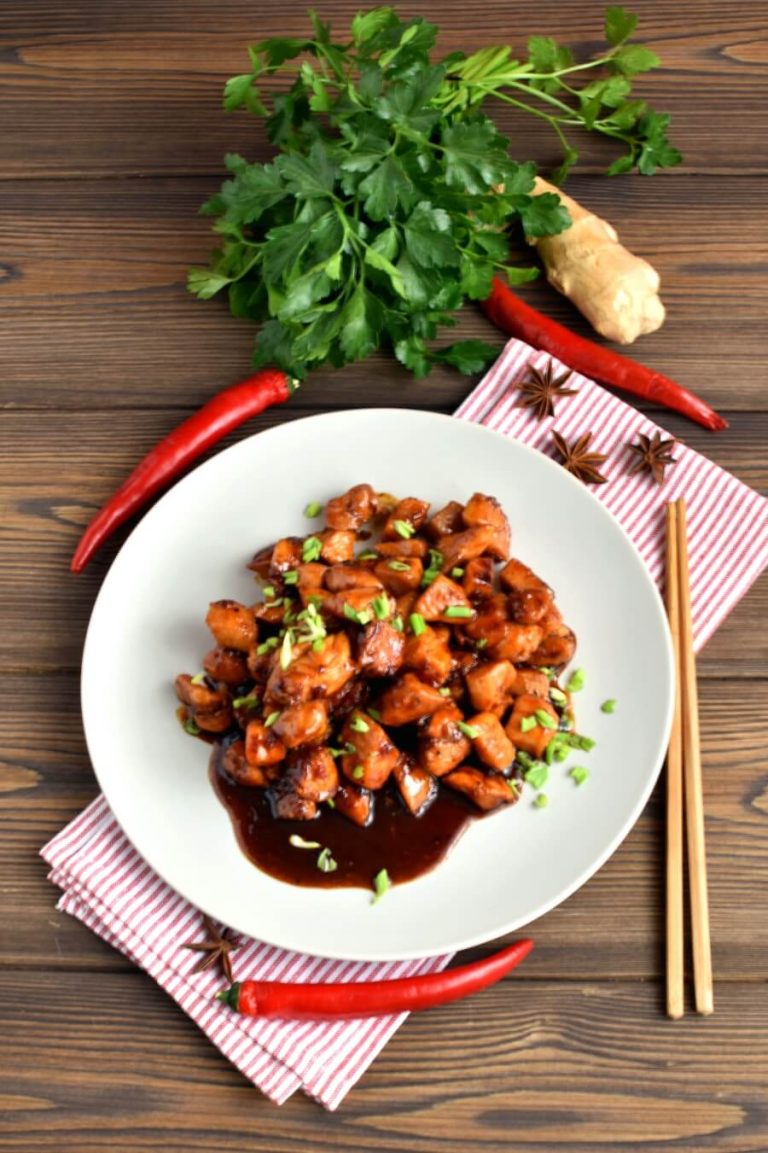
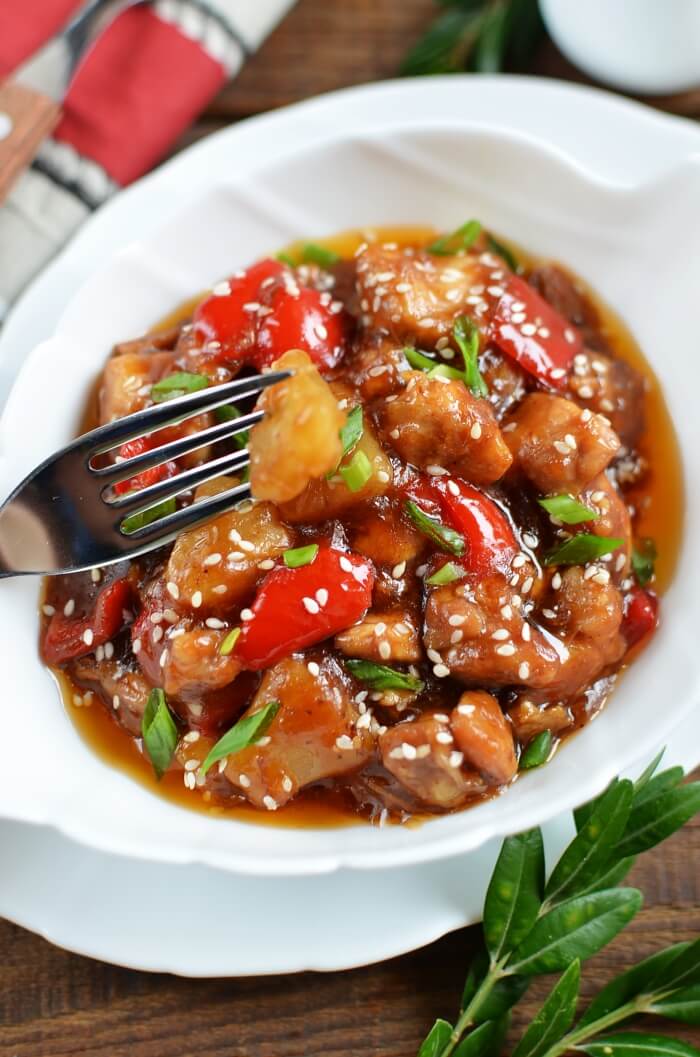
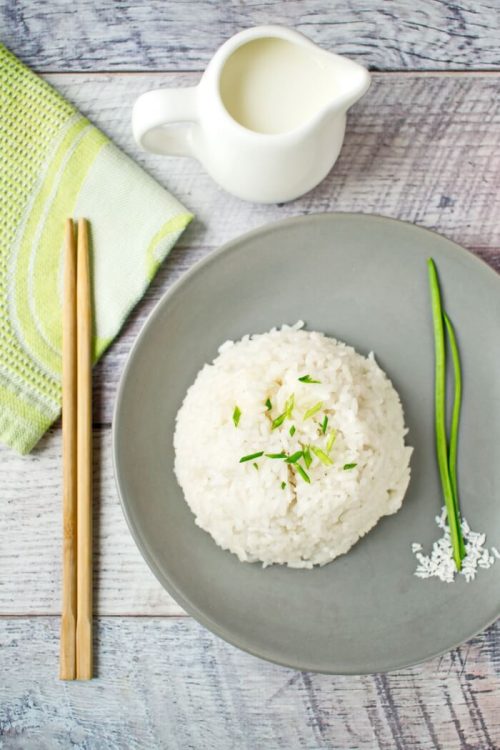
Thai cuisine tells a remarkable story that spans over seven centuries, beginning in the ancient Kingdom of Sukhothai (1238-1448 CE) when the foundations of what we now recognize as Thai cooking first took root. Unlike many world cuisines that developed in isolation, Thai food emerged as a brilliant fusion, shaped by geography, trade routes, and the remarkable adaptability of Thai cooks who embraced influences while maintaining their unique culinary identity.
The story takes a fascinating turn during the Ayutthaya period (1351-1767), when the royal court became a hotbed of culinary innovation. Here's where Thai cuisine gets really interesting: King Rama II (1809-1824) was actually a cookbook author, penning the poetic culinary masterpiece "Kap Hechom Khrueang Khao Wan" (Boat Song Admiring the Savory and the Sweets). This makes Thailand one of the few countries where royalty directly contributed to preserving and elevating national cuisine—a tradition that elevated Thai cooking from peasant food to high art.
Portuguese traders in the 16th century brought the game-changing chili pepper, which ironically wasn't originally Thai at all! Before chilies arrived, Thai cooks achieved heat using white peppercorns and galangal. The Chinese introduced stir-frying techniques and noodles, while Indian merchants contributed curry-making methods and coconut milk usage. What's remarkable is how Thai cooks didn't just adopt these influences—they completely reimagined them, creating something entirely new.
The real magic happened in Thai royal kitchens, where cooks developed the sophisticated principle of balancing five distinct flavors in every dish. This wasn't just cooking—it was culinary alchemy that transformed Thai cuisine into what Australian chef David Thompson calls "the juggling of disparate elements to create a harmonious finish."
Thailand's regional cuisines are like different dialects of the same delicious language, each shaped by climate, geography, and cultural neighbors. Understanding these regions is your key to mastering authentic Thai flavors at home.
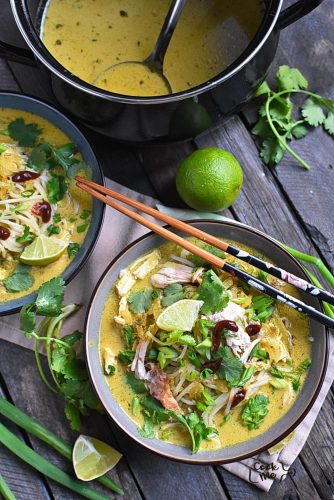
Northern Thailand (Lanna Cuisine) offers the mildest introduction to Thai cooking. Think of it as Thai comfort food—rich, herb-forward dishes that favor complexity over heat. The mountainous terrain means less access to seafood, so you'll find creative use of river fish, pork, and an abundance of fresh herbs. Khao soi, the region's crown jewel, showcases this perfectly: silky coconut curry soup with wheat noodles that's Instagram-gorgeous and incredibly satisfying.
Northeastern Thailand (Isan) swings the pendulum to the complete opposite extreme. This is where Thai food gets its reputation for serious heat! Influenced heavily by neighboring Laos, Isan cuisine celebrates bold, in-your-face flavors using fermented fish sauce (pla ra) that adds an umami punch you won't find anywhere else. Som tam (green papaya salad) originated here, and trust us—the authentic version will make your local Thai restaurant's version seem tame.
Central Thailand represents what most Americans know as "Thai food." This region birthed pad thai, green curry, and tom yum soup—dishes that conquered the world. The fertile river plains provide perfect rice-growing conditions, making jasmine rice the star of every meal. Here, coconut milk reigns supreme, creating those luxuriously creamy curries that made Thai cuisine famous globally.
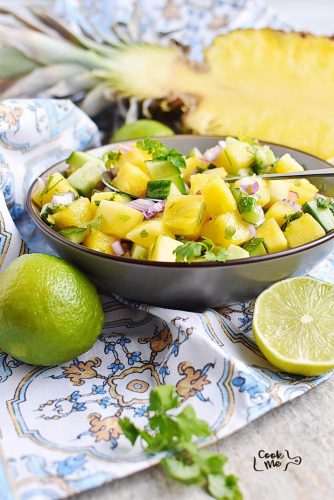
Southern Thailand brings the oceanic influence with its peninsula location. Seafood dominates, but here's what makes it unique: the curries pack serious heat while incorporating tropical fruits like pineapple and rambutan. The famous massaman curry, despite its Persian-influenced name, represents Southern Thai cooking at its most sophisticated.
Building an authentic Thai pantry might seem daunting, but here's the insider secret: you only need about 15 core ingredients to cook 80% of Thai dishes authentically. Let's break down your essential Thai toolkit:
Fish Sauce (Nam Pla): This is your umami goldmine and the backbone of Thai cuisine. Quality matters enormously here—look for brands like Red Boat or Three Crabs. A bottle lasts months and transforms everything it touches. Pro tip: if a Thai recipe doesn't include fish sauce, question its authenticity!
Coconut Milk: Always use full-fat canned coconut milk for cooking. The cream that separates at the top isn't a defect—it's liquid gold for frying curry pastes. Brands like Chaokoh or Mae Ploy deliver restaurant-quality results.
Thai Chilies: Fresh bird's eye chilies (prik kee nu) pack the heat, while dried chilies create the base for curry pastes. Can't find Thai chilies? Serranos work in a pinch, though you'll need more to match the heat level.
Galangal vs. Ginger: Here's where many home cooks stumble. Galangal looks like ginger's weird cousin but tastes completely different—more floral, almost eucalyptus-like. For tom yum or tom kha, galangal is non-negotiable. Asian markets usually stock it frozen, which works perfectly for cooking.
Lemongrass: Use only the tender bottom third of the stalk. Bash it with your knife handle before adding to release oils. Those hard outer layers? Save them for making aromatic stock.
Kaffir Lime Leaves: These glossy, hourglass-shaped leaves add irreplaceable citrusy fragrance. Remove the central vein before slicing thin for salads, or add whole leaves to curries and remove before serving.
Palm Sugar: This isn't regular sugar! Palm sugar adds caramel-like complexity that white sugar simply can't match. Look for it in Asian markets, sold in hard discs or soft paste form.
Shopping Smart: Most ingredients keep well—dried chilies and curry pastes last months, while fresh herbs can be prepped and frozen. Start with curry pastes (Mae Ploy and Maesri are reliable brands) before attempting homemade versions.
Thai cooking revolves around a few fundamental techniques that, once mastered, unlock the entire cuisine. The beauty lies in their simplicity—most Thai dishes come together in under 20 minutes using these time-tested methods.
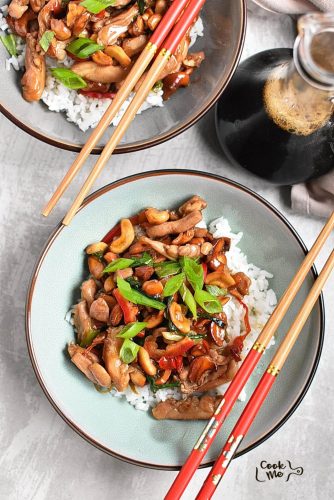
Stir-Frying (Pad): Thai stir-frying differs significantly from Chinese techniques. Thai cooks use medium-high heat (not scorching) and rely heavily on aromatics. The technique: heat oil, add curry paste or aromatics, let them bloom for 30 seconds, then add your protein. The key? Keep things moving, but don't rush the aromatic base.
Building Curry Bases: Here's the game-changing technique most home cooks miss: fry your curry paste in coconut cream (not oil) for 2-3 minutes until fragrant and oil separates. This step, called "cracking the coconut," intensifies flavors dramatically and creates that glossy, restaurant-style curry texture.
The Thai Tasting Triangle: Thai cooks taste constantly, adjusting sweet, sour, and salty in small increments. Make curry paste adjustments early, but save final seasoning until the end. Too salty? Add palm sugar. Too sweet? Hit it with lime juice. Too bland? More fish sauce.
Herb Handling: Fresh herbs go in at the very end to preserve their vibrant flavors. Thai basil wilts quickly, so add it off heat and let residual warmth bloom the oils. For lemongrass and galangal in soups, bruise them well but remove before serving unless you want an unpleasant woody surprise.
Timing is Everything: Thai cuisine favors quick cooking to preserve fresh flavors and textures. Most dishes cook in under 10 minutes once prep is complete. The secret weapon? Mise en place—having everything chopped, measured, and ready before you heat the pan.
Understanding how Thai people approach food transforms your cooking from mere recipe following to cultural immersion. Thai dining embodies the Buddhist concept of balance—not just in flavors, but in the entire food experience.
The Sharing Table: Thai meals are fundamentally communal affairs. Individual plates exist, but the real action happens family-style with shared dishes that complement each other. A proper Thai meal includes soup (often tom yum or tom kha), a curry, a stir-fry, a salad (like som tam), and always rice. Each dish balances the others—cooling coconut milk curries offset fiery salads, while refreshing soups cleanse the palate.
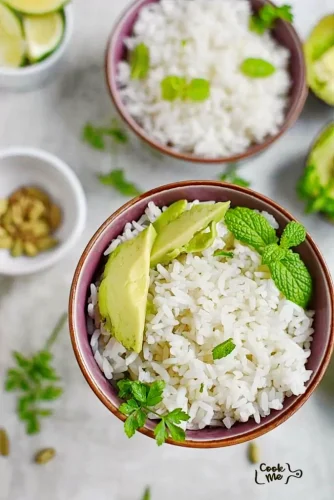
Rice as Life Force: In Thai culture, rice isn't just a side dish—it's the meal's foundation. The Thai phrase "gin khao" literally means "eat rice" but translates as "have a meal." This isn't just linguistic quirk; it reflects rice's central importance. Different dishes require different rice varieties: jasmine rice for curries and stir-fries, sticky rice for northern dishes and desserts.
The Element Theory: Traditional Thai cooking incorporates ancient beliefs about balancing body elements. Hot dishes (fire element) balance cool dishes (water element), while crunchy textures (earth) complement soft ones (air). This isn't just philosophy—it creates naturally balanced, satisfying meals that modern nutrition science validates.
Street Food Culture: Thailand's famous street food scene isn't just convenient dining—it's a social institution where recipes pass between generations and communities gather around shared tables. Many dishes Americans know as "restaurant food" originated as street snacks, optimized for quick preparation and bold flavors that cut through Thailand's heat and humidity.
Seasonal Eating: Thai cuisine follows natural rhythms, with menus shifting based on ingredient availability. Mango season brings mango sticky rice, while rainy season features warming soups. This seasonal approach ensures peak flavors and connects meals to natural cycles.
Thai cuisine today represents one of the world's most successful culinary exports, but this global journey has created both exciting innovations and concerning dilutions of authentic flavors. Understanding this evolution helps you navigate between authentic techniques and modern adaptations.
The Thai Government's Culinary Diplomacy: In 2002, Thailand launched the "Global Thai" program, training chefs worldwide to maintain authenticity while adapting to local tastes. This explains why Thai restaurants globally often share similar dishes and flavor profiles—it's deliberate cultural export strategy, not coincidence.
Health-Conscious Adaptations: Modern Thai cooking embraces health trends while maintaining traditional flavor profiles. Coconut milk substitutes (like cashew cream) work surprisingly well in curries, while cauliflower rice complements spicy dishes perfectly. The key? Maintaining the five-flavor balance regardless of ingredient substitutions.
Fusion Innovation: Contemporary Thai chefs worldwide create exciting fusions—Thai-style pizzas, Thai-spiced burgers, even Thai ice creams. The most successful fusions respect Thai flavor principles while embracing new formats. Think Thai basil in Italian pasta or tom yum flavors in Western soups.
The Netflix Effect: Streaming documentaries and cooking shows have sparked serious interest in authentic Thai cooking. Home cooks now seek ingredients like galangal and fish sauce in mainstream supermarkets, driving demand for quality products previously available only in Asian markets.
Sustainability Movement: Modern Thai cuisine increasingly emphasizes sustainable seafood, organic vegetables, and reduced food waste. Traditional preservation techniques like fermentation and pickling align perfectly with contemporary sustainability values, making ancient methods suddenly cutting-edge again.
Equipment Evolution: While traditional Thai cooking used mortars, pestles, and woks exclusively, modern equipment makes techniques accessible to home cooks. Food processors handle curry paste preparation, while non-stick pans work beautifully for stir-fries when properly heated.
What makes authentic Thai food different from Thai restaurant food in America? Authentic Thai cuisine relies heavily on balancing five flavors (sweet, sour, salty, spicy, and umami) in every dish, using fresh herbs added at the last minute, and employing fermented ingredients like fish sauce for depth. Many American Thai restaurants tone down spice levels and reduce fermented flavors to suit local palates, while authentic versions embrace bold, complex tastes that might seem intense at first but create incredible flavor harmony.
What are the most important Thai ingredients I should buy first? Start with these five game-changers: good fish sauce (Red Boat or Three Crabs brands), full-fat coconut milk, Thai curry paste (Mae Ploy green and red), palm sugar, and fresh limes. These ingredients alone let you make authentic pad thai, green curry, tom yum soup, and countless stir-fries. Add galangal, lemongrass, and Thai basil as you get more adventurous.
How do I balance the five Thai flavors in my cooking? Think of it like tuning a musical instrument—small adjustments make big differences. Start with your curry paste or aromatics for the base flavor, then adjust: too salty? Add palm sugar. Too sweet? Squeeze in lime juice. Too bland? More fish sauce. Too spicy? Coconut milk or sugar tames heat. Taste constantly and adjust in small increments until all five flavors sing together.
Can I make Thai food without a wok? Absolutely! A large, heavy-bottomed skillet or sauté pan works wonderfully for Thai stir-fries and curries. The key isn't the pan shape—it's proper heat control and having all ingredients prepped before you start cooking. Thai dishes cook quickly, so organization matters more than equipment.
What's the difference between Thai basil and regular basil? Thai basil has a distinctive anise-like flavor with hints of licorice that regular Italian basil can't replicate. It also holds up better to cooking heat. If you can't find Thai basil, use regular basil but add it off the heat at the very end. Some Asian markets sell Thai basil frozen, which works perfectly for cooked dishes.
Why do my Thai curries taste watery compared to restaurants? The secret lies in "cracking the coconut"—frying your curry paste in the thick coconut cream (from the top of the can) for 2-3 minutes until it becomes fragrant and oil separates. This technique intensifies flavors and creates that glossy, rich texture you love in restaurant curries. Also, don't add all the coconut milk at once—build the curry gradually.
How spicy should authentic Thai food be? Authentic Thai cuisine does tend to be quite spicy, but heat levels vary by region and dish. Northern Thai food is generally milder, while Isan (northeastern) cuisine brings serious fire. The key is building heat gradually—start with less chili than recipes suggest, then adjust up. Remember, you can always add more heat, but you can't take it away!