Fast (≤ 30 min)
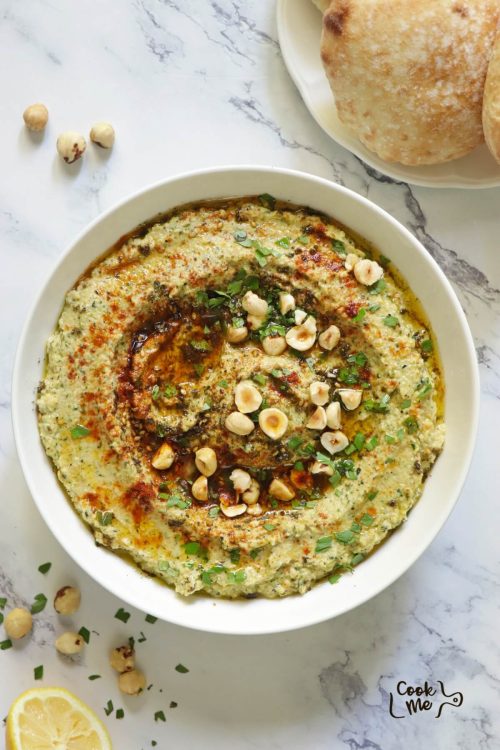

Middle Eastern cuisine isn’t just food—it’s a 4,000-year journey through the world’s oldest recorded recipes from ancient Mesopotamia. This incredible culinary tradition gave us the first written recipes on cuneiform tablets (seriously, they’re at Yale!), fermented bread, and the art of mezze that turns every meal into a celebration. From sumac’s lemony tang and za’atar’s ancient healing powers to the hospitality culture where guests are treated like royalty for three days, Middle Eastern cooking is where community meets incredible flavors. Whether you’re mastering hummus or exploring regional spice blends, you’re tasting history in every single bite.
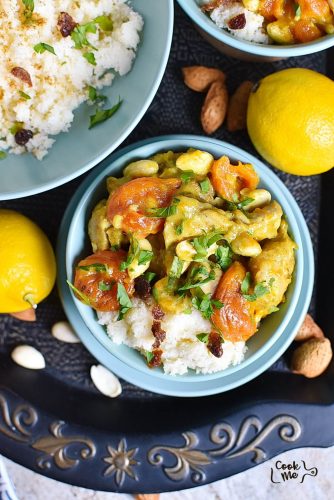
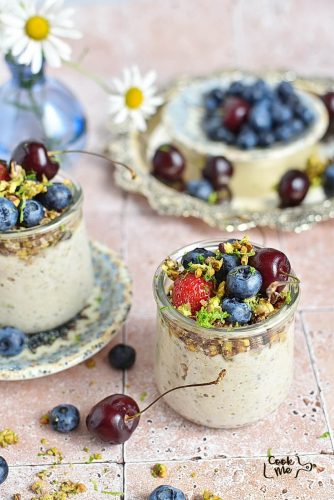
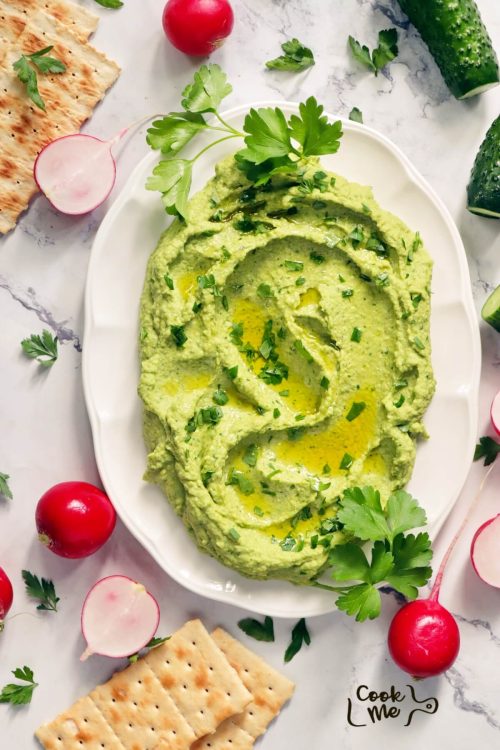
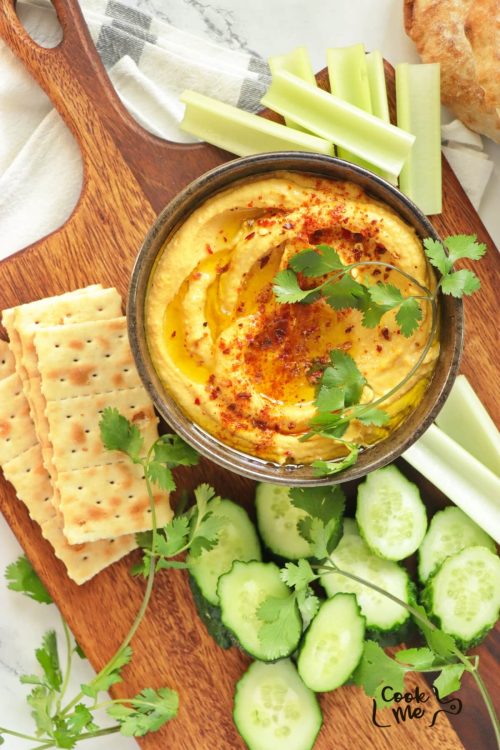
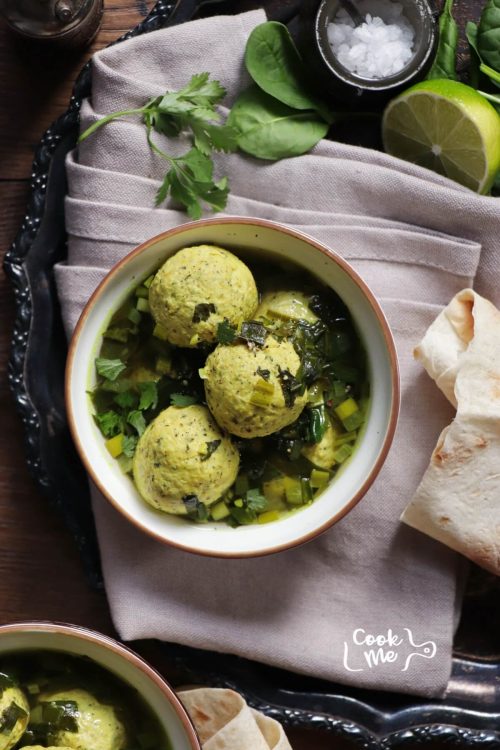
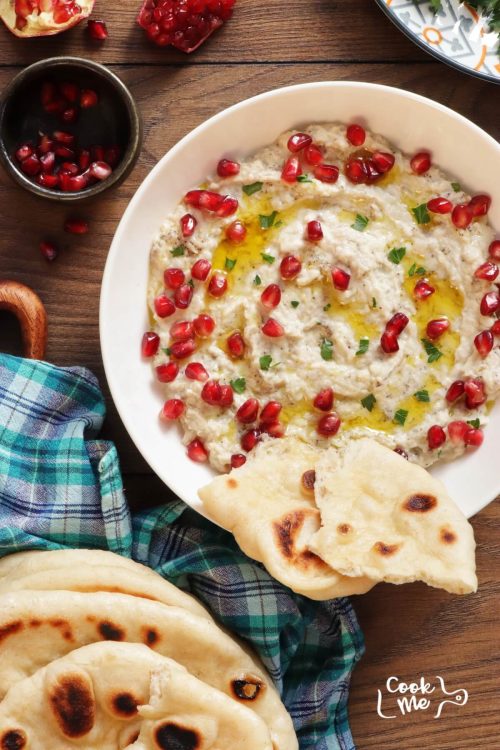
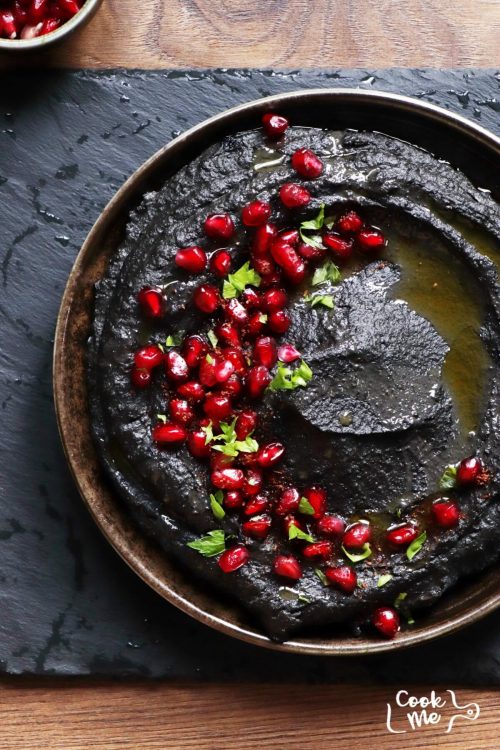
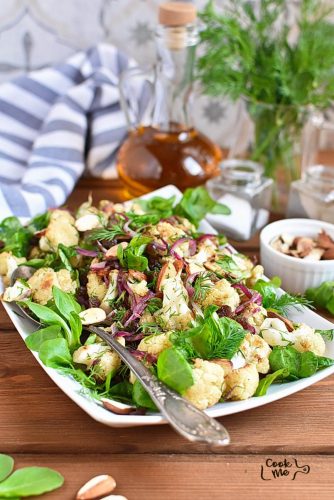
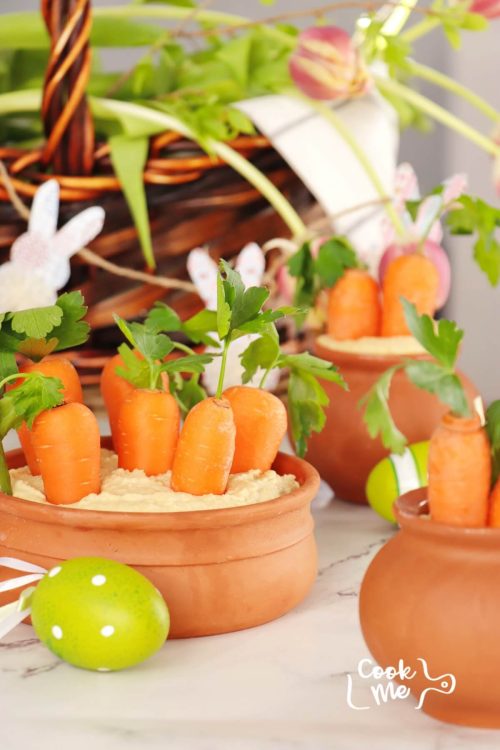
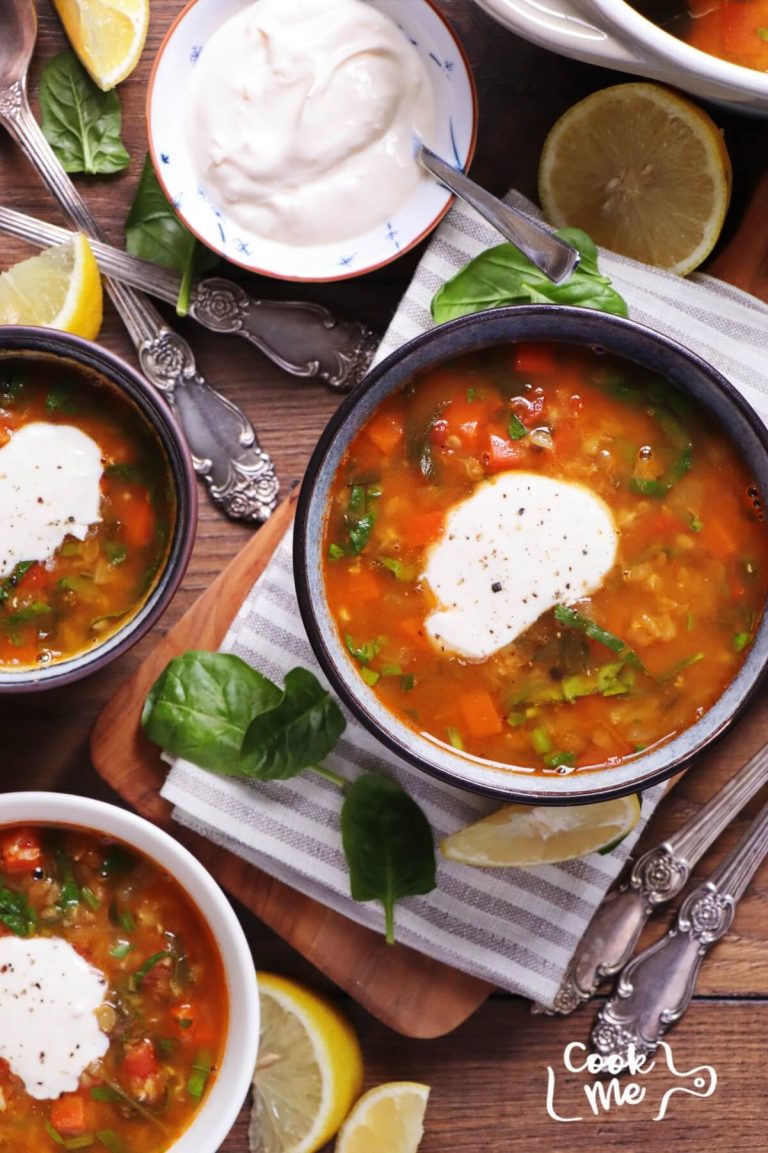
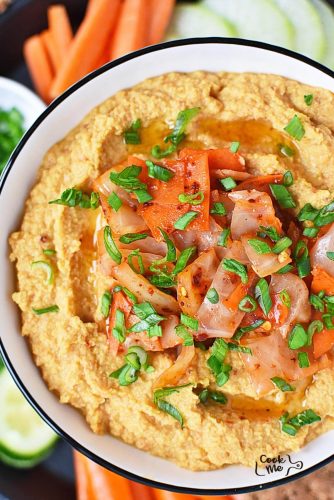
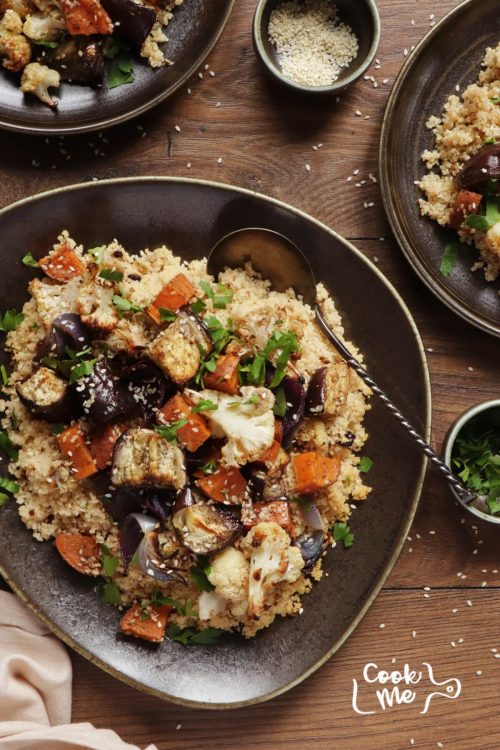
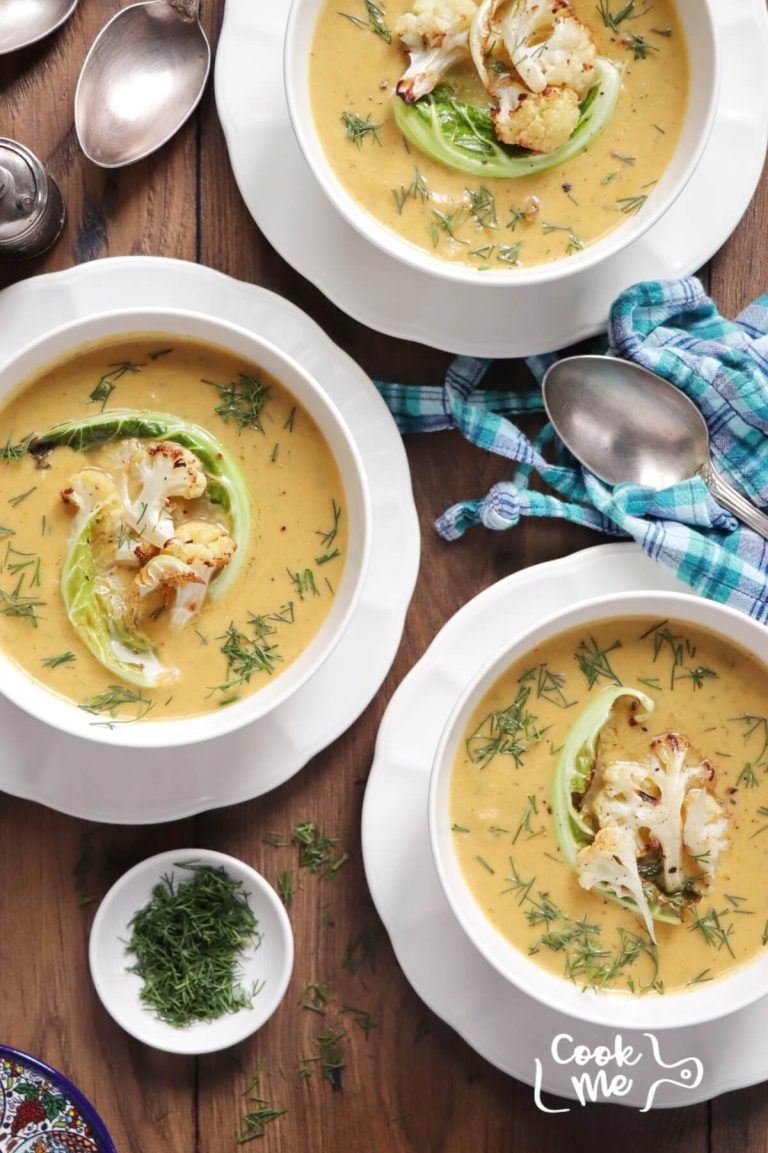
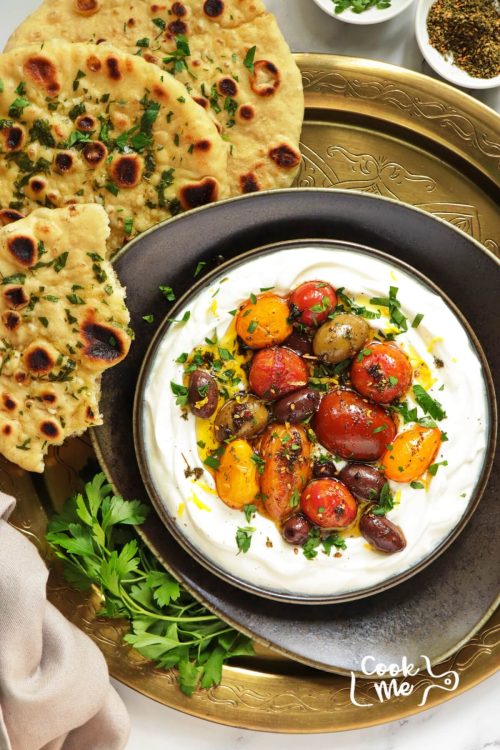

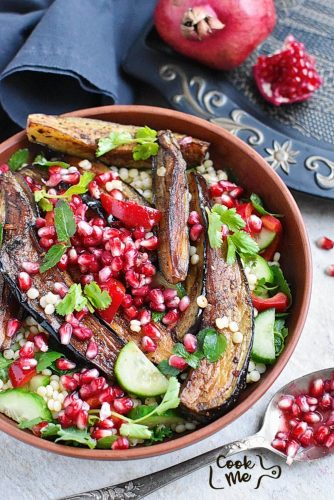
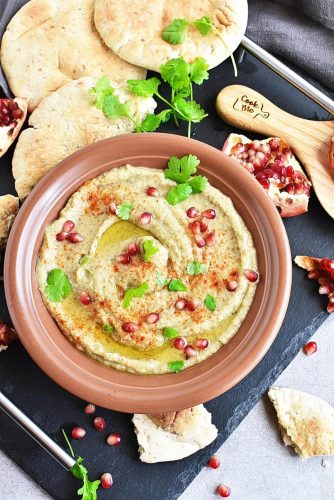
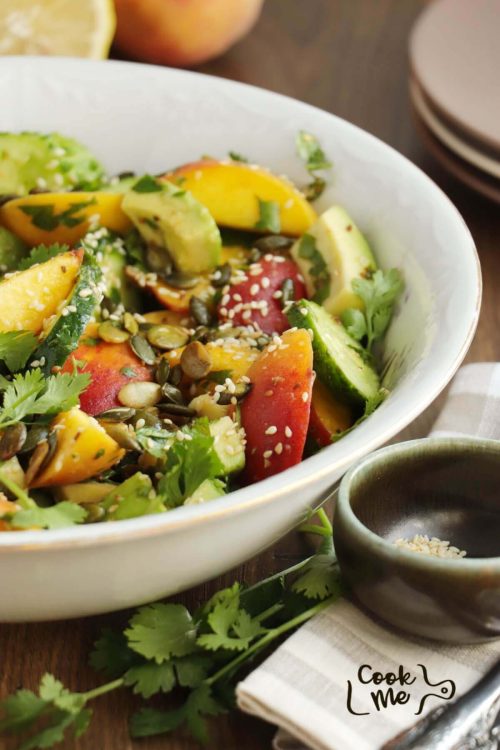
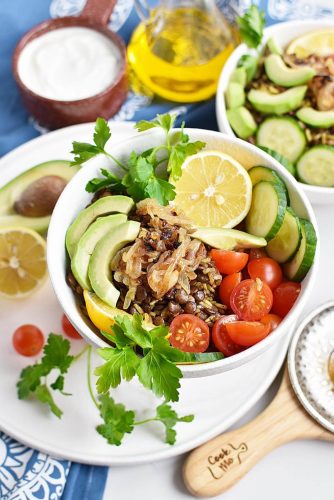
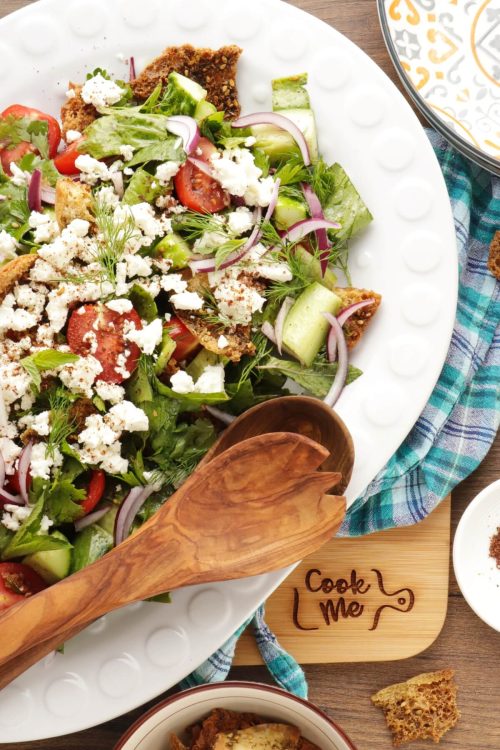

Picture this: nearly 4,000 years ago, ancient Mesopotamian cooks were already writing down recipes on clay tablets—making Middle Eastern cuisine literally the world's first documented cooking tradition. These aren't just random old recipes either; we're talking about sophisticated dishes that would totally hold their own at today's dinner tables.
The Yale Babylonian Collection houses these incredible cuneiform tablets from 1730 BC, revealing that ancient cooks were already creating complex stews, herb-crusted meats, and even an early version of what we'd recognize as falafel. These ancient food innovators were fermenting bread, brewing beer, and creating flavor combinations that still make our taste buds sing today.
What blows my mind is how much these early recipes influence what we eat now. Take the "Three Sisters" of Mesopotamian cooking—barley, dates, and onions—which formed the foundation of daily meals. Fast-forward to today, and you'll find these same ingredients anchoring dishes from Beirut to Baghdad. The geographic position of the Middle East as the crossroads between Europe, Africa, and Asia meant that spices, techniques, and ideas flowed through like a ancient culinary highway, creating this incredible fusion that we call Middle Eastern cuisine.
The really cool part? Many families today still use cooking methods that would be totally familiar to those ancient Mesopotamian chefs. Clay pot cooking, sun-drying herbs, and communal bread baking aren't just traditions—they're living links to our culinary ancestors.
Here's where Middle Eastern cuisine gets really exciting—every region has its own personality, but they all share this incredible foundation of hospitality and bold flavors. The Levant (think Lebanon, Syria, Palestine, Jordan) is all about fresh herbs and that famous mezze culture where sharing isn't just encouraged, it's practically mandatory.
Head south to the Gulf states, and you'll discover how Bedouin traditions shaped a cuisine built around dates, camel milk (yes, really!), and spice blends that'll wake up taste buds you didn't know you had. Iranian cuisine brings its own magic with saffron, pomegranates, and rice dishes so good they're basically edible poetry.
But here's what's really awesome—despite all these regional differences, there's this common thread of ingredients that pop up everywhere. Chickpeas, lentils, olive oil, garlic, and onions are like the supporting cast that shows up in every Middle Eastern food story. It's like each region took the same basic ingredients and created their own culinary dialect.
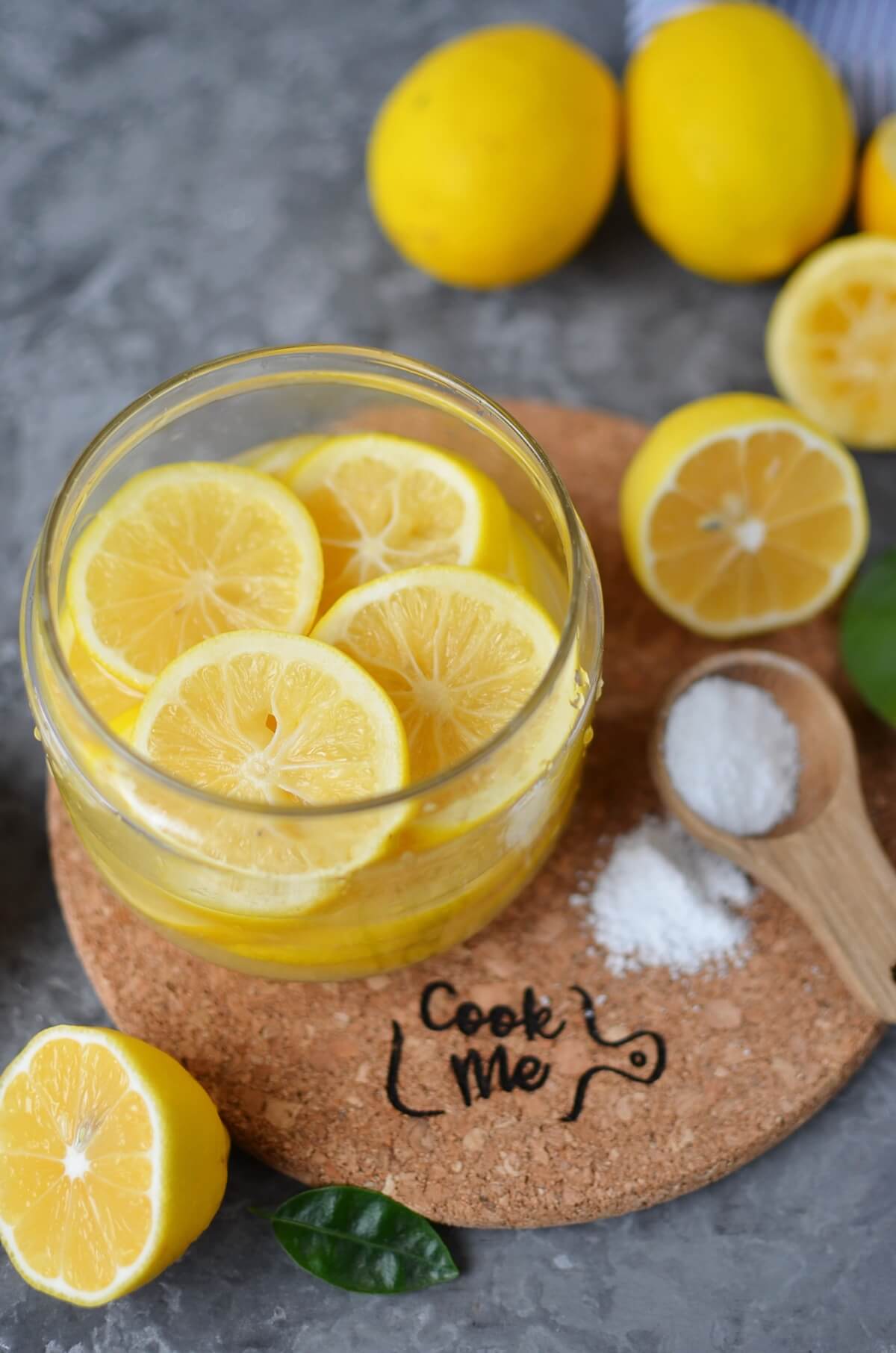
The climate played a huge role too. Hot, dry conditions meant preservation was key, so you get all these amazing techniques like making preserved lemons, drying fruits, and creating spice blends that not only add flavor but also help food last longer. Pretty genius, right?
Let's talk about the spices and ingredients that'll transform your cooking game. Za'atar is your new best friend—this ancient blend of wild thyme, sumac, sesame seeds, and salt has been called "brain food" for centuries. Fun fact: Middle Eastern kids traditionally ate za'atar before exams because people believed it boosted memory and concentration!
Sumac is another game-changer that'll blow your mind. This deep red powder comes from sumac berries and tastes like the lovechild of lemon and cranberry. Before lemons were available in the Middle East, cooks used sumac to add that bright, tart flavor that makes dishes pop. You can literally sprinkle this on anything—salads, grilled meats, even popcorn (trust me on this one).
Tahini might seem like just sesame seed butter, but it's the secret weapon behind so many Middle Eastern classics. Good tahini should be smooth, nutty, and slightly bitter—if it's too sweet, you're probably dealing with the processed stuff. Look for brands from Lebanon or Palestine; they know their tahini game.
For the harder-to-find ingredients, here's the insider scoop: Middle Eastern groceries often have the best quality and prices, but even mainstream stores are catching on. Can't find sumac? Order online—it keeps forever and a little goes a long way. Missing preserved lemons? You can actually make them at home with just lemons, salt, and patience.
Pro tip: Start with the "Big Five"—olive oil, garlic, lemon, herbs (parsley, mint, cilantro), and onions. With these basics, you can create authentic flavors that'll make your kitchen smell like a Beirut café.
Middle Eastern cooking isn't about fancy equipment—it's about understanding a few key techniques that've been perfected over thousands of years. Building flavor layers is huge. You don't just throw everything in a pot; you build flavors step by step, starting with aromatics like onions and garlic, then adding spices to bloom their oils, and finally adding your main ingredients.
The art of seasoning is crucial too. Middle Eastern cooks taste constantly and adjust. It's not just about salt—it's about balancing sour (lemon, sumac), salty (salt, olives), sweet (dates, pomegranate molasses), and herbs. Each dish should have complexity, not just heat.
Grilling and char are fundamental. Whether it's kebabs over an open flame or charring eggplant for baba ganoush, that smoky flavor is essential. Don't have a grill? A cast-iron pan can create similar char, or you can char veggies directly over a gas burner (carefully!).
Here's a technique that'll up your game instantly: blooming spices. Instead of just adding ground spices to your dish, heat them for 30 seconds in oil or a dry pan first. This releases their essential oils and makes everything more aromatic and flavorful.
Common mistake to avoid: Don't oversalt tahini-based dishes. Tahini has natural saltiness, so taste before adding more salt, especially in hummus or salad dressings.
Mezze isn't just appetizers—it's a whole philosophy about how food brings people together. The word comes from Persian "maza," meaning "to taste," and that's exactly what mezze is about: tasting, sharing, and connecting over amazing food.
Here's what makes mezze special: it's designed for lingering. You're not supposed to wolf down your food and leave. You're supposed to take your time, try a little of everything, and enjoy the conversation. It's like the anti-fast-food experience, and honestly, we could all use more of that in our lives.
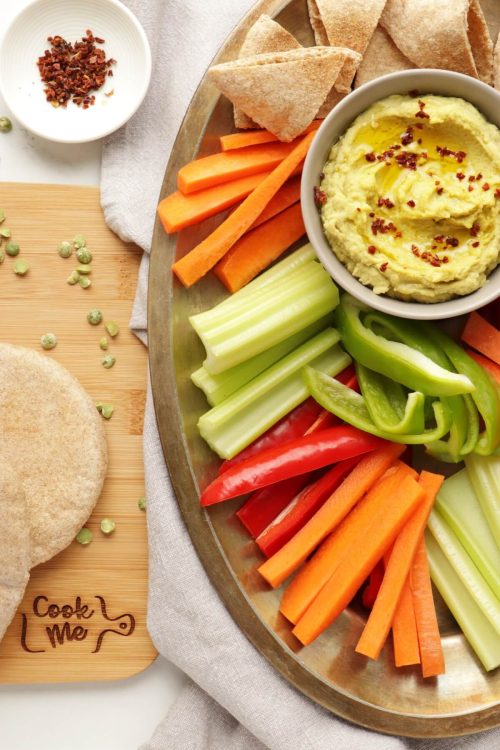
Traditional mezze follows a pattern that's been perfected over centuries. You start with simple things—olives, cheese, fresh vegetables. Then come the dips and spreads (hello, hummus and baba ganoush). Next, you move to more complex dishes like stuffed grape leaves or kibbeh. The beauty is in the variety and the fact that everyone shares everything.
The hospitality aspect is mind-blowing. In traditional Middle Eastern culture, guests have the right to stay for three days without the host asking any questions. While that's not exactly how it works today, the spirit remains: when you're invited to someone's table, you're treated like royalty. The host will literally not let you leave hungry.
Want to create your own mezze experience? Start with 5-7 dishes that offer different textures and flavors. Include something creamy (hummus), something crunchy (falafel), something fresh (tabbouleh), something rich (cheese or olives), and always, always have good bread for scooping.
Middle Eastern cuisine is having a serious moment right now, and it's about time! Chefs like Yotam Ottolenghi have introduced mainstream audiences to the incredible diversity and sophistication of these flavors, while restaurants from London to Los Angeles are putting their own spins on classics.
The health-conscious food movement has really embraced Middle Eastern ingredients too. Think about it—this cuisine has been plant-forward for thousands of years. Legumes, grains, vegetables, and healthy fats have always been the stars, with meat playing more of a supporting role. It's accidentally perfect for today's eating trends.
Za'atar everything is definitely a thing now. You'll find za'atar on bagels in Brooklyn, mixed into pasta in Rome, and sprinkled on avocado toast everywhere. While purists might cringe, this adaptation shows how versatile and appealing these flavors are to global palates.
Social media has been huge for Middle Eastern food too. Beautiful mezze spreads are Instagram gold, and home cooks are sharing family recipes that have been kept secret for generations. It's creating this amazing cultural exchange where food becomes a bridge between different communities.
The fusion happening right now is pretty exciting. Middle Eastern-Mexican combinations (hello, sumac tacos), Mediterranean-Asian crossovers, and even Middle Eastern-influenced pizza are popping up everywhere. While fusion can go wrong, when it's done with respect and understanding of the original flavors, it creates something completely new and delicious.
Authentic Middle Eastern cooking is all about technique, quality ingredients, and respecting traditional flavor combinations. Look for recipes that emphasize fresh herbs, proper spice blending, and communal serving styles. The best indicator? If a dish would make sense at a family gathering where everyone's sharing and tasting from the same plates.
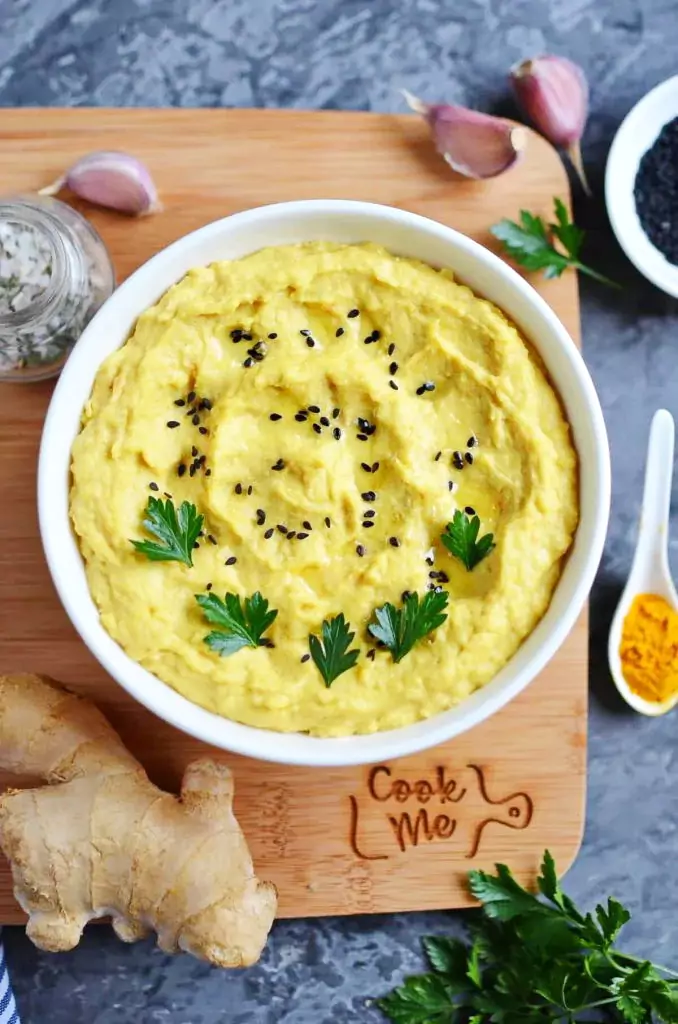
Start with hummus (way easier than you think!), tabbouleh, and simple grilled kebabs. These give you the foundation flavors without requiring special equipment. Once you're comfortable with those, move on to stuffed grape leaves, falafel, and baba ganoush. The key is building confidence with the basic flavor profiles.
Focus on versatile staples first: good olive oil, dried chickpeas and lentils, tahini, sumac, and za'atar. Buy spices in small quantities from Middle Eastern stores—they're fresher and cheaper than supermarket versions. Preserved lemons and pomegranate molasses are splurge items that last forever and transform ordinary dishes.
No sumac? Use lemon zest mixed with a tiny bit of cranberry powder. Can't find za'atar? Mix thyme, sesame seeds, salt, and lemon zest. Missing preserved lemons? Regular lemon juice plus a pinch of salt works in a pinch. The goal is getting those bright, herbal, tangy flavors that define the cuisine.
Not at all! Middle Eastern cuisine is more about aromatic spices than heat. Most dishes focus on herbs, citrus, and warming spices like cinnamon and allspice rather than hot peppers. When heat is used, it's usually balanced with cooling elements like yogurt or herbs. It's complex flavor, not necessarily spicy flavor.
Honestly, you probably have everything already! A good food processor for hummus and dips, a mortar and pestle for spice blends (though a coffee grinder works too), and a cast-iron pan for achieving that perfect char on meats and vegetables. A fine-mesh strainer is helpful for silky smooth hummus, but definitely not essential.
Think variety and balance: aim for 5-7 dishes that cover different textures (creamy, crunchy, fresh), temperatures (room temp and warm), and flavors (tangy, rich, herbal). Make most things ahead of time—mezze is perfect for entertaining because very little needs last-minute prep. Always have more bread than you think you need!