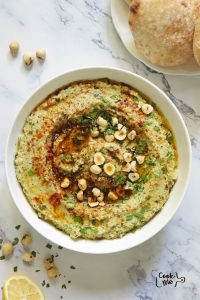
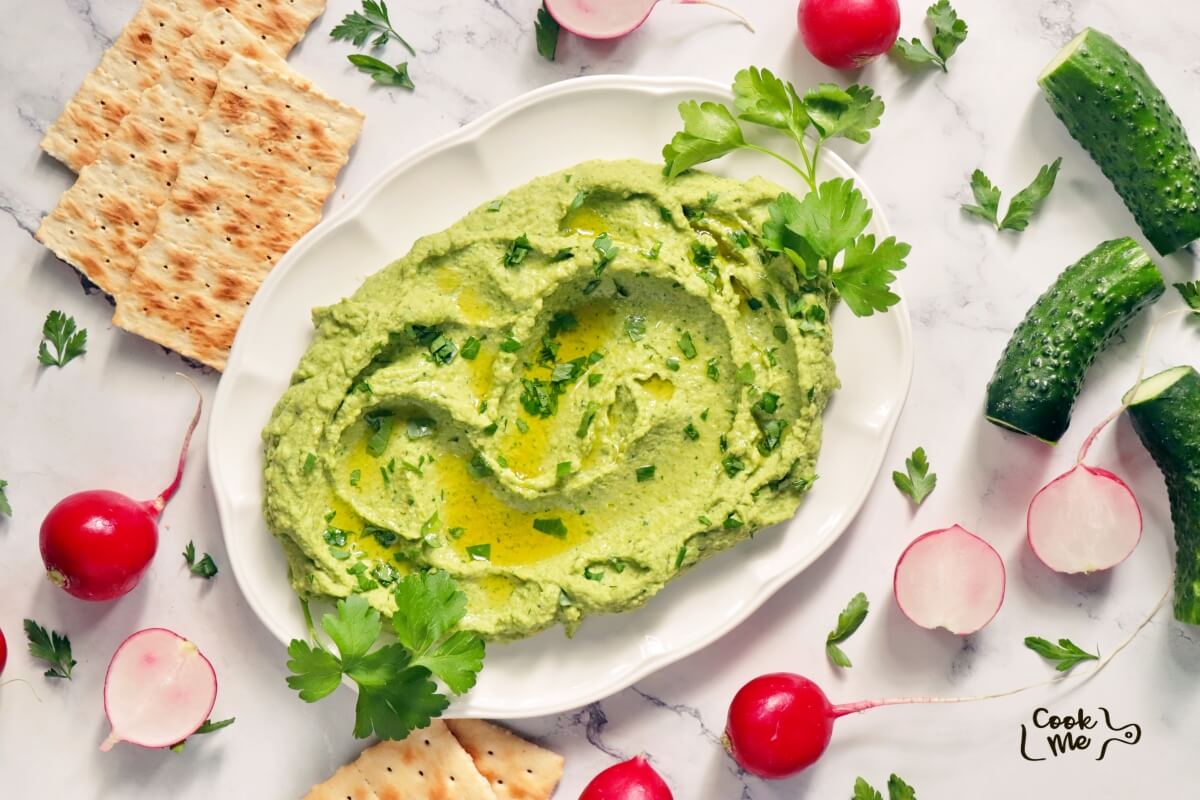
I have been tinkering with hummus for years, ever since that summer in Berlin when I first blended chickpeas with whatever herbs I could find on my tiny windowsill. This parsley version feels honest and bright. It uses a lot of fresh parsley so the dip goes an almost electric green and the herb gives a peppery lift that cuts through the creaminess.
It is forgiving too. I have even made hummus without tahini on days when the pantry was spare, and it still came out smooth enough to impress. I like recipes that rescue the wilted bunch of herbs at the back of the fridge. My mother, Eleanor, would have said the same thing: do not waste good things, love the earth worked for them too.
Beyond taste, it fits my little cooking creed: cook kindly, eat consciously, and leave no trace but joy. Serve it as a healthy parsley dip or spread it on warm bread and watch people who said they do not like hummus change their minds. I once handed out bowls at a community farm event in Totnes and even the cautious tasters got second helpings. Trust me.
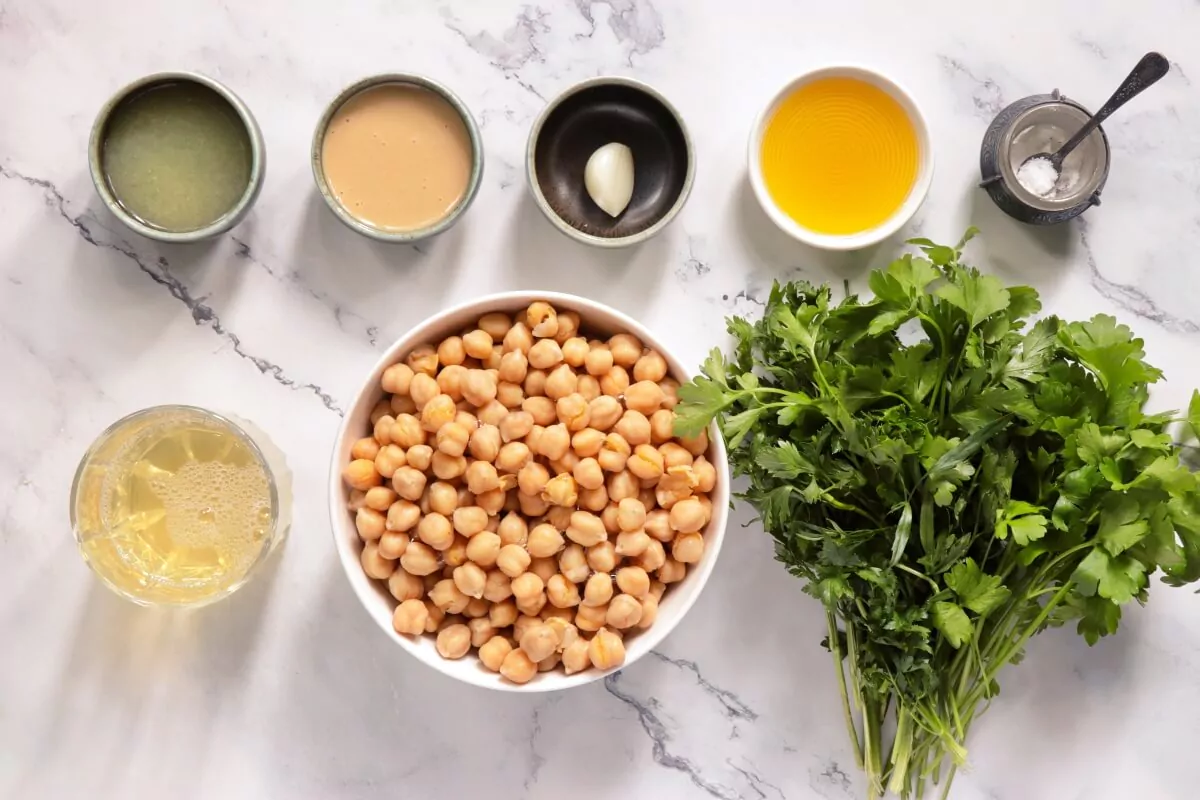
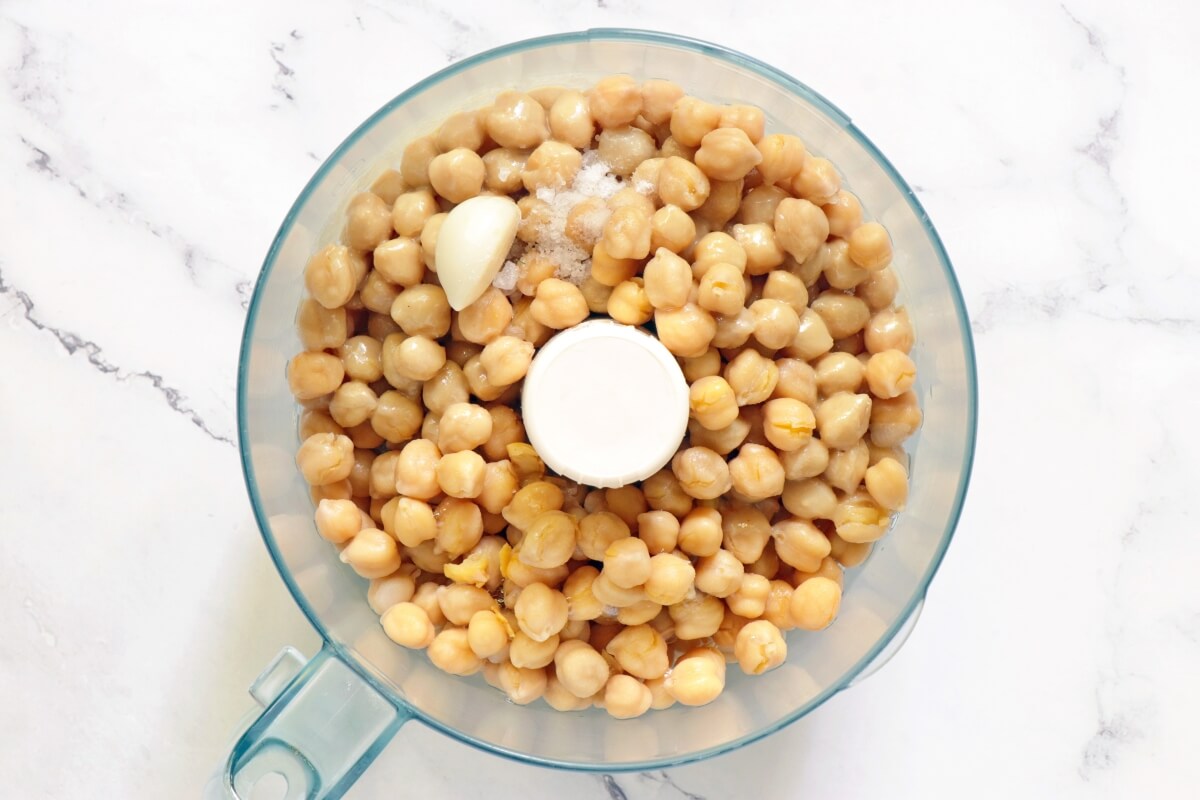
In a food processor, combine 3 cups chickpeas, 5 tablespoons water (or chickpea water), ¼ cup fresh lemon juice, ¼ cup tahini paste, 1 clove garlic, and ½ teaspoon fine sea salt.
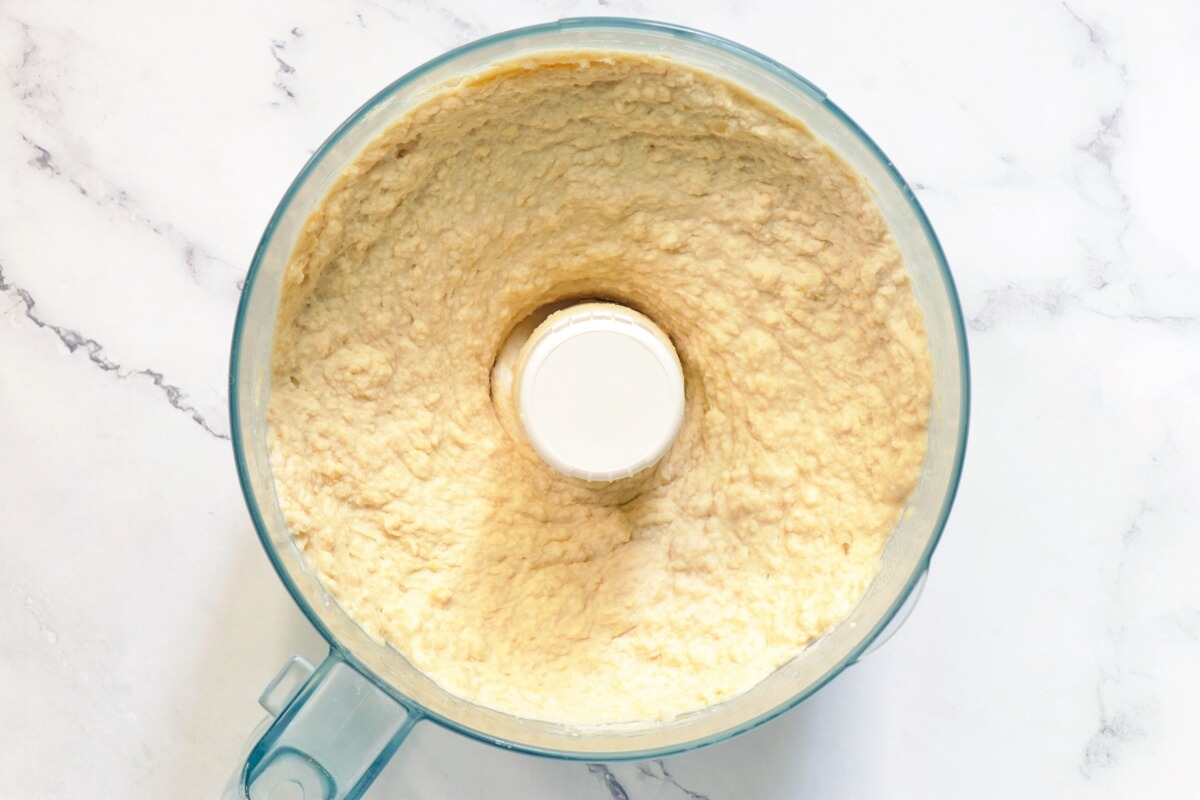
Blend on medium speed until the ingredients are combined, but still look grainy. Scrape down the sides, then keep blending until the mixture is completely smooth. Taste and add more water, if needed, 1 tablespoon at a time, blending after each addition, until you get the desired consistency and the hummus is smooth.
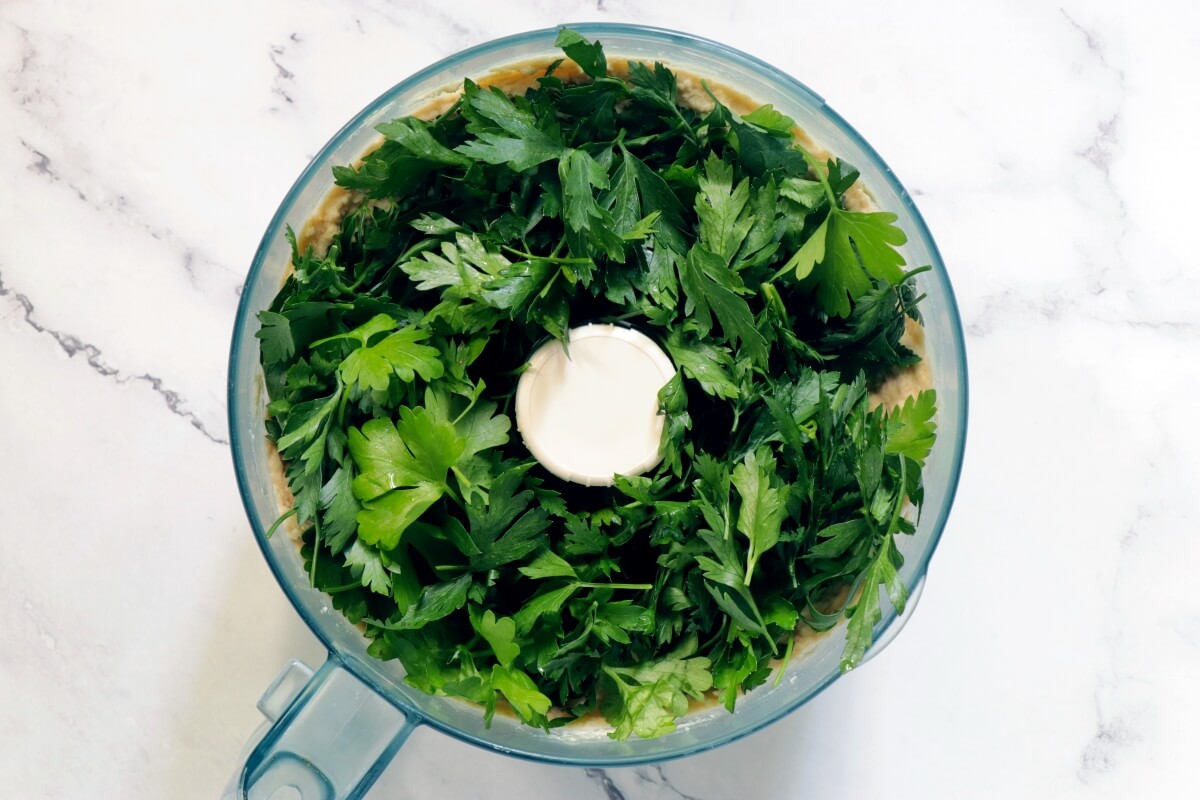
Add the parsley leaves, leaving a few tablespoons for serving, and blend on medium-high speed for about 5 minutes or until the parsley is completely incorporated.
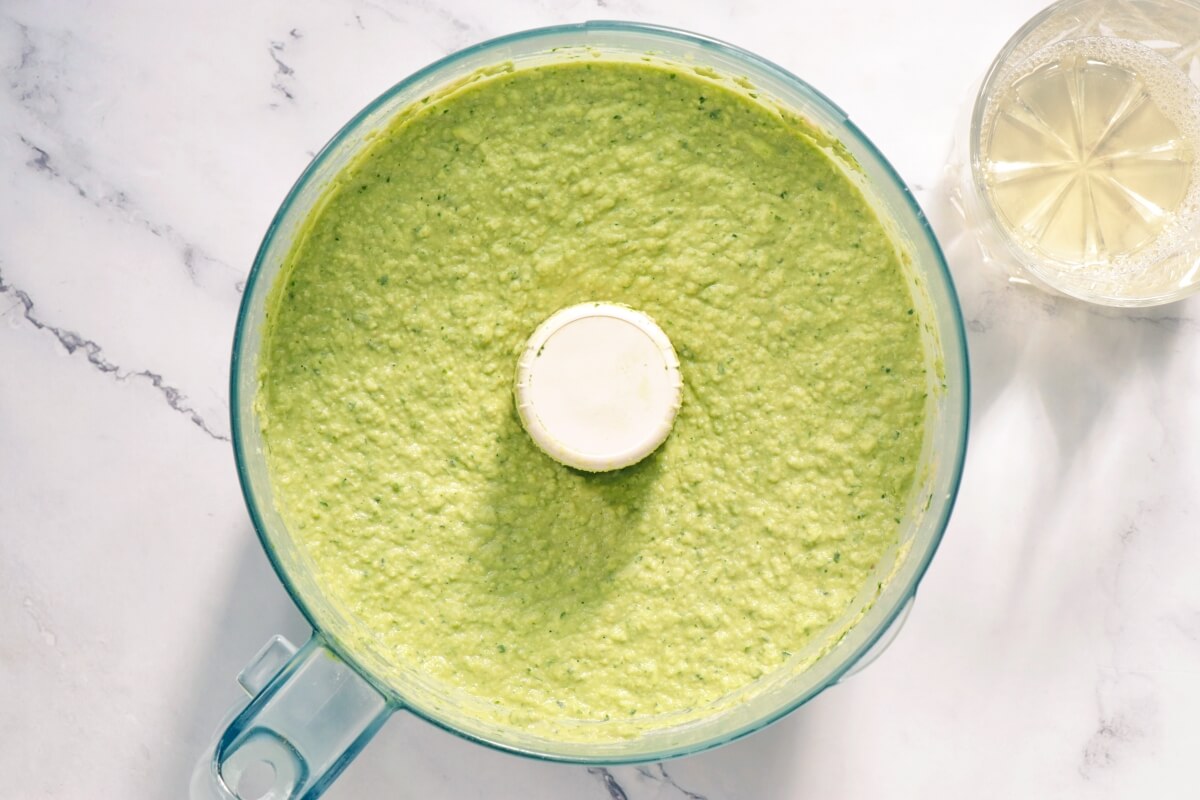
Taste and add more water, lemon juice, or seasonings if needed. With the food processor set on the lowest speed, pour in 2 tablespoons of olive oil in a slow, thin stream through the top opening.
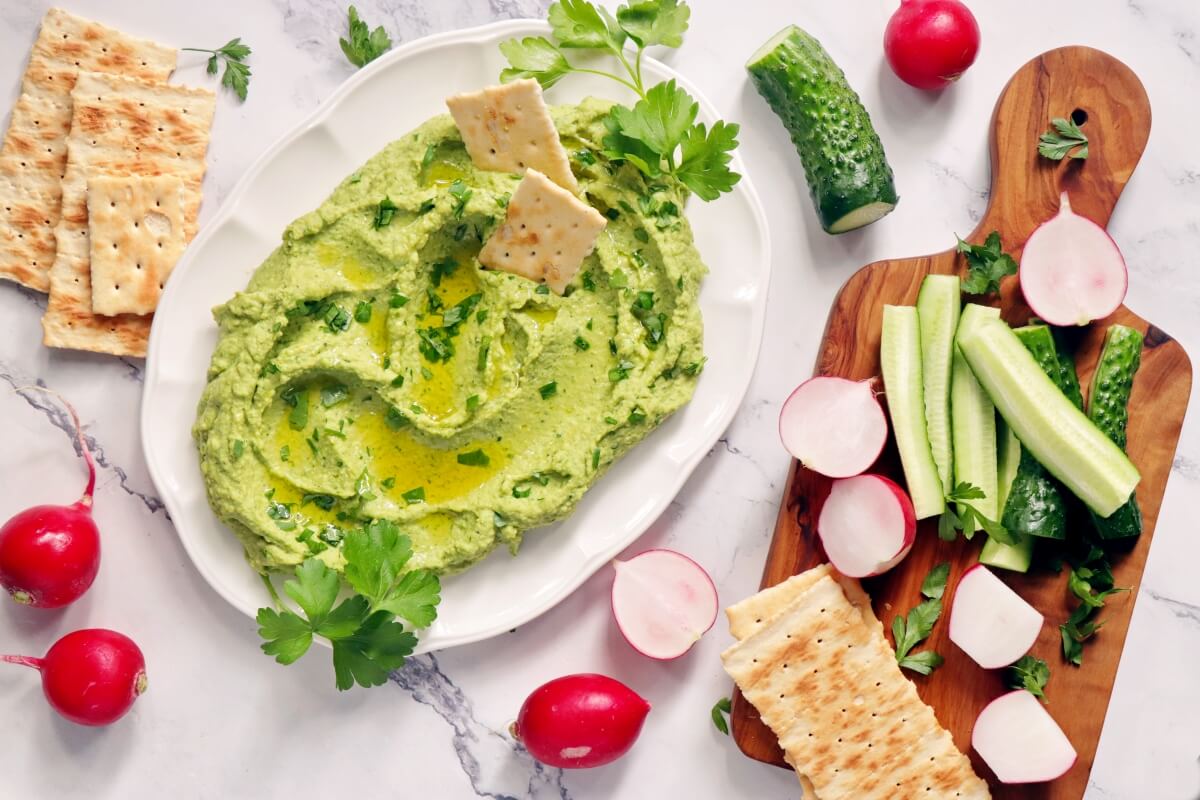
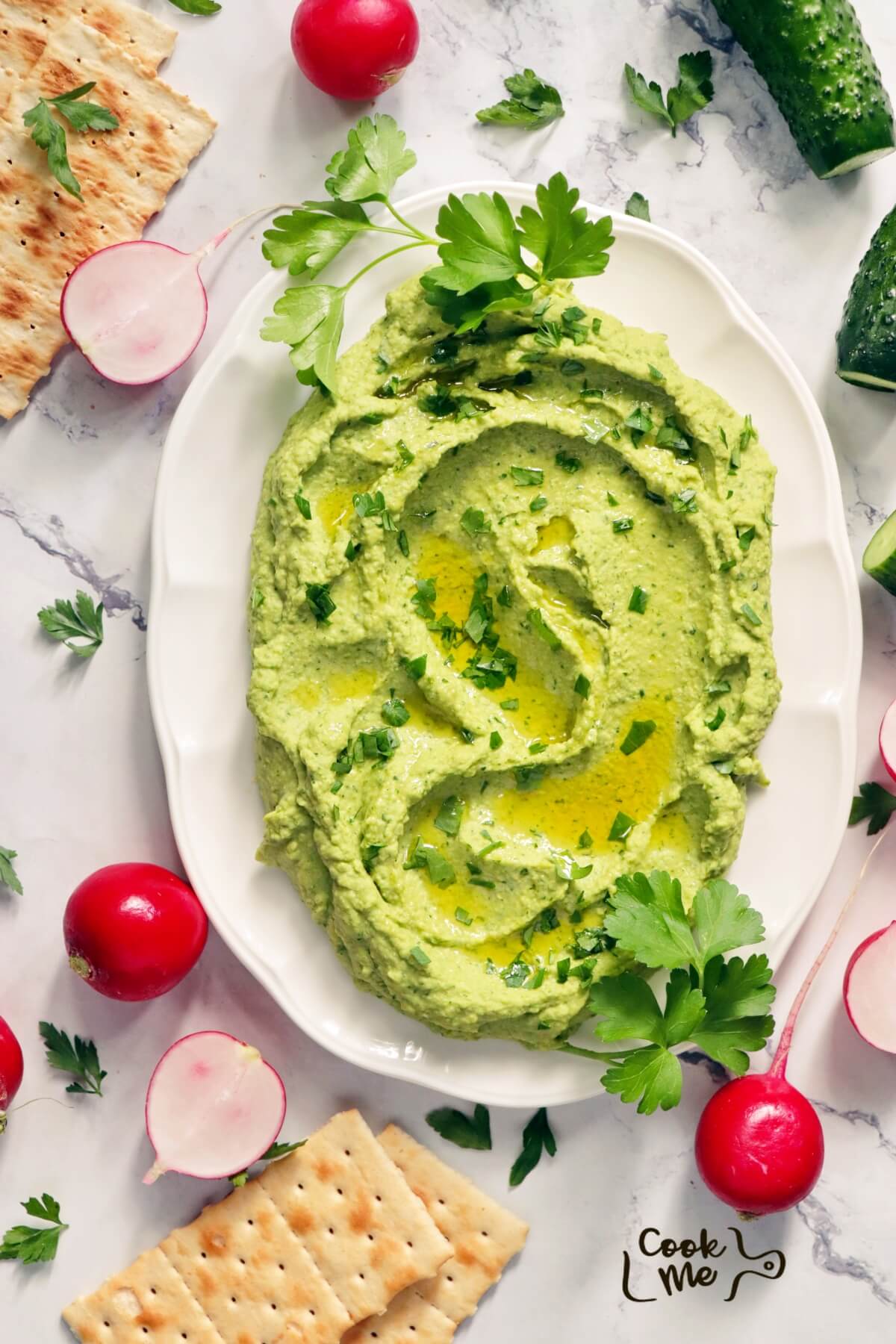
To serve, spread the hummus onto a platter, drizzle with olive oil, and sprinkle with fresh chopped parsley. Serve with crackers and fresh-cut vegetables on the side.
You do not need a lot of kit. A food processor is best for a silky texture; a blender with a strong motor will do in a pinch. A sharp knife for trimming the parsley and a sturdy cutting board make prep quick and tidy. Measuring spoons and cups help if you are new to balancing lemon and salt, though I mostly eyeball things now.
Have a spatula to scrape the sides while you blend so no chickpeas get left behind. An oil bottle with a small spout is handy for drizzling at the end. Airtight glass jars keep leftovers fresh in the fridge. I learned to care for small kitchens early on washing dishes beside the sea, so I try to keep setup minimal and efficient. One time during a blackout I tried mashing by hand and it was lumpy and sad, so yes, the processor is worth it when you can.
Little tricks matter. Scoop out and save some of the chickpea water from the can, that magical liquid from the can people now call aquafaba. Add it tablespoon by tablespoon while blending to loosen the mix and make the hummus fluffy instead of dense and pasty. Taste as you go and stop when the texture feels right to your spoon.
Do not skimp on fresh lemon juice. It brightens the parsley and keeps the tahini from feeling heavy. I start with a quarter cup and then add more if the dip needs a lift. If you have time, and you enjoy the ritual, try how to make hummus from scratch with dried chickpeas soaked overnight. They give a nuttier depth and a creamier finish, though canned chickpeas are fine if you are short on time.
When you add the parsley, go in stages. Pulse first so the leaves break down, then blend until the green is even and smooth. Pour the two tablespoons of extra virgin olive oil in slowly on low speed so it emulsifies into the hummus and leaves a silky sheen rather than a slick pool on top. Taste and adjust salt and garlic as needed. This is kitchen physics, the same kind my lecturer Dr. Ramsey used to nudge me into thinking about heat and texture together. Actually, scratch that. I say trust your tongue.
I like to change small things rather than rewrite the whole recipe. For a warmer note, add a tiny bird’s eye chili or a pinch of cayenne when you blend. I first tried that in Chiang Mai and it brightened the parsley rather than hiding it. For a nut free dream if sesame is off limits, replace tahini with sunflower seed butter or a bit more olive oil and blend longer until creamy.
Swap raw garlic for roasted garlic to soften the bite into caramelized sweetness. Wrap a head in foil and roast at 200 degrees Celsius for about 40 minutes, squeeze a few cloves into the mix and you will have a deeper, gentler flavour. If you are wondering what to do with a lot of parsley, double it here for a verdant bowl that will turn any sandwich into something memorable.
These little shifts keep it interesting and make the hummus yours without wrecking the base balance that makes it work.
Spread it on a platter, drizzle extra virgin olive oil and scatter a few reserved parsley leaves on top. Crunchy vegetables like carrot sticks, cucumber rounds and bell pepper strips give a fresh snap against the creamy dip. For heartier pairing, warm pita or crackers made from whole grains are lovely toasted for extra nuttiness. As a vegan appetizer it sits well on a mezze board with olives, roasted tomatoes and a firm vegan cheese.
This hummus also makes a reliable mediterranean diet snack. Spoon it onto salads, swirl through grain bowls, or use it as a sandwich spread. Leftovers are rare in my house, but if you have any, stir a spoonful into soups to thicken them or into mashed potatoes for an herby twist. I often take a tub to the urban farm where I teach and it keeps volunteers fed between weeding shifts.
Use a blender with a strong motor and work in smaller batches. Add the ingredients gradually and you may need a splash more chickpea water to keep things moving. If all else fails, mash by hand with a fork or potato masher for a rustic texture. This is an easy blender recipe when you are travelling or in a pared back kitchen.
Cut the garlic to half a clove or roast it first to mellow the bite. Taste as you blend and add lemon to balance if needed. In my kids classes this little tweak makes the hummus far more approachable.
Fresh parsley is best for colour and brightness, but dried can work in a pinch. Use about a third of the amount and rehydrate it briefly in water. It will not be as vivid, but it will save the bowl from going to waste.
I store mine in airtight glass jars and it usually keeps for up to five days. Lemon and salt help preserve it, but if you are unsure, trust your nose first and then your eyes. I often make a batch on Sunday that feeds lunches all week.
Yes, reduce liquid for a denser spread or add chickpea water one tablespoon at a time for a silky dip. This recipe is forgiving so adjust to suit sandwiches or dipping bowls as you like.
This vibrant Parsley Hummus looks beautiful on your plate and tastes just as good. Ready in minutes, it’s delightful and healthy. Made this recipe? Let us know what you think in the comments below!

 Dairy-Free Recipes
 Gluten Free Recipes
 Low Cholesterol Recipes
 Vegan Recipes
 Vegetarian Recipes