Master (> 1 hr)
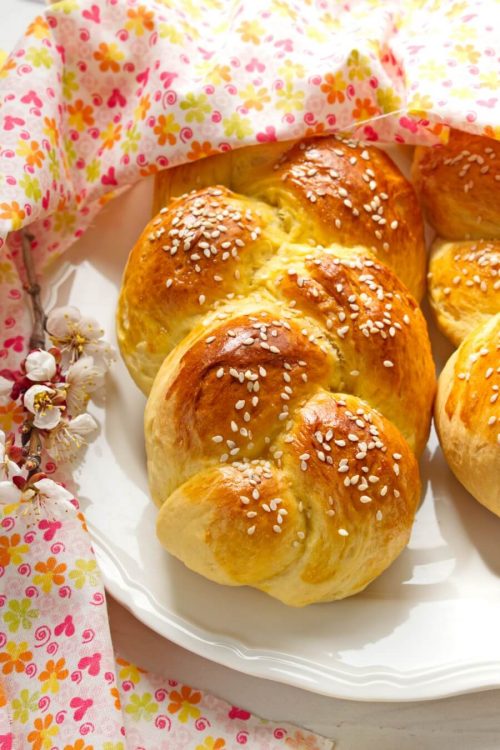

Step into the kitchen of one of the world’s oldest culinary traditions! Armenian cuisine takes you on a 6,000-year journey from the ancient Areni cave—home to humanity’s first winery—to today’s vibrant food scene. This is comfort food with serious pedigree: UNESCO-recognized lavash bread baked in underground tonir ovens, soul-warming dolma that’s been perfecting itself for centuries, and khorovats BBQ that turns every meal into a celebration.
Born in the Armenian Highlands where Europe meets Asia, these recipes carry stories of resilience, hospitality, and the kind of bold flavors that made Noah himself plant the world’s first vineyard right here.
Picture this: you're standing in a cave where your ancestors were fermenting wine when most of the world was still figuring out how to make basic pottery. That's Armenia for you—a place where food traditions run so deep, they literally come with archaeological evidence. The Areni-1 cave discovered in 2007 didn't just reveal the world's oldest winery dating to 4100 BC; it told us that Armenians have been serious about their food game since before most civilizations even existed.
But here's what makes Armenian cooking truly special—it's not just about age, it's about endurance. These recipes survived the rise and fall of empires, the scattering of people across the globe, and the kind of historical challenges that would make most cuisines disappear entirely. Instead, Armenian food got stronger, carrying the DNA of its homeland while adapting to kitchens from Los Angeles to Lebanon.
Armenia sits at one of the world's most dramatic culinary crossroads—perched high in the Lesser Caucasus mountains where Europe, Asia, and the Middle East converge. This isn't just geography; it's destiny on a plate. The highland climate creates incredibly intense flavors in everything from wild herbs to ancient grape varieties, while the Silk Road location meant centuries of spice traders, traveling cooks, and cultural exchange that enriched the local pantry.
The result? A cuisine that feels both familiar and exotic, with dishes that might remind you of Greek dolma but taste completely different thanks to uniquely Armenian touches like tarragon, sumac, and that signature use of walnuts and pomegranates. It's comfort food with a passport—hearty enough for mountain winters, sophisticated enough for imperial courts.
Every great cuisine has its secret weapon, and Armenia's is the tonir—an underground clay oven that's part cooking vessel, part cultural artifact. Dating back thousands of years, the tonir isn't just how Armenians bake their famous lavash bread; it's where khorovats gets its distinctive smoky flavor, where vegetables transform into silky sides, and where the line between cooking and ceremony completely disappears.
The tonir was so central to Armenian life that families literally built their homes around it. During harsh winters, it provided heat. During celebrations, it cooked the feast. During times of trouble, it kept traditions alive. Today's Armenian-American cooks might use a regular oven, but the flavors they're chasing—that perfect char, that subtle smoke—all trace back to those ancient underground ovens.
Armenian cuisine has a flavor profile that's impossible to mistake once you know it. There's the bright tang of sumac, the earthy richness of bulgur, the floral intensity of fresh herbs picked from mountain meadows. Pomegranates aren't just a garnish here—they're a symbol of abundance that shows up in everything from meat dishes to beverages. Walnuts provide richness and protein in both sweet and savory preparations.
But the real Armenian secret ingredient? Time. This is a cuisine built on slow cooking, patient fermentation, and the kind of make-ahead dishes that taste even better the next day. Harissa simmers for hours until the wheat and meat become one silky, comforting whole. Dolma gets its depth from multiple stuffings that complement each other. Even the bread—that UNESCO-protected lavash—develops its character through ancient timing and technique.
What's amazing about Armenian recipes is how effortlessly they translate to contemporary cooking. That same lavash that fed ancient cave dwellers makes incredible wraps for today's lunch boxes. Khorovats techniques work perfectly on modern grills (though true enthusiasts still swear by grape vine charcoal). Harissa has become the ultimate one-pot comfort meal for busy weeknights.
The diaspora has actually strengthened Armenian cuisine, with cooks around the world preserving traditional methods while innovating with local ingredients. You'll find Armenian restaurants in unexpected places—from Argentine parillas serving incredible khorovats to California wineries reviving ancient grape varieties. This global network of Armenian kitchens means the tradition stays alive while continuously evolving.
Long before "Mediterranean diet" became a buzzword, Armenians were eating what we'd now call superfood cuisine. The traditional diet revolves around whole grains, legumes, fresh vegetables, and lean proteins, with plenty of olive oil, nuts, and antioxidant-rich herbs. Fermented foods like pickled vegetables provide probiotics, while dishes like spas (yogurt soup) offer the kind of gut-healthy ingredients that modern nutritionists love.
Yet this is never austere eating. Armenian hospitality culture means every meal should be a celebration, every guest should feel like family, and there should always be more food than anyone could possibly finish. It's healthy eating that doesn't feel like a sacrifice—probably because when your ancestors perfected these recipes during times of scarcity, they made sure every bite delivered maximum satisfaction.
In Armenian culture, there's no such thing as "just stopping by." Any visit automatically becomes a feast, complete with the rapid appearance of multiple dishes, endless tea or coffee, and the kind of insistent hospitality that makes Mediterranean cultures famous. The phrase "you haven't eaten until you've tried my [dish]" isn't just politeness—it's a fundamental expression of care and cultural pride.
This hospitality tradition shapes how Armenian recipes are structured. Many dishes are designed to feed a crowd, to be easily scaled up when unexpected guests arrive, and to taste even better when shared. The dolma filling makes enough for extras, the khorovats marinade works for any amount of meat, and there's always lavash bread to turn any combination of leftovers into a satisfying meal.
Shopping for Armenian recipes today is easier than ever, thanks to the global nature of modern food markets and the growing popularity of Middle Eastern ingredients. Bulgur wheat, pomegranate molasses, sumac, and tahini are available in most well-stocked supermarkets. Specialty items like lavash bread can be found in international aisles or easily made at home with basic pantry staples.
The beauty of Armenian cooking is its adaptability. Traditional recipes often include suggestions for substitutions developed by generations of cooks working with whatever was available. Can't find fresh tarragon? Try dill or parsley. No pomegranate molasses? Lemon juice with a touch of honey works. This flexibility is built into the cuisine's DNA—after all, when your ancestors were scattered across the globe, adaptation wasn't just helpful, it was survival.
Today's Armenian food scene is experiencing something incredible: a renaissance that honors ancient traditions while embracing contemporary innovation. In Yerevan, young chefs are rediscovering forgotten recipes from medieval manuscripts. In Los Angeles, third-generation Armenian-Americans are opening restaurants that introduce traditional flavors to new audiences. Online communities share family recipes that might otherwise be lost.
This revival extends to ingredients too. Armenian wine, nearly extinct during the Soviet era, is making a global comeback with ancient grape varieties like Areni Noir winning international competitions. Heritage vegetables and forgotten grain varieties are being cultivated again. It's a cuisine that's simultaneously ancient and cutting-edge.
Armenian cuisine has a unique mountain character with distinctive ingredients like tarragon, sumac, and walnuts. The ancient tonir oven cooking method creates specific flavors you won't find elsewhere, and the cuisine incorporates more wheat-based dishes and hearty stews suited to highland living.
Start with lavash bread, dolma (stuffed grape leaves), khorovats (Armenian BBQ), and harissa (wheat and meat porridge). These represent the core flavors and techniques of Armenian cooking while being approachable for new cooks.
Essential items include bulgur wheat, sumac, dried tarragon, pomegranate molasses, tahini, olive oil, and yogurt. Many recipes also use walnuts, pine nuts, and preserved vegetables. Most ingredients are available in regular supermarkets or Middle Eastern grocery stores.
Absolutely! Traditional Armenian cuisine includes many vegetarian dishes like pasuts tolma (lentil-stuffed cabbage), various grain salads, and vegetable stews. Many meat dishes have traditional vegetarian versions developed for religious fasting periods.
Lavash is so culturally important that UNESCO recognized its preparation as Intangible Cultural Heritage. It's used in wedding ceremonies, represents life and sustenance, and can be dried and stored for months—making it the perfect bread for both celebration and survival.
Armenian cuisine is generally mild to moderate in heat, focusing more on complex herbal flavors than spice heat. When heat is used, it comes from ingredients like crushed red pepper or paprika, but the overall profile emphasizes aromatic herbs and tangy elements like sumac and pomegranate.
Basic kitchen equipment works fine for most Armenian recipes. A good heavy-bottomed pot for stews, a grill or grill pan for khorovats, and baking sheets for lavash are the main requirements. Traditional clay vessels are nice but not necessary for authentic flavors.