Master (> 1 hr)
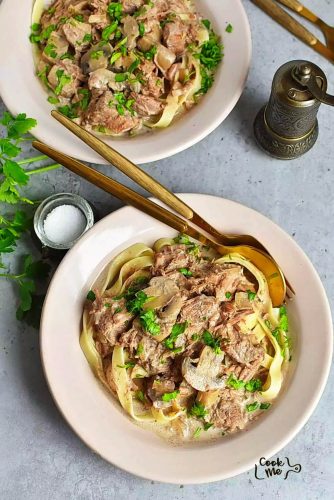

Russian cuisine is the ultimate comfort food – think hearty soups that warm you from the inside out, tender dumplings that melt in your mouth, and rich flavors that tell stories of generations past. Born from harsh winters and abundant harvests, Russian cooking transforms simple ingredients like cabbage, beets, and potatoes into soul-satisfying meals.
Whether you’re craving the iconic ruby-red borscht, pillowy pelmeni, or flaky beef stroganoff, these time-tested recipes bring the warmth of Russian hospitality straight to your kitchen. Get ready to fall in love with food that’s built for sharing, savoring, and creating memories.

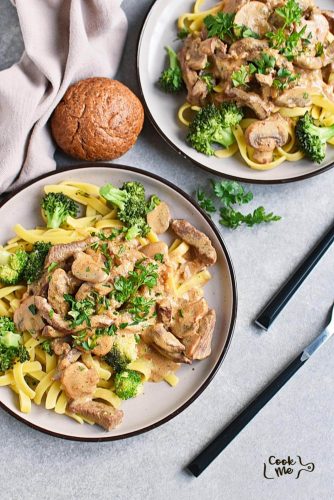
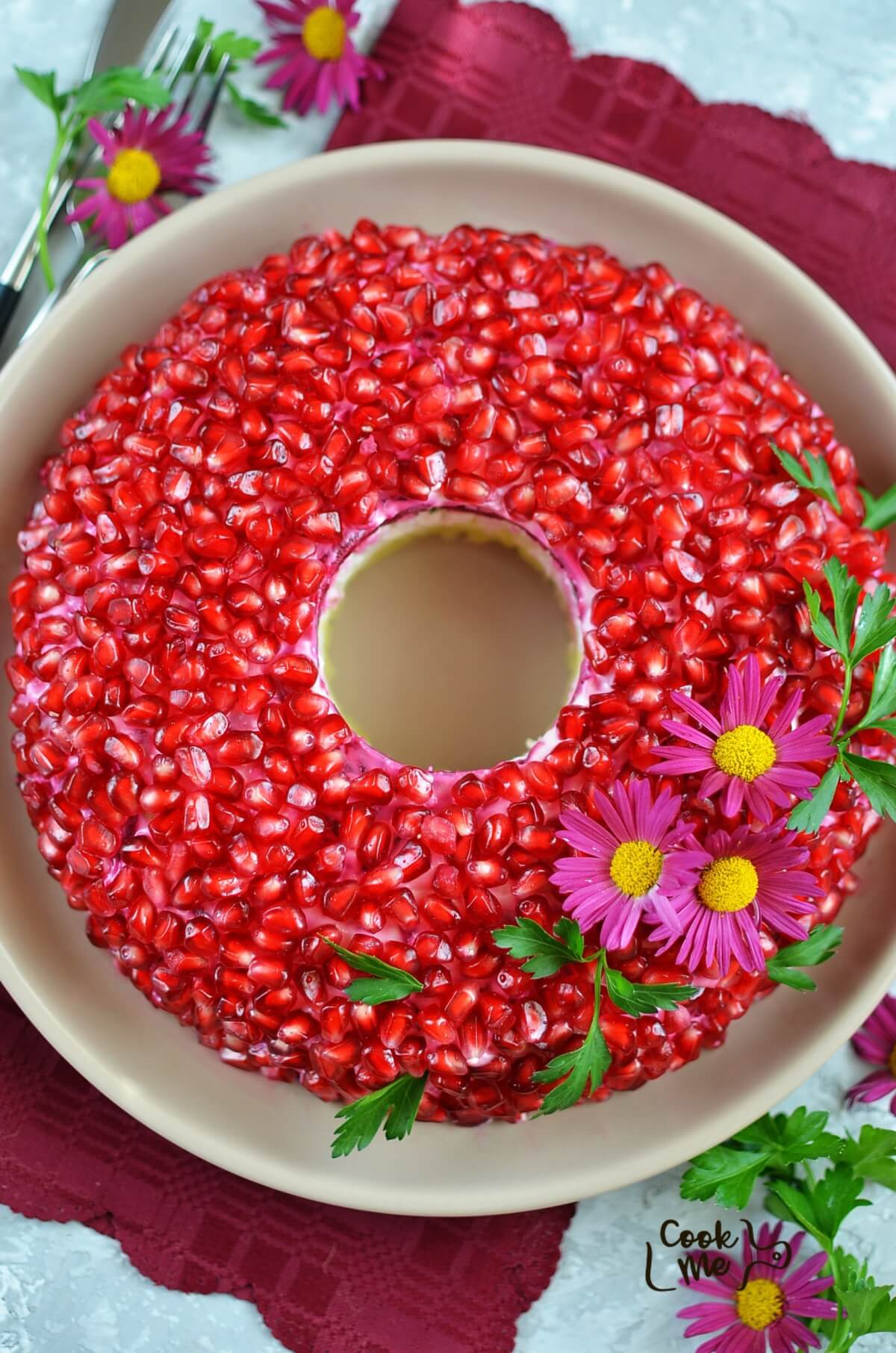


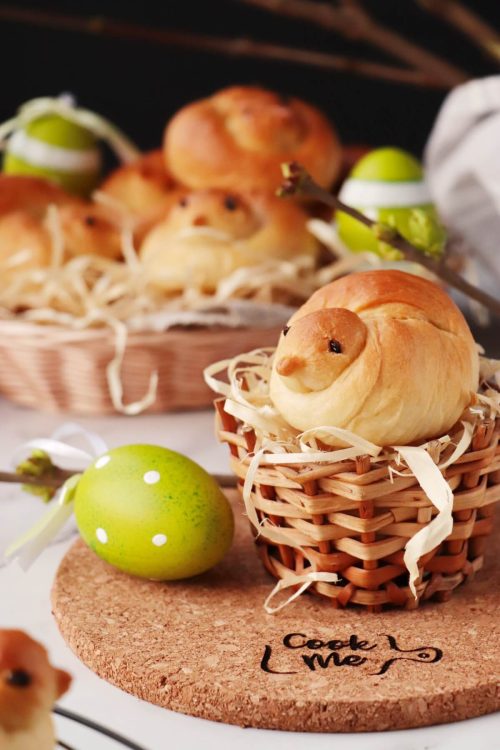
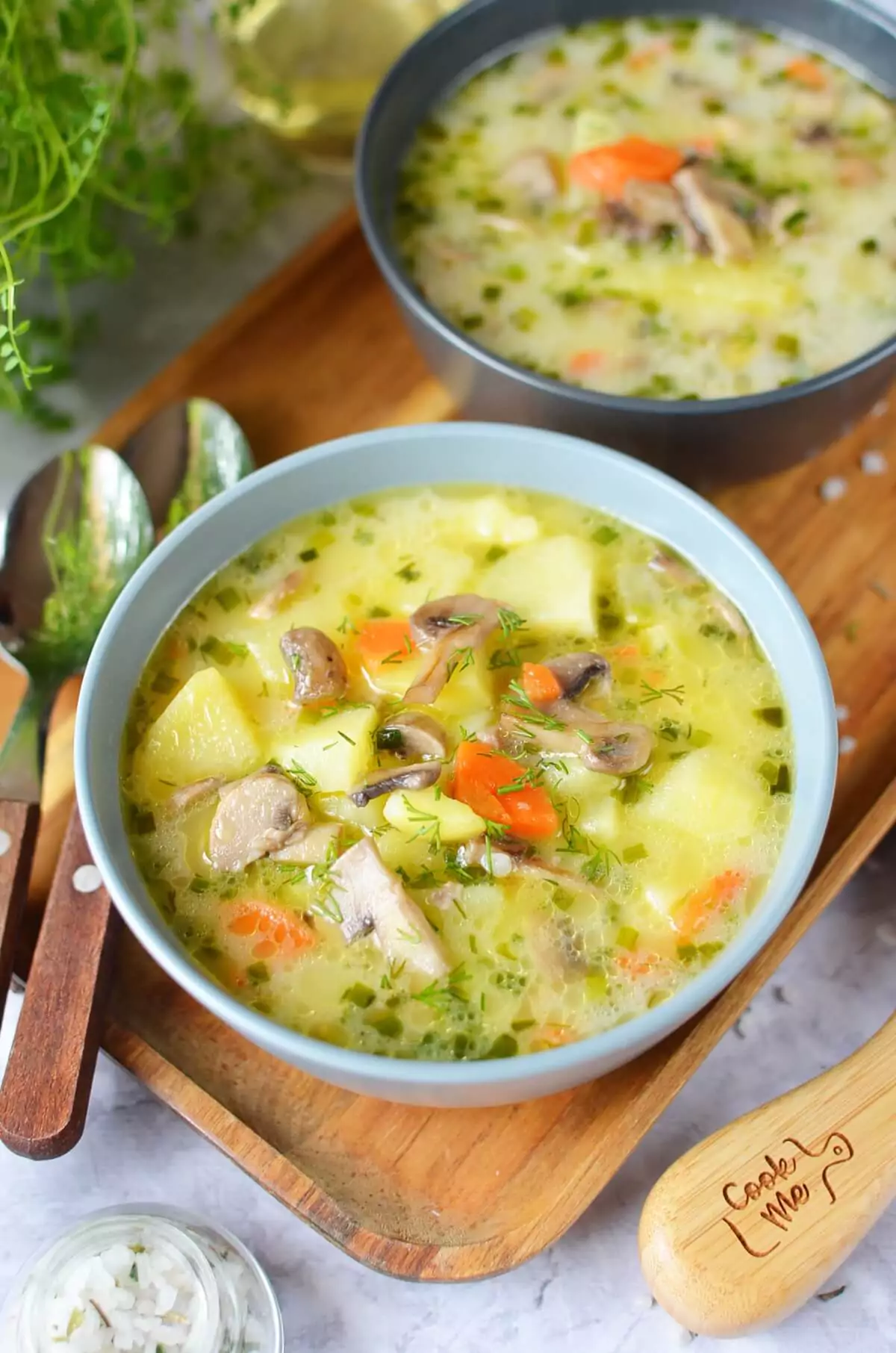

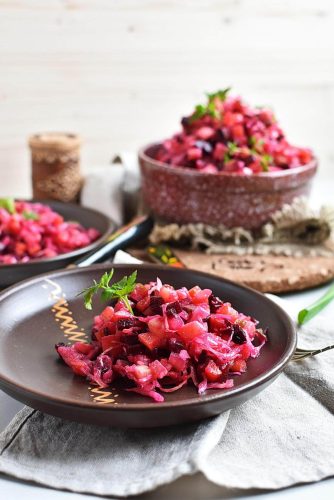


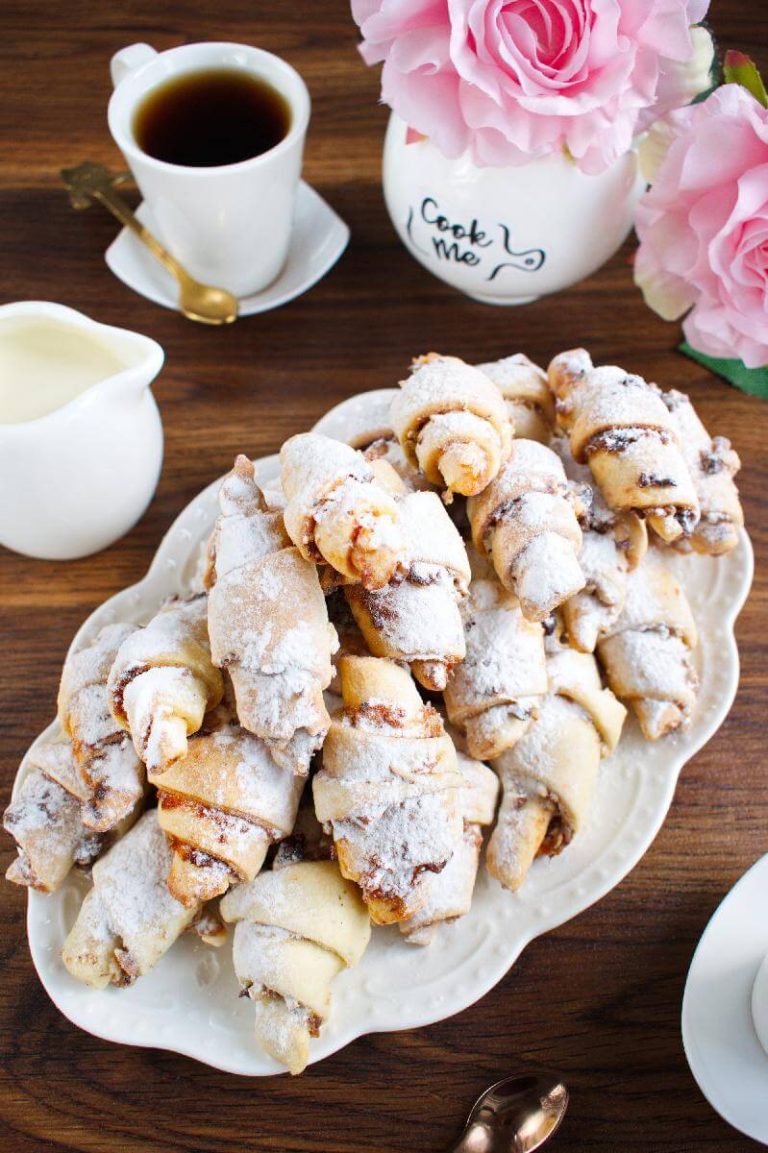



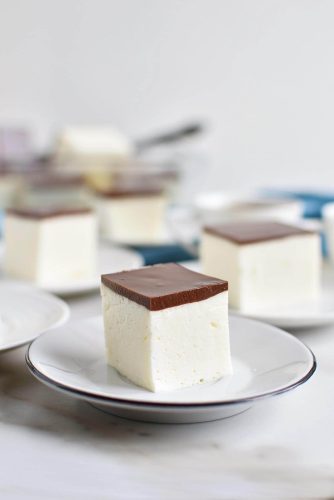
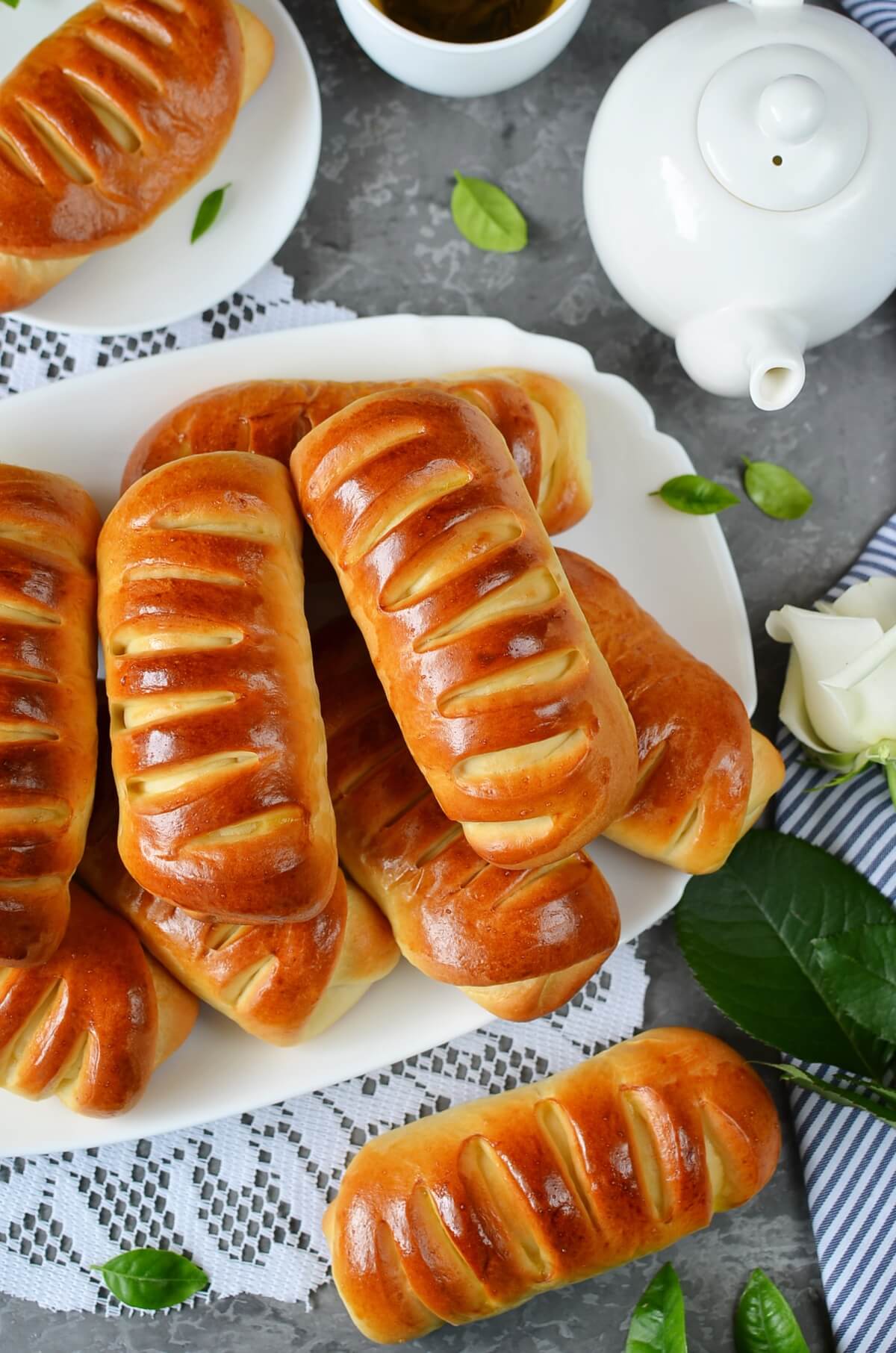
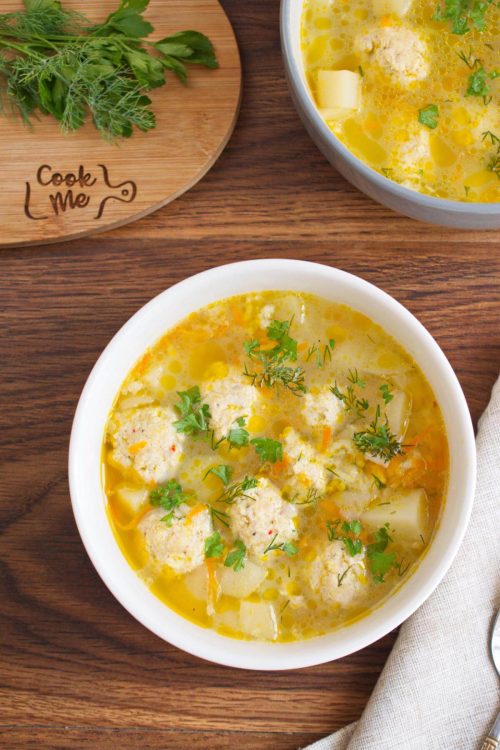

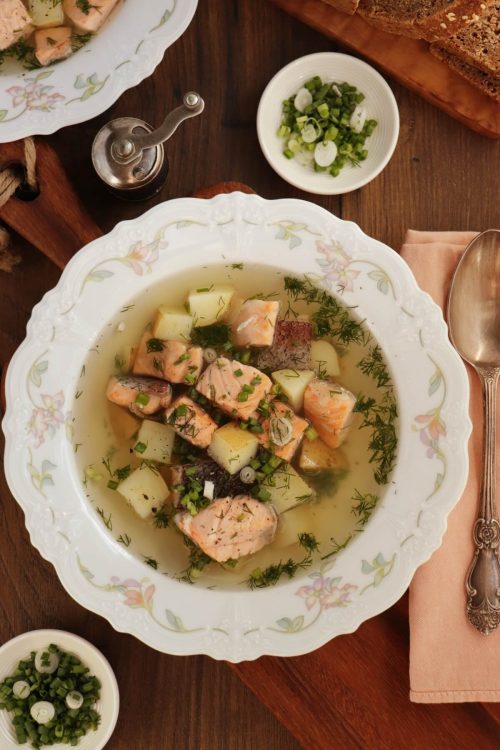
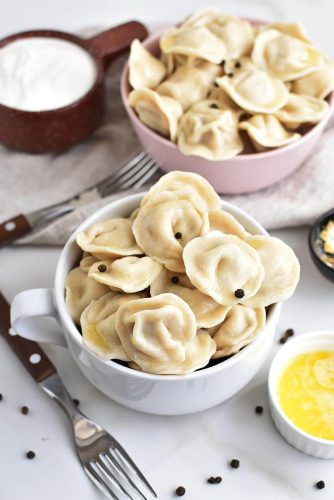


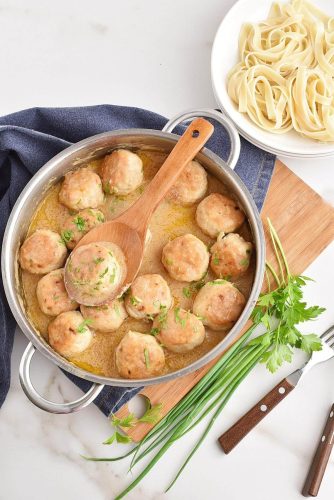
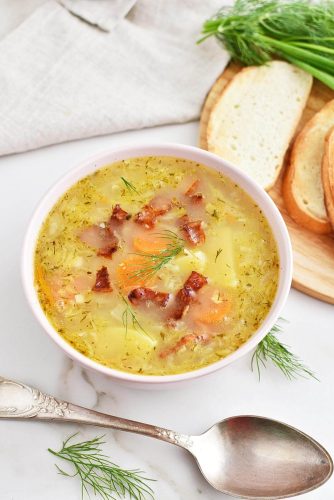
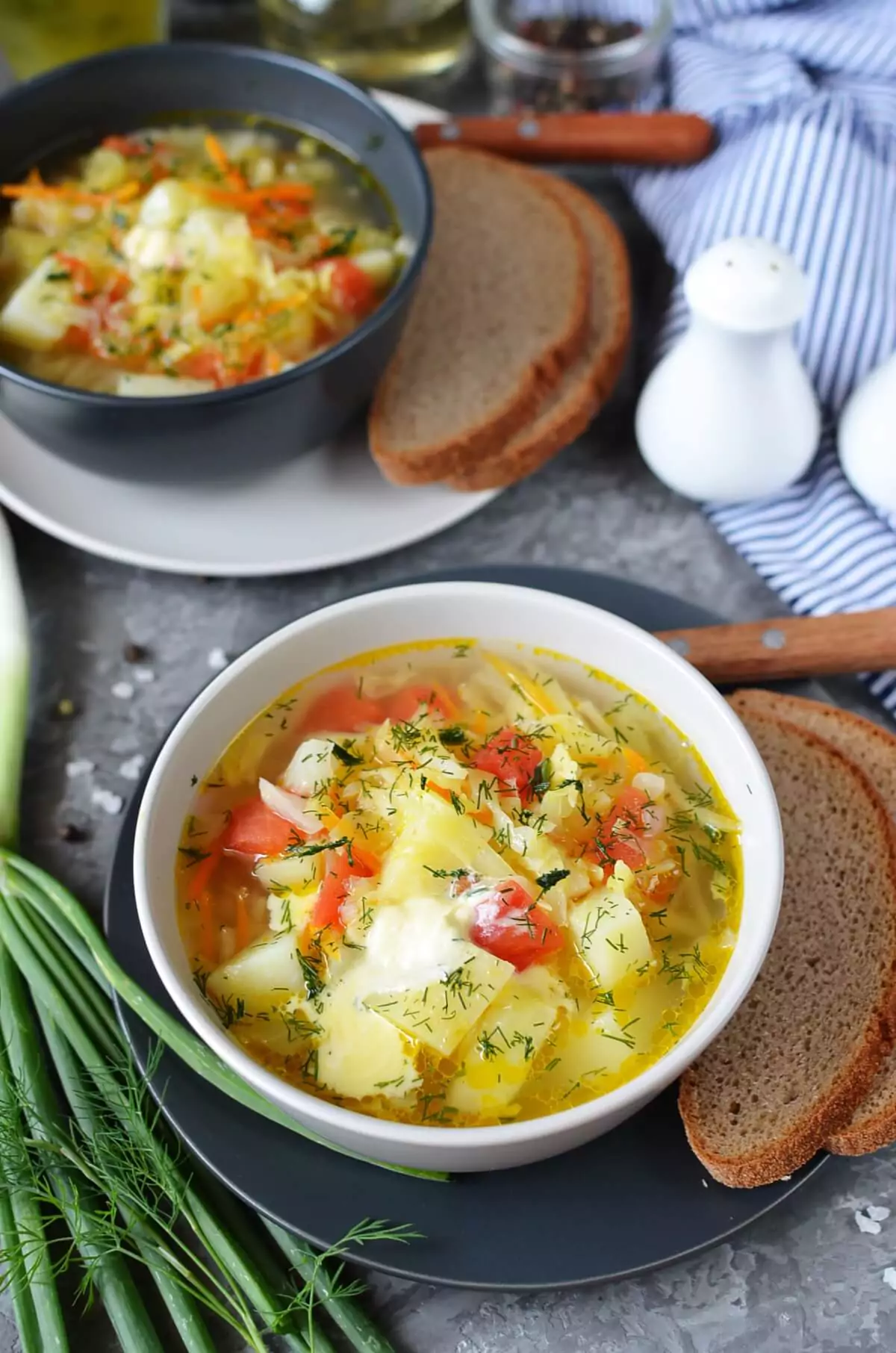
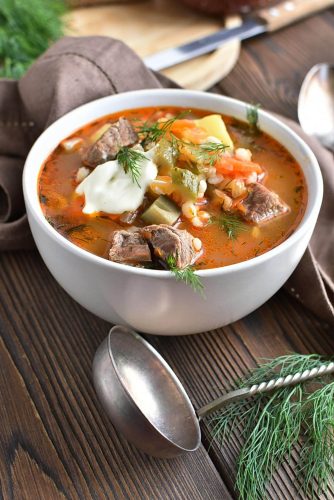
Russian cooking didn't happen overnight – it's the delicious result of over a thousand years of culinary evolution. Picture this: medieval Slavic tribes gathering around wood-burning stoves, creating the first versions of shchi (cabbage soup) that would become a national obsession. These early cooks were kitchen wizards out of necessity, transforming whatever grew in Russia's tough climate into meals that could sustain families through brutal winters.
What makes Russian cuisine so special is how it blends influences from every direction. The Smithsonian Institution notes how the Mongol invasions brought new preservation techniques, while French chefs during Catherine the Great's reign added sophisticated touches to traditional dishes. The result? A cuisine that's both rustic and refined, simple yet surprisingly complex.
Here's something most people don't know: borscht isn't originally Russian at all! This beloved soup actually started in Ukraine around the 5th century, made from fermented cow parsnip (not beets). The crimson version we know today didn't appear until the 16th century when resourceful cooks discovered that beets created an equally delicious – and much more colorful – base. Talk about a glow-up!
The Soviet era dramatically reshaped Russian kitchens, emphasizing hearty, affordable meals that could feed large families. Dishes like pelmeni (often called "Russian ravioli") became weekend family activities, with everyone gathering to fold hundreds of dumplings together. Today's Russian cuisine beautifully balances these comfort food classics with modern techniques – think molecular gastronomy meets babushka's recipes.
Russia spans eleven time zones, so naturally, its food varies dramatically from region to region. In Siberia, you'll find hearty dishes featuring river fish and game, often preserved through smoking and salting techniques perfected over centuries. The local stroganina (frozen raw fish) might sound intimidating, but it's absolutely delicious when prepared properly!
Down south in the Caucasus region, Russian cuisine gets a spicy makeover with dishes influenced by Georgian and Armenian neighbors. Here, khachapuri (cheese-filled bread) and herb-heavy soups dominate tables, proving that Russian food can be light and fresh too.
The Far East brings Asian influences into the mix – you'll find Russian-Korean fusion dishes and plenty of seafood-based recipes that showcase the region's Pacific access. Meanwhile, Central Russia remains the heartland of classic dishes like beef stroganoff and olivier salad, the foods most Americans think of as "typically Russian."
What's fascinating is how climate shaped everything. The short growing season meant Russian cooks became masters of preservation – pickling, fermenting, smoking, and drying. This isn't just about survival; these techniques create incredibly complex flavors that make Russian dishes so addictive.
Building a Russian pantry is easier than you think, and most ingredients are available at regular grocery stores. Here's what every Russian cook needs on hand:
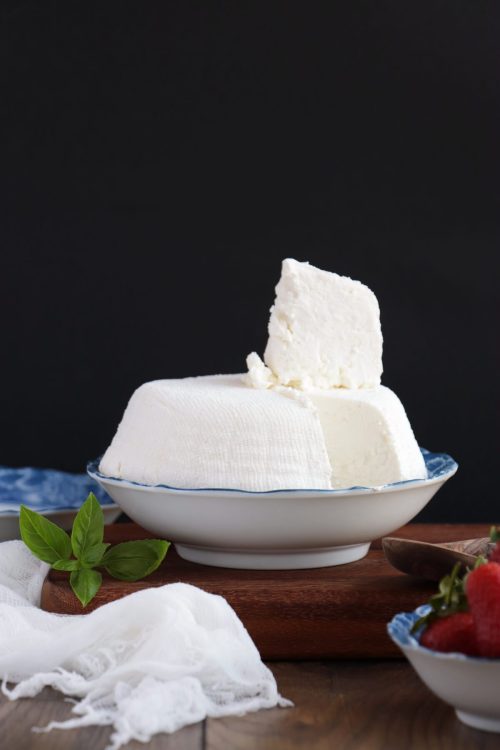
Most Russian ingredients are hiding in plain sight at your local supermarket! Check the international aisle for items like tvorog (farmer's cheese), rye flour, and pickled vegetables. Pro tip: Many Eastern European delis carry authentic Russian products if you want the real deal.
Can't find smetana? Mix equal parts sour cream and crème fraîche. No fresh dill? Use half the amount of dried dill. Missing buckwheat? Quinoa or barley work in a pinch, though the flavor will be different.
Russian cooking is all about patience and layering flavors. Here are the key techniques that'll transform your cooking:
Tushenie (braising) is the secret to incredibly tender meats and vegetables. Russian cooks brown ingredients first, then simmer them slowly in a covered pot with minimal liquid. This creates those melt-in-your-mouth textures that make Russian food so comforting.
Russian soups aren't just thrown together – they're built in layers. Start with a proper broth (often made with beef bones for richness), add vegetables in order of cooking time, and finish with fresh herbs. The key is letting each ingredient cook to perfect tenderness without becoming mushy.
Making pelmeni is an art form! The dough should be rolled thin but not so thin it breaks. The filling needs the right fat-to-meat ratio (about 20% fat) for juiciness. And here's the insider secret: freeze them before cooking for the best texture.
In Russia, meals are social events that can last for hours. The famous Russian tea ceremony isn't just about drinking tea – it's about connection, conversation, and community. Google Arts & Culture highlights how the traditional samovar (a beautiful urn-like tea maker) was once the centerpiece of every Russian home, bringing families together for evening discussions that could stretch late into the night.
Before any serious Russian meal comes zakuski – an elaborate spread of small dishes served at room temperature. Think of it as the ultimate charcuterie board, featuring pickled vegetables, smoked fish, caviar, cold cuts, and various salads. The beauty of zakuski is that everyone gathers around, sampling different flavors while the main course finishes cooking.
Russian holidays mean serious cooking! New Year's Eve features Olivier salad (known as "Russian potato salad" in America), while Maslenitsa (similar to Mardi Gras) is all about blini – thin pancakes served with everything from caviar to jam. Easter brings kulich, a sweet bread that's like a cross between challah and panettone.
Russian hospitality is legendary – guests are treated like royalty, and the table is loaded with far more food than anyone could possibly eat. It's considered polite to take small portions of everything offered, and refusing food entirely can be seen as rude. When in doubt, try a little bit of everything!
Today's Russian food scene is having a major moment! Top chefs like Vladimir Mukhin at White Rabbit (ranked among the world's 50 best restaurants) are reimagining classic dishes with modern techniques. Think deconstructed borscht served as beet foam with microgreens, or pelmeni filled with exotic mushrooms and truffle oil.
The farm-to-table movement is also taking off in Russia, with restaurants like Lavka-Lavka in Moscow naming menu items after the specific farmers who grew the ingredients. This return to local sourcing is actually very traditional – Russian cooks have always worked with seasonal, regional ingredients out of necessity.
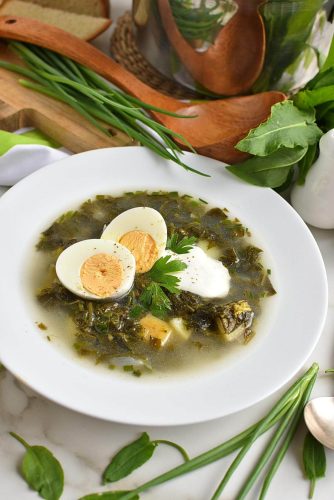
Modern Russian cooking is getting lighter and healthier without losing its soul. Chefs are using less heavy cream and more fresh herbs, incorporating more vegetables, and offering plant-based versions of classics. Green borscht made with sorrel and spinach is having a comeback as people discover how fresh and vibrant it tastes.
Russian cuisine is also going global in unexpected ways. In cities worldwide, you'll find Korean-Russian fusion (a result of historical immigration patterns), Jewish-Russian combinations, and even Mexican-Russian mashups. The hearty, comforting nature of Russian food adapts beautifully to different flavor profiles.
Authentic Russian cuisine is much lighter on the heavy creams and more focused on fresh herbs, pickled vegetables, and complex broths. Real Russian food also includes way more variety – it's not just beef stroganoff and chicken Kiev (which isn't even Russian)!
Start with simple borscht (using canned beets to save time), basic pelmeni, or Russian potato salad. These dishes are forgiving and give you a real taste of Russian flavors without requiring special equipment or hard-to-find ingredients.
Focus on basics like potatoes, cabbage, carrots, onions, and dried dill. Buy sour cream in larger containers (it keeps well), and invest in good buckwheat and rye flour. Many Russian staples are actually quite affordable!
A good heavy-bottomed pot for soups, a large cutting board for vegetable prep, and fine-mesh strainers for broths. That's really it! Russian cooking is surprisingly low-tech – it's all about technique and timing.
Absolutely! Many traditional Russian dishes are naturally plant-based, and others adapt easily. Use vegetable broth instead of meat broth, coconut cream instead of sour cream, and load up on the abundant vegetable-based dishes Russian cuisine offers.