Master (> 1 hr)
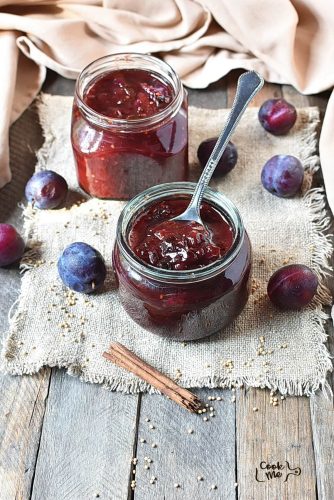

Indian cuisine represents a 5,000-year culinary journey rooted in Ayurvedic wisdom and diverse regional traditions. From the fermented idlis of South India to the tandoor-baked naans of the North, this extraordinary cuisine balances six essential tastes while celebrating ancient techniques like tadka (tempering) and natural fermentation.
With over 40 distinct spice varieties and cooking methods that enhance both flavor and nutrition, Indian food offers vegetarian masterpieces alongside rich meat curries. Whether you’re craving comfort food like dal or exploring complex biryanis, these recipes bring authentic flavors from India’s kitchens to your table with accessible ingredients and time-tested methods.
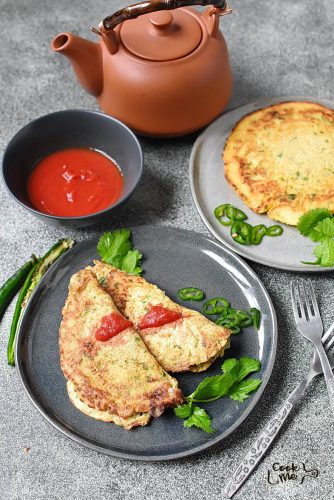
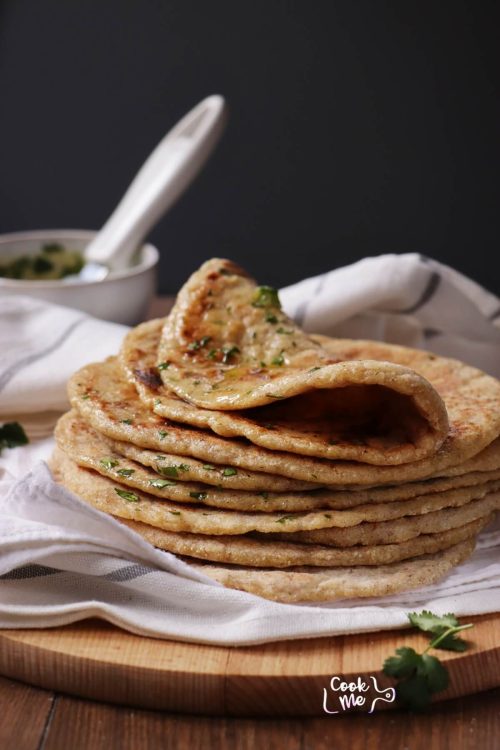
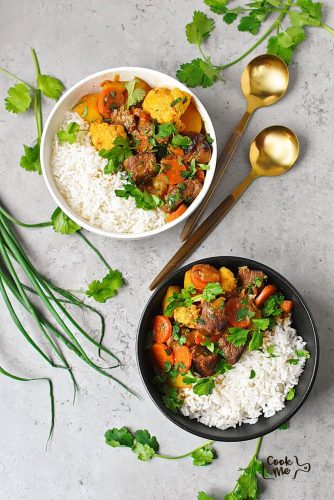
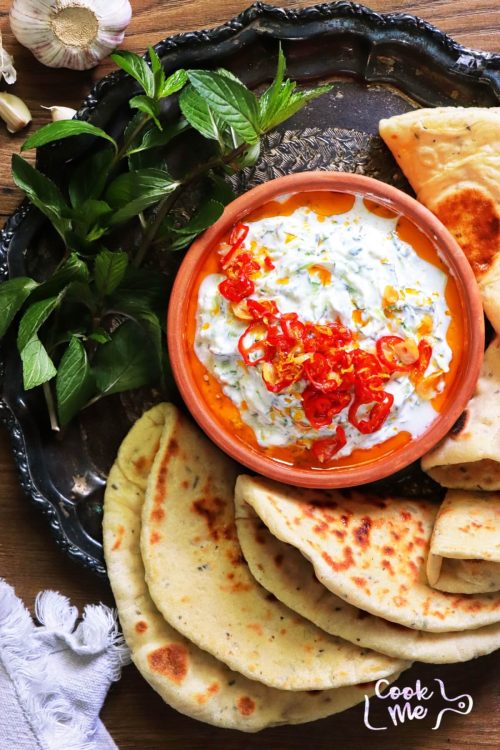
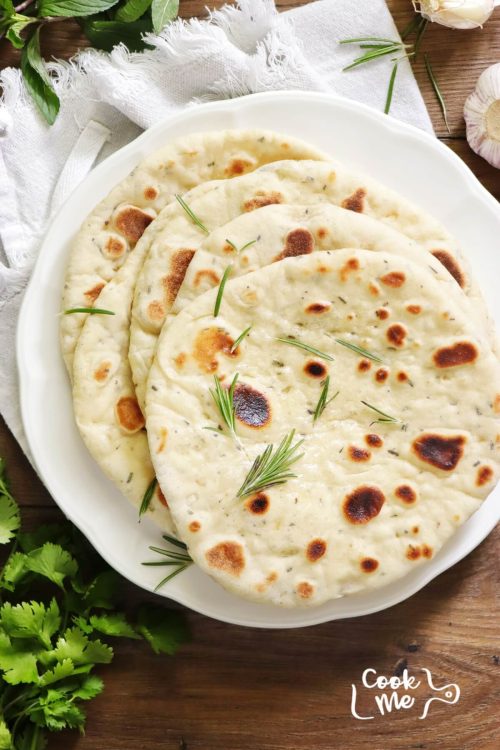
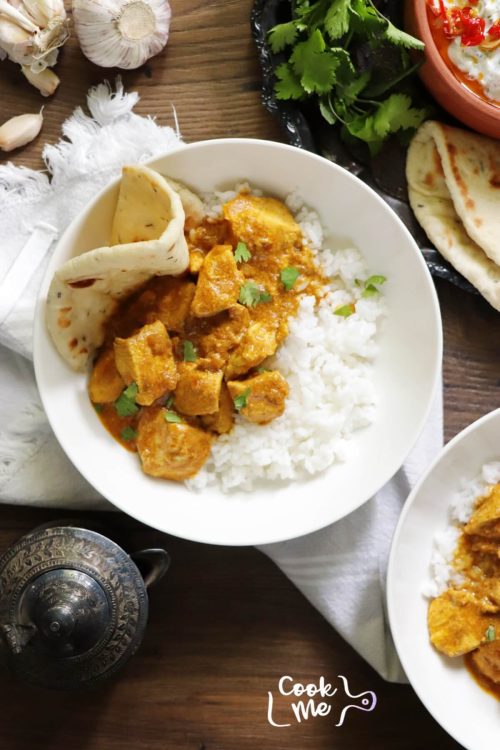
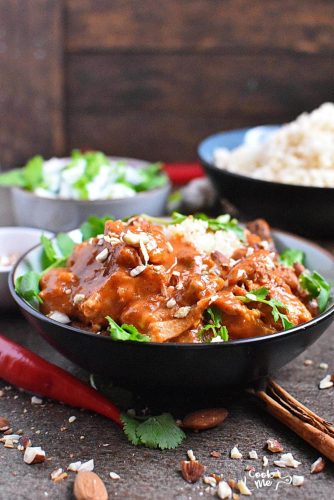
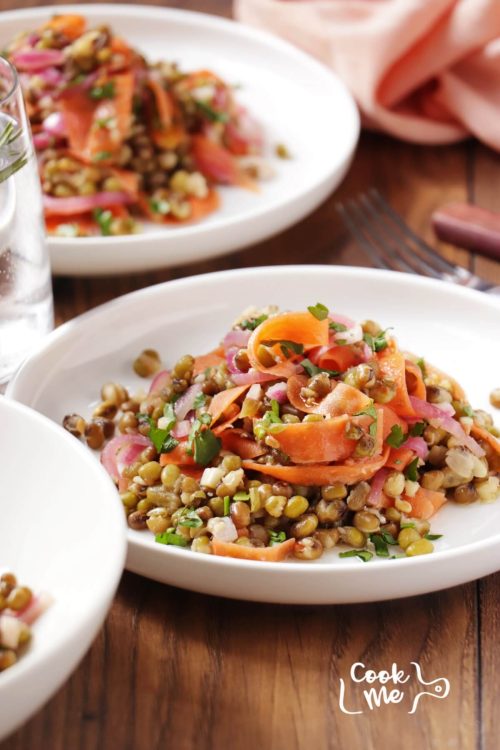
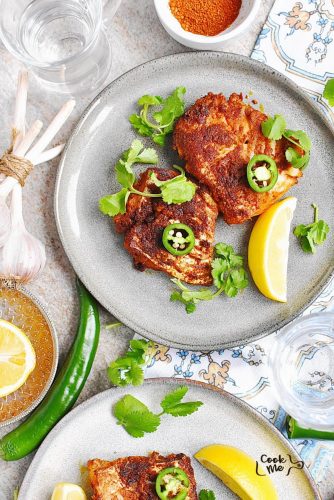

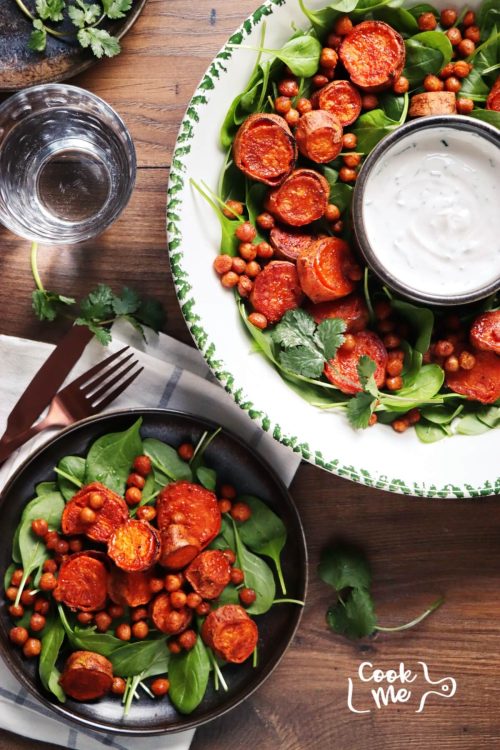
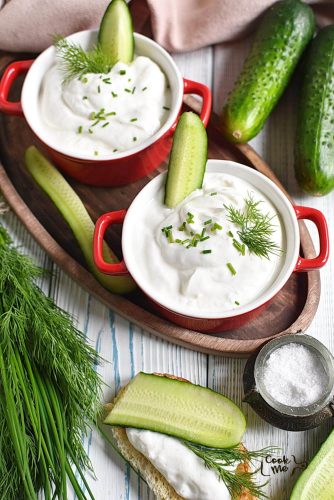

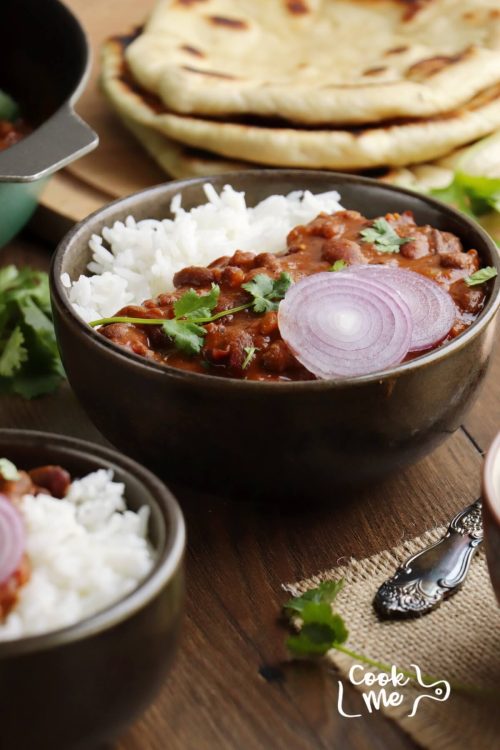
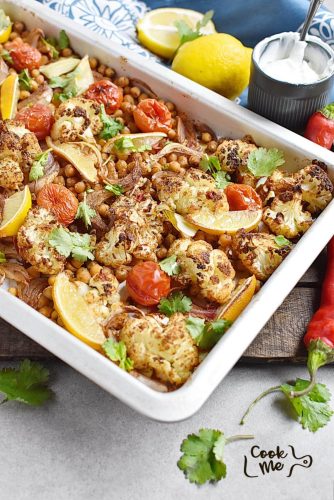
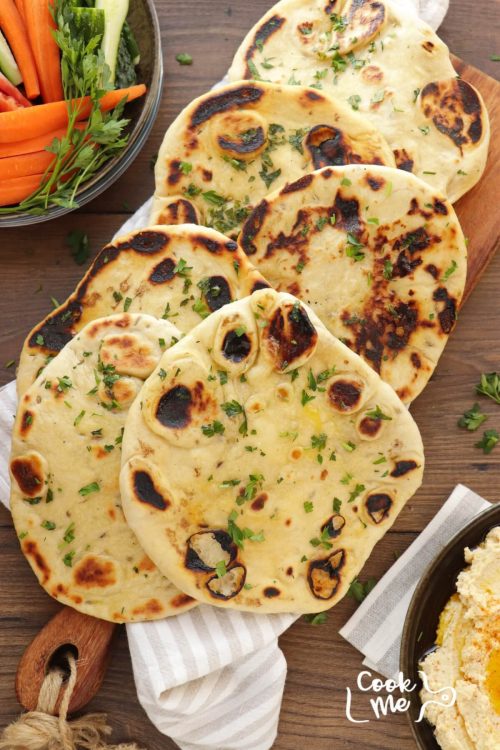
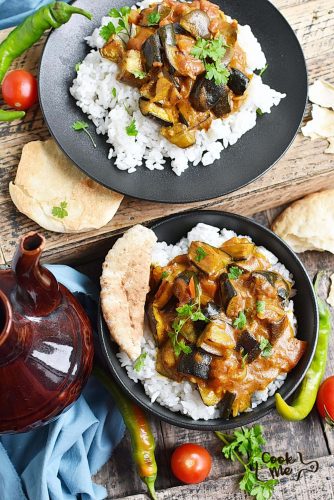
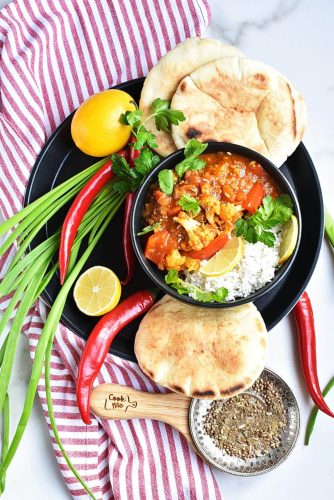

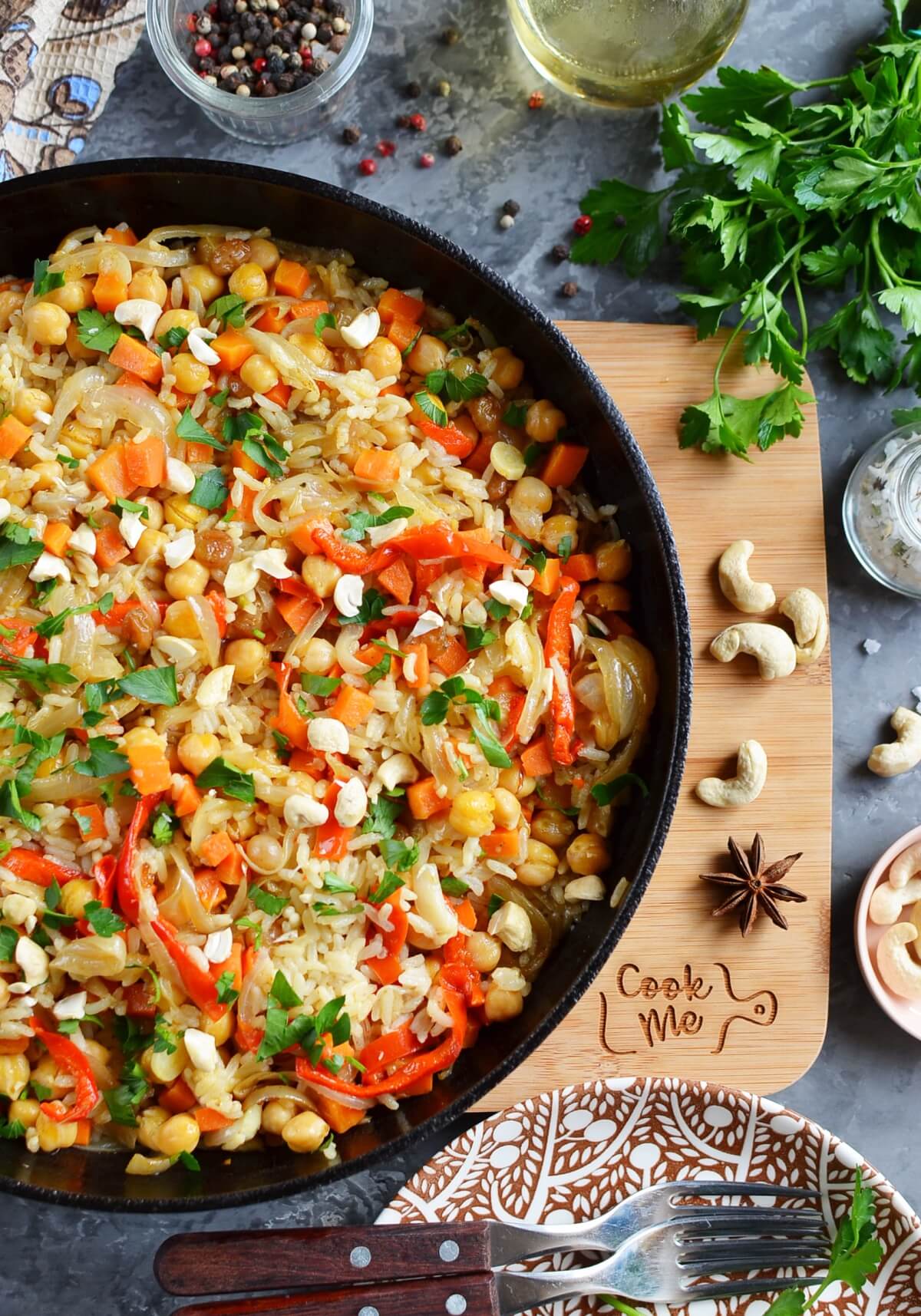
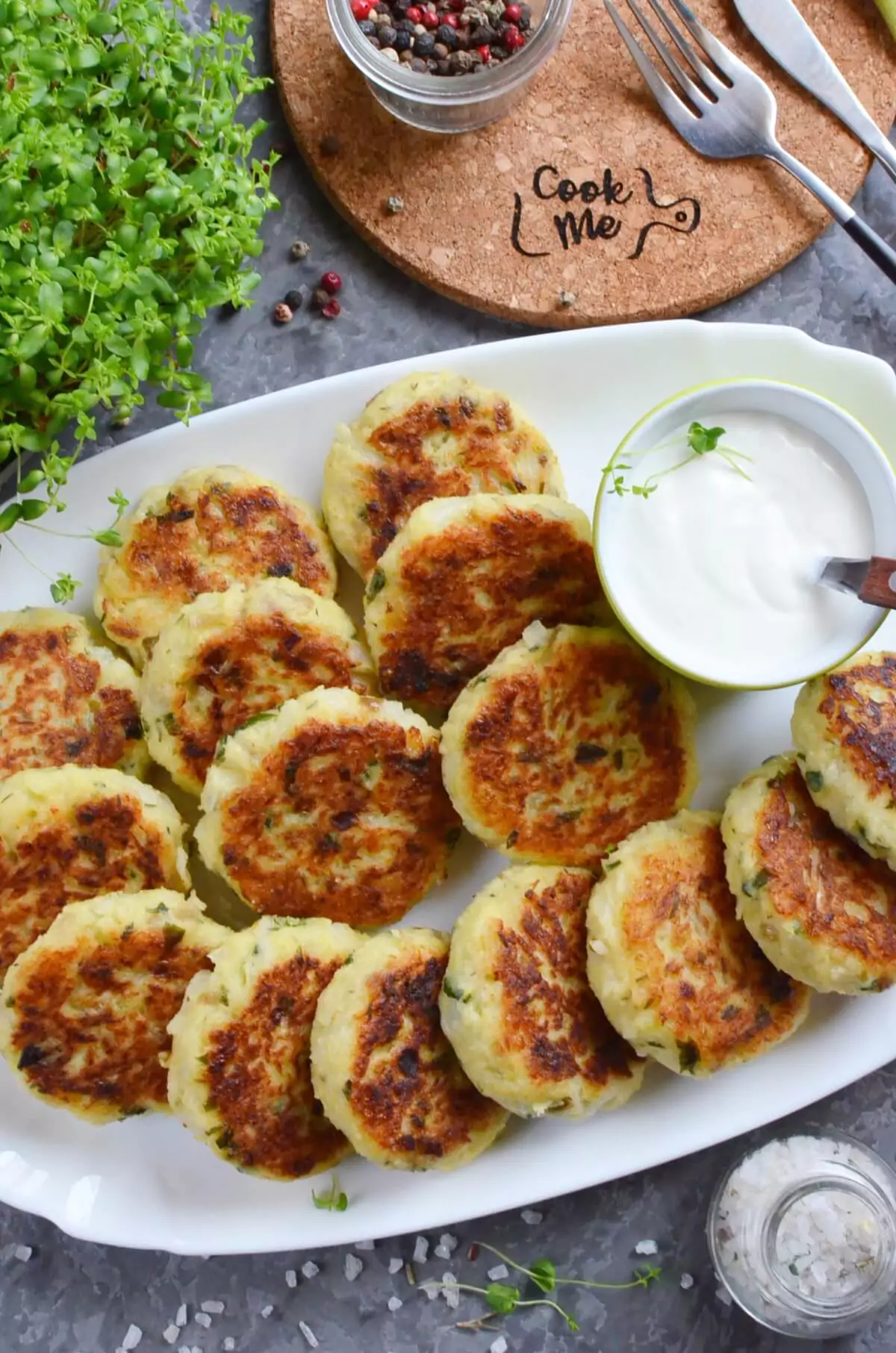
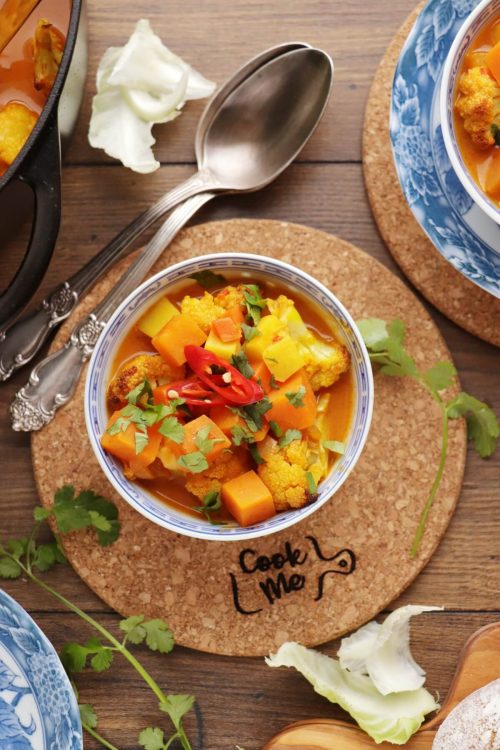
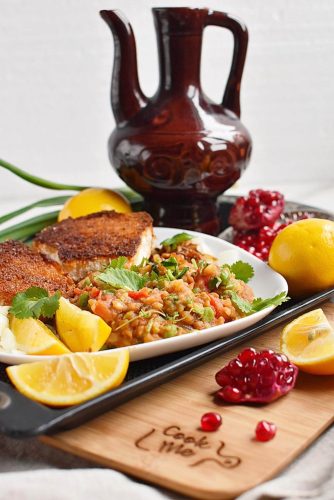

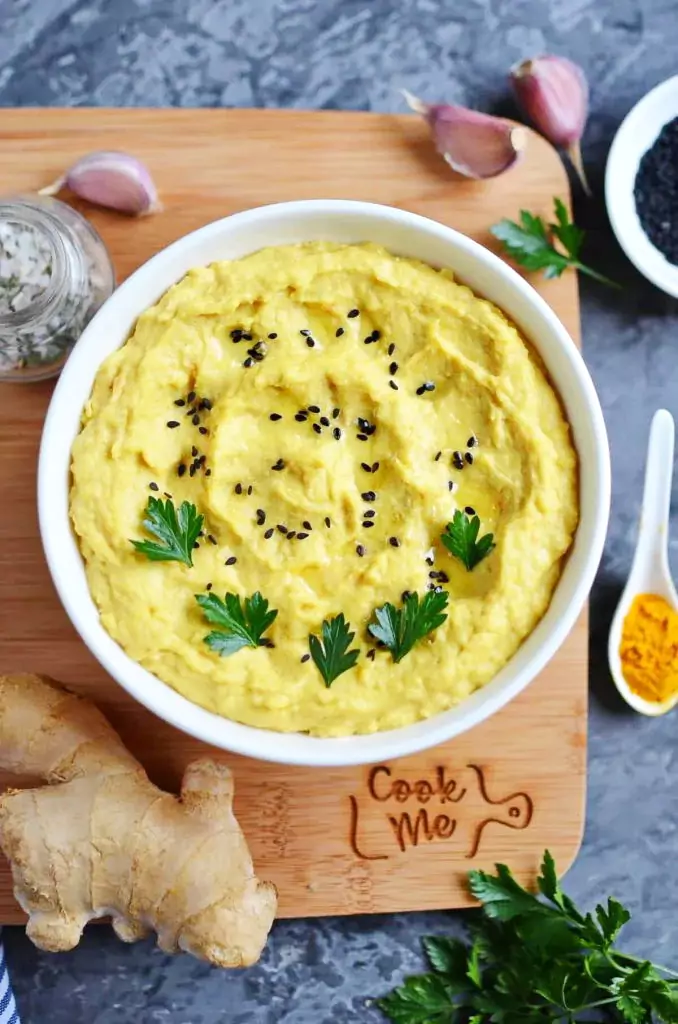
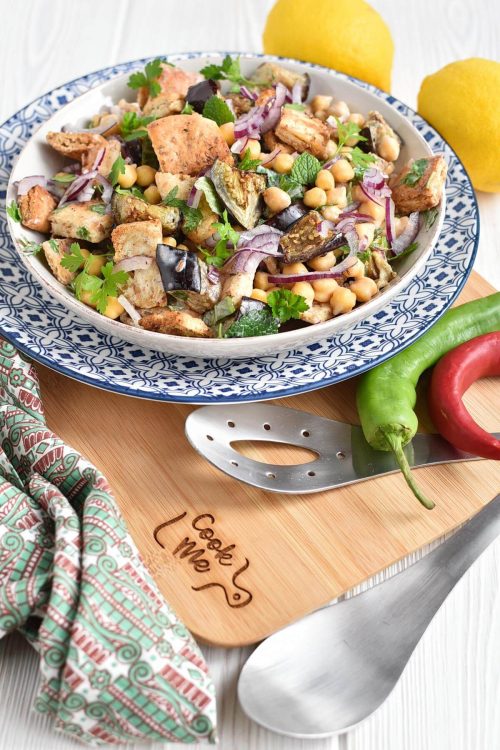
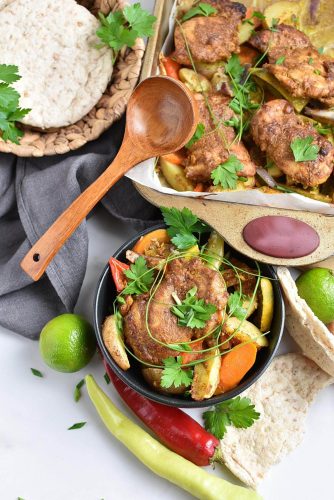
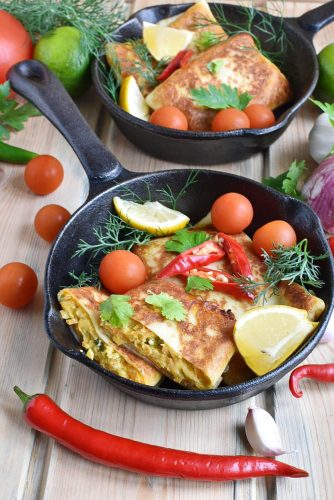
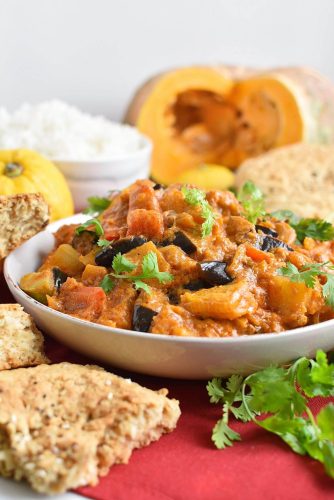
Here's the thing about Indian food – it's way more complex and fascinating than most people realize. While many folks think "curry" covers everything, real Indian cuisine is like a symphony with dozens of distinct movements, each telling its own story.
What makes Indian cooking truly special? It's the ancient science behind every technique. Take tempering (or tadka as we call it) – this isn't just tossing spices in hot oil. When mustard seeds hit that perfectly heated ghee and start popping, they're releasing essential oils that have been locked inside. It's chemistry in action, and it transforms ordinary lentils into something magical.
The fermentation game in Indian kitchens is absolutely next level too. While the world just discovered probiotics, Indian grandmothers have been fermenting rice and lentil batters for thousands of years. That fluffy idli you love? It's the result of wild lactobacillus bacteria doing their thing overnight, creating B-vitamins and making proteins more digestible.
North India brings you the tandoor masters – those clay ovens that reach 900°F and create the most incredible charred flavors. This is where you'll find your butter chicken, but also lesser-known gems like makki di roti (cornbread) paired with sarson da saag (mustard greens). The Mughal influence here is real – they brought techniques like dum cooking (slow-cooking in sealed pots) that create those incredibly tender biryanis.
South India is the fermentation capital of the world. The dosa alone has 30+ varieties, from the paper-thin rava dosa to the stuffed masala dosa. But here's what most people don't know: the art of tempering mustard seeds and curry leaves is so refined here that different combinations create completely different flavor profiles. Research shows that South Indian cooking uses significantly more rice-based fermented foods than anywhere else globally.
West India surprises everyone. Gujarati thalis offer sweet and savory combinations that seem weird but work perfectly. Meanwhile, Goan cuisine blends Portuguese techniques with local spices – that spicy vindaloo actually comes from "carne de vinha d'alhos" (meat in wine vinegar).
East India is where the famous "panch phoron" spice blend rules – five whole spices that create layers of flavor impossible to achieve with ground spices alone.
Let's get real about Indian spices – you don't need 40 different ones to start. Here's what actually matters:
The Holy Trinity: Turmeric (for color and anti-inflammatory power), cumin (for earthiness), and coriander (for that citrusy brightness). These three show up in probably 80% of Indian dishes.
The Tempering Squad: Mustard seeds, cumin seeds, asafoetida (hing), and dried chilies. These are your flavor bomb-builders. When you hear them sizzle and pop in hot oil, you know magic is happening.
The Complex Players: Garam masala (literally "hot spices") – but here's the secret: good garam masala should be added at the END of cooking, not the beginning. It's like the final seasoning that ties everything together.
Pro Shopping Tip: Hit up your local Indian grocery store, not the regular supermarket. The turnover is higher, so spices are fresher. Plus, you'll find whole spices, which keep their flavor way longer than pre-ground ones.
Tempering (Tadka): This is your secret weapon. Heat oil until it shimmers, add whole spices in order (hardy ones like cinnamon first, delicate ones like curry leaves last), and pour the whole aromatic mixture over your dish. The oil carries flavors that water-based cooking just can't achieve.
Slow-Building Spice Layers: Unlike Western cooking where you dump everything in at once, Indian cooking builds flavors in stages. Raw ginger-garlic paste first, then ground spices (bloomed briefly to avoid bitterness), then liquids. Each stage creates depth.
The Rice Game: Basmati isn't just fancy rice – it's got a unique compound called 2-acetyl-1-pyrroline that gives it that popcorn-like aroma. Always rinse it until the water runs clear, then soak for 30 minutes. This removes excess starch and ensures fluffy grains.
The Thali Concept: Traditional Indian meals aren't about one main dish – they're about balance. A proper thali includes something sweet, sour, salty, spicy, bitter, and astringent. It's Ayurvedic nutrition in practice.
Hand-Eating Etiquette: Yes, many Indians eat with their hands (right hand only). There's actually science behind this – your fingertips have nerve endings that signal your brain about temperature and texture, preparing your digestive system.
Meal Timing: Traditional Indian dinners happen early (around 7 PM) and are lighter than lunch. The biggest meal is often lunch, when your digestive fire (agni) is strongest.
Indian cuisine isn't stuck in the past. Today's Indian-American chefs are creating incredible fusion while respecting tradition. Think tandoori lamb tacos or curry leaf oil drizzled on pizza. The key is understanding the why behind traditional techniques so you can adapt them creatively.
Health-Conscious Adaptations: Modern Indian cooking embraces techniques like air-frying samosas, using Greek yogurt in place of heavy cream, or spiralizing vegetables for "noodle" curries. The spice profiles remain authentic, but cooking methods adapt to contemporary wellness needs.
Global Recognition: <a href="https://ich.unesco.org/en/lists" target="_blank" rel="noopener">UNESCO has recognized</a> traditional Indian culinary practices for their cultural significance, putting Indian food techniques on the same level as other world heritage practices.
The beauty of Indian cooking is that once you understand these core principles – tempering, spice layering, fermentation, and balance – you can create incredible meals that honor tradition while fitting your lifestyle. Every dish tells a story, and now you're ready to become part of that story.
Q: What makes authentic Indian food different from restaurant versions?
A: Authentic Indian cooking relies heavily on fresh-ground spices, proper tempering techniques, and regional variations that most restaurants simplify. Home cooking also uses more vegetables and fermented foods, while restaurants often emphasize richer gravies with cream and oil.
Q: What are the best dishes for Indian cooking beginners?
A: Start with dal (lentils), simple vegetable stir-fries (sabzi), and basic rice preparations. These teach you fundamental spice-building and tempering without overwhelming complexity. Khichdi (rice and lentil porridge) is perfect for mastering the basics.
Q: How do I stock an Indian pantry on a budget?
A: Focus on whole spices over ground ones – they last longer and taste better. Essential starter spices: turmeric, cumin seeds, coriander seeds, mustard seeds, dried chilies, and asafoetida. Buy from Indian grocers in bulk for better prices and quality.
Q: What are the best ingredient substitutions for hard-to-find items?
A: Greek yogurt works for Indian yogurt, any neutral oil can replace mustard oil (though flavor differs), and lime juice substitutes for tamarind in small amounts. Asafoetida can be skipped initially, though it adds unique flavor.
Q: What equipment do I need for Indian cooking?
A: A heavy-bottomed pot for tempering, a pressure cooker for quick dal cooking, and a good spice grinder (coffee grinder works). Cast iron or carbon steel pans work excellently for high-heat tempering. No specialized equipment required to start!
Q: How do I balance spices without making food too hot?
A: Heat comes mainly from chilies, not other spices. Start with small amounts of chili powder or fresh chilies, and balance with cooling elements like yogurt, coconut milk, or sugar. Many Indian dishes are flavorful but not spicy-hot.
Q: Can I make Indian food healthy and still authentic?
A: Absolutely! Traditional Indian cooking includes many naturally healthy techniques – using minimal oil in tempering, eating lots of legumes and vegetables, and using spices with anti-inflammatory properties. Reduce oil quantities and emphasize vegetable-forward dishes.