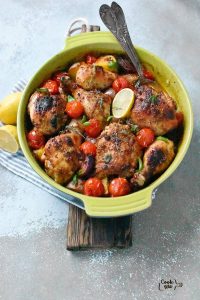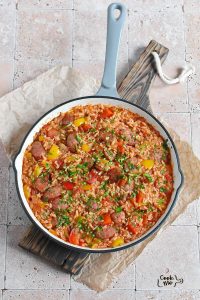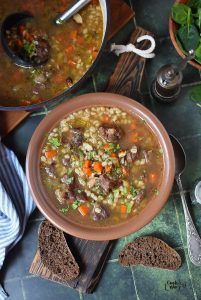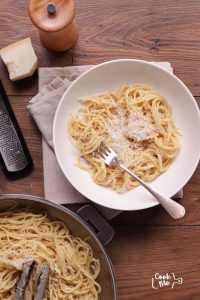
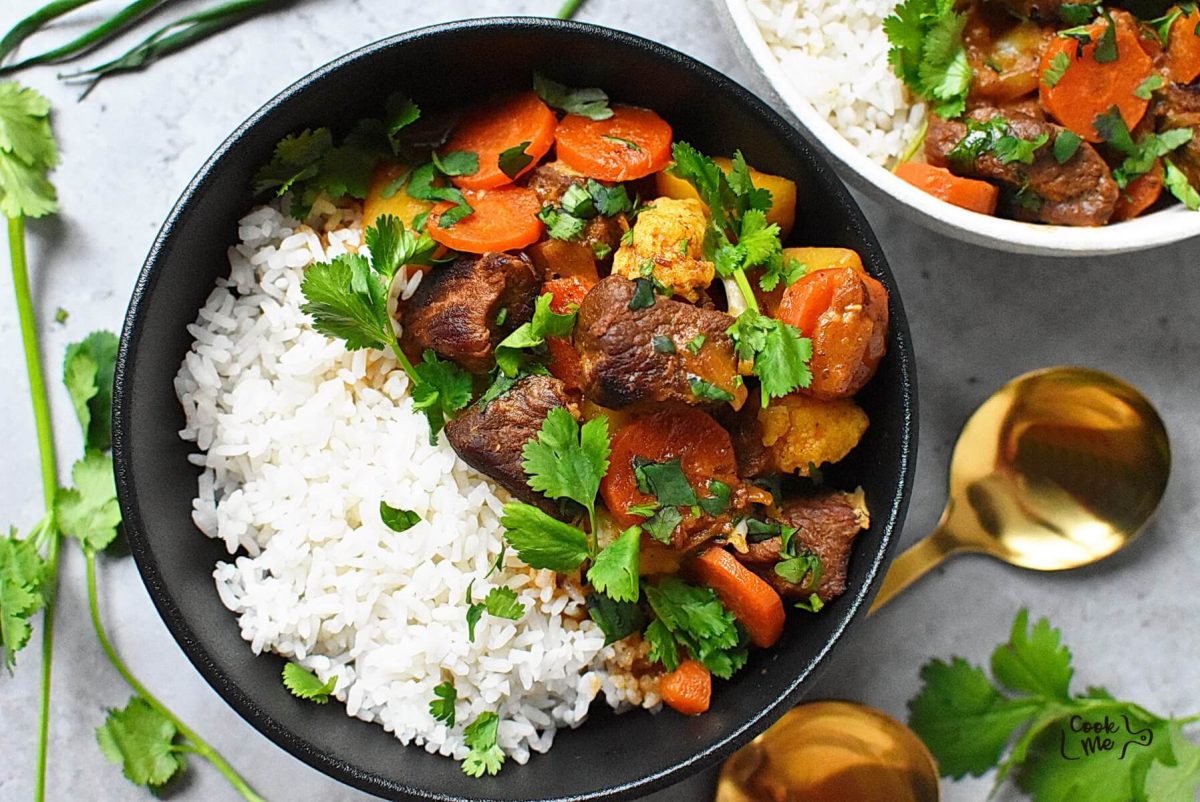
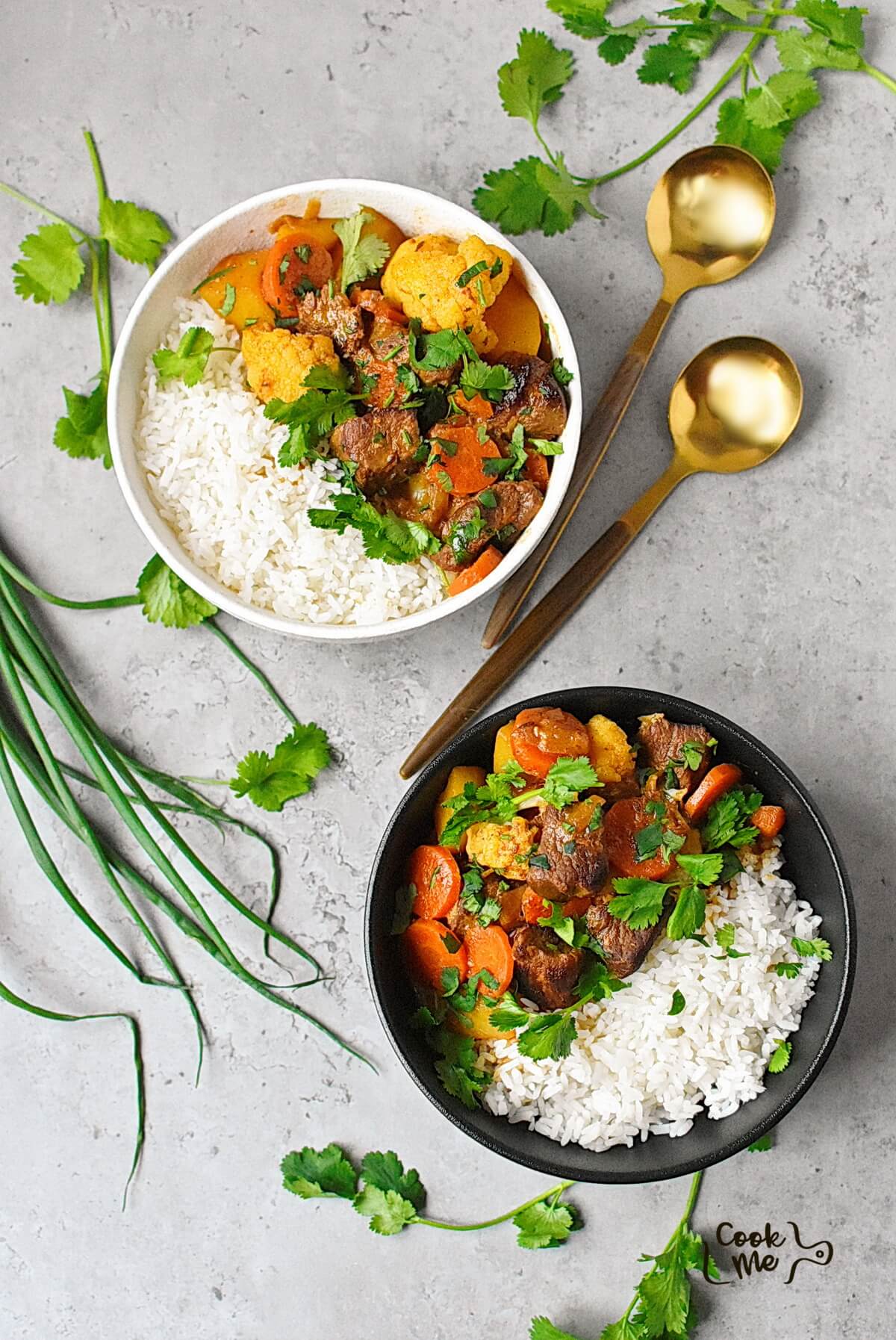
This is the recipe I turn to when the rain is doing its thing against the window here in Portland. I started fiddling with this after a week in Melbourne, where the markets made me greedy for fresh spices and lamb that wanted to be simmered low and long. It is honest food that changes simple parts into something full and warm, the kind that makes you slow down for a minute and breathe.
What I call an Easy coconut lamb curry recipe is the one I reach for when a messy week needs fixing. It has the slow stew comfort of the soups my mother Meilin would make on foggy Port Townsend mornings, plus the creamy coconut I learned to love in Bangkok. My dad would hum late night jazz while I stirred. Those are the small facts that live in this pot.
The meat turns tender after a long gentle simmer and the potatoes and carrots pull in spice like they are absorbing light. It is forgiving too; if you misjudge time it still tastes like attention. Leftovers get even better. My cat Kimchi sits on the windowsill and judges the process. She is an excellent critic.
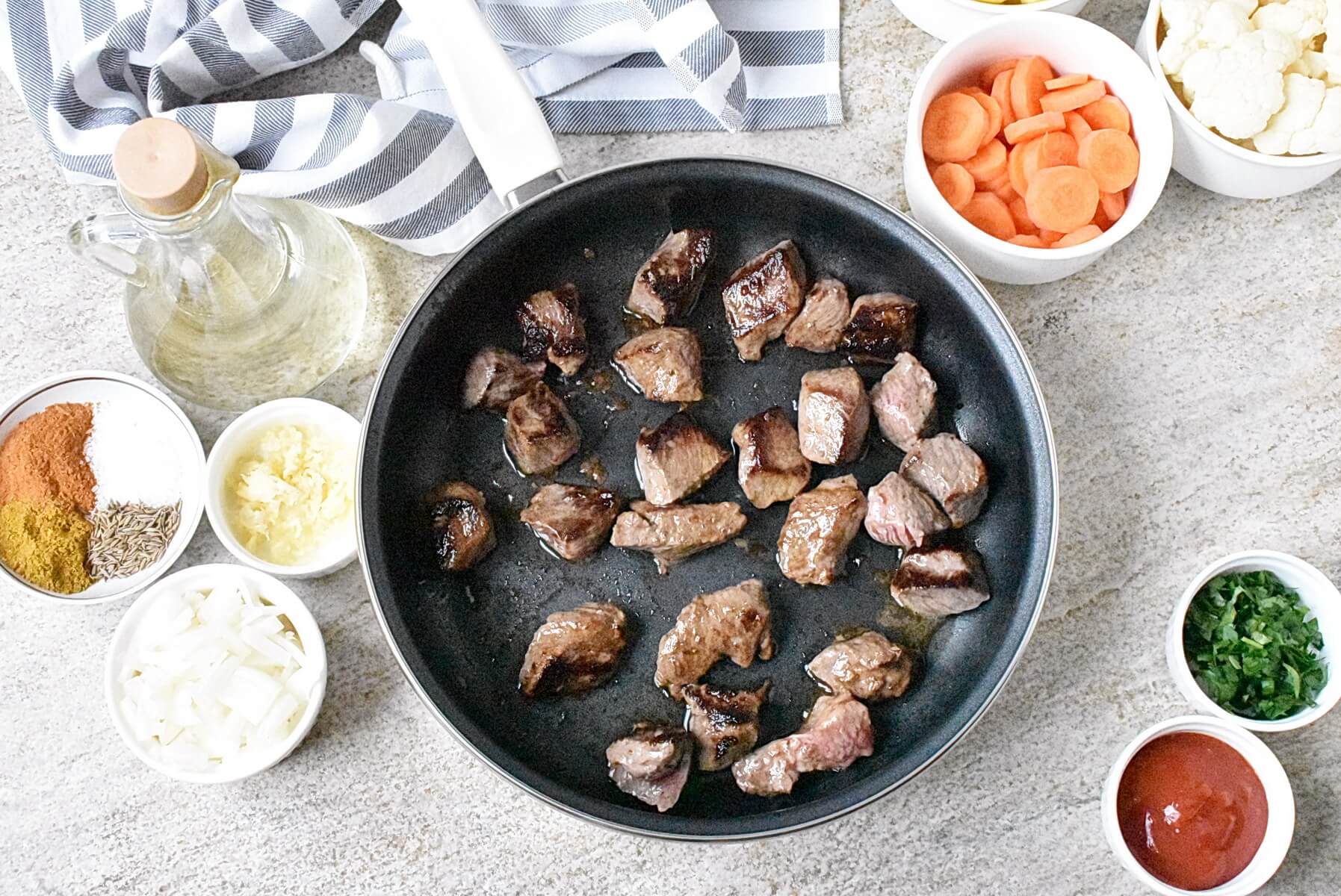
In a 4-quart Dutch oven or a large pot, heat 2 tablespoons vegetable oil for 2 minutes over medium high until the oil starts to sizzle. Add in 1 pound cubed lamb and stir well. Cook until browned on all sides, about 6-8 minutes.
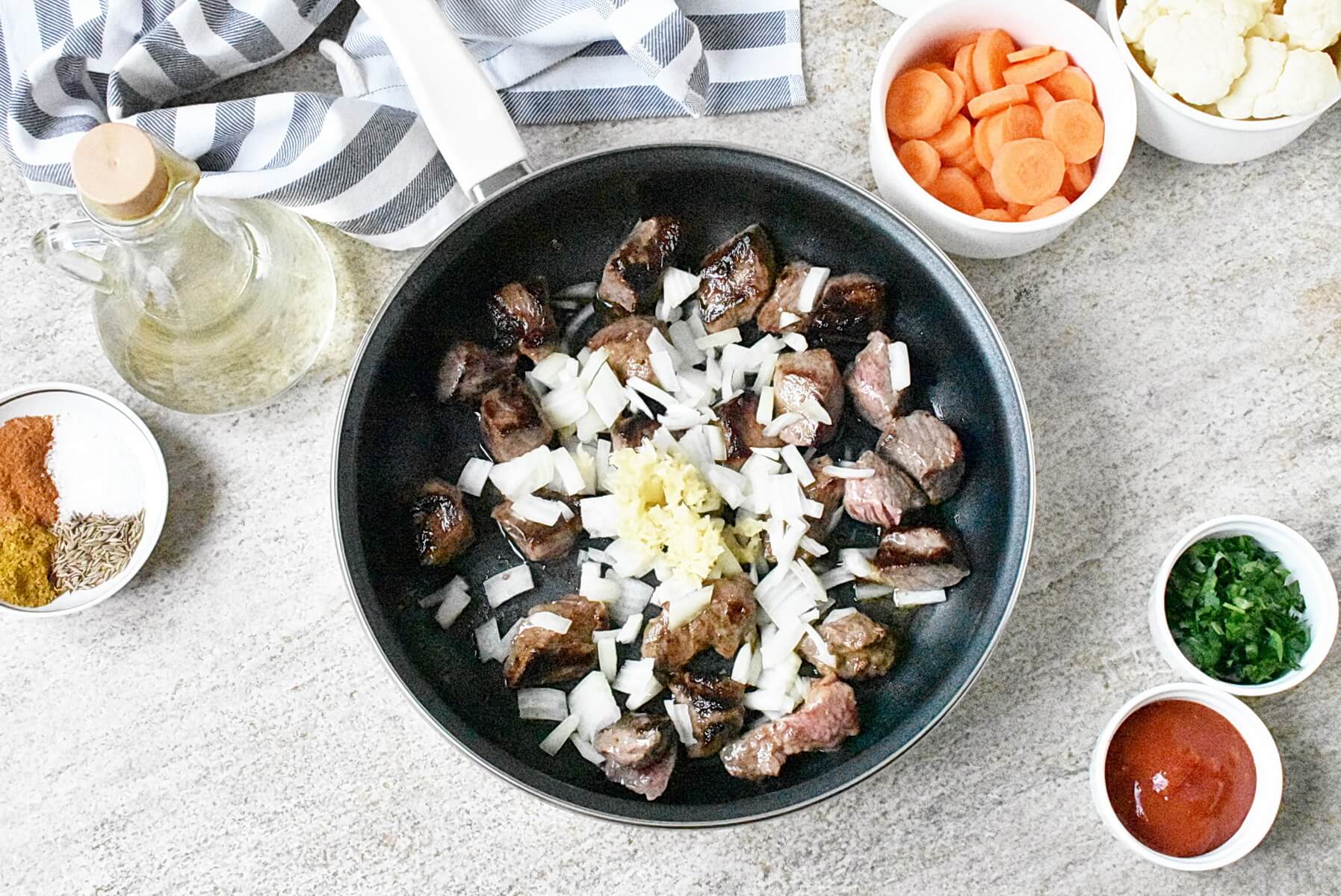
Add 1 finely chopped onion and 1 teaspoon minced garlic. Cook until tender, about 2 minutes.
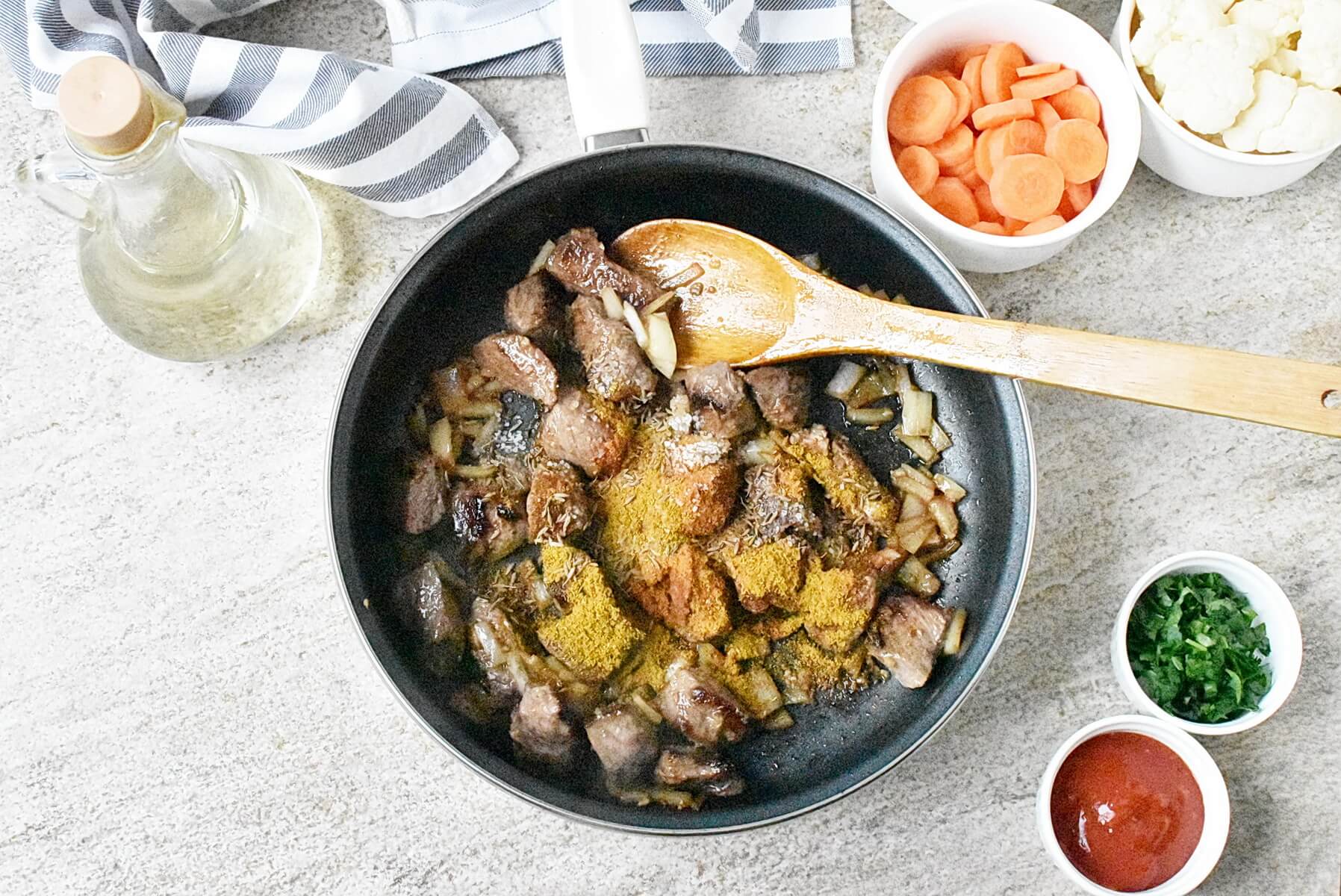
Add 2 teaspoons garam masala powder, 1 teaspoon yellow curry powder, 1 teaspoon cumin seeds, and 1 teaspoon salt. Stir to coat the lamb, and cook for another 3 minutes.
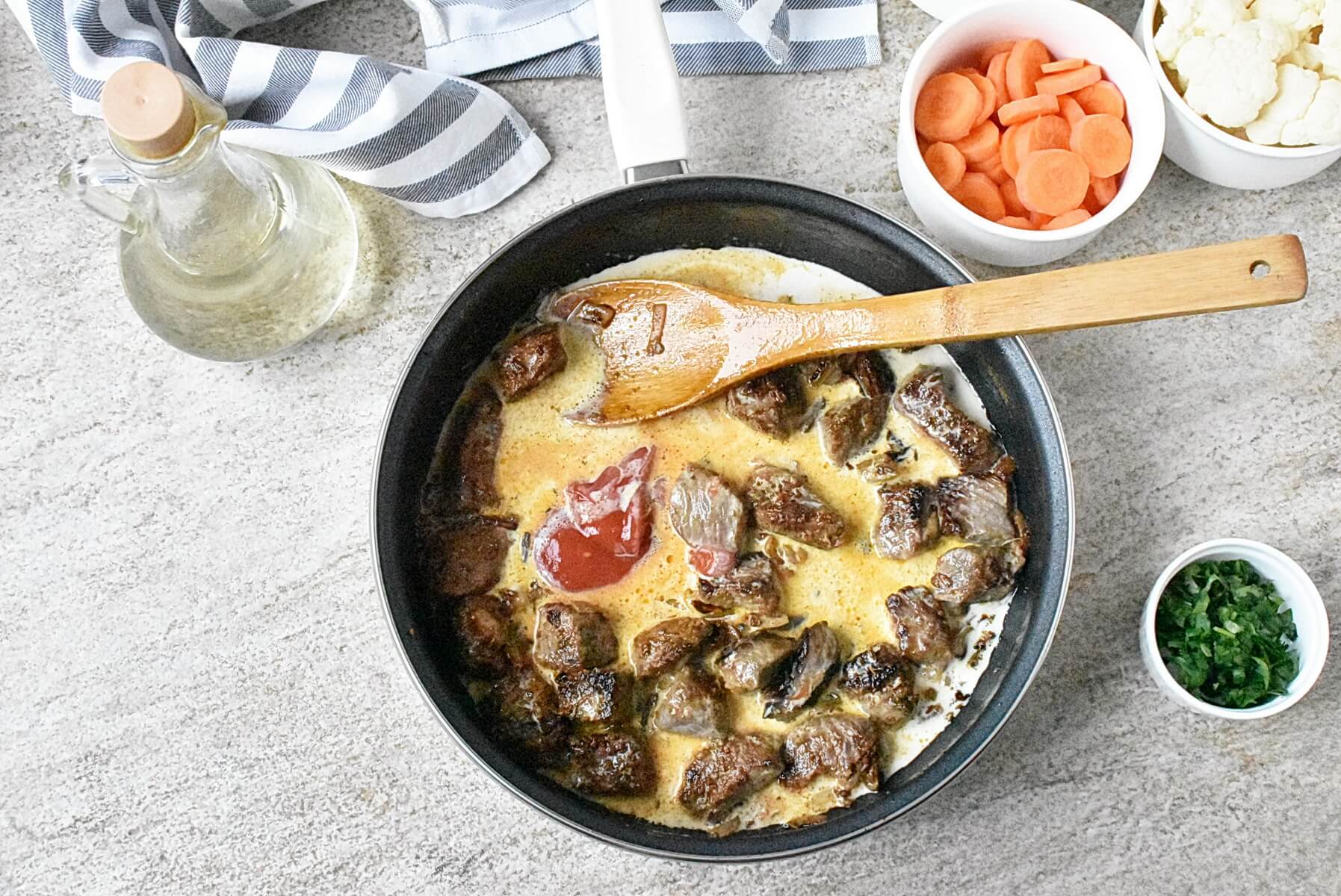
Add 1 tablespoon tomato paste and 1 can coconut milk. Stir well and bring to a boil.
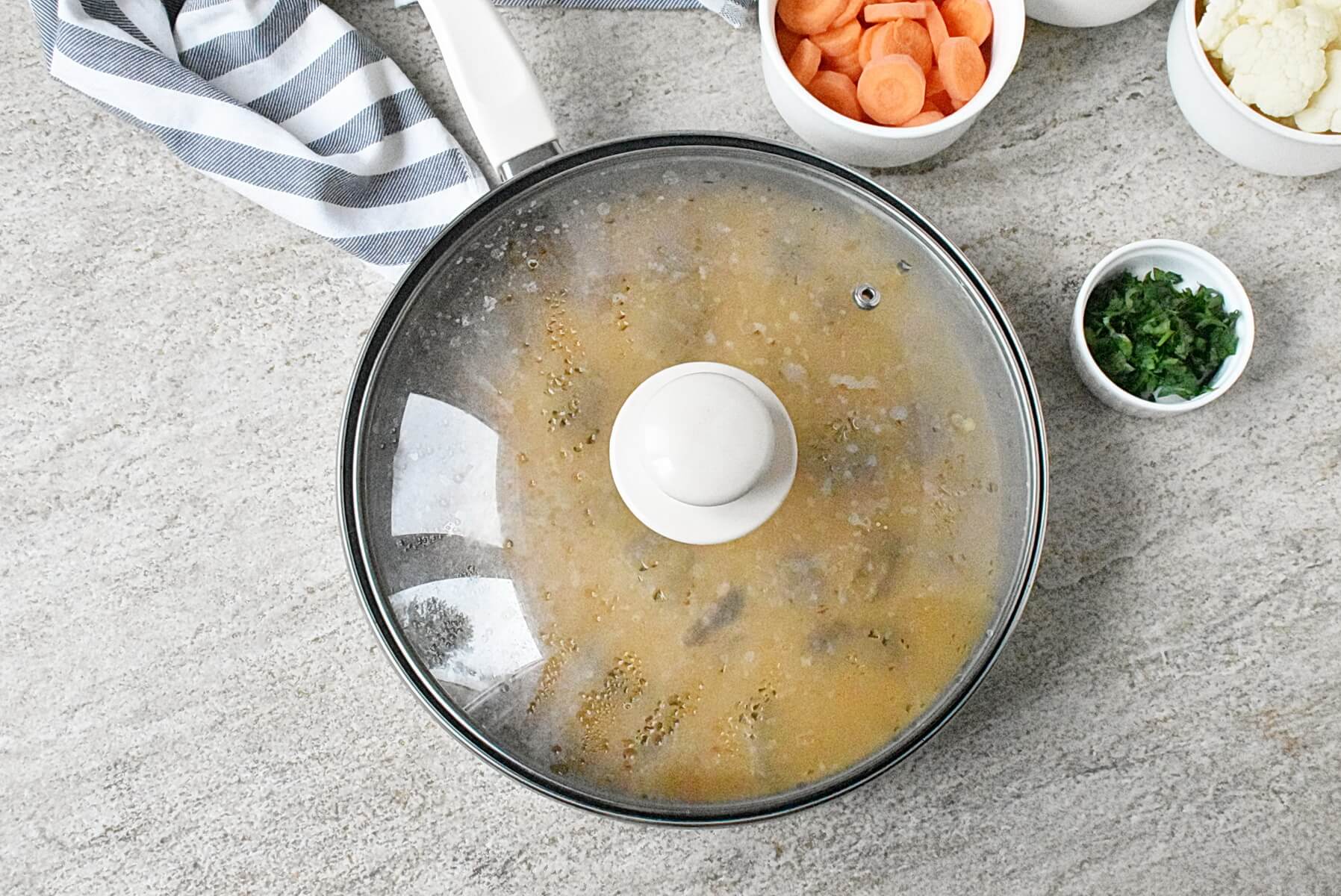
Reduce the heat to low and cover with a lid. Simmer for 1 to 1 ½ hours until the lamb is fork-tender. Stick a fork into the meat. If the fork comes out with little or no resistance, it's fork-tender.
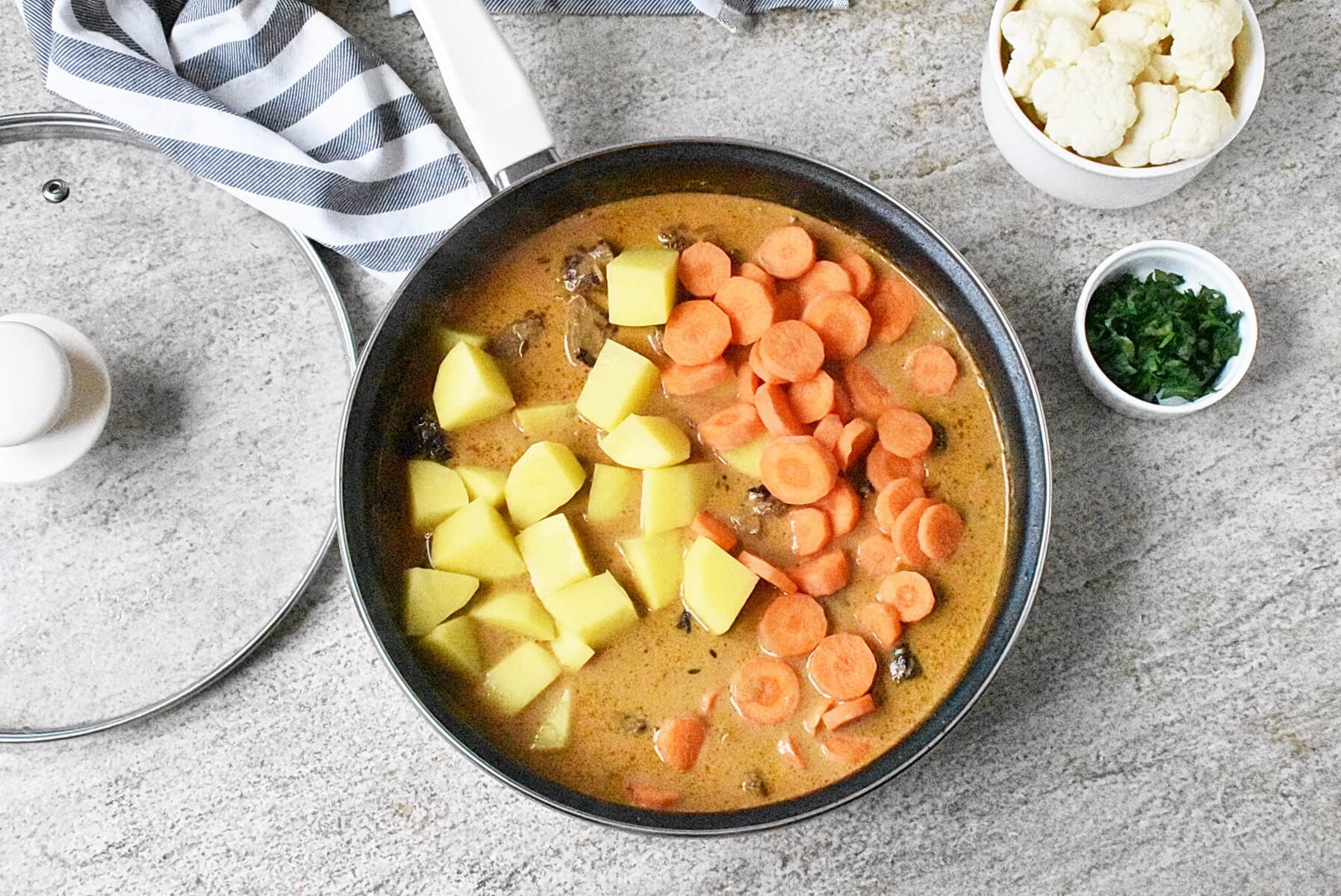
Add the chopped potatoes and carrots and bring to a simmer, uncovered. Cook, stirring occasionally, until the potatoes and carrots start to soften, about 35 minutes.
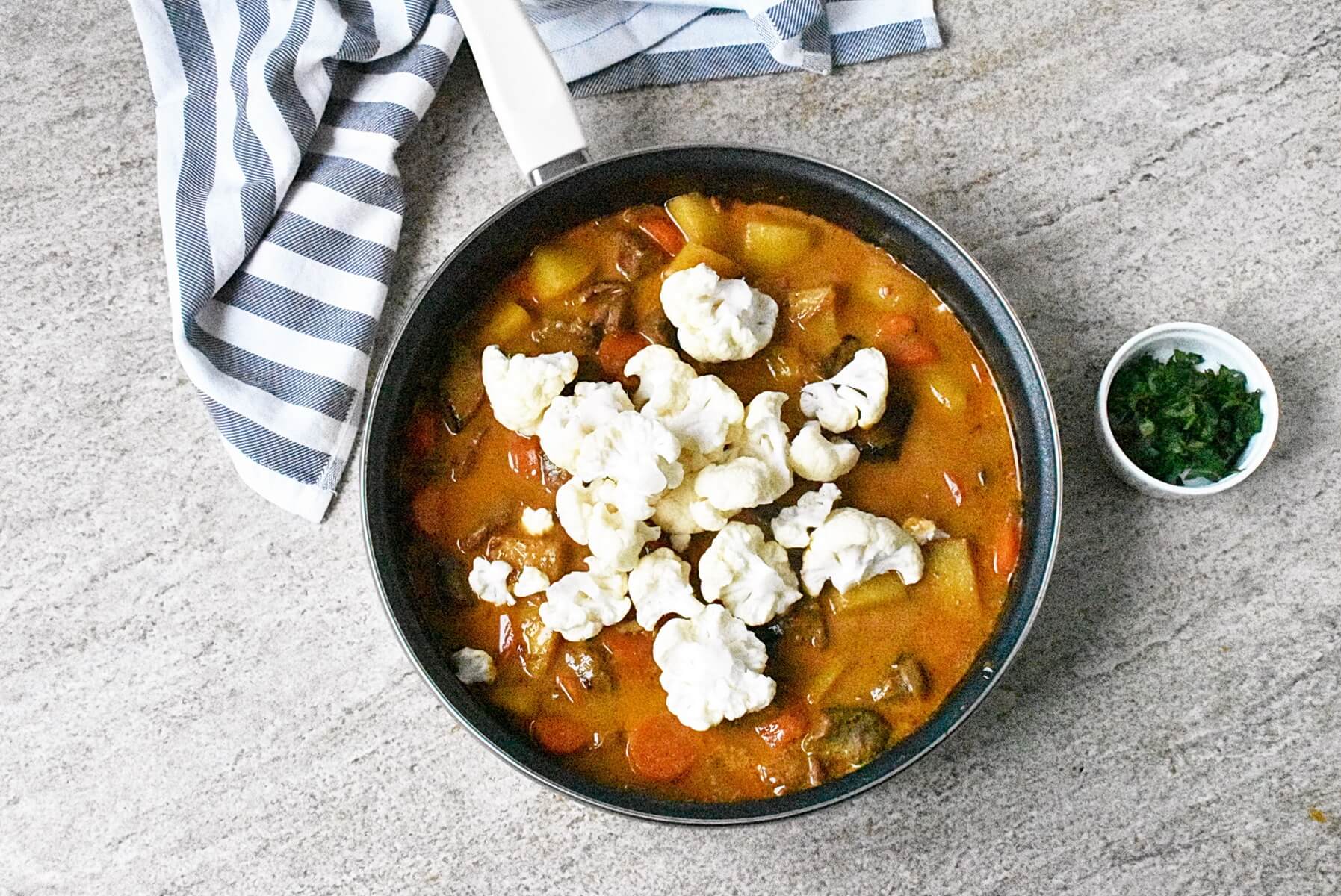
Stir in 1 cup cauliflower and cook until the cauliflower is tender, about 10 minutes.
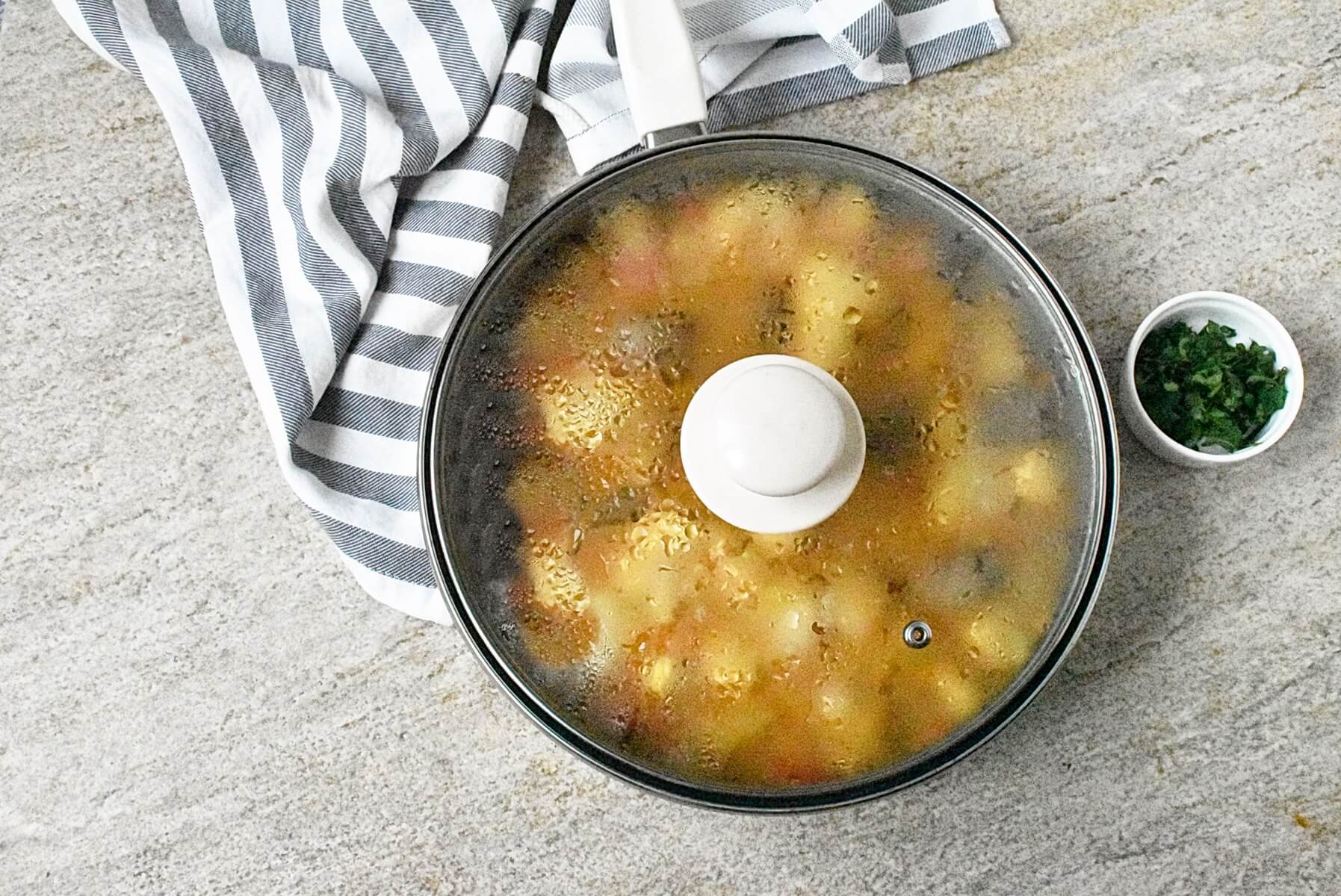
Remove the pot from heat and let it rest, about 20 minutes.
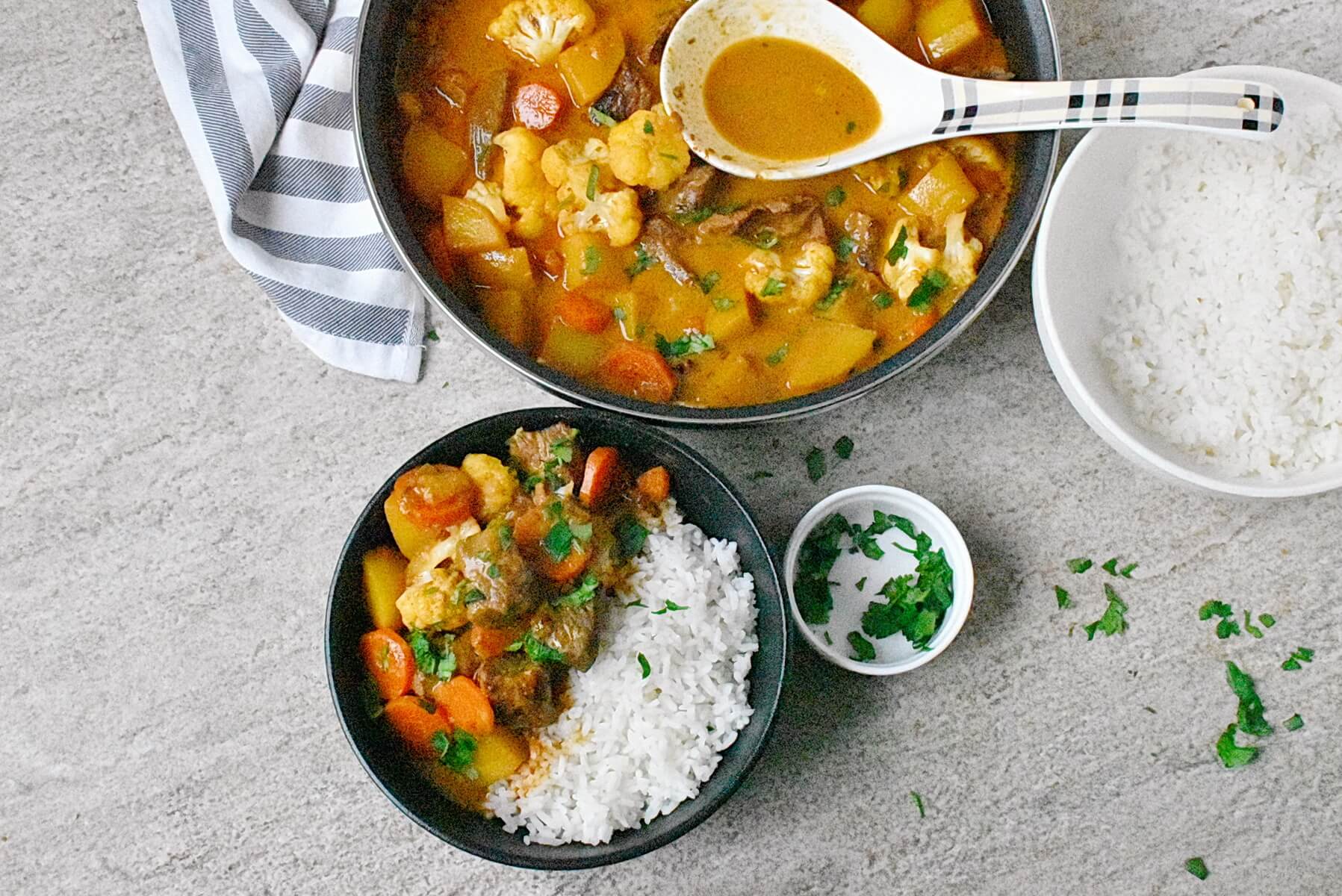
Garnish with fresh cilantro leaves and serve over steamed rice.
Get a sturdy four quart Dutch oven for reliable heat. A four quart Dutch oven is perfect for a Dutch oven lamb curry because it holds heat evenly and helps flavors meld without burning. You need a sharp knife for chopping onion, garlic, potatoes, carrots, and cauliflower. Nothing fancy. Just sharp enough so your veg do not turn to mush.
Use a wooden spoon for stirring so you do not scratch the pot. A measuring spoon helps keep the spice balance steady. A timer is nice for browning and long simmering so you do not forget a pot on the stove. Lid on for the long simmer keeps steam and flavor in. That’s about it. Simple gear, big results.
When browning the lamb, give the pieces room in the pot. Think of it like composing a sketch: you need negative space so the main subject can read correctly. If you crowd the pan the meat will steam rather than brown and you lose that caramelized note that the rest of the curry builds on.
Cook the onion and garlic until they are soft and see through. That little pause unlocks sweetness and prevents any raw harsh edge from sneaking into the final sauce. Toast the spices with the meat for a few minutes so their oils bloom and the whole pot smells awake.
If you want a Slow cooked lamb curry with coconut milk, brown first then simmer on very low with the lid partly on. The low heat breaks down connective tissue slowly and the sauce becomes almost silky. Add potatoes and carrots midway so they soften but keep shape, then stir in cauliflower near the end so it stays tender crisp.
Stir tomato paste and coconut milk well when you add them so they integrate and do not separate. If the sauce seems thin, let it reduce uncovered. If it is too thick, a splash of water does the trick. Let the pot rest off heat for twenty minutes so flavors settle. It is almost always better the next day.
A silkier version: blend a handful of ground almonds or cashews into the coconut step to move this toward Lamb korma territory. The nuts add body and a gentle sweetness that mellows heat and makes the sauce plush. Still hearty though. All that lamb and veg.
Veg forward: wilt spinach or kale in at the end for texture and a bright green note. I often add greens after the cauliflower so they do not go floppy. It makes the pot feel lighter and fresher without losing the curry soul.
Spice lovers: make an Indian style lamb curry by doubling the curry powder and adding thin sliced fresh chilies. The extra heat cuts through the coconut and wakes up the dish. Add more potatoes if you want the heat absorbed and mellowed.
Serve over steamed jasmine or basmati rice so the sauce can spread out and sing. Naan or other flat bread works as a scoop and adds chew. Garnish with chopped cilantro and a squeeze of lime to brighten the bowl. A dollop of plain yogurt calms extra heat.
A simple cucumber and tomato salad dressed with a little vinegar keeps things fresh on the side. Toasted coconut flakes add a nice crunch if you want to lean into the tropical note. Beer, iced tea, or a glass of something crisp will cut the creaminess and feel right.
Can I use a different cut for this Leg of Lamb Curry?
Yes. If you only have shanks, they work but will need more simmer time until tender. Shanks add gelatin so the sauce thickens naturally, though trim excess fat or it can get greasy. Test with a fork to know when they are done.
Is this Gluten free lamb curry suitable for dietary restrictions?
Yes. This lamb curry, which is naturally free of gluten, uses no wheat based thickeners. Rice is a safe pairing. Always check packaged spice labels if allergies are a concern.
Can I finish this in a slow cooker?
Absolutely. Brown the lamb and onion first, then move everything to the slow cooker on low for six to eight hours. Add veg in the last two hours so they do not overdo it. It saves time and still gives deep flavor.
What if I want a less coconut forward dish?
Reduce the coconut milk and make up the volume with broth or water, or stir in yogurt off heat for creaminess without the coconut note. Taste as you go and adjust salt. Cooking is personal and small changes make a big difference.
Could this work as a lamb korma variation?
Yes. Add yogurt or cream and ground nuts for a more velvety, mild result. It feels elegant and keeps the lamb as the star.
Okay. That is the whole thing. Cook, taste, and make it yours. Actually scratch that. Make a mess, laugh, and then eat.
This cold-weather Coconut Lamb Curry is loaded with tender meat, hearty veggies, and bright flavors! It’s the perfect comforting dish the whole family will enjoy. Plus, it adapts beautifully to the slow cooker. Made this recipe? Let us know what you think in the comments below!

 Dairy-Free Recipes
 Gluten Free Recipes
 Spicy Recipes