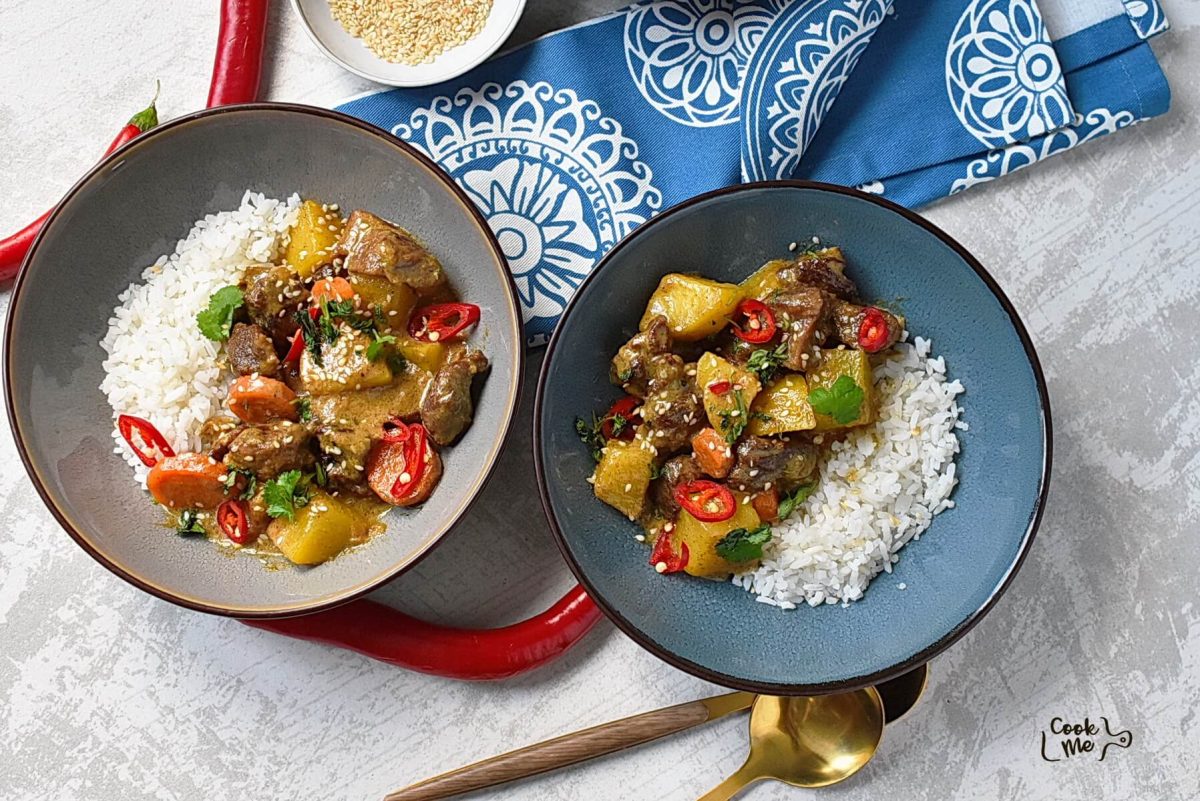
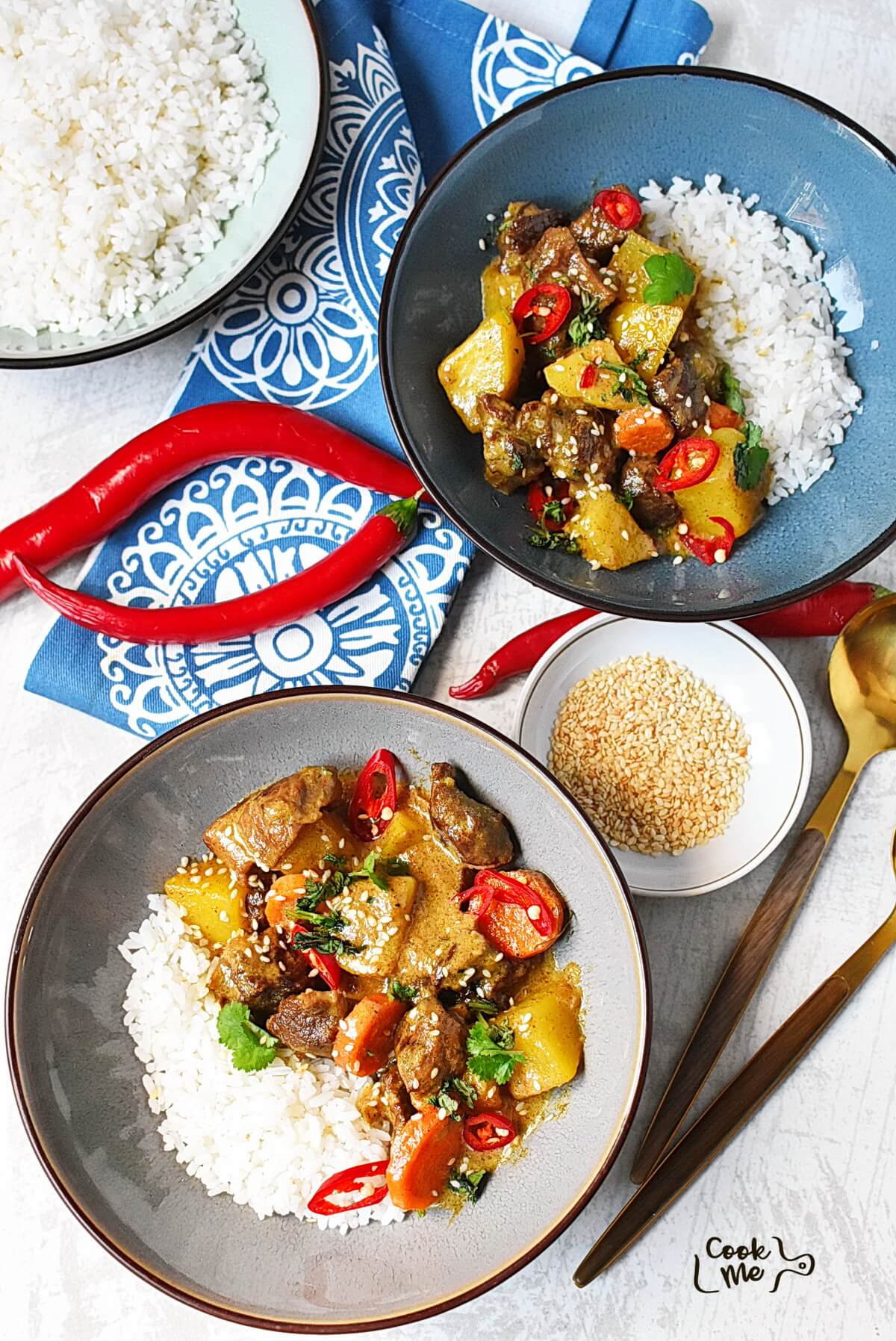
This beef and potato coconut curry is my go to when I need something that actually warms you from the inside out. I started refining it during those brutal Buffalo winters, and it stuck because it is straightforward and forgiving. The beef gets fork tender, the potatoes soak up the sauce, and the coconut keeps things silky without turning the dish into a dessert.
What really makes it work is respect for the basics. Brown the beef properly so you get a crust that adds real savoriness. Heat is the boss here. I learned that in a physics class years back and from long nights in steakhouse kitchens in Chicago: sear it, then let low heat do the rest. The result is a rich body of flavor that feels deliberate, not slapped together.
It is also flexible. If you want hands off you can adapt this into a Slow cooker beef curry with coconut milk and walk away. For quick nights, it still plays nice: prep the veg ahead and this becomes a reliable Weeknight dinner stew that tastes like you spent time on it. It is naturally a Gluten free beef stew if you swap regular soy for tamari, so guests with sensitivities can dig in without fuss.
Short note: it is forgiving. Really.
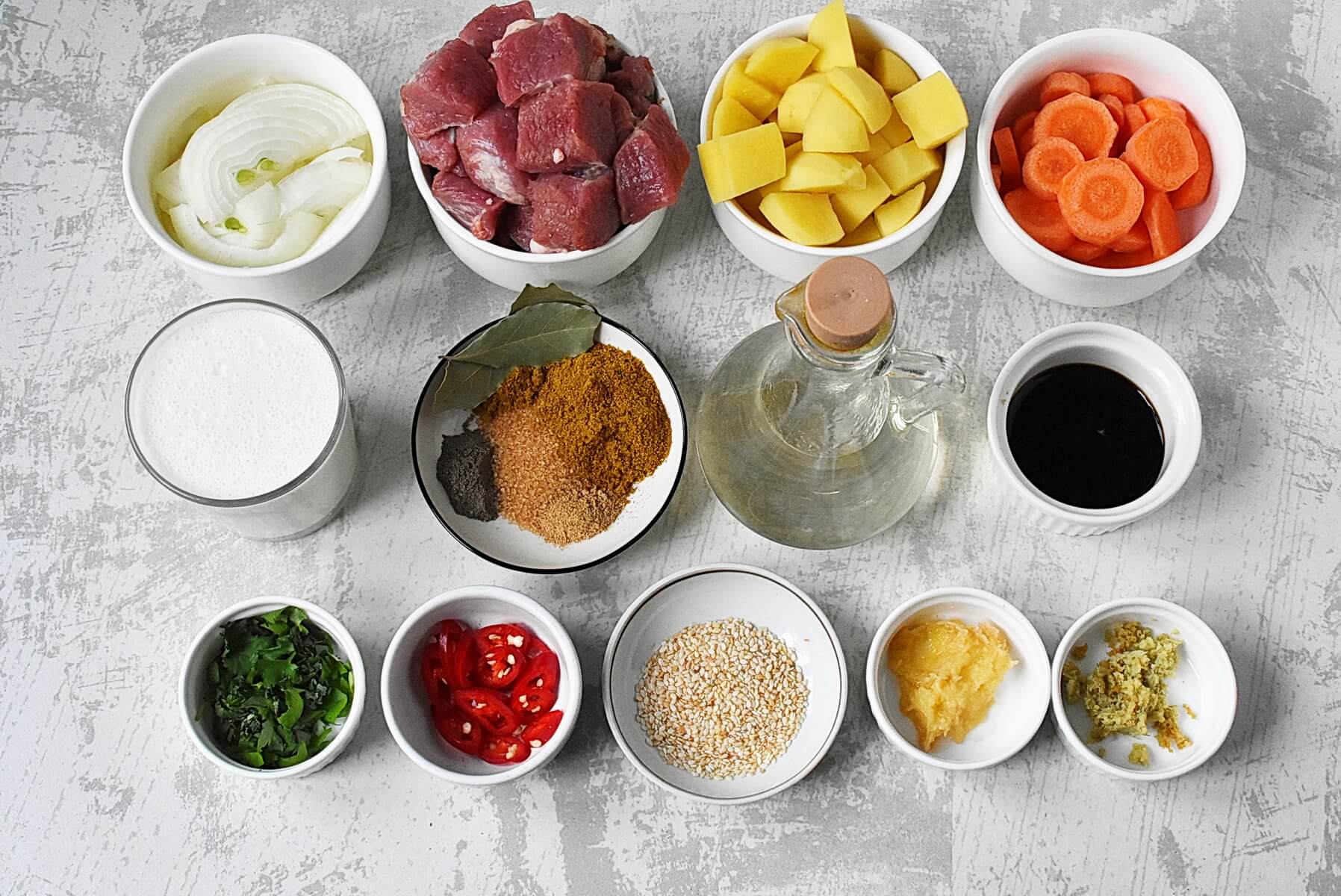
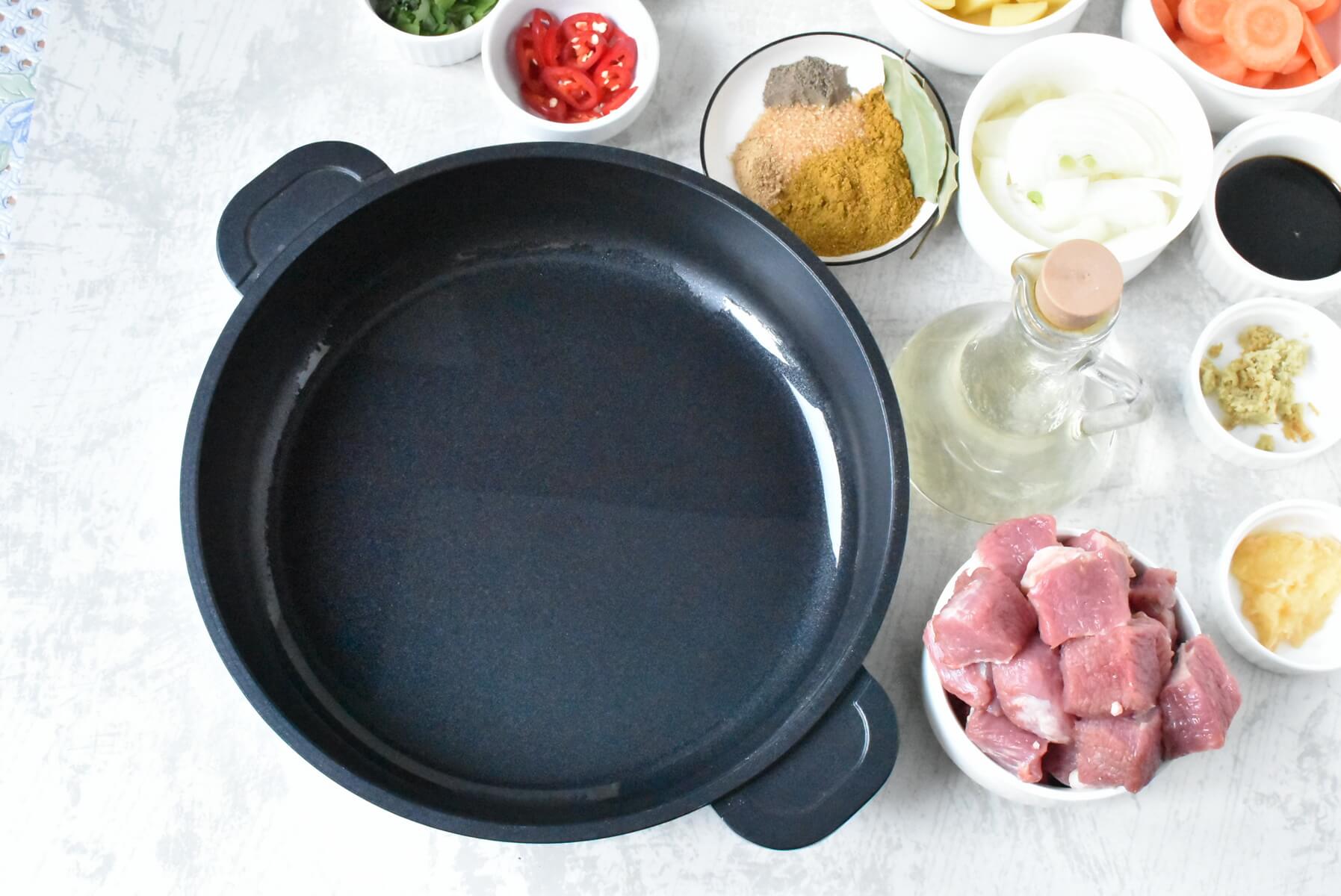
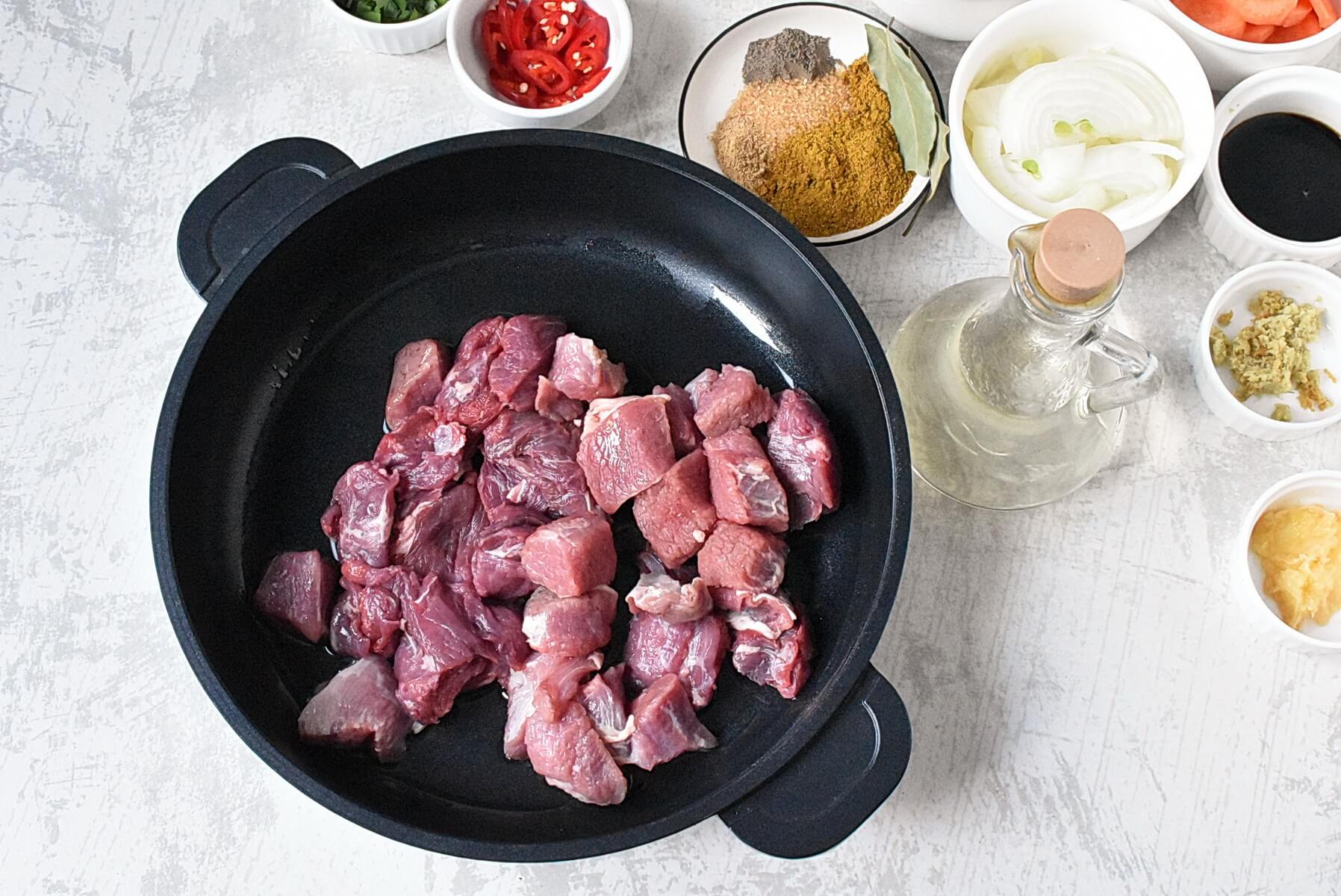
In a Dutch oven or large cooking pot over medium-high heat, heat 2 tablespoons vegetable oil for 2 minutes until the oil starts to sizzle and shimmer. Add in the beef chunks and stir well. Cook for 6-8 minutes until the beef browns on all sides.
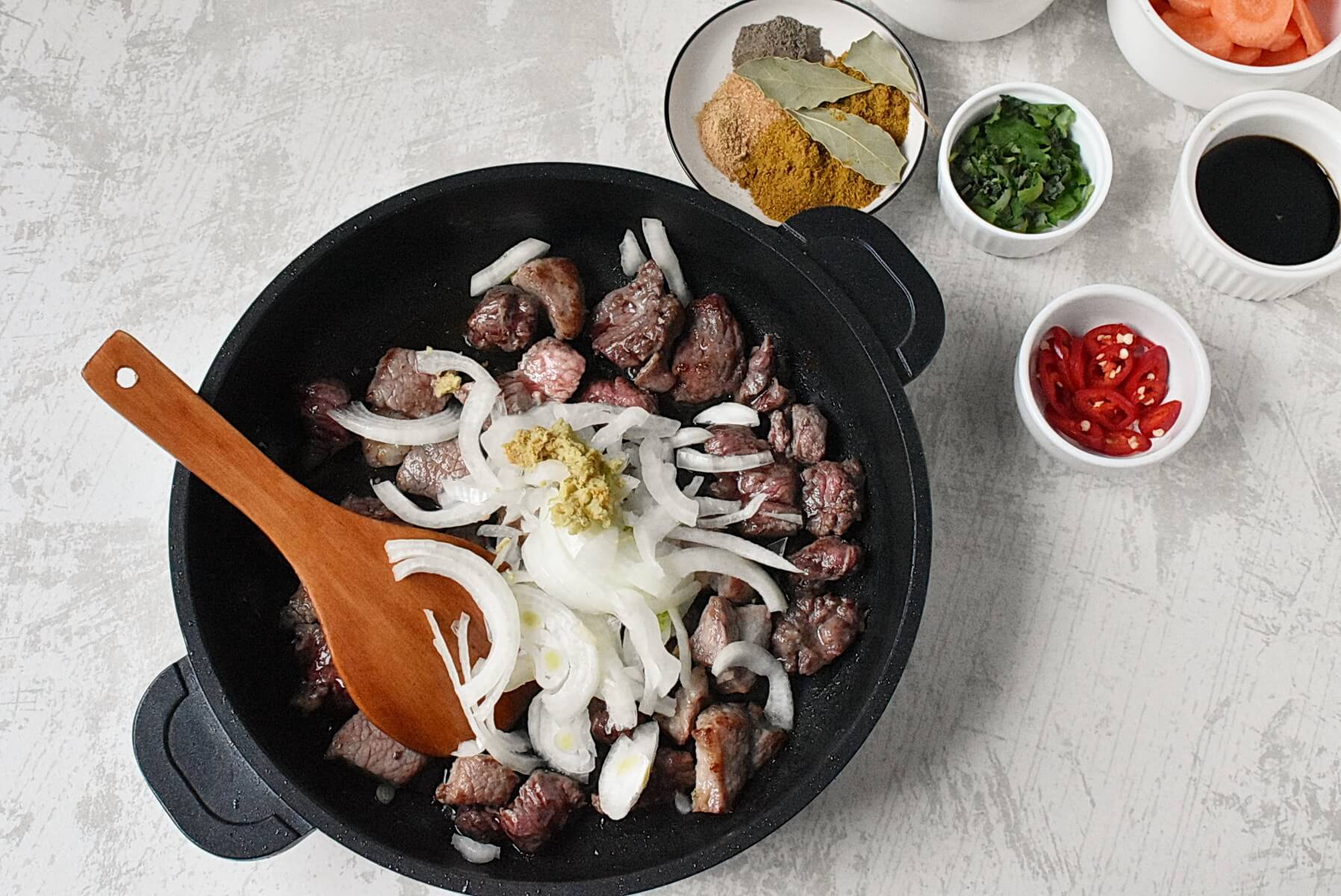
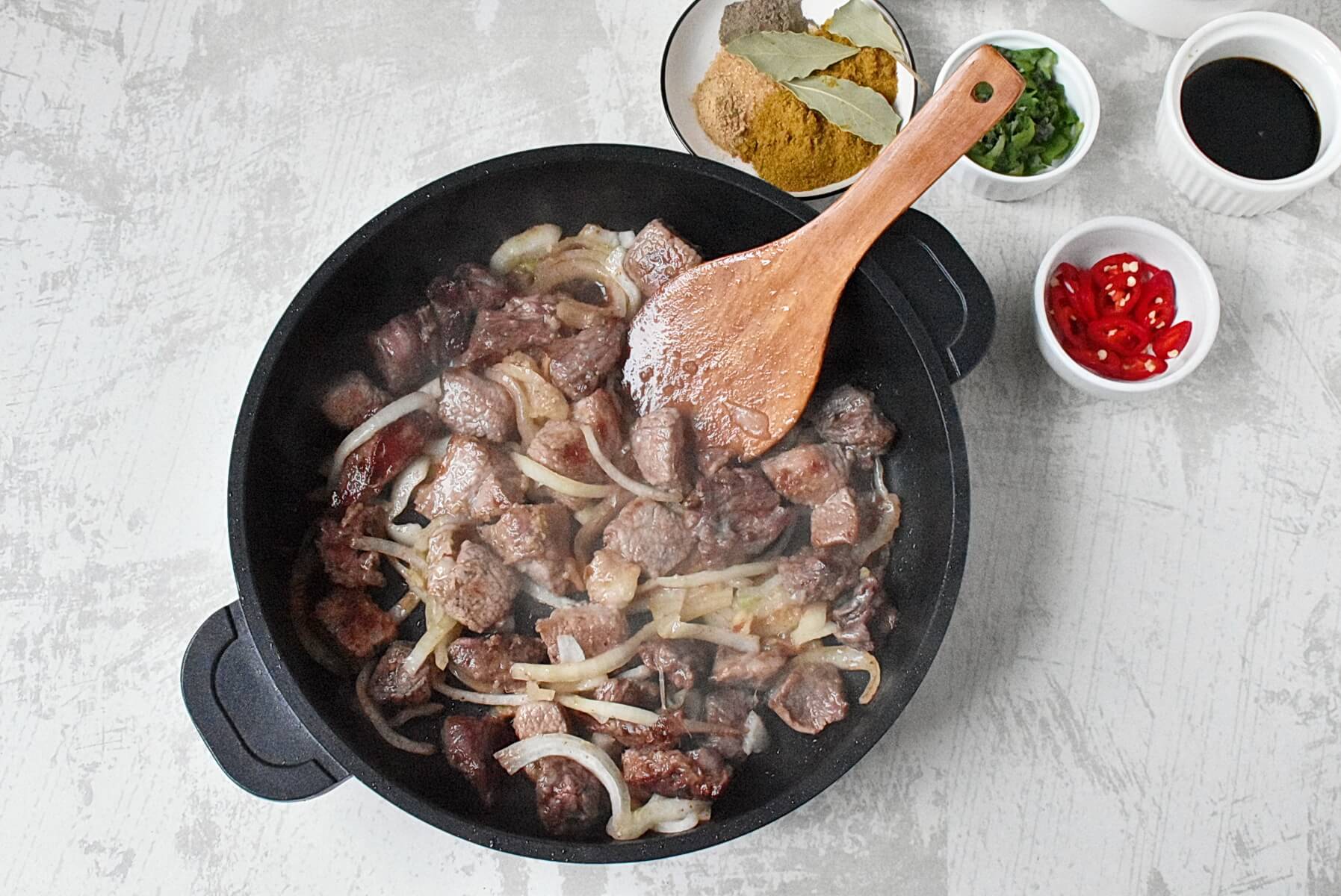
Add 1 sliced onion, 1 tablespoon minced garlic, and 1 teaspoon grated ginger. Cook, stirring, until fragrant, about 2 minutes.
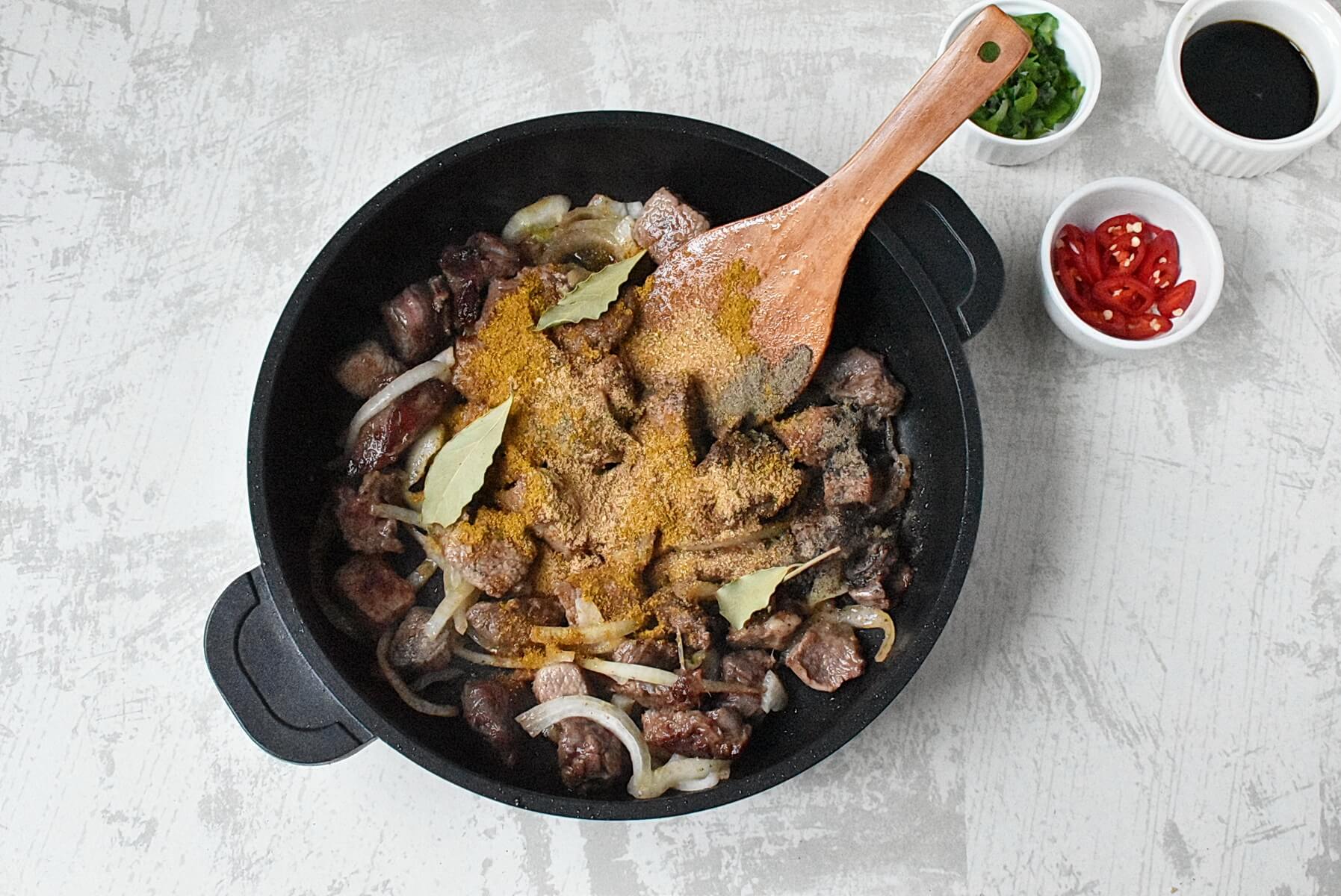
Add ¼ cup yellow curry powder, 1 tablespoon cumin powder, 2 tablespoons soy sauce, 2 tablespoons brown sugar, 1 tablespoon ground black pepper, and 2-3 bay leaves. Cook, stirring, about 3 minutes.
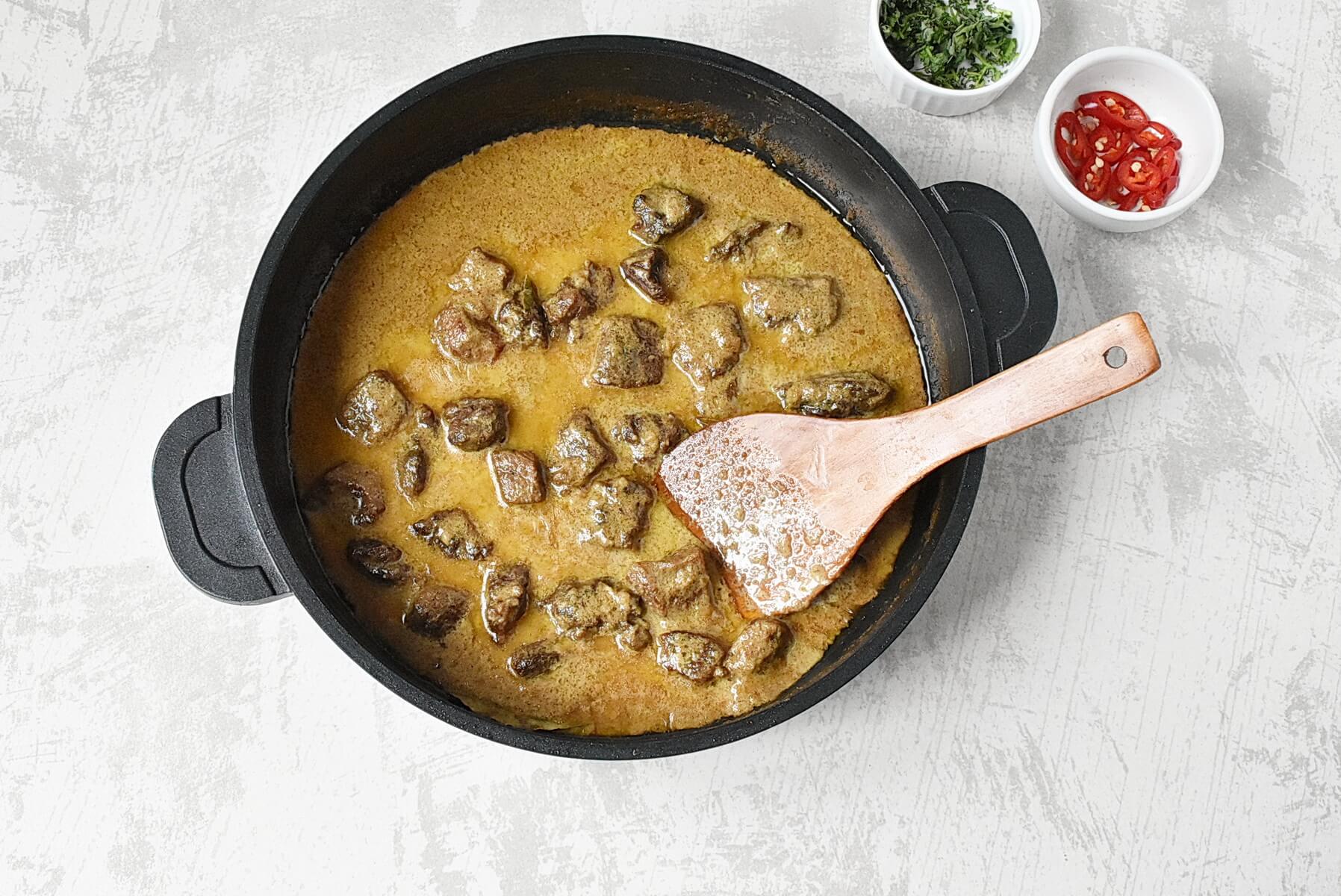
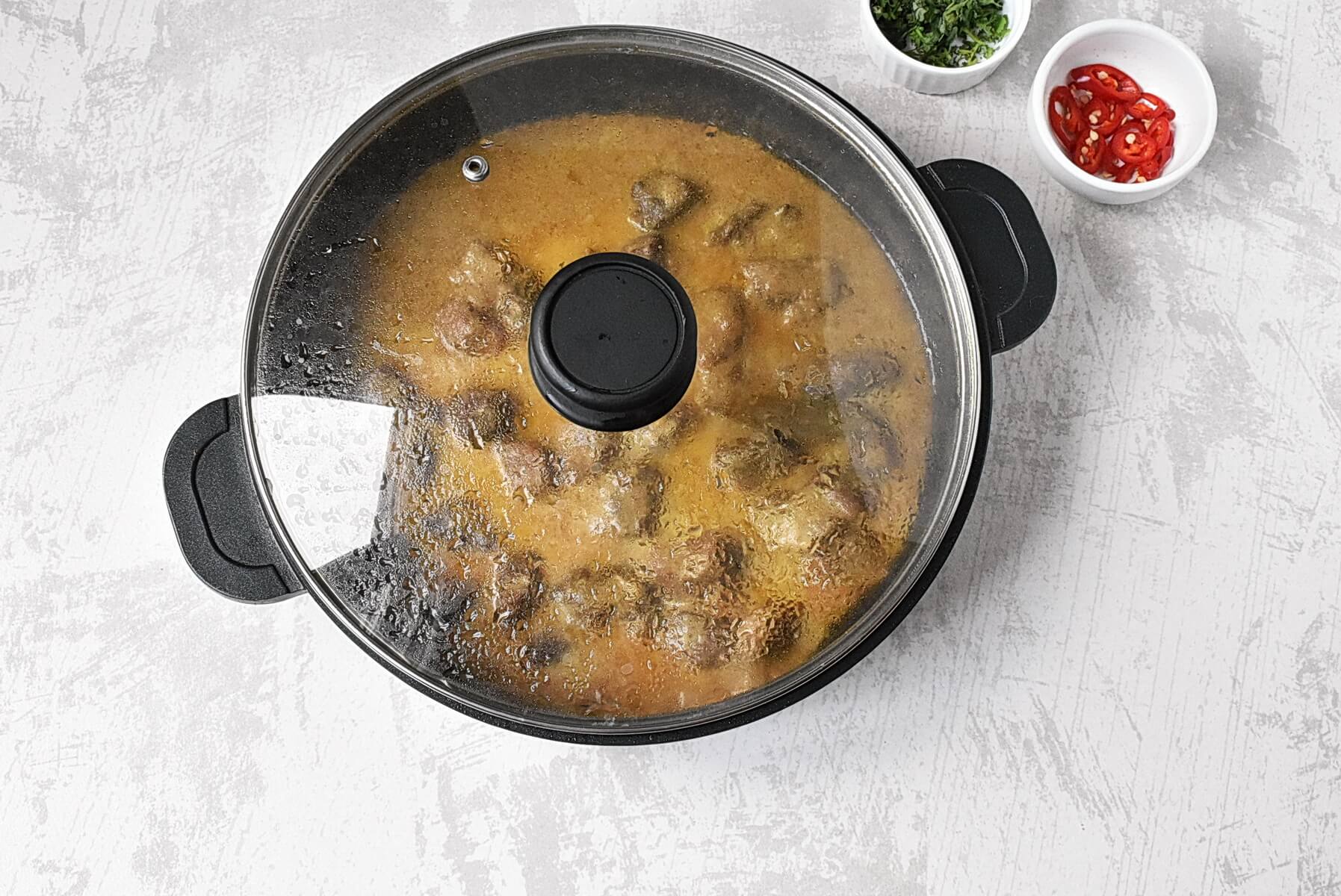
Stir in 2 cans coconut milk. Reduce the heat to medium-low and cover with a lid. Simmer for 25 minutes, stirring occasionally, until the beef is tender. Use a fork to check the doneness of the beef. If you can insert a fork in the center of the beef chunk with little resistance, it's fork-tender.
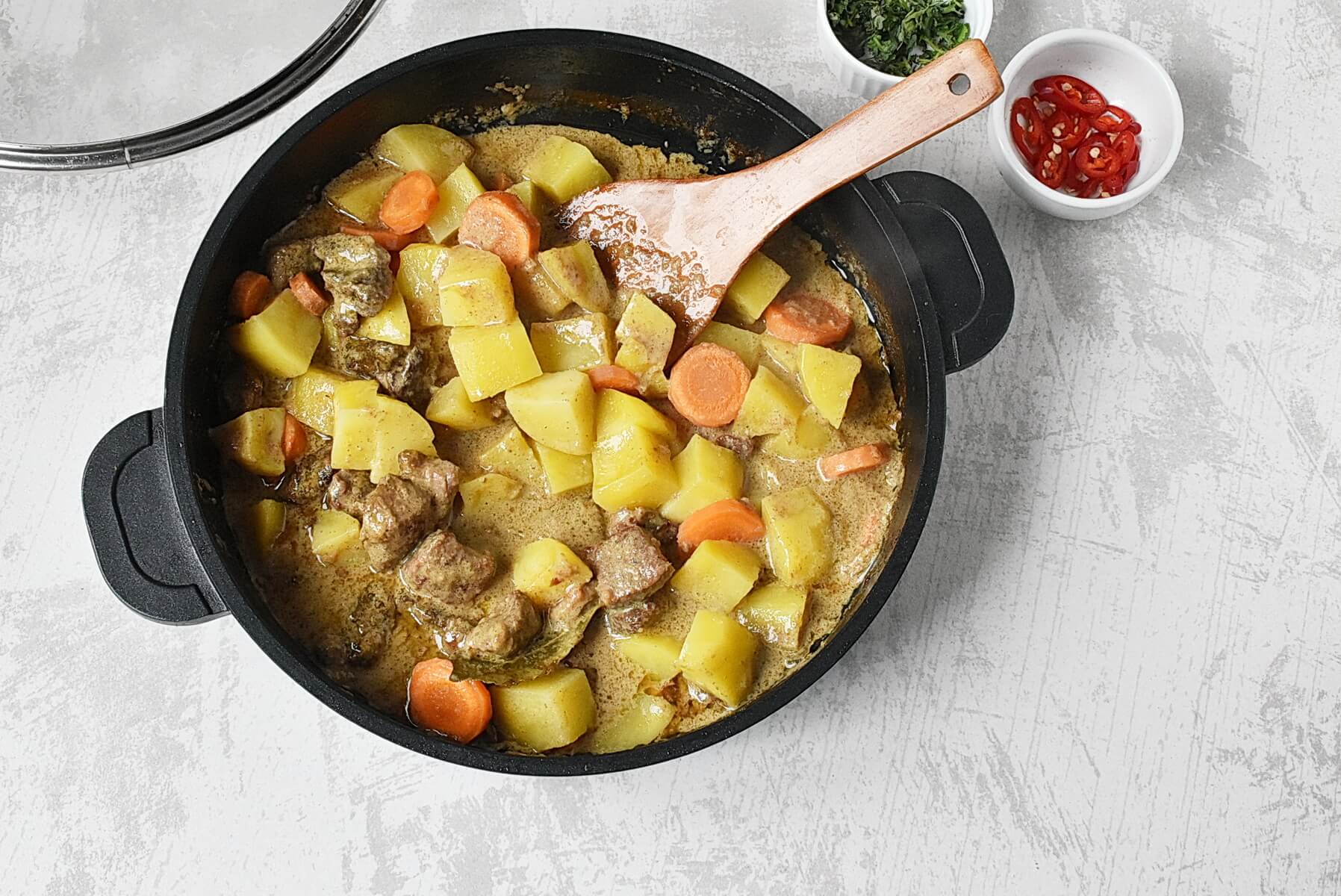
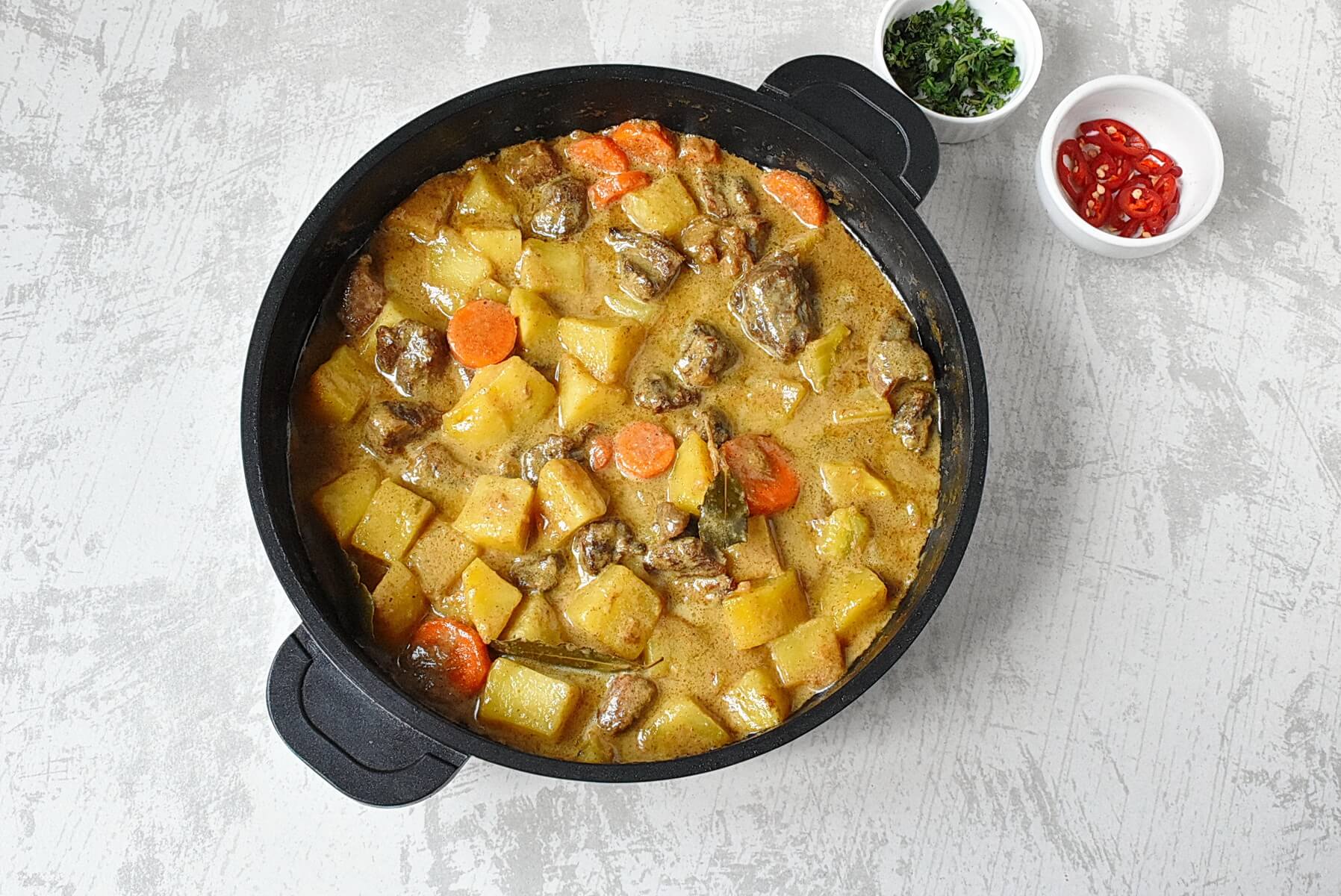
Add the potatoes and carrots, stir to combine, and bring to a simmer uncovered. Cook, stirring occasionally, for 15 minutes until the potatoes and carrots start to soften. If the sauce gets too thick, add ¼ cup water to thin out the sauce.
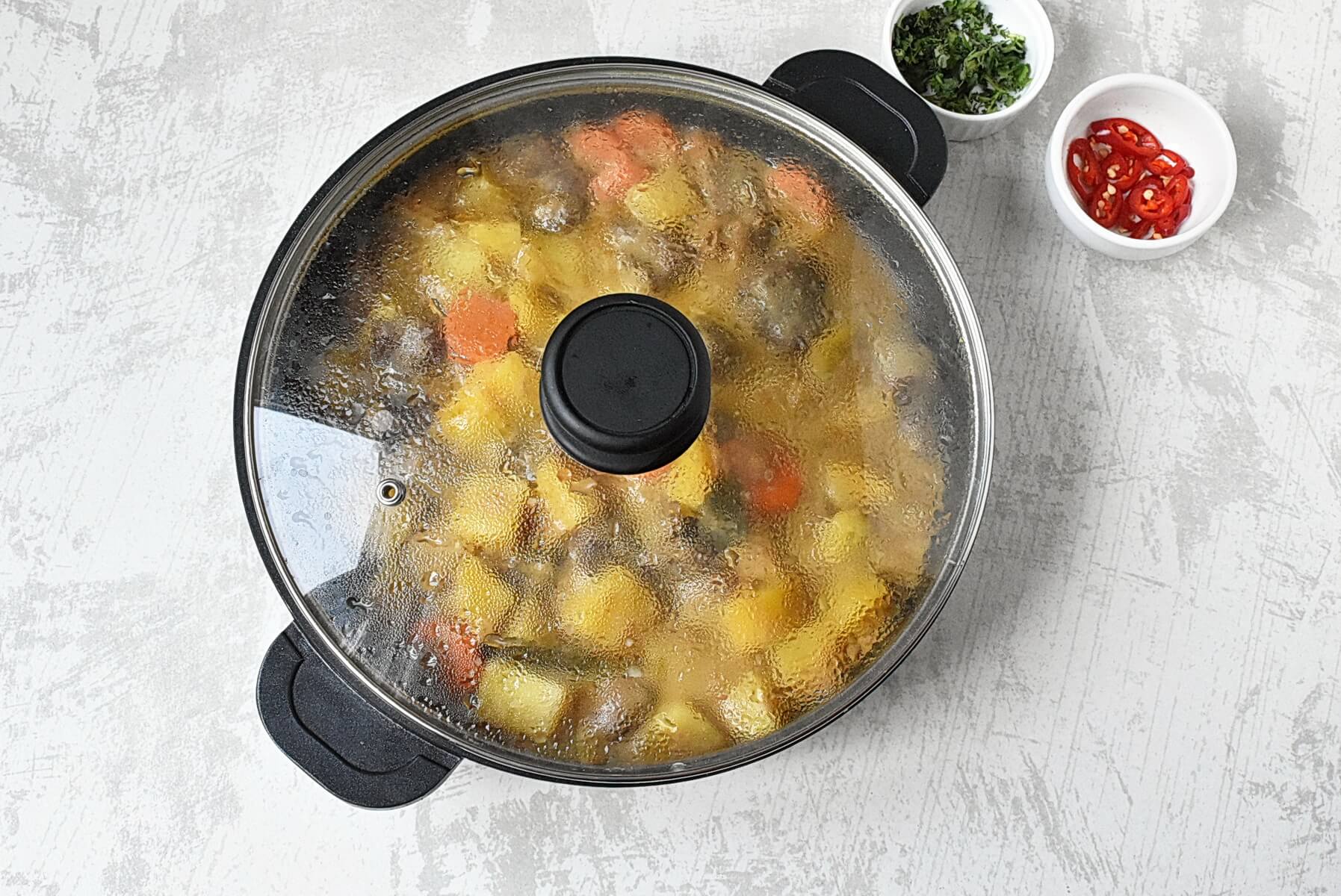
Remove the pot from the heat and let the stew rest for about 20 minutes. The longer it rests, the more flavorful it gets.
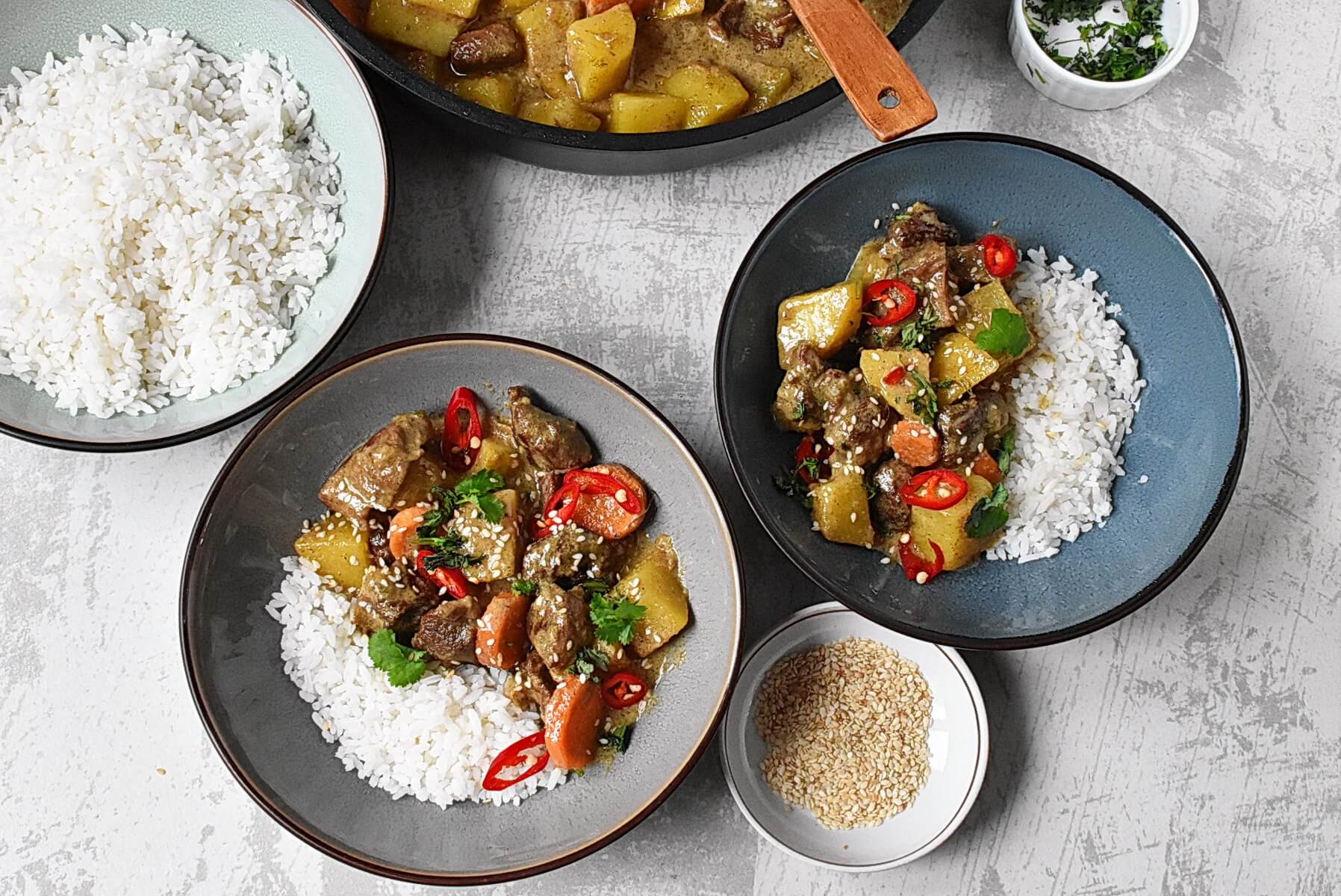
Serve over rice, garnished with red chili pepper, fresh cilantro leaves, and sesame seeds.
Use a heavy bottom pot or a Dutch oven. It holds heat steady and prevents hot spots that scorch aromatics. A sharp knife and a solid cutting board make prep faster and safer. A box grater for fresh ginger helps release oils, and a wooden spoon is my go to for scraping browned bits into the sauce. Measuring spoons and cups matter when you are learning the balance, though after a few runs you can eye it more confidently. Actually, scratch that. Eye it when you know the recipe well. At first, measure.
Brown the beef well. Get a good crust on those cubes; it changes everything. That crust is what gives the sauce depth, not just the meat itself. When you add onions, garlic, and ginger, cook until they are soft and fragrant so they stop tasting raw. Toss the spices in next and let them cook a couple of minutes to bloom their oils. This step wakes up the curry powder and cumin and gives you a sauce that clings to the meat.
Use the coconut milk to simmer the beef gently. Low and slow breaks down connective tissues and turns tough steak into something fork tender. You end up with simmered beef curry that is silky and rich. If the sauce gets too thick, add a splash of water to keep it velvety. Let the pot rest off heat for about twenty minutes before serving. Flavors settle and marry. It is subtle, but that rest matters.
One more tip on waste: save any trimmings for stock. You know I hate waste, and bones plus veg ends make the next batch better. It is practical and tastes better for it.
Slow cooker option: Brown beef and aromatics, then move everything to a slow cooker with the coconut milk. Cook low for six to eight hours, adding potatoes and carrots toward the end. The slow cooker yields a very tender, simmered beef curry that holds up for leftovers. It lacks a bit of that stovetop crust, so sear well first if texture matters.
Thai leaning: Swap yellow curry powder for a red or green paste and add kaffir lime or lemongrass. Finish with fish sauce and lime. This Thai style beef curry brings brightness and herb notes to the table. It is vibrant and different, but still cozy if you want that direction.
Stretch it with veg: Cut the beef by half and add bell peppers or a big handful of spinach near the end. This easy beef stew with curry powder is a good way to get greens in, and it lightens the plate without losing heft. If you do this, simmer the peppers just enough so they keep some bite.
I serve this over steamed jasmine or basmati rice so the grains soak up the sauce. Fresh cilantro and sliced red chili brighten each bowl, and a squeeze of lime lifts the richness. Naan or flatbread is useful for wiping the pot clean. A simple cucumber salad cuts through the creaminess and adds a crunchy contrast. Beer or iced tea are both solid drink pairings, depending on the crowd.
Yes. Brown the beef and aromatics first for depth, then slow cook on low for six to eight hours. Add potatoes and carrots in the last two hours to avoid mush. If the stew seems thin at the end, uncover and simmer a bit to concentrate flavors.
Yes, as written it can be a Gluten free beef stew. Use tamari or a labeled gluten free soy sauce and check spice labels if you are strict. I learned this when a friend visited with sensitivities and it became a reliable option for company.
Add fresh red chili when you add the spices, or sprinkle in cayenne while you bloom the curry powder. Taste as you go. If it gets too hot, more coconut milk calms it down. It is flexible, so start small if you are unsure.
Use a tougher cut meant for stewing and give it time in the pot or the slow cooker. The connective tissue will break down and you will have a real stewing beef curry with complex mouth feel. It rewards patience.
Absolutely. Prep the veggies ahead and use beef that is already cut. Pressure cooking for about fifteen minutes gives similar tenderness fast. If the sauce is thin, thicken with a cornstarch slurry at the end.
One quick story: I served a version of this at a backyard cook once and my roommate Brisket sat by the pot like he was supervising. Everyone went back for seconds. It still works.
Warm up your winter nights with this Coconut Curry Beef Stew! Packed with tender meat and flavorful veggies, it’s the perfect comforting dish the whole family will enjoy. Give this recipe a try, and please come back to leave a comment below. We would love to hear from you!

Great beef stew!
 Dairy-Free Recipes
 Gluten Free Recipes
 Spicy Recipes