
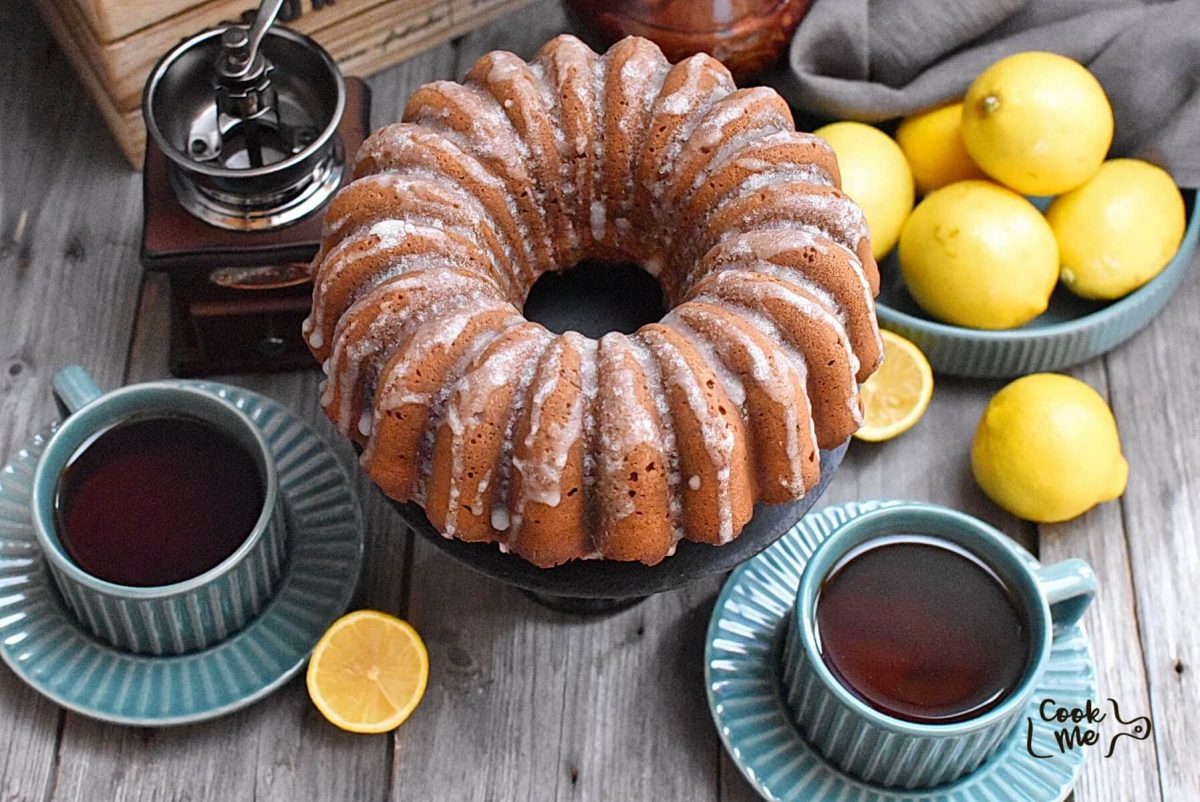
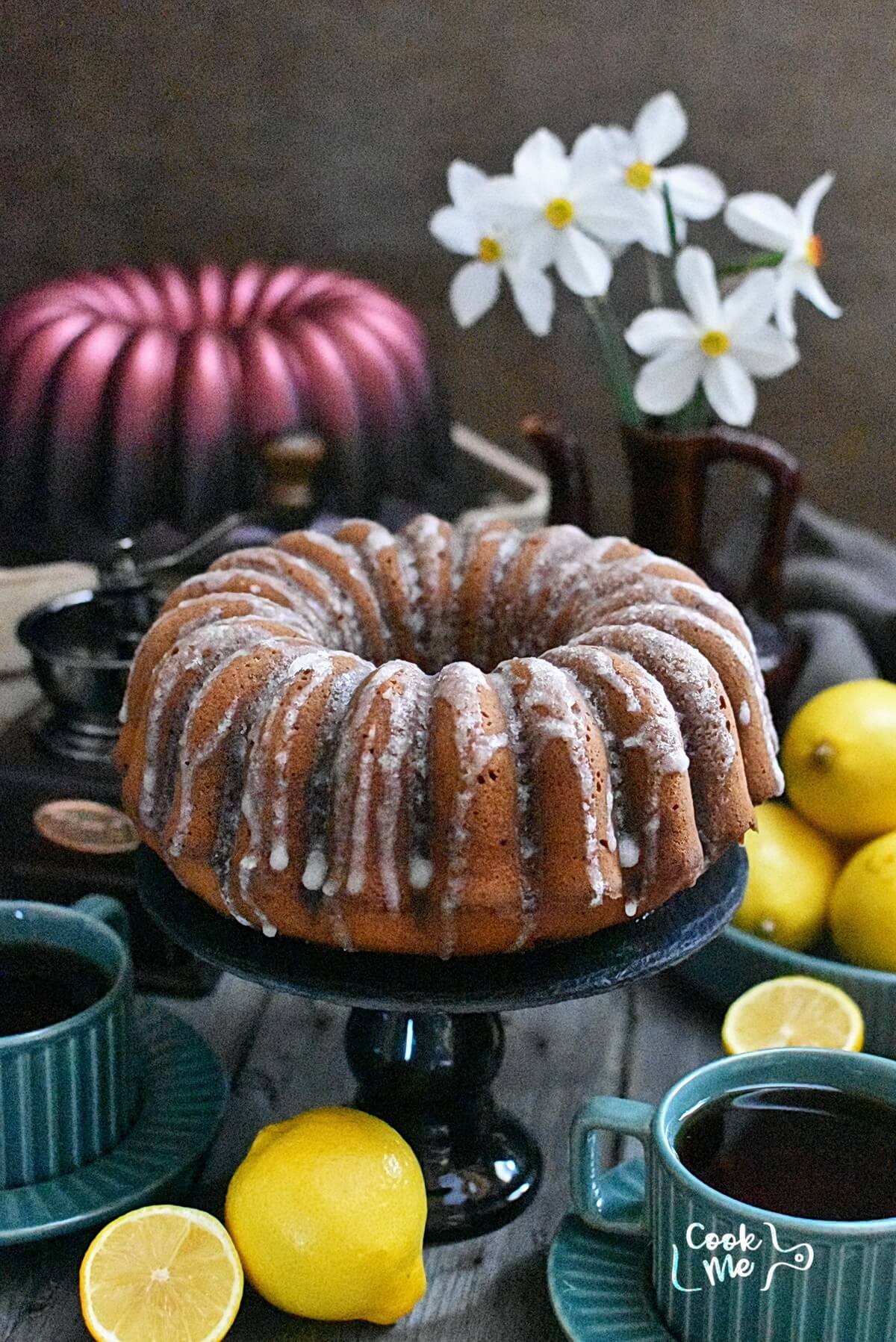
Oh, this old fashioned pound cake recipe does something to me. It takes me back to foggy Port Townsend mornings, when my mother Meilin would bake while humming a Taiwanese lullaby and my father put on a late night jazz record. The lemon here is not a garnish. It is the bright note that cuts through the butter and sugar and makes everything sing.
I wanted a cake that is dense but that still parts easily, moist without any pools of syrup. I learned how to get that texture while sketching recipes in a tiny Vancouver kitchen and through a few bioengineering lessons about balance. Heat seeks balance, and batter obeys that rule. This cake is homely and precise at once, a classic southern dessert that travels well to brunches, potlucks, and quiet afternoons with tea.
There is a short trick that lifts it: a warm lemon syrup brushed on while the cake is still warm. It keeps each slice fresh and gives the glaze something to cling to. Simple, but effective. Actually, scratch that. It is small and necessary.
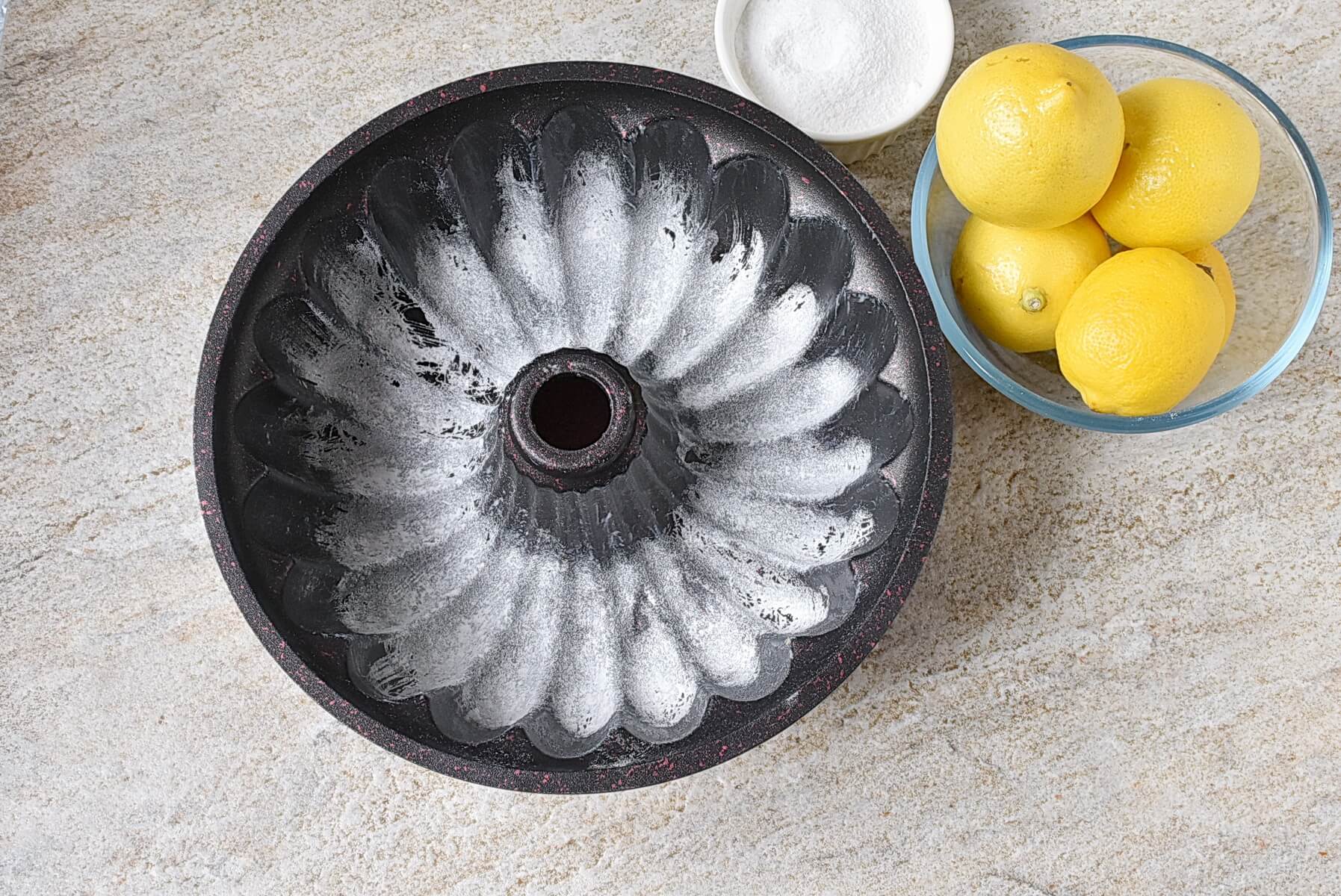
Preheat the oven to 325 °F. Prepare your bundt pan by generously greasing and flouring the inside, and set aside.
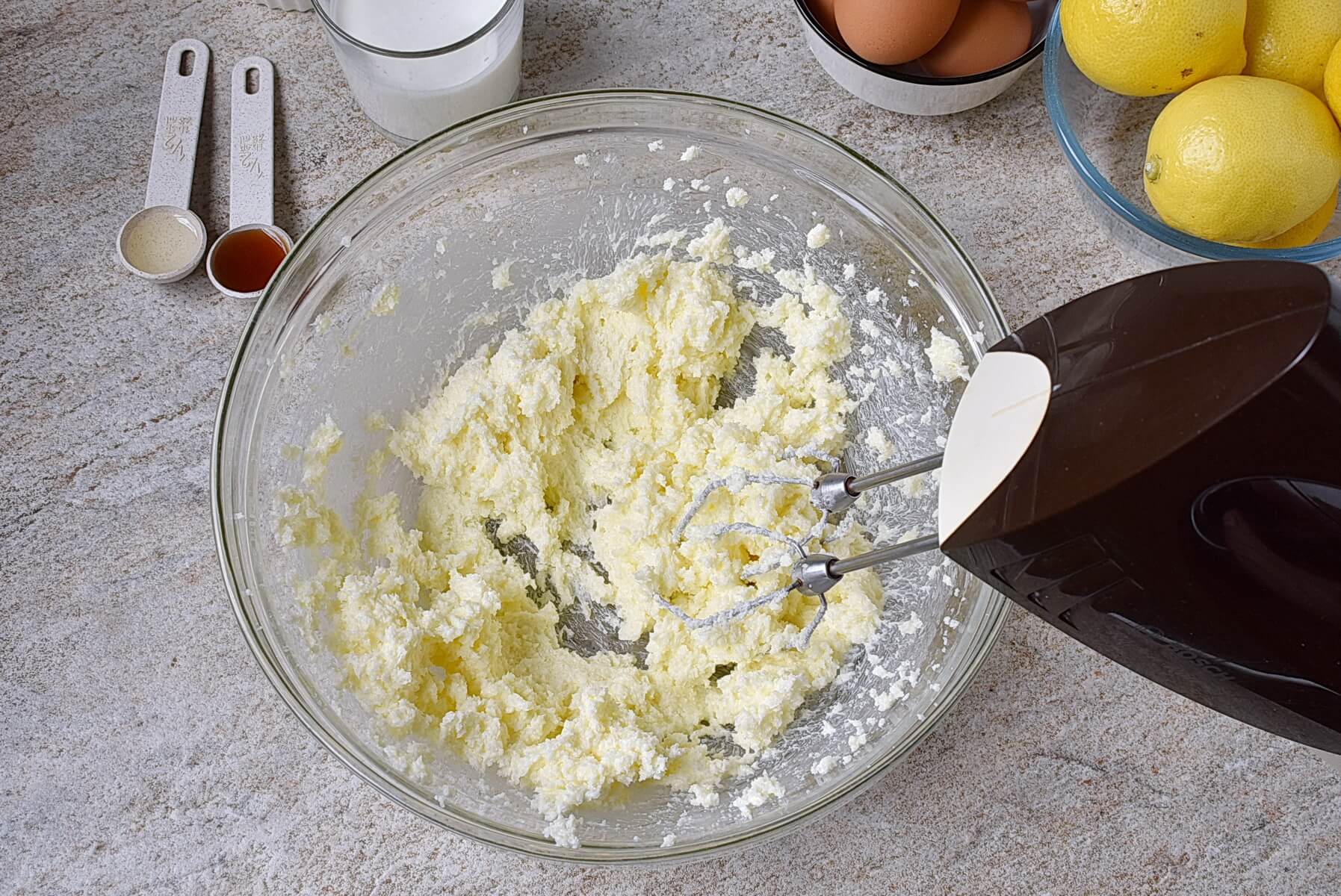
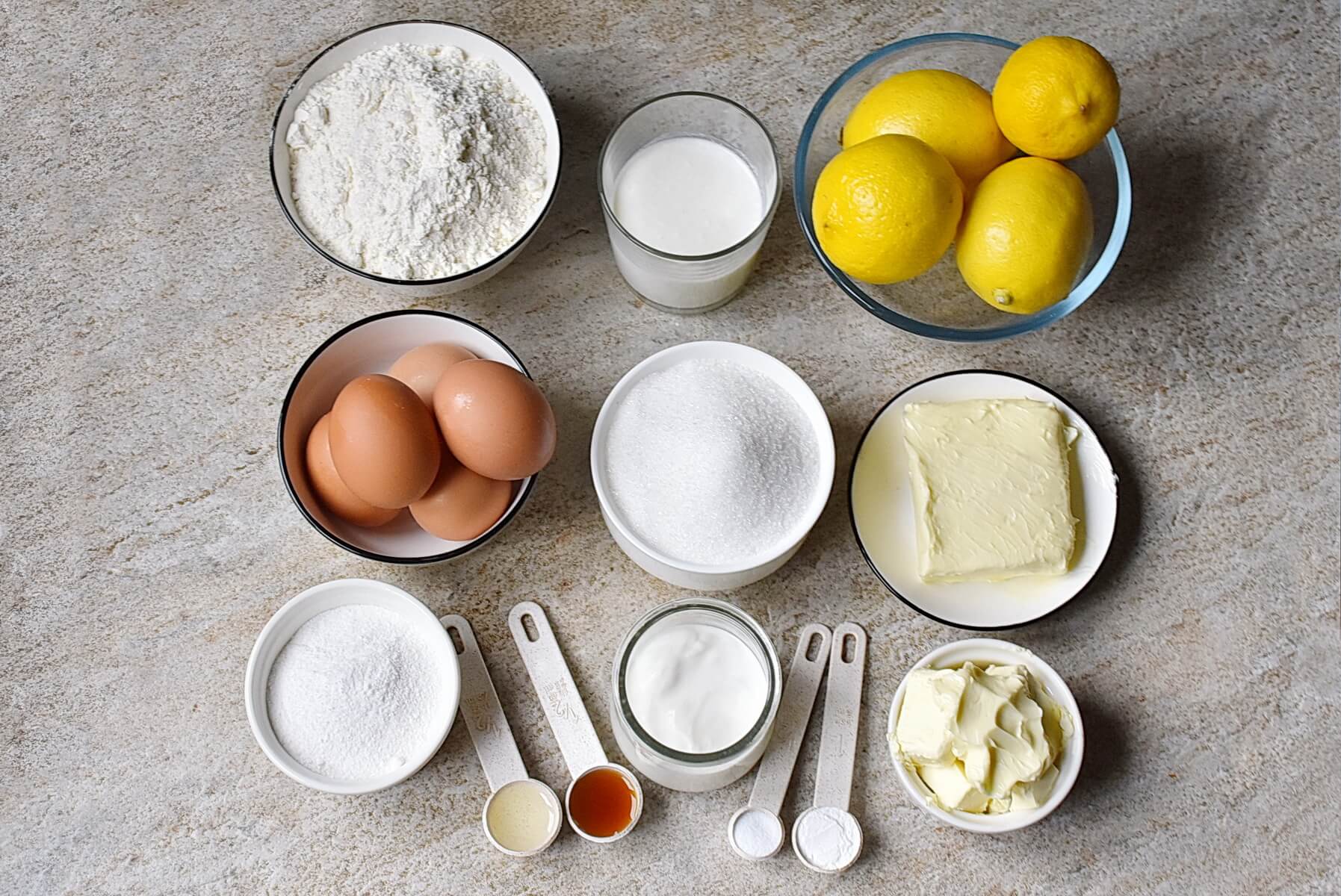
In a large bowl using an electric mixer on medium speed, beat together 1 cup unsalted butter, ½ cup butter-flavored shortening, and 2 ½ cups granulated sugar.
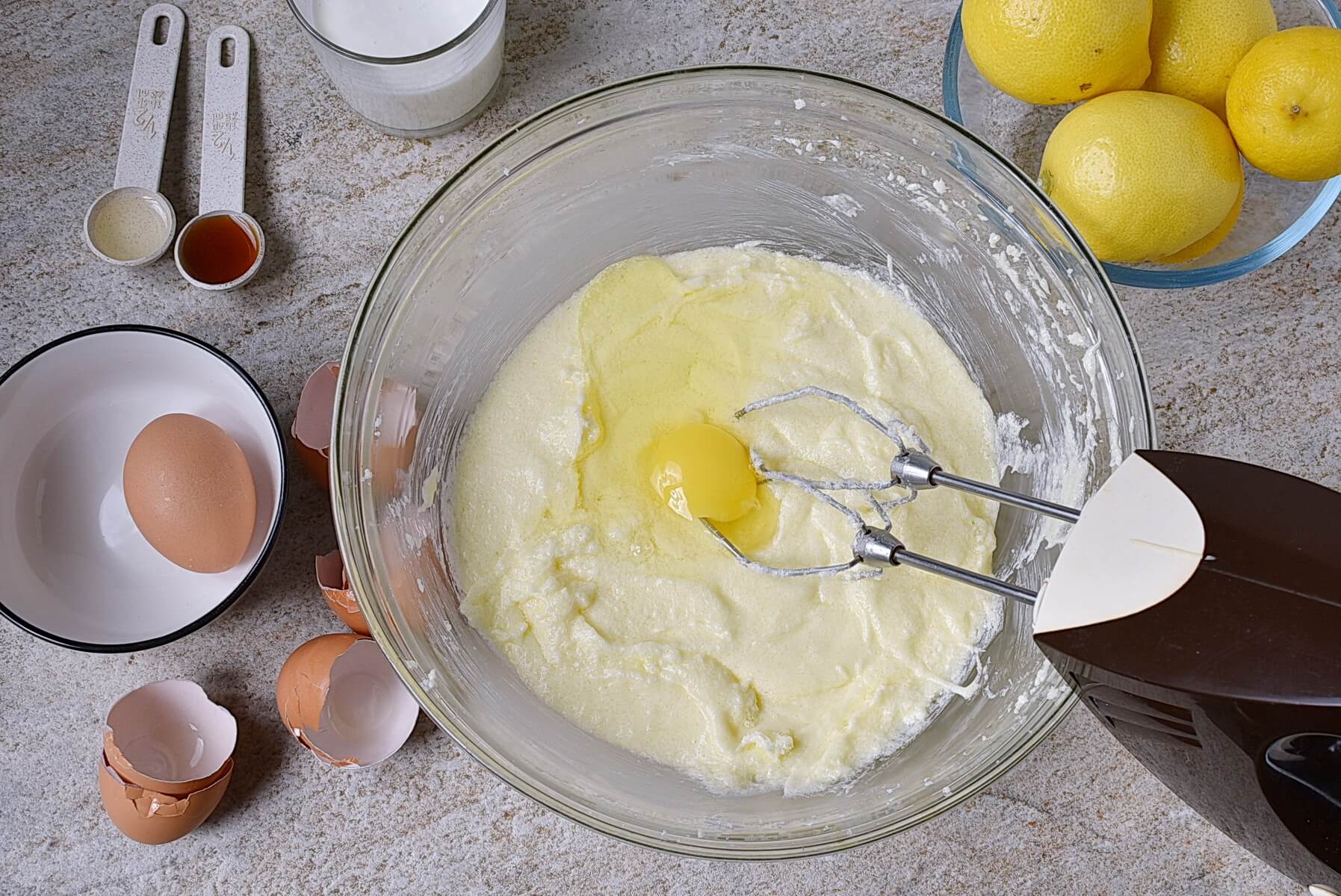
Beat in 5 eggs, one at a time, mixing thoroughly between each addition and scraping down the sides of the bowl as necessary.
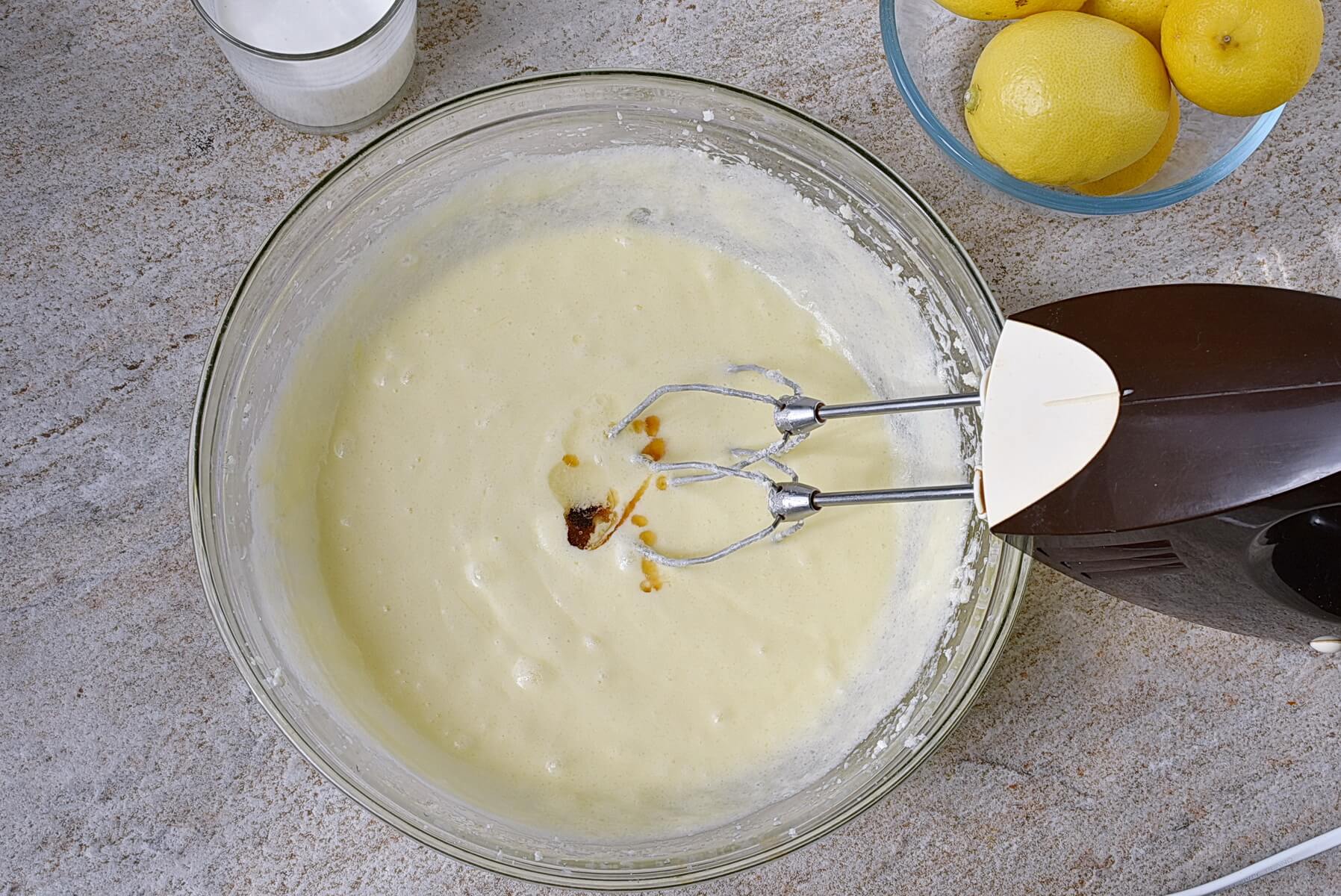
Add in 1 teaspoon pure vanilla extract and 1-2 teaspoons pure lemon extract.
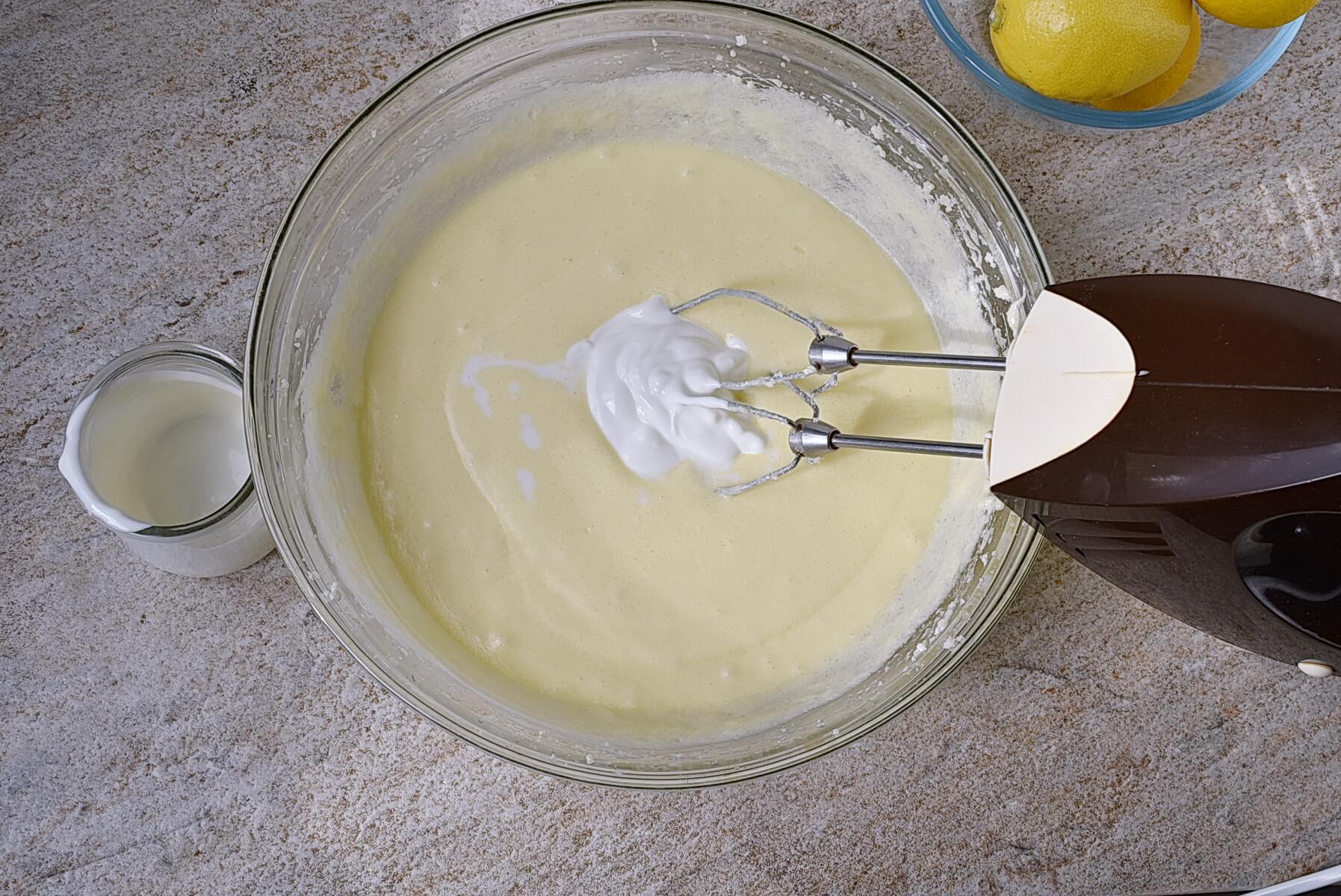
Mix in 5.3 ounces lemon yogurt and ½ cup buttermilk.
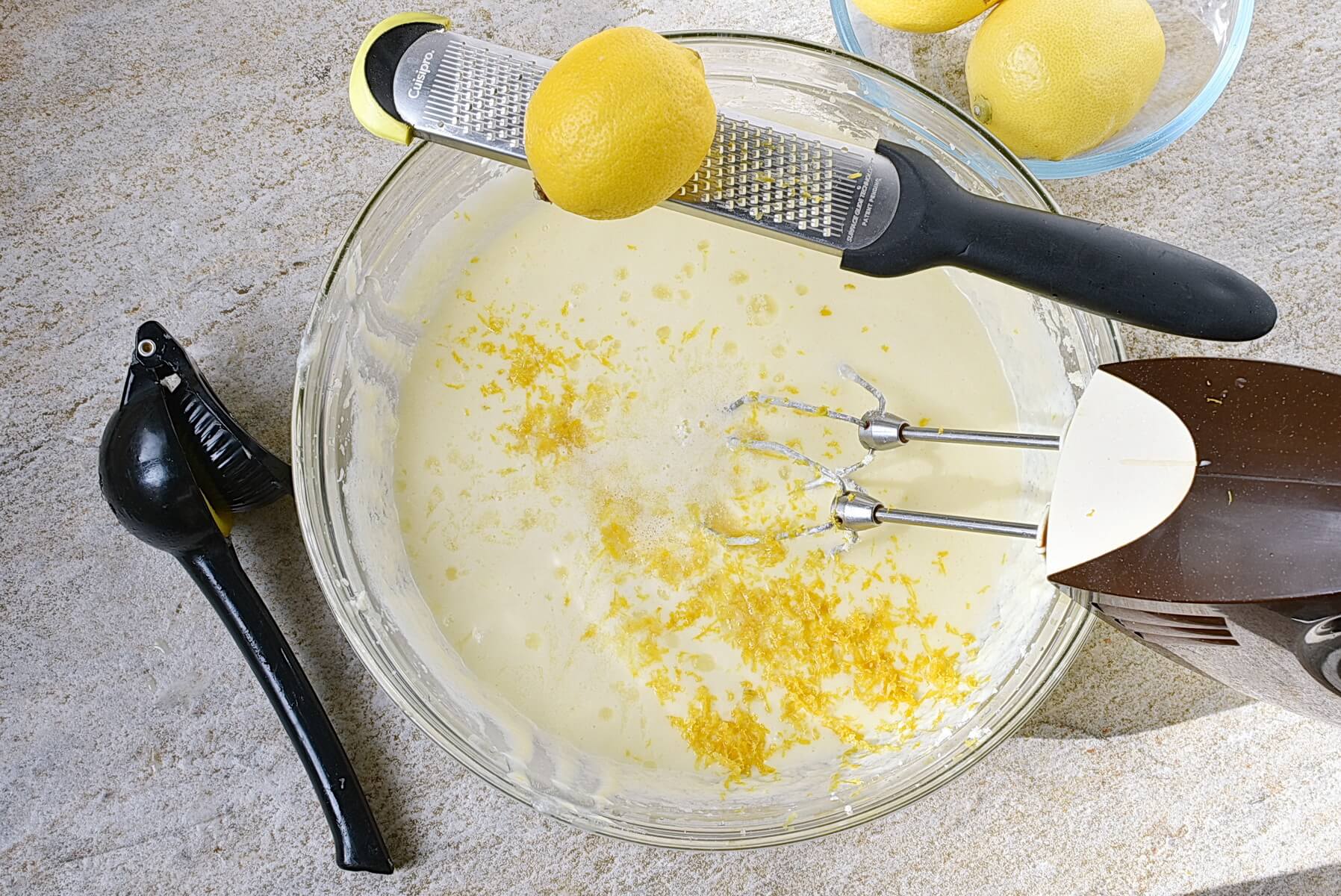
Mix in the zest of 2 lemons and juice of 3 lemons.
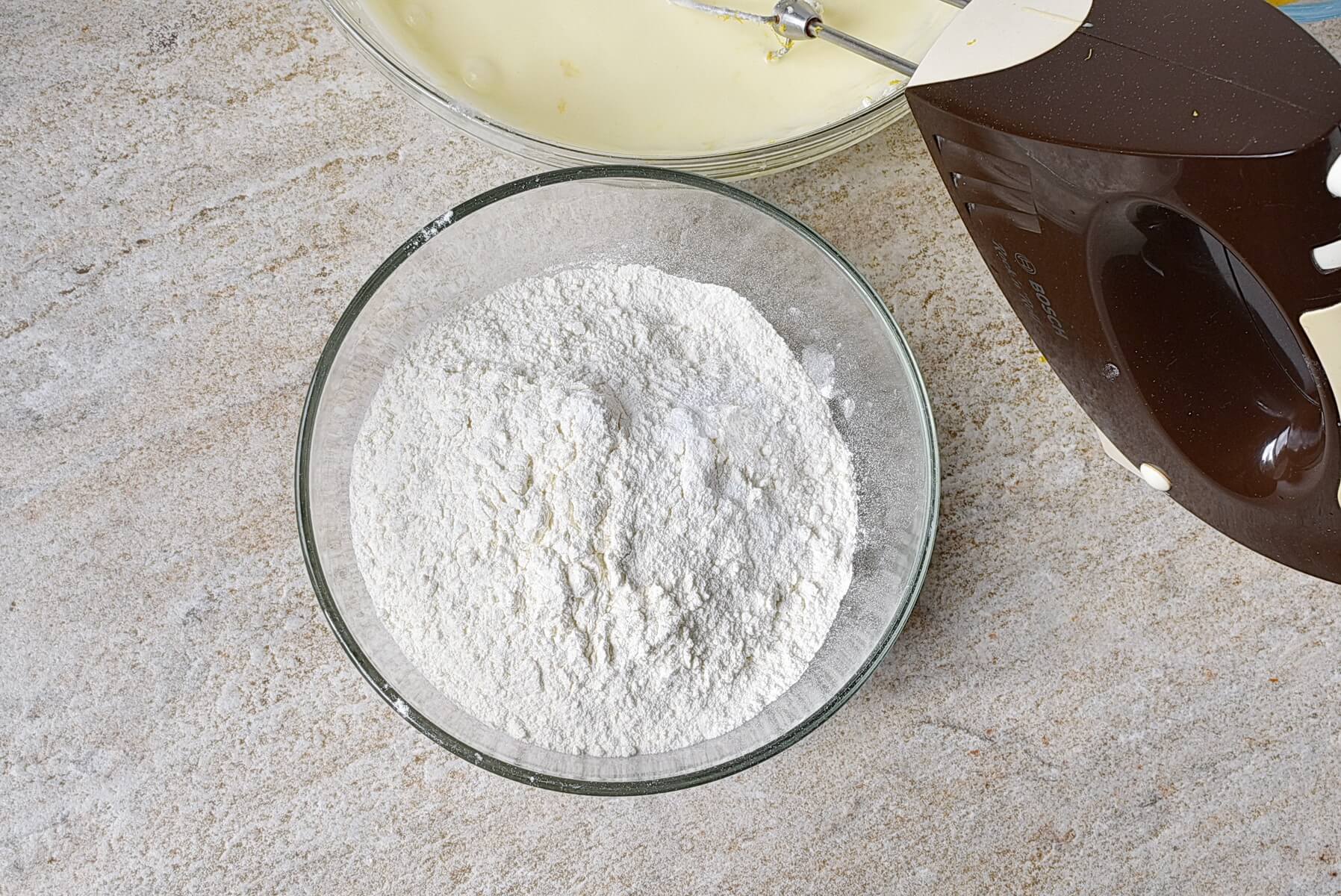
In a separate bowl whisk together 3 cups sifted all-purpose flour, 1 teaspoon baking powder, and ½ teaspoon salt.
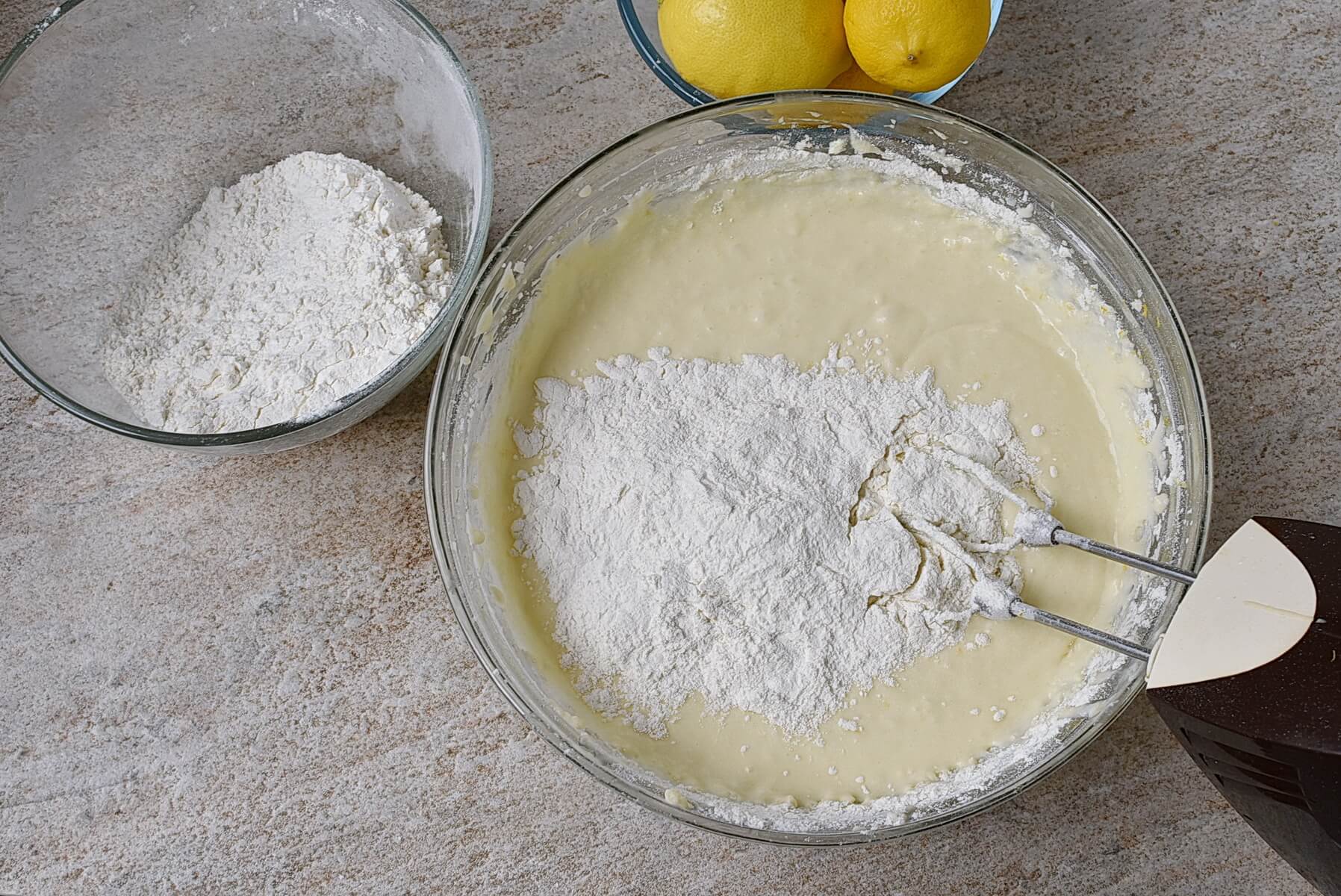
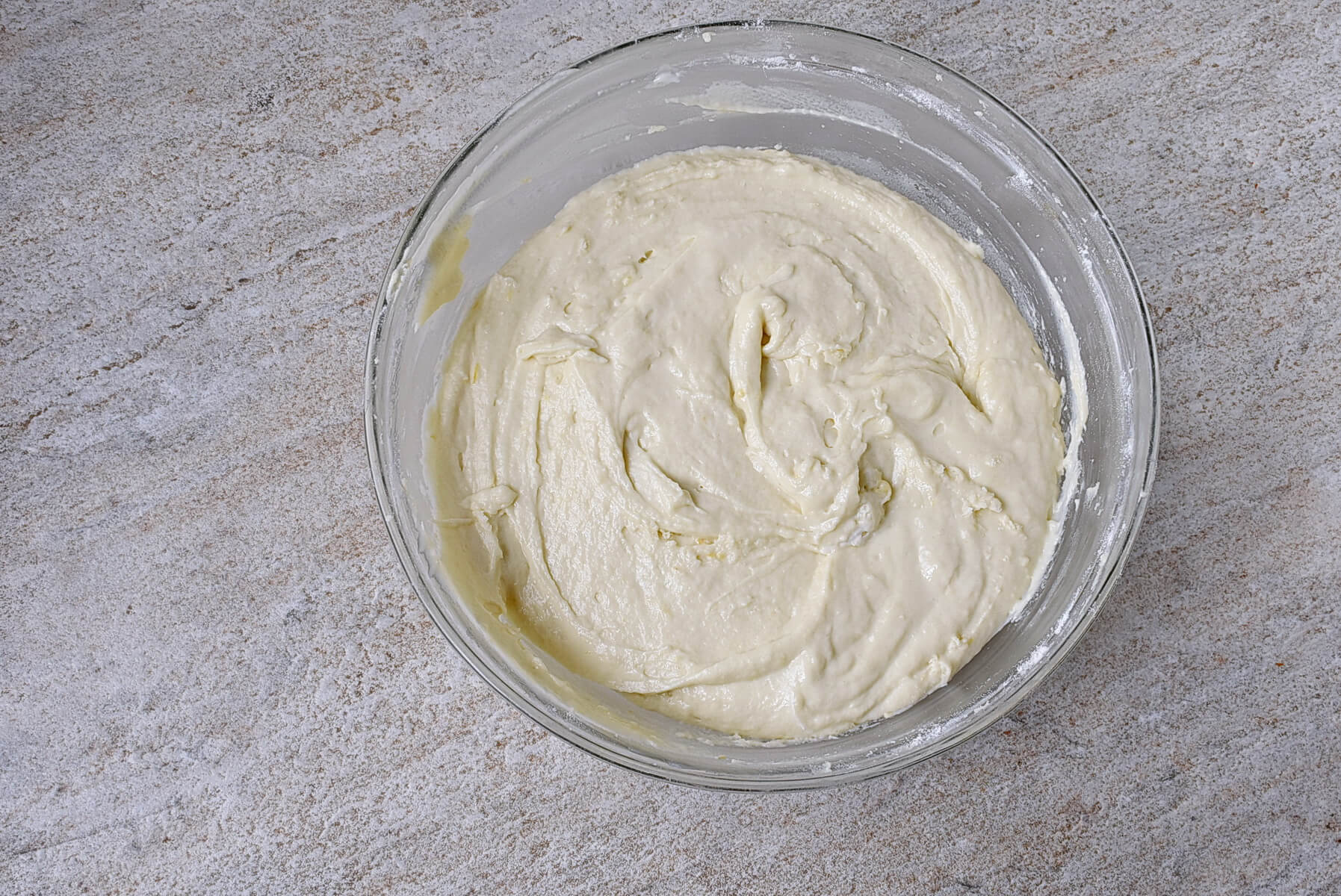
Gradually add the dry ingredients to the wet mixture, mixing well, but gently.
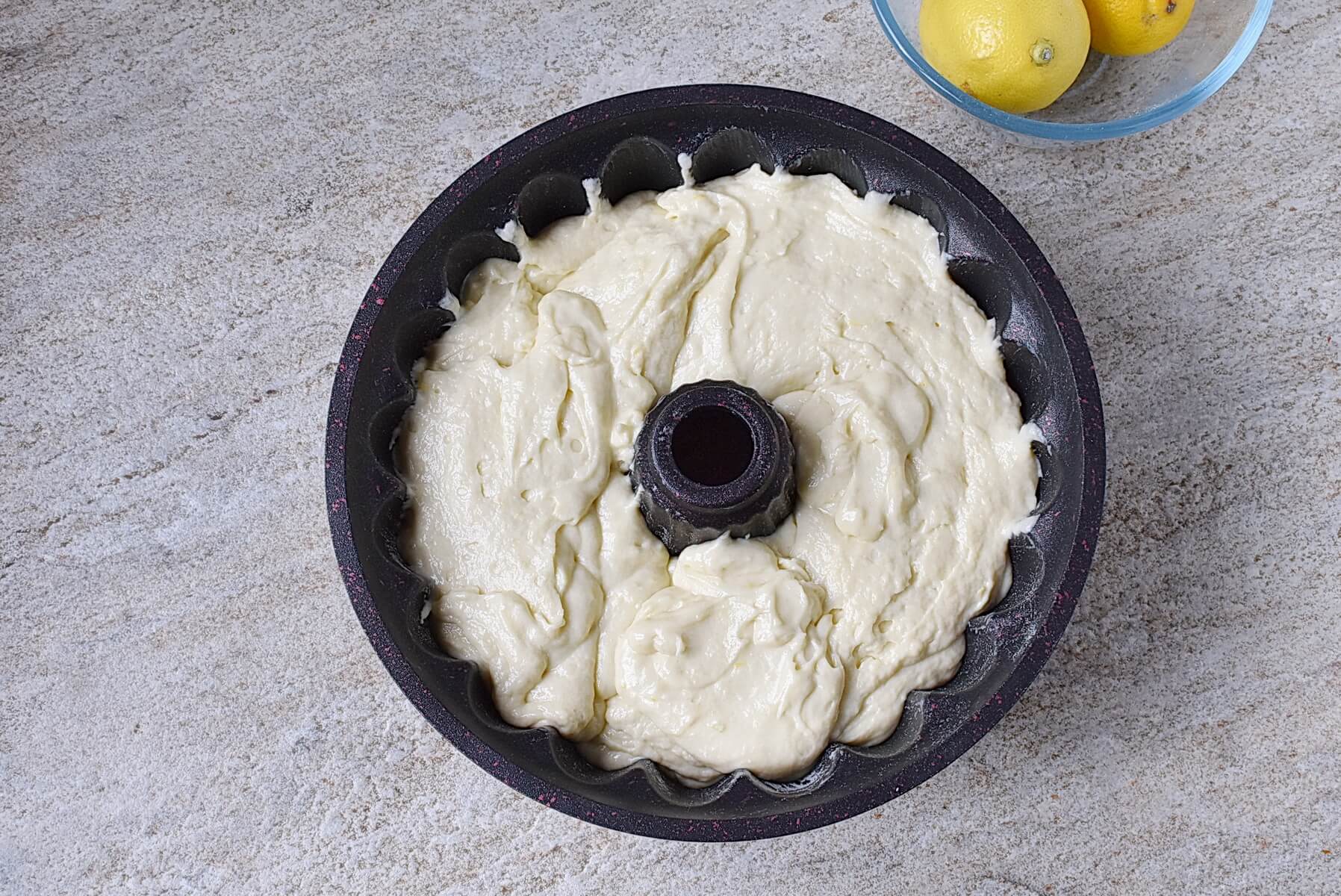
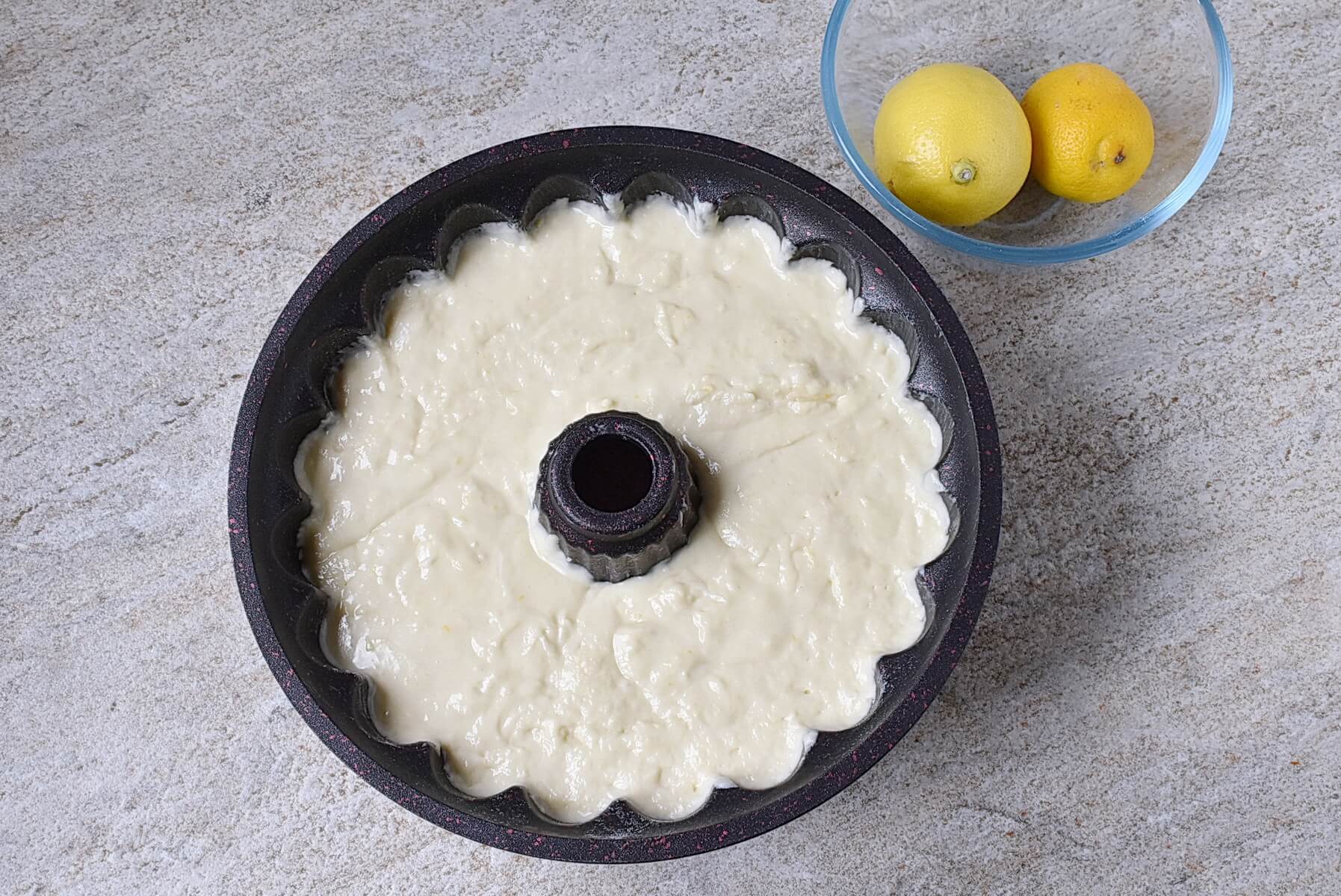
Pour the batter into the prepared bundt pan and gently tap the pan on a bench to release any air bubbles.
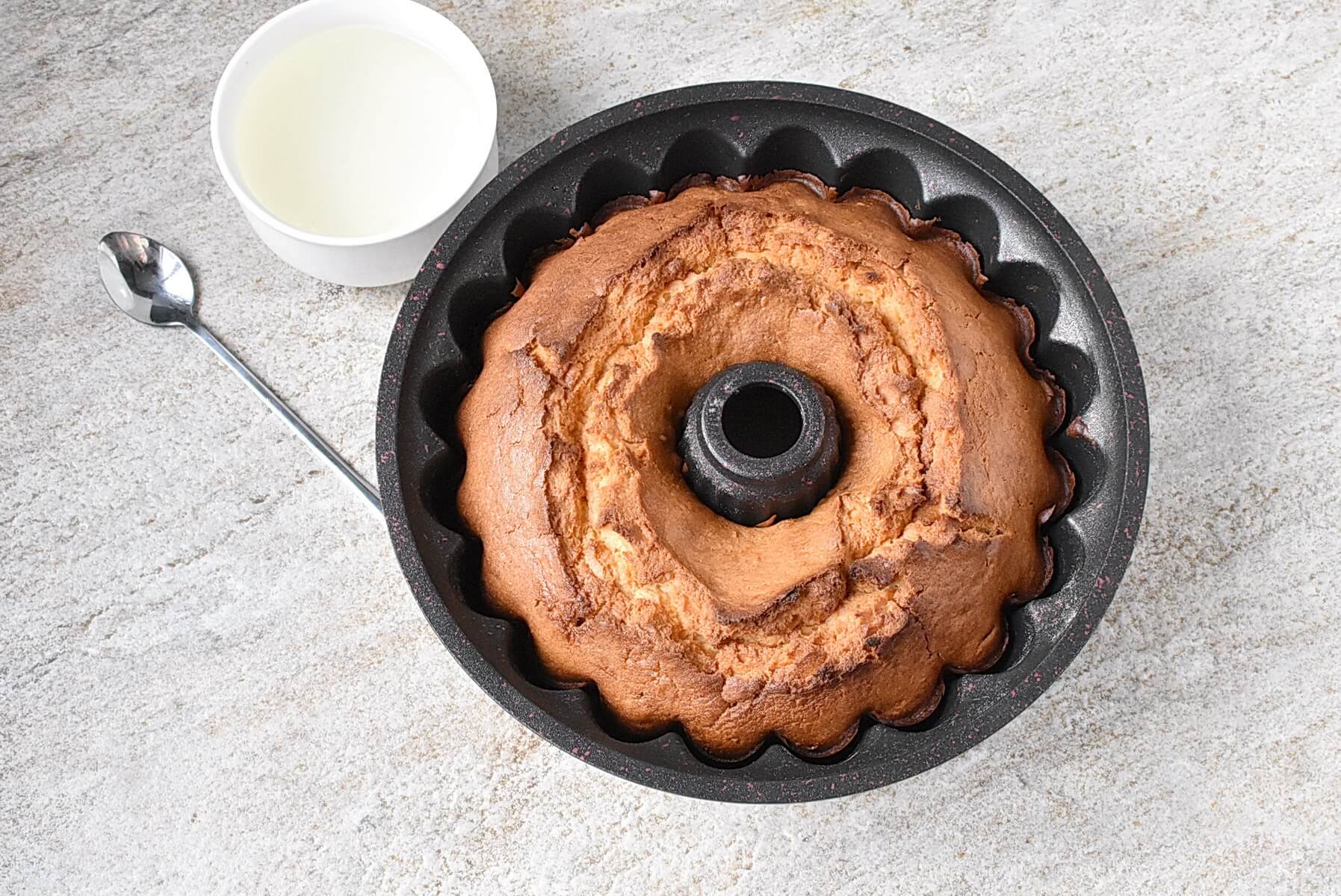
Bake the cake for 1 hour and 25-30 minutes or until a skewer inserted in the center comes out with a few moist crumbs. Do not overbake as the cake will continue cooking as it cools in the pan.
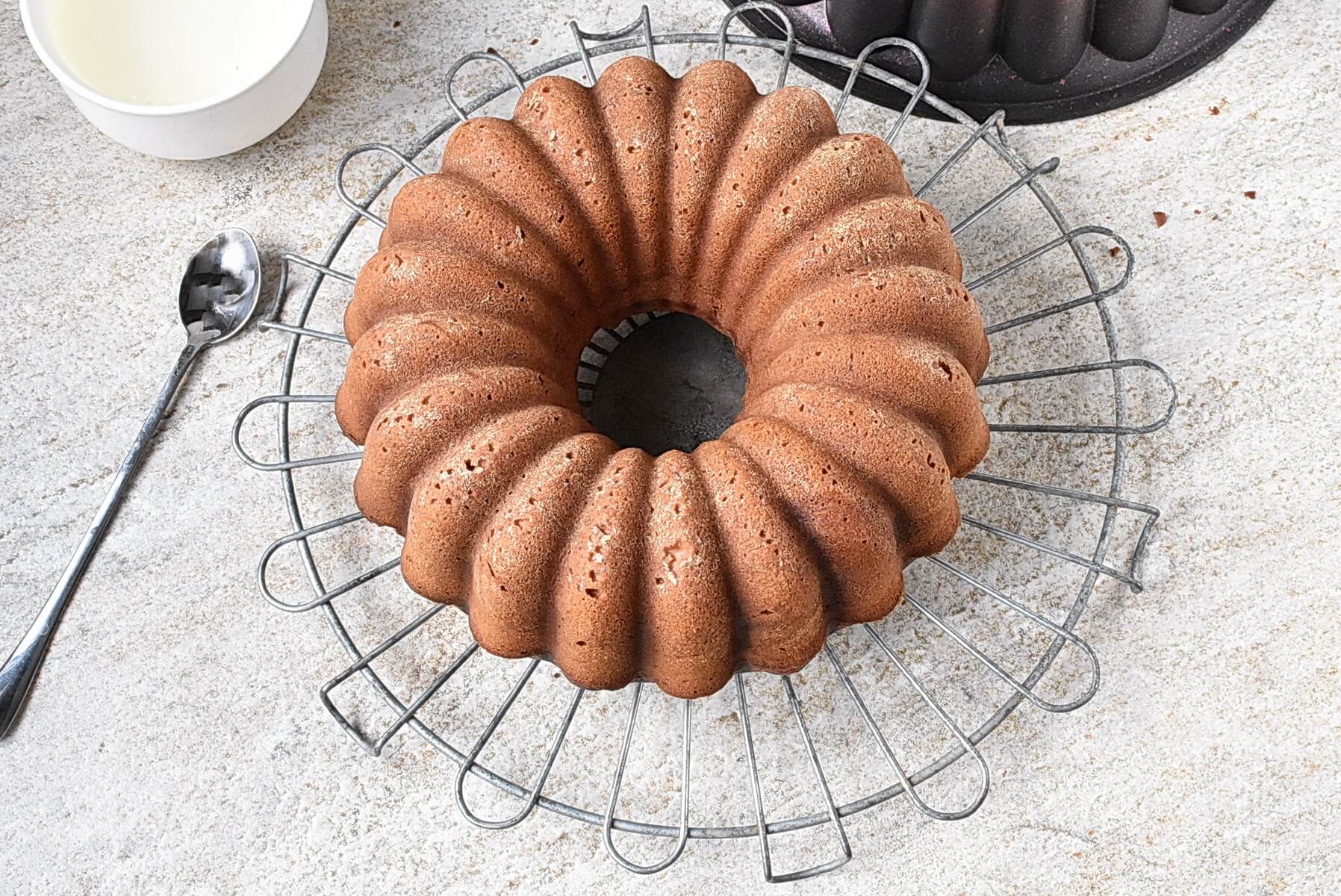
Remove the cake from the oven and let it cool in the pan for at least 30 minutes or until warm. Remove the cake from the pan.
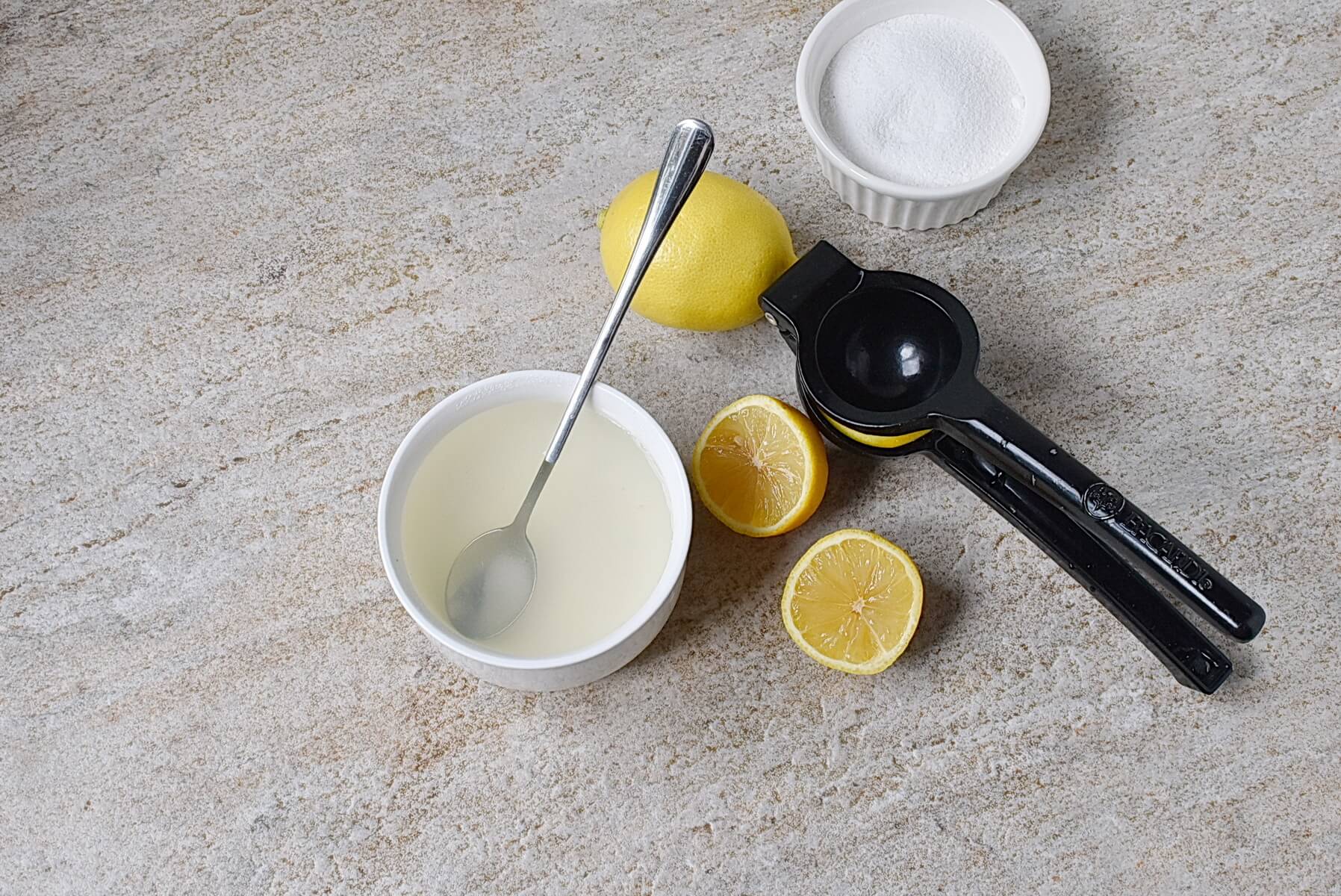
Mix together ½ cup boiling water, ½ cup sugar, and 3 tablespoons lemon juice, adding more if you want more tartness.
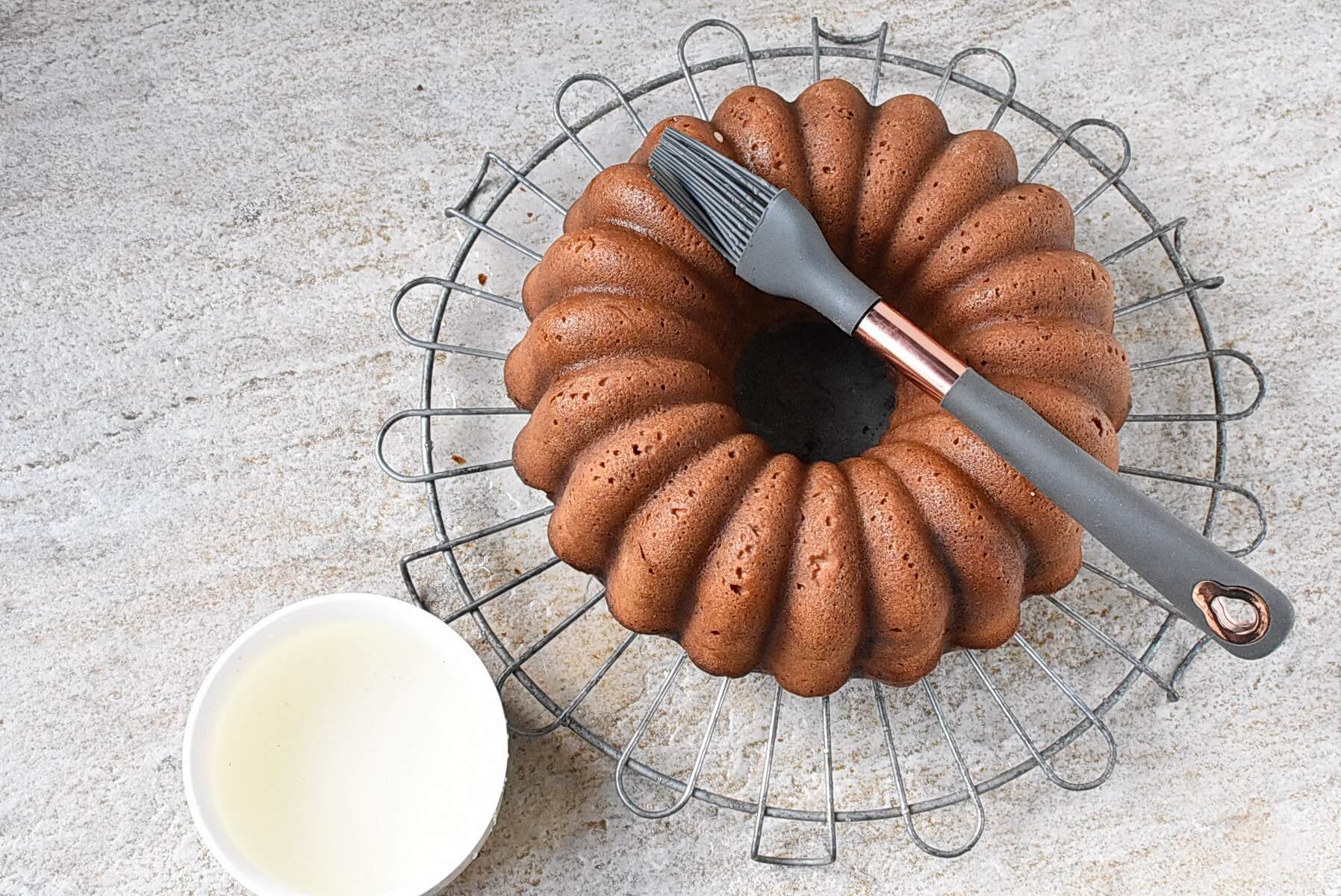
Slowly brush the lemon simple syrup over the cake. You won't necessarily need all of the prepared syrup, use just enough to make one light coating.
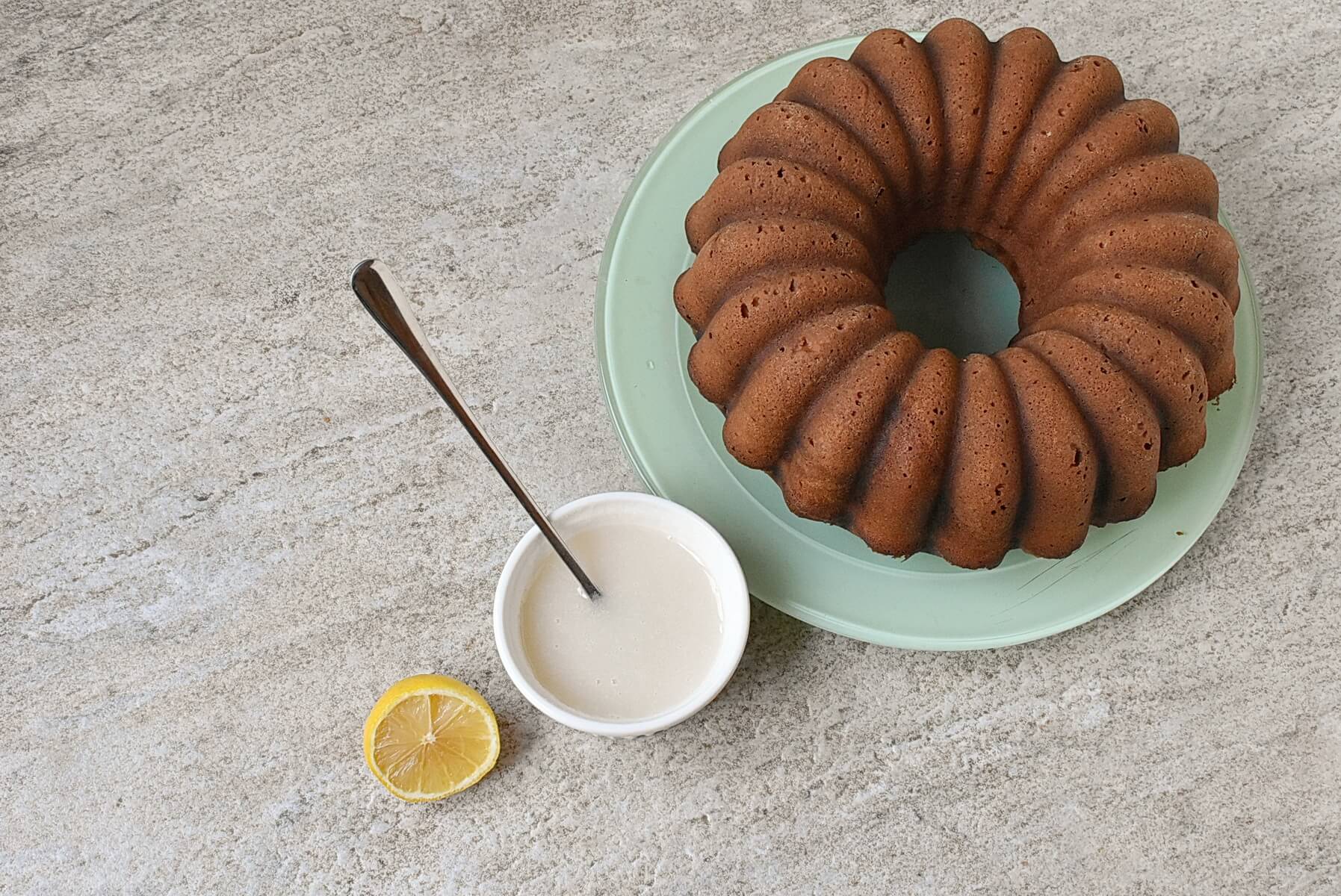
Once the lemon simple syrup has dried and cooled completely, make the lemon glaze. Mix together 1 cup powdered sugar, 2-3 tablespoons lemon juice (or more if needed), and a splash of vanilla extract.
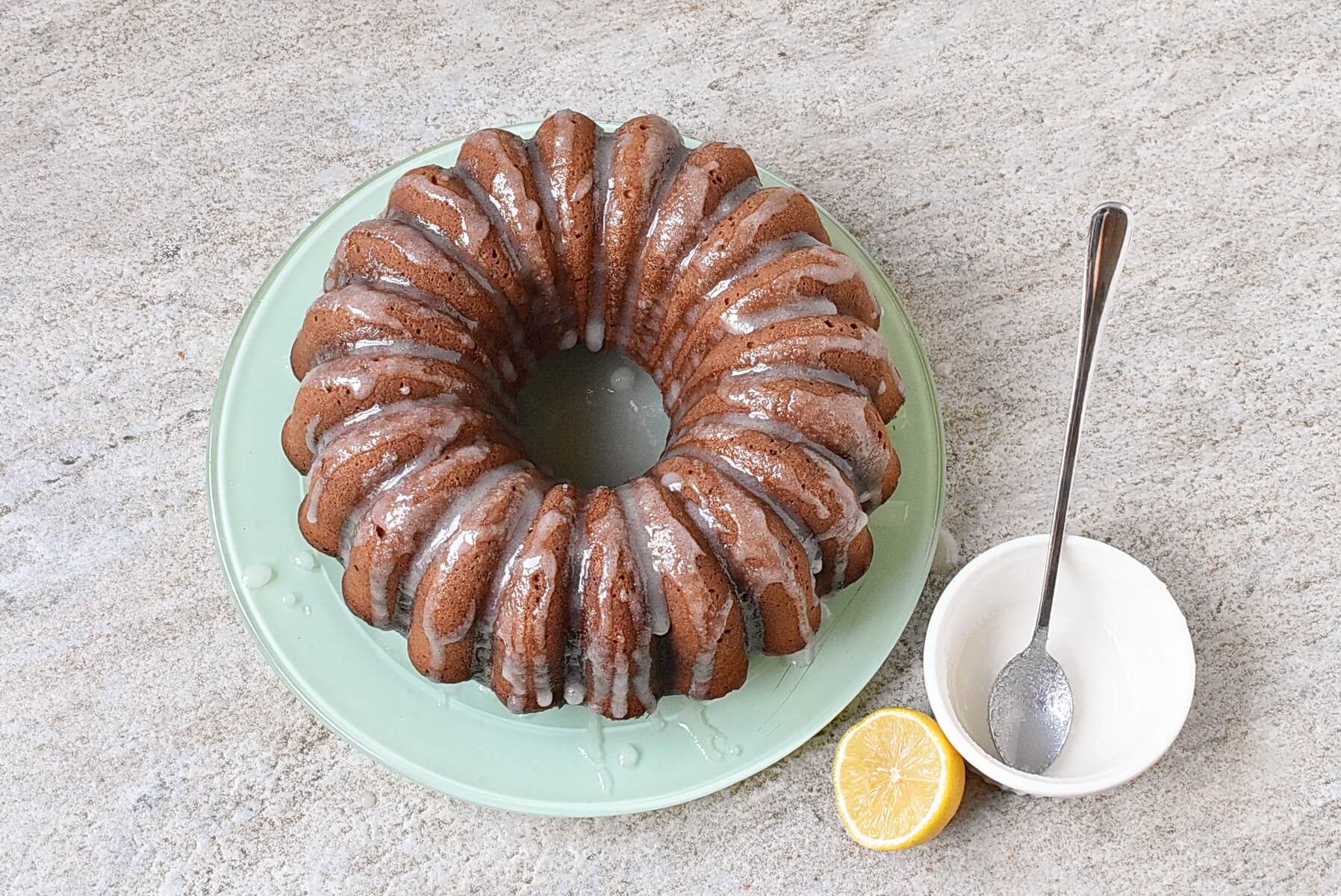
Drizzle the prepared lemon vanilla glaze over the cooled cake. Let the glaze harden.
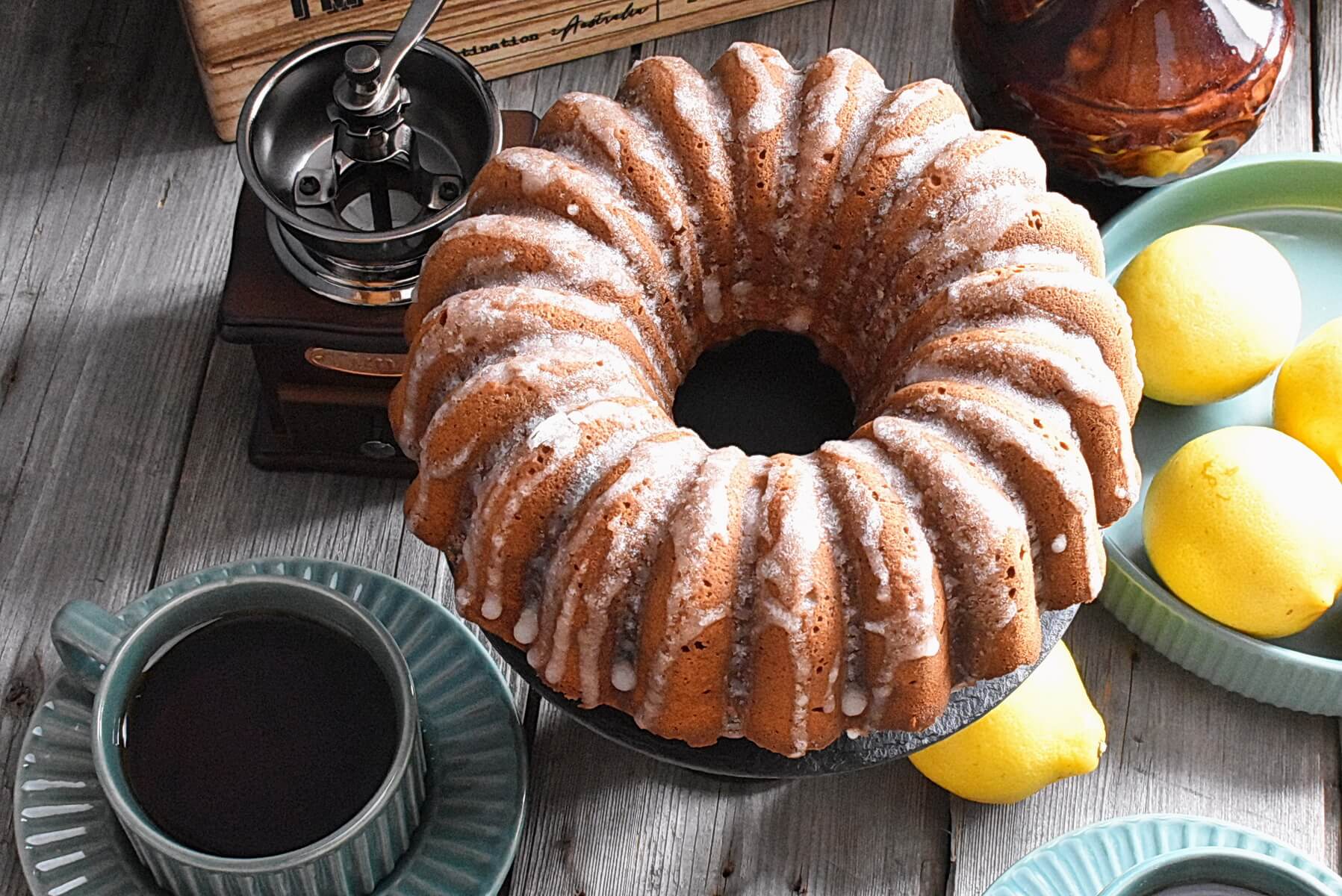
Slice and serve with fresh whipped cream sprinkled with lemon zest. Enjoy!
You do not need fancy gear. A well greased and floured bundt pan will give you those ridges that hold the glaze. An electric mixer helps with creaming the butter and shortening, but a hand mixer works too. A zester and a juicer matter more than you think because fresh zest carries the lemon oils you want. A bowl for dry ingredients, a spatula, a skewer to test doneness, and a cooling rack finish the list. Measure carefully. Baking is less forgiving than cooking.
Room temperature eggs and butter are not a rule to be recited, they are a small kindness to your batter. Cold butter fights the sugar and never fully emulsifies, which makes the crumb tight. My bioengineering background keeps me thinking in terms of emulsion and balance. Let the ingredients sit out for about an hour when you can.
Do not overwork the flour. We are not making bread. Think of it like a sketch: once the lines are on the page, stop. Overmixing wipes out the air pockets you just created and turns the cake rubbery. Slow and steady in the oven helps too. Low and slow at 325 degrees Fahrenheit gives an even bake and a gentle golden crust.
Fresh zest and fresh juice change everything. Bottled lemon does not have the oils in the peel, so zest first, then juice. Brush the simple syrup on while the cake is warm so the heat helps the syrup sink in. It keeps the cake moist for days.
Also, a short note on technique: if you are wondering how to make a pound cake that holds shape but stays tender, layer in the dry ingredients slowly and fold gently. Trust the recipe. It works.
Berry Infused Lemon Delight: Fold in fresh blueberries or raspberries right before you pour the batter. The berries collapse in the heat and bleed into the crumb for a tart sweet contrast. If you use frozen, thaw and pat dry first so the batter does not get too wet.
Herb Kissed Citrus Whisper: Stir in a teaspoon of finely chopped thyme or rosemary for an earthy note that pairs with lemon. Use very little, taste as you go. This trick came to me after serving cake at a workshop in Austin and people kept asking what the herb was.
Nutty Crunch Upgrade: Toasted pecans or almonds folded into the batter add texture and warmth. Toast them first for more depth. If allergies are a concern, skip them and keep the cake pure and bright.
Thick slices are lovely with lightly sweetened whipped cream and a sprinkle of lemon zest. Warm a slice and add vanilla ice cream for something messy and perfect. For a lighter finish, pair with herbal tea. Chamomile softens the citrus edge, while green tea echoes it.
The lemon glaze for cake is thin enough to pool in the ridges and bright enough to balance the butter. If you want fuss free, skip the glaze and serve with a dusting of powdered sugar and berries.
Wrap the cake tightly in plastic or foil to keep it moist at room temperature for up to three days. For longer storage, refrigerate or slice and freeze individual pieces wrapped well. To revive a slightly dry slice, a few seconds in the microwave with a damp paper towel helps without ruining the texture.
Yes. If you are after a lemon yogurt pound cake vibe, plain Greek yogurt is a great substitute. It keeps the tang and moisture. Sour cream also works and makes the crumb a bit richer. If the yogurt is very thick, thin with a splash of milk so the batter stays the right consistency.
Wrap tightly and keep at room temperature for up to three days. Refrigerate for longer storage and bring to room temperature before serving. To freeze, slice first and wrap pieces individually. Thaw overnight and they will taste almost fresh baked.
Check your leavening agents for freshness and make sure ingredients are room temperature. Overmixing deflates the air you whipped into the batter. If a batch is flat, turn it into trifle with cream and fruit and call it intentional.
I think it might be the best lemon bundt cake for a beginner because it is forgiving and the flavors are honest. It tolerates small mistakes and still tastes like something someone put real care into.
It uses buttermilk to help tenderize the crumb. The acid reacts with the leavening in the batter and gives a softer texture than milk alone.
Make the simple syrup first and brush it on while the cake is warm. After the syrup sets, whisk powdered sugar with lemon juice and a splash of vanilla until smooth, then drizzle. Let it harden before slicing for clean edges.
If you love lemons, put this Southern Lemon Pound Cake recipe on your baking list. It’s packed with lemon flavor and has a velvety yet perfect dense texture. You will love it! Made this recipe? Let us know what you think in the comments below!