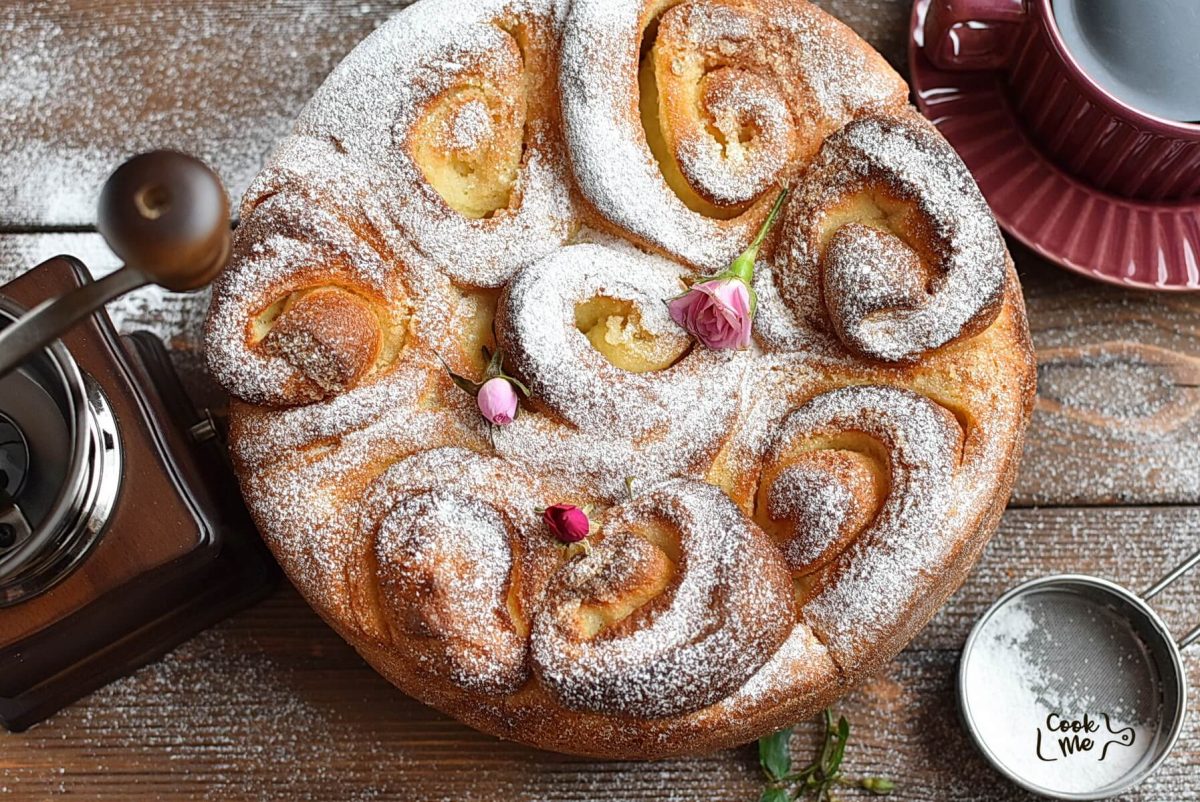
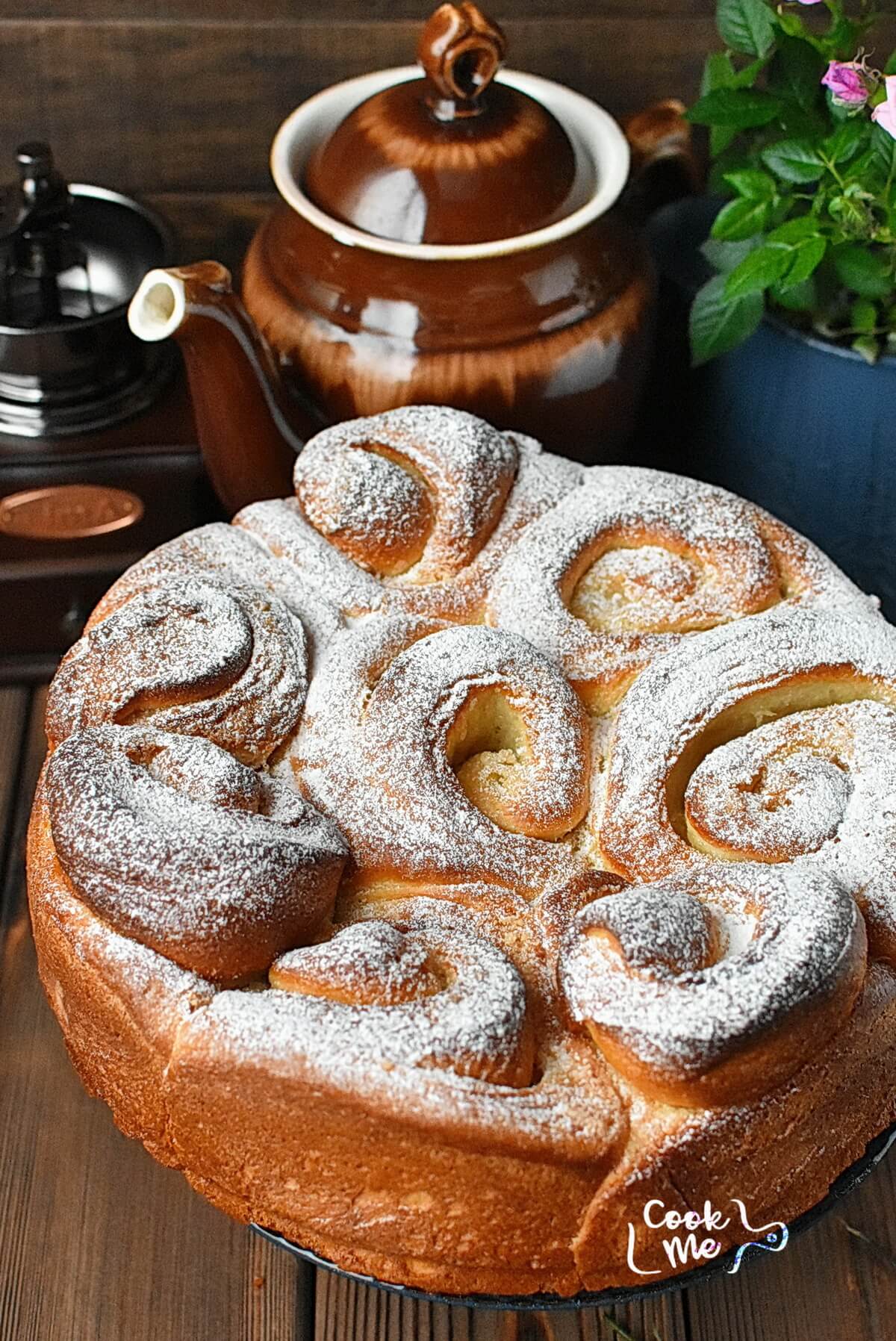
Alright, listen up. You know me as the guy who lives for a smoky brisket and a perfect sear, but sometimes I like to tinker. I decided to tackle this sweet bread rose cake during a random Friday experiment and it stuck.
The real hook for me is how this brioche flower bread recipe takes simple dough and gives it real structure and presence. You build layers, you add butter, you let yeast do its quiet work, and then the whole thing blooms into petals that look like you spent far longer making them than you actually did. It is all presentation without the headache.
The dough is enriched and forgiving, with a hint of lemon zest to cut through richer meals the way acid cuts fat. If you are skeptical because you are used to savory work, think of this as another kind of craft. You still respect the materials. You still let temperature call the shots.
Plus, baking with tipo 00 flour makes a difference. It is fine and gives a tender crumb that handles all those eggs and butter. I was doubtful at first. Then one batch changed my mind.
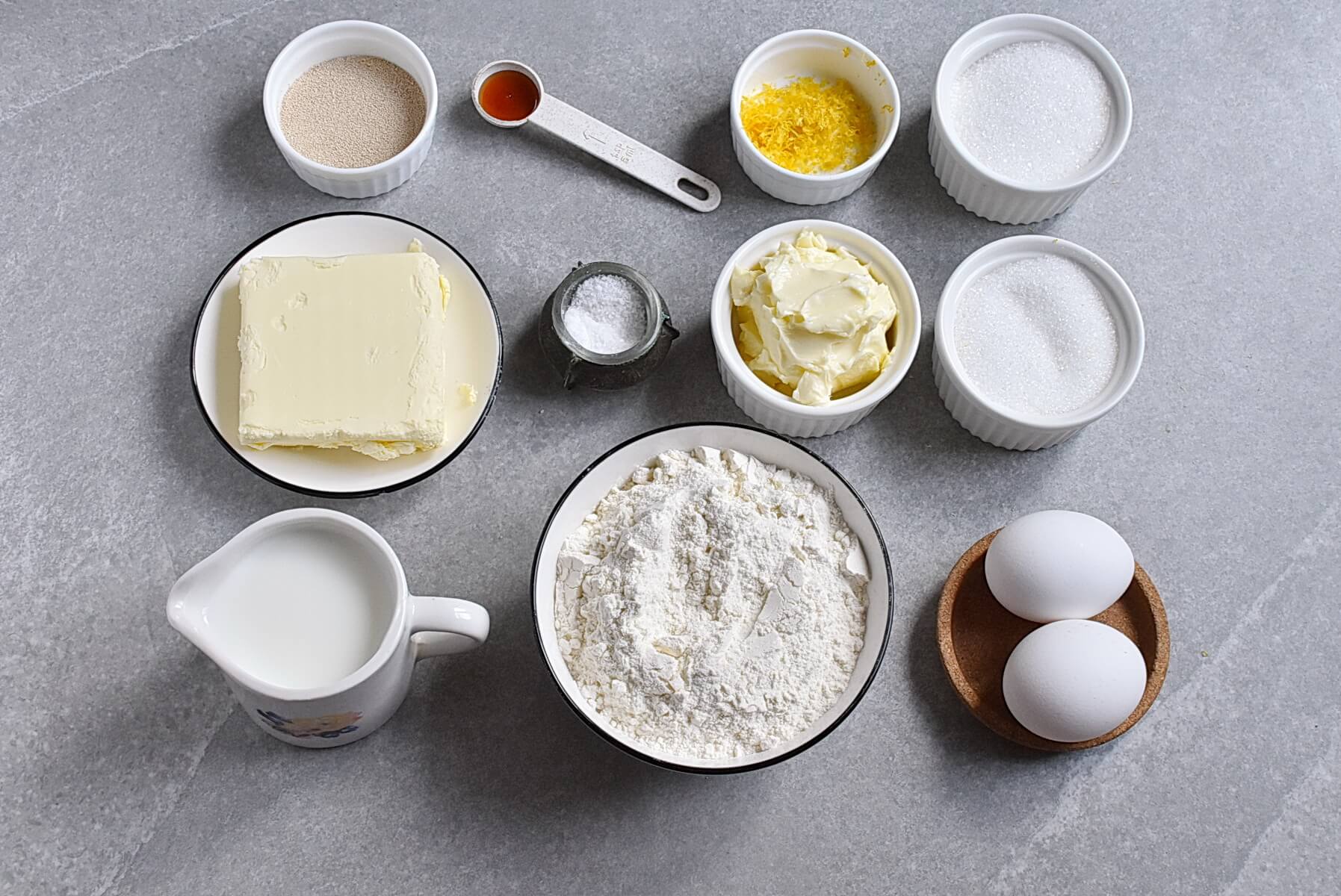
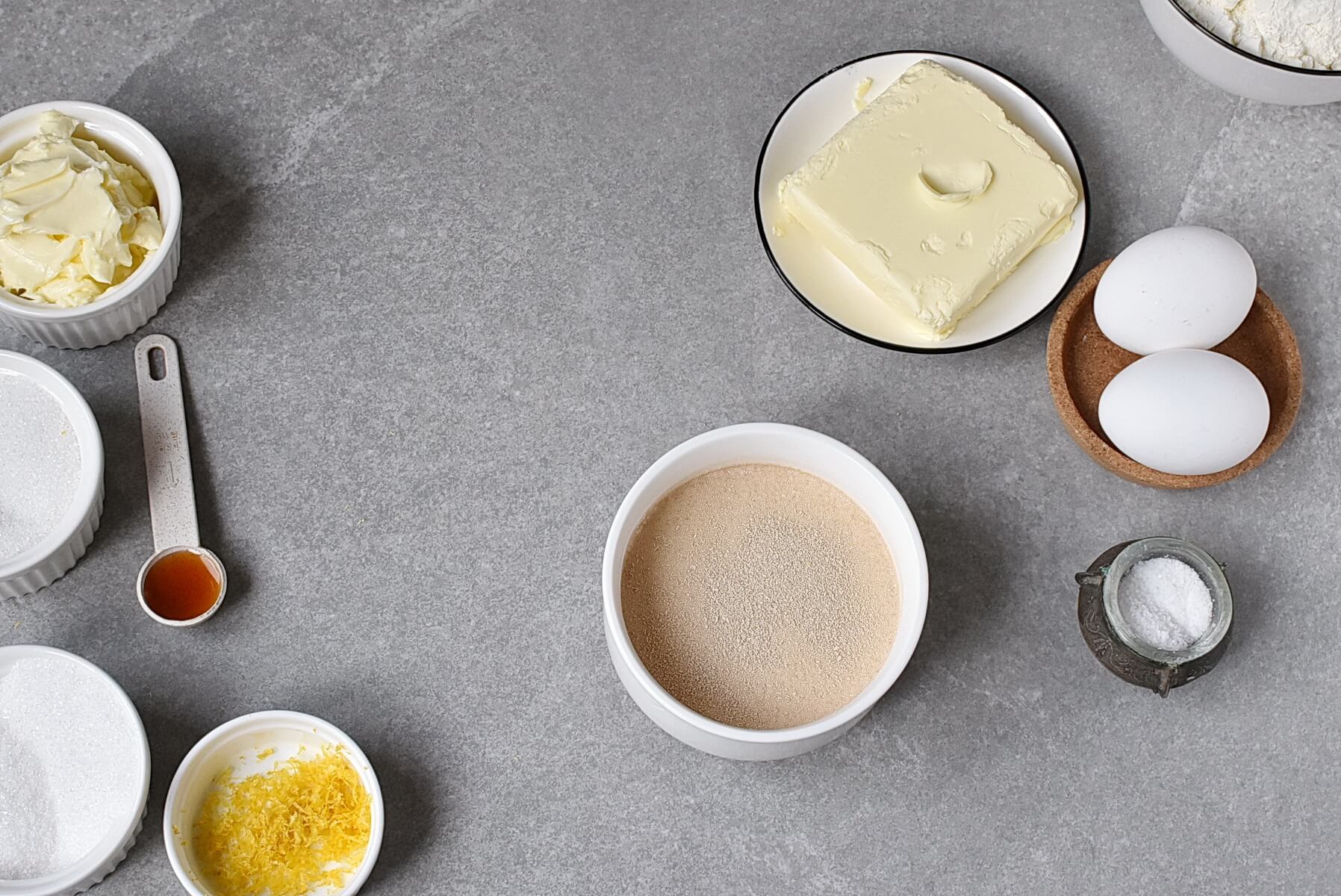
In a small bowl, mix together ¾ cup and 1 ½ tablespoons milk with ½ tablespoon granulated sugar. Sprinkle 1 ½ teaspoons active dry yeast on top and let sit for 10 minutes. Then mix to combine.
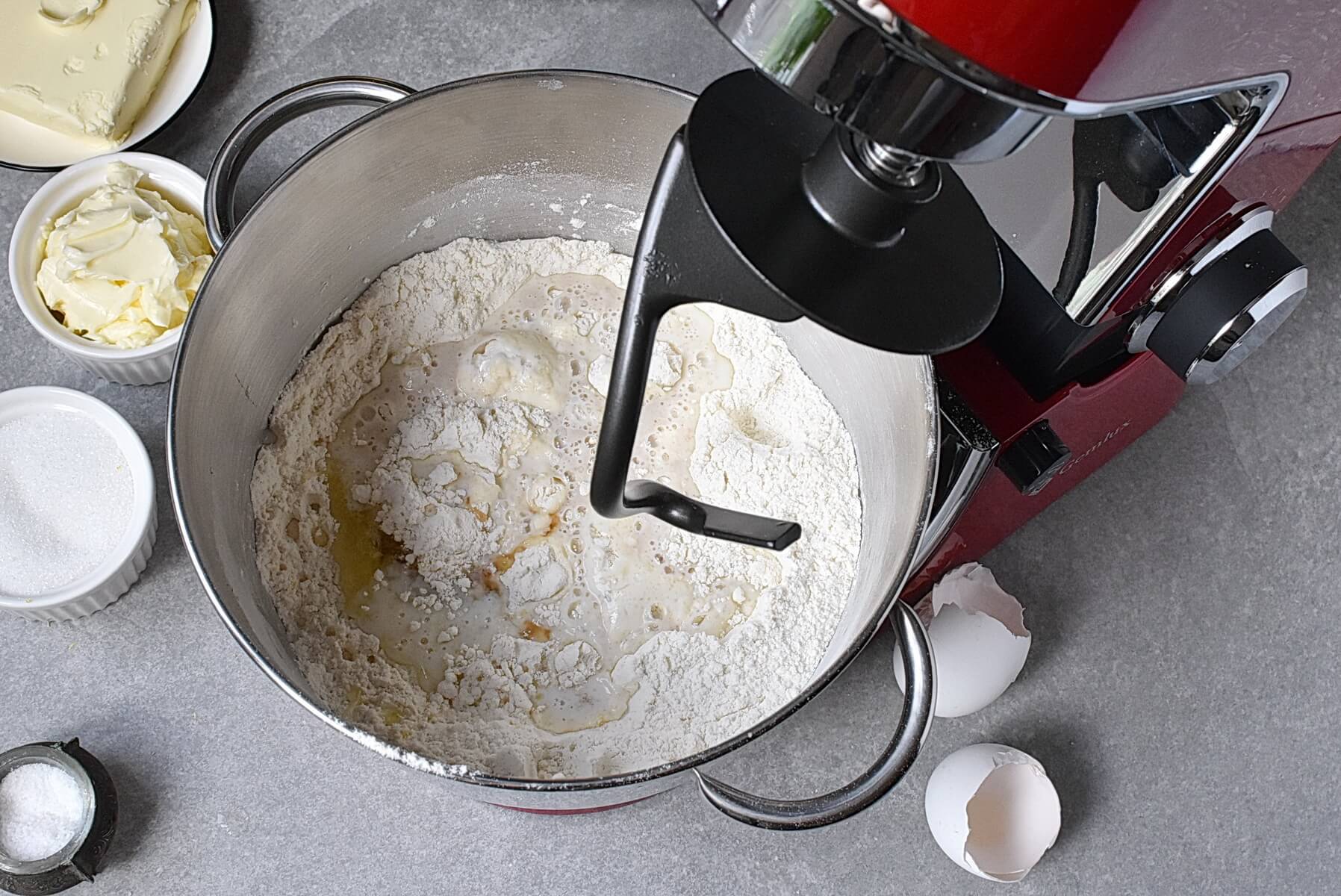
In the bowl of a stand mixer, add 4 cups and 1-2 tablespoons flour, 1 tablespoon zest, remaining sugar, ¾ teaspoon salt, 2 large eggs, 1 teaspoon vanilla extract, and yeast mixture. Knead on low speed to combine, then increase the speed and knead for 7 minutes.
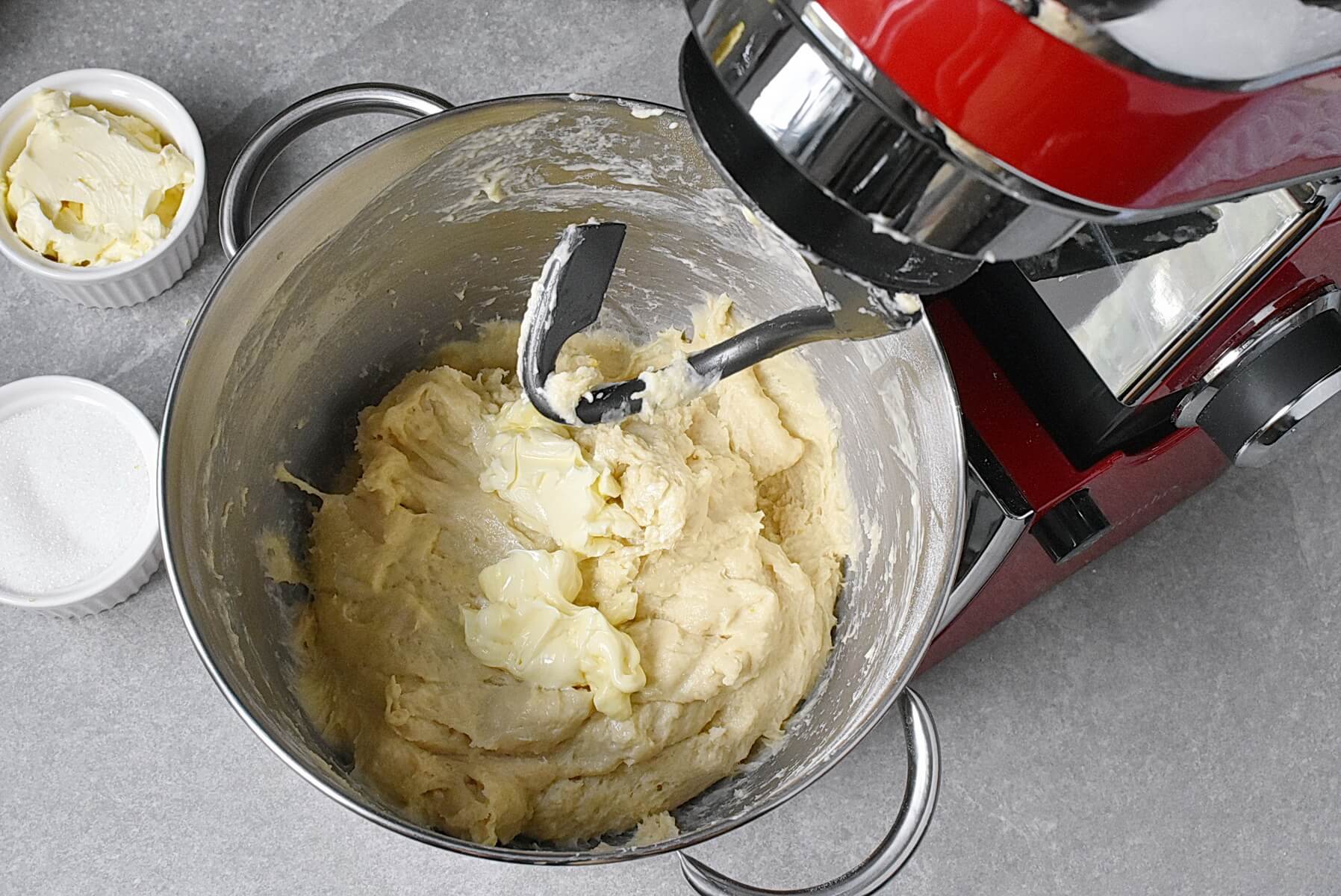
Add ⅓ cup and 2 tablespoons softened butter and mix again for 10-15 minutes until the dough stops sticking to the sides of the bowl and is smooth and elastic. The dough will be soft and tacky to the touch.
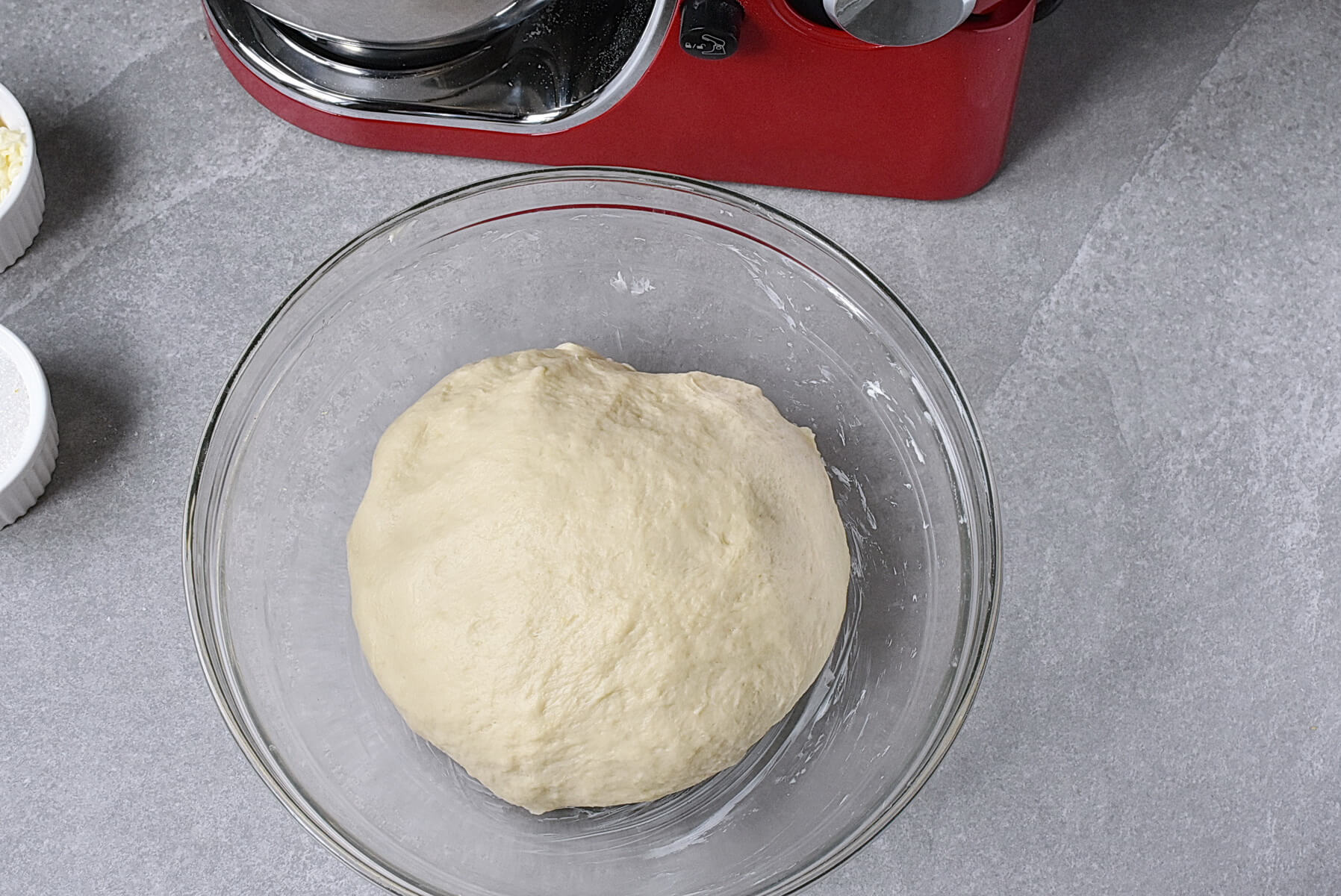
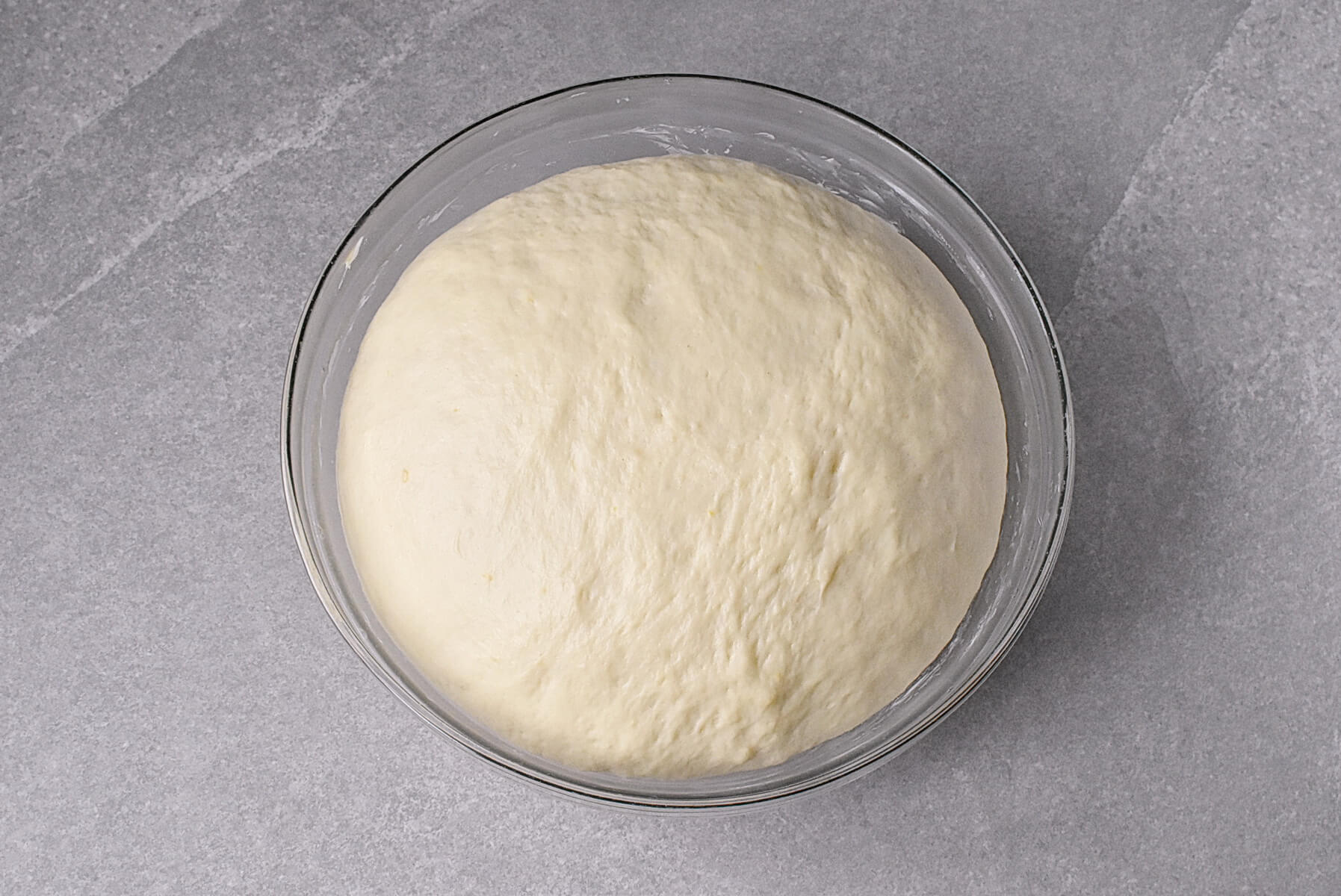
Transfer the dough to a lightly greased bowl. Cover and let the dough rise at room temperature for 2 hours until doubled in size. Alternatively, let the dough rise slowly in the fridge overnight.
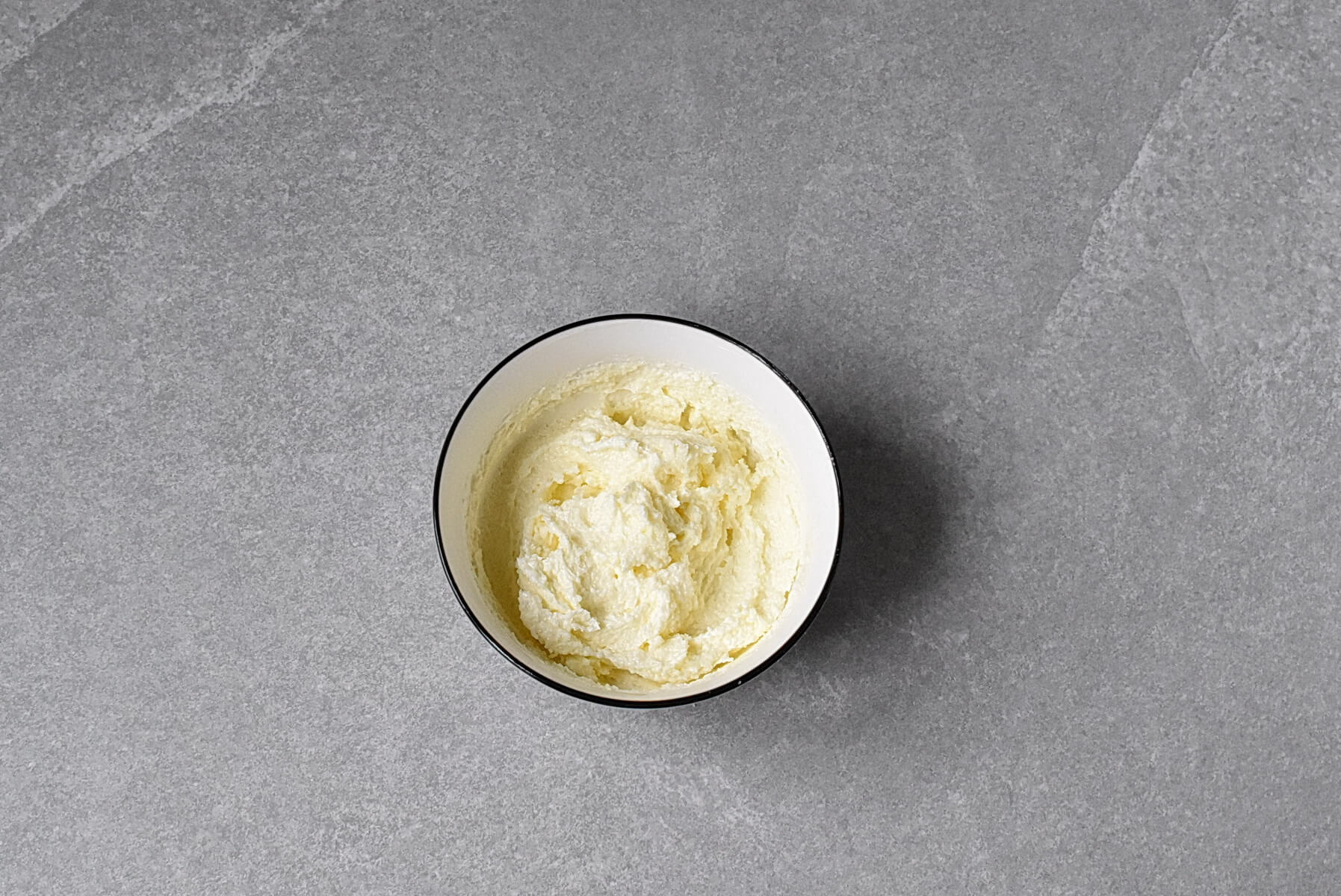
In a medium bowl, beat together ½ cup softened butter and ½ cup + 1 ½ tablespoons granulated sugar until creamy, about 2 minutes.
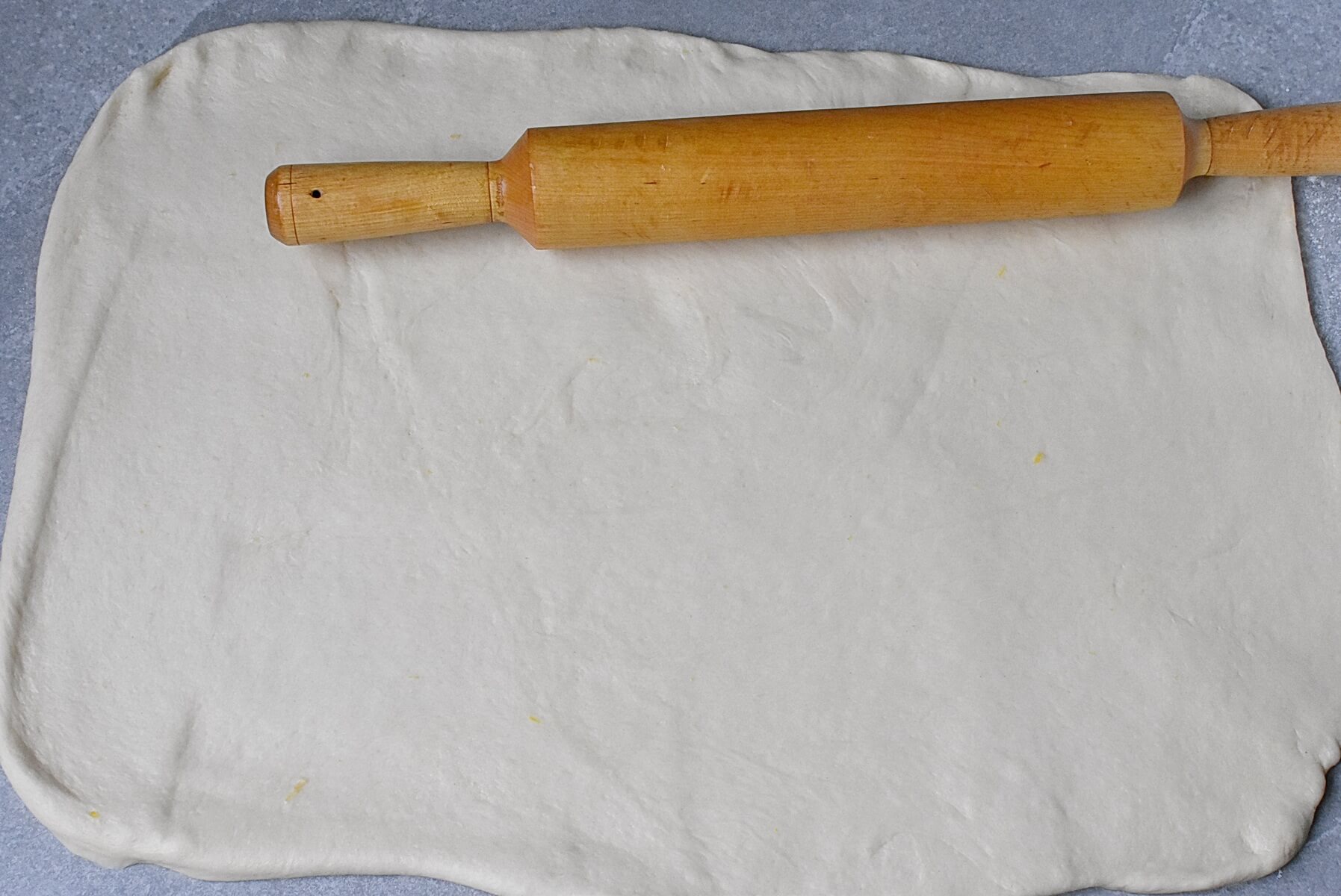
On a lightly floured surface, roll the dough into a rectangle, about 20×24 inches.
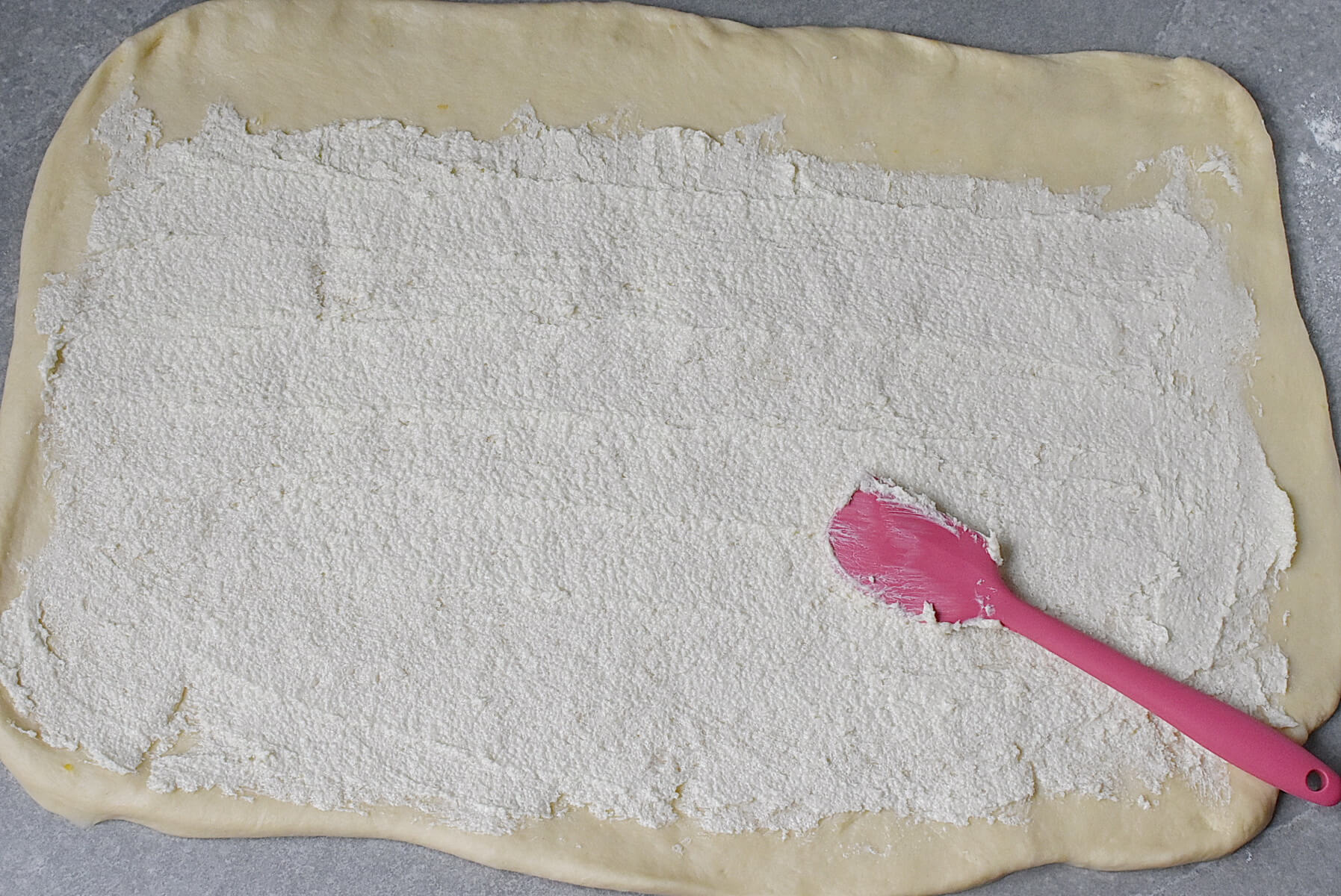
Spread the prepared butter filling evenly over the dough.
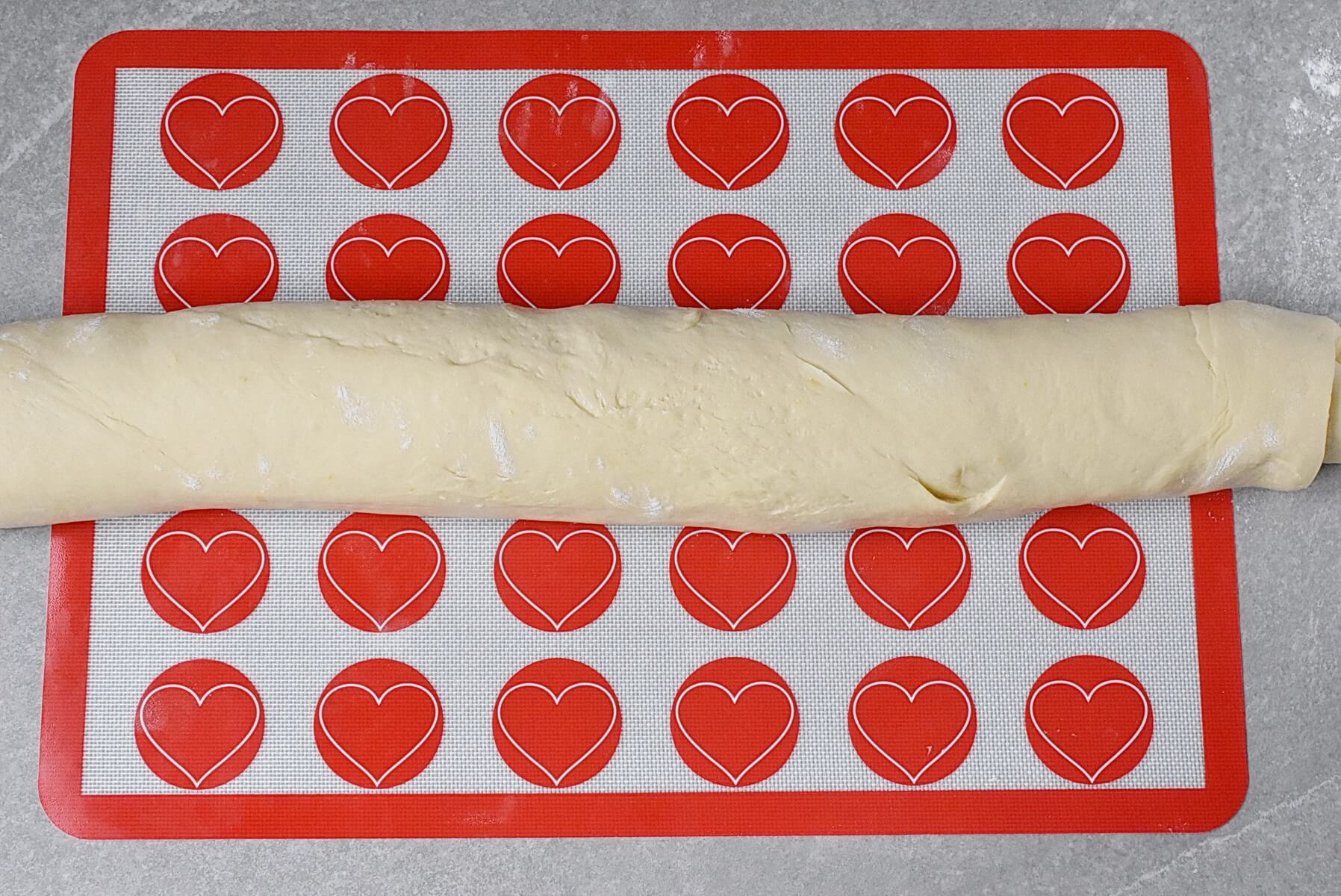
Roll the dough up lengthwise, then cover with a tea towel, and refrigerate for 1 hour. This step will make the dough easier to cut and handle.
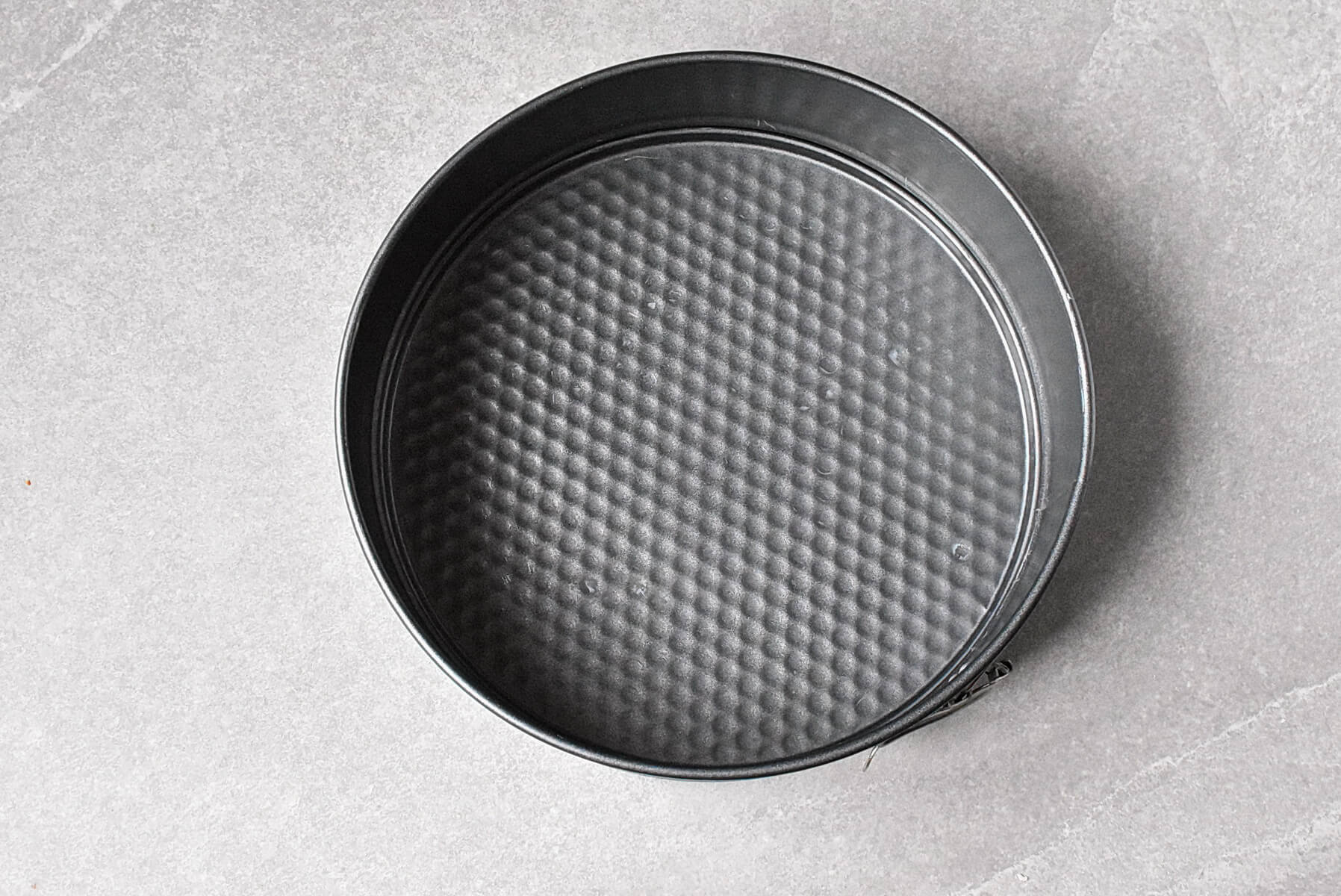
Grease and flour a 9-inch springform pan and a 9-inch loaf pan. Alternatively, line with parchment paper.
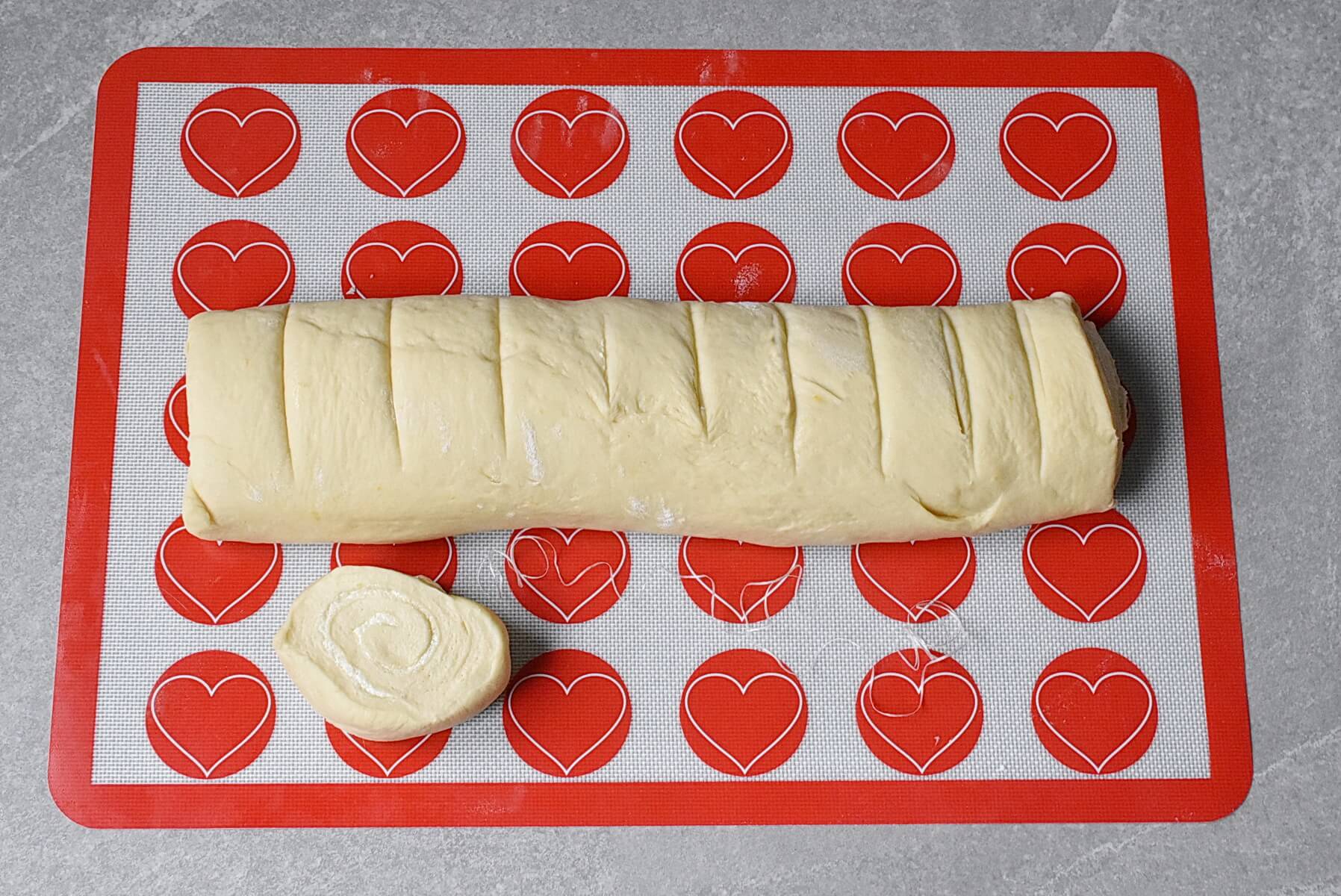
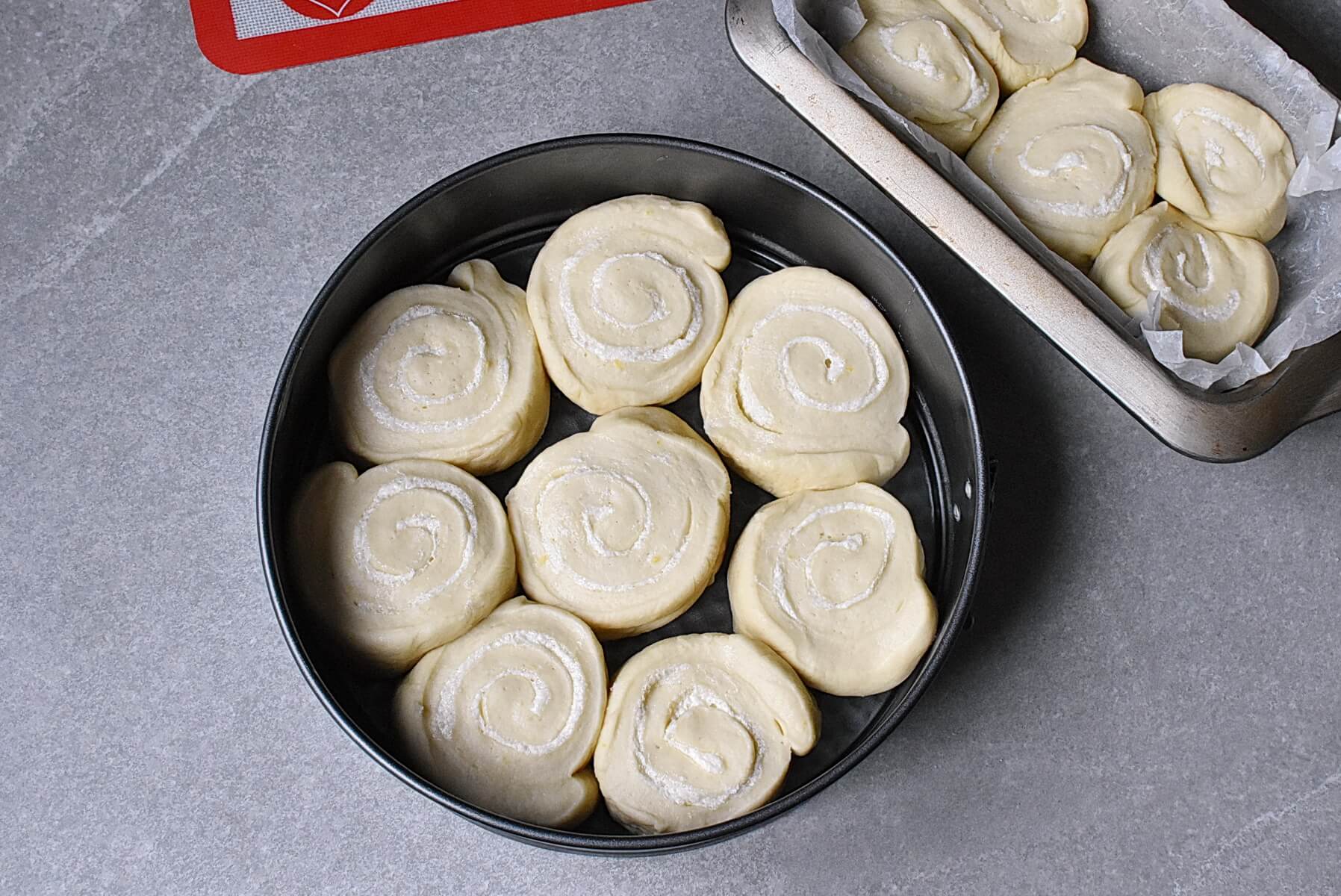
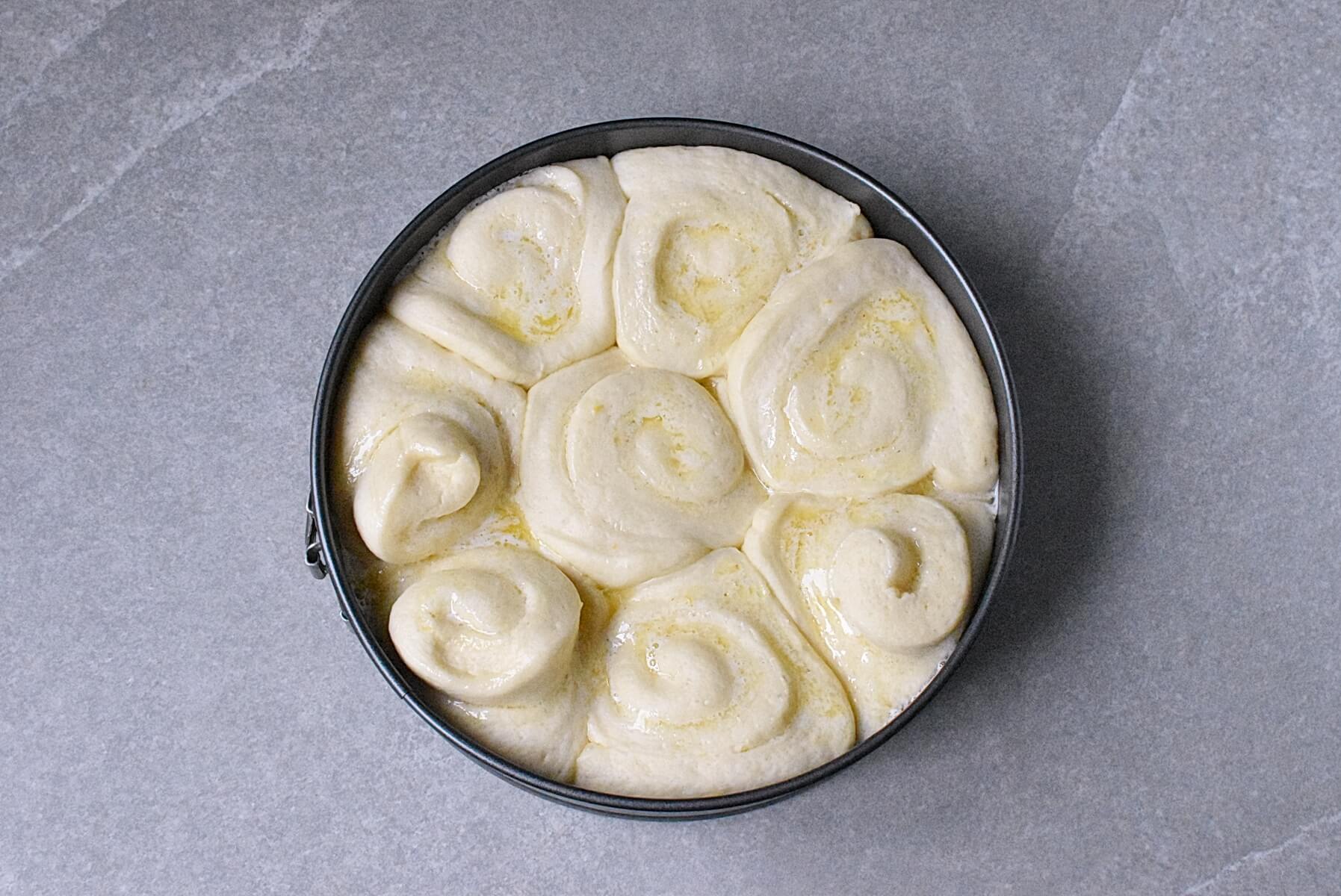
Cut the dough into 11 slices. Place 7 slices in the springform pan cut-side up and the remaining 4 slices in the loaf pan. Cover and let rise in a warm place until doubled in size, about 2 hours.
Preheat the oven to 350 ℉.
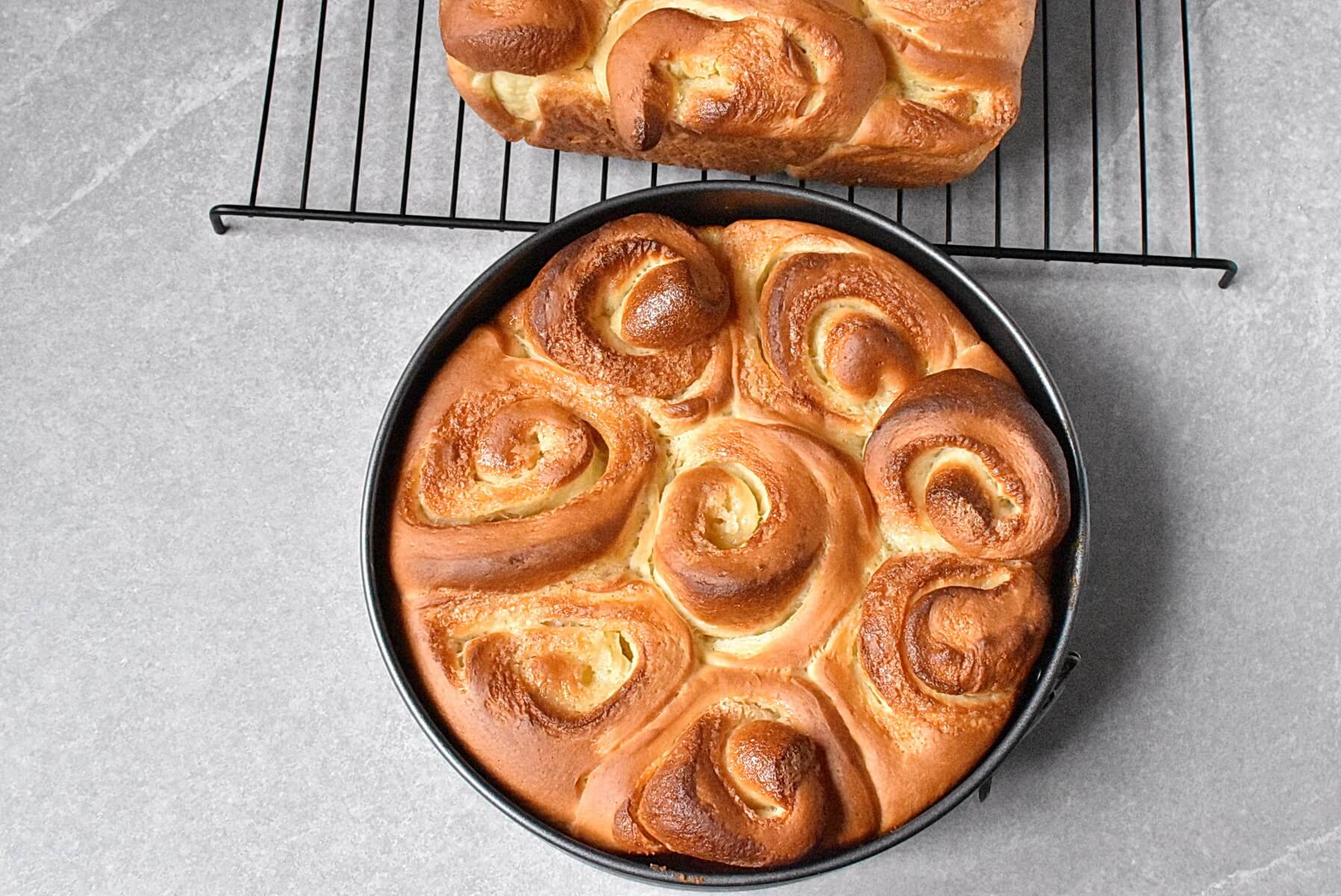
Bake until golden brown and the internal temperature reaches 190-200 ℉.
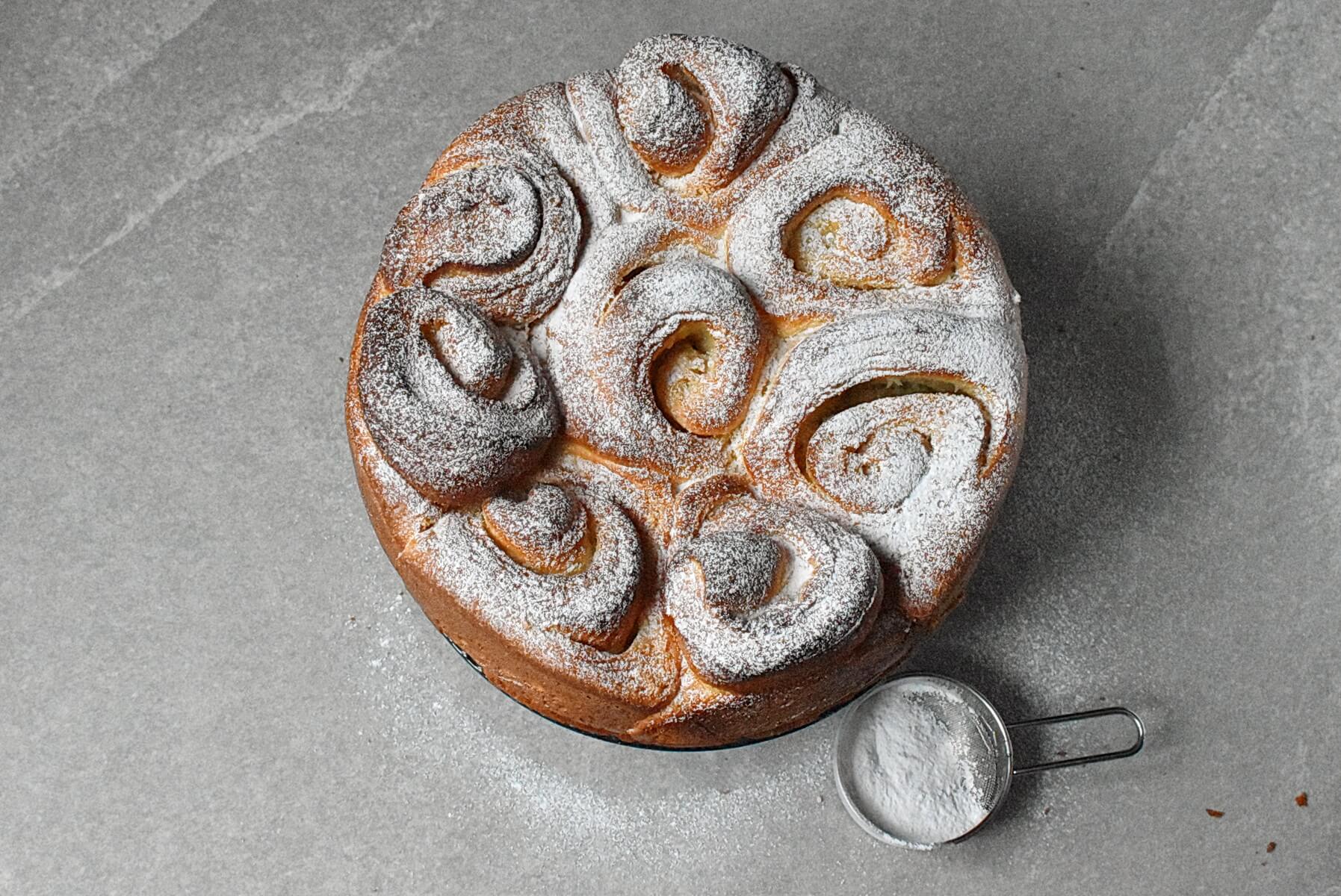
Just before serving, dust the cake with powdered sugar and serve warm or at room temperature.
Here is the deal with gearing up for this Italian Rose Cake. A stand mixer with a dough hook will save your forearms, but you can do this by hand with a big bowl and a sturdy spoon if you want the workout. Proof the yeast in a small bowl that holds warmth. Use measuring cups and spoons and be precise. Baking is more science than my usual improv BBQ sessions, and the numbers matter.
For rolling, use a lightly floured surface and a rolling pin. A bench scraper or a sharp knife helps you get neat slices so the petals hold. Have a greased bowl for the first rise and a towel to keep it from drying out. For baking, use a 9 inch springform pan and a 9 inch loaf pan, greased or lined with parchment, so the pieces release cleanly.
Check the internal temperature with a thermometer to know when it is done. It should read about 190 to 200 degrees Fahrenheit inside. For the filling, a medium bowl and a whisk or hand mixer will do to cream the butter and sugar until fluffy. Keep things room temperature where the recipe calls for it so the dough behaves.
Listen, when it comes to this yeast cake recipe, the real magic is in small moves. Proof the yeast in warm milk with a pinch of sugar and wait until it gets bubbly. That ten minute pause makes a huge difference. Trust it. It tells you the yeast is alive and ready.
Add the butter gradually after the dough has started to come together. Work it in over 10 to 15 minutes until the dough goes smooth and elastic and feels tacky but not sticky. That slow incorporation gives you that brioche like tenderness every bite needs. Skip it and the crumb will be tighter and less forgiving.
Beat the filling until creamy so it spreads evenly. This way each spiral carries that butter and sugar so you get sweetness in every petal. Chill the rolled log for an hour before you slice. The butter firms up and you get clean cuts that make neat roses when they rise again. I learned that the hard way on a warm afternoon when my slices collapsed. Do the chill, please.
One more thing on flour. If you can find tipo 00, great. If not, all purpose works, but the texture will be a touch denser. For best results, use slightly less flour and knead until you reach the windowpane stage. Baking with tipo 00 flour gives a softer finish, but do not stress if you use what you have.
Swirled Cinnamon Delight: Take the filling and add ground cinnamon and a pinch of nutmeg. Swap lemon zest for orange if you want a brighter note. The spices make this perfect for cool weather and pair surprisingly well with a strong coffee.
Nutty Blossom Boost: Fold chopped almonds or walnuts and some dried cranberries into the filling for texture contrasts. The nuts toast as it bakes and the fruit gives tart pops that keep each bite interesting. I like this one when I want a heartier finish.
Chocolate Petal Twist: Mix cocoa into half the filling to get chocolate swirls through the roses. Dust with powdered sugar after baking. Kids love it and it adds a modern kick to a classic torta delle rose.
Slice it warm with black coffee for mornings, or dust it with powdered sugar and lay it out on a rustic board for guests. Fresh berries add brightness and whipped cream softens the richness. A chilled prosecco cuts through the butter and refreshes the palate. I even brought this to a BBQ once and people paired it with pulled pork. Odd, but it worked.
This can be a beautiful celebration cake when you want something that looks fancy without fuss. Kids eat it with milk. Adults will find it pairs fine with light cheeses on a snack board.
Below are practical fixes from batches that went sideways. I have been there. I do not blame you if an early try goes wrong. Keep going.
If you do not have a mixer, knead by hand for about 10 to 15 minutes on a floured surface until smooth and elastic. Add the butter in small pieces and work it in with your palms. It is more work, sure, but it works. Take breaks if your arms get tired. I once did a whole batch by hand when my mixer quit and it still came out good.
Yes. Swap all purpose one for one, but expect a slightly denser crumb. Reduce the flour by a tablespoon or two if the dough feels too stiff and knead a bit longer to develop gluten. The flavor will be the same and most home bakers will be happy with the result.
Check the yeast first. If it did not foam in the proofing step, toss it. Old yeast does not save anything. Make sure your room is warm, around 75 to 80 degrees Fahrenheit, or put the bowl in a turned off oven with the light on. If all else fails, give it a slow fridge rise overnight. I ruined one batch with dead yeast and then fixed it by starting over with fresh yeast.
Yes. After shaping, cover and refrigerate overnight, then let the shaped pieces come to room temperature and rise before baking. Or bake fully and freeze slices wrapped well, then reheat gently to revive texture. I do this for parties when I need to save time.
Cut the sugar in the dough and filling by about a third if you want less sweet. Taste the filling as you go and add more zest if it needs brightness. Sugar helps with browning and tenderness, so do not cut too aggressively, but a modest reduction keeps the cake balanced.
If you need a quick checklist, proof the yeast, knead until smooth, add butter slowly, chill the log, slice, let rise, and bake until an internal thermometer reads about 190 to 200 degrees Fahrenheit. That sequence is the backbone of how to make italian sweet bread and it gets you consistent results.
One last bit of advice. Be patient. Bread rewards waiting. Actually, scratch that. Be stubborn instead. Patience helps, but stubbornness gets you back in the kitchen for round two.
This recipe is an enriched dough recipe that rewards a little time and attention. It is also a yeast cake recipe and a torta delle rose at heart. Try the variations above and find what fits your table.
Bring Italy to your home with this Italian Rose Cake! It is rich in flavor and makes the perfect bake for Mother’s Day or any special occasion. If you give this recipe a go, remember to tag us @cookmerecipes on Instagram – we love seeing your creations!

 Vegetarian Recipes