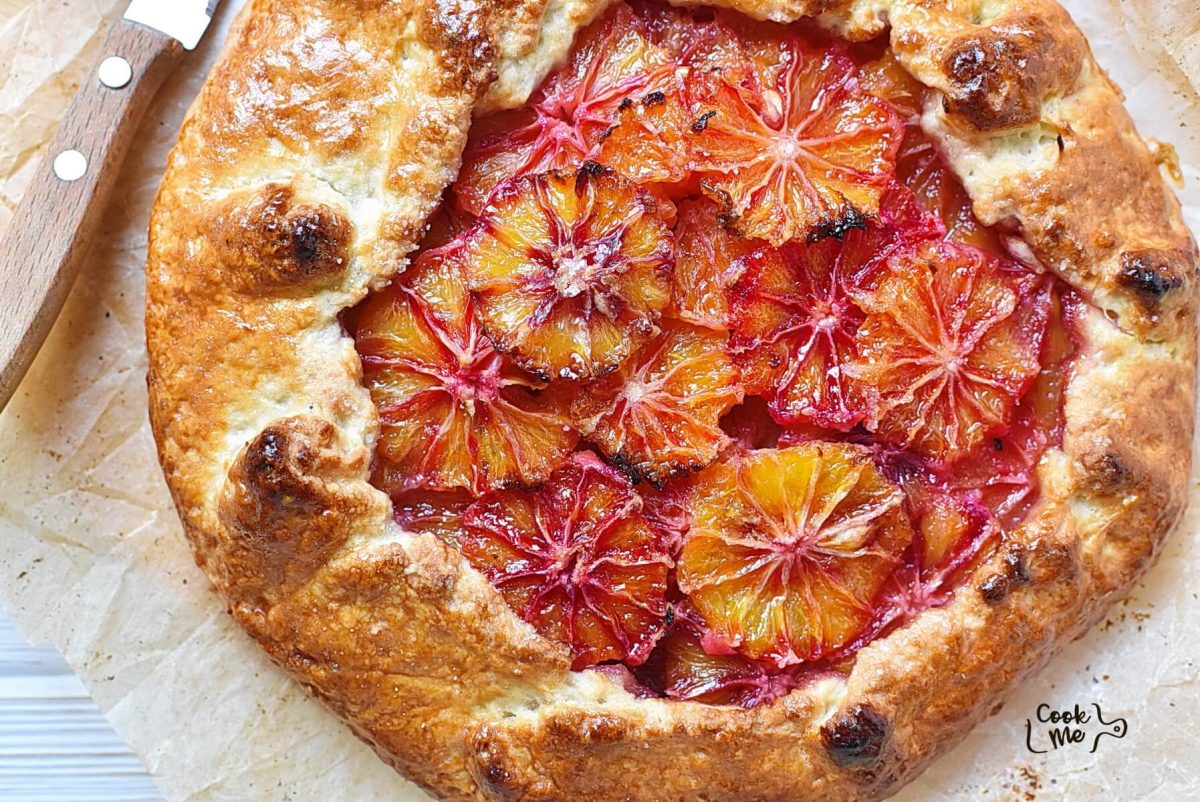
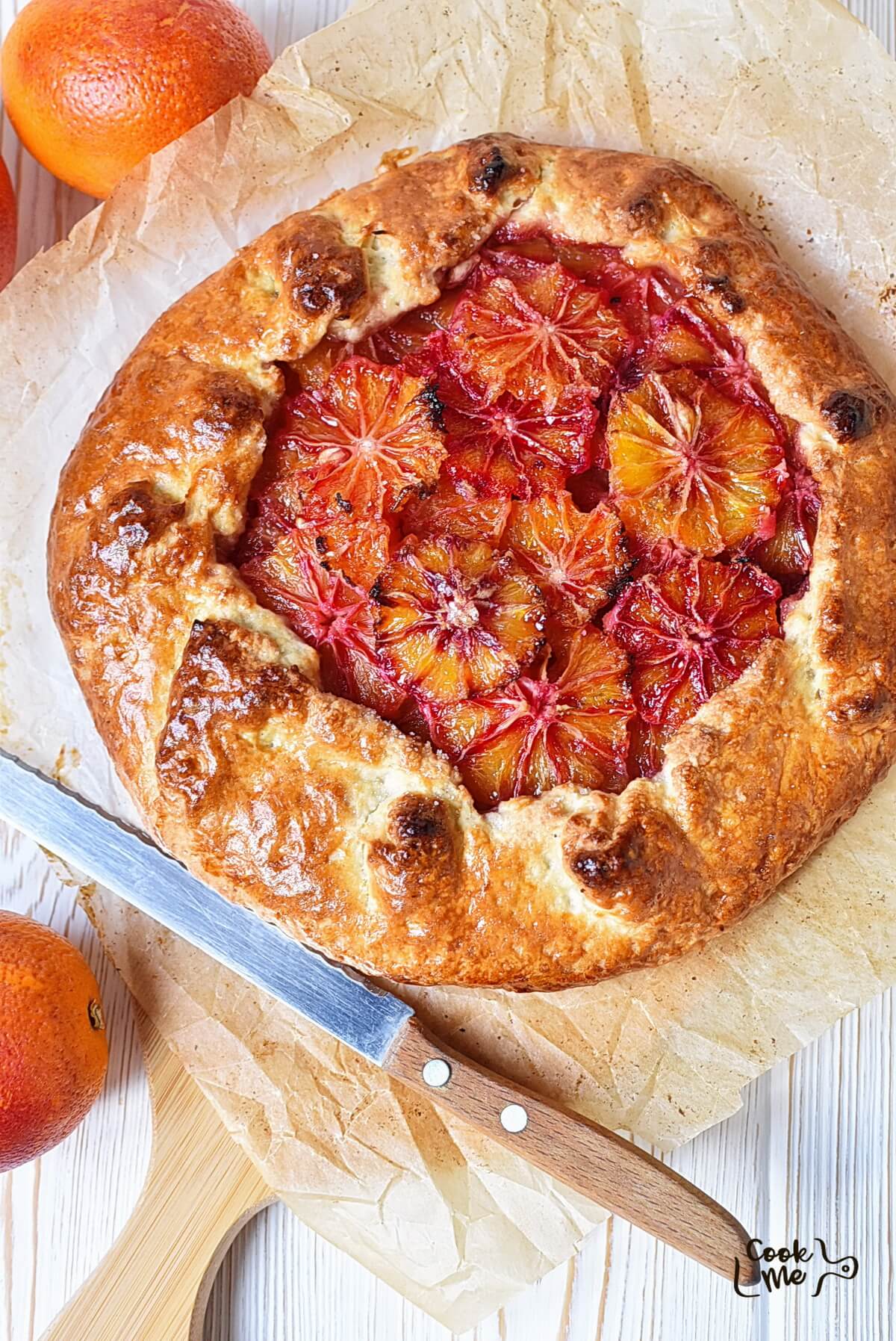
I have to admit I keep making this caraway blood orange tart because it hits a few notes I really like. It is an easy fruit tart recipe that anyone can tackle, even on a weeknight when time is short. The blood oranges bring bright citrus, the caraway adds a quiet nutty warmth, and the almond meal gives the base a little backbone so the crust does not get soggy.
My first bake filled the kitchen with a comforting smell and the crust came out crisp and amber hued, which surprised me given how simply it all comes together. It looks elegant without fuss, and it forgives a lot of little mistakes. Fold the edges without worrying about perfection. It still tastes great.
What I like most is the contrast: now and then a slightly charred orange slice beside tender fruit, a crisp pastry bite under a soft topping. It feels seasonal, especially when blood oranges start turning up at the market in late fall. Short and simple.
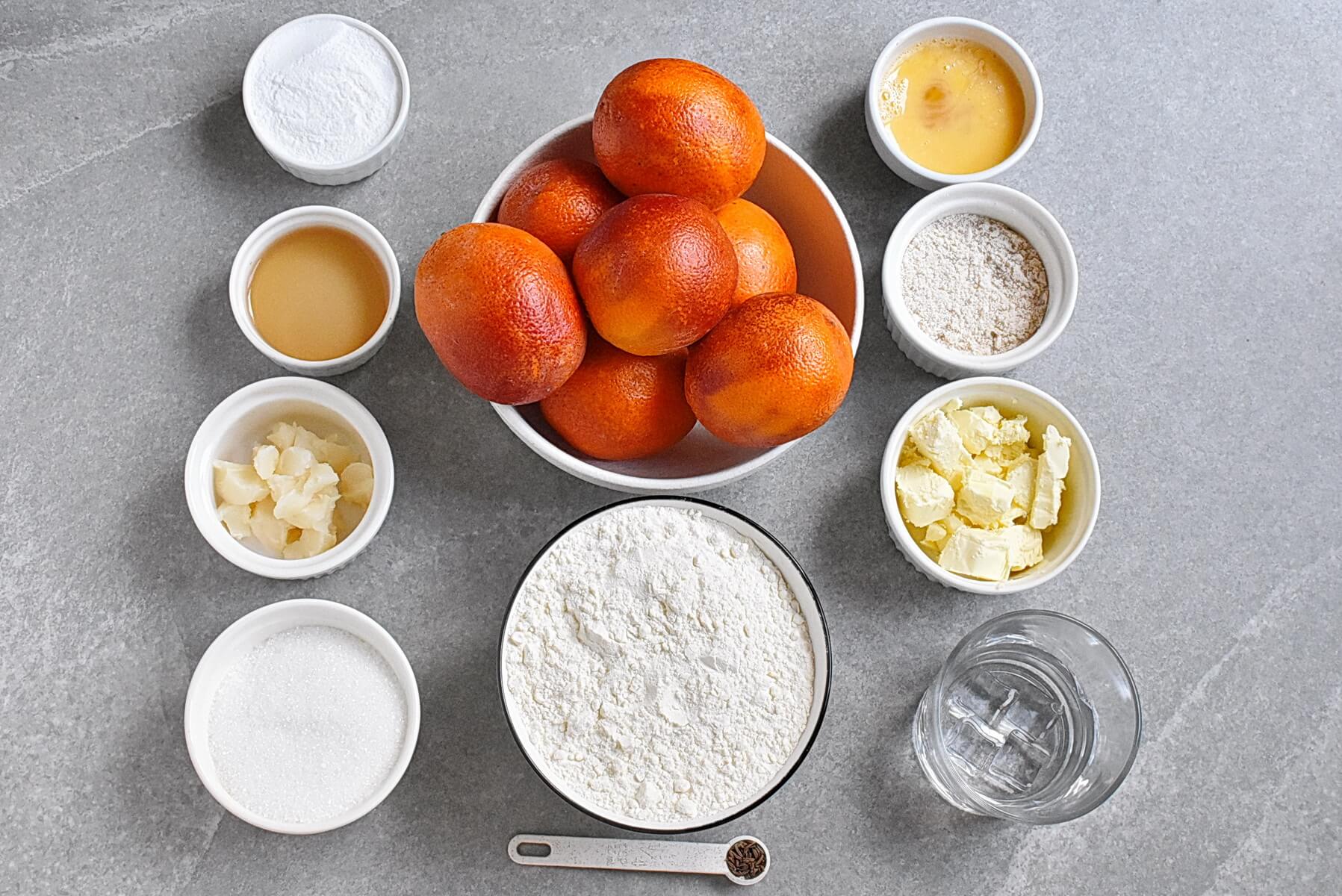
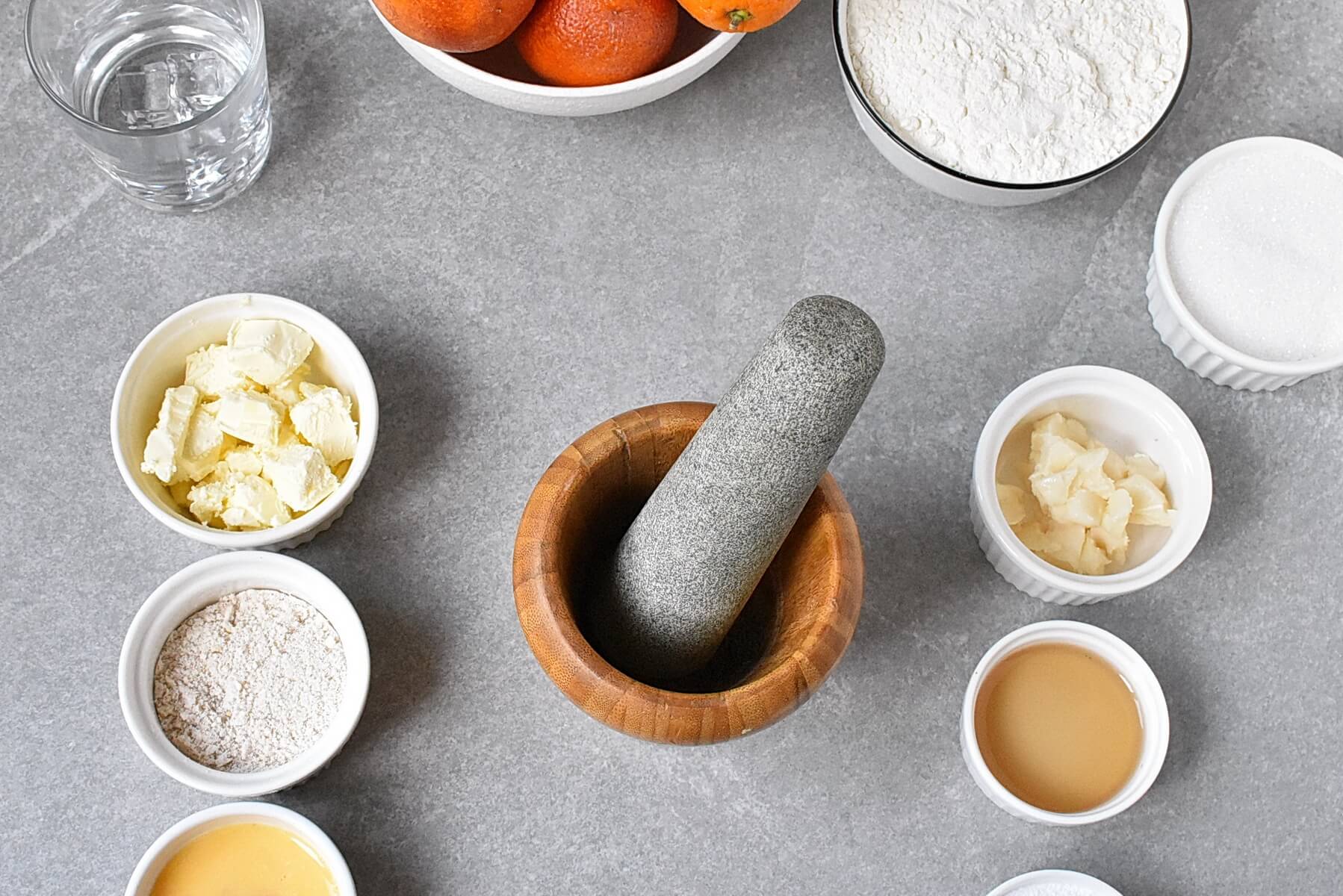
Using a mortar and pestle, grind ¼ teaspoon caraway seeds until fine.
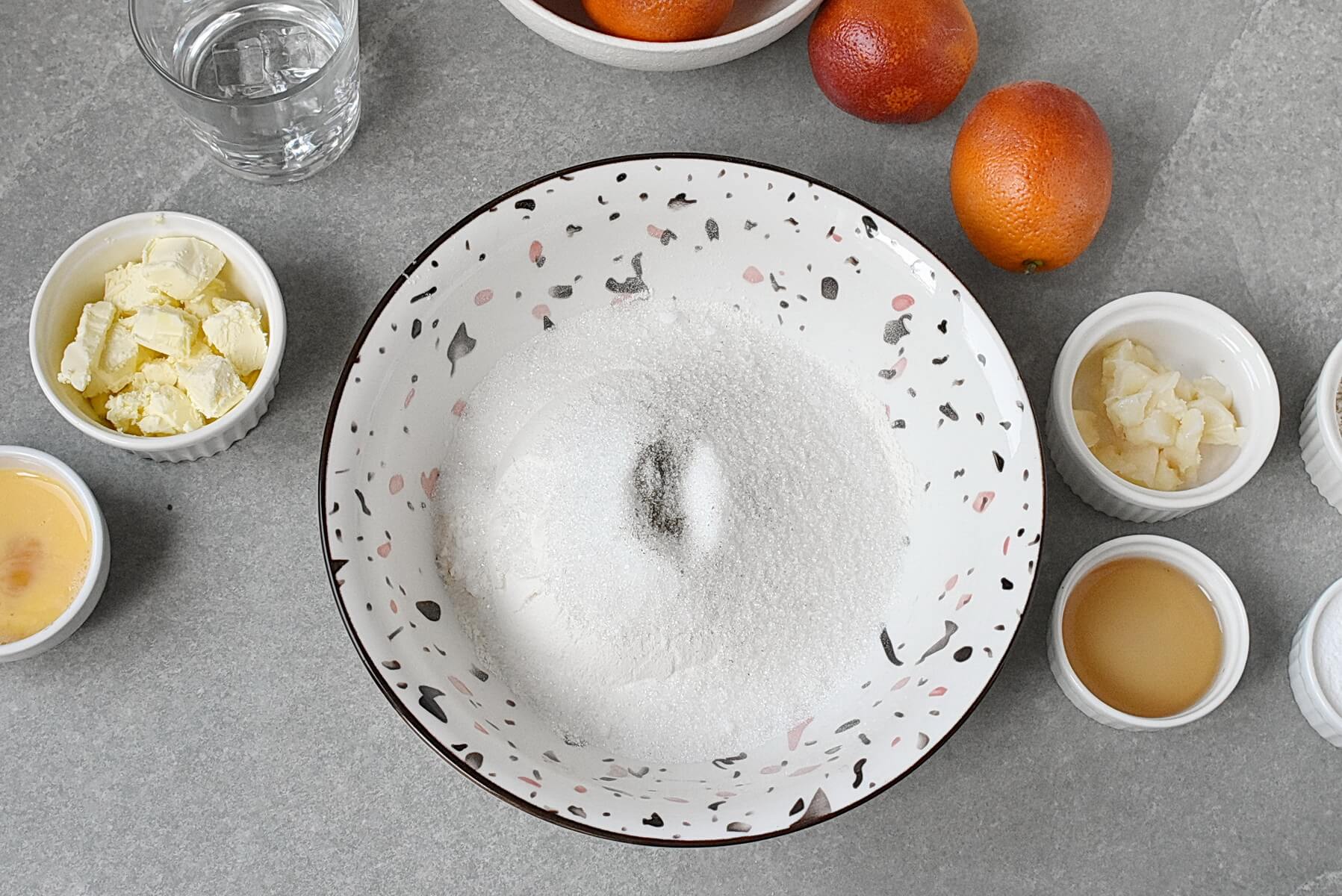
In a large bowl, add the caraway, 1 ½ cups all-purpose flour, and ¼ cup caster sugar and mix to combine.
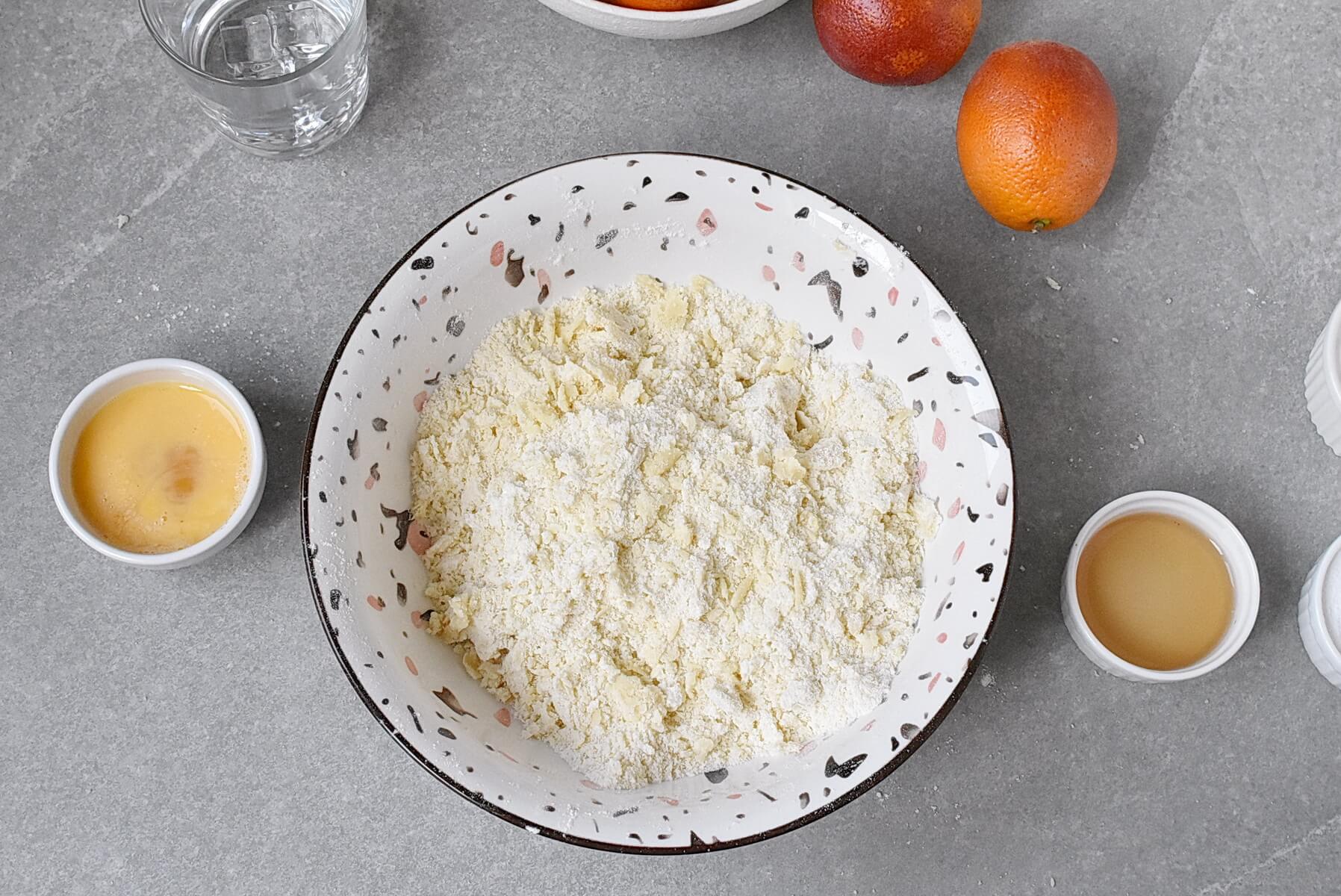
Add 60 grams cold butter and 40 grams cold lard. Use your fingers to rub the butter and lard into the flour mixture until it resembles coarse crumbs.
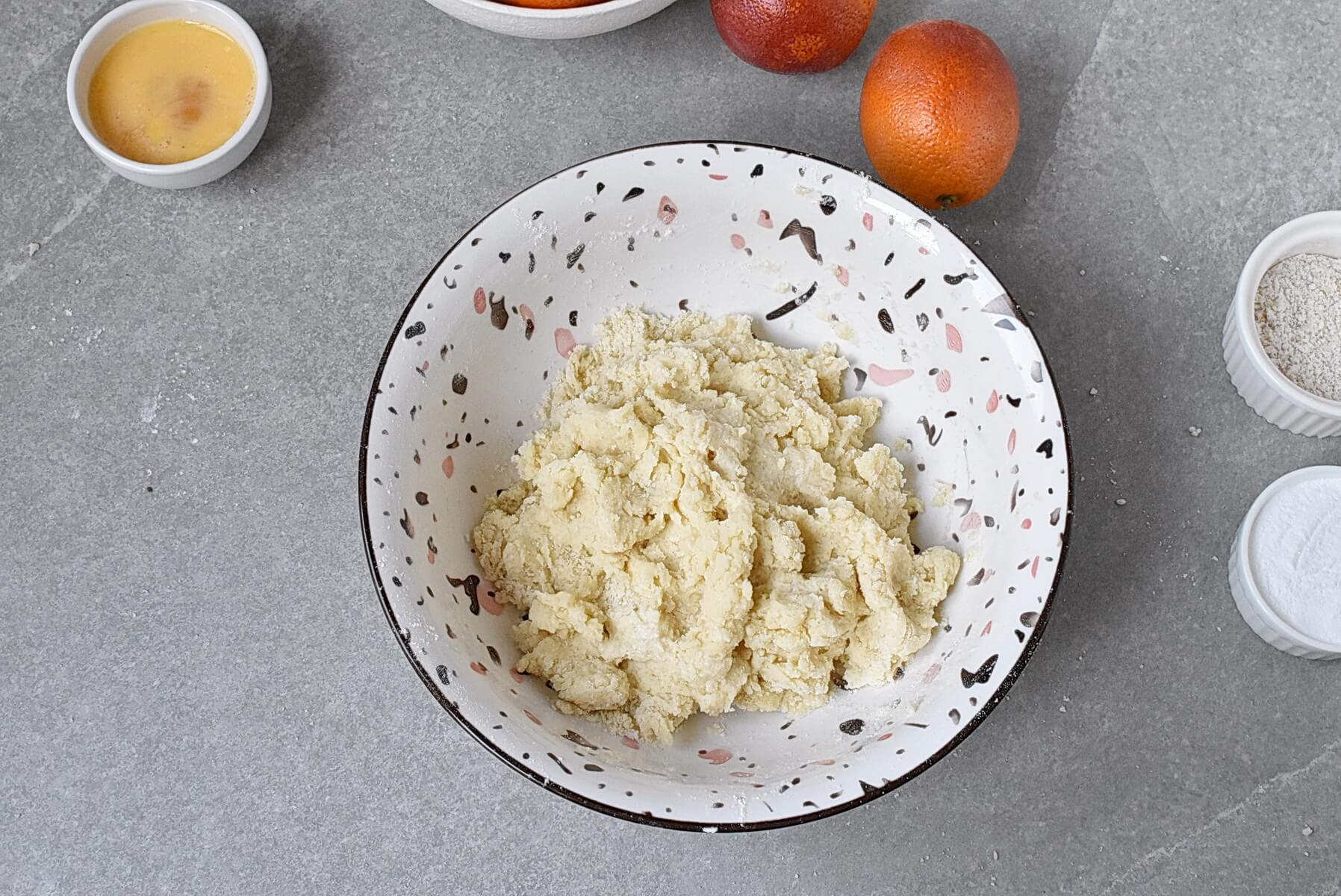
Add 2 teaspoons apple cider vinegar and ¼ cup iced water and use a butter knife to bring the mixture together to form a rough dough.
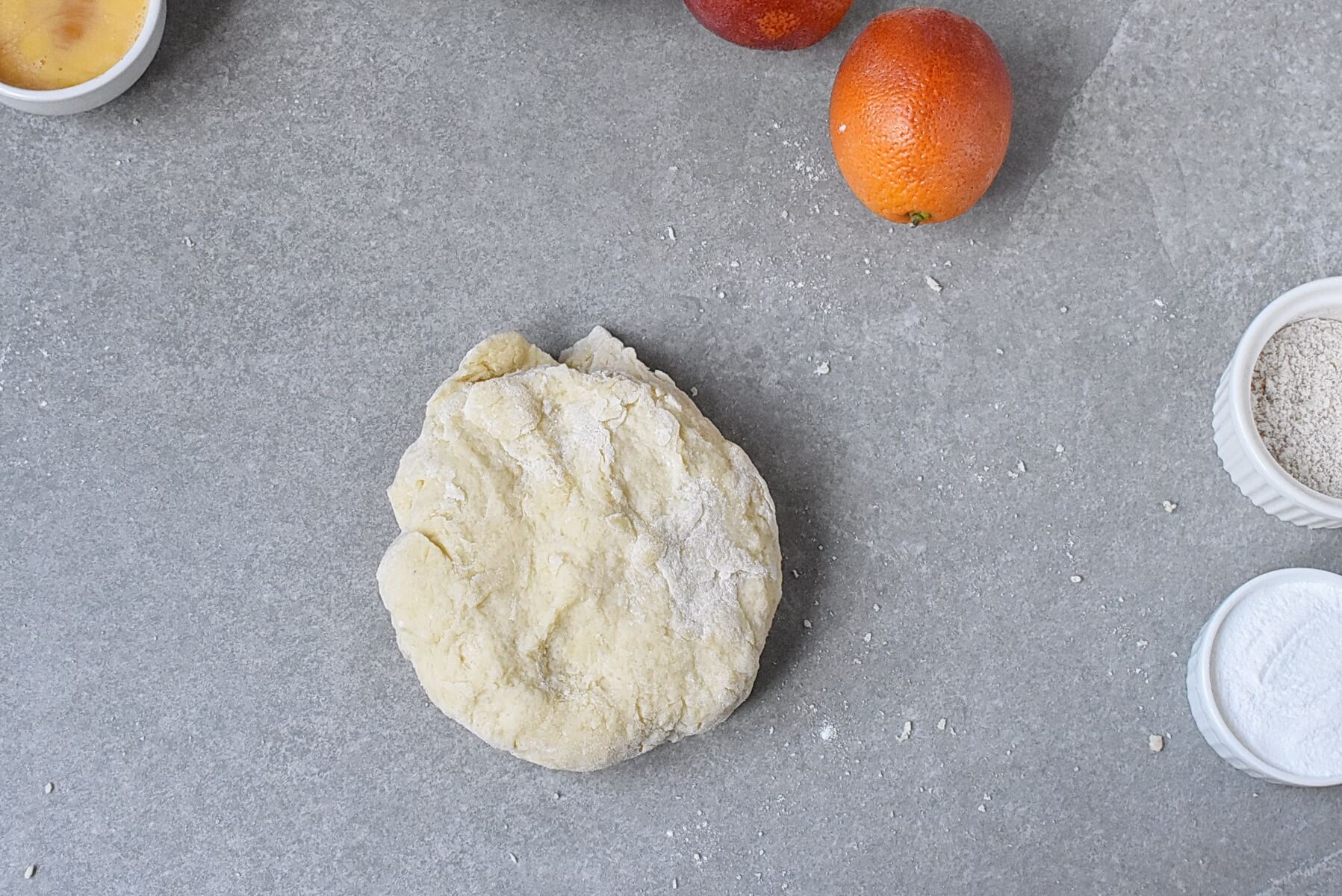
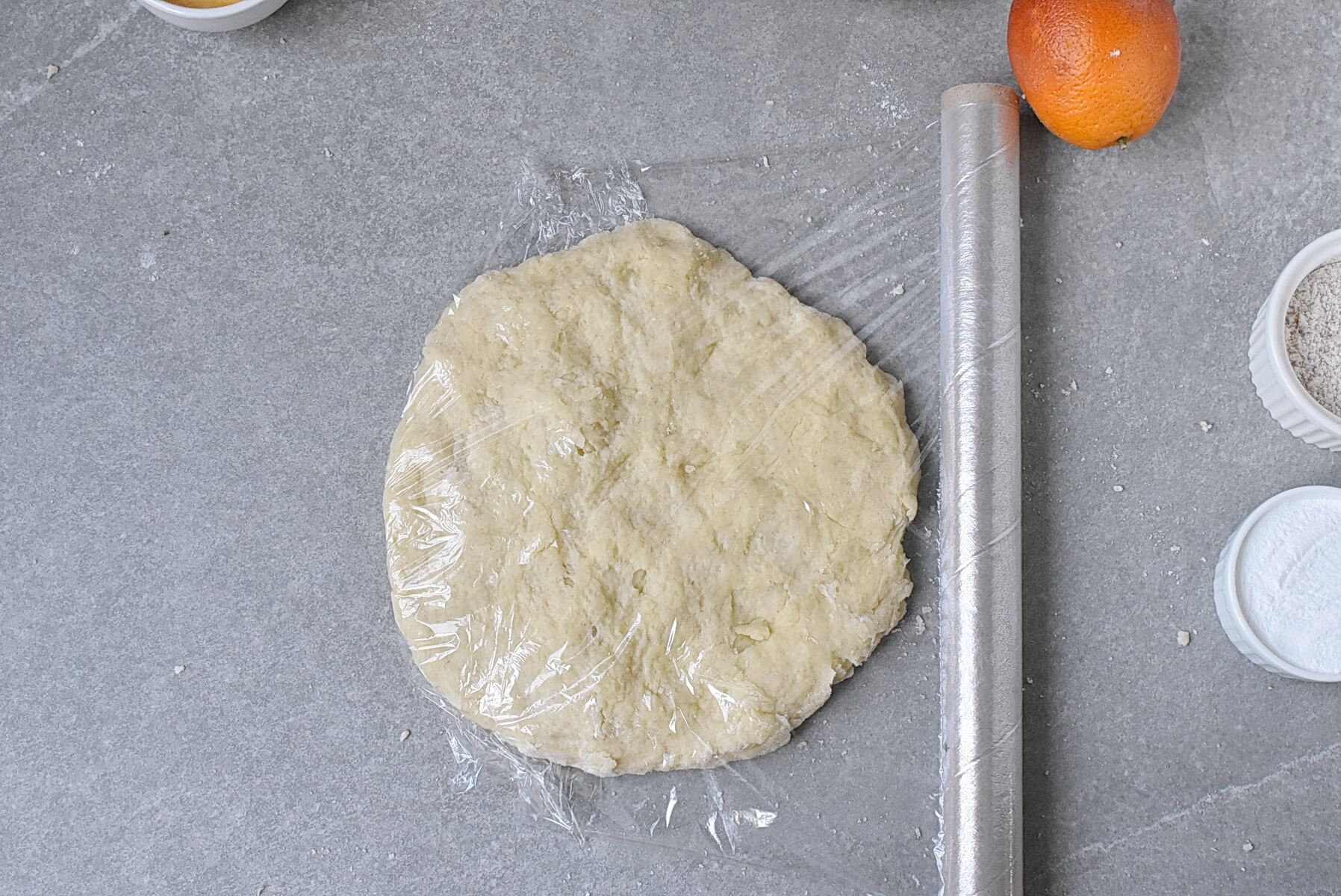
Turn out the dough and lightly knead to bring it together. Shape the dough into a disc. Wrap it in plastic wrap and refrigerate for 30 minutes or until firm.
Preheat the oven to 425 °F.
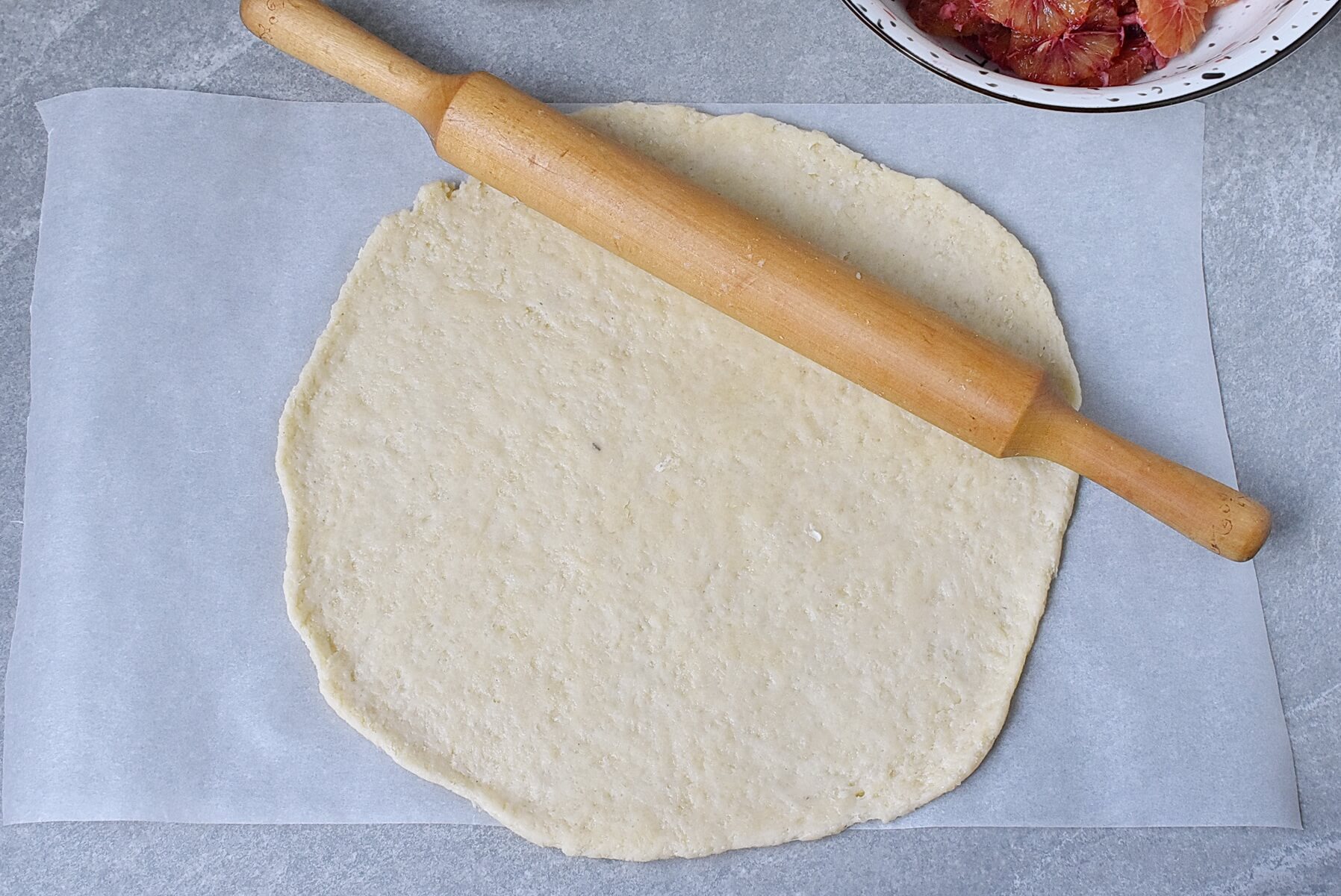
Roll out the pastry dough on a sheet of non-stick parchment paper to about 32cm/12 inches in diameter and 3mm/1/16-inch thick.
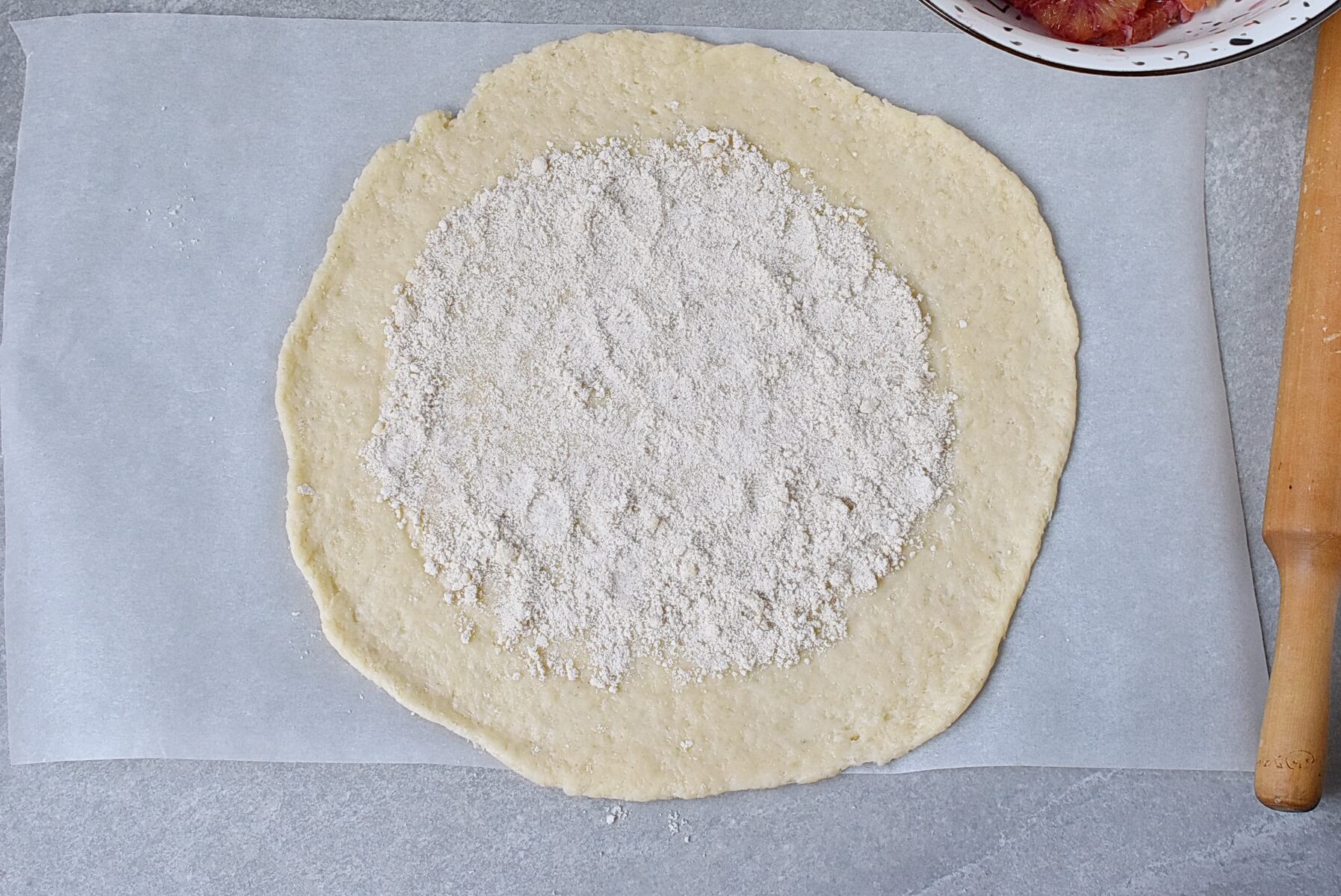
Sprinkle ¼ cup almond meal over the pastry, leaving a 5cm/2-inch border.
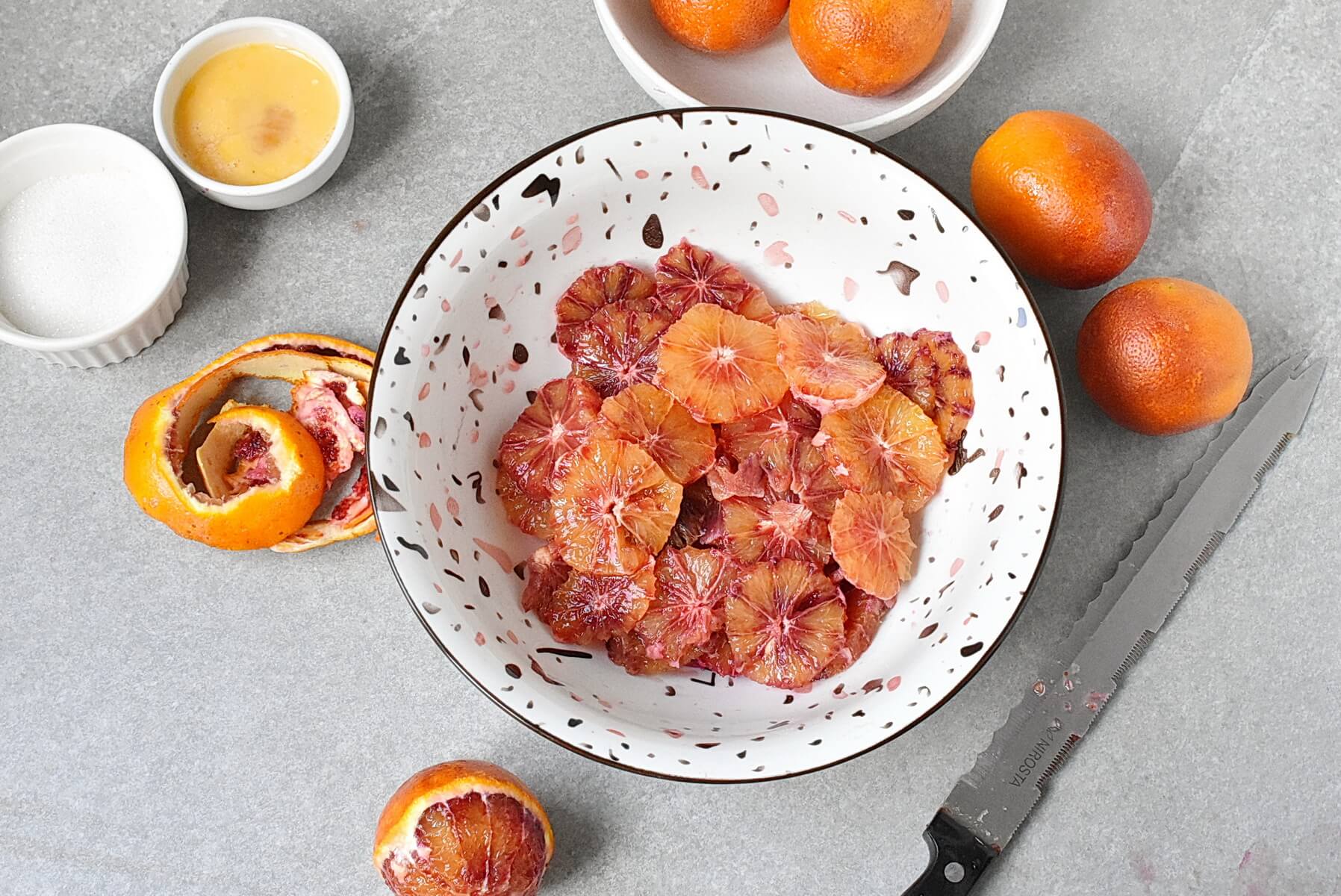
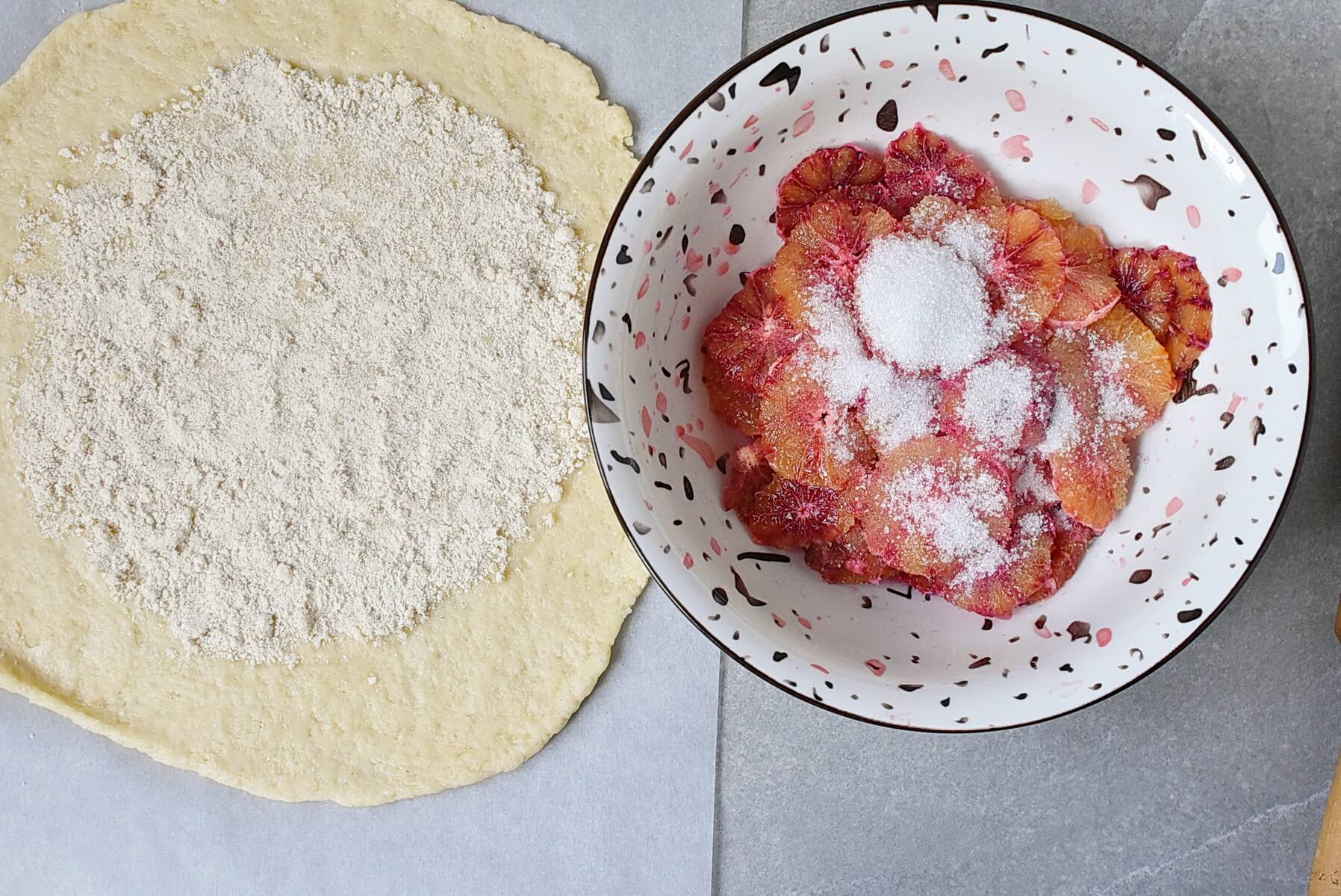
In a large bowl, place the thinly sliced oranges and ½ cup sugar and toss to combine.
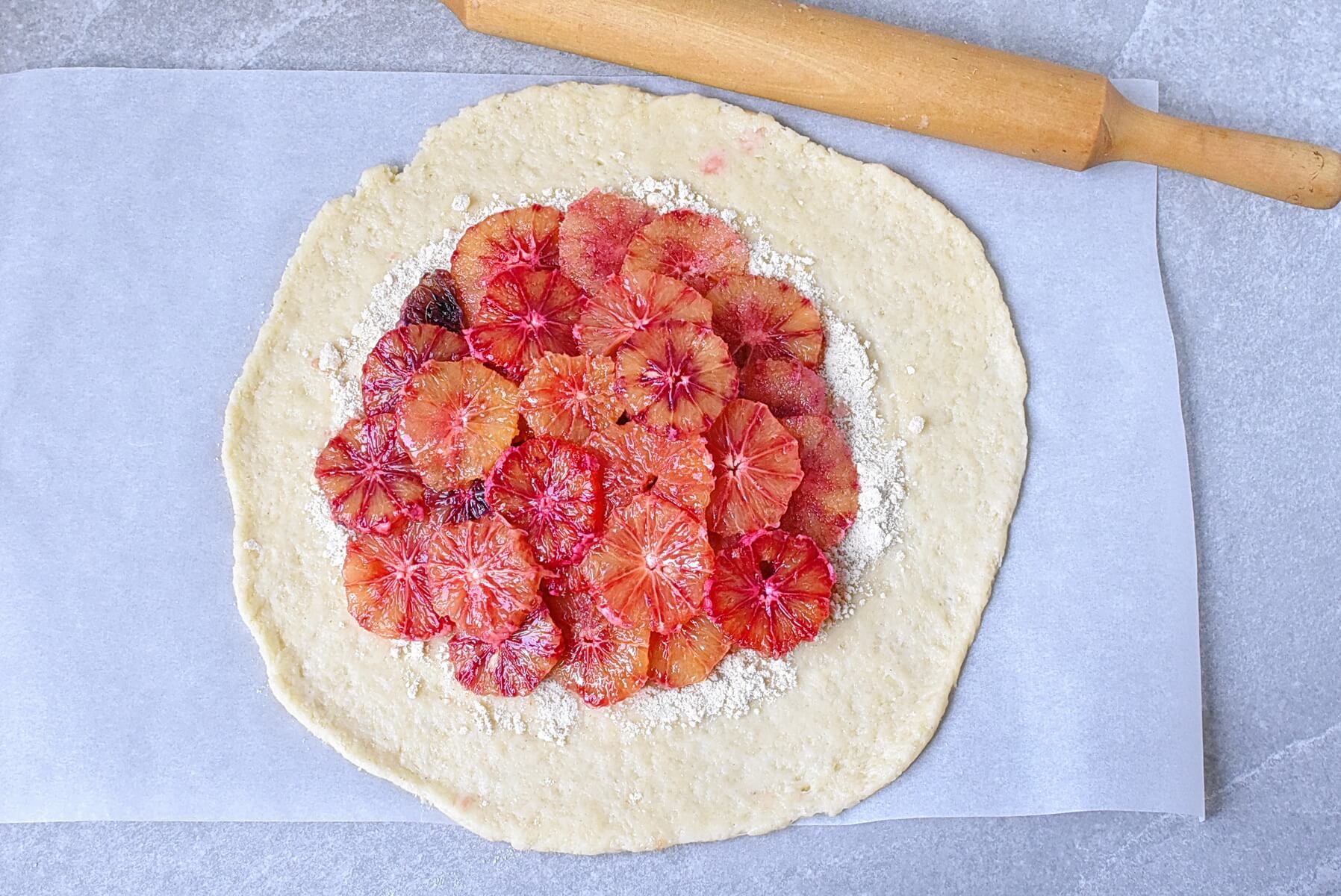
Top the pastry dough with orange slices.
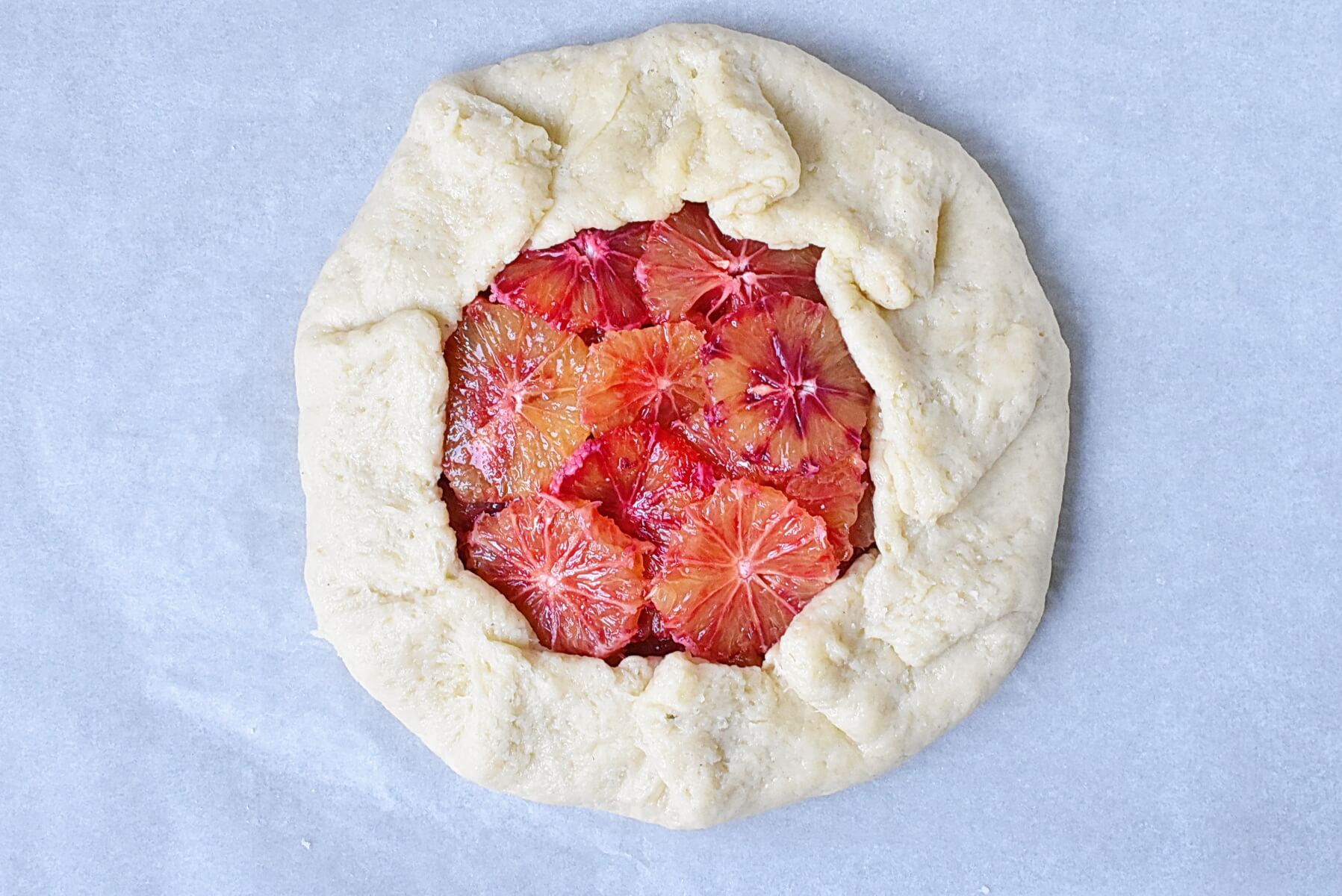
Fold the edges over the oranges.
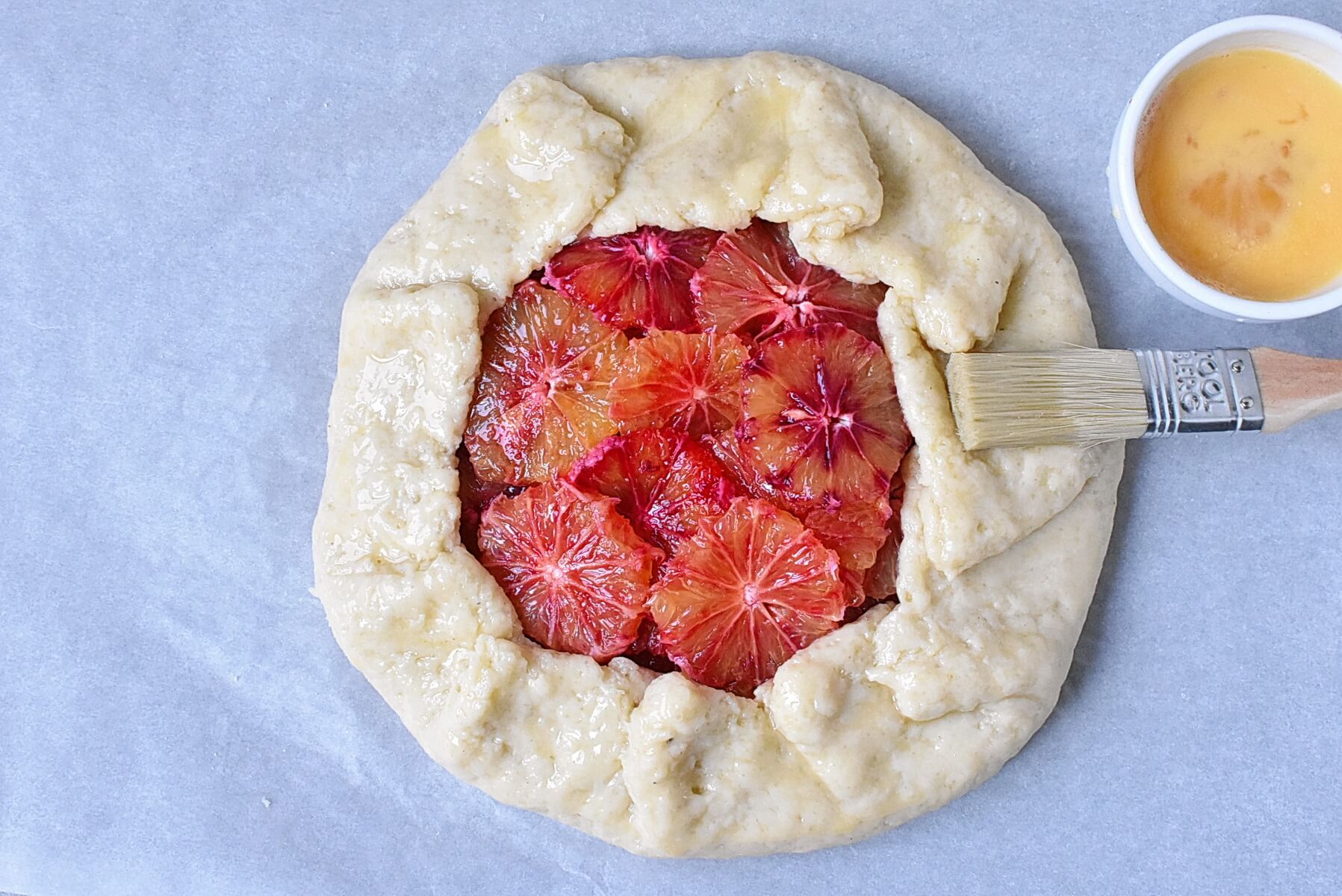
Brush the pastry with the egg wash.
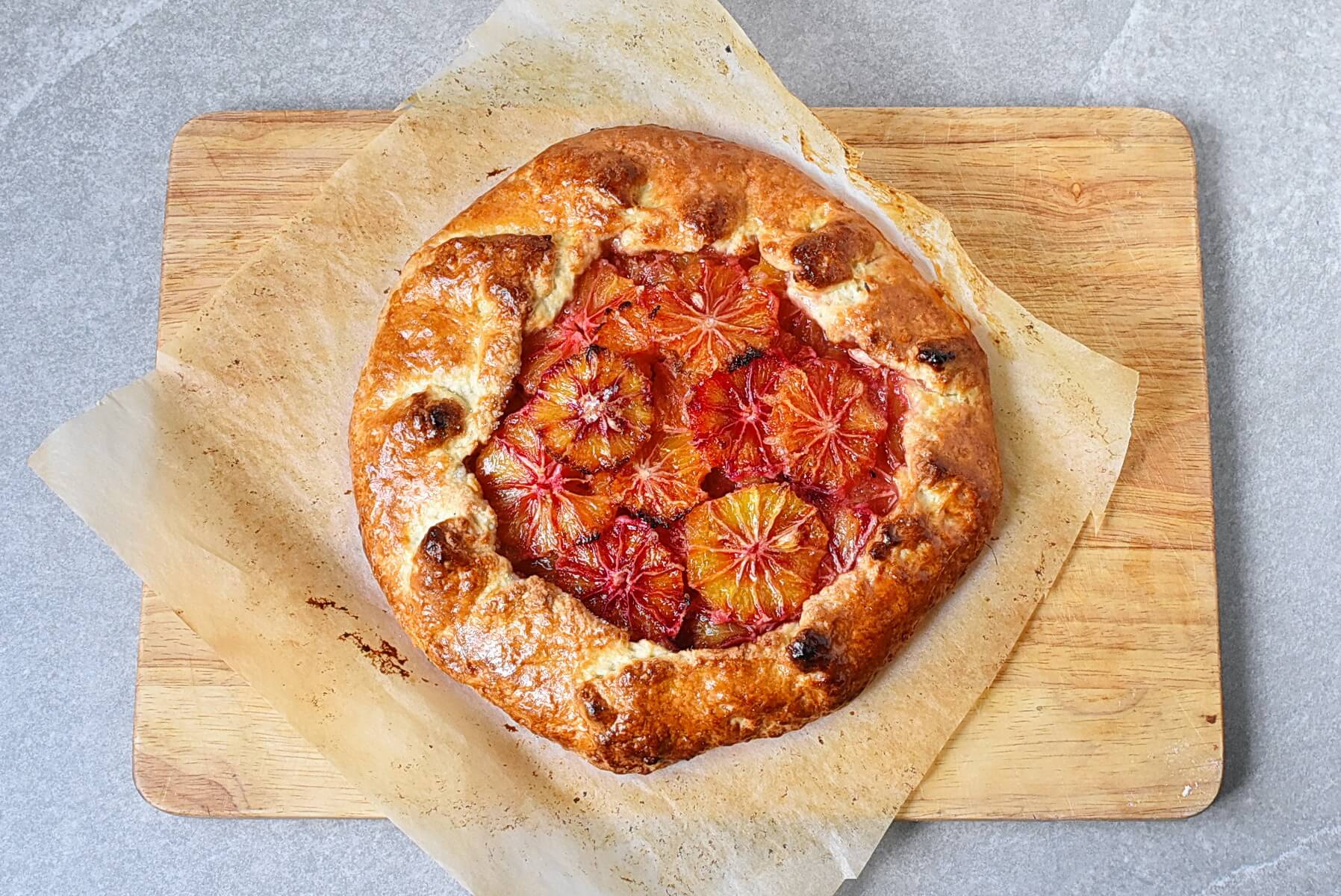
Gently transfer the tart to a large baking sheet and bake for 20–25 minutes or until golden brown.
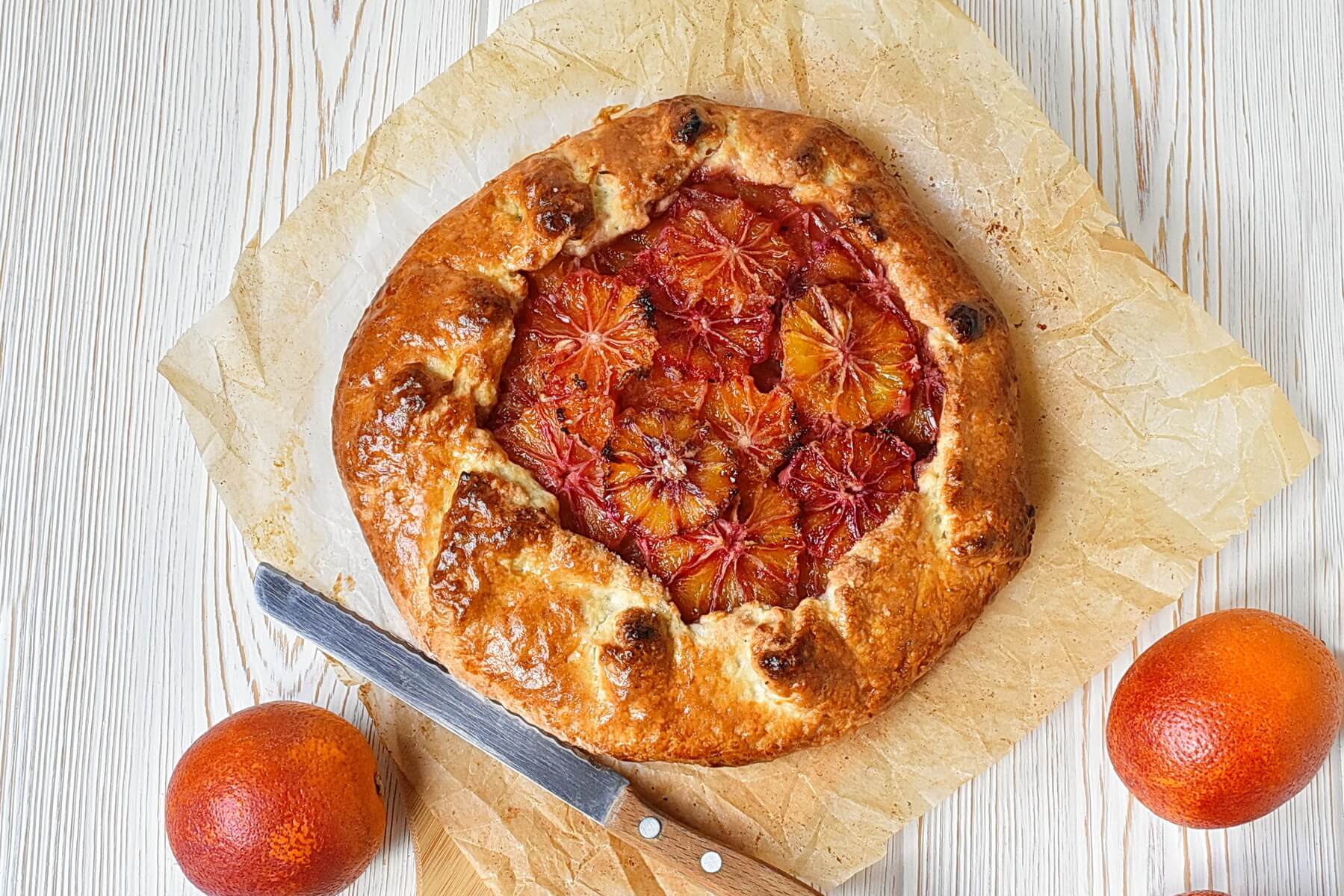
Slice and serve!
Grab a mortar and pestle to grind the caraway seeds. Doing it by hand releases more aroma than a spice grinder and it gives you a small moment of calm in an otherwise busy evening. You will want a large mixing bowl for rubbing in the butter and lard, a rolling pin to bring the dough to about a 12 inch circle, and a sheet of parchment paper for rolling and for easy transfer to the baking sheet. A sharp knife makes thin, even orange slices; a peeler helps with the peel. For the egg wash, a pastry brush is helpful. And yes, a kitchen timer is your friend. I once skipped the parchment and cleanup was a nightmare. Learn from me: use the parchment.
About the caraway seeds: grind them fresh and fine so they release oils that lift the pastry. That little bit of spice keeps the dessert from being cloying and makes it feel like a savory and sweet tart rather than only a sugary one. I tried pre ground seeds once and the flavor was flat, so I do this now every time.
Chill the dough thoroughly before rolling so the pastry stays tender and breaks apart nicely when you cut it. If you rush this step the crust can tighten and become chewy. Patience here is worth it. When slicing the blood oranges aim for thin, even rounds so they caramelize evenly in the oven. Toss them with sugar first to pull out excess juice and help form a glossy syrup as they bake. Also sprinkle the almond meal across the pastry base so it soaks up juices and protects the crust from getting soggy.
If your oven runs hot around the edges, tent the edges with foil midway through baking so the center can finish without the rim burning. Actually, scratch that first idea I had about increasing the oven temperature; do not. Keep it steady and watch the color. One more small thing: if you do not have lard, replace it with a little more butter and chill longer. It will still be very good.
Swap half the blood oranges for regular navel oranges for a mixed citrus version that is brighter and a bit sweeter. Scatter chopped pistachios over the almond meal for extra crunch and color. I once made this when blood oranges were scarce and it was a crowd pleaser, though it lacks that deep red drama.
For a bolder profile, increase the caraway slightly and add a pinch of cinnamon when you toss the oranges with sugar for a warmer, spiced feel. Or try infusing the pastry with a small amount of finely chopped rosemary for an herbaceous note that cuts the sweetness and makes the tart feel more like a light brunch offering.
Serve slices warm with a spoonful of whipped cream or a scoop of vanilla ice cream. It pairs well with spiced tea or a crisp white wine that has citrus notes. For brunch, set it next to yogurt and granola for a mix of textures. Leftovers are good warmed in a toaster oven; the flavors deepen overnight and the crust crisps up again.
Start by embracing some imperfection. Roll the dough to a rough circle, pile the oranges in the center, and fold the edges over without fussing about neatness. If the dough cracks, patch it with scraps and brush on the egg wash to hide seams.
They are seeds shaped like a crescent from a plant in the parsley family, with a flavor that sits between anise and fennel. Ground they give the pastry a warm, slightly savory note that balances the fruit.
A galette is a free form tart baked without a tin where the edges are folded over the filling. It is more forgiving than a tart in a pan and it looks nicely handmade even if you are not precise.
Yes. Use more butter or a neutral shortening and chill the dough longer so it firms up. The texture will be slightly different but still very good.
Pick ripe blood oranges with deep color to avoid bitterness. Slice thin and toss with sugar to macerate them. Taste a slice first; if it is bitter add a touch more sugar. Baking with blood oranges brings out their color and floral tang, making them a lovely choice for a fall dessert recipe.
Indulge yourself with this Caraway Blood Orange Tart. It’s beautifully flaky and bright with caramelized oranges, not to mention so easy! Give this delicious recipe a try this week and be sure to let us know what you think! Tag @cookmerecipes to share your baking projects with us.

 Vegetarian Recipes