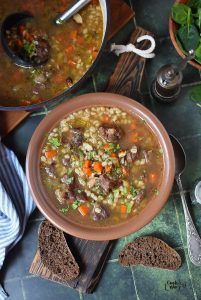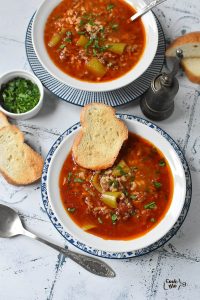
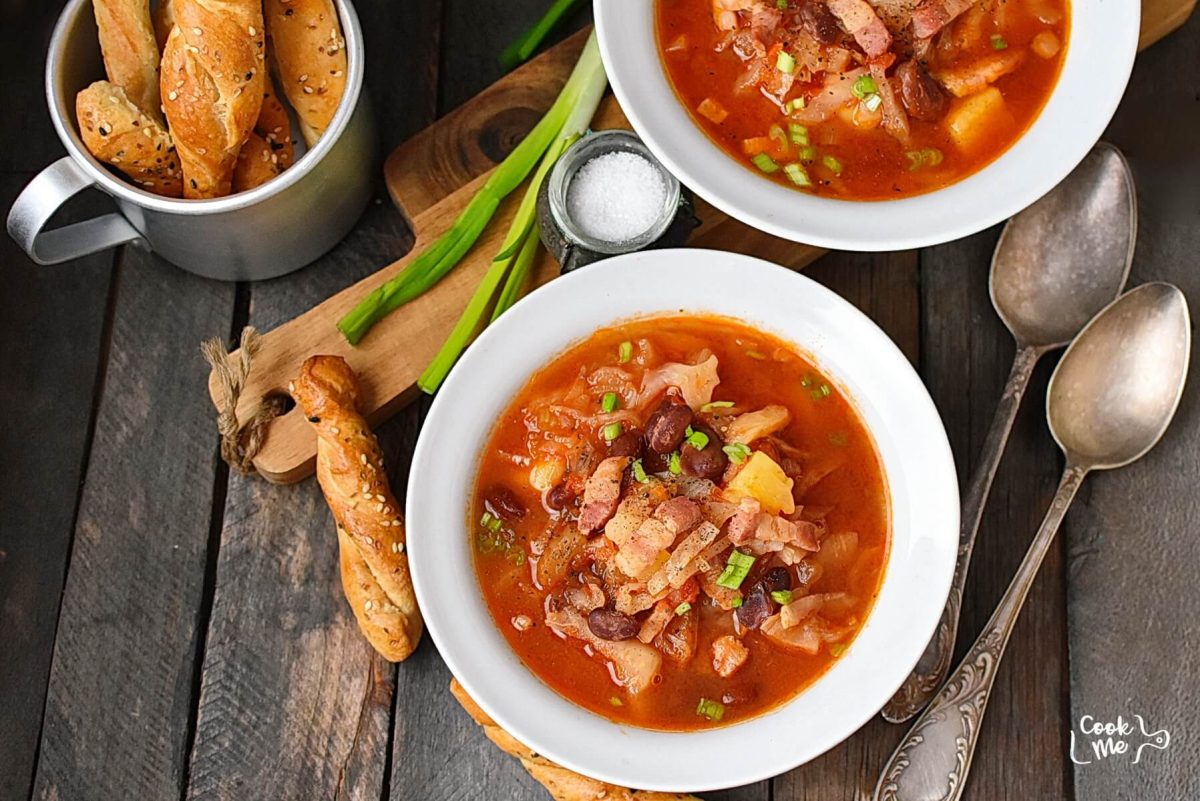
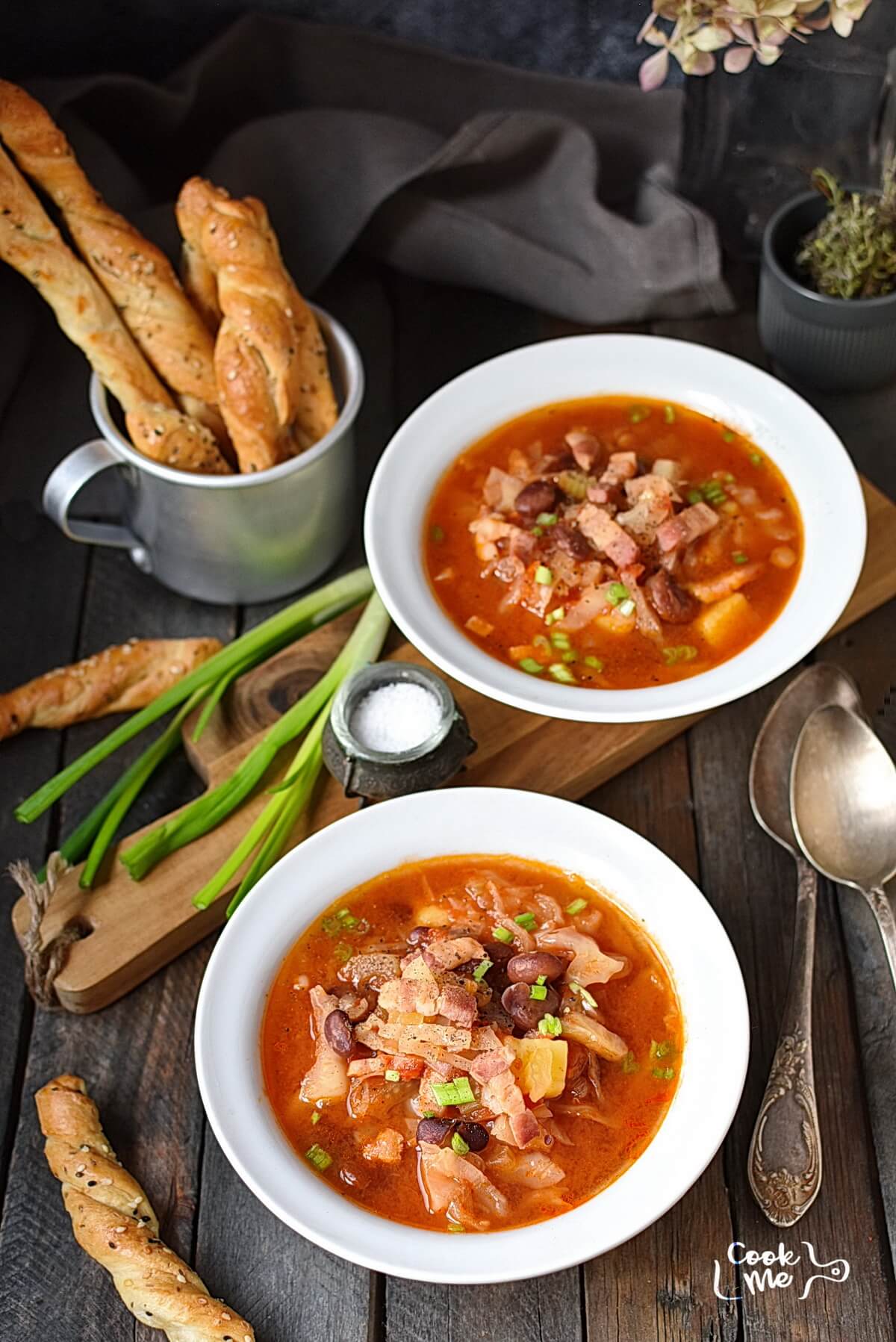
Alright, listen up. This pancetta and bean soup with cabbage is the kind of bowl that warms you from the inside out, the way a cast iron skillet warms your hands after a long winter. It pulls together pantry staples into something honest and filling, no fancy nonsense. I first landed on this in my Chicago kitchen on a Friday when the plan was to make something loud and useful. Think of it as a practical, nose to tail kind of approach, except this time the vegetable gets center stage.
What I like about it is the sound and the texture. That initial sizzle of pancetta in the pot, the way the cabbage softens but keeps a little bite, the beans going creamy as they soak up tomato and spice. It is as comforting as a meal at my Irish grandmother’s table and it feeds a crowd without much fuss. You cant argue with a full belly, and this proves it.
No tricks here. Just heat, time, and respect for the ingredients. Shred the cabbage fine, let the pancetta render slowly, and you will get layers of flavor without a lot of work. Actually scratch that. It does ask for attention. But not the fussy kind. The kind that saves you from wasting food and tastes like home.
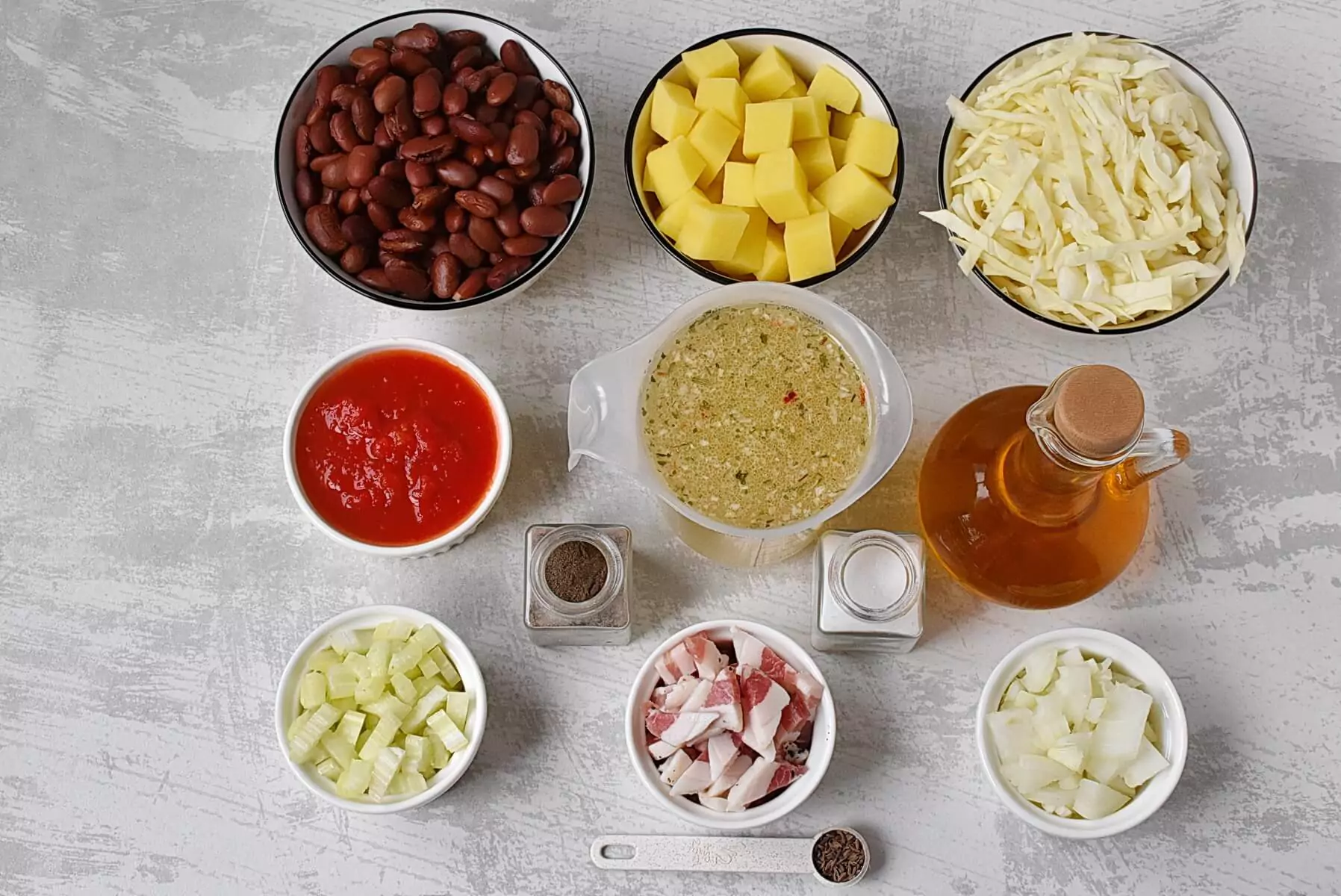
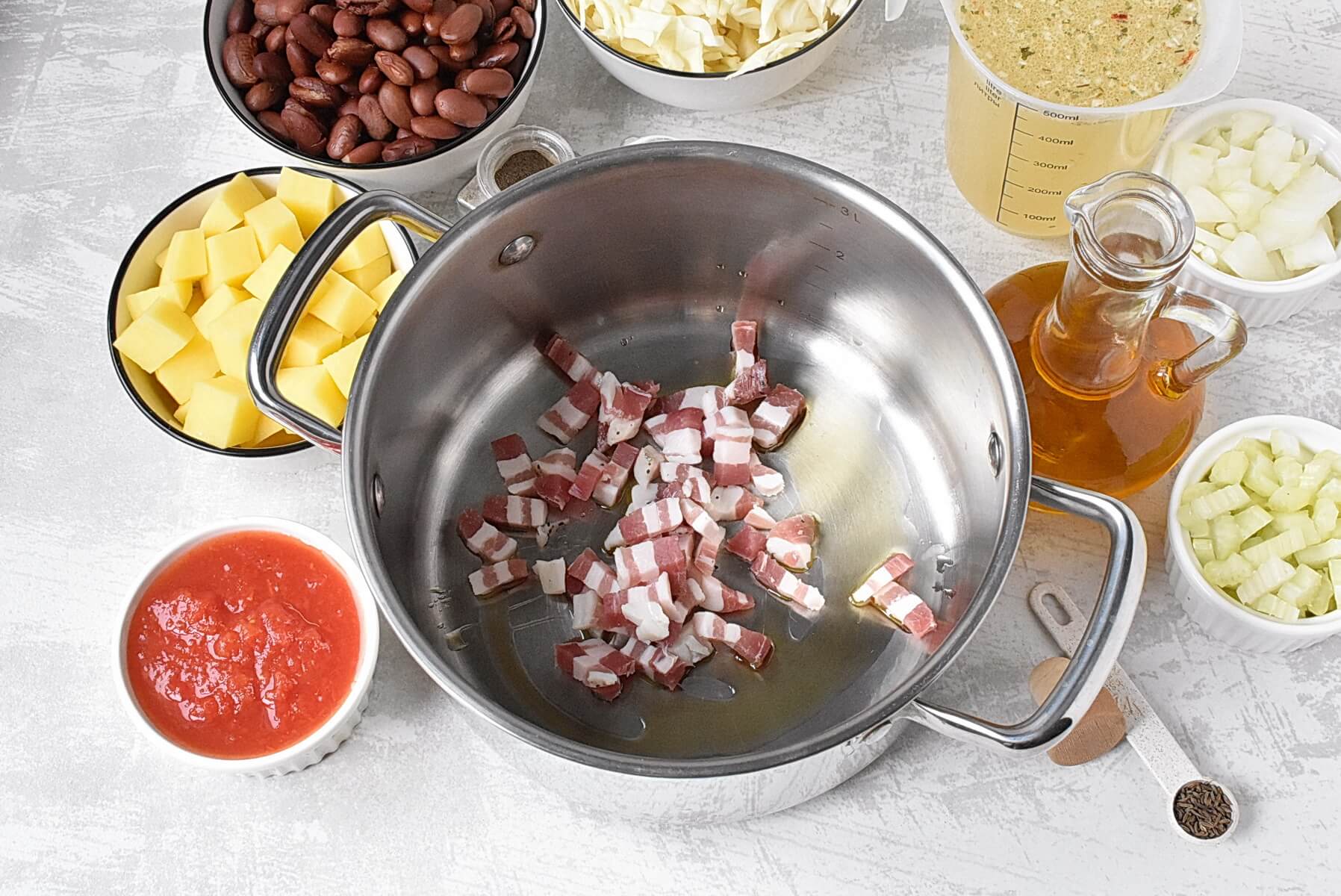
In a large pot, heat 2 tablespoons olive oil and add ½ cup chopped pancetta. Cook, stirring occasionally, until the pancetta is slightly brown.
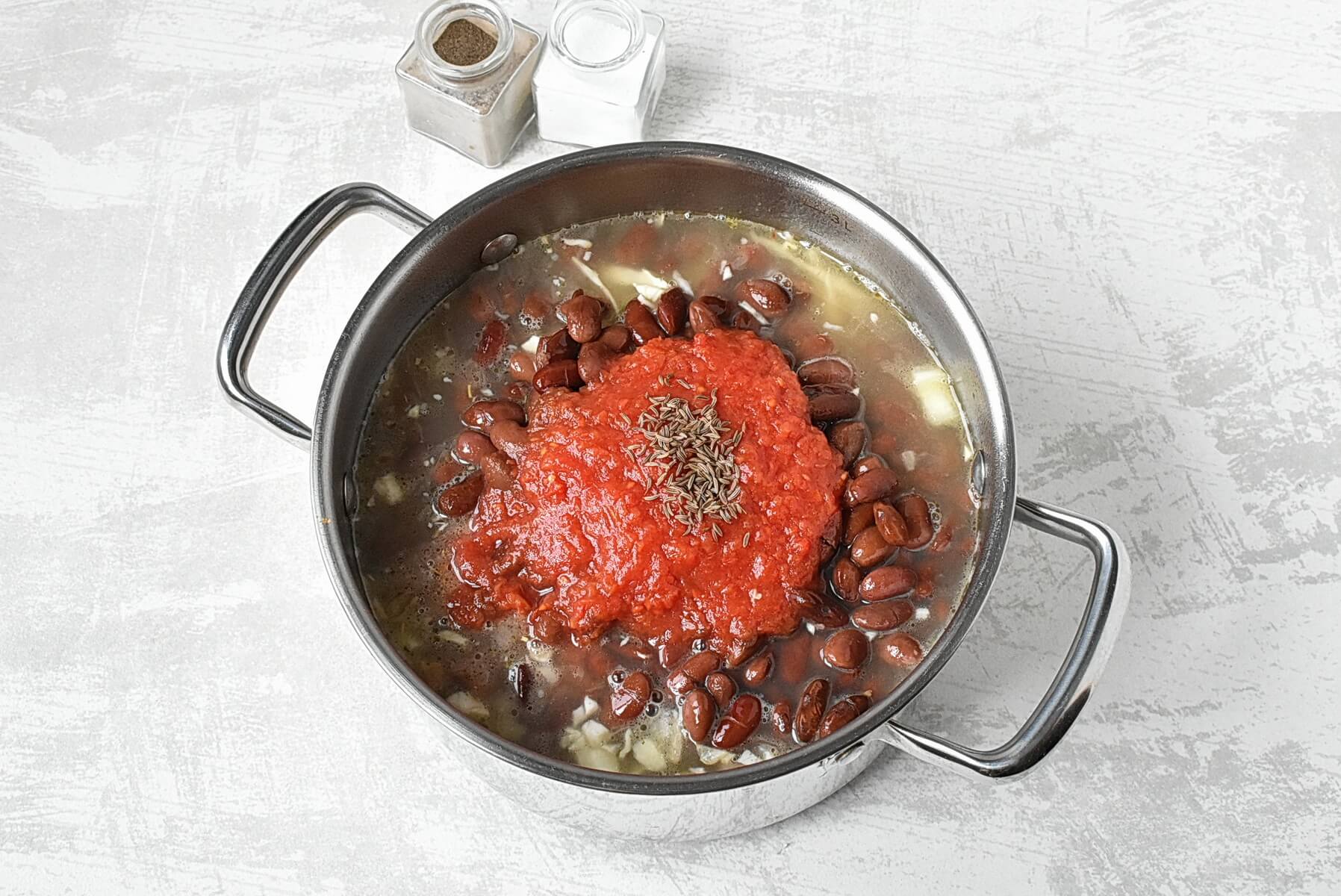
Add 2 ½ cups shredded cabbage, 1 chopped potato, 1 chopped onion, 1 chopped celery stalk, 1 cup tomato purée, 6 cups vegetable broth, 2 cups pinto beans, ¼ teaspoon salt, 1-2 dashes hot pepper flakes or black pepper, ½ teaspoon cumin, and 4 cups water and stir to combine.
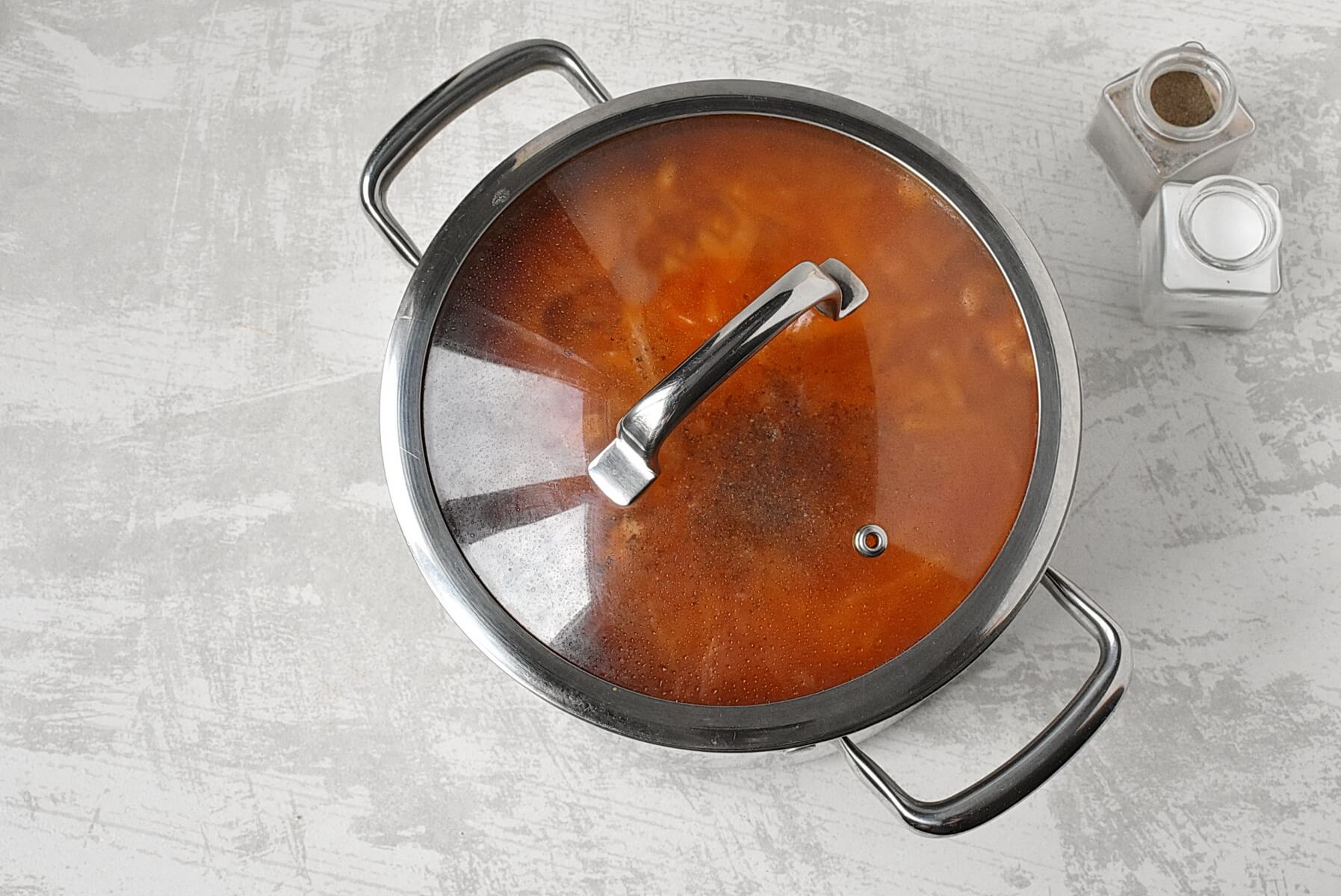
Bring the soup to a boil, then lower to a simmer. Cook until the potatoes are tender, about 30 minutes.
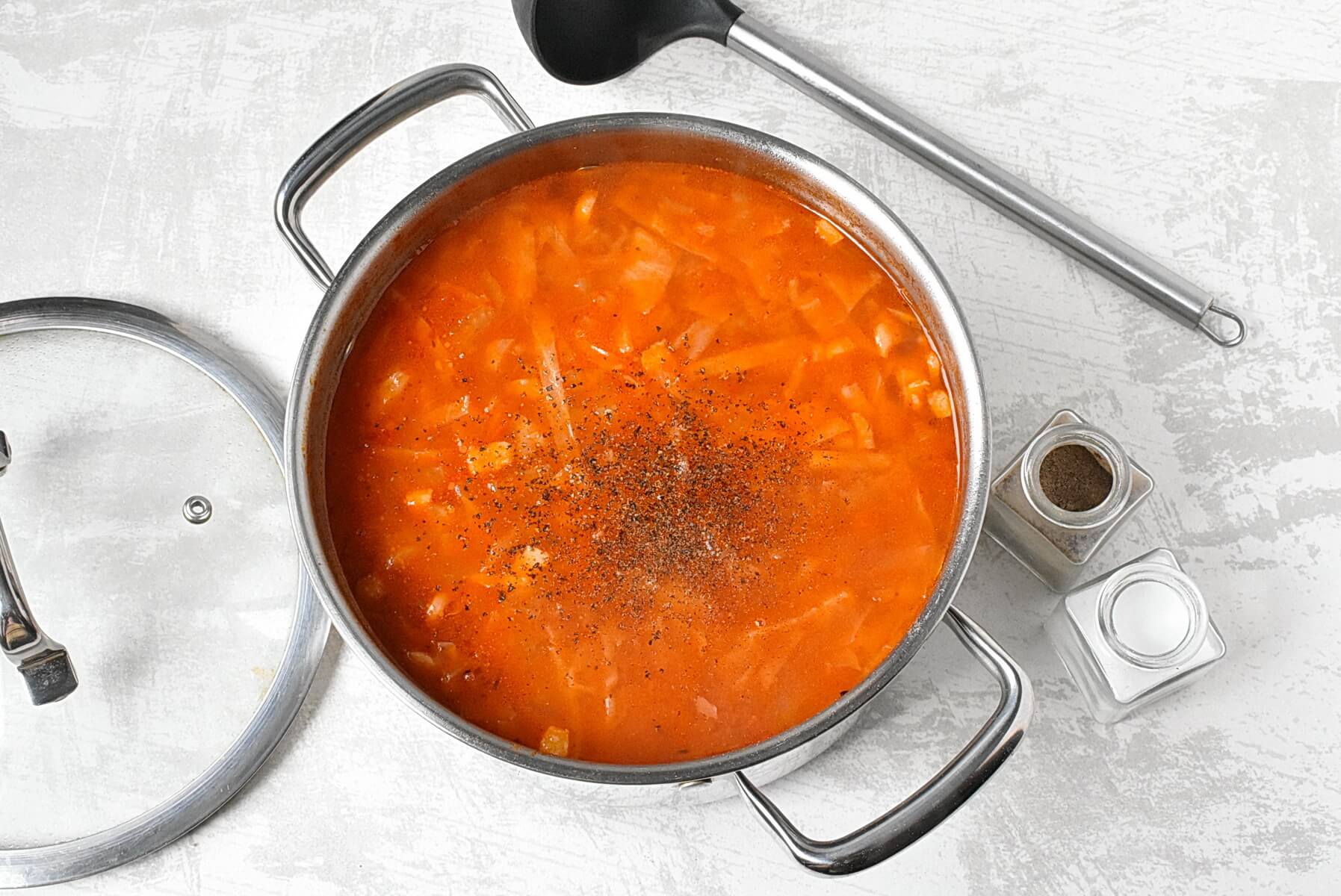
Taste and adjust for salt and black pepper if necessary.
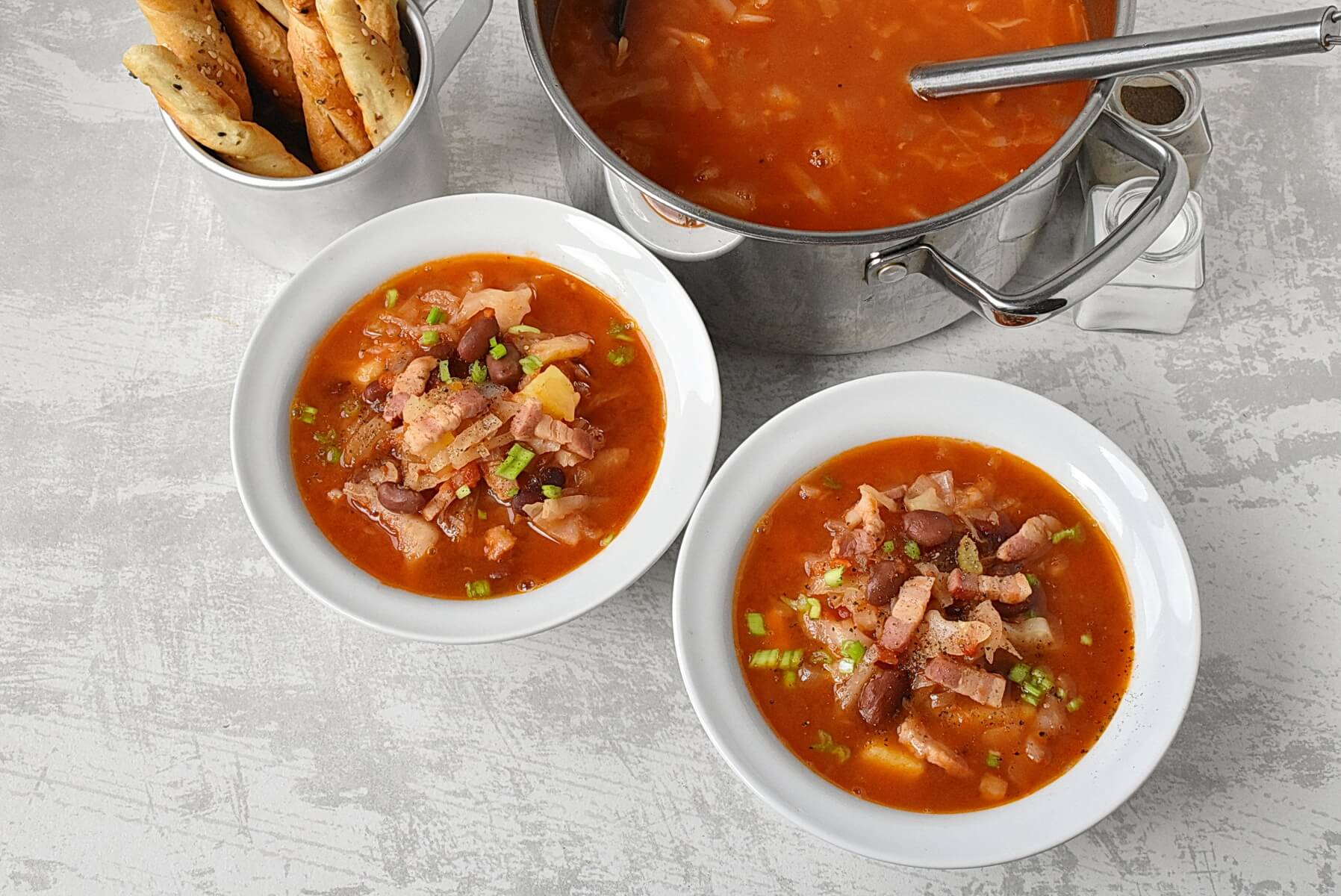
Serve with crusty ciabatta if you wish. Enjoy!
You do not need a workshop to make this. A large pot, something with a heavy bottom like a Dutch oven, is your best friend. I use cast iron because it holds heat steady the way a good vise holds stock. A sharp knife, a cutting board, and a wooden spoon do most of the work. Measuring cups for the liquid, a can opener for the beans, and a lid for the simmer are enough. You do not need any high tech nonsense for this.
I keep my pot on gas when I can for quick control, but electric will do. If you have a slotted spoon you can fish out a bean to test it, but you can also just taste. This is a working pot, not a show piece.
Look, you gotta go slow with the pancetta. Rush it and you get tough bits instead of those crispy salty chunks that flavor the whole pot. Cook over medium heat until it is browned and the fat has rendered, about five minutes. Let that fat do the job. Then toss in your onion, celery, potato, and shredded cabbage so they can soak in that flavor. If you dump water on them they will steam and you will lose depth.
Use a good tomato passata and stir it in before you add water so it melds into the base. Half a teaspoon of cumin early on wakes the beans up without turning the pot into a spice show. Rinse canned beans well to get rid of excess sodium and starch. Pinto beans love this treatment because they soak up flavor and give you creamy mouthfuls that contrast the cabbage.
Simmer gently, not boil. A low bubble for thirty minutes will soften potatoes without turning everything to mash. Taste at the end and remember: pancetta is salty, so wait on the salt. If you need a short cut, use pre cooked beans and cut your veggies smaller to speed things up. If you are short on time this still gets dinner on the table in under forty minutes.
Want it thicker and more rustic? Toss in torn stale bread and some hearty greens, like kale, toward the end. The bread soaks up broth and gives you a stew like texture. I did this once on a cold Chicago night and it felt like upgrading a simple frame into a proper piece of furniture. More depth. More comfort.
For a punch, double the red pepper flakes and add a chopped jalapeno with the onions. The heat wakes up the mild beans and lifts the whole bowl. Good for feeding friends who like an edge. Start small if you are sensitive.
You want to go meat free? Alright. The challenge is getting that deep, savory flavor. Swap the pancetta for sautéed mushrooms and smoked paprika. Saute the mushrooms until they release liquid and brown. The mushrooms give you that umami backbone and the paprika brings a smoky echo so the soup still feels anchored.
Serve this hot with crusty bread for dunking, like ciabatta. The bread gives a crunchy counterpoint to the soft cabbage and creamy beans. Sprinkle chopped parsley and grated Parmesan to finish. A drizzle of olive oil at the end never hurt anyone.
Pair with a simple green salad dressed in a light vinaigrette or with grilled sausage if you want more protein. A light red wine like Chianti plays nicely with the tomato and cumin without stealing the show.
What is tomato passata. It is strained tomato puree, smooth and free of seeds and skins. In this soup it gives body and brightness without chunks. If you cannot find it use crushed tomatoes and strain them for smoothness. I once ran out and used plain puree. It worked, but it tasted a bit cooked. Passata is best if you want that fresh tomato tang.
Add carrots or parsnips with the potato. Chop them evenly and toss them in when you add the other vegetables. They add sweetness and help balance the cabbage. I made this during a snowstorm once and it fed three hungry people for two days. Simmer longer if needed and adjust salt toward the end.
Yes. This is peak comfort food soup. Make it ahead by cooking, cooling, and storing in the fridge for up to three days. Reheat gently on the stove and add water if it thickens. The flavors actually meld overnight and get better. I prep it on Sunday when I know the week will get busy. Works every time.
If you need dinner on the table faster, cut the vegetables smaller and use pre cooked beans. Smaller pieces soften faster and you save time. You can have a solid meal in under forty minutes and still get that depth of flavor.
Ive served this at family dinners and at late night fixes after long shifts. It is forgiving, fills you up, and respects good ingredients. Follow the basic steps, trust the heat, and you will have a bowl that feels like real food. It is simple, but it is not childish. It carries weight in the way a well built table does.
This simple Italian Bean Pancetta Cabbage Soup is a staple in Italian households. Hearty, comforting, and rich in flavor, it’s the ultimate cold weather meal. Did you make it? Let us know what you think! Tag @cookmerecipes on Instagram and hashtag #cookmerecipes.

 Dairy-Free Recipes
 Gluten Free Recipes